REVIEW · CUSCO
Cusco: City and Nearby Ruins 5-Hour Guided Tour
Book on GetYourGuide →Operated by Peru & U · Bookable on GetYourGuide
One place teaches you how the Incas thought in stone. This 5-hour guided loop blends Cusco’s Inca core with major ruined sites, starting at Coricancha and finishing at Puka Pukara. I especially love the Cyclopean precision at Sacsayhuaman and the eerie, carved oddness of Qenqo. The main catch to plan for is that the day can include a textile shop stop, which may eat into time at the later sites if your group gets stuck chatting.
The tour runs early afternoon with pick-up from your downtown accommodation, so you get moving without fighting Cusco’s traffic. You’ll also have a real guide on board (Spanish or English) and transportation between stops, with entrance fees handled separately. One more thing to note: the Cathedral visit depends on the tour time (and this schedule is afternoon), so don’t assume every departure covers the same interior.
In This Review
- Key Highlights Worth Your Time
- Cusco in 5 Hours: What This Afternoon Loop Really Feels Like
- Coricancha Sun Temple: A Temple Built to Impress the Light
- Plaza de Armas and the Cathedral Over Inca Stone
- Sacsayhuaman’s Inca Walls: How 180-Ton Rocks Fit
- Qenqo (Zigzag): Subterranean Passages and Carved Stone Interiors
- Tambomachay and Puka Pukara: Water and a Military Lookout
- Price and Entrance Fees: What $22 Actually Buys
- Group Size, Language, and the Shopping Stop Trade-Off
- Timing, Pacing, and How to Avoid the Late-Afternoon Rush
- What Kind of Traveler Should Book This?
- Should You Book This 5-Hour Cusco City and Nearby Ruins Tour?
- FAQ
- How long is the Cusco City and Nearby Ruins guided tour?
- What does the tour include?
- Are entrance fees included?
- What sites are visited?
- Where is the pick-up?
- What languages is the live guide available in?
- Is the Cathedral visit included?
- Is this a private tour?
- Are pets allowed?
- What is the cancellation/refund policy?
- Can I change or get a refund after confirming tickets?
Key Highlights Worth Your Time
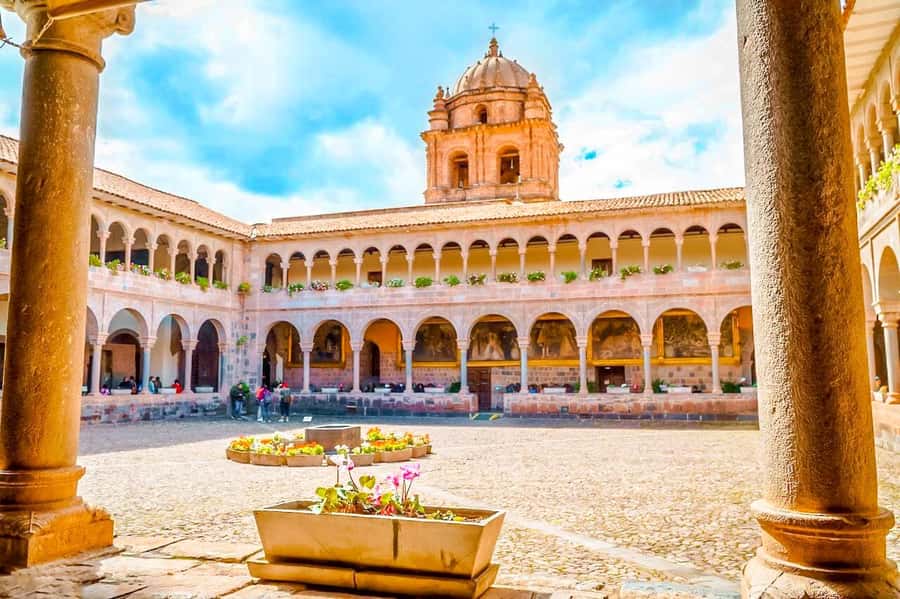
- Coricancha Sun Temple: an iconic ceremonial site with serious architectural presence
- Sacsayhuaman’s Inca walls: massive rocks fitted with mind-bending tightness
- Qenqo’s subterranean passages: stone that feels deliberately engineered, not random
- Tambomachay + Puka Pukara: water features and a military lookout on the northern outskirts
- Small-group pacing: enough structure to connect sites, without feeling like a factory line
Cusco in 5 Hours: What This Afternoon Loop Really Feels Like
This tour is designed for people who want the big hitters of Cusco’s Inca-era outskirts without spending the whole day in buses and lines. You start downtown, then shift north to the ruined complexes, with short transfers and a bit of on-foot time.
Because it’s only five hours, the guide’s job matters. A good guide helps you read what you’re seeing: why the Incas built where they did, how they used stone, and what changes when you go from the city center to hillside sites. If your guide is fluent and energetic, you’ll get more from the carvings, walls, and alignments than from photos alone.
The biggest practical trade-off is time allocation. The schedule includes a textile or shop stop, and that can pressure the pace later in the afternoon.
You can also read our reviews of more guided tours in Cusco
Coricancha Sun Temple: A Temple Built to Impress the Light
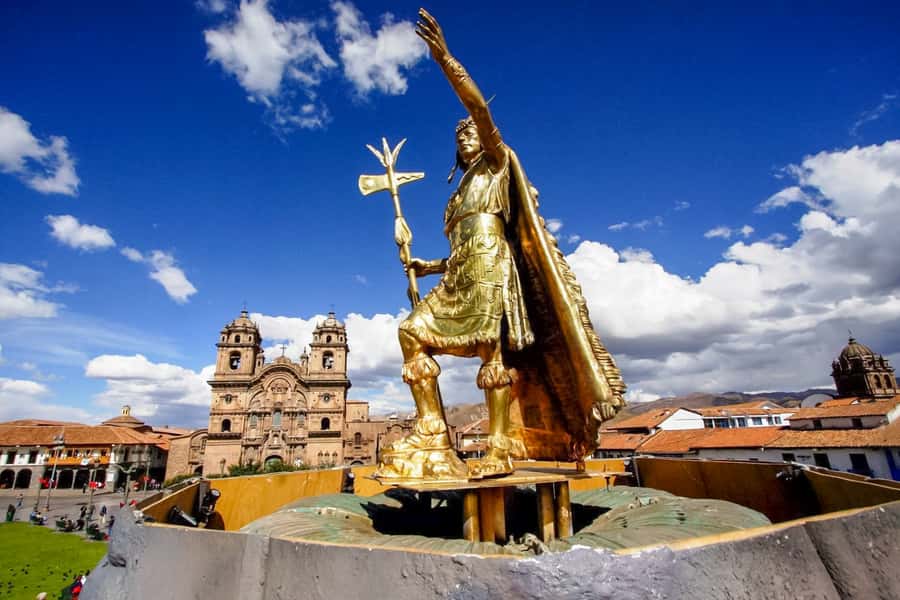
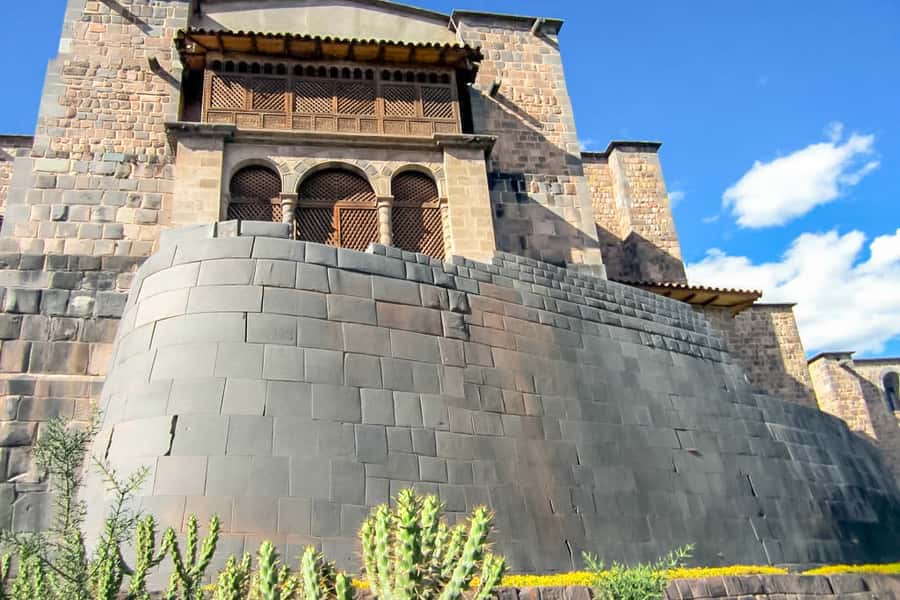
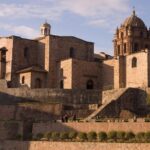
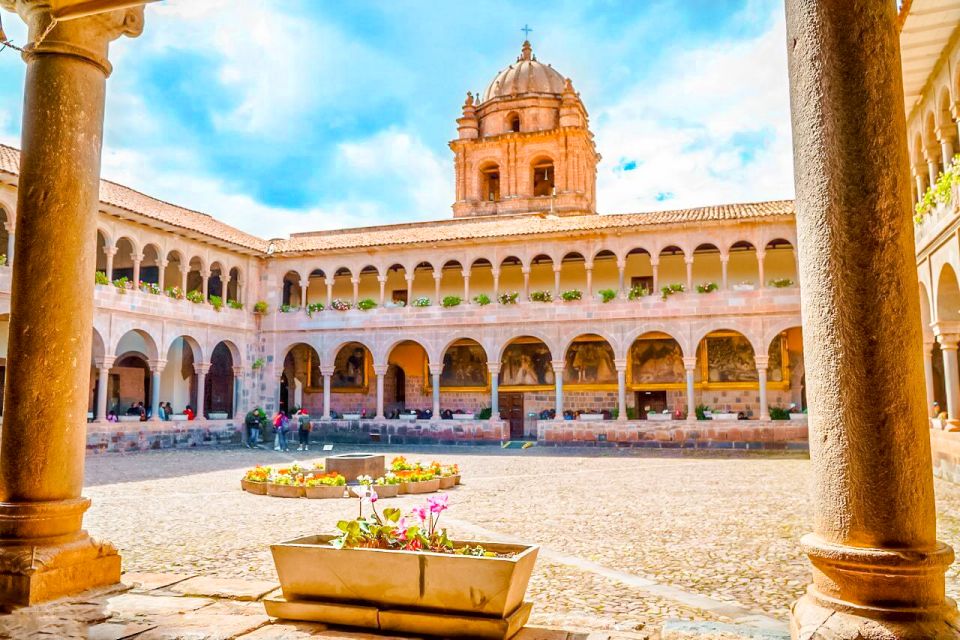
Coricancha (often tied to the Sun Temple in popular descriptions) is your first stop, and it sets the tone fast. You’re looking at a ceremonial construction from the height of Inca power, in a place that was meant to feel important the moment you step in.
What I like here is the way it gets you thinking about Inca engineering as more than ruins. The Coricancha experience is about atmosphere: stonework, space, and the sense that the Inca elite invested serious effort into religious and political meaning. Even if you’ve seen Inca sites before, this one feels like a different category—more urban, more ceremonial, and more concentrated.
Also, starting with Coricancha is smart. Early on, you’re fresher, and Cusco’s altitude is usually still manageable before the longer hillside walking later.
Plaza de Armas and the Cathedral Over Inca Stone
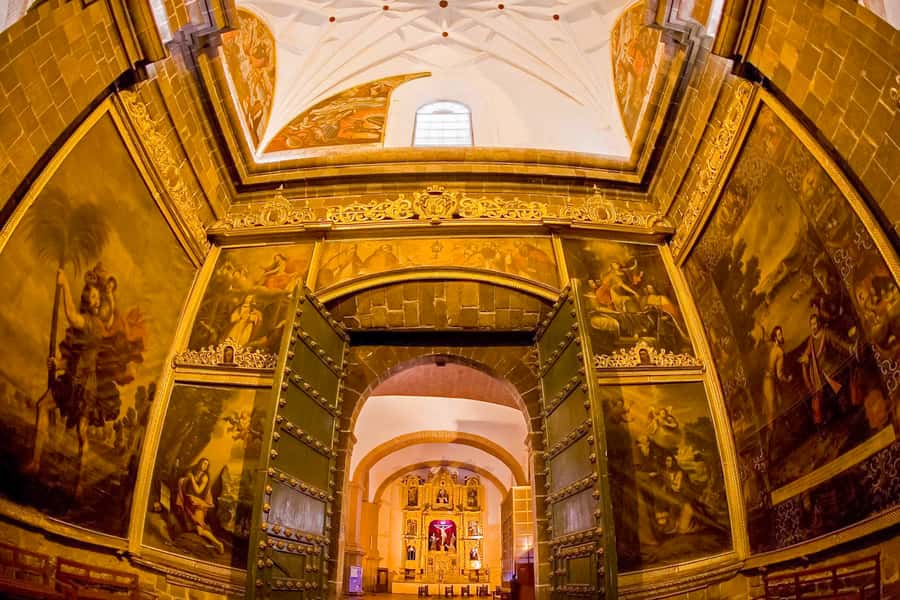
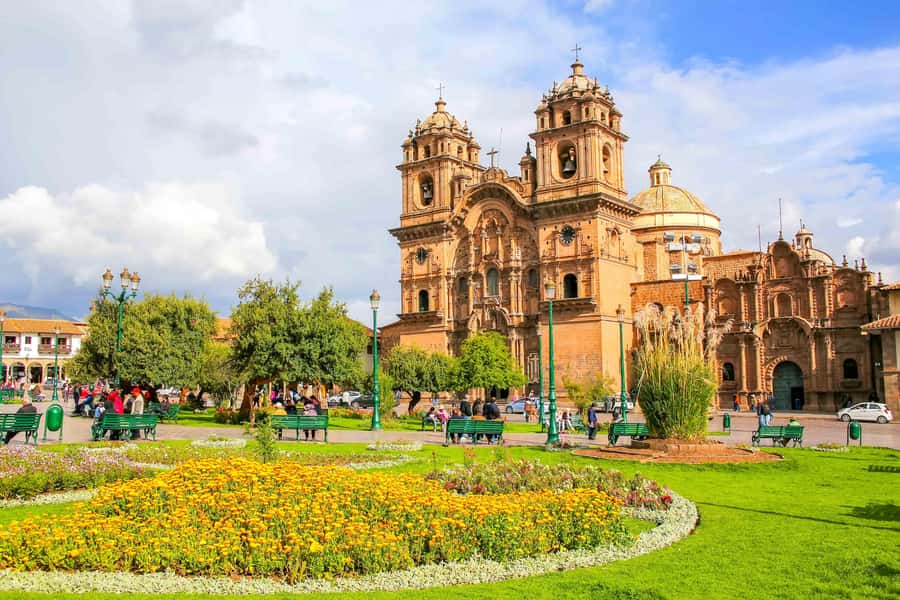
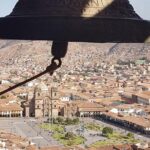
After Coricancha, you land back in the Plaza de Armas, Cusco’s main square, where you get an immediate sense of the city’s layers. This stop also includes admiration of the Cathedral’s interiors, with your guide explaining how the Cathedral was built on top of Inca structures.
This is one of those moments where you’ll either get it or you won’t. If your guide explains the overlap clearly, you’ll start seeing Cusco not as a random collection of buildings, but as a history stacked in real time. The Cathedral interior is impressive, but the real value is understanding how colonial construction adapted to what was already there.
One timing note: the info you should know is that the Cathedral visit is not included on the morning tour. Since this experience starts in the early afternoon, you should expect the Cathedral stop as part of this route, but always treat it as “time-dependent” until you see your exact schedule.
Sacsayhuaman’s Inca Walls: How 180-Ton Rocks Fit
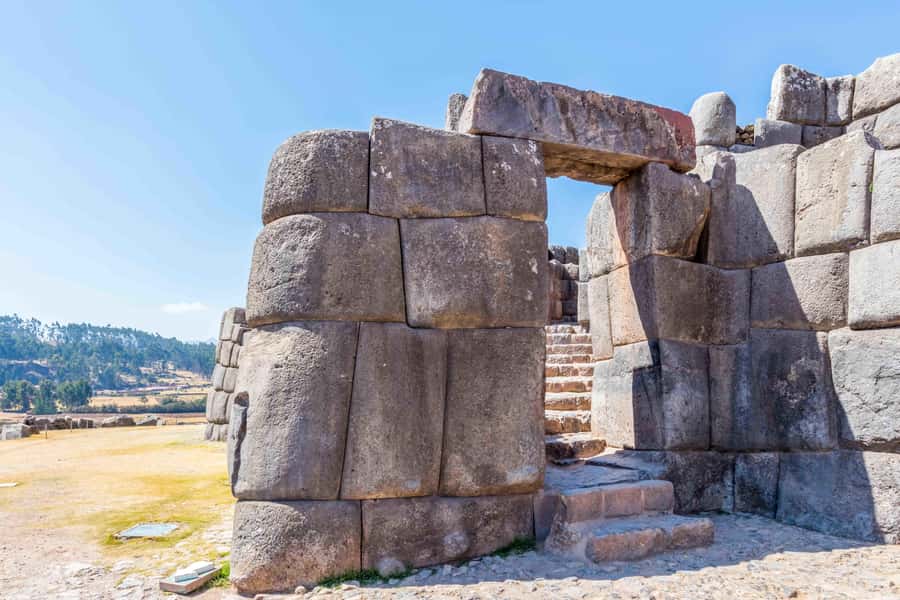
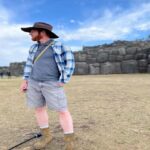
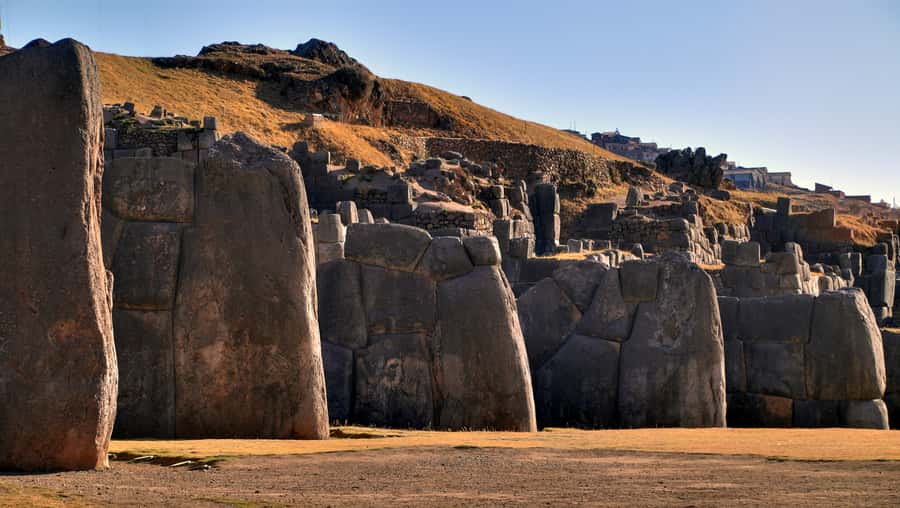
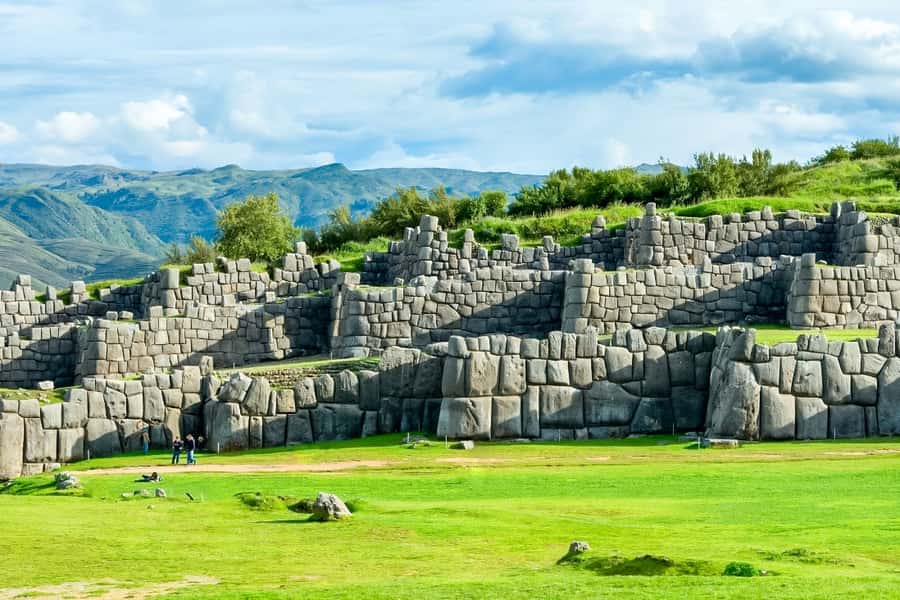
Then comes the northern powerhouse: Sacsayhuaman. This is where the tour delivers the kind of wow factor you can’t fake with a quick stroll—huge Inca walls with massive stones, described as rocks weighing up to around 180 tons, fitted with precision.
You’ll move through the openings in the walls, and that matters. It’s one thing to look at pictures of cyclopean stone; it’s another to walk into the geometry of it and feel the scale at eye level. The guide’s explanation helps you understand why the Incas could build like this: planning, labor organization, and stone-cutting discipline rather than brute force.
Sacsayhuaman also helps you connect Cusco’s city identity to its defense and status. You get a sense that the Inca capital wasn’t just beautiful; it was controlled.
Qenqo (Zigzag): Subterranean Passages and Carved Stone Interiors
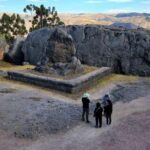
Next is Qenqo, sometimes translated with the “zigzag” idea. This site is unusual because it doesn’t just reward you with views; it rewards you with the interior details carved into the stone.
The standout feature here is the subterranean passages—hidden or lower-level elements integrated into the site’s structure. The likely story involves ritual use and the handling of the dead, with the idea that the Incas probably mummified their dead here. Even if you treat that as “best guess,” it still tells you something important: the Incas weren’t separating architecture from ceremony.
If you’re the type who likes to picture how people moved through a place, Qenqo will click. The carved surfaces and stone planning make it feel like a designed space for a specific purpose, not just a set of leftovers.
You can also read our reviews of more city tours in Cusco
Tambomachay and Puka Pukara: Water and a Military Lookout
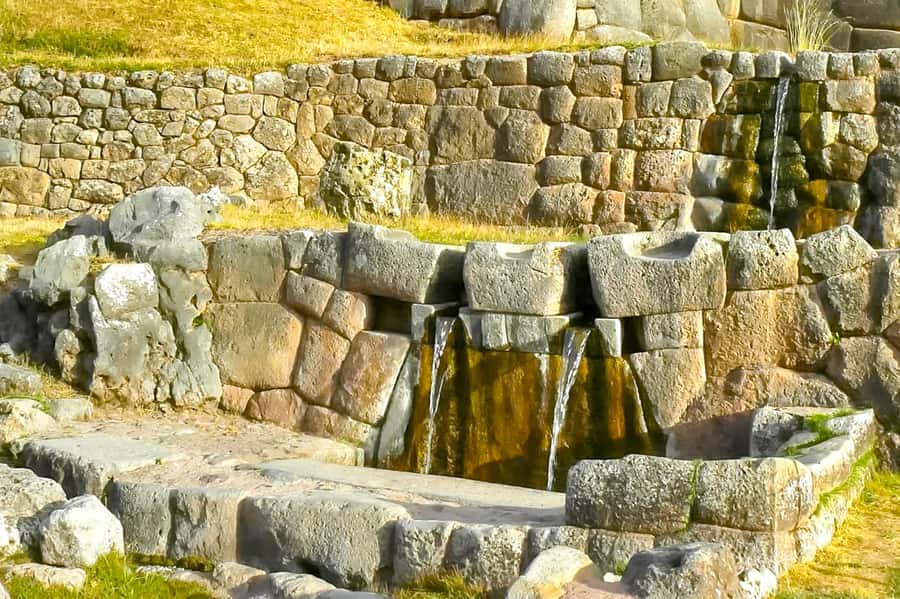
After Qenqo, the tour continues with two more stops on Cusco’s northern outskirts: Tambomachay and Puka Pukara.
Tambomachay is known for its inca-era “baths” concept. Even if you don’t have a clear mental picture of what the water system was doing, it’s still a valuable stop because it broadens your understanding of Inca site types. Not everything is defensive walls or ceremonial temples; there’s also infrastructure tied to bathing, water use, and daily-life functions for elites and institutions.
Then you get to Puka Pukara, described as a military lookout point. That’s useful because it shifts the mood from ritual to control and visibility. Standing in places linked to watch and surveillance makes the earlier defense feel less theoretical.
Together, these stops keep the tour from becoming one long “look at stone” loop. You get stonework, then stone that channels ritual, then stone tied to water and then stone tied to watching.
Price and Entrance Fees: What $22 Actually Buys
At about $22 per person and 5 hours long, the value is really in two things you’re not having to manage yourself: a professional guide and transportation.
Entrance fees are not included, so plan to pay additional amounts on the day. That’s normal for Cusco tours, and it can be good news: you’re not stuck in a bundle with fixed ticket rules that don’t match your needs. A practical tip is to buy tickets on site as directed by your guide, since the tour is built around that workflow.
Where this price gets tricky is when you’re comparing “tour value” to “site value.” If you’re okay taking separate taxis and hiring no guide, it may feel expensive. But if you want the context—why Coricancha matters, what Sacsayhuaman’s layout signals, and why Qenqo’s underground passages feel purposeful—the guide makes that $22 make sense.
Group Size, Language, and the Shopping Stop Trade-Off
This is a small-group tour, which is usually the sweet spot for Cusco ruins. You get enough flexibility to ask questions, but not so many people that the guide has to rush everyone through.
Language-wise, your guide should work in English or Spanish. The reality on the ground can vary depending on how the group is composed. If you’re not fluent in Spanish, it’s still worth trying to confirm your language needs ahead of time.
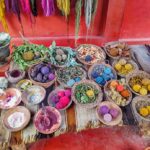
Now the sensitive part: a textile shop stop can be part of the day. That’s not automatically bad—some people enjoy browsing quality alpaca items—but it can be a time sink. One of the most noticeable downsides people report is losing time here, which can push the last two sites later in the afternoon, even making them feel dim if the schedule runs tight.
If you care most about archaeology stops, I’d go in with a mindset of “this is a trade.” You’re buying guide time and transport savings, not just pure sightseeing time.
Timing, Pacing, and How to Avoid the Late-Afternoon Rush
Because you start in the early afternoon and finish back in downtown Cusco, the tour lives on a clock. You’ll likely face a rhythm of quick check-ins, a drive between clusters, then a concentrated period at each ruin.
That means you should keep your own expectations simple:
- Wear comfortable shoes for irregular paths.
- Don’t plan a big meal immediately after; you may still be processing altitude and walking.
- If you want photos, ask your guide where the best viewpoints are while you’re already standing there. Waiting can cut into the schedule.
If you tend to get breathless at higher elevations, pace yourself early. You’ll be spending more time standing and looking than sprinting, but Cusco altitude can still slow you down.
What Kind of Traveler Should Book This?
This tour fits you if you want a focused introduction to Cusco’s most important Inca-era sites in a single afternoon. It’s also a good choice if you don’t want to coordinate transport between far-apart complexes yourself.
You’ll likely enjoy it most if you like context and explanations, especially for places like Qenqo and Sacsayhuaman, where layout and stonework matter more than just scenery. If you’re traveling with friends and want a small-group structure, the format is friendly.
If you hate shop stops or you have very limited tolerance for schedule changes, you might prefer a route that’s strictly archaeological. But even then, this tour can still work if you go in prepared to treat the shop as a short interruption, not the main event.
Should You Book This 5-Hour Cusco City and Nearby Ruins Tour?
Yes, consider booking if you want Coricancha + Sacsayhuaman + Qenqo + the northern outskirts in one afternoon with transport and a guide doing the heavy lifting. The value is strongest when you care about understanding what you’re seeing—especially the stone precision and the unusual carved interiors.
Before you commit, decide how you feel about a possible textile stop and whether a tight schedule matters to you. If you’re flexible, you’ll get a lot of Cusco’s Inca spine in five hours, without the hassle of building a plan from scratch.
FAQ
How long is the Cusco City and Nearby Ruins guided tour?
It lasts 5 hours.
What does the tour include?
The tour includes a professional guide and transportation between stops.
Are entrance fees included?
No. Entrance fees are not included.
What sites are visited?
The tour covers Coricancha Sun Temple, Plaza de Armas (with the Cathedral interiors), Sacsayhuaman, Qenqo, Tambomachay, and Puka Pukara.
Where is the pick-up?
Pick-up is from your accommodation in downtown Cusco.
What languages is the live guide available in?
The guide offers live commentary in Spanish and English.
Is the Cathedral visit included?
It’s described as not included on the morning tour, so timing matters for whether you’ll see the Cathedral interiors.
Is this a private tour?
It’s offered as private or small groups.
Are pets allowed?
No, pets are not allowed.
What is the cancellation/refund policy?
The activity is non-refundable.
Can I change or get a refund after confirming tickets?
Once confirmed, tickets cannot be modified, exchanged, or refunded.