REVIEW · CUSCO
From Cusco: 4-Day Manu National Park Guided Tour
Book on GetYourGuide →Operated by Viaja con Amaru Explorer · Bookable on GetYourGuide
Some tours sound good on paper. This one actually fits together like a good plan for spotting wildlife. You’ll move from highland valleys down into the cloud forest and then into the Manu area by road and river, with guided walks timed for birds and animals.
I like the mix of animal-focused stops and culture. The Paucartambo museum break and the early forest descents help the day feel less like “just transport.” I also like that you get a small group experience (up to 10) with a professional bilingual guide, not a big cattle-call.
One thing to consider: you’re signing up for jungle travel that can be bumpy. Trails can be slippery and steeper than you might expect, and the lodge style is basic, with insect-heavy nights.
In This Review
- Key highlights worth your attention
- Cusco-to-Manu: what the route feels like (and why it works)
- Day 1: Cusco valleys, Paucartambo museum, and misty forest sightings
- Day 2: Pilcopata walking, coca plantation, and the river descent to your lodge
- Day 3: clay lick parrots, forest hike, Machuwasi Lake rafts, and a night walk
- Day 4: hummingbirds in the morning, return by boat and bus to Cusco
- Lodges and food: basic comfort with real jungle tradeoffs
- Wildlife watching: how to get more than luck
- What the guides do (and what you should ask on the spot)
- Price and value: does $427 make sense for four days in Manu?
- Gear checklist that actually helps in Manu
- Who should book this, and who should skip it
- Should you book this Manu National Park guided tour from Cusco?
- FAQ
- What is the duration and starting price for this Manu National Park tour from Cusco?
- Where do pickups in Cusco happen, and where does the tour end?
- How large is the group?
- What languages are the guides?
- What meals are included?
- Is river transportation included, and is it private?
- What wildlife spotting gear is included?
- What is the cancellation policy and how can weather affect the plan?
Key highlights worth your attention
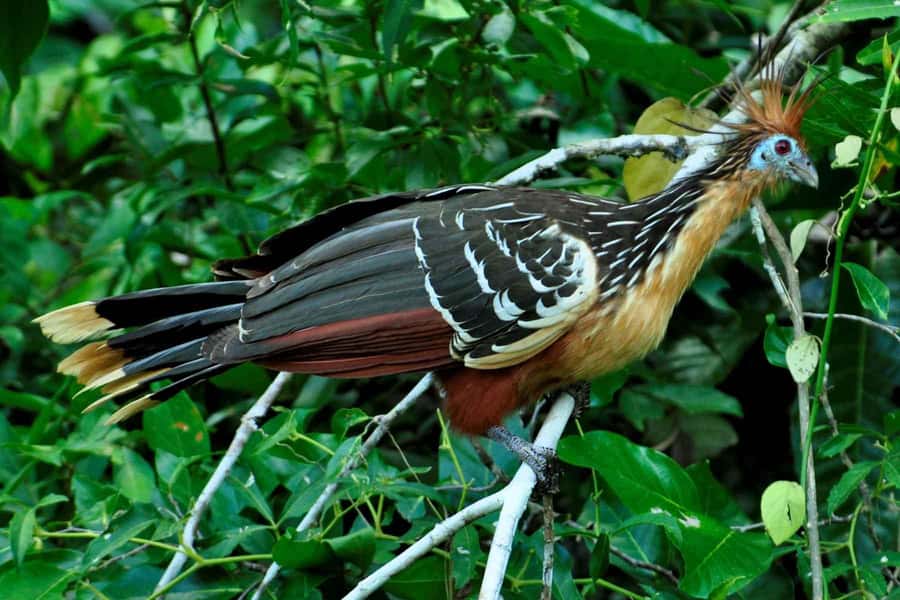
- Cock of the rock courtship and cloud-forest plants on the first descent
- Private boat with safety equipment and efficient drivers on the river days
- Parrot clay lick timing for morning bird action
- Caiman eye-watching at night in the dark near the lodge area
- Machuwasi Lake raft birding plus a night walk for insects and amphibians
- Vegetarian options and group-shared wildlife gear like binoculars and a telescope
Cusco-to-Manu: what the route feels like (and why it works)
This 4-day Manu National Park guided tour is built around altitude change. You start in the Cusco region, then drop into misty forest conditions where different species live than they do lower in the jungle. That matters, because wildlife sighting odds improve when your plan matches the ecosystem schedule, not just your calendar.
You’ll also spend real time on the move. There’s Cusco road travel early, then river time on the Alto Madre de Dios route, then more walking around lodges and lakes. If you hate long transit days, this may not be your best match. But if you’re patient and love the slow reveal of the jungle, it’s a strong format.
You can also read our reviews of more guided tours in Cusco
Day 1: Cusco valleys, Paucartambo museum, and misty forest sightings
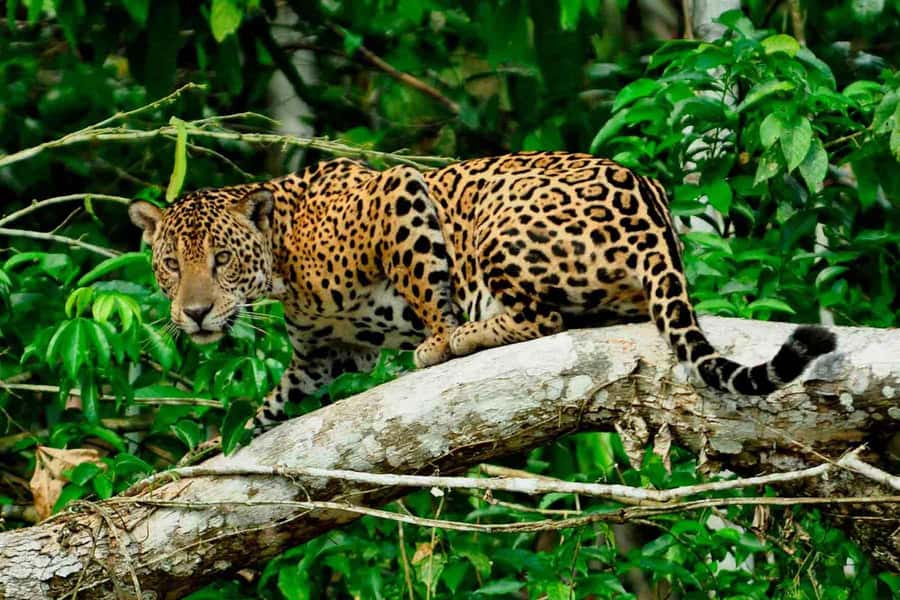
Day 1 starts early with departure from Cusco. The drive crosses Andes valleys and rural communities, then pivots to cultural and ecological stops.
Paucartambo break with a guided visit and museum time
You’ll visit pre-Inca tombs of the Lupaca culture and then pause in Paucartambo, a colonial town. You get a guided portion, plus free time to walk around. This is a good pressure-off moment: you’re not walking in rain-mist yet, but you’re still learning in a place that feels lived-in.
Cloud forest lunch and the species you’re there to notice
Lunch is in the cloud forest. Afterward, the descent continues through habitat known for endemic species. The program calls out targets like the spectacled bear and the cock of the rock (Peru’s national bird), plus orchids, bromeliads, and ferns.
Here’s the practical truth: you might not see every headline animal. But you can still enjoy this day because it trains your eyes. If you bring binoculars (or share the provided ones), and keep an eye on treetops and movement under leaves, you’ll spot far more than you think during short stops.
Day 2: Pilcopata walking, coca plantation, and the river descent to your lodge
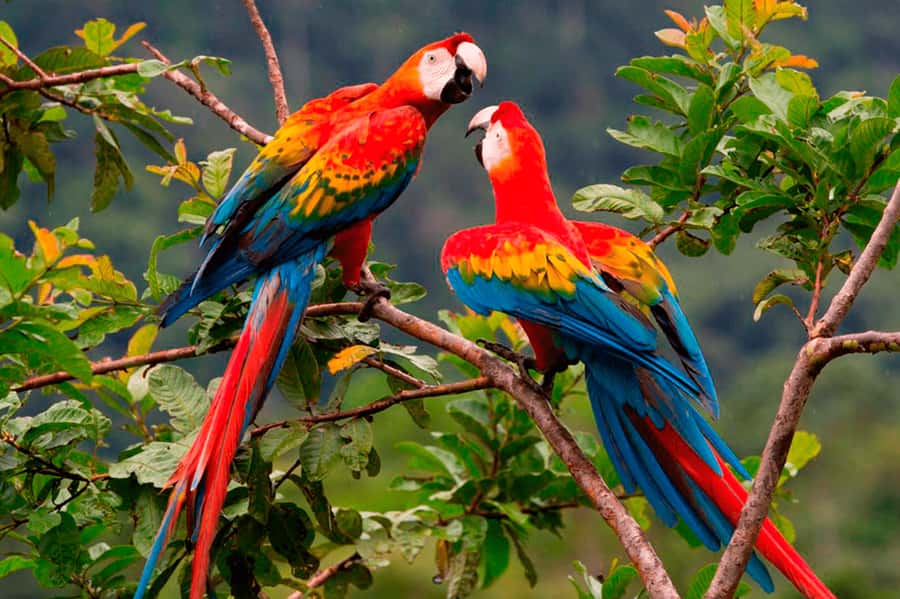
Day 2 feels like a hinge day. You transition from forest edges toward the lodge zone along the Alto Madre de Dios River.
Morning forest walk for monkeys and birds
After an early breakfast, you go for a walk aimed at observing fauna such as monkeys and birds. A guided walk is where small group size shines—your guide can point out behavior, not just names.
Coca plantation stop and a wildlife rescue center
You visit a coca plantation and a wildlife rescue center. Even if you’re not into botany, this adds context. It helps you understand local land use and the reality of how wildlife gets affected when habitat changes.
Puerto Atalaya and the boat descent (with safety equipment)
From Puerto Atalaya, you begin your descent by boat. The program emphasizes bird watching along the way—herons, vultures, cormorants, and more. Highlights also note a private boat and safety equipment, which matters on a river day when weather and currents can change quickly.
Swim time, lodge lunch, and afternoon swamp birds
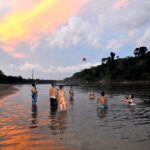
When you reach the lodge area, there’s lunch and time to swim in the river. Later you visit a swamp for bird watching, with species listed like toucans, woodpeckers, and macaws.
Night: caiman eye-watching in the dark
In the evening, you do caiman observation at night. It’s one of those activities that sounds spooky but is also very observational. You’re not doing anything risky; you’re just trying to catch eyes reflecting back in the dark.
Optional fishing is offered too. If you’re not into it, you can keep your energy for the next day’s clay lick and longer forest time.
Day 3: clay lick parrots, forest hike, Machuwasi Lake rafts, and a night walk
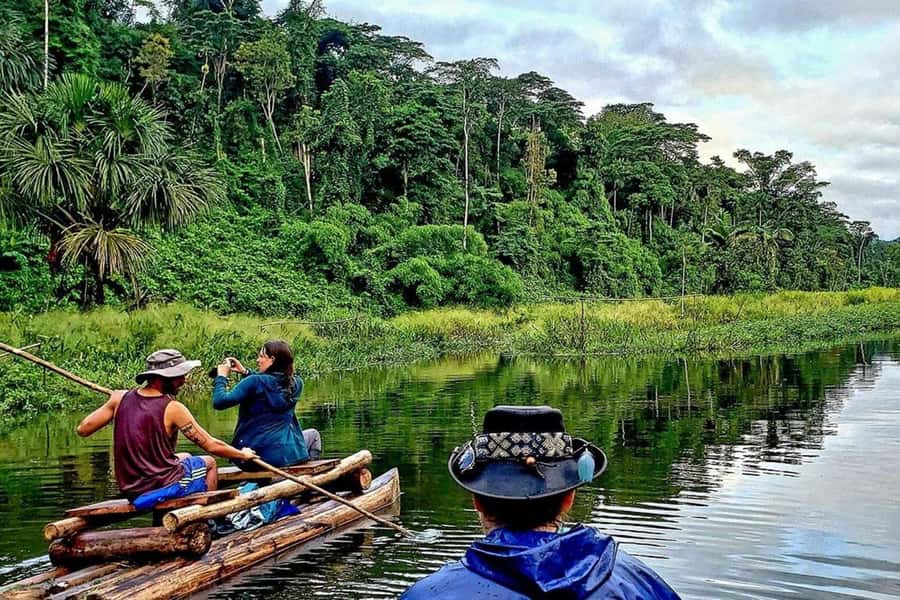
Day 3 is the highest “wildlife variety” day on the schedule. It’s a full one, but the pacing gives you breaks so it doesn’t feel like one long slog.
Morning boat to the macaw clay lick
You head out early to a clay lick spot where different parrot species gather every morning. This is timed action—mornings are when animals show up and repeat patterns kick in. It’s also one of the easiest ways to get great views because you’re watching a fixed wall/area rather than chasing animals through dense brush.
Return for breakfast, then a 2.5–3 hour forest hike
After breakfast at the lodge, you hike through the forest for about 2.5 to 3 hours. This is the part where fitness and footwear matter. Trails in this region can be slick, and the jungle doesn’t care about your plans.
A zip line option and/or a second round of leisure time may appear mid-afternoon (the schedule lists zip lining as an option). If you’re tempted, it can be a fun change of pace from hiking.
Machuwasi Lake raft bird watching
In the afternoon, you visit Machuwasi Lake and explore by raft. The goal is bird watching, and you’ll also get time on the water, which feels different from trail walking.
Night walk for insects and amphibians
The day ends with a night walk looking for insects and amphibians. This can be thrilling if you like nature at work. It can also be a deal-breaker for some people due to insects and spiders, which came up as a major comfort factor for a small number of groups.
Practical tip: wear long sleeves and use insect repellent. Not because you’ll get bitten for sure, but because it makes the night walk feel more manageable.
Day 4: hummingbirds in the morning, return by boat and bus to Cusco
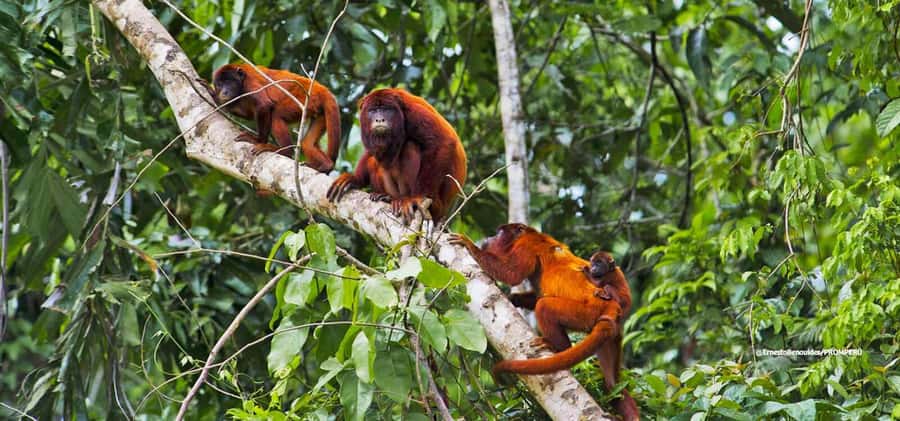
Day 4 starts slower at the lodge. You can watch hummingbirds around the lodge area before leaving.
Then you board the boat back to Puerto Atalaya where the bus takes you back toward Cusco. You’ll have lunch along the route and are expected to arrive around 5:30 pm.
This last day is about finishing strong rather than forcing a final big hike. If you’ve been conserving energy, you’ll probably enjoy this more than your first forest walk.
You can also read our reviews of more tours and experiences in Cusco

Lodges and food: basic comfort with real jungle tradeoffs
This tour includes 1 night at Pilcopata Lodge Basic and 2 nights at a basic lodge. Meals are also clearly planned: 3 meals and 1 snack each day, with vegetarian options available on request. Mineral water is included.
Here’s what that means in real life. You’re not paying for a hotel experience. You’re paying for logistics, guided wildlife time, and access to areas that don’t support luxury.
That said, quality can vary. Positive experiences mention solid cooking and good food quality. I saw praise for a great cook named Francisco in one account, and multiple mentions that food worked well for the short lodge stay.
Other accounts were less happy, describing a dirty room, missing towels, basic food portions, and lodges feeling rundown. So I’d manage expectations: this is a functional jungle stay, not a spa weekend.
Wildlife watching: how to get more than luck
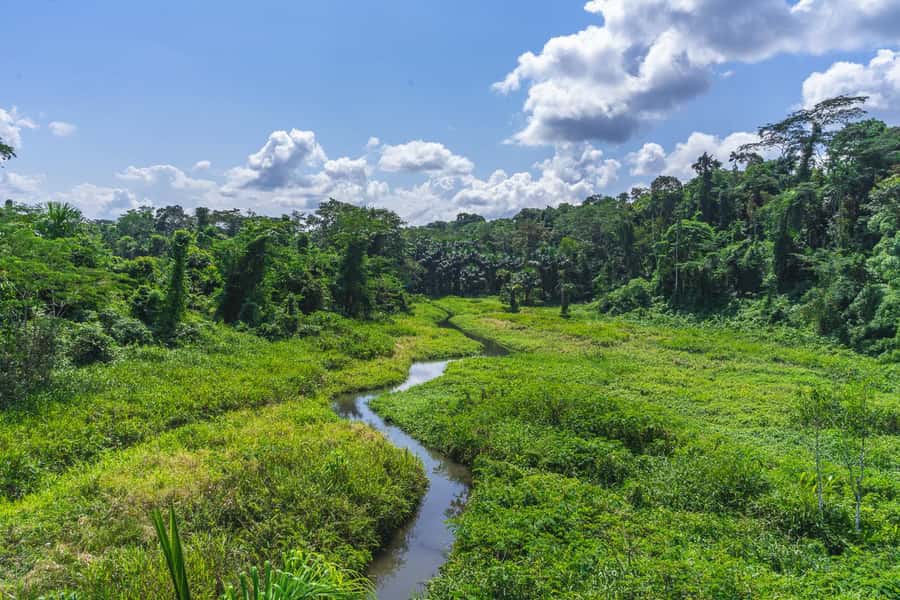
Manu is famous for wildlife, but it’s still wildlife. You can’t schedule a sloth into showing up at 2:15 pm.
Still, the itinerary gives you multiple chances:
- Cloud forest time early in the route helps with birds and visible plant life like orchids and bromeliads.
- Morning clay lick timing is repeatable action, which increases odds of seeing parrots at the moment they arrive.
- Boat rides along the river are good for scanning for herons and raptors above the water.
- Swamp birding supports a different set of species than the forest trails.
- Night walks and caiman observation add night-activity targets, which many daytime-only tours skip.
The biggest multiplier is your guide. One account highlighted Ciro, described as extremely knowledgeable with excellent English, who kept searching for animals rather than pulling out a phone. Another highlighted Germán as the best kind of guide—someone who could answer questions quickly and keep sighting momentum moving. That’s the difference between passive sightseeing and active wildlife watching.
What the guides do (and what you should ask on the spot)
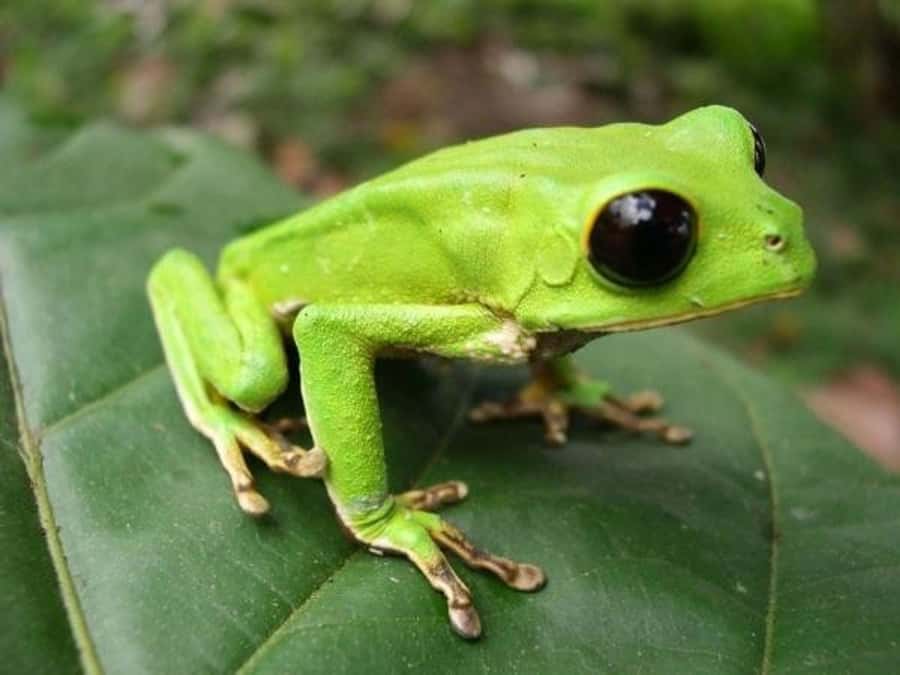
You’ll have a professional bilingual guide with you throughout. That matters because jungle wildlife is easier when someone teaches you what to look for: movement, calls, feeding behavior, and where animals tend to pass at different times.
I’d also ask practical questions while you’re there:
- Which direction is the animal movement right now?
- Are we looking for calls, wing flashes, or tracks today?
- What time-of-day do you expect the next activity to be best?
Some accounts noted weaker guide communication, with a guide who spoke less and skipped parts of the promised program. That’s not the norm you should plan on. But it’s a good reminder: if language matters to you, ask early that your guide explain what you’re seeing in a way you can follow.
Price and value: does $427 make sense for four days in Manu?
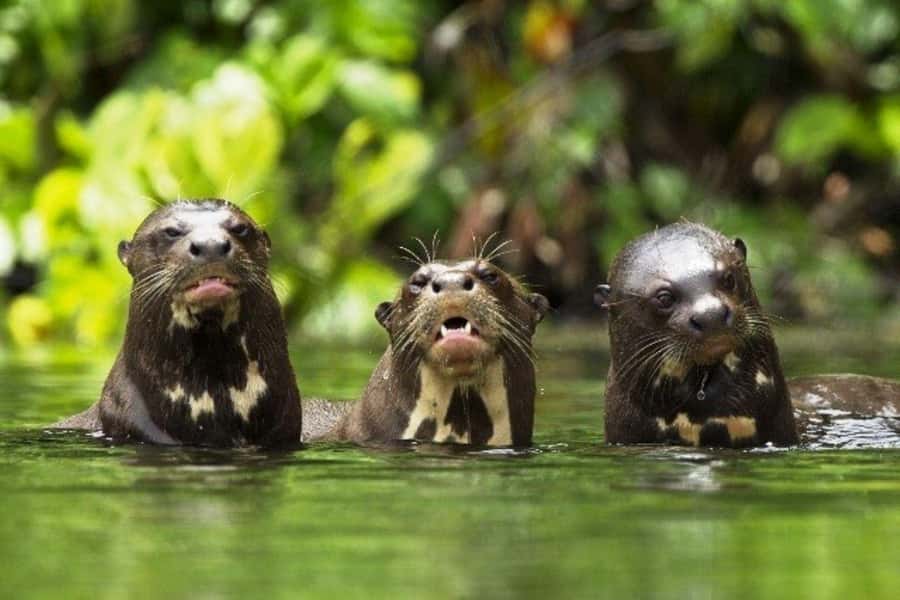
At $427 per person for 4 days, the value depends on what you care about most: comfort vs. access vs. guidance.
You are getting:
- Inland and river transportation
- 3 nights of lodge stays in basic accommodations
- Meals: 3 meals and 1 snack each day (vegetarian option on request)
- A professional bilingual guide
- Shared wildlife gear like binoculars and a telescope (not per person)
- Mineral water
When you price that out in the real world, it’s not just “a guided hike.” It’s road travel from Cusco plus river logistics and structured wildlife time. That’s expensive to operate, especially with small group size (max 10) and bilingual guide coverage.
Still, there’s a possible cost surprise to watch for. One account mentioned that entrance tickets were extra. The included list doesn’t specify entrance fees, so I’d plan for the chance of additional small payments during stops, just in case your departure adds them.
Gear checklist that actually helps in Manu
The tour gives you binoculars and a telescope on a shared basis, but binoculars per person aren’t included, so bring your own if you have them and care about close-up viewing.
Use the provided list as your baseline, and don’t skip the “boring” items:
- Hat and camera (and a waterproof camera if you can)
- Insect repellent
- Biodegradable sunscreen
- Comfortable clothes for humid weather and sun breaks
- Snacks and water (water is provided as mineral water, but you’ll still want your own comfort snacks)
- Biodegradable behavior: don’t litter, don’t touch plants
Also, pack for the reality of slippery jungle trails. Comfortable footwear is the quiet hero here.
Who should book this, and who should skip it
This trip is for people who want a guided wildlife-and-forest route and can handle walking in humid jungle conditions. It’s a poor fit if you:
- are pregnant
- have back problems
- have heart problems
Some accounts also described slippery, difficult hikes and very buggy lodge nights. If you’re prone to discomfort with insects or can’t handle night walks, you may not enjoy the experience as much.
If you’re the type who likes learning by watching and you’re okay with basic lodges, this tour fits your style.
Should you book this Manu National Park guided tour from Cusco?
I’d book it if you want structured wildlife time and you’re happy with basic jungle lodging in exchange for access. The route makes sense: cloud forest first, then river down into the lodge zone, then parrot clay lick, lake birding, and night nature.
I’d hesitate if you’re very sensitive to comfort details (cleanliness, towels, room condition) or if you expect an easy walking day. Some departures can feel long on the road from Cusco, and some groups noted program pieces not matching expectations.
If you do book, come with the right mindset: bring repellent, plan for slippery steps, and lean into your guide’s spotting skills. In the best cases, you’ll leave with memorable wildlife moments and a feel for how Manu’s layers connect.
FAQ
What is the duration and starting price for this Manu National Park tour from Cusco?
It lasts 4 days and the price is listed as $427 per person.
Where do pickups in Cusco happen, and where does the tour end?
You have pickup options in Cusco such as Santa Ana (Avenida El Sol) and Plaza San Blas, and pickup is also described as available from any hotel in Cusco. The tour finishes at Plaza Regocijo.
How large is the group?
It’s a small group limited to 10 participants.
What languages are the guides?
The live tour guide speaks Spanish and English.
What meals are included?
The tour includes 3 meals and 1 snack each day, with vegetarian options available on request. Breakfast and water on the first day, and dinner on the last day are not included.
Is river transportation included, and is it private?
River transportation is included, and the highlights mention a private boat with efficient drivers and safety equipment.
What wildlife spotting gear is included?
Binoculars and a telescope are provided as equipment, but binoculars are shared (binoculars per person are not included). A first-aid kit is also included per shared group.
What is the cancellation policy and how can weather affect the plan?
You can cancel up to 24 hours in advance for a full refund. Service can vary without prior notice due to weather conditions like rains and floods, strikes or demonstrations, and other events; if service is canceled for these reasons, refunds may not apply.