REVIEW · CUSCO
Private Andean Cooking Class, Pachamanca
Book on Viator →Operated by Marcelo Batata Cooking Class · Bookable on Viator
Cusco tastes better when you cook it. This private Andean cooking class blends hands-on food prep with tasting stops, from an Andean marination lesson to a private market run and a final meal cooked in clay pots. I really like that it works for all cooking levels, and I also like the way you get to sample key ingredients and drinks before you start cooking. One consideration: it’s a 3-hour session, so it’s more focused than a full-day food tour, and you’ll want to plan your other Cusco adventures around that timing.
You meet up at Marcelo Batata Cooking Classes in central Cusco (C. Palacio 135) and get a dedicated chef for just your group. The class is offered in English or Spanish depending on what you request, and there’s a vegetarian option if you mention it during booking. The pacing is friendly and structured, but bring a realistic expectation: you’ll learn and cook, yet you won’t have time to wander the city between steps.
In This Review
- Key Reasons This Pachamanca-Themed Cooking Class Earns Its 5-Star Reputation
- What This 3-Hour Andean Cooking Class in Cusco Really Feels Like
- Where You Start: Marcelo Batata and a Convenient Central Meet-Up
- Step 1: Marination, Flavor Building, and the Stuff You Can Reuse at Home
- Step 2: Andean Tamales and the Corn Connection
- Step 3: The Private Market Stop—What You’ll Actually Look For
- Step 4: Uchucuta Pepper Sauce—Heat With a Tradition
- Step 5: Chicha Tasting—A Fermented Drink With Cultural Weight
- Step 6: Cocktails With Pisco—What You Learn and What You Can Copy
- Cooking Classics You’ll Likely Make: Ceviche and Lomo Saltado
- Final Tasting in Clay Pots: Eating the Results (and Smelling the Andes)
- Price and Value in Cusco: Does $150 Make Sense?
- Who Should Book This Private Class
- Practical Tips Before You Go (Small Things That Help)
- Should You Book Marcelo Batata’s Private Andean Cooking Class?
- FAQ
- How long is the private Andean cooking class?
- Where does the class start in Cusco?
- What time does the class begin?
- Is this a private experience or a group class?
- What’s included in the price?
- Is the class offered in English?
- Is there a vegetarian option?
- What kinds of dishes and flavors are covered?
- Do I need to bring my passport?
- What if I need to cancel?
Key Reasons This Pachamanca-Themed Cooking Class Earns Its 5-Star Reputation
- Private class format so you get hands-on coaching instead of watching from the sidelines
- Market-to-meal flow, starting with ingredients and ending with food cooked in clay pots
- Uchucuta pepper sauce lesson, including the Inca-linked tradition behind the heat
- Chicha tasting plus pisco cocktails, so you’re not just eating Peru, you’re tasting it
- Classic dishes with real technique, often including ceviche and lomo saltado preparations
What This 3-Hour Andean Cooking Class in Cusco Really Feels Like
This is the kind of Cusco activity that slots perfectly between ruins and high-altitude adventures. You get a guided, step-by-step cooking experience that still feels personal, not canned. And because it’s private, your chef can move at a pace that fits your group.
The overall vibe is practical. You’ll learn what goes into the food, why it matters, then you’ll cook it. The final payoff is eating what you made—served as a lunch-style meal with an appetizer and a main.
You can also read our reviews of more private tours in Cusco
Where You Start: Marcelo Batata and a Convenient Central Meet-Up
The class begins at C. Palacio 135, Cusco 08002, Peru, with a start time of 9:00 am. That location is a big plus because you’re not hunting across town for a pickup window that eats half your morning.
Since the activity ends back at the meeting point, you can plan your afternoon with less guesswork. If your Cusco schedule is tight—say, you’ve got a sacred valley day or a hike planned later—this is easier to manage than multi-hour excursions that pull you far from the center.
Step 1: Marination, Flavor Building, and the Stuff You Can Reuse at Home
The first part focuses on marination—how to prepare meats and other ingredients in a special sauce so they cook up with deeper flavor. Even if you’ve cooked before, this is useful because marinating isn’t just about soaking. It’s about balancing salt, acidity, spices, and timing.
What I like here is the logic. Instead of treating the food like a mystery you’re just copying, you’re learning a method. That means you’ll have a better chance of recreating the results later, even with your own kitchen tools.
Step 2: Andean Tamales and the Corn Connection
You’ll move into Andean tamales, made with corn using an ancestral technique. Corn is central to the Andes, and this lesson helps you understand why it shows up again and again across Peruvian cooking.
Practical takeaway: tamales are a hands-on way to learn texture. Corn-based dough and fillings need attention so they cook evenly and don’t turn out dry. You’ll get coaching as you work, and the structured steps make it easier even if you’ve never shaped tamales before.
If you’re a fan of learning by doing, this portion is one of the best. You’re not just eating tamales—you’re building them, step-by-step.
Step 3: The Private Market Stop—What You’ll Actually Look For
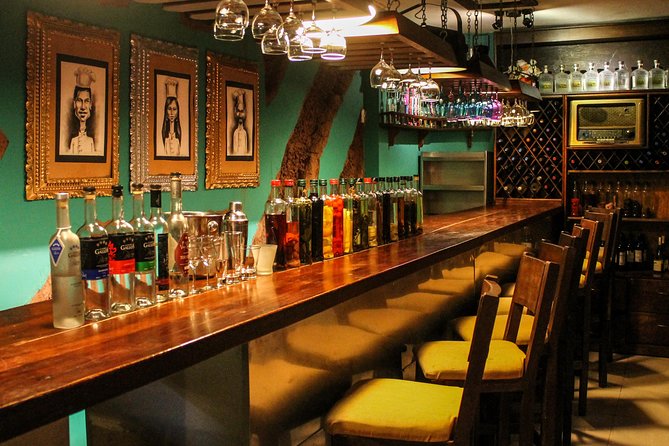
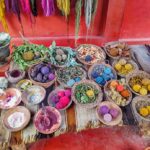
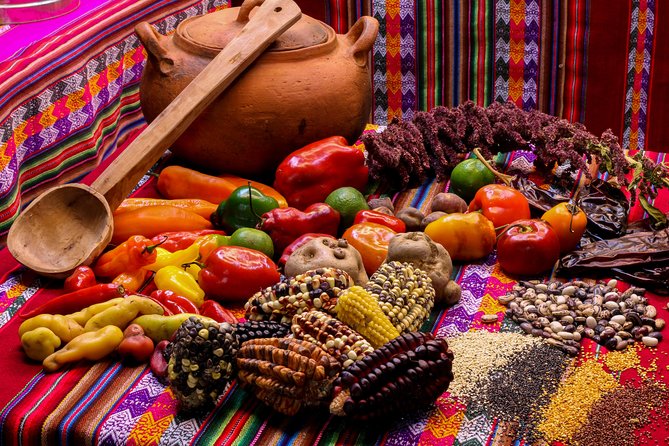
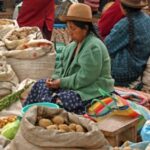
Next comes the private market. This is where the class becomes more than cooking. You’ll explore Andean products—things like ancient grains and superfoods—and connect them back to diet and culture in the Andes.
This step matters because it changes how you shop and cook later. When you see ingredients in context—what they are, how they’re used, and where they fit—you stop relying on generic substitutions. Instead, you can recognize flavors and textures more confidently.
Also, you’ll likely do more than just browse. You’ll learn by tasting and comparing, so you leave with a stronger sense of what each ingredient contributes.
You can also read our reviews of more cooking classes in Cusco

Step 4: Uchucuta Pepper Sauce—Heat With a Tradition
Then you’ll make uchucuta, a spicy sauce associated with the Incas and eaten using traditional techniques passed down over generations. The point isn’t only the spice level. It’s how the pepper gets transformed into a sauce that becomes part of the meal rather than just a topping.
If you like peppers but hate sauces that taste one-note, this lesson is worth it. You’re learning how to build complexity from heat—how to make the sauce smooth, balanced, and suited to what’s on your plate.
A small practical note: if your group has a low-tolerance for spice, tell your chef ahead of time. The class is set up to accommodate specific dietary needs, and it’s easier to adjust before the pepper goes in.
Step 5: Chicha Tasting—A Fermented Drink With Cultural Weight
You’ll get to taste chicha, described as the drink of the Incas and rooted in ancestral fermentation. Chicha isn’t a “chug it” kind of drink. It’s something you experience slowly so you can notice flavor and aroma.
Even if you don’t fall in love with it, the tasting adds context to the food. Fermentation is a major part of how many cultures preserve and celebrate ingredients, and this stop helps you connect that tradition to the rest of the class.
If you’re curious about Peruvian drinks beyond cocktails, this is one of the best included tastings. It turns the session into a food-and-drink education, not just a cooking workshop.
Step 6: Cocktails With Pisco—What You Learn and What You Can Copy
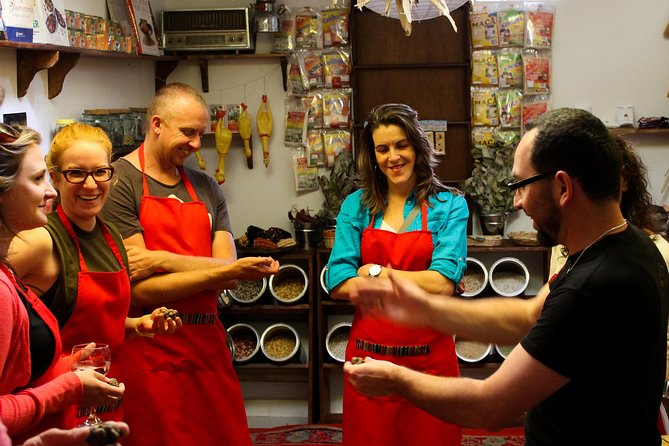
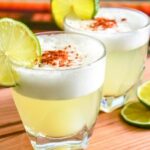
Alongside chicha, you’ll also learn about pisco and make Peruvian cocktails. Several class accounts mention pisco tastings before mixing drinks, which is a smart approach: you get to understand the base spirit first.
From the dishes described, you may make favorites like pisco sours and chilcanos. The big value here is technique. You’ll see how Peruvian citrus and flavors interact with pisco, and you’ll get a recipe path to recreate the drinks later.
And if you’re traveling with kids or prefer a non-alcohol option, one class example mentions mocktails. The more you share your group’s needs, the better your chef can tailor the drinks.
Cooking Classics You’ll Likely Make: Ceviche and Lomo Saltado
The class is built around classic Peruvian cooking, and multiple sessions describe making dishes like ceviche and lomo saltado. You’ll usually start with technique, then cook with guidance, not guesswork.
Ceviche is a great match for a short class because it shows precision without requiring hours of oven time. You learn how ingredients should look, feel, and taste during prep.
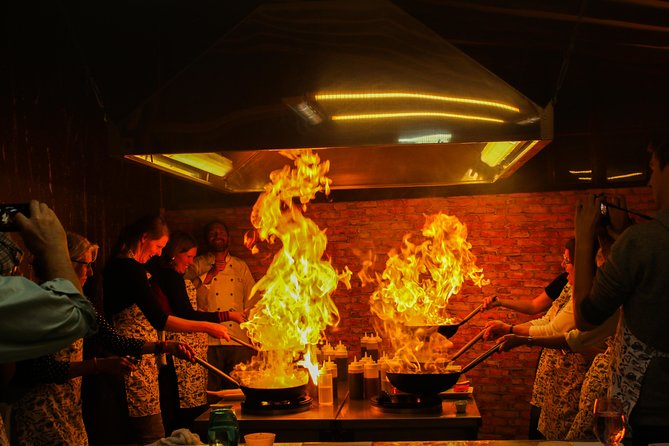
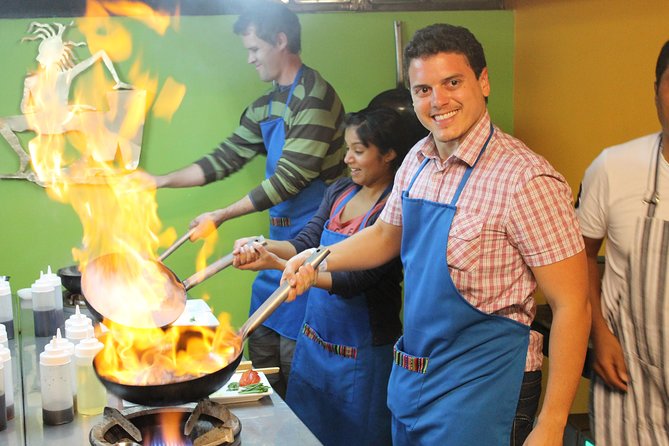
Lomo saltado (often cooked on a hot wok) is a crowd favorite for a reason: it’s fast, fragrant, and satisfying. One account even describes a dramatic flambé moment, which hints at the skill you’ll be asked to use when the pan is hot and timing matters.
Final Tasting in Clay Pots: Eating the Results (and Smelling the Andes)
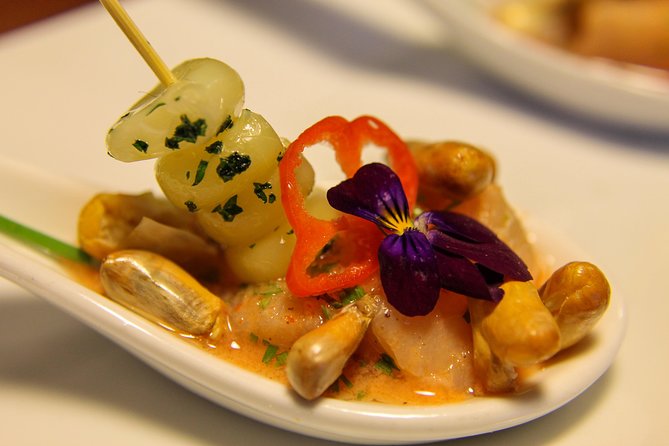
The end of the experience is the payoff: you enjoy a meal with the aromas and flavors from ingredients cooked in clay pots. That clay-pot detail is more than a romantic touch. Clay can change heat distribution and how flavors develop during cooking.
You’ll typically eat your appetizer and main as part of lunch included in the class. The structure works well because you’re not just tasting random samples—you’re eating the dishes you helped create.
This is the moment when everything clicks. If you’ve been thinking through the steps, you’ll taste the difference between an ingredient used raw versus transformed into a cooked sauce or filling.
Price and Value in Cusco: Does $150 Make Sense?
At $150 per person for about 3 hours, the value depends on what you want out of your day. If you’re the type who loves hands-on cooking and you’d rather learn real technique than just eat, this price is easier to justify.
Here’s why the cost can feel fair:
- You’re getting a private tour format with a professional chef, not a shared demo
- The class includes lunch-style food: one appetizer and one main, plus beverages and bottled water
- You get a market stop and multiple tastings, not just one cooking station
- If you’re into cocktails, you get pisco drink education and mixing time, not only a quick toast
In short: you’re paying for guided time plus ingredients and instruction. If your main goal is wandering markets on your own and eating afterward, you might find cheaper options. But if your goal is to actually cook and learn, the structure supports that.
Who Should Book This Private Class
This is a strong match for:
- Food lovers who want hands-on technique in a short window
- Couples who want a memorable Cusco activity that feels more personal than a group excursion
- Families looking for a class where the chef can interact and adjust the experience for kids (one account mentions mocktails and kid-friendly support)
- Travelers who want both food and drink culture—chicha plus pisco cocktails
It may not be the best fit if:
- You want a lot of free time to explore Cusco independently during the session
- You’re very new to cooking and need zero structure (this class is structured, by design)
- Spice sensitivity is a serious issue—tell your chef in advance so adjustments can be made
Practical Tips Before You Go (Small Things That Help)
A few notes can make your morning smoother:
Language: the class is run in Spanish or English depending on your request. If you care about full understanding of technique and history, make sure you book with the right language preference.
Vegetarian needs: a vegetarian option is available—just tell the operator when booking. The more details you provide, the easier it is for the chef to plan.
Dietary requirements: advise any restrictions ahead of time. The class includes multiple ingredients and sauces, so it helps to flag allergies and preferences early.
Passport requirement: you must provide the original passport at the beginning of the course for tax purposes. Bring it with you the day of class.
Should You Book Marcelo Batata’s Private Andean Cooking Class?
I’d book it if you want a Cusco day that feels grounded in real Andean ingredients and cooking technique. The private setup, market stop, ingredient tastings, and end-of-class meal add up to more than a simple cooking demo.
Book it especially if you like ceviche, lomo saltado, tamales, pepper sauces, and Peruvian drinks. If that’s your kind of day, you’ll leave with ideas you can actually use at home—not just photos.
On the other hand, if your schedule is so packed that a fixed 9:00 am, 3-hour block will stress you out, consider your alternatives. This works best when you can give it your attention.
FAQ
How long is the private Andean cooking class?
It runs for about 3 hours.
Where does the class start in Cusco?
The meeting point is C. Palacio 135, Cusco 08002, Peru.
What time does the class begin?
It starts at 9:00 am.
Is this a private experience or a group class?
It’s a private tour/activity, meaning only your group participates.
What’s included in the price?
The class includes beverages, a private tour, a professional chef, bottled water, and lunch with one appetizer and one main.
Is the class offered in English?
Yes. The class is operated in Spanish or English depending on the language you request.
Is there a vegetarian option?
Yes, a vegetarian option is available. You should advise at booking if you need it.
What kinds of dishes and flavors are covered?
You’ll learn about Andean tamales, make uchucuta pepper sauce, taste chicha, and you’ll cook classic Peruvian dishes plus Peruvian cocktails with pisco.
Do I need to bring my passport?
Yes. You must provide the original passport at the beginning of the course for tax purposes.
What if I need to cancel?
You can cancel for a full refund if you cancel up to 24 hours in advance. There’s also a minimum number of travelers requirement, and if it’s not met you’ll be offered another date/experience or a full refund.