REVIEW · CUSCO
Private Ollantaytambo, Pisac Ruins Tour with Farm Visit, Gourmet Picnic Lunch
Book on Viator →Operated by Valentins Pachamama Journeys · Bookable on Viator
This day in the Sacred Valley has real rhythm. You get a private plan that pairs Ollantaytambo and Pisac with a farm visit, a local market stop, and a gourmet picnic lunch. I like the “ask anything” flexibility that a private guide gives you, and I also love the farm-and-food angle, especially the outdoor meal at an organic place.
One thing to consider: the day includes moderate walking with some stairs at Ollantaytambo, so wear good shoes and expect a steady pace.
In This Review
- Key Highlights at a Glance
- A Private 8-Hour Plan That Feels Like More Than Sightseeing
- Ollantaytambo: Terraces, Aqueducts, and Practical Inca Engineering
- Yanahuara Farm Visit: Alfalfa, Guinea Pigs, and Chicha Wisdom
- Gourmet Picnic Lunch at an Organic Farm (With Real Views)
- Urubamba Market Stop: Fruit Tastings and How Chicha Ingredients Fit Together
- Pisac Ruins: Terraces High on the Mountain (Plus an Inca Tunnel Option)
- Price and Entrance Fees: Does $197 Actually Add Up?
- Who This Tour Suits Best (and Who Might Want a Different Day)
- Should You Book This Private Ollantaytambo and Pisac Tour?
- FAQ
- How long is the tour?
- What’s included in the price?
- What’s the tour price per person?
- Are entrance fees included?
- What ticket option do I need for Ollantaytambo and Pisac?
- What does the farm visit include?
- Is there lunch, and what type is it?
- Do you visit a market?
- How much walking is involved?
- Is this a group tour?
Key Highlights at a Glance
- Private guide time so you can ask questions and move at your pace
- Ollantaytambo terraced ruins with aqueducts, fountains, and food-storage details
- Farm visit plus chicha making (including feeding guinea pigs with alfalfa)
- Urubamba market tastings like passion fruit, lucuma, and chirimoya
- Gourmet picnic lunch on a local organic farm with Sacred Valley views
- Pisac ruins above 11,000 feet plus a chance to walk an original Inca trail and tunnel
A Private 8-Hour Plan That Feels Like More Than Sightseeing
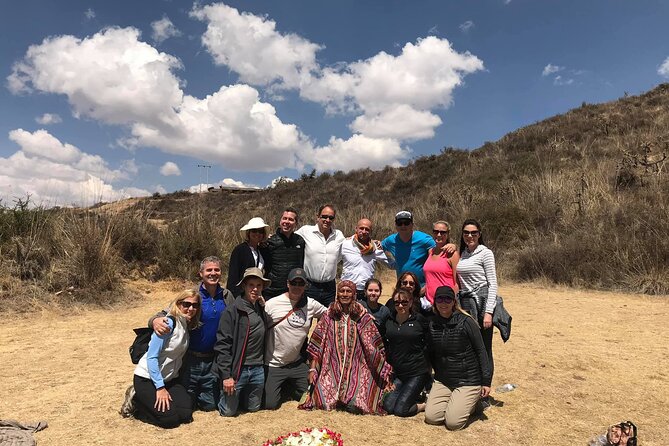
This tour is built for people who hate rushing. You’re not just dropping into ruins and hopping back into a car; you get several slower moments tied to food, agriculture, and daily life in the Andes. The private transport matters here—less time herding people, more time asking questions and soaking up details.
It runs about 8 hours, and the timing depends on where you start. If you’re in Cusco, pickup is listed as around 7:00 am; if you’re in Ollantaytambo, pickup is about 8:30 am. Either way, hotel pickup and drop-off are included, which keeps the logistics simple.
You’ll also cover a mix of flat paths and hillside walking. The walking is described as moderate, with stairs at Ollantaytambo. If you know you’re sensitive to steps, bring a little extra caution—and don’t plan anything demanding right after.
You can also read our reviews of more private tours in Cusco
Ollantaytambo: Terraces, Aqueducts, and Practical Inca Engineering
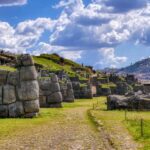
Ollantaytambo starts you off with a strong “why it matters” angle. The ruins were tied to Pachacutec as a residence, and later they also served as a checkpoint role when the Incas tried to protect routes toward Machu Picchu from Spanish advances. That context helps the stones make sense fast.
Your guided time focuses on the core features you’ll want to notice:
- Terraced ruins with fountains and aqueducts
- Storage houses designed to use wind to help cool and preserve crops
That last detail is the kind of thing I appreciate because it’s not just art-for-art’s-sake. The Incas weren’t only building temples. They were managing food storage and climate effects—using the environment as part of the system.
After the ruins, you get time to wander one of Peru’s oldest towns, where many buildings still reflect 15th-century Inca construction. This is one of those parts that feels more human than the big-photo viewpoints—streets, old stonework, and the sense that daily life kept going long after the empire era.
Practical tip: Ollantaytambo includes some stairs. If you’re traveling with someone who’s less steady on their feet, this is where you’ll want to take your time and use any offered resting spots.
Yanahuara Farm Visit: Alfalfa, Guinea Pigs, and Chicha Wisdom
Then you shift from Inca stone to living agriculture. You drive about 20 minutes to a farm area in the Sacred Valley (it’s described around Yanahuara), where you tour the lands and learn how food systems work at ground level.
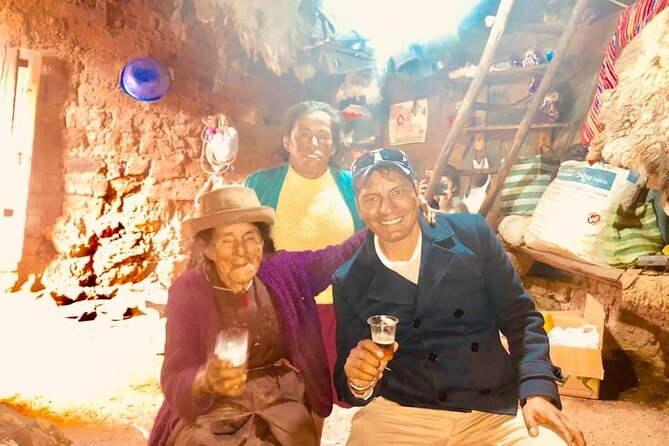
This farm visit is hands-on in a way I genuinely like. You’ll tour the fields, and you may even help with an activity like cutting alfalfa to feed guinea pigs. That’s not just cute—it’s a window into how animals and crops fit into local routines.
You also get to see how chicha is made. Chicha is a corn beer that’s been part of Peruvian culture since Inca times, and in this tour it’s treated as part of the daily food story, not a one-time drink stunt. You’re learning the ingredients connection early, which makes the later market stop much more meaningful.
Gourmet Picnic Lunch at an Organic Farm (With Real Views)
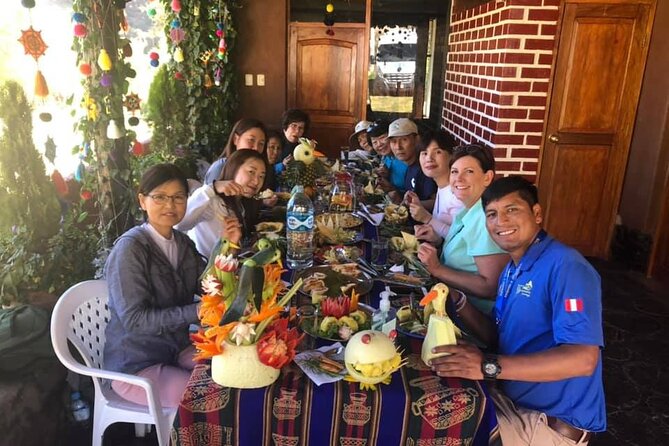
This is one of the tour’s biggest selling points for a reason: the lunch isn’t tacked on. It’s described as a private gourmet picnic lunch prepared by a chef, using local organic produce—including some of the farm’s own crops.
You’ll eat outside with an overlook of the Sacred Valley. Even if the weather changes, an outdoor meal tends to feel like a reset after a morning of ruins and uphill walking. And when lunch is tied to what you just saw—fields, animals, and chicha—it tastes more like a lesson than a meal.
If you’re picky about food on tours, this part is worth paying attention to. The lunch here is consistently called out as a highlight, and that’s a sign the kitchen isn’t just doing something “good enough.”
Urubamba Market Stop: Fruit Tastings and How Chicha Ingredients Fit Together
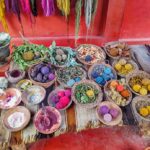
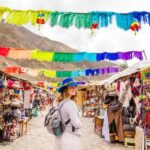
Next comes a more local kind of shopping. You drive about to Urubamba for an authentic, non-tourist market. This is where you get a peek at how families sell everyday essentials—fruits, vegetables, flowers, and natural medicinal plants.
Your guide walks you through the market and you’ll have tasting opportunities with Peruvian flavors like passion fruit, lucuma, and chirimoya. I like these fruit tastings because they’re small-bite learning moments. You’re not expected to order anything complicated; you’re experiencing ingredients that show up in local diets and drinks.
This market stop also connects directly back to chicha. You’ll learn about the ingredients used to make chicha, and the guide ties it back to how corn-based foods have mattered for a long time in the Andes.
Practical tip: Market stops can be a little sensory. Bring a calm pace mindset. If you want photos, ask first and keep moving when the crowd thickens.
You can also read our reviews of more tours and experiences in Cusco
Pisac Ruins: Terraces High on the Mountain (Plus an Inca Tunnel Option)
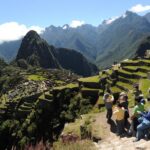
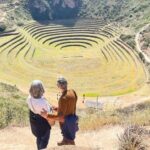
After Urubamba, you drive about one hour to Pisac. The ruins sit high on a mountain, and they’re known for terraces that allowed farming at over 11,000 feet. That’s a big number, and it helps explain why Pisac feels so “system-built”—the site wasn’t only about ceremonial space; it was also about making the land productive.
Your visit includes guided explanations of the site’s religious, astronomical, and military functions. Then there’s the fun part: you’ll have a chance to hike a little-known, seldom-used portion that connects to an original Inca trail and includes a tunnel built by the Incas.
Not every tour offers that kind of choice. The value here is that you’re not only looking from a distance—you’re experiencing how the site’s paths relate to the terrain.
You can also tour one of the larger Inca cemeteries located in the Pisac ruins. That stops the day from feeling like a single-note “pretty terraces” story. You see different roles the site served.
Finally, the tour ends with time at the Pisac handicraft market, where you can browse items like ceramics, jewelry, and weaving. This is also where you can keep it simple—just look, compare, and don’t feel pressured to buy.
Price and Entrance Fees: Does $197 Actually Add Up?
At $197 per person, this isn’t a bargain-basement tour. But you’re paying for a few things that matter:
- Private transportation and guide
- Two major ruins stops in one day
- A chef-prepared gourmet picnic lunch
- A farm visit with chicha and food-agriculture learning
- Food tasting during the day
- Hotel pickup and drop-off
The big catch is entrances. Entrance fees are not included, and you’ll need to buy the right ticket to get into Ollantaytambo and Pisac ruins. The tour notes that a Boleto Turístico is required, with two options:
- Full access listed at 130 soles (about $37), covering Pisac, Ollantaytambo, Chinchero, Moray, multiple Cusco museums, and Sacsayhuaman
- Half ticket listed at 70 soles (about $23), covering only some sites
So your all-in cost is going to depend on how many other attractions you plan to add that day or during the rest of your trip. If you’re doing multiple major sites anyway, the Boleto math often works better than buying separate entries everywhere.
Also, because this is a private plan, entrances are the one part you’ll feel most directly in your budget. Everything else is included—so once you’ve got the ticket covered, you can relax and focus on the day.
Who This Tour Suits Best (and Who Might Want a Different Day)
This tour is ideal if you want:
- A private day with time for questions
- Food and culture alongside Inca ruins
- A lunch experience that’s more than a sandwich stop
- A Sacred Valley itinerary that connects agriculture to heritage
I’d especially recommend it to people who like learning how things actually work. The farm, the chicha process, and the Urubamba market aren’t random add-ons. They turn the region into a set of living systems—animals, crops, ingredients, and local trade.
You might choose a different format if you:
- Don’t do well with stairs (Ollantaytambo)
- Want a very fast “see it, go” day (this one builds in pacing)
- Prefer only ruins without market or farm activities
In other words: if you like your Peru mixed with hands-on details and good meals, this fits.
Should You Book This Private Ollantaytambo and Pisac Tour?
Book it if you want a day where the guide isn’t glued to a checklist. The best moments are the ones that connect stones to real life: the farm work and chicha lesson, the market tastings, and a picnic lunch on an organic farm that feels planned, not improvised.
I’d think twice only if your priority is strictly ruins, with no interest in agriculture and food culture. Otherwise, the blend of Ollantaytambo + Pisac, plus lunch and market time, is strong value for a private day.
One more reason I’d book: private tours are where you get clarity. You can ask why certain design choices were made—like the storage logic tied to wind cooling—or why chicha ingredients show up in both tradition and daily markets. That’s the difference between seeing ruins and understanding them.
FAQ
How long is the tour?
The tour is about 8 hours (approx.).
What’s included in the price?
Included are hotel pickup and drop-off, private transport, a local professional guide, lunch, and food tasting.
What’s the tour price per person?
The price is listed as $197.00 per person.
Are entrance fees included?
No. Entrance fees are not included. You need a Boleto Turístico for entrance into Ollantaytambo and Pisac ruins.
What ticket option do I need for Ollantaytambo and Pisac?
The tour notes a full Boleto Turístico option for 130 soles (covers Pisac, Ollantaytambo, and other sites) or a half ticket for 70 soles (covers some sites).
What does the farm visit include?
You tour the farm lands, cut alfalfa to feed guinea pigs, and see firsthand how chicha is made.
Is there lunch, and what type is it?
Yes. You’ll have a private gourmet picnic lunch prepared by a chef using local organic produce. Lunch is outside while overlooking the Sacred Valley.
Do you visit a market?
Yes. After lunch you visit a local authentic non-tourist market in Urubamba, with time to browse and taste fruits and foods.
How much walking is involved?
There is moderate walking with some stairs to climb at Ollantaytambo.
Is this a group tour?
No. It’s a private tour, so only your group participates.