REVIEW · CUSCO
Sacred Valley: Chinchero, Moray, Ollantaytambo & Pisac+Lunch
Book on GetYourGuide →Operated by Machupicchu Adventour · Bookable on GetYourGuide
One day. Five sacred stops. That’s the magic trick of this Cusco-based Sacred Valley tour, blending Inca engineering with real local life. You start with Chinchero’s textile story, then move through Moray and Maras salt mines, finishing at Ollantaytambo and Pisac with classic Andean views.
I love how the day is guided in a way that actually helps you read what you’re seeing: terraces, irrigation ideas, and stone sites all come with clear context. I also love the lunch in Urubamba—people consistently call it big, satisfying, and better than expected. One possible drawback: it’s a full, fast schedule, and you’ll feel some time pressure at the best stops, especially if you want to linger.
In This Review
- Key Highlights You’ll Feel Immediately
- From Cusco Pickup to Chinchero Textiles: The Day Starts High
- Moray: Inca Farming That Looks Like a Science Project
- Maras Salt Mines: A Visual Payoff With a Paid Ticket
- Urubamba Lunch: Why This Tour Gets Repeated Praise
- Ollantaytambo: Terraces, Temples, and the Princess Baths Fountain
- Pisac Archaeological Park and Artisan Market: Mountain Ruins Meet Local Craft
- The Real Timing Test: How 12 Hours Feels on the Ground
- Who This Tour Fits Best (And Who Should Rethink It)
- What’s Included vs What You’ll Pay On Top
- Small Things That Make Your Day Smoother
- Should You Book This Sacred Valley Tour?
- FAQ
- How long is the Sacred Valley day trip?
- Where does the pickup happen?
- What’s included in the price?
- Are entrance tickets included?
- What languages does the guide speak?
- What should I bring for the day?
Key Highlights You’ll Feel Immediately
- Chinchero textiles: Textile Interpretation Center + chances to watch the process up close
- Moray as an Inca ag lab: an unusual site explained through practical farming logic
- Maras Salt Mines: a short visit with a big visual payoff
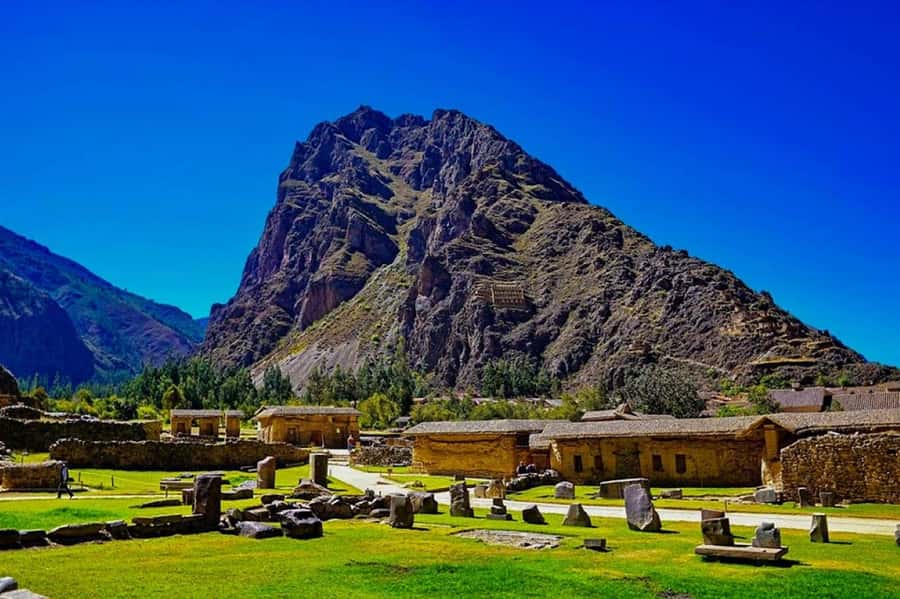
- Ollantaytambo stonework: terraces, Temple of the Sun, and Princess Baths fountain
- Pisac mountain ruins + artisan market: old stones and local crafts in one stop
- Urubamba buffet lunch: included, with lots of options and standout quality
From Cusco Pickup to Chinchero Textiles: The Day Starts High
Most mornings begin with pickup from your Cusco hotel or accommodation. You’re collected about 30 minutes before departure, then you’re on a shared bus/coach with other people heading north through the Sacred Valley corridor. At Cusco altitude (about 3,350 m / 10,990 ft), you’ll want to take the first hour easy—this area is high even when the schedule feels normal.
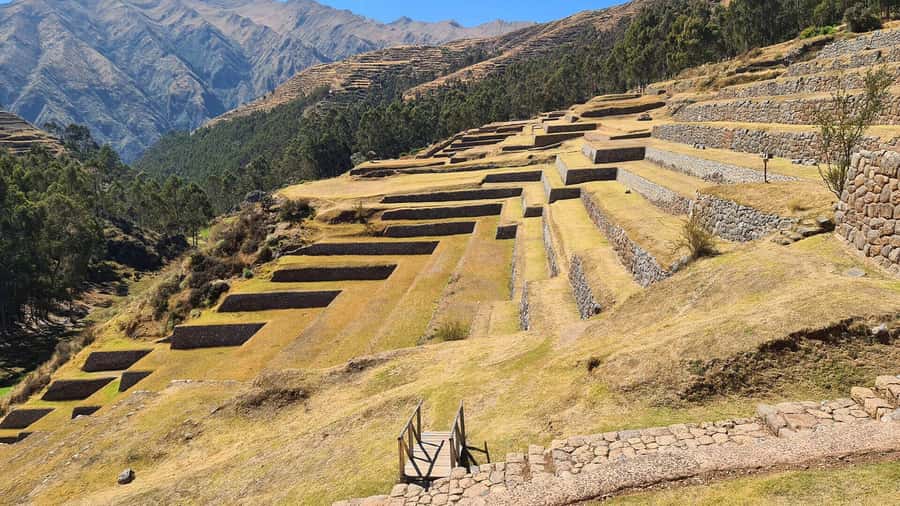
Chinchero is one of the first places where the tour’s value shows. You’re not just dropping in for photos. You get a break, a photo stop, and a guided visit to the Textile Interpretation Center, plus time to shop and browse. Chinchero is at about 3,762 m / 12,342 ft, so walking at the start of the day can feel like cardio—bring a daypack and go slow on the stairs.
If you end up with a guide like Victor (a name that came up again and again), the textiles often turn into a story you can actually use. Several guides on this circuit are praised for doing two things well: explaining what you’re looking at, and helping you capture photos at the right angles. Even if you only care about one thing—textiles, ruins, or salt—Chinchero is a good place to get oriented.
Practical tip: If you’re sensitive to altitude, plan to drink water early and avoid the urge to sprint through the first stop. You’ll appreciate everything more if you arrive at the viewing points with your breath under control.
You can also read our reviews of more tours and experiences in Cusco
Moray: Inca Farming That Looks Like a Science Project
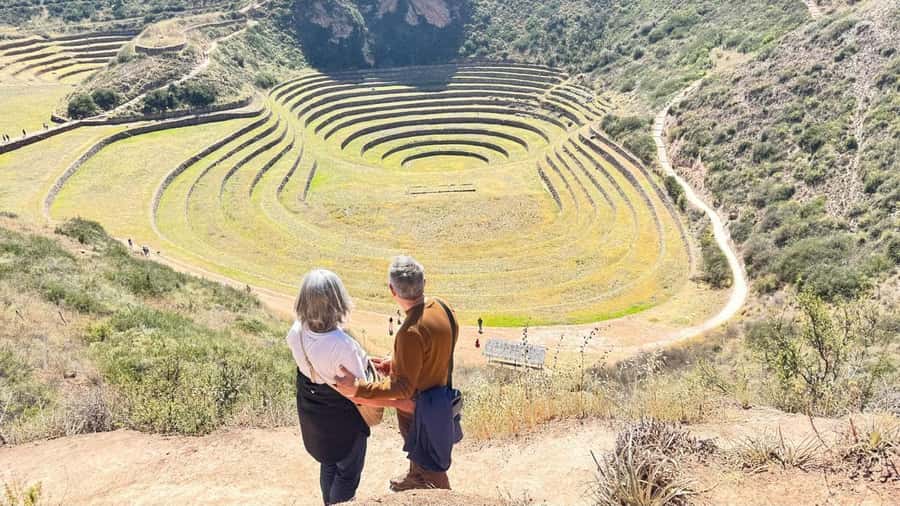
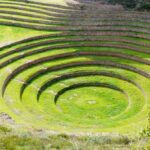
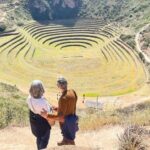
After Chinchero, the bus ride runs roughly 30 minutes to the Moray Archaeological Site. Moray sits at about 3,762 m / 12,342 ft, so the air is still thin. The visit is usually about 35 minutes including breaks and walking, which means your guide’s timing matters.
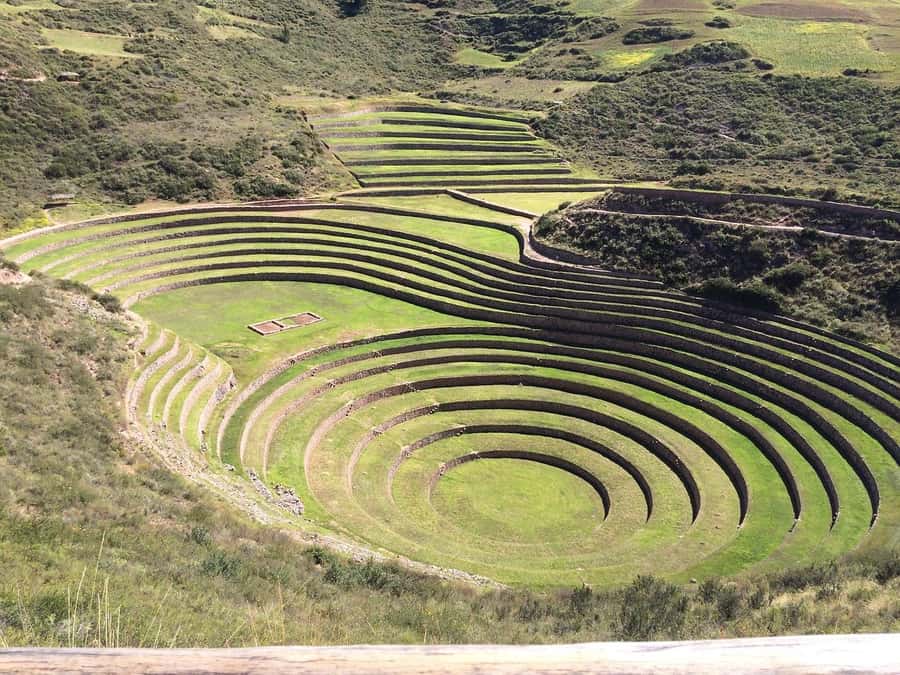
Moray’s big draw is that it feels odd on purpose. The site is often explained as an Inca agricultural laboratory, with different levels that helped experiment with growing conditions. What I like about that explanation style is that it makes the ruins feel practical instead of mysterious—like the Inca mind at work, not a random stone pattern.
This is also where the tour’s pacing becomes clear. You’ll get enough time for the core views and photos, but not enough for a slow, hours-long roam. If you prefer deep reading, you’ll take notes fast and move on. If you prefer a well-structured day, Moray hits the sweet spot: short enough to manage the altitude, long enough to understand the purpose.
Maras Salt Mines: A Visual Payoff With a Paid Ticket
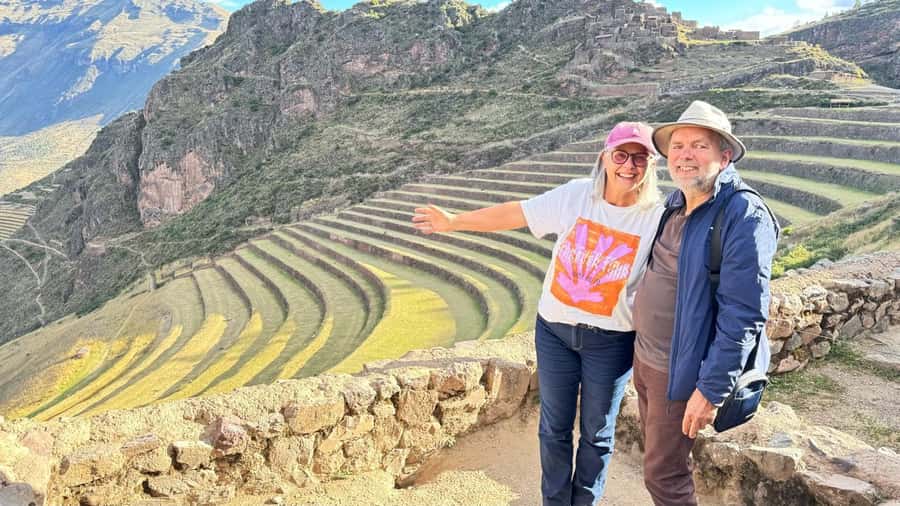
From Moray, you head to Maras Salt Mines, passing through the town of Maras on the way. The drive is about 20 minutes, and the stop is typically around 20 minutes including guided time and photo opportunities. Maras sits at about 3,762 m / 12,342 ft, so once again: pace yourself.
Here’s the key logistics point: the salt mine ticket is not included. You should budget for it (listed as 20 soles). Entry to some archaeological sites also isn’t included (listed as 70 soles). In real terms, that means this tour is still a strong value, but you should carry cash and expect a little extra cost for tickets.
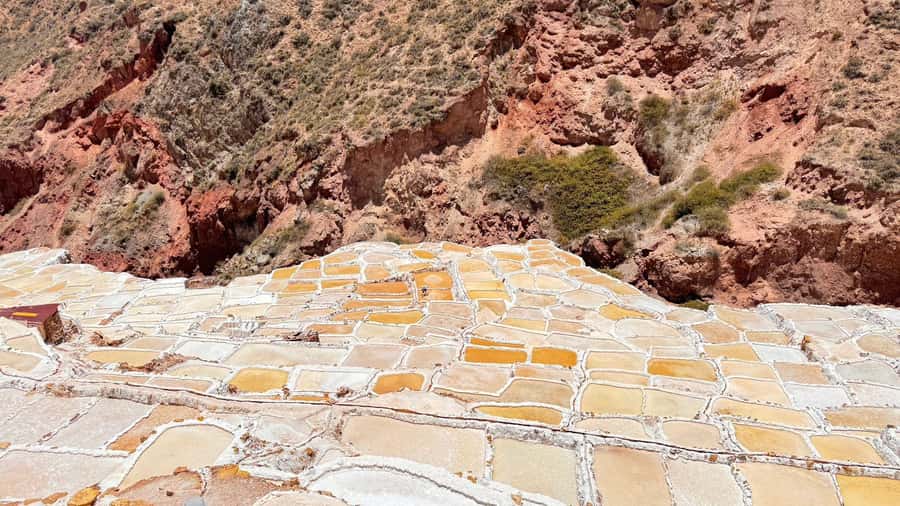
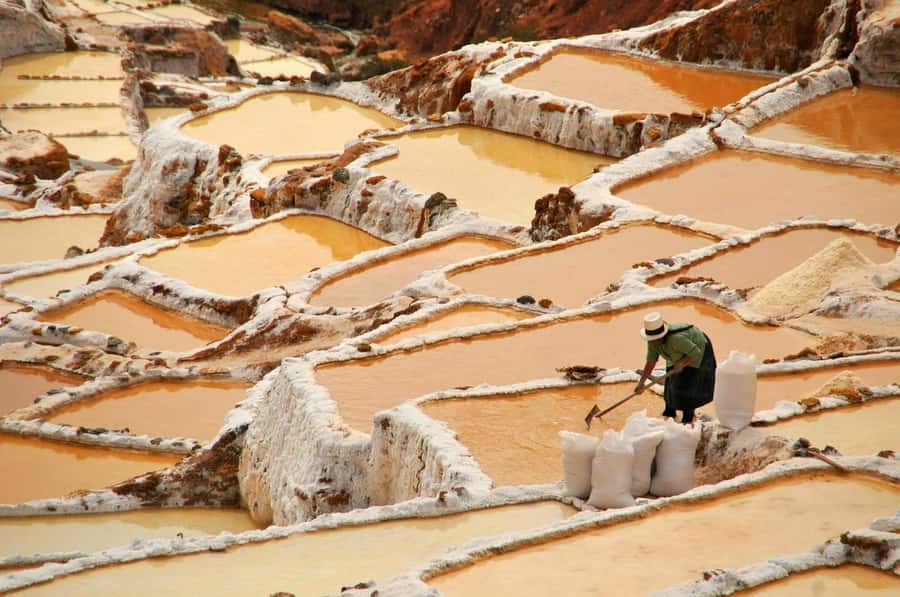
The salt mines themselves are easy to “get” visually—rows and rows of small pools. Even in a short visit, you’ll see why this is famous. And the guide’s job is to help you connect it to the broader Sacred Valley picture: human work shaped by geography, not just scenery for tourists.
One caution from experience-style feedback: some stops along this kind of route include sales moments, and a couple of people noted the salt-shop part could feel off. If you shop, compare prices outside if you can, and don’t rush your decision just because you feel on a clock.
Urubamba Lunch: Why This Tour Gets Repeated Praise
Then comes the break the group needs. You drive about 20 minutes to Urubamba for lunch. Urubamba is lower (about 2,780 m / 9,120 ft), which helps your lungs and legs recover a bit.
Lunch is a buffer-style Peruvian cuisine meal, and the quality shows up in the reviews. People highlight that it’s huge, varied, and pleasantly surprising for an included meal. One diner even noted food options that worked for a vegetarian and a celiac-friendly eater, which suggests the buffet format is practical for different diets—just be aware you’ll still want to check what’s safe for your needs.
The schedule also says lunch may be described as a “Novo Andean buffet,” with Cusco-focused dishes. Either way, the message from the day’s flow is clear: this is not a sad sandwich stop. It’s a proper meal before you head to the more demanding stone sites.
My advice: Go for the carbs if altitude is hitting you, but also take advantage of variety. You’ll need energy later for walking around Ollantaytambo and Pisac.
Ollantaytambo: Terraces, Temples, and the Princess Baths Fountain
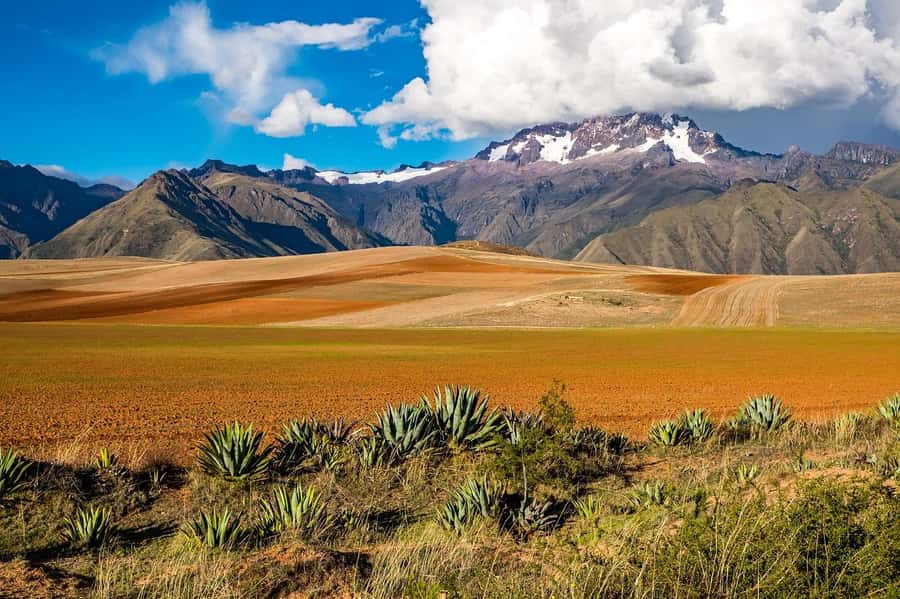
After lunch, you continue by bus (roughly 30 minutes) to Ollantaytambo. Ollantaytambo sits at about 2,790 m / 9,153 ft. You typically get around 50 minutes for the park, including photo stops and a guided visit.
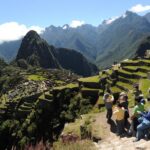
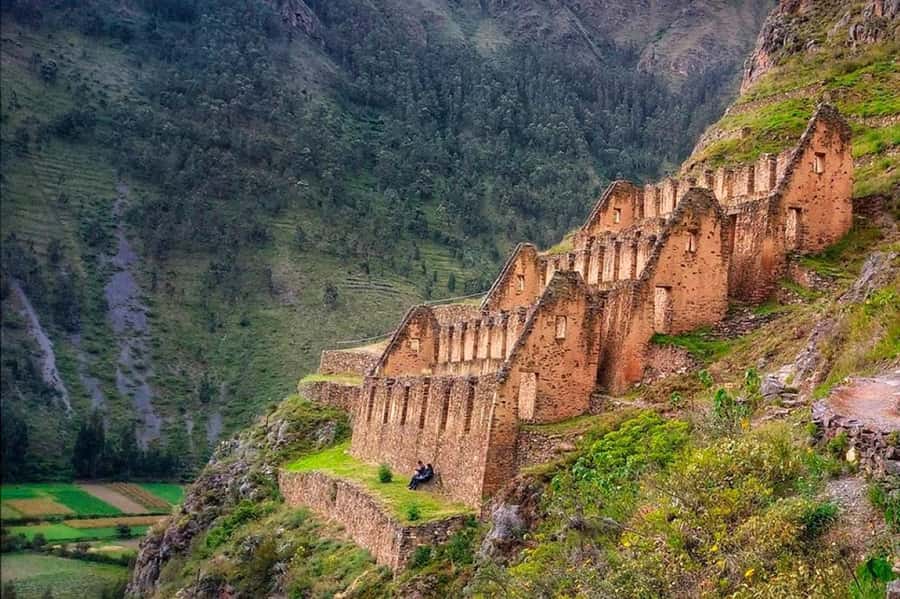
This is one of the best spots on the whole itinerary, mainly because the site is visually structured. You’ll see major stone buildings and terraces, plus iconic named areas like the Temple of the Sun and the fountain of the Princess Baths. What makes Ollantaytambo work as a tour stop is that the layout helps you follow the guide’s explanation. The stones aren’t just “cool,” they’re organized in a way your brain can map.
In the feedback, guides like William and Victor are credited with strong storytelling and helpful direction for photos. That matters here because Ollantaytambo is busy on your senses—if you don’t have context, it can blend together. With good guiding, you start noticing the specific features the site is known for.
Possible drawback: several comments note the visit can feel a touch rushed. If you’re the type who wants to slowly frame every wall in your camera, plan to take quick, intentional photos and then listen closely to the guided explanation.
Pisac Archaeological Park and Artisan Market: Mountain Ruins Meet Local Craft
Next you head to Pisac. You’ll likely climb up from Pisac Pueblo (about 2,972 m / 9,750 ft) to the archaeological area at about 3,300 m / 10,826 ft. The park stop usually lasts around 45 minutes including guided time, photo stops, sightseeing, and walking.
Pisac is built on a mountain, so you feel it immediately: you’re looking down, up, and sideways all at once. That makes the views great, but it also makes timing important. You’ll want to wear shoes with solid grip and expect uneven ground.
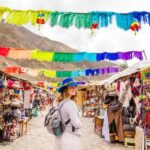
One part people love here is the pairing of ruins with the artisan market. After descending back toward the town area, you can visit a market where locals are described as experts working with minerals. That gives you a more “life in the valley” ending rather than ending at the gate and calling it a day.
Shopping reality check: some parts of the day include opportunities to buy textiles, crafts, and local products. It can feel commercial, especially if you don’t want extra stops. If shopping is your thing, use the time well. If not, focus on the market as a look-and-learn moment, and set a simple limit for yourself.
The Real Timing Test: How 12 Hours Feels on the Ground
The advertised duration is about 12 hours. With pickup, bus rides, guided stops, and drop-off, this is a “see a lot” day. Many reviewers describe it as packed, and some call it a two-day experience squeezed into one. Translation for you: expect a steady pace, not a slow wander.
Also keep in mind that timing can drift. Even though pickup is scheduled, some people noted departure slightly later than expected. It’s not chaos, but it’s enough to plan with flexibility. If you’re trying to catch a tight dinner reservation later that night, you may want to move it.
At the end of the day, the tour typically returns to central Cusco with drop-off around 6:30 to 7:00 p.m. at or near the Plaza de San Francisco (and your exact drop-off can also be listed as options like Plaza Kusipata or Calle Plateros). In practical terms: you’ll have the evening back, but don’t count on being free at 5:00.
Who This Tour Fits Best (And Who Should Rethink It)
This is a good match if you want to cover the Sacred Valley in one day with transportation, guides, and lunch handled for you. It’s also ideal if you want context without spending hours planning entry tickets and route logistics.
It’s not a good match if you need lots of quiet time at each ruin. The route is efficient, and you’ll feel it at places like Ollantaytambo and Pisac, where the ground makes slow wandering tempting.
The tour also has clear restrictions. It’s listed as not suitable for pregnant women and for people over 220 lbs (100 kg). Altitude and walking are part of the day, so honestly: if you’re unsure, ask before booking and choose conservative expectations.
What’s Included vs What You’ll Pay On Top
This is where the value math becomes clear.
Included:
- Hotel pickup in Cusco
- Shared tourist mobility (bus/coach)
- Buffet lunch in Urubamba
- English/Spanish professional guide
Not included:
- Archaeological ticket cost listed as 70 soles
- Salt mines ticket listed as 20 soles
At a base price of $25 per person, the included lunch and guiding are what make it feel like a deal. But the add-on tickets are real, so bring cash and plan for it. Also bring your passport (listed) and your camera, because you’ll use both.
Small Things That Make Your Day Smoother
Bring:
- Passport
- Camera
- Cash
- Daypack
- Sportswear
The day runs high and long, so dress like you’re moving between sun and cool air. Even without naming temperature, the Andes can flip fast. Comfortable layers and shoes you trust on stone and dirt are a big deal.
Also note a couple of rules: drones aren’t allowed, and drinks are not allowed in the vehicle. That’s not just paperwork—if you bring something, bring it in the right way.
Should You Book This Sacred Valley Tour?
Book it if you want a structured, guided Sacred Valley day that hits Chinchero, Moray, Maras salt mines, Ollantaytambo, and Pisac with an included Urubamba buffet lunch. The strongest reason is simple: the lunch and guiding quality show up again and again, and it’s one of the easiest ways to see multiple major sites without dealing with route planning.
Skip or consider something slower if you hate rushed tours. You’ll get the highlights, but you won’t get long wandering time at every stop. Also, if you’re extra altitude-sensitive, plan a slower first day in Cusco or build in a recovery window later.
FAQ
How long is the Sacred Valley day trip?
It runs about 12 hours, starting with a morning pickup in Cusco and finishing back in central Cusco around 6:30 to 7:00 p.m.
Where does the pickup happen?
The tour picks you up from your hotel or accommodation in Cusco, with an anticipation of about 30 minutes before departure.
What’s included in the price?
The price includes hotel pickup, shared transportation, an English/Spanish professional guide, and a buffet lunch in Urubamba.
Are entrance tickets included?
No. You’ll need to pay for tickets separately: 70 soles for archaeological tickets and 20 soles for the salt mines.
What languages does the guide speak?
Guides work in English and Spanish.
What should I bring for the day?
Bring your passport, camera, cash, and a daypack, plus sportswear. Water/food needs aren’t listed in detail beyond bringing food and drinks, so plan to have what you personally need for a long high-altitude day.