REVIEW · CUSCO
City Tour in Cusco & visit Museum South American Camelid Private.
Book on Viator →Operated by Chullos Travel Peru · Bookable on Viator
Six hours, and Cusco starts clicking.
This private tour strings together the city’s most important Inca-and-colonial landmarks, then adds a hands-on stop at a South American camelid farm. I especially love the private, tailored pacing and the chance to get up close with alpacas and llamas and learn how their wool feeds Cusco’s textile tradition. One thing to plan around: most stops are outdoors, so rain can shrink the day.
You’ll also get the big-picture stories that help Cusco feel less like a pile of ruins and more like one connected city. Expect a guide who explains not just what you’re seeing, but why it mattered, with facts and anecdotes that are usually missing from standard sightseeing.
In This Review
- Key highlights you’ll feel immediately
- Cusco ruins made easy with private transport and your own pace
- Plaza de Armas to Qorikancha: Cusco’s center, then the Sun Temple
- Sacsayhuamán and Q’enqo: massive walls and ritual tunnels
- Puka Pukara and Tambomachay: hill views and the Water Temple
- Manos de la Comunidad camelid farm: alpacas, llamas, and textile know-how
- Price and value: what you’re paying for at $49.40
- Guide quality can make or break the day
- Weather, outdoor sites, and how to keep the day intact
- What to pack (and what to skip) for a 6-hour Cusco day
- Who should book this tour
- Should you book this Cusco city tour with the camelid farm?
- FAQ
- How long is the Cusco City Tour with the camelid farm?
- What does the tour cost?
- Is this a private tour?
- What’s included in the price?
- Are entrance tickets included?
- Which stops are part of the tour?
- Is there any site on the route that is free?
- What’s the cancellation policy?
Key highlights you’ll feel immediately
- Private transport + guide: no self-navigating between hilltop ruins and temple sites
- Inca engineering in real view: stonework, panoramic viewpoints, and working fountains at Tambomachay
- Qorikancha’s Inca-Sun-God story: learn the temple’s golden past and see the Inca-colonial blend
- Camelid farm stop that’s more than photos: alpacas, llamas, and textile skills up close
- Flexibility inside the route: private groups can adjust timing and ask for small changes at the end
Cusco ruins made easy with private transport and your own pace
The biggest value here is simple: you’re not trying to figure out how to hop between sites on your own. You get round-trip transport from your hotel or your preferred pickup point, plus a private guide who keeps the day moving without rushing you through each stop.
That pacing matters in Cusco. Even when you’re not winded, the altitude nudges you toward slower, smarter movement. In at least one group, the guide (Christian) was careful about altitude-related comfort and pacing, which is the kind of small thing that changes how enjoyable the day feels.
This is also genuinely private: it’s just your group. Families, couples, and solo travelers all tend to like that because you can ask questions and slow down when the views or stonework pull you in.
You can also read our reviews of more city tours in Cusco
Plaza de Armas to Qorikancha: Cusco’s center, then the Sun Temple
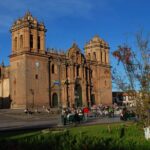
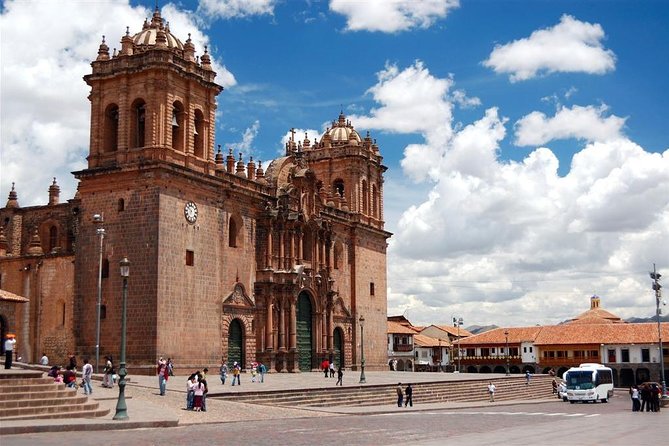
You start at Plaza de Armas, Cusco’s historic core. Even with just about 15 minutes, it sets the mental map. You’ll see the colonial architecture framing the space that once functioned as the heart of Inca power. It’s short, but that’s the point: you’re orienting fast.
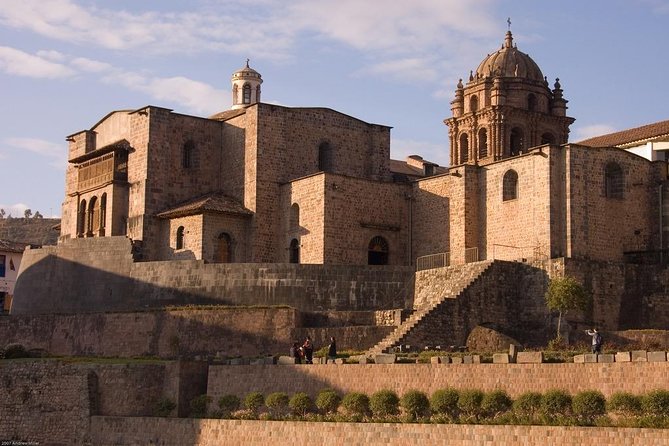
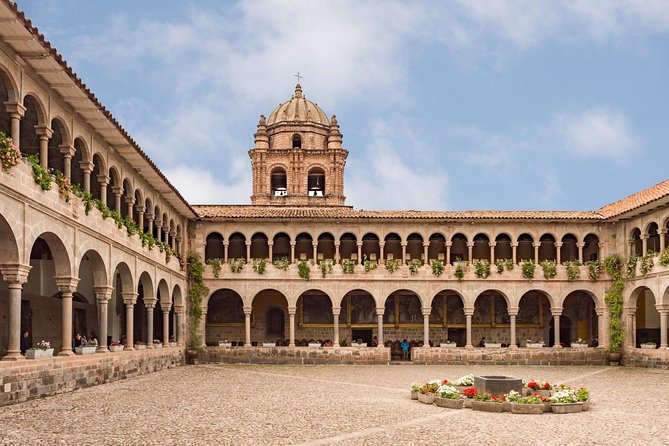
Next comes Qorikancha (Templo del Sol). Plan for around 45 minutes here. This is the stop where you can really feel the overlap between Inca and Spanish influence. The Inca temple was dedicated to the Sun God, and what you see today reflects a long, complicated story: original Inca significance layered with later colonial changes.
Two practical notes from experience in Cusco-style sites like this:
- You’ll want to spend a little extra time looking at details, not just the big view.
- Bring a camera with a charged battery. Qorikancha is the kind of place where the best shots come from close attention to textures and edges.
Admission tickets for these stops are not included. So if you like smooth planning, budget ahead for entrance fees.
Sacsayhuamán and Q’enqo: massive walls and ritual tunnels
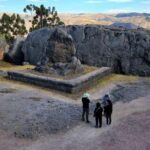
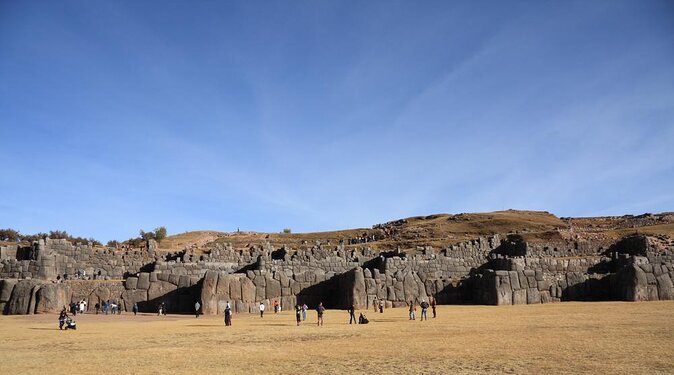
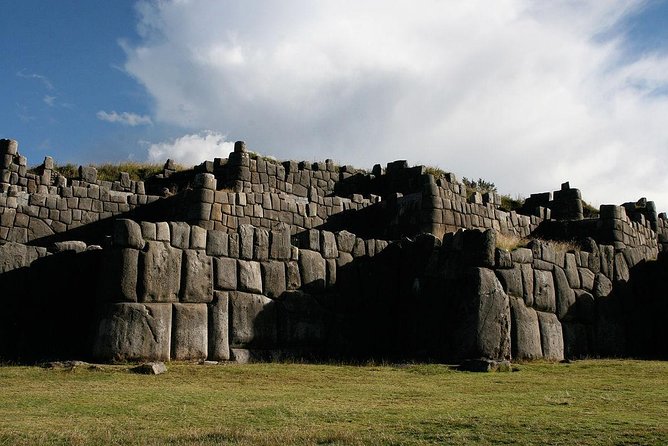
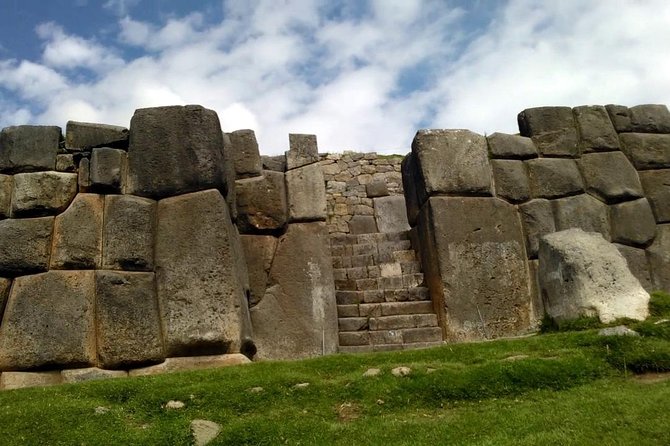
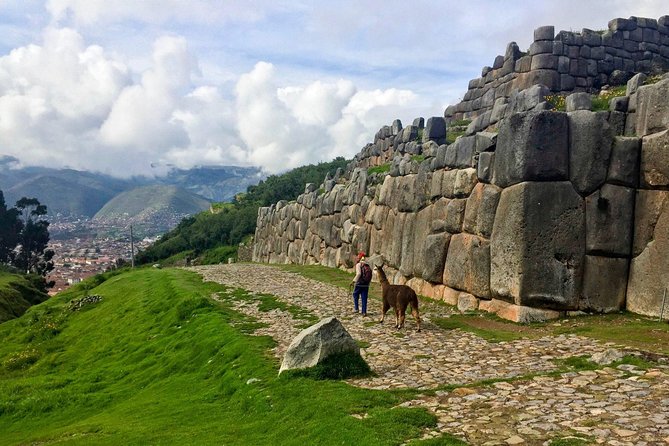
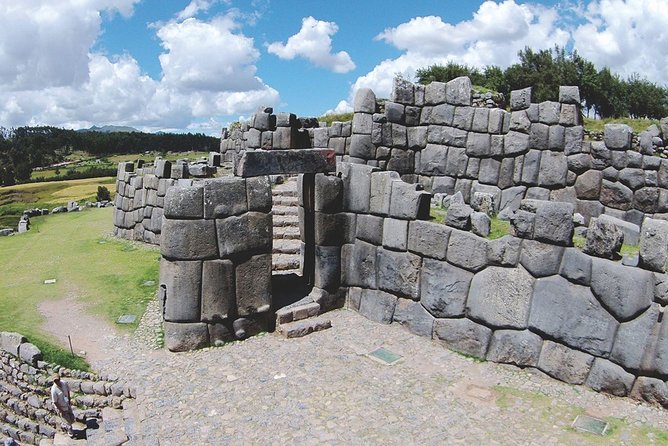
After Qorikancha, the route turns more dramatic. Sacsayhuaman is where Cusco’s scale shows up. Expect about 45 minutes at this Inca site, famous for its massive stone walls and panoramic views over the city. It once served strategic and military purposes, so your guide should connect the stonework to how power and defense worked in the Inca world.
This is a strong stop for photos, but also for understanding. The stones aren’t just impressive; they’re part of a system—angles, sightlines, and built-in geography.
Then you head to Q’enqo, around 30 minutes. This site feels different: carved stones and tunnels associated with ceremonial use. The mood here is more “ritual architecture” than “big monument.” If you’re the type who likes your ruins with explanations (not just directions), this is where a good guide earns their pay.
Both Sacsayhuaman and Q’enqo are outdoor. If weather rolls in, you may get less time than planned. I’d treat this section as the most weather-sensitive part of the day because it depends on clear walking and visibility.
Puka Pukara and Tambomachay: hill views and the Water Temple
Now the tour shifts to quieter, scenic sites.
Puka Pukara is a smaller fortress-like location on a hilltop above Cusco, with about 30 minutes. The best part is the combination of easy-to-reach views and the feeling of stepping into Inca military life. Good news: this stop is free.
After that, you finish at Tambomachay, known as the Water Temple. You’ll get around 30 minutes here, and it’s one of the most rewarding endings because it’s about Inca water engineering that still functions today. Well-preserved aqueducts and fountains keep flowing, so you don’t just admire the stone—you see the system doing its job.
Admission tickets for Tambomachay are not included, so add entrance-fee expectations to your day budget. And because this is outdoors again, rain can affect the experience. If you’re visiting in the wetter months, pack for wet ground and misty viewpoints.
Manos de la Comunidad camelid farm: alpacas, llamas, and textile know-how
The highlight for animal lovers is the stop at Manos De La Comunidad. You’ll have about 30 minutes, and it doesn’t feel like a rushed “stand-and-point” animal exhibit.
Here’s what you should expect:
- Close-up time with South American camelids
- Learning about domestication and how the Incas developed camelid varieties
- Seeing the two varieties of alpacas and llamas
- Understanding ancestors like guanacos and vicuñas
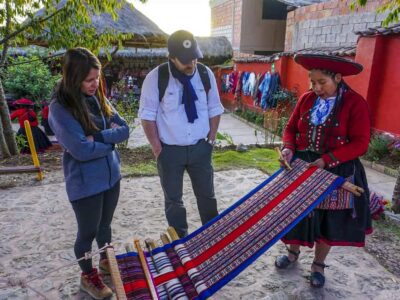
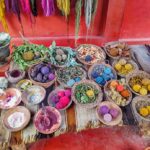
You’ll also connect the animals to textiles, because the stop includes weaving-related learning—how locals practice weaving and the skills used to produce textiles.
One thing I like about this part of the tour is that it gives context. Wool and weaving aren’t “souvenirs.” They’re economy, culture, and a living craft.
Some groups also report extra fun time with hands-on interaction, like feeding llamas and alpacas. Even if you don’t get feeding specifically, you should still get a strong animal-and-craft experience, plus photo opportunities.
Also note: there’s a shop. That’s not a bad thing by default. It’s a practical way to turn what you learned into a purchase, but you’ll want to keep an eye on your budget.
You can also read our reviews of more private tours in Cusco
Price and value: what you’re paying for at $49.40
At $49.40 per person for about 6 hours, the value is less about “cheap sightseeing” and more about buying three things you’d otherwise spend time and energy trying to arrange:
- Private guide time
- Private transport between multiple sites around Cusco
- A planned route that covers both major ruins and a camelid farm stop
What’s not included is entrances. Entrance costs can add up depending on which sites you pay for and what category they fall into. The one clear exception in the route is Puka Pukara, which is free.
So how do you judge value? For this tour, ask yourself:
- Do you want someone to explain each site instead of just scanning plaques?
- Do you want to avoid the hassle of coordinating taxis, timing, and finding trailheads?
- Do you want the camelid farm stop in the same day as the ruins?
If you answer yes to those, the price tends to make sense fast.
Guide quality can make or break the day
This tour lives and dies by the guide. That sounds harsh, but in Cusco it’s real. The route is packed with stone and stories, and if the communication doesn’t land, it turns into background noise.
Good examples exist in the names you might be assigned. Christian, for instance, is repeatedly described as extremely knowledgeable and pleasant, and one hearing-impaired guest found his English and accent easier to follow. Americo is described as passionate and energetic, and in one case also framed his explanations through an anthropologist lens—adding context beyond the usual site facts. Juan Vargas also gets credit for on-time pickup and standout knowledge.
On the other hand, there are occasional communication hiccups. One group reported difficulty understanding an English guide, which meant they missed information and lost interest.
My practical advice:
- When you book, double-check the language option you want.
- If clear explanations matter a lot to you, note that guide clarity is not the same for every assignment.
- If something sounds off, ask a question early. A good guide can adjust if you’re upfront.
Also watch pickup and drop-off details. One group reported a last-moment pickup-location change affecting an airport start. A private tour gives you flexibility, but you still need to confirm the exact pickup/drop-off point before the day starts.
Weather, outdoor sites, and how to keep the day intact
Cusco ruins days have one enemy: weather. In one experience, rain started after the second site, and the group wasn’t able to visit the remaining ones. That’s the reality of outdoor locations and hilltop viewpoints.
Plan like this:
- Bring a light rain jacket or poncho.
- Wear shoes that handle wet stone and uneven ground.
- Pack a hat and sunscreen too. Even in cloudy weather, the sun can hit hard between breaks.
If rain is likely, prioritize the stops that matter most to you and stay flexible. A private format can help, but it can’t change the fact that you’re walking outdoors.
What to pack (and what to skip) for a 6-hour Cusco day
For this route, I’d keep it simple and functional. You’ll be outside at multiple stops, doing walking and photo breaks.
Bring:
- Comfortable walking shoes with grip
- Sun protection (hat and sunscreen)
- A rain layer
- Water (especially because altitude can dry you out fast)
- Cash or card for entrance tickets and the camelid shop if you want it
Skip overpacking. You don’t need a full hiking kit. Just be ready for stone surfaces, stairs, and changing weather.
Who should book this tour
This one fits best if you want a full Cusco orientation day without jumping to farther regions.
It’s ideal for:
- First-time Cusco visitors who want key Inca sites around the city
- People who care about explanations, context, and stonework details
- Travelers who want both history and a living-culture stop (camelids and textiles)
- Groups who like flexibility, like asking for a small change near the end of the day
It may be less ideal if you hate outdoor walking, or if you’re depending on perfect weather to see every stop exactly as scheduled.
Should you book this Cusco city tour with the camelid farm?
Yes, if you want a guided day that makes Cusco feel coherent. The mix is strong: Plaza de Armas to Qorikancha sets the big story, Sacsayhuaman and Q’enqo show the engineering and ritual sides, and Tambomachay adds the living water-engineering finale. Then Manos de la Comunidad gives you something different: alpacas, llamas, and textile knowledge tied to everyday Andean life.
Book with confidence if you:
- Prefer a private pace with transport solved for you
- Want a guide who connects facts to what you’re seeing
- Are interested in alpacas and llamas beyond just a quick photo
Think twice (or plan extra) if:
- Rain is a big concern for your trip timing
- Entrance fees would stress your budget since they’re mostly not included
If you’re ready for a focused Cusco day that covers real Inca landmarks plus a hands-on camelid experience, this is a very solid choice.
FAQ
How long is the Cusco City Tour with the camelid farm?
The tour is about 6 hours (approx.).
What does the tour cost?
It costs $49.40 per person.
Is this a private tour?
Yes. It’s a private tour, meaning only your group participates.
What’s included in the price?
You get private transport and a private tour guide.
Are entrance tickets included?
No. Entrances are not included, except that Puka Pukara is listed as free.
Which stops are part of the tour?
Plaza de Armas, Qorikancha, Sacsayhuaman, Q’enqo, Manos De La Comunidad (camelid farm), Puka Pukara, and Tambomachay.
Is there any site on the route that is free?
Yes. Puka Pukara is listed as free.
What’s the cancellation policy?
Free cancellation is available up to 24 hours in advance for a full refund. If you cancel less than 24 hours before the start time, the amount paid is not refunded.