REVIEW · CUSCO
Cusco: Moray, Maras Salt Mines, and Chinchero Weavers Tour
Book on GetYourGuide →Operated by Machupicchu Adventour · Bookable on GetYourGuide
Three Inca stops, one salt-filled afternoon. This half-day run into the Sacred Valley strings together Chinchero weaving, Moray’s terrace system, and the Maras salt mines—all while you’re staring out at high Andean mountains.
I especially like the way this tour explains what you’re looking at, from terraced Inca agriculture to how salt gets produced in thousands of working pools. I also love the Chinchero weaving workshop, where artisans keep Quechua traditions alive and use natural plants to pull colors for their art.
One thing to plan for: entrances are not included. You’ll pay site fees on the day (archaeological sites $19 / 70 soles, plus salt mines $6 / 20 soles), and if shopping at the weaving stop matters to you, it helps to ask what workshop you’ll actually visit.
In This Review
- Key highlights worth your attention
- Chinchero weaving first: altitude, craft, and real color
- Moray terraces at 11,318 feet: the irrigation story you’ll remember
- Maras Village: colonial corners beside salt-country reality
- Salineras salt mines: 3,000 pools and a working production site
- Price and value: why the low headline rate needs planning
- Timing, group size, and how to handle the pace
- What to bring so the day feels easy
- Who this tour fits best
- Should you book the Cusco: Moray, Maras Salt Mines, and Chinchero tour?
- FAQ
- FAQ
- How long is the Cusco: Moray, Maras Salt Mines, and Chinchero Weavers tour?
- Where does the tour pick you up and where does it end?
- Is this a small group tour?
- What languages will the guide speak?
- Are entrance fees included in the price?
- What should I bring with me?
- Can I cancel for free?
Key highlights worth your attention
- Bilingual live guide (English/Spanish) who can make the sites click fast
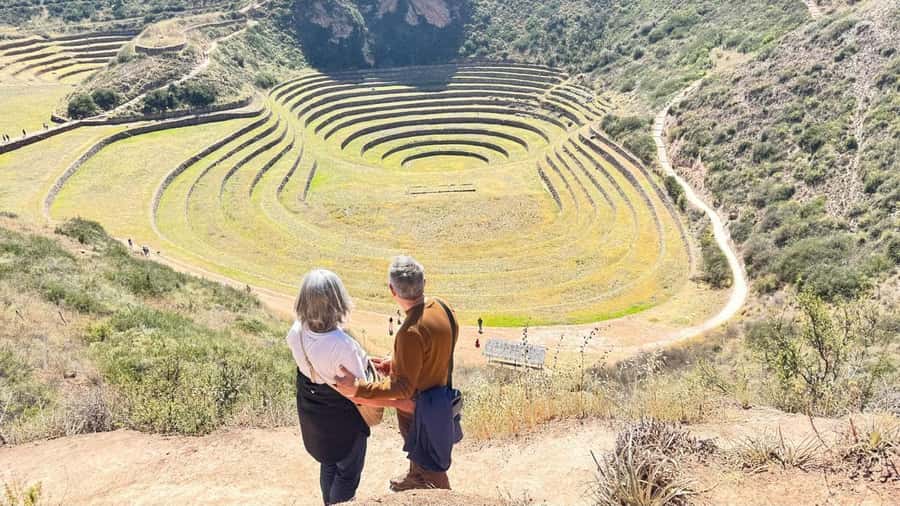
- Moray’s terraced irrigation at about 11,318 feet, with memorable views
- Chinchero weaving workshop tied to Quechua tradition and natural dye plants
- Maras salt mines’ 3,000+ small pools, still producing salt today
- Small-group size (limited to 12) for a more relaxed pace
- Preserved colonial look in Maras, including thin-stone building styles
Chinchero weaving first: altitude, craft, and real color
Cusco sits high, so another jump upward matters. Chinchero is at roughly 3,762 meters, and you’ll feel it if you’re sensitive to altitude. The good news: this stop is short enough to enjoy without turning into a slog—there’s time for a quick break, photos, a visit/workshop, and a little walking and shopping.
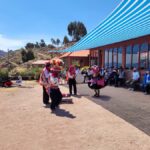
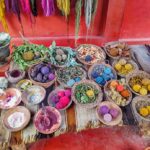
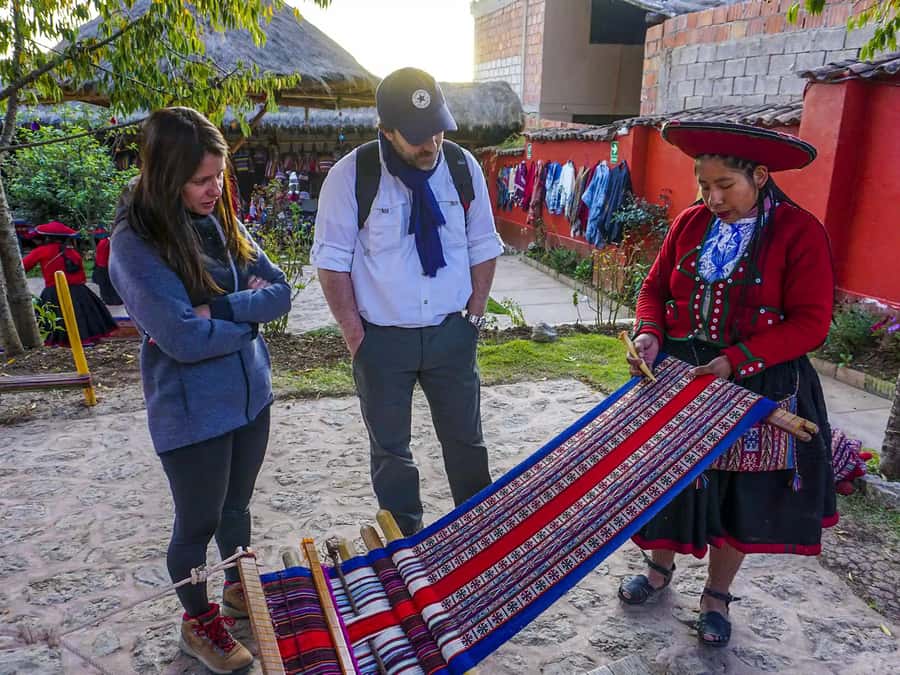
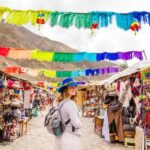
Chinchero is the place where the tour’s “human” side starts. You’re not just seeing Inca ruins; you’re watching people make Andean textiles and colors the old way. At the workshop, artisans continue the Quechua tradition and explain how they use natural plants to extract dyes. The colors tend to look earthy and grounded because they come from sources tied to the Andes rather than synthetic pigments.
I like that this isn’t presented as a museum performance. It’s craft in progress. If you’re picky about buying, this is also where you can get thoughtful: ask what the dye is made from, how long pieces take, and what materials are used. Be aware that this stop can include sales time. You can still enjoy it—just treat it like a workshop visit, not a guaranteed “no-pressure purchase.”
One practical note: there’s a real risk of disappointment if you expect a specific named workshop based on photos or prior knowledge. One participant reported that the actual weaving place didn’t match what was advertised, and that the shop push felt heavier than expected. That doesn’t mean it’s always like that, but it’s enough that you should do one simple thing: ask the operator which workshop/brand you’ll visit in Chinchero (and what materials are being used) before you get there.
You can also read our reviews of more tours and experiences in Cusco.
Moray terraces at 11,318 feet: the irrigation story you’ll remember
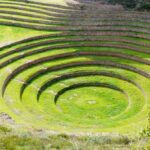
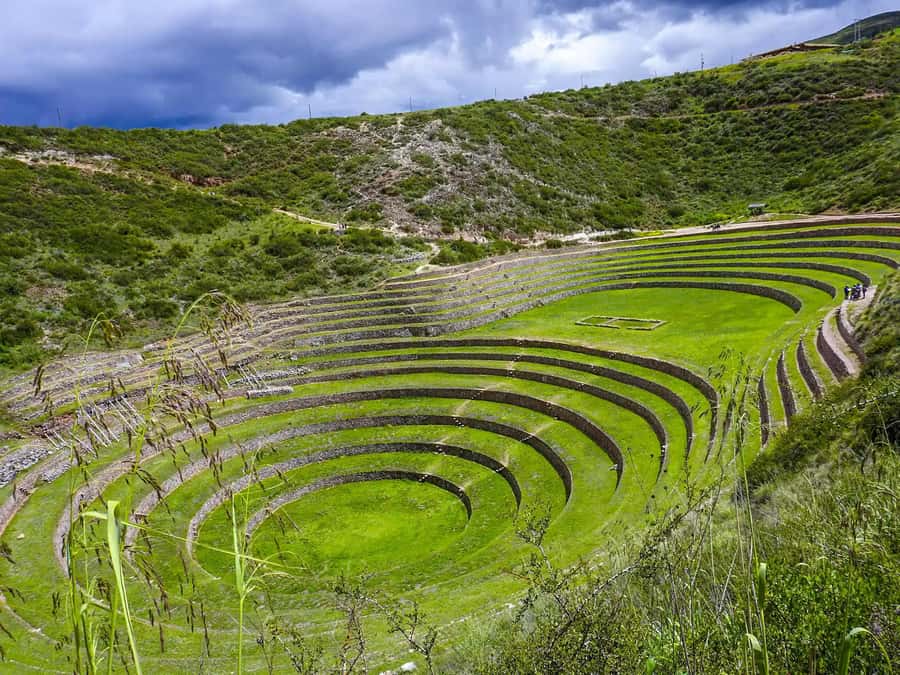
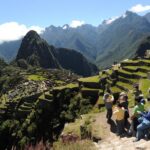
Then comes Moray, at about 3,450 meters (and around 11,318 feet for the terraces viewpoint you’ll hear referenced). Moray is one of those places where you stop thinking of it as a “ruin” and start seeing it as working engineering. The terraced amphitheater-like bowls step down in circles, and the irrigation system is the key. When the guide connects the terraces to how people likely used them for agriculture, it feels less mysterious.
Here’s why this stop works so well on a half-day tour: it gives you a visual payoff quickly. You don’t have to read a textbook first. You see the terraces, then you get an explanation of how the layout links to water management and growing conditions. Even if you don’t memorize every detail, you’ll walk away with a mental picture of how Inca agriculture could use geography like a tool.
Time here is usually tight enough that you’ll move from photo points to walking areas without dawdling. That’s a plus if you’re short on time in Cusco, but a heads-up if you like slow travel. Wear shoes you can trust, since you’ll be walking on uneven ground.
Altitude again is a factor. Even though the tour is only about 6 hours total, this stop can feel like the “hardest” one because it’s the most walk-and-stand-heavy. Take water breaks when you can, and keep your pace steady. The payoff is worth it: the view of the surrounding Sacred Valley is part of the show, and Moray’s terracing makes that view feel structured, not random.
Maras Village: colonial corners beside salt-country reality
After Moray, you’ll head to Maras Village. This part of the tour is less about big-ticket architecture and more about the everyday view of how places evolved. You’ll see preserved colonial architecture and thin-stoned buildings, which gives you a different texture than the monumental Inca sites.
I like Maras Village for the contrast it creates. One hour you’re looking at engineered terraces and irrigation. The next, you’re in a town where older building styles show how the area changed after the Inca period. The thin-stone look isn’t just aesthetic; it’s a clue that local builders used materials and methods suited to their environment and resources.
This stop also functions as a breather. You get a change of pace before heading into the salt mines area. If you’ve been feeling the altitude at this point, Maras Village can be a good moment to reset your breathing and slow down a bit.
Salineras salt mines: 3,000 pools and a working production site
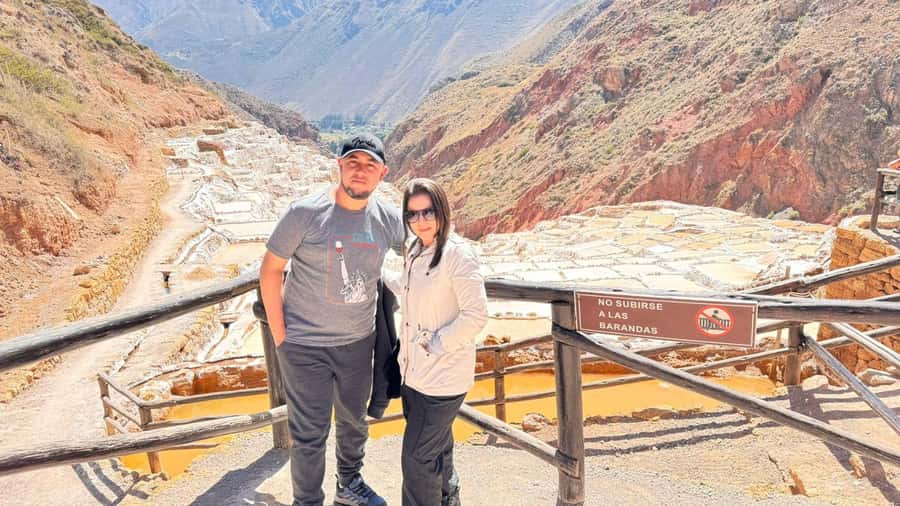
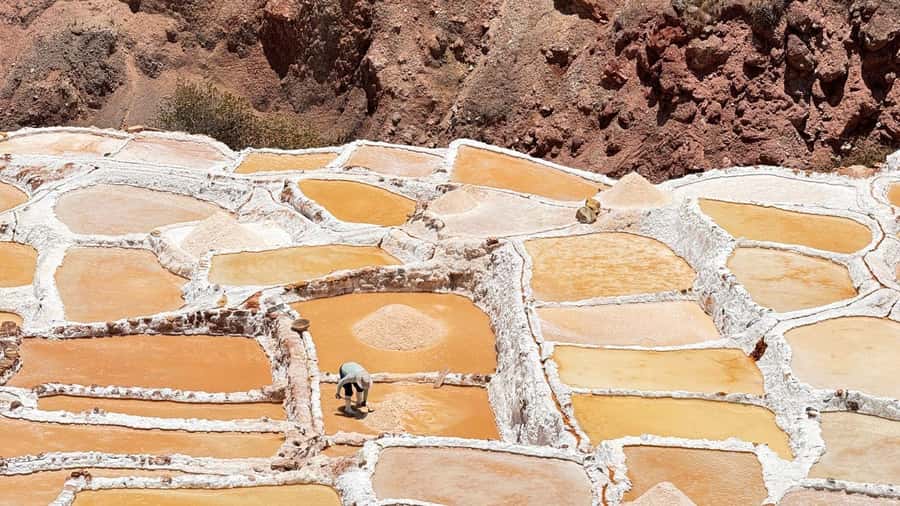
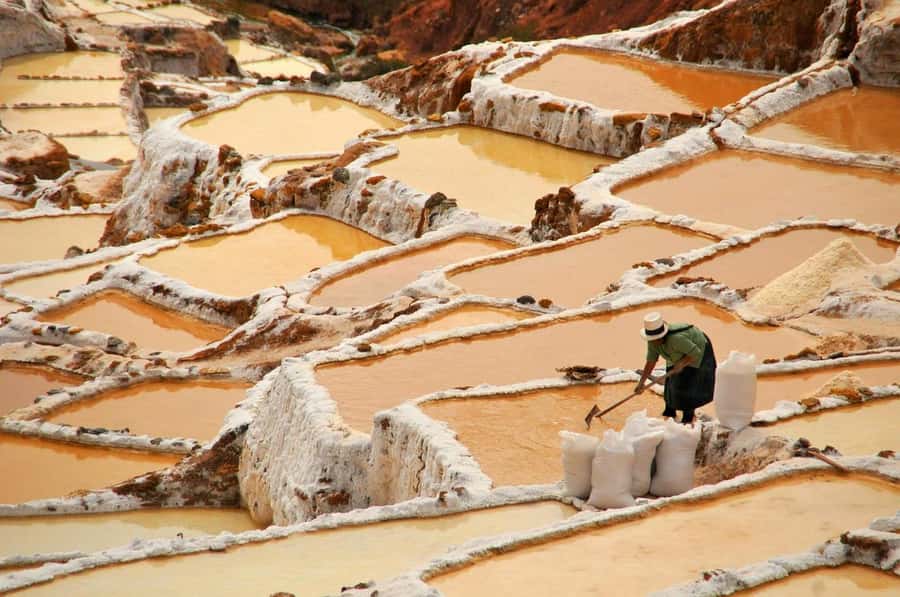
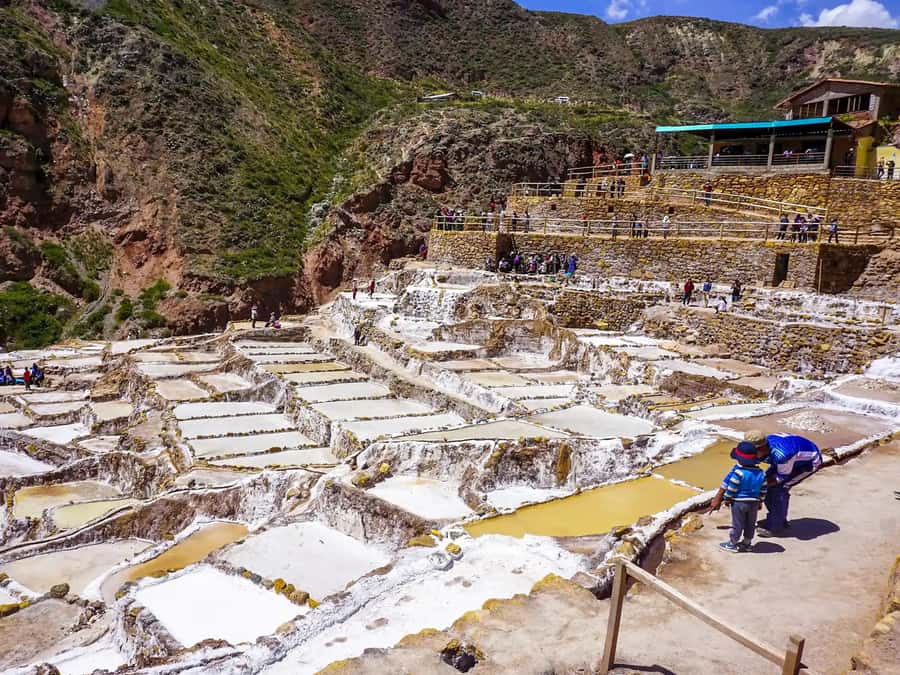
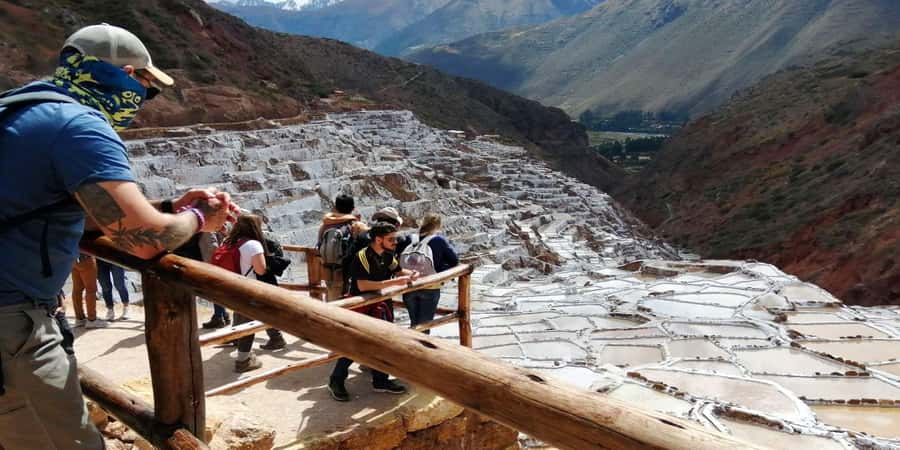
Finally, you reach the Salineras salt mines, known for the sheer number of pools—about 3,000 small basins. This isn’t a quiet viewpoint. It feels like a historic production site that still operates. You’ll explore and get a guided look at how salt extraction works here, and the tour also frames the site’s timeline, noting it dates back to pre-Inca times and continues producing salt today.
The visual is what sticks with you: rows and rows of light, shallow pools that look orderly from above but feel strangely human once you’re down among them. The guide’s explanation matters here because salt mines are easy to misunderstand as just “old holes in the ground.” Hearing how salt gets processed and distributed in the region turns the scene from scenic to meaningful.
Time in the salt mines area can be just enough to wander at a comfortable pace without rushing. You’ll likely stop for photos, listen to the guide, and walk through sections that show how the pool system works. The ground can be uneven, and you may be standing in sun for stretches—so sunscreen and a hat aren’t optional.
If you care about shopping, this is one of the places where salt-related products sometimes appear in nearby areas. Keep expectations realistic: your best souvenir value is usually something lightweight you’ll actually use. Salt is the point here.
Price and value: why the low headline rate needs planning
The tour price is listed as $14 per person, and that’s only part of the real cost. Entrance fees are not included, so you’ll also pay:
- Archaeological site entrance: $19 or 70 soles
- Salt mines entrance: $6 or 20 soles
Add those to the base price and you should expect the day to cost roughly $39 total per person (depending on which currency you pay in). That’s still a reasonable sum for a guided half-day covering multiple major sites with transport included.
What you’re paying for with this option:
- Pickup and transportation between sites (Cusco to Chinchero area, then Moray, then Maras and Salineras)
- A live bilingual guide (English/Spanish)
- Small-group pacing (limited to 12 participants)
- The value of having someone explain the irrigation at Moray and the pool production logic at Salineras
What you’re not paying for:
- Entrance fees at the archaeological sites and salt mines
- Hotel drop-off (the tour finishes at Plaza Regocijo)
So the best “value move” is simple: bring cash for entrances, and plan your next step from Plaza Regocijo so you’re not scrambling for transport at the end.
Timing, group size, and how to handle the pace
This is a 6-hour half-day format. Pickup is from your Cusco hotel, and the tour ends at Plaza Regocijo, so you’ll have part of your day left afterward.
Group size matters on tours like this. With a small group (up to 12), you’re more likely to get space at viewpoints and clearer explanations than on big coach tours. You also tend to get a more human vibe—less “everyone follow the leader,” more “stay together and listen.”
The flip side: when guides talk for long stretches, it can feel like a lot. One person noted the guide was very talkative and switching between Spanish and English back and forth can become tiring. That doesn’t mean it’s always like that, but if you’re sensitive to constant language switching, it helps to go in expecting nonstop guiding and plan to take quiet breaks when you can.
The driving time between stops is part of the experience in the Sacred Valley—views from the road count. A couple people praised the organization and on-time pickup, and that matters because Cusco traffic and altitude can make delays feel worse than they should.
What to bring so the day feels easy
The tour is straightforward, but the environment is not. Here’s what to pack based on what the tour asks you to bring:
- Passport
- Comfortable shoes (you’ll walk at multiple stops)
- Sun hat
- Camera (morning light can be great)
- Sunscreen
- Cash (for entrances)
I’d add one personal tip: bring water. The tour info doesn’t list it, but altitude plus sun can dry you out fast. Also, keep a light layer. At elevation, mornings and shade can cool off even when the sun looks strong.
Who this tour fits best
This tour is a strong match if you want:
- A guided Sacred Valley experience without committing a full day
- A mix of Inca agriculture (Moray), colonial-era town texture (Maras Village), and living industry (salt mines)
- A chance to learn about natural dye color use in the Chinchero weaving tradition
It’s especially good for first-timers who want context. It’s also helpful for people who like clear explanations, because the guide experience is often praised—one participant specifically highlighted a guide named Víctor for extensive knowledge and empathy. That kind of guiding can turn “nice scenery” into “I get why this mattered.”
If you’re primarily a textile buyer or you already know specific weaving workshops and want a particular supplier, do a quick confirmation before you go so your Chinchero stop matches your expectations.
Should you book the Cusco: Moray, Maras Salt Mines, and Chinchero tour?
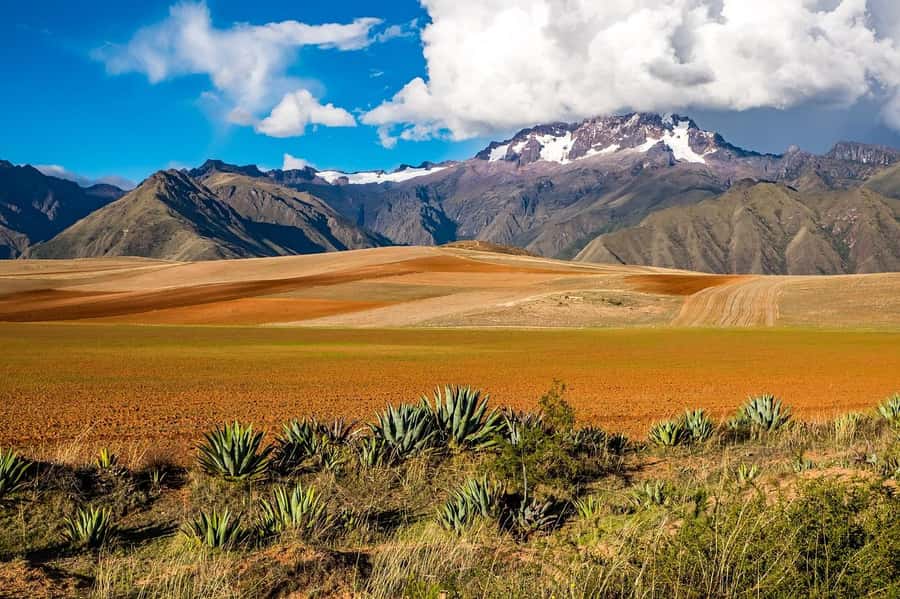
I’d book this tour if you want a half-day that actually teaches you something while still delivering strong views. Moray and Salineras are the big reasons, and the weaving stop gives the day a human angle—especially with the natural plant dye explanation.
Skip it (or at least ask extra questions) if:
- You hate shopping pressure and you don’t enjoy textile stops
- You expect a very specific named workshop based on photos
- You’d rather pay only one price and hate adding separate entrance fees on the day
For most people, it hits a sweet spot: compact timing, small-group comfort, and three standout Sacred Valley experiences connected by a real guide.
FAQ
FAQ
How long is the Cusco: Moray, Maras Salt Mines, and Chinchero Weavers tour?
It lasts about 6 hours.
Where does the tour pick you up and where does it end?
Pickup is from your hotel in Cusco, and the tour finishes at Plaza Regocijo.
Is this a small group tour?
Yes. The group is limited to 12 participants.
What languages will the guide speak?
The guide provides live interpretation in English and Spanish.
Are entrance fees included in the price?
No. Entrance to the archaeological sites costs $19 or 70 soles, and Salt Mines entrance costs $6 or 20 soles.
What should I bring with me?
Bring your passport, comfortable shoes, a sun hat, camera, sunscreen, and cash.
Can I cancel for free?
Free cancellation is available up to 24 hours in advance for a full refund.