REVIEW · CUSCO
Sacred Valley: Ollantaytambo, Chinchero And Yucay With Lunch
Book on GetYourGuide →Operated by LimaTours · Bookable on GetYourGuide
Inca stone meets everyday culture. This 9-hour Sacred Valley loop mixes Chinchero craft traditions, a hands-on stop at Yucay, and the big finale at Ollantaytambo. It’s the kind of day where you get both meaning and views without feeling like you’re racing for the next ticket window.
I really like the way Chinchero brings Inca-era know-how into daily life, from traditional textile work to the pride locals show in their inherited skills. I also love the Living Museum of Yucay because it’s built around demonstrations—textiles, adobe, pottery, and even silverware—so you’re not just watching, you’re learning how the work gets made.
One thing to plan for: Ollantaytambo fortress requires your Cusco Tourist Ticket (BTC), and the day can feel time-tight, especially if you’re hoping for a long, slow lunch break.
In This Review
- Key things to know before you go
- A practical look at the 9-hour Sacred Valley circuit
- Chinchero: artisan traditions with big Sacred Valley views
- The Living Museum of Yucay: textiles, adobe, pottery, and silver
- Ollantaytambo village time: more than a quick transfer
- Ollantaytambo archaeological site and fortress climb with BTC
- Price and value: is $53 a fair deal?
- Tips that make the day smoother in real conditions
- Who this Sacred Valley day trip is best for
- Should you book this tour?
- FAQ
- How long is the Sacred Valley: Ollantaytambo, Chinchero and Yucay with Lunch tour?
- Where is hotel pickup available in Cusco?
- What’s included in the price besides the tour guide?
- Do I need the Cusco Tourist Ticket (BTC) for Ollantaytambo fortress?
- What languages will the guide speak?
- What should I bring for the day?
- Is this tour wheelchair accessible?
Key things to know before you go
- Chinchero first: start with high Andean views and artisan traditions tied to Inca inheritance
- Yucay is hands-on: textile, adobe, pottery, and silverware demonstrations with museum admission included
- Lunch + village time: you get time in Ollantaytambo village, not just a quick photo stop
- Fortress = extra planning: you must have the BTC to visit Ollantaytambo fortress
- Comfort matters: bring warm layers and sturdy shoes for walking and the fortress climb
- A cautious expectation check: some portions of the day can feel geared toward stop-and-shop culture, so keep your focus on the sites
A practical look at the 9-hour Sacred Valley circuit
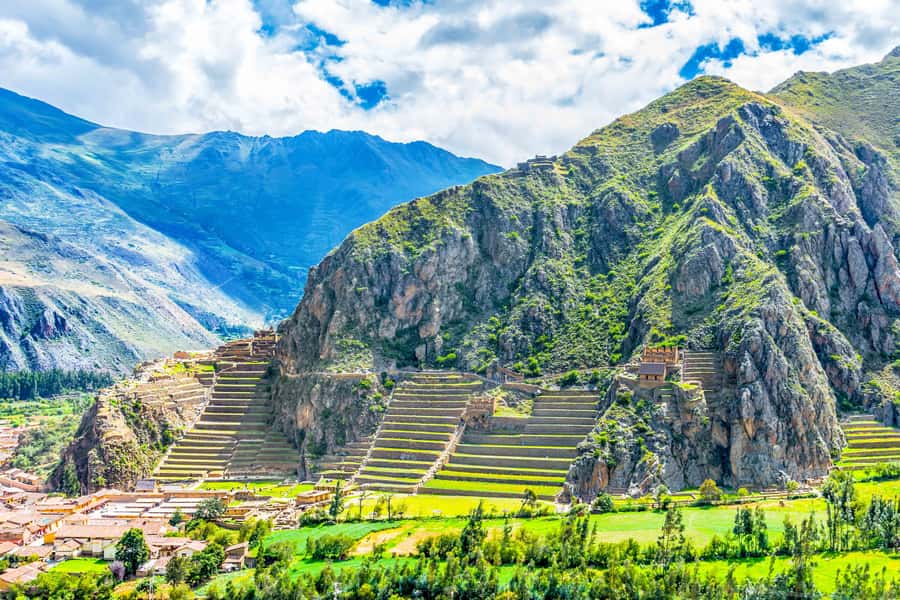
This tour runs about 9 hours, starting with pickup from Cusco hotels in the Cusco Historic Center. From there, you’ll head out into the hills and work your way through three stops that tell connected stories: craft traditions (Chinchero and Yucay) and then the power of Inca engineering (Ollantaytambo).
The day is paced like a guided sampler. You’ll spend enough time to see what makes each place special, but you won’t have hours and hours at any one site. That’s not a problem if you like structured sightseeing. If you prefer a slow wander with plenty of backtracking, you might wish you had an extra hour or two to linger.
You’ll also notice a big pattern: the tour leans into cultural learning, not only archaeology. That’s a smart choice in the Sacred Valley, where you can otherwise end up with a schedule that’s mostly ruins and photos. Here, you get craft, materials, and technique—then you compare that physical culture to the stonework of the Incas.
You can also read our reviews of more tours and experiences in Cusco

Chinchero: artisan traditions with big Sacred Valley views
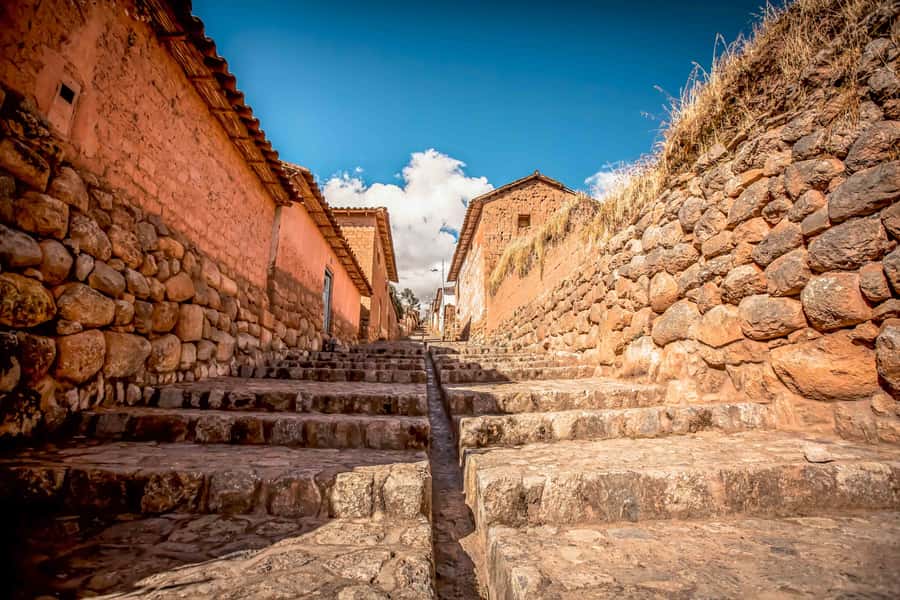
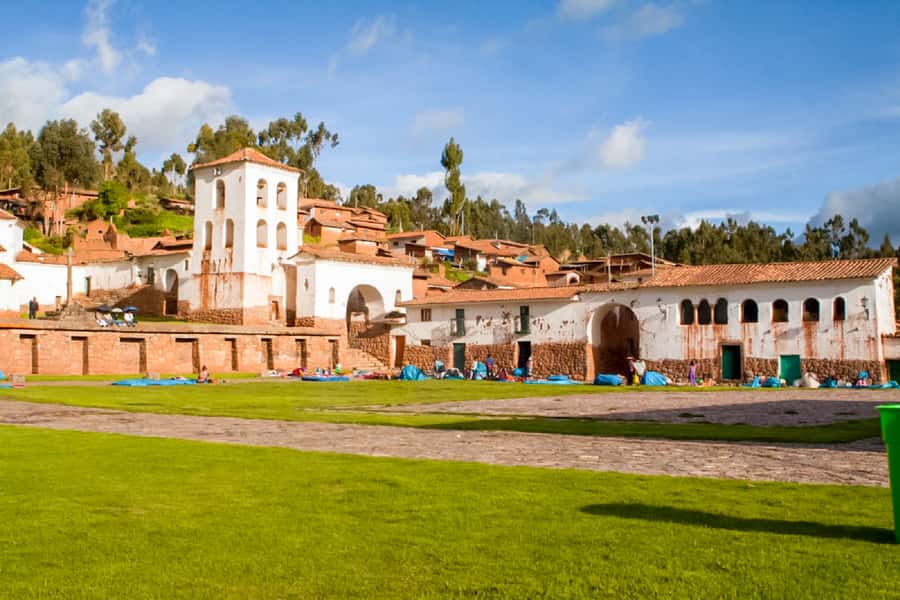
Chinchero is one of those places where the surroundings do half the work for you. After pickup, you’ll drive up into the hills and arrive in the traditional town of Chinchero, where you can admire views back over the valley.
What makes this stop feel meaningful is the focus on craft as living knowledge. You’re there to see artisan traditions preserved by local inhabitants, and to understand the idea of inherited Inca knowledge—the techniques and skills passed down and practiced over generations. Even if you’re not a textile specialist, you can still appreciate the logic of how designs, materials, and methods connect.
Expect a combination of guided explanation and time to look around. This is also a good moment to slow down, take photos, and just watch. The best part of Chinchero for many people is that it’s not only a viewpoint—it’s a working community where craft is still part of everyday life.
Small consideration: you’ll likely do some walking on uneven ground. The tour asks for comfortable shoes for a reason, and it’s especially important in higher-altitude stops where footing matters.
The Living Museum of Yucay: textiles, adobe, pottery, and silver
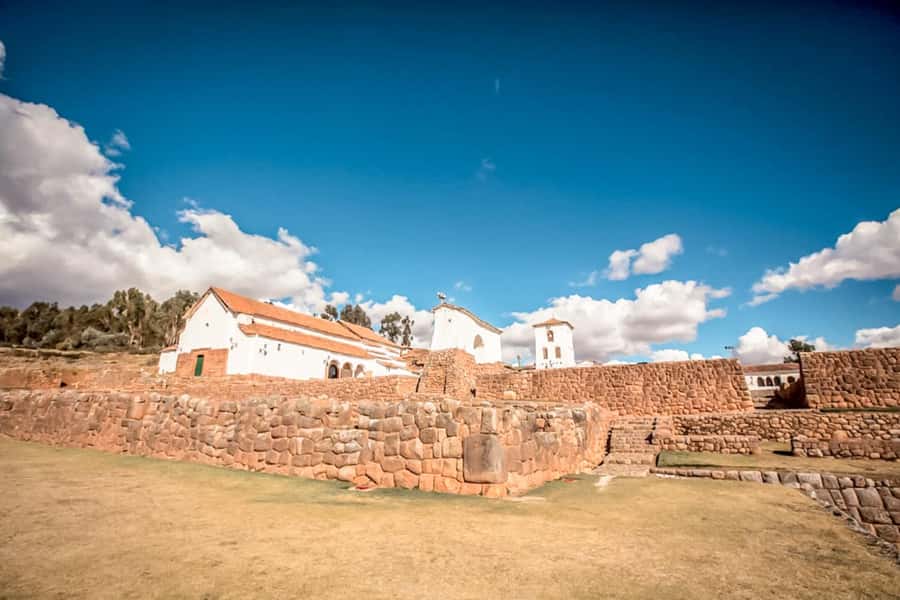
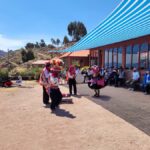
Next comes Yucay, transferred to the Living Museum of Yucay—and this is where the day shifts from scenery to materials. Instead of treating culture like a display behind glass, the museum is organized around demonstrations of traditional work.
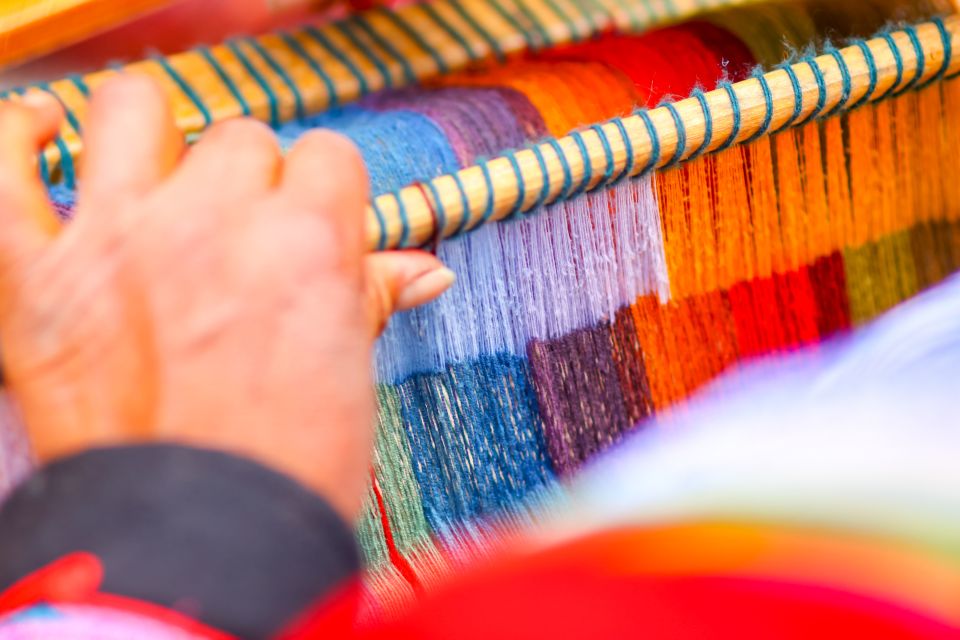
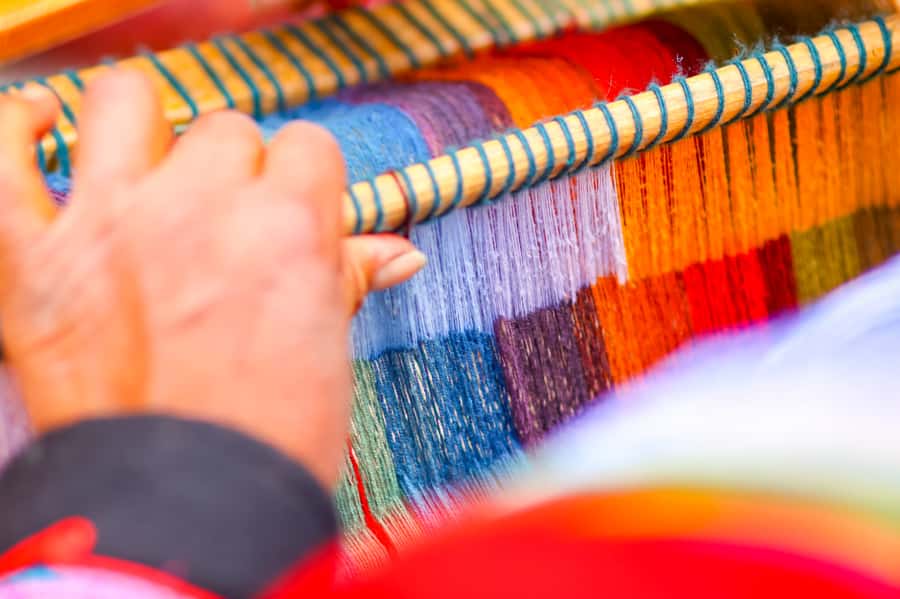
You’ll see examples of textile work, plus adobe methods, pottery, and silverware. Even if your group moves at a sightseeing pace, the museum format helps you learn what you’re looking at. You start to notice that these crafts aren’t random decorations; they’re practical technologies and expressions of community identity.
Why this stop is valuable: it gives you context before you jump into Inca stone structures. When you later look at how the Incas shaped rock and built on mountain edges, it’s easier to connect the dots about skill, labor, and knowledge systems—because you just watched modern craft traditions that rely on similar kinds of hands-on expertise.
A quick tip: if you’re sensitive to cold, bring warm layers. Museum demonstrations still happen outdoors or in semi-open spaces, and the Andean air can turn sharp even when the day looks bright.
Ollantaytambo village time: more than a quick transfer
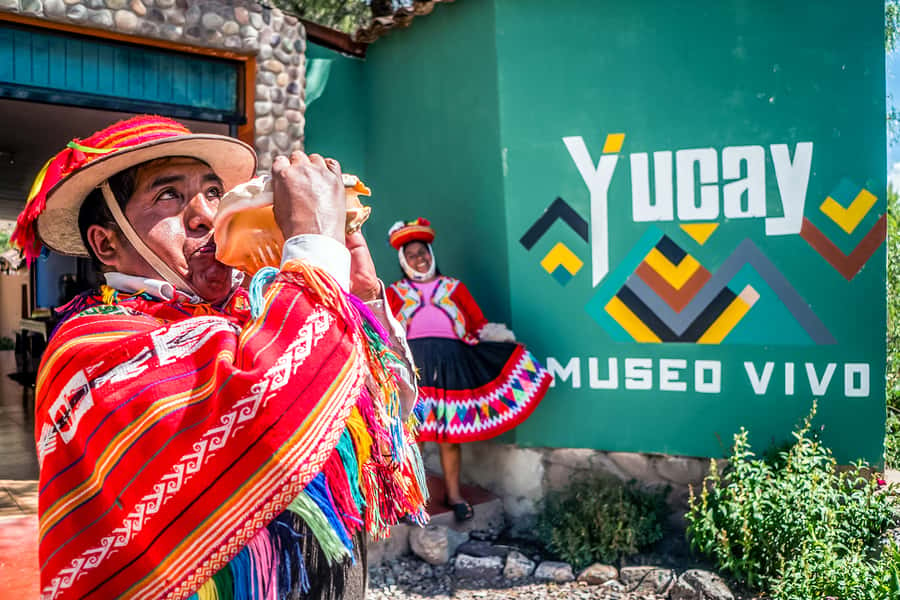
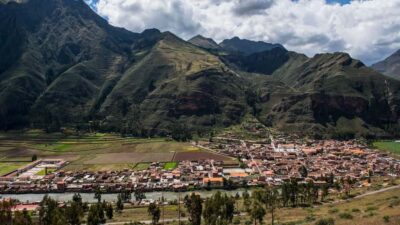
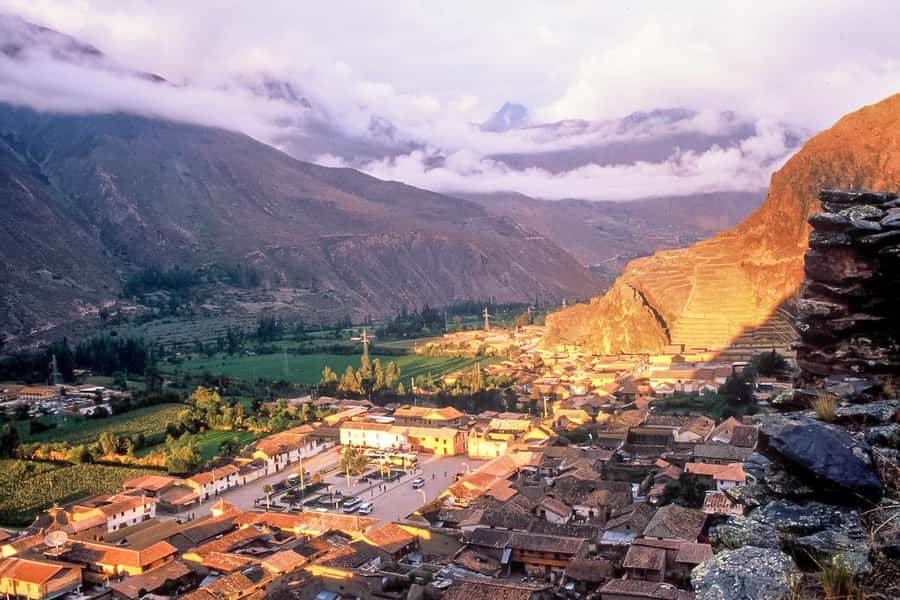
After the museum, you’ll have lunch and free time in the stunning village of Ollantaytambo. This matters more than it sounds. Many Sacred Valley tours treat Ollantaytambo like a stop you pass through to get to the fortress. Here, you get time to breathe, look at the village streets, and reset before the main archaeological highlight.
Lunch is included, so you won’t have to hunt for food mid-route. But plan your energy like this: after lunch, you’ll still be expected to explore the archaeological area and then climb up to the fortress. That’s why comfortable shoes and warm clothing are not “nice-to-have” here—they’re your best insurance against feeling rushed or stiff.
Also, be aware of timing. One common snag in schedules like this is that lunch can run later than you expect. If you’re someone who wants maximum time inside ruins with no stress about the next departure, I’d factor that into your mindset. The upside is that Ollantaytambo itself rewards a slower feel—so even if lunch is a bit delayed, the village time still helps the day feel like more than a checklist.
Ollantaytambo archaeological site and fortress climb with BTC
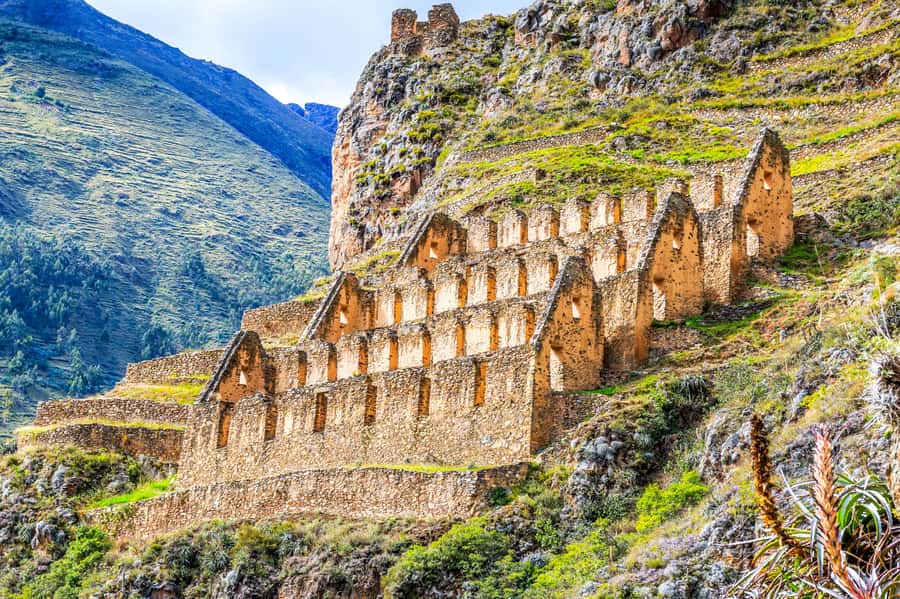
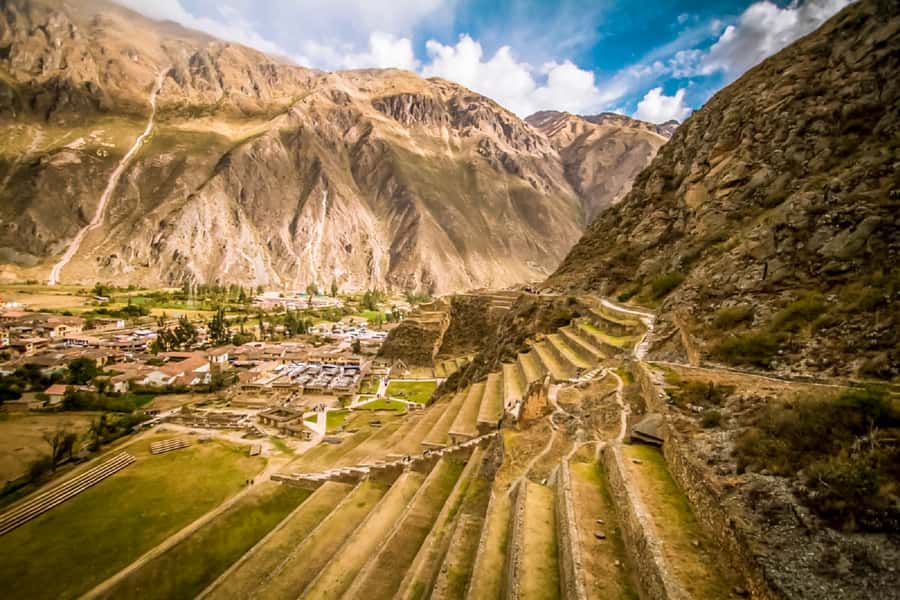
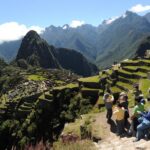
The heart of the day is the Ollantaytambo archaeological site—an Inca-era area that’s described as untouched since Inca times. You’ll also have the chance to climb to the fortress built next to a mountain, which is the iconic view most people come for.
This part is where your preparation pays off. The tour makes it clear that to visit the Ollantaytambo fortress, you need the Cusco Tourist Ticket (BTC). If you show up without it, you may lose time or miss the fortress portion.
Practical tip: bring your BTC in advance and double-check you have it on you. And since ticket timing can be annoying in real life, I recommend carrying a little extra cash in Peruvian soles as a backup for any ticket-related costs you didn’t fully plan for. One practical note from past guests: having around 70 soles handy has saved people from scrambling when costs aren’t obvious upfront.
Physically, expect a hike to the fortress area. The tour isn’t labeled as wheelchair-friendly, and the route involves stairs and uneven surfaces. If you’re comfortable walking uphill for a sustained stretch, you’ll likely enjoy it. If not, you might still enjoy the site, but you should think carefully about whether the climb is worth the effort for your pace.
Price and value: is $53 a fair deal?
At $53 per person, this tour sits in a middle-budget zone—cheap enough to be accessible, but not so low that you should expect everything to be perfectly smooth. Here’s what you’re paying for in value terms:
You get pickup and drop-off from Cusco hotels in the Historic Center, a professional guide, lunch, and admission to the Living Museum of Yucay. Those items add real value because they remove logistics from your shoulders: no searching for transport, no negotiating entrance fees, and a guide to connect what you see.
The main “budget add-on” is the Cusco Tourist Ticket (BTC), which is not included. You’ll also want to budget for photos (not included) and personal expenses. Gratuity is not included either, so set aside some extra for that if you value a guide who keeps your day flowing.
Is it worth it? If you want one day that covers Chinchero + Yucay + Ollantaytambo with cultural instruction and a guided visit to key sites, yes. If you already plan to visit only the fortress and want to DIY the rest, you might compare costs. But this itinerary is efficient: it groups craft context with Inca architecture, not just ruins alone.
Tips that make the day smoother in real conditions
The tour provides a clear packing list, and it’s solid:
- Comfortable shoes for walking and the fortress climb
- Warm clothing (Andean mornings and elevated spots can feel cold fast)
- Sun hat and sunscreen because the sun can be sneaky strong
- Keep a simple bag setup so you don’t juggle items while moving between stops
Also, read the rules before you go so you’re not stuck mid-day. Pets are not allowed, and unaccompanied minors aren’t allowed (children must be with an adult). It’s a guided day, so you’ll want to stay close to your group.
A word on customer-service and scheduling reality: not every operator handles departures the same way, and some days can involve extra stop-and-shop culture along the route. My advice is to go in with your own priorities: focus on Chinchero, Yucay, and Ollantaytambo, and treat any extra roadside stops as optional distractions—not the reason you booked.
Who this Sacred Valley day trip is best for
This is a great fit for people who want variety in one go. You’ll enjoy it if you like:
- Cultural explanations along with sightseeing
- Hands-on learning at Yucay’s textile and craft demonstrations
- A full day that ends with a major Inca site highlight at Ollantaytambo
It also works for many families because the guided structure helps kids keep up and understand what they’re seeing, as long as everyone can handle the walking and the fortress climb.
If you’re a wheelchair user, this one is not suitable based on the tour’s accessibility notes. And if you hate being on a fixed schedule, you may prefer a slower private option with fewer transfers.
Should you book this tour?
Book it if you want a smart, guided day in the Sacred Valley that blends craft culture with Inca engineering—and you don’t mind a paced schedule. At $53, the package is a good value if you already have your planning ducks in a row, especially the BTC for Ollantaytambo fortress.
Skip or reconsider if you’re seeking maximum time at each site, a completely flexible lunch rhythm, or a minimalist route with zero detours. Also think twice if you’re likely to struggle with uphill walking and uneven steps.
If you do book, do one thing right: show up prepared for the fortress ticket and pack for cold and sun. With that, you’ll get a day that connects people, materials, and stone—without turning your Sacred Valley visit into a rushed blur.
FAQ
How long is the Sacred Valley: Ollantaytambo, Chinchero and Yucay with Lunch tour?
It lasts about 9 hours.
Where is hotel pickup available in Cusco?
Pickup is included from hotels located in the Cusco Historic Center. Pickup from private residences like Airbnb isn’t available; if you stay in them, you need to contact the operator to coordinate a meeting point.
What’s included in the price besides the tour guide?
The tour includes pickup and drop-off, a professional tour guide, lunch, and admission to the Living Museum of Yucay.
Do I need the Cusco Tourist Ticket (BTC) for Ollantaytambo fortress?
Yes. To visit the Ollantaytambo fortress, it’s important that you have the Cusco Tourist Ticket (BTC).
What languages will the guide speak?
The live guide can speak Spanish, English, Portuguese, and French.
What should I bring for the day?
Bring comfortable shoes, warm clothing, a sun hat, and sunscreen.
Is this tour wheelchair accessible?
No. It is not suitable for wheelchair users.