REVIEW · CUSCO
5 Day – Tour to Machu Picchu Traditional – Group service
Book on Viator →Operated by Valencia Travel Agency S.a.c. · Bookable on Viator
Machu Picchu happens early. This 5-day Sacred Valley trip is built around getting you to the big moments smoothly, with a small group and a guide who keeps things moving and clear. I particularly like the balanced mix of Cusco history (Qorikancha and the stonework at Sacsayhuaman) and the hands-on Sacred Valley day with Pisac and Ollantaytambo. The only real consideration is the pace: you’ll be up very early for Machu Picchu, and the days involve a fair amount of walking.
A big plus here is that you’re not piecing the system together yourself. You get round-trip train tickets to Aguas Calientes, the bus link up and down for Machu Picchu, four nights of lodging with breakfast, and entrance fees to the key sites on your route. I also like that the tour caps at 15 travelers, so you’re not lost in a crowd when you have questions. If you need extra independence or a slower rhythm, this format may feel a bit “tight,” but it’s also what keeps everything on schedule.
Finally, the value is in what’s included at the local level. This isn’t just “transport and hope.” You’re working with a professional English/Spanish guide, with hotel pickup/airport transfer included, and you’ll get free admission at at least one major Cusco stop (Sacsayhuaman) and paid admission at others. That said, you should budget for a few add-ons like the hot springs fee and optional Wayna Picchu.
In This Review
- Key things that make this Machu Picchu tour work
- Day 1 in Cusco: Qorikancha, Santo Domingo, and the stone that still weighs
- Day 2 in the Sacred Valley: Pisac market morning, Urubamba lunch, Ollantaytambo streets
- Day 3 to Aguas Calientes: train views plus a night in Hot Springs Town
- Day 4 sunrise Machu Picchu: 5:40am pickup, bus ride up, then a guided walk
- Price and logistics: why $813 feels reasonable (and what to add)
- Small-group touring in Cusco: what the max-15 limit means in practice
- Who should book this Sacred Valley + Machu Picchu trip
- Should you book?
- FAQ
- What is the price for this Machu Picchu group tour?
- How long is the tour?
- Is pickup and airport transfer included?
- What’s included for transportation to Machu Picchu?
- Are the Machu Picchu hot springs included?
- Is Wayna Picchu included?
- What accommodation is included?
- How big is the group?
- What age and fitness level are required?
- When do you start on the first day?
Key things that make this Machu Picchu tour work
- Small group up to 15: easier questions, less waiting, and a more personal feel.
- Guided Machu Picchu sunrise plan: you’re driven up early, then you get a ~2-hour walking tour before free time.
- Train + bus logistics handled: Cusco-to-Aguas Calientes by rail, then the bus shuttles for Machu Picchu.
- Cusco and Sacred Valley are not rushed only once: you get a full day in the valley, plus a full day in Cusco.
- Hotel included for 4 nights with breakfast: you’re not scrambling for meals or rooms mid-trip.
- A few costs aren’t included: Machu Picchu hot springs, optional Wayna Picchu, and meals not listed.
Day 1 in Cusco: Qorikancha, Santo Domingo, and the stone that still weighs
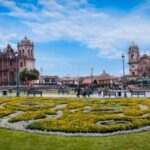
Cusco sets the tone fast. You start with a hotel transfer and a guide briefing, then you spend the day with a structured walk through the city’s Inca and colonial layers. What I like most is that the stops aren’t random. They’re sequenced so you can see how the Inca world and Spanish-era religion ended up side-by-side.
Your first major stop is Qorikancha (Temple of the Sun). It’s one of those places where you can feel the status of the site even if you don’t know every historical detail yet. From there, you continue to the Convento Santo Domingo, where religious art plays a major role. In many people’s minds, Cusco is all ruins and views; this day quietly reminds you it’s also a living city with major religious and architectural legacies.
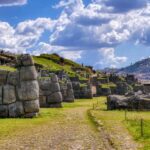
Then comes the heavy stone moment: Sacsayhuaman. The description focuses on the massive stone blocks, some weighing up to 120 tons, and that’s exactly the kind of fact that makes the place more than a photo stop. This one also has free admission on the program, which helps keep your day-to-day costs predictable.
After that, the tour continues to several sacred-feeling archaeological complexes: Q’enco (linked to earth-adoration traditions) and Puka Pukara (a military control site). The day ends with Tambomachay, described as a center of worship tied to water. Even if you only catch the basics from your guide, the pattern is clear: Cusco’s “main sights” aren’t just monuments. They reflect how people organized life around religion, land, and resources.
Practical note: after this day of guided walking, you get leisure time. The program even mentions exploring Cusco nightlife or trying typical restaurants. That’s useful because it gives you a cushion to recover from altitude and still enjoy the city after the guided portion.
You can also read our reviews of more tours and experiences in Cusco
Day 2 in the Sacred Valley: Pisac market morning, Urubamba lunch, Ollantaytambo streets
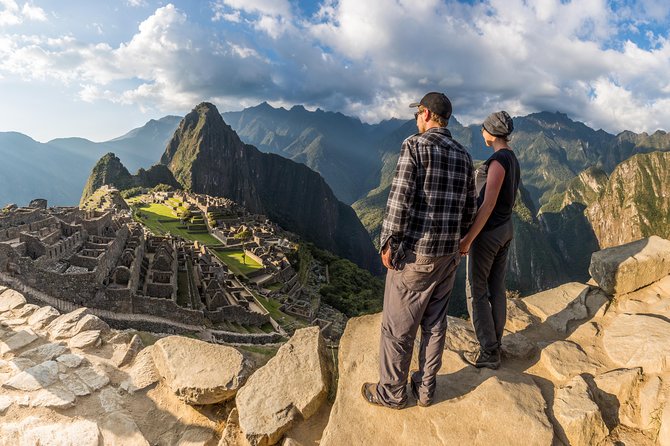
This is the day that turns Cusco history into a real sense of regional life. You get a pickup from your hotel at 8:00am, then head into the Sacred Valley with a focus on towns and markets rather than only ruins.
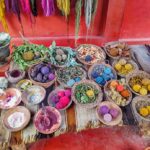
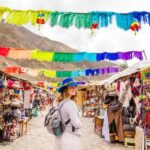
First stop: Pisac and its archaeological park. You’ll also have time at the market, described as colorful and tradition-heavy. If you like crafts and you don’t mind negotiating, Pisac is a solid place to test your bartering skills. The market is also positioned as less purely tourist-oriented than the Cusco market vibe, so you’re more likely to find everyday rhythm and local-made souvenirs.
Next you move on to Urubamba for lunch at Tunupa restaurant, with a buffet meal included. I like lunch being built into the schedule on this kind of trip. It’s one less planning headache when you’re adjusting to altitude and you’ve got a long day ahead.
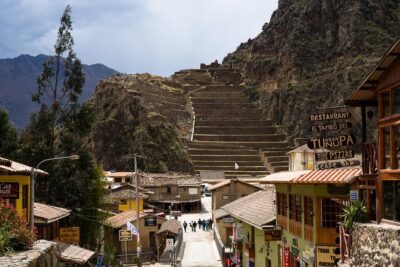
Then it’s Ollantaytambo, with a couple of key layers. The town is described as the oldest continuously occupied place in the Americas, and the narrow streets and canal system are presented as largely unchanged from Inca times. That matters because it’s not only about what’s visible in ruins; it’s also about the living layout that still feels Inca-informed.
The day doesn’t stop there. You also visit Chinchero, including its market. Chinchero is described as linked to the mythical rainbow birthplace idea, but more importantly for your day, it’s known for a colorful Sunday market that’s said to be less tourist-oriented than Pisac. If you want a slower-feeling market stop where you can actually talk to people and look closely, this is a good add-on.
You return to Cusco around 6:30pm, which is late enough to feel like a full valley day, but early enough that you can still get a decent evening without feeling wrecked.
Day 3 to Aguas Calientes: train views plus a night in Hot Springs Town
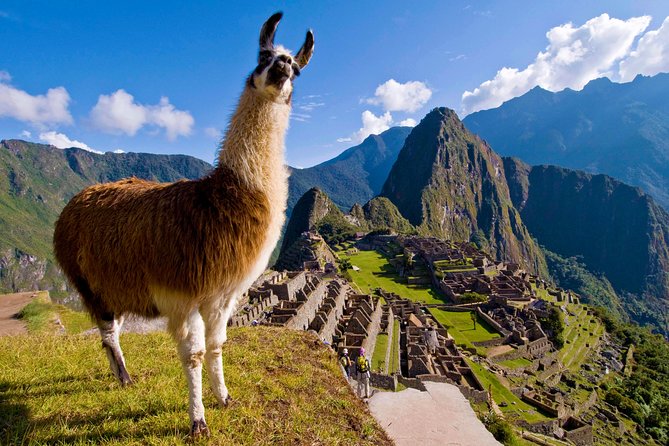
This day is all about repositioning you for Machu Picchu without draining your energy. You’re picked up at 8:00am (to be confirmed), then taken to the train station. The train departs at 11:30am with a journey described as about 3.5 hours, arriving in Aguas Calientes—Hot Springs Town.
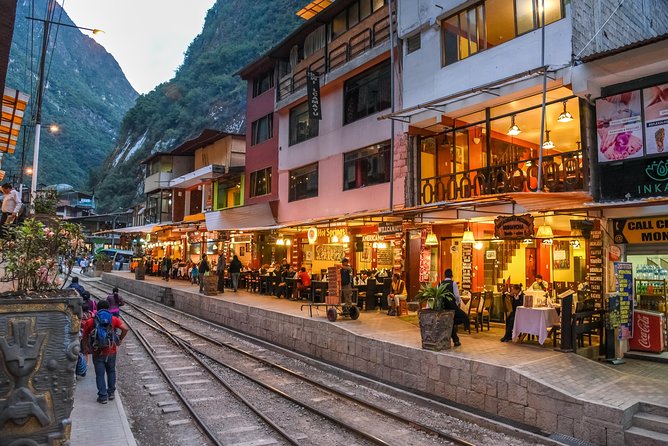
There’s a big mental shift here. Instead of Cusco and the Sacred Valley’s daytime rhythm, you’re now in the base area that supports Machu Picchu. The schedule gives you time to relax after you arrive, and there’s even a mention that you can soak in the natural hot springs (note: hot springs admission isn’t included in your tour package price).
This is one of those “quietly important” days. A successful Machu Picchu morning depends on having decent recovery. Even if you don’t plan on any big walking that afternoon, you’ll likely appreciate that your guide isn’t stacking in extra stops.
Day 4 sunrise Machu Picchu: 5:40am pickup, bus ride up, then a guided walk
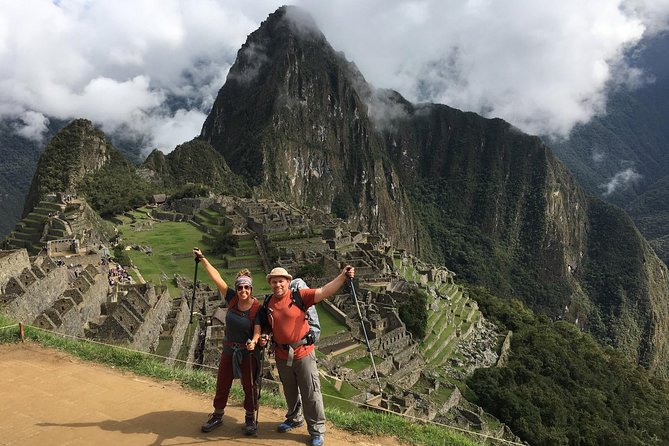
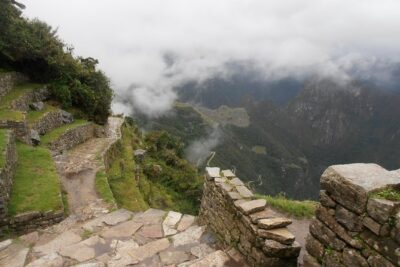
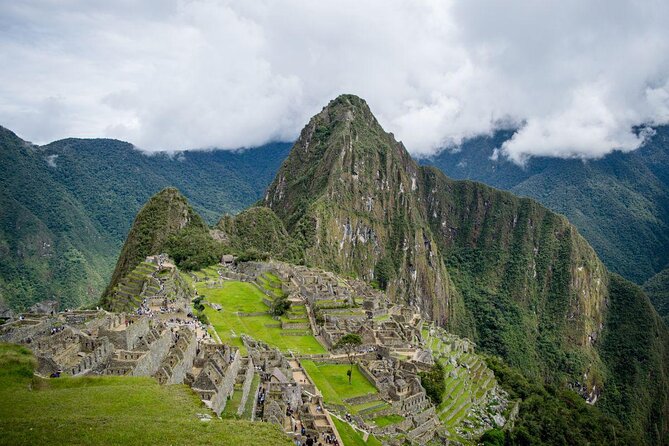
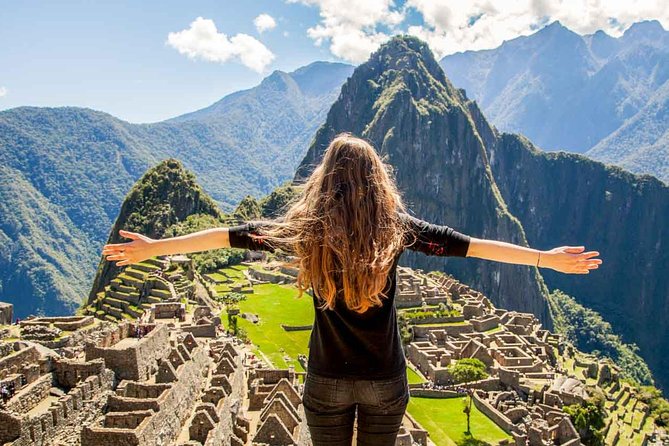
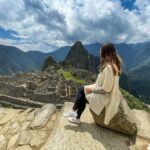
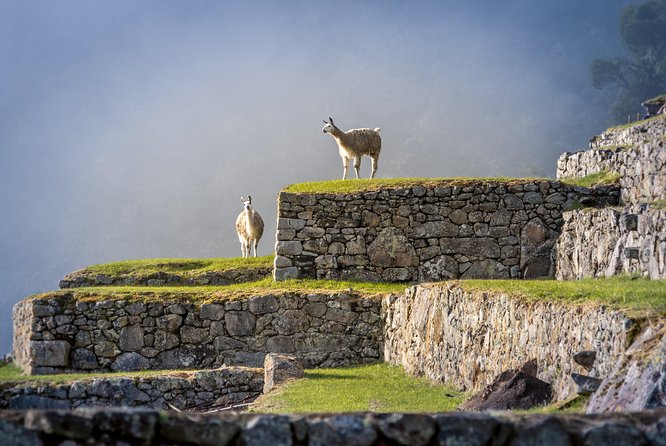
This is the day you came for. The program is straightforward: you eat breakfast, then your guide picks you up from your hotel at 5:40am. You’ll take the bus up to Machu Picchu to catch sunrise, then start a guided walking tour of about 2 hours.
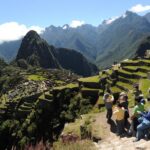
I love the structure here. Sunrise gives you a shot at clearer light and a more controlled entry experience, and the guided portion helps you understand what you’re seeing. Machu Picchu is easy to “wow” yourself into overwhelm. A good guide brings order—where things sit, what the spaces likely were used for, and why different sections matter.
After the guided walk, you get time to explore on your own. That free time is key. A guided tour is great for interpretation, but you’ll want your own pace too—especially if you’re the kind of traveler who wants to linger or re-check viewpoints.
After your time on the site, you ride the bus back down to Aguas Calientes for lunch later. Then you take the train back to Ollantaytambo. When you arrive, there’s pickup and transfer back to your Cusco hotel. That’s a big logistical advantage: you’re not figuring out the “how do I get from here to there” problem after Machu Picchu, when you’re tired and time-stressed.
One more budgeting point: Machu Picchu hot springs admission costs about US$5 and isn’t included. If soaking is on your list, it helps to know it’s separate.
Price and logistics: why $813 feels reasonable (and what to add)
At $813 per person, this package is priced like a “do it all for you” Sacred Valley and Machu Picchu experience. The real test is whether you’re paying for coordination or paying for the actual on-the-ground stuff. Here, a lot of the big pieces are included.
Included items that drive value:
- Hotel for 4 nights at Casa Andina (3-star) or similar
- Breakfast for 4 days
- Round-trip Expedition train tickets
- Round-trip bus from Aguas Calientes to Machu Picchu
- Professional guide (English/Spanish)
- Entrance fees to the archaeological attractions on the program
- Airport transfers in/out
On top of that, your day-1 Cusco plan includes admission tickets at multiple stops, and at least one major site—Sacsayhuaman—is listed as free. That reduces the temptation to keep paying separately at each stop.
Things not included, so you don’t get surprised:
- Single supplement fee: $172
- International and local airfares
- Hot springs admission (about US$5)
- Meals not otherwise stated
- Optional Wayna Picchu climb (extra cost)
Here’s how I think about it as value: you’re paying for the train timing, the bus connections for Machu Picchu, the guide, and the hotel base. If you’ve ever tried to stitch these pieces together independently, you know how quickly the time cost and stress add up. This tour is built to remove that friction.
Small-group touring in Cusco: what the max-15 limit means in practice
This tour caps at 15 travelers, which is not just a marketing number. In Cusco and the Sacred Valley, group sizes matter because you’re often walking through places with narrow lanes or timed entry rhythms. A smaller group means less waiting around, and it makes the guide easier to hear and easier to ask questions of.
The guide also matters. The program is clear that you’ll have an informative, friendly, professional guide, working in English/Spanish. That’s important at Machu Picchu, where the site can feel like a puzzle until someone explains the logic of what you’re seeing.
Another practical perk: you’re given mobile tickets. That’s one fewer piece of paper to keep track of when you’re moving through multiple transport steps.
Who should book this Sacred Valley + Machu Picchu trip
This tour fits best if you want:
- A classic route through Cusco and the Sacred Valley without skipping the key stops
- A sunrise Machu Picchu visit with a guided walking tour
- A group experience that stays small enough to feel manageable
- A packaged plan where train and transfers are handled
It’s also suited to travelers with moderate physical fitness. The days include walking time at multiple sites and a guided tour at Machu Picchu. If you’re someone who wants mostly bus-and-viewing with minimal steps, you might feel the effort.
Age-wise, the program lists a minimum age of 10, so it’s not strictly a youth-only or adult-only style. Still, it’s a schedule built around early mornings.
Finally, if you’re sensitive to timing changes: your train and exact pickup times can be confirmed based on availability, and the train departure is described as time that may change depending on availability and timetable. That’s normal for this region, but it does mean you should stay flexible.
Should you book?
Book this tour if you want a structured, classic Sacred Valley route and you’d rather spend your time learning with a guide than coordinating transport. The included hotel nights, train tickets, guided Machu Picchu morning, and entrance fees make the $813 price feel like you’re buying peace of mind.
Skip it or compare alternatives if you hate early wake-ups, prefer lots of downtime between activities, or you’re planning to add multiple extra paid experiences and want maximum flexibility.
FAQ
What is the price for this Machu Picchu group tour?
The price is listed as $813.00 per person.
How long is the tour?
It’s listed as 5 days (approximately), with 4 nights of accommodation included.
Is pickup and airport transfer included?
Yes. The tour includes transfers in/out to the airport, and pickup is offered at the start of the guided days (including an 8:00am hotel pickup on Day 2 and a 5:40am pickup for Machu Picchu).
What’s included for transportation to Machu Picchu?
You get round-trip train tickets to and from Aguas Calientes and round-trip bus from Aguas Calientes to Machu Picchu.
Are the Machu Picchu hot springs included?
No. The hot springs admission is not included (US$5 is noted).
Is Wayna Picchu included?
No. Wayna Picchu is optional and not included in the base price.
What accommodation is included?
You get 4 nights at a 3-star hotel (Casa Andina) or similar, plus breakfast each morning.
How big is the group?
The tour has a maximum of 15 travelers.
What age and fitness level are required?
The minimum age is 10 years, and the tour is described as suitable for travelers with a moderate physical fitness level.
When do you start on the first day?
The meeting start time is listed as 12:00 pm.