REVIEW · CUSCO
Planetarium Cusco OFFICIAL SITE: Andean Astronomy experience
Book on GetYourGuide →Operated by Planetarium Cusco · Bookable on GetYourGuide
Cusco at night has a special kind of magic. This 2-hour Andean Astronomy experience ties Inca sky-lore to a modern planetarium show, then tries for real stargazing with telescopes.
I especially like the way the evening builds from explanation to visuals, and then to hands-on looking through the scope. Another big plus is the small-group feel, so you’re not just sitting in the dark with strangers.
One thing to plan for: the telescope part depends on weather, so a cloudy night can limit what you’ll actually see outside.
In This Review
- Key points I’d keep in mind
- What You’re Really Buying: Inca Sky-Lore + Modern Star Tech
- Plaza Regocijo Pickup and the Timing That Sets Up Success
- The Interpretation Rooms: Inca Cosmovision Explained Clearly
- The Dome Projection: Southern Sky and Inca Constellations
- Telescopes Outdoors: Real Stargazing When the Clouds Cooperate
- Small Group Dynamics, Language Help, and Comfort Tips
- Price and Value: Is $28 a Good Deal in Cusco?
- Who This Tour Fits Best (and Who Might Prefer Something Else)
- Should You Book Planetarium Cusco for Andean Astronomy?
- FAQ
- Where do we meet for the Planetarium Cusco Andean Astronomy experience?
- What time does the tour start and how long is it?
- What’s included in the ticket price?
- Is telescope stargazing guaranteed?
- What should I bring with me?
- Are children allowed?
- Are pets and audio recording allowed?
- Can I book a private service instead of a group tour?
Key points I’d keep in mind
- Inca astronomy comes first, so the dome show has context instead of feeling like random star patterns.
- A guided dome projection focuses on the southern sky and Inca constellations, with clear interpretation in English or Spanish.
- Telescope stargazing is included, but it’s weather-dependent, so bring flexibility.
- Pickup from Plaza Regocijo is included, and it saves you the hassle of getting across Cusco at dusk.
- Warm clothing matters—even with blankets available for colder guests.
- Good pacing for a short outing: ~17:30 meet, return around ~19:40.
What You’re Really Buying: Inca Sky-Lore + Modern Star Tech
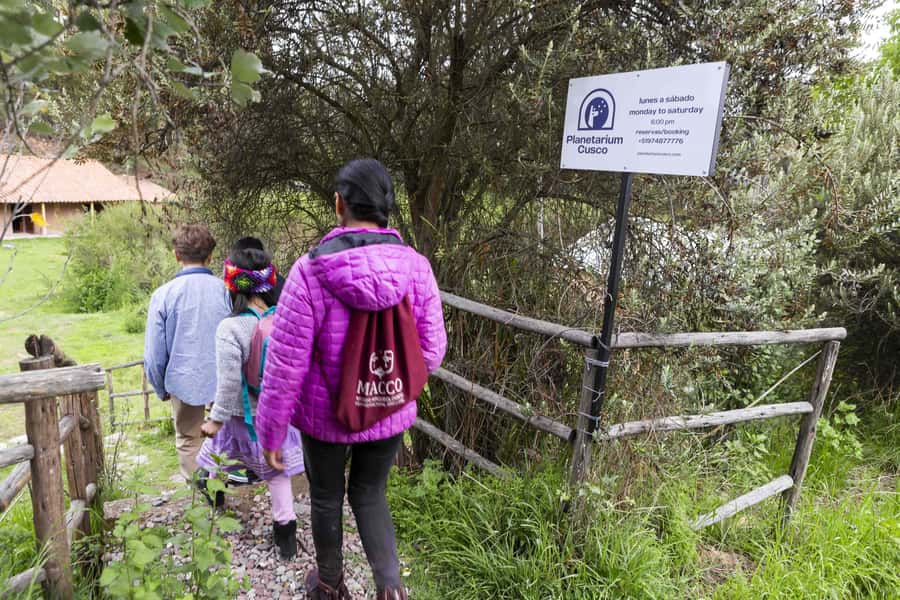
This experience is not just a planetarium “show.” It’s an evening lesson that helps you understand how the Andes looked at the night sky with purpose.
You start with an introduction to Inca astronomy and ancestral cosmovision. That matters because it turns constellations into stories about orientation, seasons, and how people read the sky as information—not just decoration. Then the dome projection translates that into something you can follow, using the southern sky and Inca constellations as the main guideposts.
The best part is that the evening doesn’t treat history as a museum piece. It connects past meanings to what you can still notice overhead. If you’ve ever looked at Cusco’s skyline and wondered why the sky feels so close here, this format gives you a reason.
You can also read our reviews of more tours and experiences in Cusco.

Plaza Regocijo Pickup and the Timing That Sets Up Success
You meet at Plaza Regocijo, right by the fountain (middle of the plaza). The start is precise—17:30 sharp—so set your clock and give yourself a buffer.
From there, you take a short stroll to the transport, then enjoy a 10–15 minute ride to the planetarium. Arriving around 18:05, you’re in place before the dome session starts. That’s useful because the evening can get cold, and you don’t want to be arriving late while the show is already getting underway.
The schedule flows like this:
- Early arrival for the interpretation rooms
- Dome projection later in the evening
- Stargazing outside once it’s dark enough
- Return to central Cusco around 19:40
One practical consideration: if you’re the type who hates waiting, this is still a short outing, but you will have a couple of transitions between rooms and outside viewing.
The Interpretation Rooms: Inca Cosmovision Explained Clearly
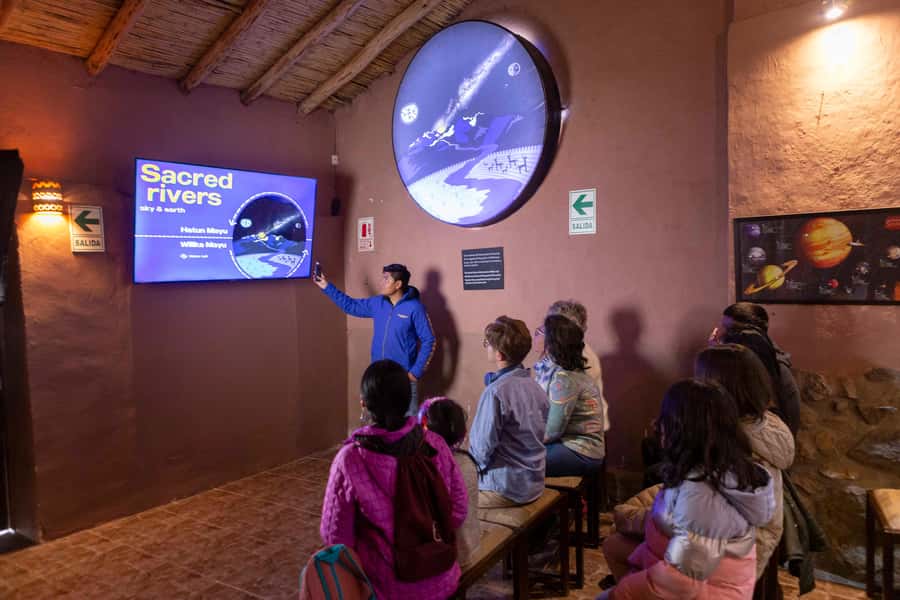
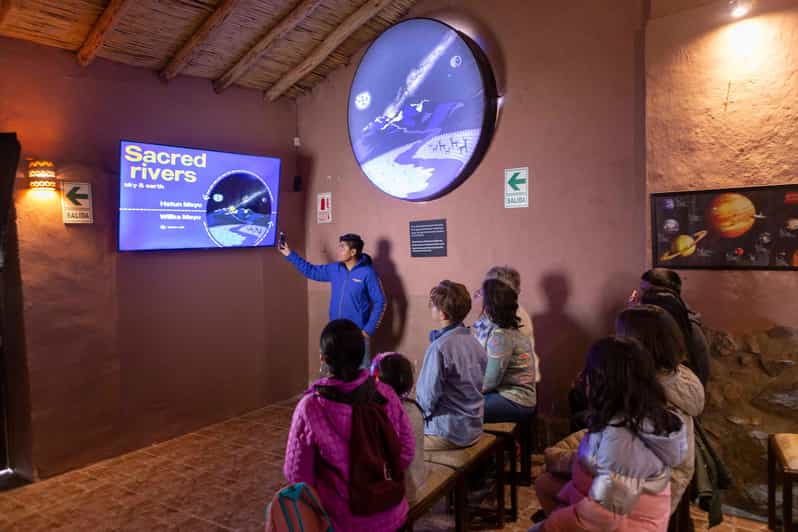
The first stage happens inside before the dome. You’ll go through interpretation rooms where the ideas behind Inca astronomy are explained in a way that’s meant to stick.
This is where you get the “why.” Instead of jumping straight into star shapes, you learn how Andean cultures used the night sky to make sense of the world. The guides use storytelling, and they keep it understandable whether you’re watching in English or Spanish.
A nice touch from the way the program is delivered: the presentation may reference thinkers in the broader history of astronomy (one guest specifically noted Anaximander being mentioned). That won’t replace the Inca focus, but it can help you see how people across time have tried to decode the heavens.
If you’re worried that a planetarium show will be all visuals and no meaning, this section is the answer. It gives you something to look for when the dome stars appear.
The Dome Projection: Southern Sky and Inca Constellations
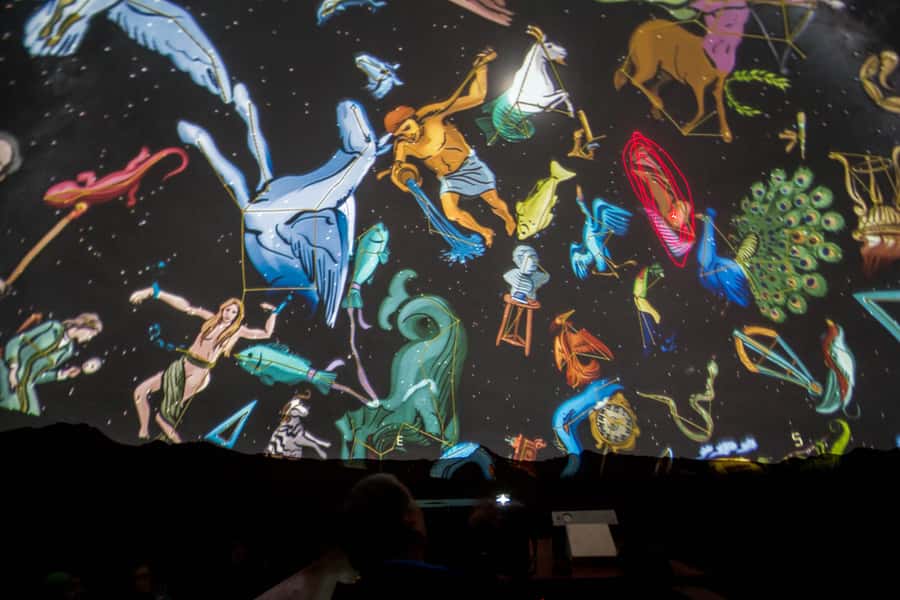
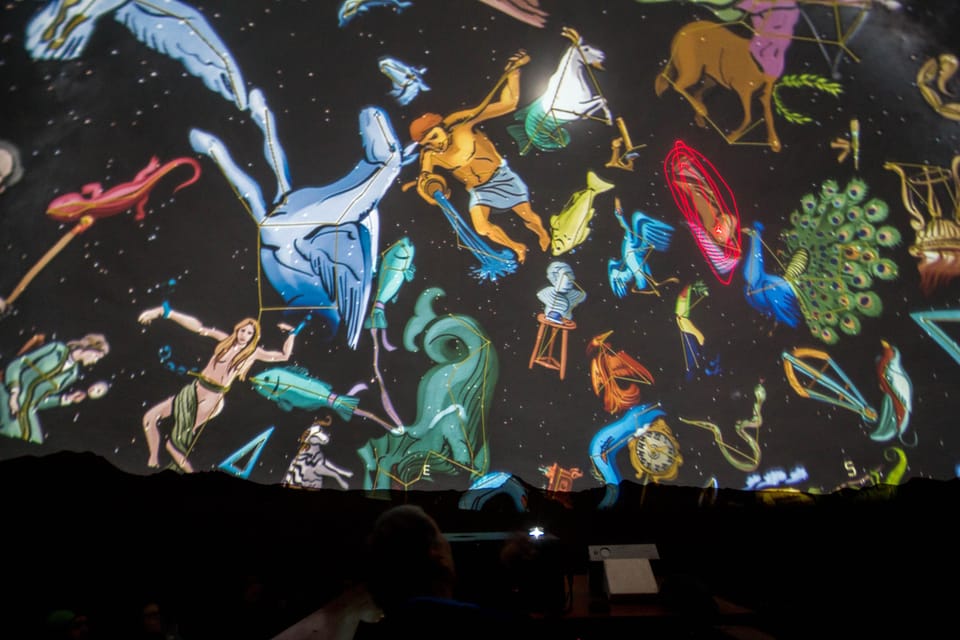
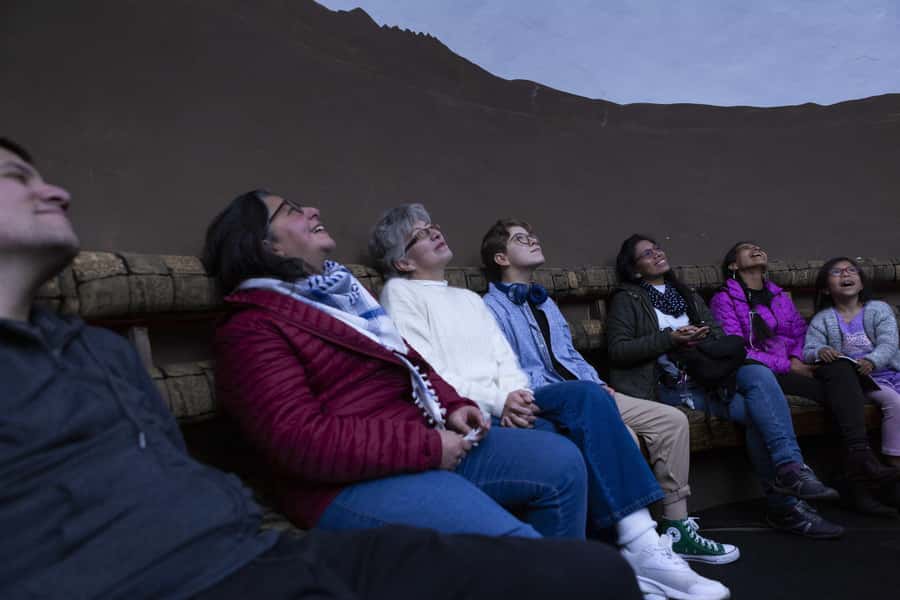
At about 18:40, the mood shifts. The dome show kicks in, and you’re taken into a virtual projection of the southern sky with Inca constellations highlighted.
This is the part where the “wow” factor is strongest. The dome makes patterns easier to understand because it removes the problem of guessing scale and direction while you’re standing on an uneven hillside.
What you should expect:
- A guided route through the southern sky
- Inca constellation references you can connect back to the earlier explanation
- Storytelling that explains why those constellations mattered
The dome show is ideal if you’ve only ever seen the sky in fragments—one bright star here, one cluster there. Under the dome, the sky becomes a map you can follow.
Telescopes Outdoors: Real Stargazing When the Clouds Cooperate
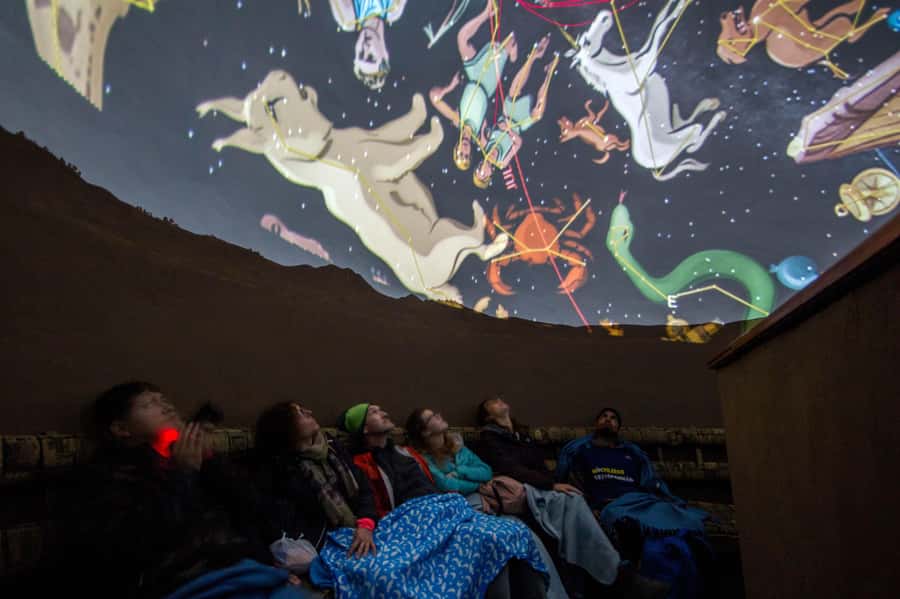
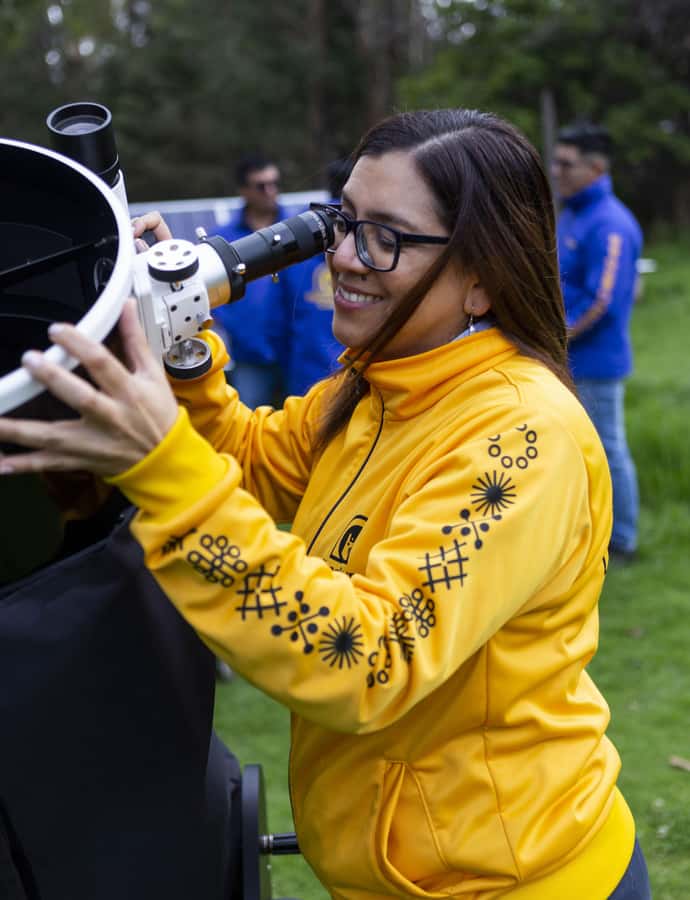
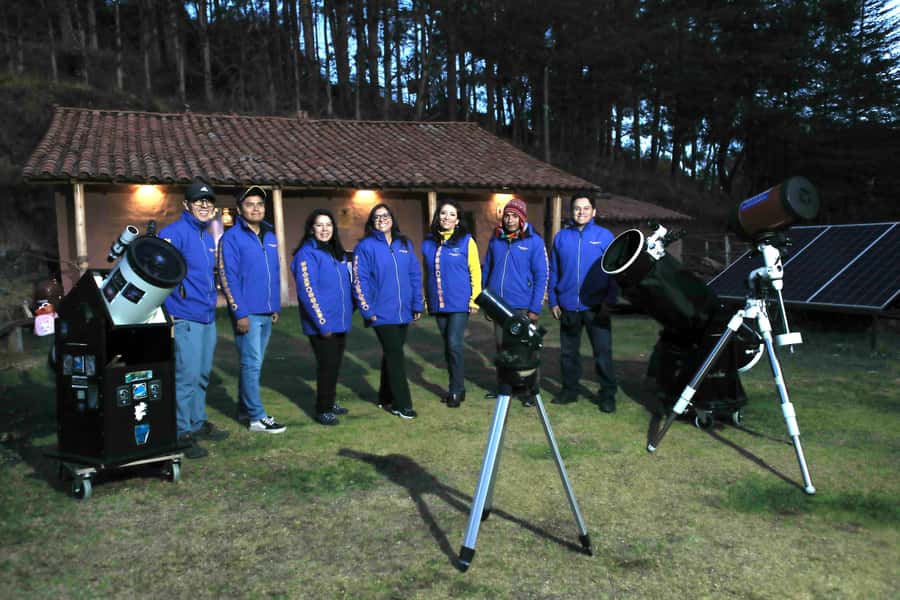
After the dome, you go outside for stargazing. This is the make-or-break part for many people, because it depends on conditions—weather permitting.
When the sky clears, telescopes can turn familiar points of light into something more impressive. Several guests even noted seeing objects that go beyond what they expected, like planets with visible features.
When it’s cloudy, the outside viewing can be limited. That said, the experience still has value even on a poor weather night because the dome portion is scheduled and guided regardless. Still, it’s honest to say: if your main goal is maximum sky viewing, you’ll want a little luck with the weather.
A smart way to handle this: treat the telescopes as a bonus. Your core lesson is already delivered in the dome.

Small Group Dynamics, Language Help, and Comfort Tips
This is a groupal service, and the good news is that it doesn’t feel like a giant bus tour. Guests appreciated the smaller group size, and it makes it easier to ask questions or just hear the guide without straining.
Language coverage is Spanish and English with a live guide. One review highlight was that English was particularly strong, which matters in astronomy talks where a few words can change how you interpret a constellation or concept.
Comfort tips you’ll thank yourself for:
- Wear comfortable shoes (you’ll walk a bit and move between areas)
- Bring warm clothing. Cusco nights can surprise you, even if the day felt mild
- One guest mentioned blankets are available inside, and sitting closer to the entrance can feel cozier if you get cold
Also note what’s not allowed: no alcohol or drugs, and no audio recording. Pets aren’t allowed (assistance dogs are the exception). If you’re traveling with kids, the program isn’t suitable for children under 7.
Price and Value: Is $28 a Good Deal in Cusco?
At $28 per person for a 2-hour outing, this sits in the “worth it if you’ll use it” category. You’re paying for three things:
- Round-trip transport from central Cusco
- A guided astronomy lesson focused on Inca sky-lore
- A dome projection plus the attempt at telescope viewing
If you’re already planning a couple of evenings in Cusco and you want one that teaches you something specific, this is good value. You’re not just buying a seat for a screen. You’re getting a guided explanation, then a visual star map, then a chance to look through equipment if the sky allows.
Where it might feel less “worth it”:
- If you already know astronomy deeply, the tone may be more introductory and story-driven. One guest said that if you’ve studied astronomy before, it could feel slow or not new enough.
- If you catch a fully cloudy night, you may miss the telescope payoff. The dome still delivers, but the outside viewing is the swing factor.
Who This Tour Fits Best (and Who Might Prefer Something Else)
This is a strong fit if you:
- Want a cultural astronomy experience tied to Andean cosmovision
- Learn best with guided explanations plus a visual component
- Prefer shorter, organized activities with pick-up and clear timing
- Like practical, real-world astronomy attempts (telescopes when possible)
It may be less ideal if you:
- Already have deep astronomy knowledge and are looking for advanced technical content
- Are expecting guaranteed outdoor stargazing no matter the weather
Should You Book Planetarium Cusco for Andean Astronomy?
If you want one Cusco night that feels purposeful—not just something to pass the time—this is a solid booking. The structure does a good job of teaching first, showing second, and then giving you a weather-dependent look through telescopes.
I’d book it if you’re curious about how people connect the sky to meaning and you like guided learning. If you’re traveling with warm layers ready and you’re okay treating stargazing as a bonus (not a promise), this experience is likely to land well.
FAQ

Where do we meet for the Planetarium Cusco Andean Astronomy experience?
You meet in the middle of Plaza Regocijo, next to the fountain.
What time does the tour start and how long is it?
You gather at 17:30 sharp, and the experience runs for about 2 hours, with return around 19:40.
What’s included in the ticket price?
It includes round-trip transportation from Plaza Regocijo, an introduction to Inca astronomy, a virtual planetarium projection of the southern sky and Inca constellations, and telescope stargazing depending on weather.
Is telescope stargazing guaranteed?
No. Stargazing with telescopes is included depending on weather conditions, so cloudy nights can reduce what you see outside.
What should I bring with me?
Bring comfortable shoes and warm clothing for Cusco’s nighttime temperatures.
Are children allowed?
The experience is not suitable for children under 7 years.
Are pets and audio recording allowed?
Pets are not allowed (assistance dogs are allowed). Audio recording is not allowed.
Can I book a private service instead of a group tour?
This is a group service. If you need a private service, contact the provider directly.