REVIEW · SACRED VALLEY
Inca Trail Machu Picchu 4 Days
Book on Viator →Operated by Dreamy Tours · Bookable on Viator
One early morning can change how you remember Peru. This 4-day Inca Trail run threads Sacred Valley ruins, rainforest climbs, and a sunrise arrival at Machu Picchu. I like the way the itinerary keeps you moving but not rushing, with time to pause at passes and enjoy each camp view.
Two things really stood out for me: great trail support (tents, meals, bathroom setup, and porters) and a guide who explains what you’re seeing in plain, practical language. One consideration is that day 4 can feel time-tight, because you still need to catch transport back down after the citadel visit.
In This Review
- Quick hits you should know before you book
- Setting off from Cusco for Km 82: paperwork and that first Urubamba crossing
- Day 1 to Ayapata: Llactapata context and learning your pace
- Day 2 over Warmihuañusca Death Pass: the day your legs remember
- Day 3 through rainforest to Wiñayhuayna and Phuyupatamarca views
- Machu Picchu at dawn from Inti Punku: guided meaning plus free roaming
- What your $905 includes (and what you still need to pack)
- Camps, food, and the porter system that makes this humane
- Who should book this 4-day Inca Trail to Machu Picchu
- Should you book this 4-day Inca Trail to Machu Picchu?
- FAQ
- What time does the tour pickup in Cusco?
- Is breakfast on the first day included?
- What meals are included during the trek?
- Do I need to bring a sleeping bag?
- How big is the group?
- Is the tour refundable if plans change?
Quick hits you should know before you book
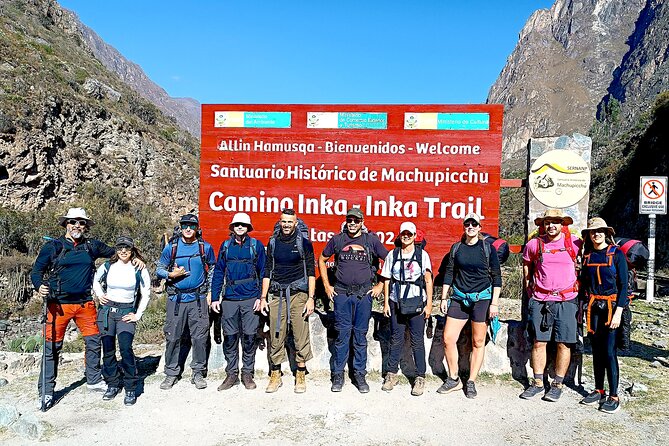
- Small groups (max 10 travelers) make it easier to stay together on narrow trail sections.
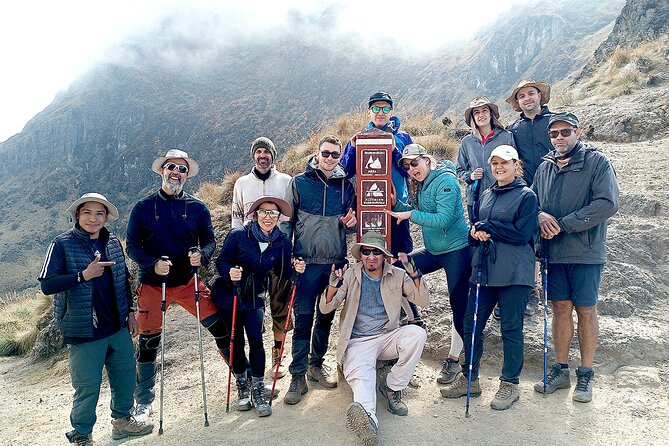
- Death Pass (Warmihuañusca) at about 4,200 m is the big test day; expect cold and altitude.
- Camping gear is included, but a sleeping bag is not, so plan for that.
- Machu Picchu at dawn from Inti Punku gives you the first real look before the guided tour.
- Food quality is a highlight, with one review noting even a cake baked on the trail.
Setting off from Cusco for Km 82: paperwork and that first Urubamba crossing
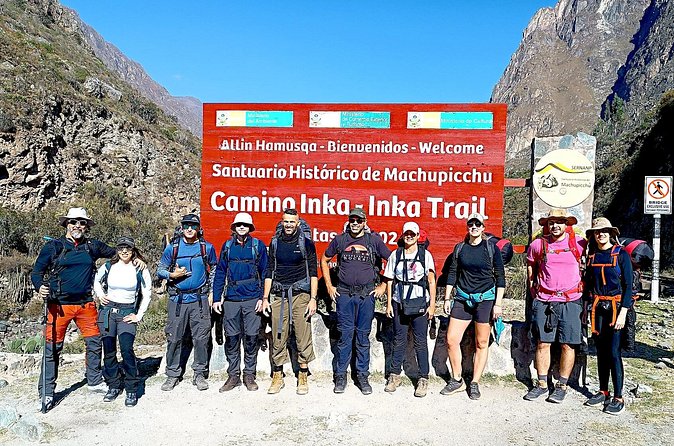
This trip starts in Cusco very early, with hotel pickup at 5:30 am. From there, you head toward the Sacred Valley, but the first meaningful stop is Ollantaytambo, where you can grab breakfast and get your bearings before the main push.
Before you begin the trek at Km 82, you meet the group and do document control and registration. This part is important: the Inca Trail is tightly managed, and getting through this step smoothly helps the day feel calmer once you’re actually hiking.
After crossing the Urubamba River (listed around 2,200 m), the trail rhythm starts. Day 1 is described as easier to follow, which matters because your body is still adjusting after the early start and the altitude. Think of this day as your setup day: get moving, learn how the group walks, and settle into the idea that you’ll be sleeping in camp with everything carried by the porter team.
You can also read our reviews of more tours and experiences in Sacred Valley.
Day 1 to Ayapata: Llactapata context and learning your pace
Day 1 takes you from the start point to the campsite at Ayapata, after a sequence of stops that mixes trail walking with archaeology context. You’ll hike about 7 hours total, and lunch lands at Miskay, on a small river bank. That lunch stop isn’t just food, it’s also where your guide starts connecting what you’re seeing now to what mattered to the Incas.
Along the way, you pass through terrain that gradually gets more serious. The afternoon includes an ascent toward Ayapata (around 3,100 m), where you spend your first night. The camp setup is part of the value here: your package includes tents, sleeping mats, a dining area, and even a camping bathroom setup, so you’re not spending mental energy figuring out logistics at altitude.
One small but helpful detail: you’ll hear Llactapata explained during the lunch break. Even if you don’t go into every ruin at the same depth as Machu Picchu, understanding what a place did in Inca life makes later moments hit harder.
Day 2 over Warmihuañusca Death Pass: the day your legs remember
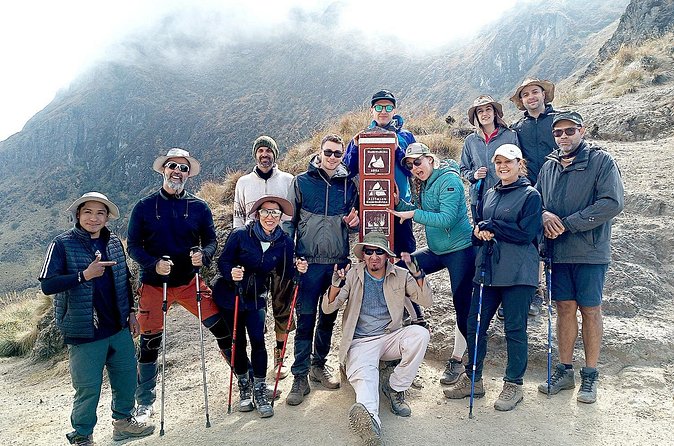
Day 2 is the classic big day. The walk time is listed around 9 hours, and the climb is described as the most difficult section of the trek: Warmihuañusca, also called Death Pass, around 4,200 m.
You start with a climb into the valley of Llulluchapampa (about 3,850 m). Early on, the trail passes through rainforest with water sounds, which is a nice contrast to the looming altitude challenge. Then the day keeps rising. There’s a described target point after about 2 to 3 hours of trail walking beyond Llulluchapampa, and that’s where the day starts to feel very real: the highest point is not a quick stop, it’s a sustained effort.
After a brief stop at the Death Pass summit, you move into a long, steep slope down toward the Pacaymayu River and onward until you reach the campsite at Chaquicocha (around 3,650 m). The listed total time for the day is around 8 hours, which matches the idea that you’ll be busy, but not sprinting.
At Chaquicocha, you finally get the kind of payoff altitude gives you: cold air, thin-sky views, and time to relax. This camp is where many people start to feel the trip shift from effort to memory. One more practical note: the itinerary explicitly calls out cold weather on this day, so plan for layers you can actually hike in and then sleep in.
Day 3 through rainforest to Wiñayhuayna and Phuyupatamarca views
If Day 2 is your fitness test, Day 3 is your scenery upgrade. The itinerary describes a change in ecosystem as you leave the earlier trail feel and walk through rainforest toward Wiñayhuayna. This day takes about 6 hours, but don’t treat that as easy. Shorter on paper can still mean steep sections and altitude.
You’ll pass two small lakes near the top of the second pass (around 3,950 m). There’s also a gentle ascent through a small Inca tunnel that’s meant to give you a big view over the Urubamba River and back toward the Sacred Valley.
Next, you move toward Phuyupatamarca, the camp whose name means city above the clouds (around 3,600 m). The camp is described as well-preserved, including a long chain Inca bath area. That’s a strong reason to like this day: you’re not only hiking through views, you’re seeing Inca engineering close up.
After passing through another Inca tunnel, you visit Wiñayhuayna, listed as “Forever young” and around 2,650 m. The meaning of that site is more than marketing once you’ve climbed all day and then watch the terrain open up. You also get your first views of the Machu Picchu mountain, which is a powerful mental marker: you’re approaching the finish line.
Machu Picchu at dawn from Inti Punku: guided meaning plus free roaming
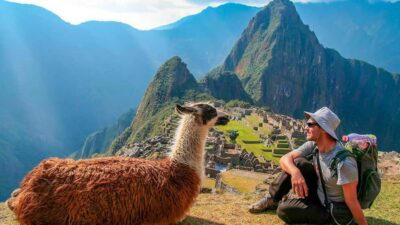
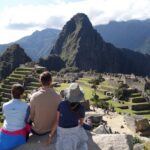
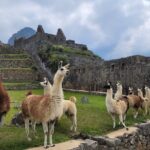
Day 4 is where the route turns into a memory you can’t recreate later. After breakfast, you hike to Inti Punku, or La Puerta del Sol, to have your first view of Machu Picchu and to catch the sunrise over the citadel.
The final slope is described as taking almost an hour, and the visit to the archaeological site happens around 8:00 am. You get a guided tour of about two hours, which is your chance to understand what you’re seeing: how the design works, what the structures were for, and why the city’s layout is so deliberate.
Then you get time to explore on your own. That free window matters because Machu Picchu doesn’t land the same way twice. You can go toward the Inca Bridge, wander through different monuments at your own pace, and the itinerary mentions the option of climbing Huayna Picchu for a panoramic photo. If you want that view, make sure you’re prepared for extra stairs and tight timing, since the day still ends with a downhill descent.
After your exploring time, you descend to Aguas Calientes for lunch, then you take the train back to Ollantaytambo and Cusco. One review noted that transport timing can require moving quickly. That doesn’t ruin the experience, but it’s smart to keep your day gear ready and avoid long delays.
What your $905 includes (and what you still need to pack)
At $905 per person, this is not cheap, but you’re also not just paying for walking. The price includes entrance to the Inca Trail and Machu Picchu, Cusco to Km 82 transport, plus transport from Ollantaytambo back to Cusco. You also get a professional guide (Portuguese or Spanish on request), and you’re covered with Consettur transport from Machu Picchu Pueblo to the archaeological site.
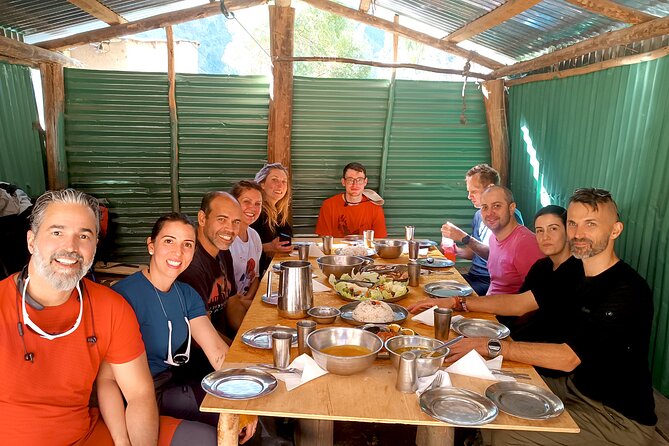
The camping package is a big part of the value. You get tents, mats, a dining setup, and table and chairs, plus food logistics handled by the team. Meals are also included for most of the trek: 3 breakfasts, 3 lunches, 3 dinners, and 3 snacks. The one notable gap is that breakfast on the first day is not included, so plan to eat in Ollantaytambo before the hike starts.
What’s not included is equally important. You’ll need your own sleeping bag, and lunch at Machu Picchu or in Aguas Calientes is not included. The itinerary also notes extra carriers are not included, which matters if you’re carrying something outside the normal range.
Last, practical health support is included: oxygen and first aid. At these altitudes, that reassurance helps, even if you’re strong and acclimatized.
Camps, food, and the porter system that makes this humane
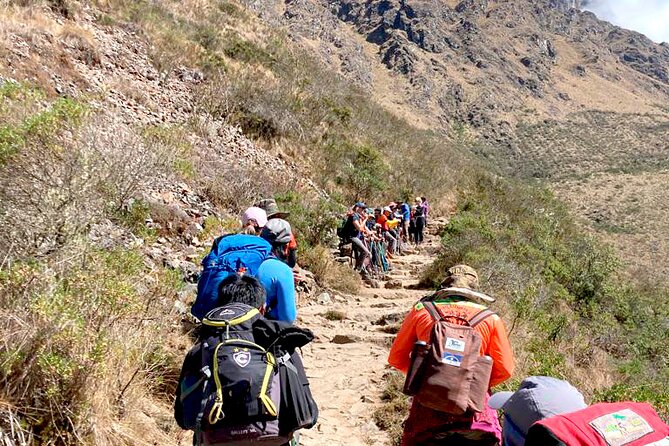
This is the kind of trek where comfort isn’t luxury, it’s function. Your setup includes camping equipment and a team to carry it, so you aren’t hiking with a heavy load of tents, cooking items, and portable bathroom needs.
In reviews, porters are credited as essential to making the whole experience feel doable. Without them, you’d spend your energy on logistics instead of the trail. You’d also miss out on what you’re really here for: the changing scenery, the passes, and the feeling that the route is an actual journey, not a survival test.
Food is another standout. One review mentions a guide named Franklin who kept the group together while still being flexible if people wanted to look around. The same review praised the cooks and said they served excellent meals, including a night where the team was able to bake a cake. Another detail: tea time around 30 minutes each evening, followed by dinner. Those small rhythms matter at altitude. They give you something to look forward to after a hard climb.
The camping arrangement also includes a cooking team and dining space, which means you can eat without battling nature too much. If you’re the type who wants to hike, not manage a camp, this package fits.
Who should book this 4-day Inca Trail to Machu Picchu
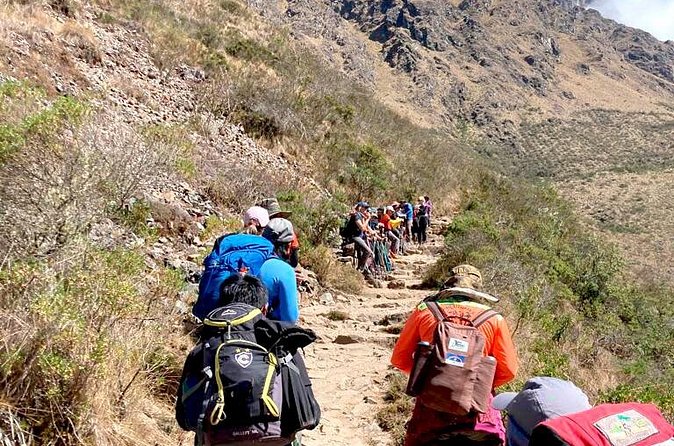
This tour is for people with strong physical fitness, plain and simple. The itinerary includes long walking days, big altitude numbers, and cold-weather sections. Day 2 includes Death Pass near 4,200 m, and Day 3 crosses high points again around 3,950 m. Even if you’re athletic, you need stamina and good pacing.
It’s also a good fit if you want a guided experience where you learn what ruins mean while you’re still in hiking mode. The guide team is set up to explain history and culture clearly, and the small group size helps the pace stay human.
If you’re easily stressed by tight schedules, keep expectations realistic. One review flagged schedule issues and the need to run to catch transport. That suggests you should be ready to move when transport times are called, especially on Day 4 when the day ends with train travel and descent.
Should you book this 4-day Inca Trail to Machu Picchu?
Book if you want the classic Inca Trail experience with real support: porter-run camps, included camping gear (minus sleeping bag), and daily meals. You’ll also value a guided Machu Picchu visit that lasts about two hours, followed by real free time for your own wandering and photos.
Hold off if you’re not ready for altitude or long hiking days. This route is not designed for casual strolling, and cold is explicitly part of the trek. Also, if you hate time pressure, note that Day 4 involves sunrise, a guided tour, free exploration, and then train logistics back to the Sacred Valley area.
If you match the fitness level and you’re okay with being flexible at transport times, this looks like strong value for what’s included.
FAQ
What time does the tour pickup in Cusco?
Pickup is listed at 5:30 am from your hotel in Cusco.
Is breakfast on the first day included?
No. The itinerary lists breakfast on the first day as not included, but you have an opportunity to stop in Ollantaytambo before starting the trek.
What meals are included during the trek?
Meals included are 3 breakfasts, 3 lunches, 3 dinners, and 3 snacks. Lunch during the Machu Picchu site visit or in Aguas Calientes is not included.
Do I need to bring a sleeping bag?
Yes. Sleeping bag is not included, even though tents, mats, and other camping gear are.
How big is the group?
The tour has a maximum of 10 travelers.
Is the tour refundable if plans change?
This experience is non-refundable and cannot be changed for any reason. If you cancel, the amount paid is not refunded.