REVIEW · CUSCO
Cusco: Sacred Valley, Pisac, Ollantaytambo, Salt Mines Moray
Book on GetYourGuide →Operated by Tour Valle Sagrado Vip · Bookable on GetYourGuide
One day, six Sacred Valley stops. This is a fast, well-structured tour that strings together Inca sites and local culture from Chinchero to Pisac, with a lunch stop in Urubamba and an option to end at Ollantaytambo for the Machu Picchu train. You’ll see how people farmed, traded, and built across the valley—while keeping your Cusco days from slipping away.
I love how the tour leans on clear bilingual guiding (English/Spanish) that helps you connect the dots at each stop, with guides like Victor, Luis, Edith, Samuel, Rudy, and Joel frequently running the day. I also like the included buffet lunch in Urubamba, where the food gives you a real break from the walking and bus time.
The main drawback is the pace: you’ll get quick visits, not long hangs at each site. Expect some steep stairs at Ollantaytambo, limited time for market browsing, and a lot of moving on a full 12-hour day.
In This Review
- Key highlights you’ll feel from the start
- How the day really runs: early start, organized timing, lots of driving
- Chinchero’s textiles: where the valley’s traditions show first
- Moray: Inca experiment terraces and microclimates you can still read
- Maras salt mines: thousands of working ponds
- Urubamba lunch and market time: the reset you’ll appreciate
- Ollantaytambo’s fortress and living town streets
- If you’re connecting to Machu Picchu
- Pisac: hillside ruins plus the artisan market below
- Price and value: what your $28 covers—and what you’ll still pay
- A smart ticket tip if you’re doing more Cusco sites
- What to pack and how to avoid the “long day regret”
- Who this Sacred Valley day trip is best for
- Should you book this Sacred Valley tour?
- FAQ
- What time does the tour start and where do I meet?
- How long is the tour?
- What major stops are included in the route?
- Is lunch included?
- Are entrance tickets included in the price?
- What languages is the guide available in?
- If I’m going to Machu Picchu, can the tour help with the train timing?
Key highlights you’ll feel from the start
- An efficient Sacred Valley “greatest hits” route in one day, from Chinchero to Pisac
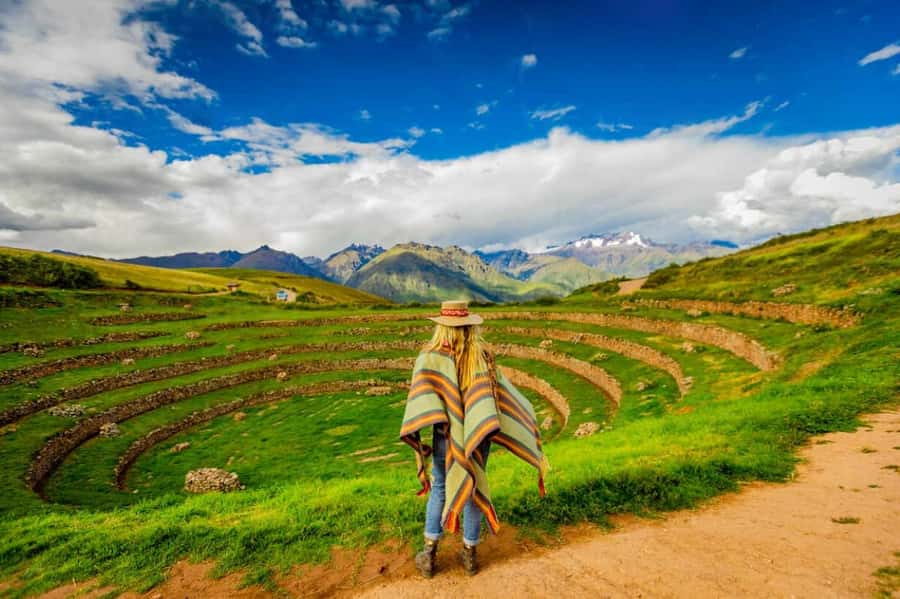
- Moray’s circular terraces + Maras salt ponds as two of the most unique stops in the region
- Urubamba lunch included, giving you a real reset mid-day
- Ollantaytambo’s living town layout, with cobblestones and major Inca stonework
- An optional early ending at Ollantaytambo (3:00 p.m.) if you’re connecting to Machu Picchu
- A time-managed itinerary, designed for travelers with limited days
How the day really runs: early start, organized timing, lots of driving
This tour is built for one thing: packing the Sacred Valley into a single day without turning it into chaos. You meet in Cusco’s Plaza de Armas at 7:20 a.m. (or you may have hotel pickup depending on the option you choose). From there, you’ll ride by coach between stops, with guided time blocks and short photo opportunities along the way.
The total duration is about 12 hours, and the standard ending is back around 6:30 p.m. at the Plaza de Armas in Cusco. If you’re continuing to Machu Picchu, there’s a special option that ends at Ollantaytambo at 3:00 p.m., so you can board your train toward Aguas Calientes.
That “guided time window” structure is the secret sauce—and it’s also why the tour feels intense. You won’t have the luxury of wandering for hours. You’ll be working on a schedule, using every window for the best viewpoints, key explanations, and enough time to take photos.
You can also read our reviews of more tours and experiences in Cusco.
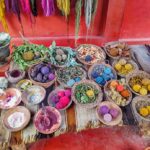
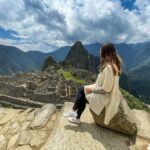
Chinchero’s textiles: where the valley’s traditions show first
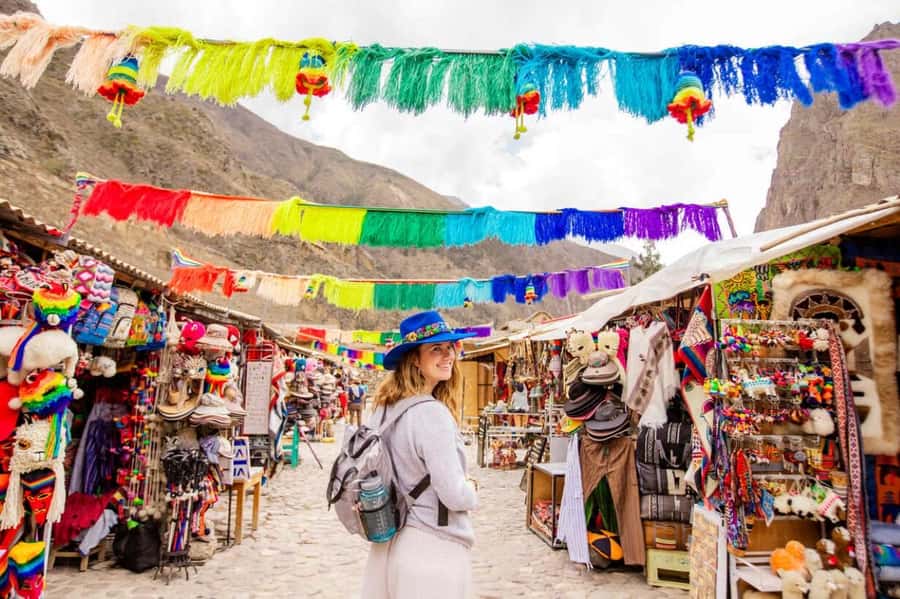
Chinchero is your early stop, and it’s a smart warm-up before the bigger ruins. You’ll get a photo stop and a guided visit at a textile center, plus some free time and shopping.
What makes this stop worth it is the focus on how people make color and cloth in an Andean way. You’ll learn about natural fibers and dyes made from local plants and minerals, and you’ll usually see the full process more clearly than you would in a quick roadside shop.
You should know the vibe here can include sales. If you want the cultural lesson, treat the shopping time like optional bonus time, not a requirement. And if you’re trying to travel lightly, be aware that textile and craft items can take up space in your daypack.
Watch for timing: the Chinchero window is relatively short, so if you’re set on buying something, do it after you’ve listened to the explanation. That way you won’t feel rushed into a purchase just because the clock is moving.
Moray: Inca experiment terraces and microclimates you can still read
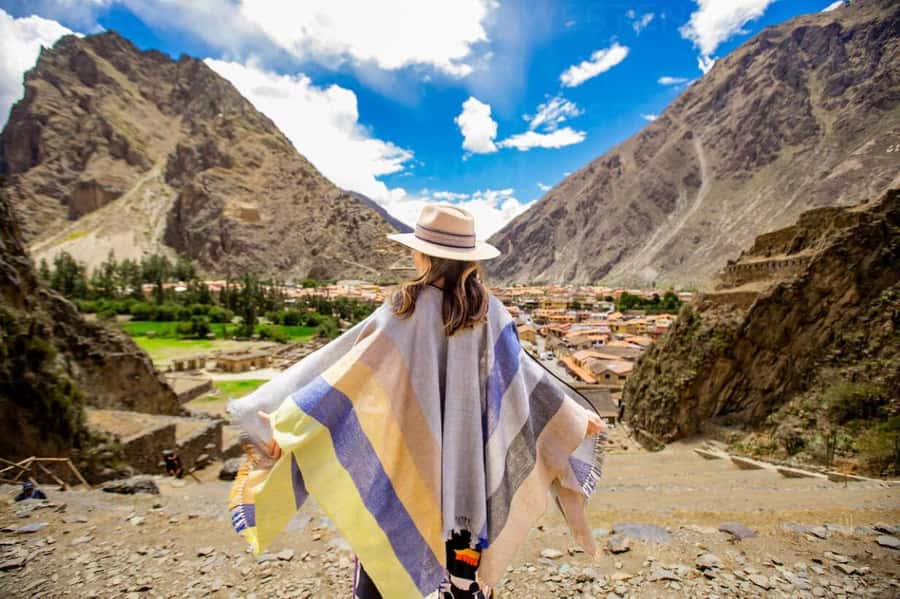
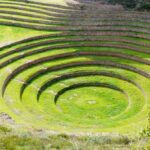
Next up is Moray, an Inca agricultural site famous for its circular terraces. Even with limited time, Moray is one of those places where you immediately understand why the Incas cared about experimenting: the terraces create different microclimates, letting them test how crops would grow in slightly different conditions.
You’ll likely have a photo stop and a guided look, usually followed by a short sightseeing window. What I like about Moray on a one-day route is that it isn’t just “pretty ruins.” It has a practical story: farming knowledge, climate logic, and structured experimentation.
The main consideration is the tempo. Moray’s beauty is visual, but you’ll move through it at a guided pace. If you prefer to slowly study stonework and read every sign, you might wish you had a second day in the valley. On a tight schedule, though, Moray hits the right notes.
Maras salt mines: thousands of working ponds
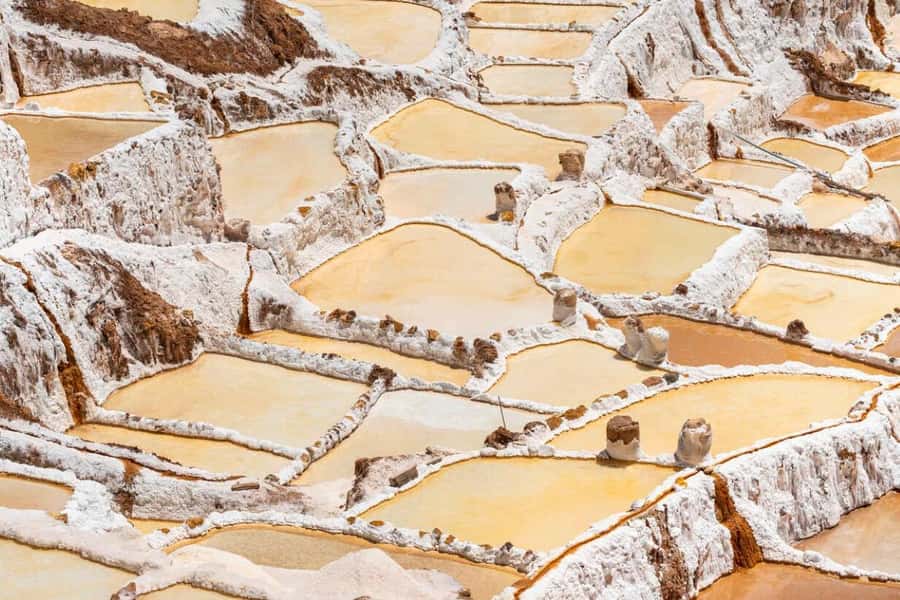
Then comes Maras Salt Mines, one of the most photographed—and most genuinely interesting—sites in the region. The salt ponds are thousands of small pools fed by an underground spring. You can see how a natural resource becomes infrastructure: the Incas helped build the framework, and the area is still used today.
The tour includes a guided visit with photo time and a window for shopping. Just keep in mind that entrances are not included in the base price. Budget separately for the Salt Mines ticket.
Here’s how to make this stop work for you: arrive mentally ready to take photos of patterns. The pools create a grid-like view, especially from the right angles along the pathways. If you want the best shots, pay attention to where your guide points—then spend your short free time copying that viewpoint, not wandering aimlessly.
Also, for shoppers: you may see salt and other goods offered around the site. A practical move is to compare prices later in Cusco markets, where options can be cheaper.
Urubamba lunch and market time: the reset you’ll appreciate
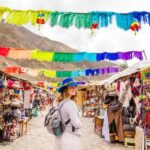
Urubamba is where your day stops being purely “ruins and rocks” and becomes food and people. You’ll have lunch here (a buffet is included) and some time built in to explore.
Urubamba is called the heart of the Sacred Valley for a reason: it’s where daily life shows up—regional products, small crafts, and the everyday rhythm that makes the valley feel less like a theme park. You’ll have time for lunch, and then a break that helps you keep energy for Ollantaytambo and Pisac.
This is also where your expectations should be realistic: the market time won’t be long enough to browse every stall. If you’re hoping for serious shopping, you’ll need to plan for it outside of this tour.
One more practical point: drinks are not included, so if you want sodas, juices, or extra beverages, you’ll pay at the restaurant. I’d bring some cash just in case.
Ollantaytambo’s fortress and living town streets
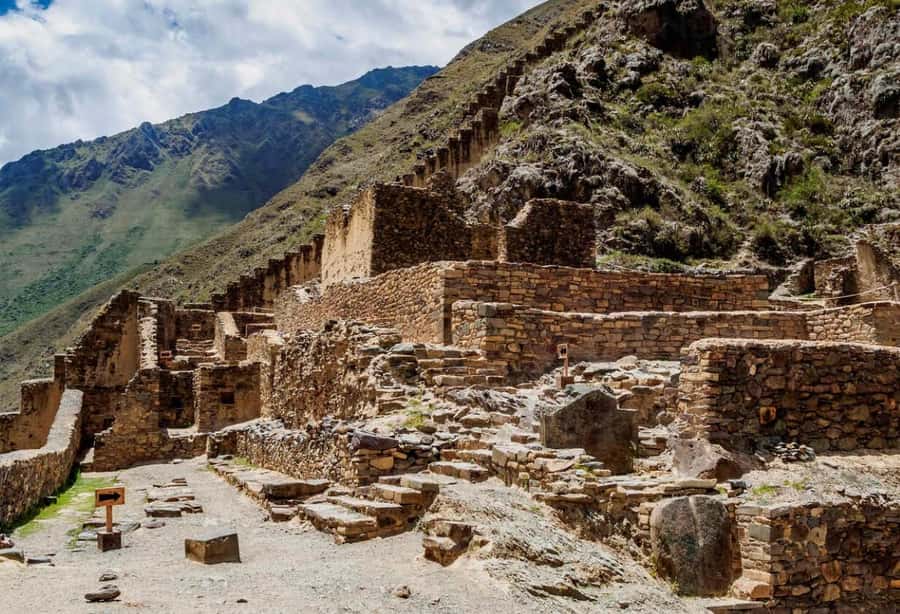
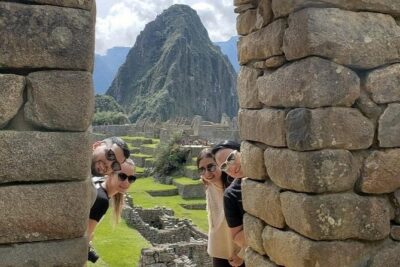
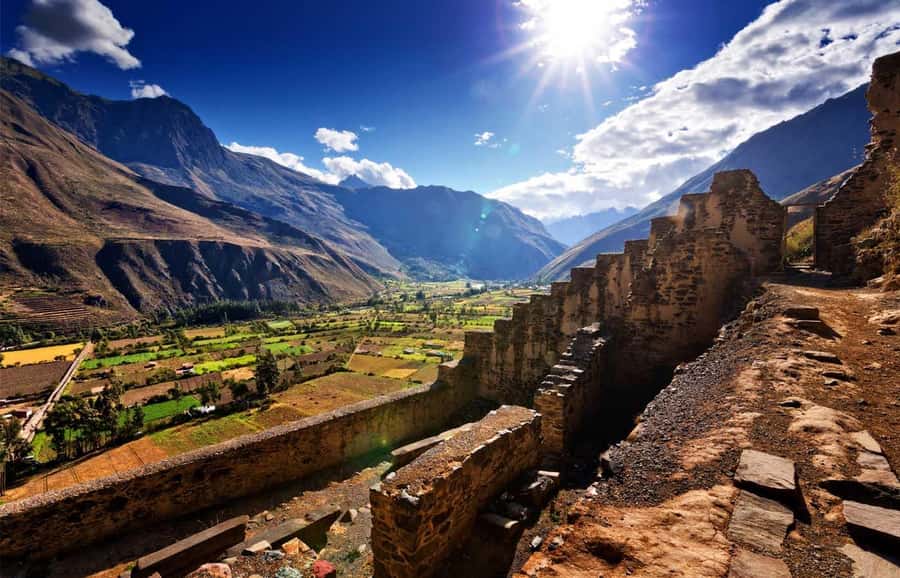
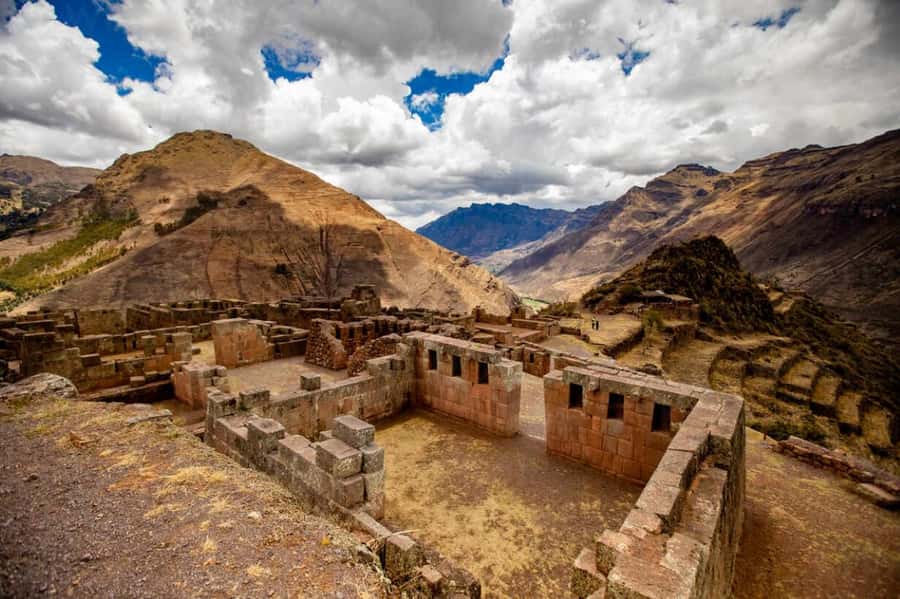
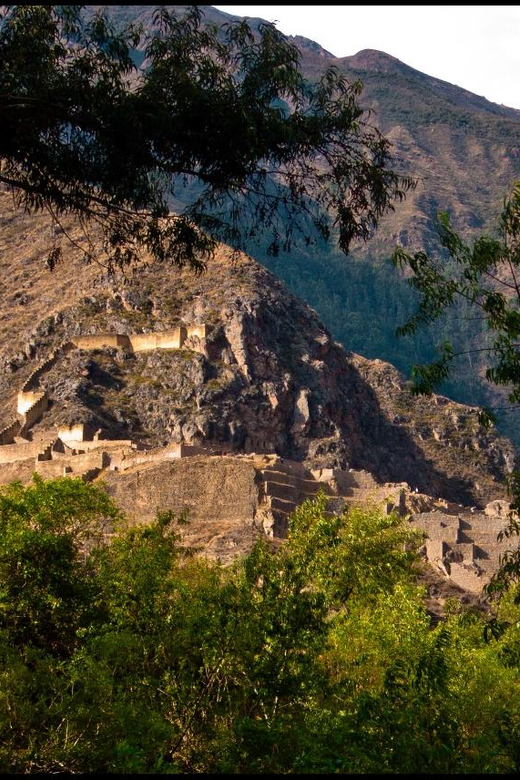
Ollantaytambo is a highlight for many people because it’s not just a ruin—it’s a living Inca town layout. You’ll visit the fortress and stone temples, and you’ll also get a sense of how the urban design still shapes the area today, with cobblestone streets that feel old even when you’re surrounded by modern life.
You’ll have a guided portion plus free time. This stop is also one where you should plan your body: you’re likely doing more walking and climbing than you expect, and there can be steep steps. If you’re dealing with asthma or mobility limits, consider whether a quick pace works for you.
What makes Ollantaytambo special on a one-day loop is the contrast. You’ll see agricultural innovation at Moray, salt production at Maras, and then sudden “power and defense” energy at the fortress. After that, Pisac feels even more meaningful because you’ve already framed what to look for.
If you’re connecting to Machu Picchu
There’s a special option to end the tour at Ollantaytambo at 3:00 p.m. That’s designed to line up with the train to Aguas Calientes. If you choose this, treat the schedule like part of your Machu Picchu ticket plan. You’ll want to keep track of your departure window and avoid last-minute shopping at the earlier stops.
Pisac: hillside ruins plus the artisan market below
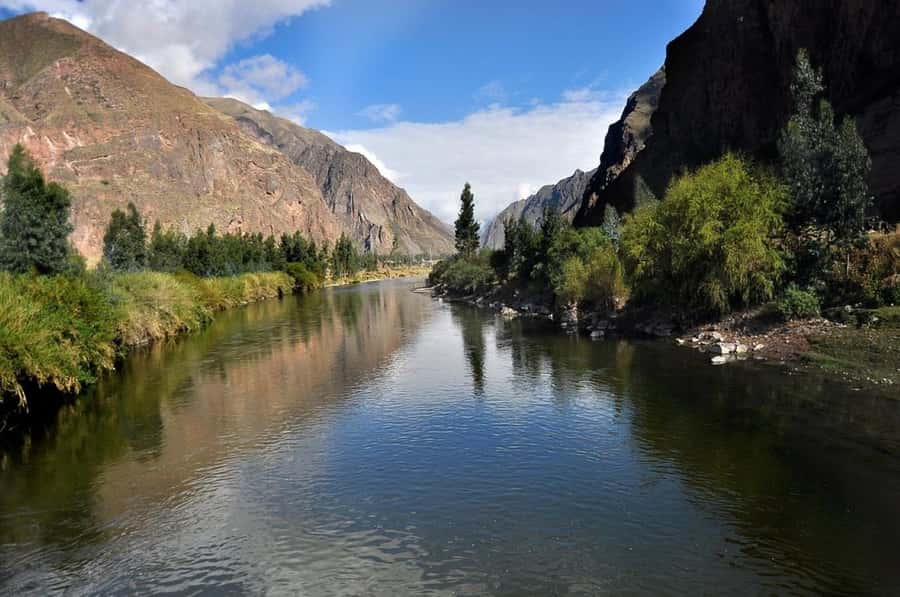
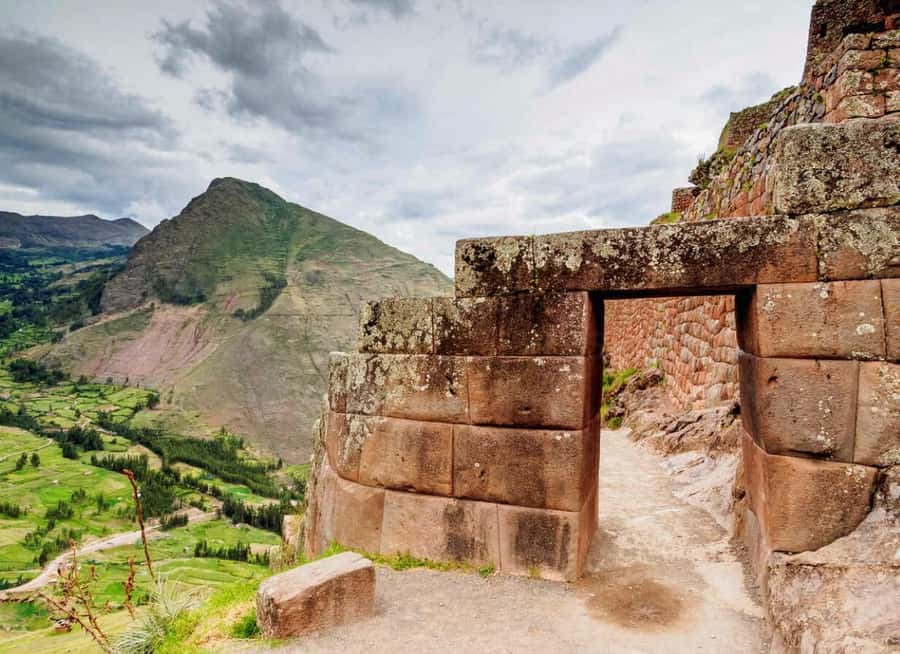
Pisac closes out your day in two layers: Inca ruins up on the hillside and a colonial-era town below with a famous artisan market. This mix is why Pisac works so well for travelers who want both “wow” views and real browsing.
You’ll get a guided visit and time to soak in the ruins. Then you’ll have the market energy after—useful if you want something tangible to remember the day.
The trade-off is time. If you loved the ruins and want more exploring, you won’t get hours here on a 12-hour route. If you love the market aspect, you’ll still want to decide early what you actually want to buy, so you’re not stuck scanning stalls at the last minute.
The best approach: do the ruins portion with your camera ready, then switch mental modes for the market. In Pisac, that shift makes the difference between feeling rushed and actually enjoying yourself.
Price and value: what your $28 covers—and what you’ll still pay
This tour is listed at about $28 per person for a 12-hour day that hits multiple major Sacred Valley stops and includes hotel pickup, a guide (English/Spanish), and a buffet lunch. That’s strong value compared to paying separately for guided transport plus lunch plus site time.
But the important financial detail is entrances:
- Tourist entrance tickets are not included (listed as 70 soles).
- Salt mines entrance is not included (listed as 20 soles).
- Drinks are not included.
So the real value is: you’re paying for transportation, a guide, and organization over a long day. If you already have the right entrance planning done, the cost feels fair. If you show up without tickets or cash, you’ll feel the squeeze quickly.
A smart ticket tip if you’re doing more Cusco sites
If you’re planning additional Cusco attractions, it can be worth checking whether the full tourist ticket (listed as 130 soles, valid 10 days) is better for your schedule than separate partial tickets. That can save money when you stack visits.
What to pack and how to avoid the “long day regret”
This is not a light stroll day. You’re dealing with altitude weather shifts, uneven ground, and a lot of time sitting on a bus. Pack like you mean it.
Bring:
- Passport
- Sunscreen
- Cash
- Biodegradable insect repellent
Also plan for:
- Comfortable shoes you trust on steps and stone
- Layers, because Cusco mornings can feel colder than you expect by midday
- A small daypack, since you may have walking time at multiple sites
Things not allowed include weapons/sharp objects, drones, alcohol, and drugs.
One extra real-world note: depending on where you’re staying, you might be asked to walk a little because the bus can’t fit everywhere in narrow streets. Build a few minutes of flexibility into your pickup mindset.
Who this Sacred Valley day trip is best for
I think this tour is ideal if:
- You only have limited days in Cusco and want the Sacred Valley highlights in one go
- You prefer a guided route that gets you to the right photo points without planning
- You like structure and can handle a full, moving day
I’d choose something slower or split your valley into two days if:
- You want long wandering time at markets or ruins
- You get frustrated by fast pacing and short stop windows
- You have mobility limits and know you’ll struggle with steps and walking at Ollantaytambo
The best match is someone who wants to see a lot, learn the main story quickly, take great photos, and then keep the rest of their energy for Machu Picchu or Cusco itself.
Should you book this Sacred Valley tour?
If you’re short on time, I’d book it. This is one of the most efficient ways to cover Chinchero, Moray, Maras, Urubamba, Ollantaytambo, and Pisac in a single day—without turning it into a DIY logistics puzzle.
Do it if you can accept the trade-offs: limited time per stop, a long day, and extra costs for entrance tickets and drinks. Pick it smartly, with the tickets planned and comfortable shoes ready, and you’ll leave with a full picture of how the Sacred Valley worked—farming terraces, salt production, strongholds, and everyday culture—all stitched into one memorable loop.
FAQ
What time does the tour start and where do I meet?
You meet in Plaza de Armas de Cusco at 7:20 a.m. to start the day.
How long is the tour?
The duration is about 12 hours.
What major stops are included in the route?
The day includes Chinchero, Moray, Maras Salt Mines, Urubamba (lunch), Ollantaytambo, and Pisac.
Is lunch included?
Yes. Lunch in Urubamba is included as a buffet.
Are entrance tickets included in the price?
No. Tourist entrance tickets (listed as 70 soles) and Salt Mines entrance (listed as 20 soles) are not included. Drinks are also not included.
What languages is the guide available in?
The guide provides interpretation in English and Spanish.
If I’m going to Machu Picchu, can the tour help with the train timing?
Yes. There is a special option where the tour can end in Ollantaytambo at 3:00 p.m., so you can board the train to Aguas Calientes.