REVIEW · CUSCO
Cusco:Chinchero,Moray & Salt Mines drop-off in Ollantaytambo
Book on GetYourGuide →Operated by Apu Ausangate Trek EIRL · Bookable on GetYourGuide
Sacred Valley in one busy day. You get a smart overview of the region’s Inca farming and daily life, moving from textiles in Chinchero to Megalithic Ollantaytambo with Moray and the Maras salt mines in between.
I especially like how the route balances guided time with breathing space. I also like that this is set up as a one-way day: you finish at the Ollantaytambo station or main square, which can make your Machu Picchu train day much easier.
The main trade-off is simple: it’s long, about 8–9 hours, and the group ends around 15:30. If you’re catching a train, plan for departures after 16:00 (or choose a private option if you need extra flexibility).
In This Review
- Key things I’d watch for
- Cusco to Ollantaytambo: the “best hits” in one long loop
- Pickup in Cusco and the pacing that keeps it from feeling rushed
- Chinchero: textiles, traditional techniques, and where the souvenirs actually come from
- Moray’s circular terraces: why they look like this and what they were for
- Maras Salt Mines: 5,000+ ponds, salt storage logic, and a separate entrance fee
- Urubamba buffet lunch: a real break before the stairs
- Ollantaytambo fortress and the 200+ steps: the payoff at the end
- Price and logistics: what $27 really covers (and what to budget)
- Who should book this Sacred Valley day trip
- Should you book it or not?
- FAQ
- FAQ
- How long is the Cusco to Chinchero, Moray & Salt Mines drop-off in Ollantaytambo tour?
- What’s included in the price?
- Where does the tour finish?
- What tickets do I need to pay for separately?
- Is lunch included, and what kind of lunch is it?
- Can this tour help with going to Machu Picchu by train?
- What should I bring, and are there any rules?
Key things I’d watch for
- Chinchero textile demonstrations with time to look around and shop
- Moray’s circular terraces and the logic of farming on steep ground
- Maras salt mines with 5,000+ salt ponds and a separate entrance fee
- Urubamba buffet lunch as a practical mid-day reset
- Ollantaytambo fortress climb with 200+ steps and big views
- One-way finish at Ollantaytambo station/main square instead of backtracking to Cusco
Cusco to Ollantaytambo: the “best hits” in one long loop
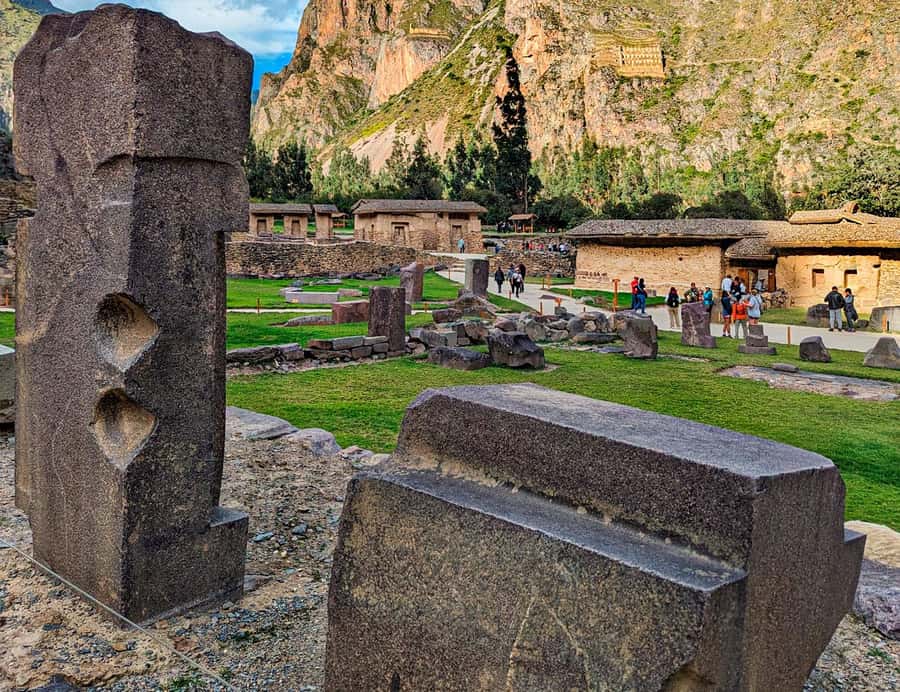
This is one of those day trips that works because it’s efficient, not because it’s fancy. You’re covering four Sacred Valley anchors in a single run: Chinchero (weaving and local life), Moray (Inca agriculture), Maras (salt production), and Ollantaytambo (fortress town energy).
For me, the value is in seeing the connections. You start with culture (textiles), then you move to how Incas engineered food and storage (terraces and salt), and you end with a defensive city layout that still dominates the valley.
If you have only a short window in Cusco but you still want to feel like you understand the Sacred Valley, this format helps you get your bearings fast.
You can also read our reviews of more tours and experiences in Cusco.
Pickup in Cusco and the pacing that keeps it from feeling rushed
Pickup is included from your Cusco hotel, and you’ll ride in a van with a bilingual guide (Spanish/English). The longest drive is about 45 minutes, and the day is structured around a steady rhythm: arrive, walk a bit, tour with the guide, then move on.
What to pack is also practical here: sunglasses, sunscreen, a sun hat, water, a camera, and cash. You’ll want cash because some key entry costs aren’t included (more on that below), and it’s always easier if you’re not scrambling at each stop.
I also like that the guide work seems to matter a lot on this route. Names that pop up again and again include Julio, Felipe, Nora, John, Manuel, and Diego—often described as clear with timing and able to keep English and Spanish flowing smoothly. That matters when the day is packed, because a good guide helps you prioritize what’s worth your attention.
Chinchero: textiles, traditional techniques, and where the souvenirs actually come from
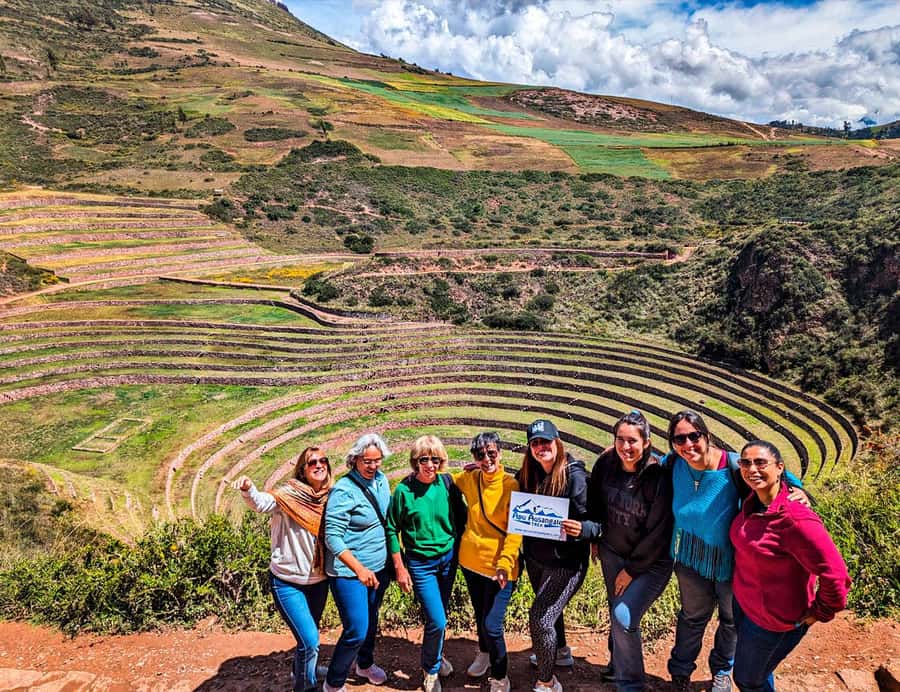
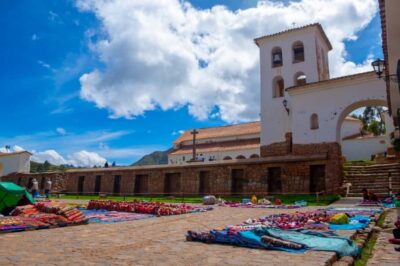
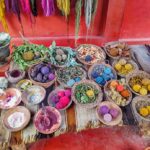
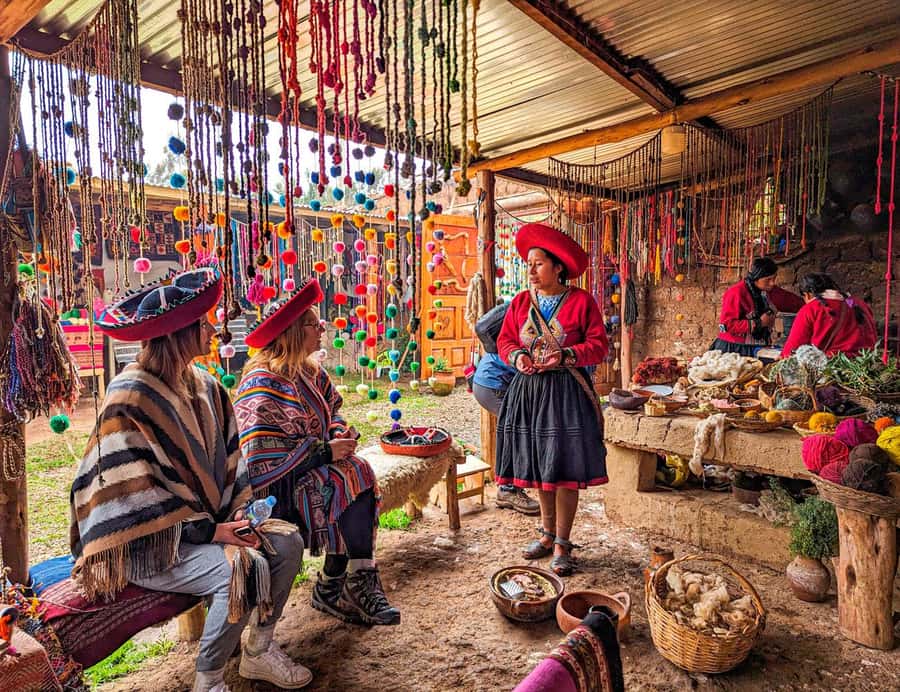
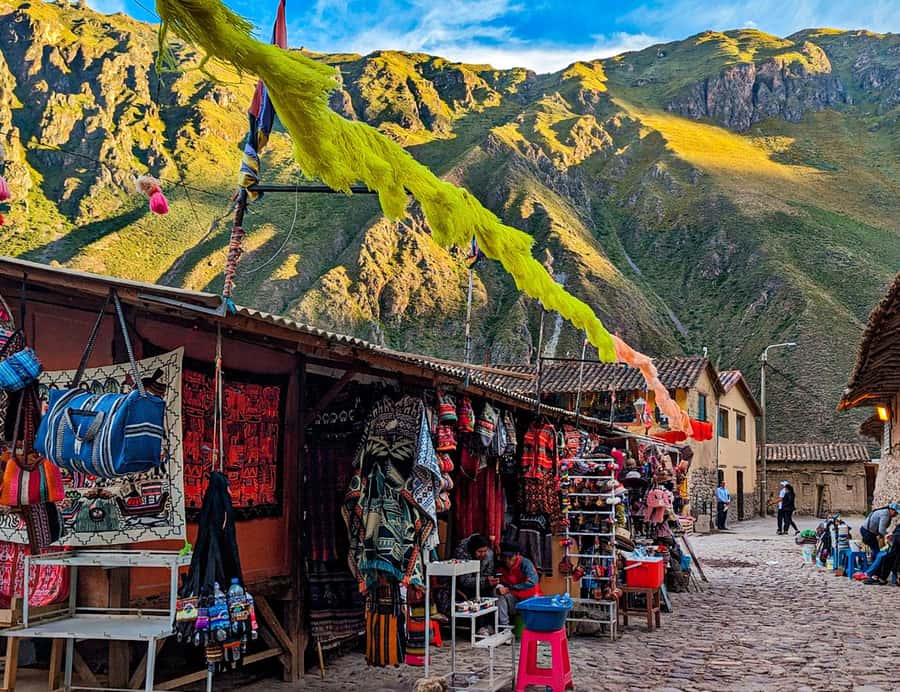
Chinchero is a small district known for weaving, and the stop is built around both seeing and learning. Expect a photo stop, a guided visit, and time for a walk and shopping.
This is one of the best places to learn what you’re looking at, because the textiles aren’t just decor. In the Chinchero workshops, you’ll typically see textiles woven using traditional Inca-era techniques, and guides often explain the meaning behind patterns and the practical steps behind the craft.
Two things I like here:
- You’re not just dropped into a shop. The weaving education gives you a framework, so shopping feels less like guessing.
- You get the small-town atmosphere. Chinchero isn’t trying to be a theme park. It feels like people’s real work and real routines.
One consideration: the shopping time can tempt you to overbuy. My advice is to set a budget before you arrive. If you’re buying alpaca items, treat the first visit like sampling, not final checkout—your guide’s explanations will help you decide what’s worth carrying home.
Moray’s circular terraces: why they look like this and what they were for
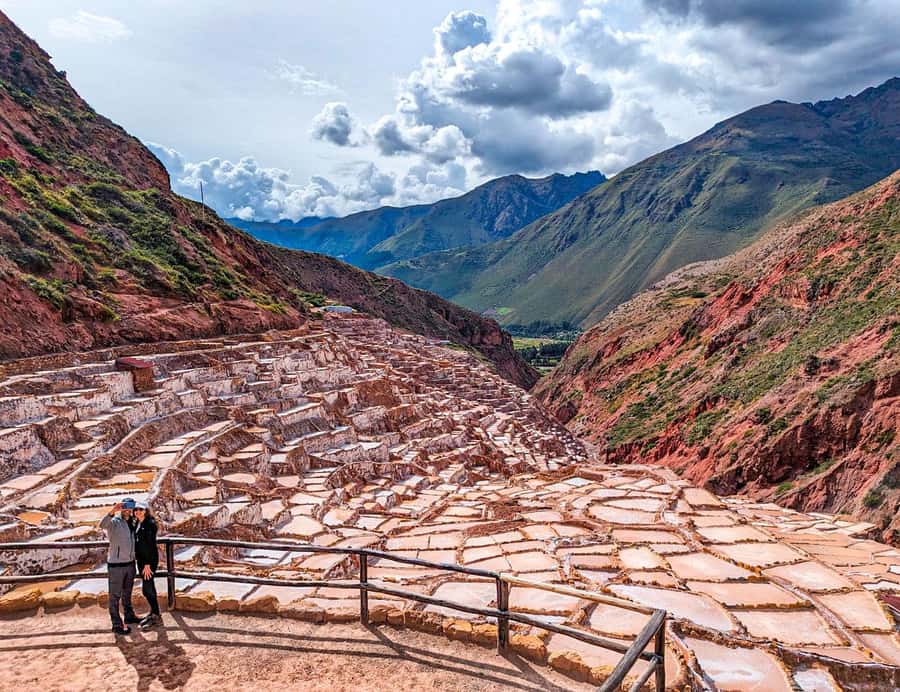
Moray is where the trip turns from culture to science-by-way-of-incas. You’ll do a photo stop, guided tour, and a short walk around the site.
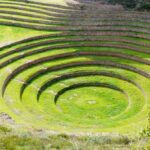
The headline is the circular agricultural terraces built along the hillsides. These aren’t just pretty ruins. The terraces created different microclimates at different levels, letting the Incas grow an abundance of crops even when the terrain wasn’t ideal.
If you’ve seen other Inca sites, Moray helps the story click: empire building wasn’t only about stone walls and temples. It was also about managing temperature, water, and soil conditions so food production could keep up.
A practical note: Moray is outdoors. Wear sunscreen, and keep water handy. The walk time is short, but the sun at altitude can make a “short” walk feel like a workout.
Maras Salt Mines: 5,000+ ponds, salt storage logic, and a separate entrance fee
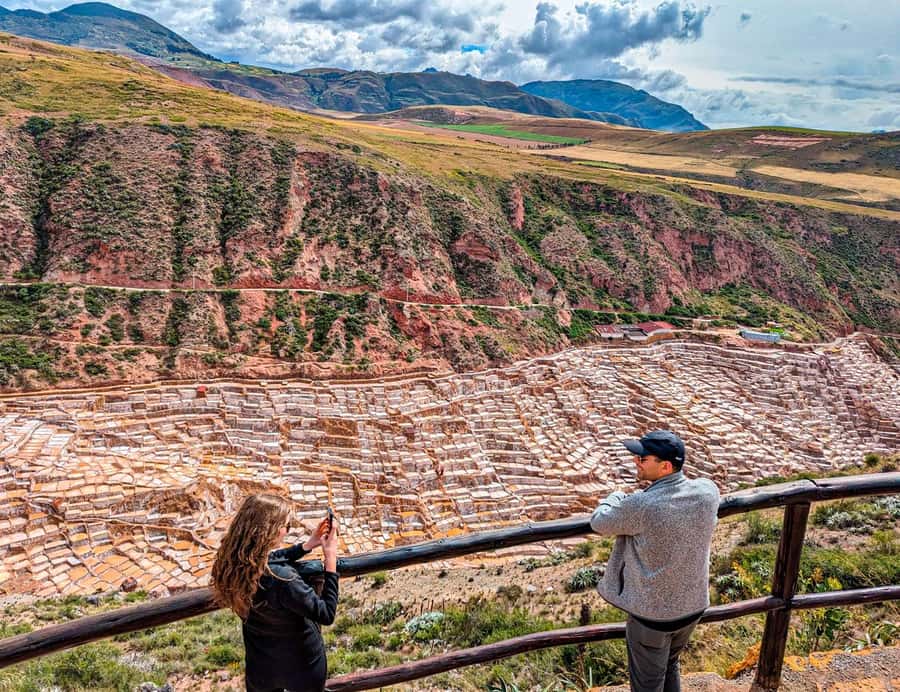
Right next to Moray, you’ll reach Maras, home to over 5,000 salt ponds used by local ancestors for long-term food preservation. You’ll get another photo stop, guided visit, and a walk through the area, plus time to browse or shop a bit.
The big idea to remember: salt wasn’t just a condiment. It was a way to preserve food over long periods, so you can think of the salt ponds as part of the valley’s survival system.
Two tips that make the difference:
- Bring cash for the salt mine entrance. The tour doesn’t include this ticket, and it’s purchased on site for 20 PEN.
- Go slow with photos. The ponds create a strong visual pattern, but it’s easy to rush and miss the scale of it all.
Also, Maras can be windy and bright. A sun hat and sunglasses are genuinely useful here, not optional.
Urubamba buffet lunch: a real break before the stairs
Lunch happens in Urubamba, the capital of the Sacred Valley, and it’s a buffet. The tour includes lunch in the price, and the plan is set so you refuel before the late-day highlight.
From what I’ve seen on this kind of route, buffet lunches are your best bet for keeping energy up for later walking. You’ll want that, because the final stop includes climbing 200+ steps at Ollantaytambo.
Even better: vegetarian options are specifically mentioned as available. So if you’re plant-based or eating vegetarian while traveling, this is less of a gamble than some “set menu” lunches.
One consideration: you’ll likely feel the day’s schedule. Eat like you’ll need stamina after lunch—don’t just snack.
Ollantaytambo fortress and the 200+ steps: the payoff at the end
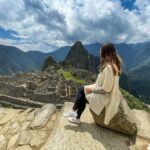
Ollantaytambo is the emotional closer of this route. You’ll have a photo stop, a guided tour, and time to climb the 200+ steps up to the ancient terraced fortress that overlooks the town.
This place matters historically because it was a key defensive location during Incan times. Standing in that higher position, you understand why it works: the fort commands views, and the town below follows a defensive logic.
And it’s also a practical finish. The tour drops you off in Ollantaytambo around 15:30 at the main square or the train station. That’s huge if you’re heading to Aguas Calientes for Machu Picchu later.
If you want a smooth train day, here’s my straightforward advice: plan a train time after 16:00. The group needs a bit of buffer time for disembarking, buying water, and getting to the platform.
Price and logistics: what $27 really covers (and what to budget)
The advertised price is about $27 per person, and it includes:
- Pickup from your Cusco hotel
- A bilingual guide
- Transportation in the van
- A buffet lunch in Urubamba
- Drop-off at the train station in Ollantaytambo
What’s not included adds up, but it’s manageable if you plan ahead:
- Partial tourist ticket for Chinchero, Moray, and Ollantaytambo: 70 PEN, purchased at the first site
- Salt mine entrance: 20 PEN, purchased on site
- Drinks
- Return transportation to Cusco (this is a one-way day)
My take on value: you’re essentially paying for a guided, cross-site overview plus the hard part—logistics. You’re also getting a built-in transfer plan into Ollantaytambo. If you’d otherwise rent transport or miss the timing coordination, this becomes good value quickly.
One more “budget reality” tip: bring cash for those tickets and entrances, plus a bit extra for water or a snack.
Who should book this Sacred Valley day trip
This works best if you:
- Want to see several Sacred Valley anchors without wasting time zigzagging back to Cusco
- Have a train connection and need the one-way drop-off at Ollantaytambo
- Like guided context—textiles, agriculture, and fortress design all get explained
It’s also a good match if you’re traveling with a small group or family and want a structured day. Many people on this route describe the organization as smooth and the pacing as balanced.
Consider skipping or switching to a private option if you:
- Want a slower pace with more free time at every stop
- Have a very tight train schedule and don’t want to rely on the group timing
Should you book it or not?
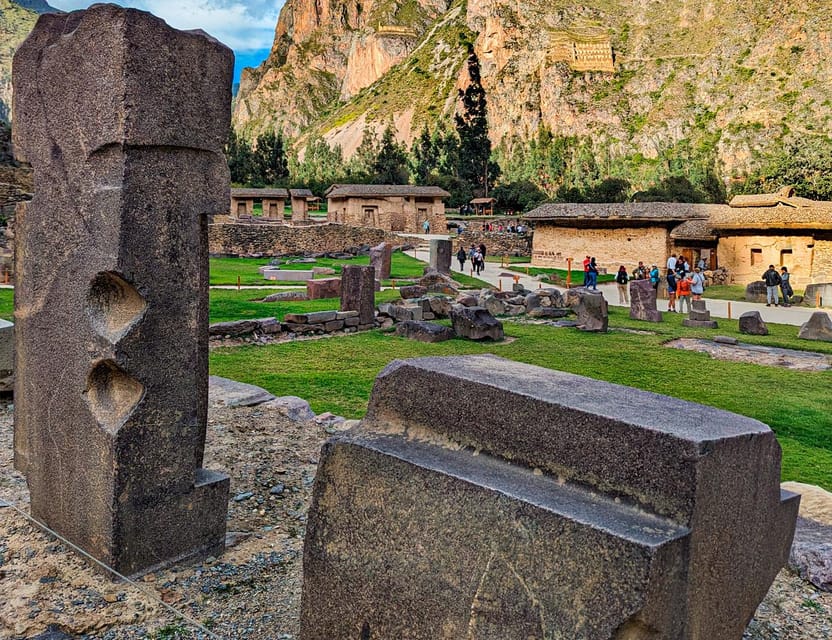
I’d book it if your goal is a high-signal overview of the Sacred Valley in one day, ending in Ollantaytambo where your Machu Picchu train plans can click into place. The Chinchero weaving stop gives you context, Moray shows the Inca “how,” Maras shows the “why” of preservation, and Ollantaytambo gives you the big architectural finish.
I wouldn’t book it if you hate long days or you want plenty of quiet downtime. This is a packed day with multiple walks and the final stair climb. But if you’re okay with that trade, it’s one of the smartest ways to connect Cusco history to what you’ll see next.
FAQ
FAQ
How long is the Cusco to Chinchero, Moray & Salt Mines drop-off in Ollantaytambo tour?
The duration is listed as 8 to 9 hours.
What’s included in the price?
The tour includes hotel pickup in Cusco, a bilingual guide (Spanish/English), transportation, a buffet lunch in Urubamba, and drop-off at the train station in Ollantaytambo.
Where does the tour finish?
The tour ends in Ollantaytambo, either at the train station or the main square.
What tickets do I need to pay for separately?
You need a partial tourist ticket for Chinchero, Moray, and Ollantaytambo, which can be purchased at the first site for 70 PEN. You also pay an entrance ticket for the salt mine on site for 20 PEN.
Is lunch included, and what kind of lunch is it?
Yes. Lunch in Urubamba is a buffet, included in the tour price. Drinks are not included.
Can this tour help with going to Machu Picchu by train?
Yes, because it drops you in Ollantaytambo. The group typically finishes around 15:30, so you’re advised to book trains after 16:00 if you’re continuing the same day.
What should I bring, and are there any rules?
Bring sunglasses, sun hat, camera, sunscreen, water, and cash. Drones are not allowed, and alcohol and drugs are not allowed.