REVIEW · CUSCO
Choquequirao Trek 4 days and 3 nights
Book on Viator →Operated by TreXperience · Bookable on Viator
Skip the crowds; chase the Incas instead. I love the small-group setup (up to 12 on this style of trip) and the chance to reach Choquequirao when the site feels more like yours than a stop on a conveyor belt. One drawback: this is still a real mountain trek, with steep ups and downs and a start time that lands long before most people check their emails.
What makes it feel good from the first day is how much is handled for you. You get round-trip transfers and an experienced team (English-speaking guides, a chef, and porters) that takes the stress out of logistics so you can focus on the hike and the views.
In This Review
- Key Highlights to Know Before You Go
- Why Choquequirao Feels Like an Inca Detour
- 4:30 am Transfers to Capuliyoc: The Start That Sorts Serious From Casual
- Day 1: Capuliyoc Down to Chiquiska, Then Santa Rosa Camp
- Day 2: Marampata Approach Toward Choquequirao and Another Downhill Day
- Day 3: Sunrise at Choquequirao, Then the Long Day to Chiquiska
- Day 4: Capuliyoc Climb, Lunch, and Saywite Rock Exploration
- Meals on the Trail: Real Cooking, Clean Camps, and Diet Options
- Porters, Horses, and What “7 kg Personal Carry” Actually Means
- Price and Value at $698: What You’re Really Buying
- Who This Choquequirao Trek Suits Best (and Who Might Hesitate)
- Should You Book This Choquequirao Trek?
- FAQ
- What time does the trek start from Cusco?
- How many days and nights is the Choquequirao trek?
- What group size should I expect?
- Are meals included, and can they be vegetarian?
- Do I get help carrying my gear?
- What elevation will I be hiking around?
- Is any trekking gear included or optional to add?
Key Highlights to Know Before You Go
- Limited group size: small enough for a more personal pace, with a cap of 12 travelers mentioned in the tour concept (overall max can reach 16).
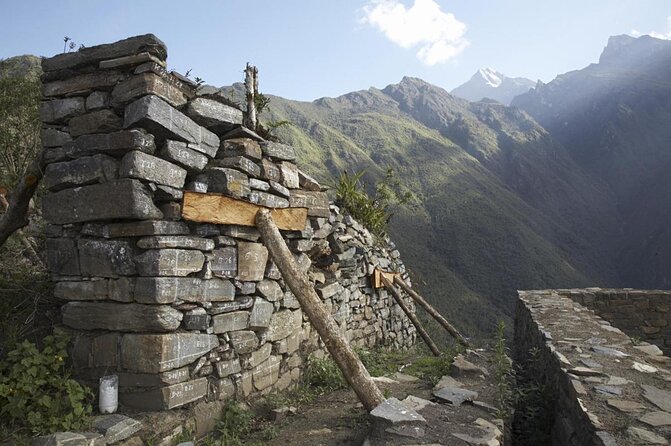
- Early access to the Inca citadel: a sunrise session that helps you see Choquequirao before it gets busy.
- Chef-led meals in the mountains: meals are cooked for you along the way, including vegetarian options if you plan ahead.
- Porter support for your carry: you can hand off personal items to a porter up to 7 kg.
- Epic canyon viewpoints: your route drops toward the Apurimac canyon and shifts through different vegetation zones.
Why Choquequirao Feels Like an Inca Detour
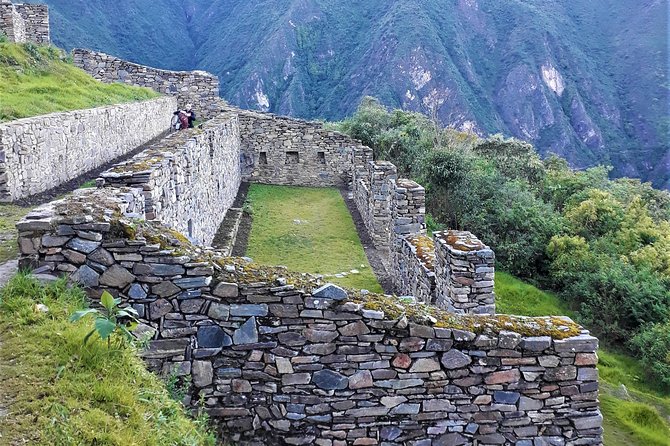
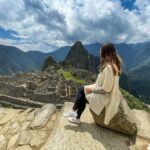
Choquequirao is often described as a lost Inca city, and the best part is how the trek changes your relationship with the ruins. You’re not just arriving at a viewpoint—you’re earning your way down toward the Apurimac canyon system, then working your body back up again to the citadel.
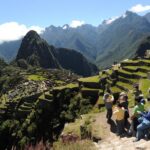
I also like that this trip is framed around getting you to Choquequirao without turning the experience into a crowd exercise. With a small group, you tend to move like a team rather than a line, and that makes it easier to ask questions, linger at viewpoints, and actually look at what’s in front of you.
Now, the flip side: the trek’s “moderate” label still comes with long days. You’ll be hiking roughly 6 to 8 hours on each main trekking day, and your legs will feel it even if you’re fit.
You can also read our reviews of more hiking tours in Cusco

4:30 am Transfers to Capuliyoc: The Start That Sorts Serious From Casual
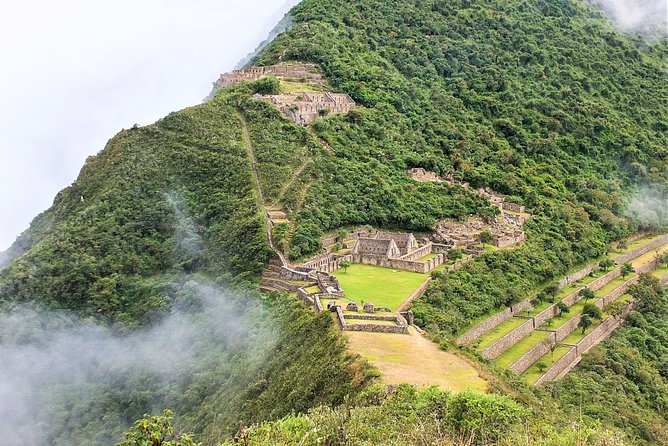
This trek begins early—pickup happens in the Cusco area between 4:30 am and 5:00 am. The plan is to drive across the Andes to Capuliyoc, arriving around 8:30 am, so you can start hiking after your first breakfast.
That early start is not for drama. It’s practical. You’re working with mountain schedules, and daylight matters when you’re traveling downhill, camping, and then doing a sunrise-focused day later. If you’re the type who hates mornings, you’ll want to mentally prep for this one.
One more helpful detail: there’s a pre-departure briefing the night before at 6:00 pm, which helps you understand the flow of the trek and what you’ll need (especially if you’re deciding whether to bring or add optional gear).
Day 1: Capuliyoc Down to Chiquiska, Then Santa Rosa Camp
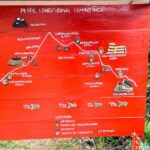
Day 1 is a classic “start high, learn the rhythm” day. You begin at Capuliyoc (about 2,911 m / 9,550 ft), then hike downhill for around 4 hours to lunch near Chiquiska.
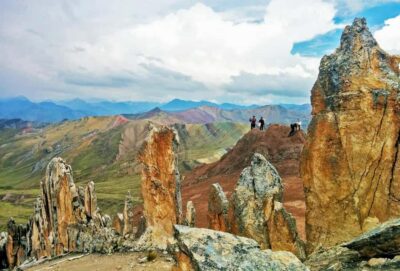
As you lose altitude, you also gain range in what you see. The route is designed to give you early panoramic looks into the Apurimac canyon—one of Peru’s deepest canyon systems—so you get a clear sense of why this part of the Andes is such a big deal. You’ll also notice a shift from higher-elevation environments toward cloud-forest vegetation.
After lunch, the day continues downhill for about 2 more hours to Santa Rosa, where you camp for the night (camp elevation around 1,478 m / 4,849 ft). Distance is listed at 10.8 km / 6.7 miles, with about 6 hours of hiking time.
What to expect: your body will adjust faster on day 1 if you pace yourself. Don’t race the downhill—downhills can chew up your knees and feet if you stride too hard.
Day 2: Marampata Approach Toward Choquequirao and Another Downhill Day
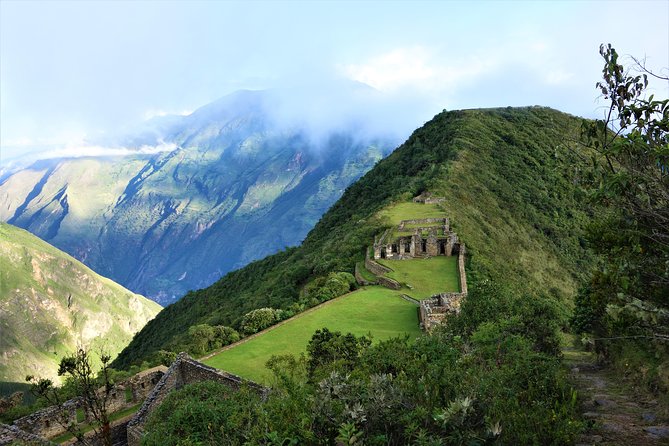
Day 2 is where the trek starts to feel like a sustained “approach” rather than a one-day hike. The schedule highlights Marampata–Choquequirao, and the walking pattern continues as another long, mostly downhill day toward Chiquiska for lunch and Santa Rosa for camp.
The hiking profile for this day is listed the same way: about 10.8 km / 6.7 miles, roughly 6 hours total hiking, and a high point around 2,911 m / 9,550 ft again. Camp stays at Santa Rosa (about 1,478 m / 4,849 ft).
Even if the route timing feels similar on paper, you’ll likely experience it differently in person. By day 2, you’re more tuned to how the weather and air feel at different elevations, and you’ll pick up on the vegetation changes that can be subtle early on.
Where this pays off: the “down, down, down” rhythm makes day 3’s sunrise plan feel earned. You’ll be tired—but you’ll be positioned for that big moment at the citadel.
Day 3: Sunrise at Choquequirao, Then the Long Day to Chiquiska
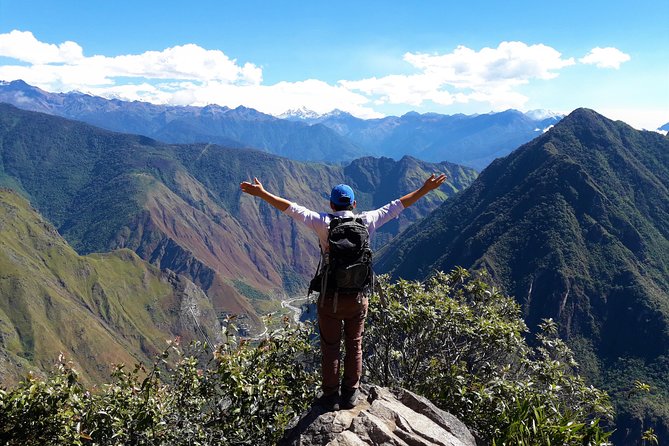
Day 3 is the day people remember, and for good reason. You wake up to sunrise at Choquequirao, then have breakfast before you move on.
From there, the trek becomes a long, mixed day. You hike downhill for about 3 hours to Santa Rosa for lunch (the route notes lunch at around 2,230 m / 7,300 ft). After lunch, you keep going downhill for 2 more hours, then uphill for about 2 hours until you reach your campsite at Chiquiska (camp elevation around 1,450 m / 4,350 ft).
The listed distance is 8 km / 11.32 miles, with around 8 hours hiking time. Highest elevation on this day is noted around 3,100 m / 9,300 ft.
One of the more charming details here is the setting you reach as the day winds down. Chiquiska is described as a great place to enjoy the surrounding natural world—flowers, birds, and distant waterfalls. That’s not just a poetic add-on. After days of moving across altitude changes, it helps to have a campsite that feels alive, not just functional.
A practical note: day 3 is where hydration and steady footwork matter most. The up-and-down mix is longer than it looks on a map.
You can also read our reviews of more tours and experiences in Cusco

Day 4: Capuliyoc Climb, Lunch, and Saywite Rock Exploration
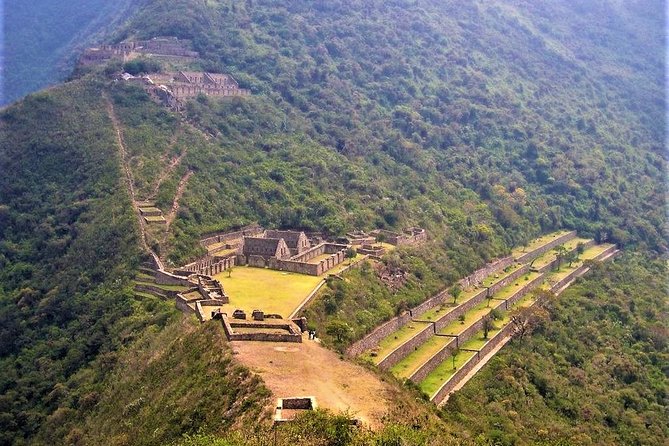
Your final day starts with breakfast and a last uphill trek. You walk uphill for about 4 hours back to Capuliyoc, where lunch is served and you say goodbye to the team that guided and supported you through the trek.
Once you’re done with the walking portion, you shift to a cultural stop. You take private transportation to Saywite, described as a mysterious rock site, and you get time to explore before drop-off at your hotel around 5 pm.
The walking stats for day 4 are listed as 8 km / 11.32 miles, with about 8 hours hiking time and a highest elevation around 2,850 m / 9,407 ft.
If you’re trying to decide whether Choquequirao is worth it, day 4 is a big piece of the answer. You don’t just get ruins-you-get a closing rhythm that ties the mountain trek to a final exploration moment.
Meals on the Trail: Real Cooking, Clean Camps, and Diet Options
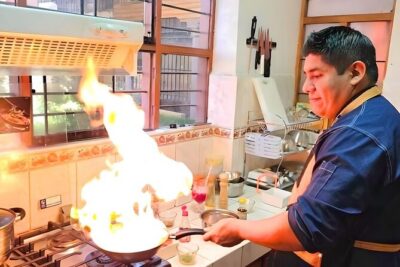
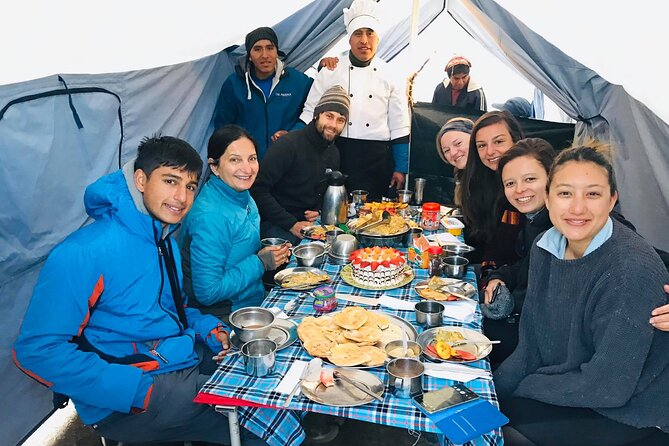
This tour leans hard on food quality, and it shows in the way people talk about it. You’re assigned a chef to prepare all meals, and you also have support from the team running the camp.
The meal counts are straightforward:
- Breakfast: 4
- Lunch: 4
- Dinner: 3
Vegetarian options are available if you tell the provider at booking time, and they ask that you share specific dietary requirements in advance.
I like this approach because it affects more than taste. Good trail food means less decision fatigue, and it reduces the chances you’ll end up under-fueling because you’re tired of eating what you brought. When a chef is handling the cooking, you’re free to focus on the hike.
Also, multiple trip experiences highlight that the meals are varied and not just a repeat of the same simple bowl every day. That matters over 4 days, especially when your appetite can be weird at altitude.
Porters, Horses, and What “7 kg Personal Carry” Actually Means
One of the most valuable parts of this trek is how they manage your weight. You get a personal porter for your personal staff up to 7 kg. That’s a huge difference in how your day feels—especially on day 3 and day 4 when the walking time stretches.
You’re also told that additional items like a mattress, sleeping bag, and trekking poles are optional, and the team can help you decide what makes sense. That’s smart, because not every traveler wants the same level of gear responsibility.
Based on experiences from past groups, the porter and horse team work is where the trip’s smoothness comes from. When the gear is handled well, it turns the trek into a hiking experience instead of a fight with your pack.
Tip I’d follow: keep your personal items compact and pack smart. Even with porter support, you’ll still feel better if the things you truly need are easy to access.
Price and Value at $698: What You’re Really Buying
The price is $698 per person for about 4 days. On the surface, that might look like “more than I expected.” But when you break it down, it’s not just the hike.
You’re paying for:
- Round-trip transportation from your Cusco hotel (or the airport)
- A pre-departure briefing the night before
- An English-speaking tour guide
- A dedicated chef for all meals
- Personal porter support up to 7 kg
- All transportation from start to finish
- Admission tickets included for the days noted in the itinerary
That package matters in the Andes, where the cost of doing it solo adds up fast once you factor in logistics, hiring help, and dealing with permits and transport. With a small group capped at 12 travelers (and max 16), you also avoid the long-stretch feeling you sometimes get on bigger treks.
Yes, it’s still not cheap. But it’s also not “paying for views only.” You’re paying for safety, pacing, food, and the kind of organization that keeps your brain quiet while your legs do the work.
Who This Choquequirao Trek Suits Best (and Who Might Hesitate)
This trek is a good fit if you:
- Have a moderate physical fitness level
- Can handle early starts and 6 to 8 hour walking days
- Want Choquequirao in a more intimate setting, without the big-circuit feeling
You might hesitate if you:
- Know you struggle with steep terrain and long downhill days
- Hate mornings so much that the 4:30 am start feels like a deal-breaker
- Need very specific dietary accommodations and haven’t planned ahead (vegetarian and dietary requirements can be handled, but you’ll need to communicate early)
The “moderate” label is real, but it’s moderate compared to the hardest routes in the region. It’s still a mountain trek with a lot of movement over several days.
Should You Book This Choquequirao Trek?
If your goal is to reach Choquequirao with less crowd pressure, a supportive team, and meals that keep you fueled, I’d book it. The combination of small-group pacing, chef-run meals, porter support (7 kg), and a sunrise moment at the citadel is exactly the kind of structure that makes a tough trek feel manageable.
Just go in with eyes open. You’re going to hike. You’ll feel the altitude and the long days, especially day 3. If you can handle that, you’ll likely come away with the best kind of mountain memory: one where the views and the ruins both feel like a reward, not a checkbox.
FAQ
What time does the trek start from Cusco?
Pickup and departure are scheduled for around 4:30 am to 5:00 am, with driving time to reach Capuliyoc.
How many days and nights is the Choquequirao trek?
The experience is listed as 4 days with 3 nights.
What group size should I expect?
The tour concept highlights a maximum of 12 travelers, while the activity maximum is listed as 16 travelers.
Are meals included, and can they be vegetarian?
Yes. Breakfast (4), lunch (4), and dinner (3) are included, and a vegetarian option is available if you request it at booking.
Do I get help carrying my gear?
Yes. You get a personal porter for your personal items up to 7 kg.
What elevation will I be hiking around?
The route notes a highest elevation crossed around 2,911 m / 9,550 ft on the main trail days, and day 3 lists a higher point around 3,100 m / 9,300 ft.
Is any trekking gear included or optional to add?
The tour notes that mattress, sleeping bag, and trekking poles are optional, and the team can offer guidance on what to bring.