REVIEW · CUSCO
Ancascocha Trek To Machu Picchu 4 Days And 3 Nights
Book on Viator →Operated by Action Peru Treks · Bookable on Viator
Skip the crowds; expect mountain calm. This Ancascocha Trek to Machu Picchu starts in Cusco, follows the quieter trail above the Sacred Valley, and ends with a guided look at Machu Picchu, a UNESCO World Heritage Site. The small-group setup (max 30) helps you get more time with your guide and move at a human pace.
I especially like that your core logistics are handled: camping gear, meals, and national park fees are included, plus you get hotel pickup and drop-off in Cusco. Another big win is the mix of stops—waterfall viewpoints, cliff-top Inca ruins, high passes, and village passes—so you’re not just hiking from one landmark to the next.
One consideration: this is a demanding, high-altitude trek. You’ll reach major elevations like Kuychiccasa pass (14,599 ft), so you’ll want a strong fitness level and good acclimatization habits.
In This Review
- Key things to know before you go
- Why the Ancascocha Trail feels different than the classic routes
- Day 1: Cusco to Soqma, Perolniyoc Falls, and the cliff-top Inca ruins
- Day 2 and Day 3: more Inca ruins and village passes on the quieter side
- Day 4: Aguas Calientes and your guided Machu Picchu ruins visit
- Food, camping, and the crew behind the scenes
- Fitness and altitude: this trek is not a casual stroll
- Value check: is $730 a fair deal for 4 days?
- Who should book this trek (and who should think twice)
- Should you book Ancascocha 4D/3N to Machu Picchu?
- FAQ
- How long is the Ancascocha Trek to Machu Picchu?
- Where does the trek start, and is pickup included?
- How large is the group?
- What food and camping support are included?
- Is Machu Picchu entry handled, and is there a guide?
- Do I need bus tickets from Aguas Calientes to Machu Picchu?
- What fitness level do I need?
- Can children join the trek?
- Is cancellation free if plans change?
Key things to know before you go
- You avoid the worst crowd crush by choosing the Ancascocha route instead of the best-known trails.
- Big views start early, with Perolniyoc cascade and an Inca site visit on day one.
- High pass day is real: Kuychiccasa pass sits at 14,599 ft, so take it slow.
- Camping is set up for you when you arrive, and you can count on warm clothing for the evening.
- Machu Picchu includes a guided ruins tour, so you’re not just standing there guessing.
- You sleep in Aguas Calientes for one night before Machu Picchu, which helps the final day feel less rushed.
Why the Ancascocha Trail feels different than the classic routes
Most people plan Peru around a headline: Inca Trail or Salkantay. The Ancascocha option takes a different angle. You’re still heading to Machu Picchu, but you’re doing it through a wilder, less-trafficked corridor where the scenery changes often and the trail feels more personal.
This is the kind of trek where your guide matters. In the stories I see from groups, names like Lino, Lina, Christian, and Eddy come up as strong anchors—people who keep the day moving, explain what you’re looking at, and help adjust to your pace. Add a crew that includes cooks and horse/patrol support (names like Oskar and Elsa appear for mule/horse support, and Joel and Eliquin show up in kitchen teams), and it’s easier to relax and just hike.
And since the group is capped at 30, you’re less likely to feel like you’re in a moving line of headlamps. You still need to hike with other people, but you get more direct guidance when questions pop up or when you need a reality check about effort.
You can also read our reviews of more hiking tours in Cusco

Day 1: Cusco to Soqma, Perolniyoc Falls, and the cliff-top Inca ruins
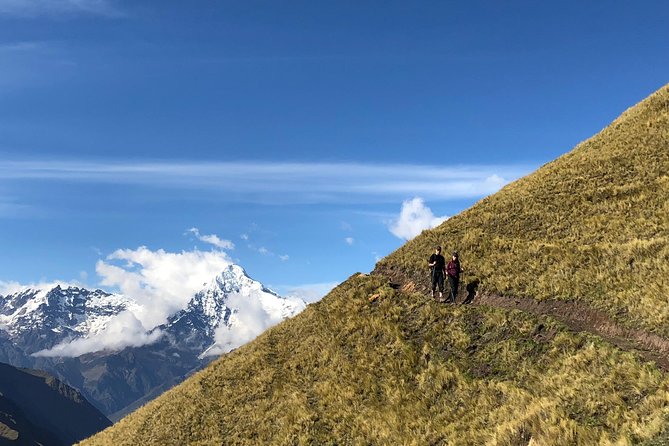
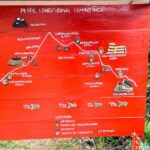
Day one starts with a pickup from your hotel in Cusco, followed by a drive of about 1h 45m to Soqma (10,512 ft). That first transfer is not glamorous, but it’s smart. It saves you time and puts you at altitude without wasting daylight.
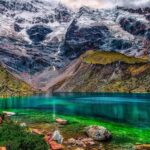
Once you start hiking, you’re walking into dramatic terrain right away. The trek begins with a 2-hour hike to the Perolniyoc cascade lookout. This is your first real payoff: a waterfall scene that hits hard because you’ve already earned it. Then you continue for about 45 minutes to the Inca site of the same name (Perolniyoc). Your guide shares history here, and you’re free to explore the ruins at your own tempo.
What I like about this structure is that it mixes hiking effort with a pause that feels meaningful. You’re not just snapping photos while marching onward. You get time to look, walk, and let the altitude and views settle in.
Next comes the first push upward. You’ll make a steep ascent for around 1 hour to reach your lunch spot: Rayan (12,139 ft). Lunch isn’t just fuel—it’s part of what makes this trek feel like a supported adventure. You sample what the chef does, and that first meal at elevation can be a morale booster.
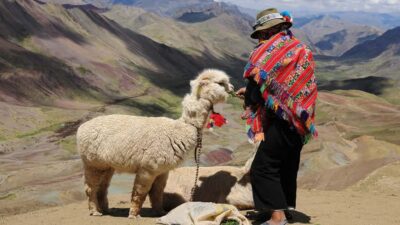
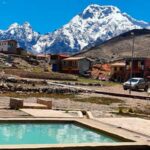
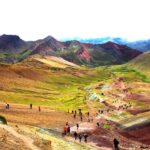
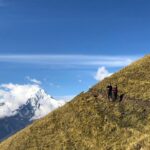
Then the afternoon turns into the serious work. You begin a challenging 3-hour uphill hike toward Kuychiccasa pass (14,599 ft). Along the way you pass rustic farm houses and you’ll see mountain details that keep the day interesting—views of the Nevadas peaks and llamas wandering in the background. At the top, you stop for a break and take in the Chancachuco Valley views.
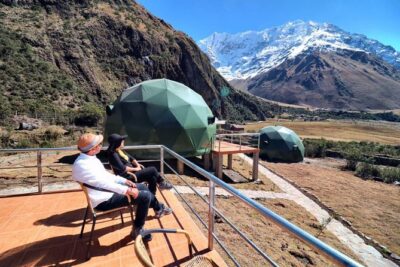
Finally, you descend for about 45 minutes to your campsite in the Chancachuco Valley (around 14,147 ft). The campsite is prepared when you arrive, and you can change into warmer clothing. This matters more than it sounds. High-altitude days can warm up fast, then cool you down just as fast once the sun drops.
Day 2 and Day 3: more Inca ruins and village passes on the quieter side
The full itinerary details for every single stop aren’t listed here, but the experience described is consistent: you keep trekking on the Ancascocha route past Inca ruins, through traditional Andean villages, and through changing terrain that keeps you alert.
Here’s how to think about day two and three in practical terms. After day one, your legs know what kind of climb you’re in for. That’s why small-group pacing tends to help. Your local guide can adjust the rhythm so you don’t spend the whole trek gasping. And when you reach ruins or viewpoints, the guide context keeps them from feeling like random stones in the mountains.
It’s also worth noting that this trek is pitched as an alternative to the busiest routes. That’s not marketing fluff—you can feel it in how the trail behaves. You’re more likely to experience stretches where the mountains feel like they belong to you and your group, not a parade of hundreds moving in the same direction.
If you’re hoping for a trek that feels like hiking plus cultural encounters—not just physical training—this is where you’ll notice the difference.
Day 4: Aguas Calientes and your guided Machu Picchu ruins visit
On day four you’re headed into the final act. You’ll spend one night at a B&B in Aguas Calientes, the town used as the base for many Machu Picchu visits. That night matters because it reduces pressure. Instead of trying to force the timing after three days of hiking, you arrive with a clearer head for the Machu Picchu day.
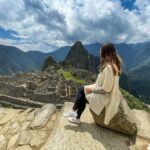
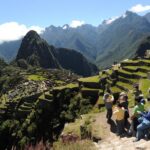
The tour includes a guided tour of Machu Picchu so you can understand what you’re seeing as you move through the site. Machu Picchu is gorgeous, sure. But it’s also a place where layout and purpose matter. A guide helps you notice the details you’d miss if you were scanning for Insta angles only.
One practical note: round trip bus tickets from Aguas Calientes to Machu Picchu on day 4 are not included. You’ll want to plan for that cost separately so you’re not scrambling at the last minute.
Food, camping, and the crew behind the scenes
The food plan on this trek is one of its stronger selling points. You get breakfast, plus buffet lunch and buffet dinner, and meals are part of what makes the trek feel smooth rather than chaotic. Since you’re camping for two nights, having food handled means you can focus on hydration and pacing instead of trying to “figure it out” each day.
Camping gear and national park fees are included too. That usually reduces stress the moment you realize how much stuff you’d otherwise need to carry or rent.
The crew support is also a big part of the value. In past group accounts, campsites arrive ready. That means you aren’t setting up everything yourself after a long day’s descent. Kitchen teams like Super Mario (listed in some group notes) and others such as Joel and Eliquin are mentioned as part of what kept meals satisfying.
And then there are the animal support teams. Names like Oskar and Elsa come up in connection with horse/mule care. Even if you personally don’t ride, that system helps move equipment so the trek stays comfortable enough for a wide range of hikers who still want challenge.
You can also read our reviews of more tours and experiences in Cusco

Fitness and altitude: this trek is not a casual stroll
This trek calls for strong physical fitness. That’s not just a legal line. Your day one includes both long uphill sections and a high pass. Kuychiccasa pass at 14,599 ft is the kind of elevation where your body gets loud: slower breathing, heavier legs, and that classic mountain fatigue.
So plan like an adult athlete, not like a weekend stroller:
- Take the climbs slow, even if you feel good early.
- Drink consistently. Altitude punishes you fast when you’re dehydrated.
- Wear layers you can adjust, because mornings and nights can feel totally different.
Also note the general suitability rules: children must be accompanied by an adult. This is not listed as a family “easy trek,” so if you’re traveling with kids, be realistic about the altitude and the daily hike effort.
Value check: is $730 a fair deal for 4 days?
At $730 per person, this trek lands in the midrange for a supported Machu Picchu route, but what matters is what you’re not paying extra for.
Included items that usually cost you time and money elsewhere:
- Camping gear
- Meals (breakfast, buffet lunch, buffet dinner)
- National park fees
- Hotel pickup and drop-off
- One night at a B&B in Aguas Calientes
Things not included (so you budget ahead):
- Excess luggage charges (if applicable)
- Alcoholic drinks
- Food and drinks outside what’s specified
- Round trip bus tickets from Aguas Calientes to Machu Picchu on day four
When you add that up, the price starts to look less like a flat fee and more like a package where logistics are handled for you. If you’ve ever had to build your own “hike + camps + permits + food + transport” plan, you know how quickly costs and headaches stack up.
This is also where the small-group size becomes part of value. With fewer people, you typically get more attention when you need it, especially on demanding segments.
Who should book this trek (and who should think twice)
You’ll likely love this trek if you want:
- A Machu Picchu finish without lining up on the busiest routes
- A guided day at Machu Picchu where the ruins make sense
- A trek with Inca sites, waterfall time, and village scenery, not only viewpoint hikes
- A supported camping experience where you can trust camps are ready when you arrive
You should think twice if:
- You’re not comfortable hiking at high altitude
- You’d rather avoid steep climbs entirely
- You’re sensitive to cold evenings in the mountains and don’t plan layers
If your goal is classic trek bragging rights with a calmer trail feel, this hits the sweet spot.
Should you book Ancascocha 4D/3N to Machu Picchu?
I’d book it if you want a supported, smaller-group trek with clear structure: hiking days with real stops, camping handled for you, and a guided Machu Picchu day that turns the ruins into something you understand.
I wouldn’t book it if the idea of Kuychiccasa pass and high-elevation hiking makes you nervous. That’s not a failure of will. It’s smart to choose a route that fits your fitness reality.
If you like the idea of seeing Machu Picchu after a quieter trek through Inca ruins and Andean village life, this one makes a lot of sense.
FAQ
How long is the Ancascocha Trek to Machu Picchu?
It runs about 4 days and 3 nights.
Where does the trek start, and is pickup included?
The trek starts in Cusco, with hotel pickup included. From Cusco, you drive about 1h 45m to the starting point at Soqma.
How large is the group?
The tour has a maximum of 30 travelers.
What food and camping support are included?
Camping gear, meals, and national park fees are included. You also get breakfast, buffet lunch, and buffet dinner during the trek, plus one night at a B&B in Aguas Calientes.
Is Machu Picchu entry handled, and is there a guide?
You’ll enjoy a guided tour of the Machu Picchu ruins as part of the experience.
Do I need bus tickets from Aguas Calientes to Machu Picchu?
Yes. Round trip bus tickets from Aguas Calientes to Machu Picchu on day 4 are not included.
What fitness level do I need?
You should have a strong physical fitness level, since the trek includes challenging uphill hiking and high-altitude sections.
Can children join the trek?
Children must be accompanied by an adult.
Is cancellation free if plans change?
Yes. You can cancel up to 24 hours in advance for a full refund. If you cancel within 24 hours of the start time, the amount you paid will not be refunded.