REVIEW · CUSCO
Salkantay Trek 4 Days to Machu Picchu by Glamping Sky Lodge Dome
Book on Viator →Operated by Quechuas Expeditions · Bookable on Viator
Four days later, Machu Picchu feels close. This Salkantay trek with Sky Lodge Dome glamping gives you warm shelter at altitude plus meals and afternoon hot teas that keep you moving. The big consideration is the cold: even in a dome, nights at the high camps can be very chilly.
What I like most is that you’re not just hiking and hoping for the best. You get early starts, a solid support team (guides, cook, horsemen), and a guide who’s focused on comfort and altitude pacing. The Machu Picchu morning is also handled smartly, with a real choice: walk up for sunrise timing or catch the first bus.
In This Review
- Key things I’d book this for
- Why Salkantay Trek 4 Days Is Worth Your Time
- Day 1: A 4:30 a.m. Start, Cruzpata Views, and Soraypampa at 3800 m
- Day 2: The 4650 m Pass, Cloud Forest Downhill, and the Shift Toward Jungle
- Day 3: Upper Jungle Walking, Lluskamayo River Crossings, and La Playa
- Day 4: The Machu Picchu Morning—Walk Up or Take the First Bus
- Sky Lodge Dome Glamping: Comfort, Hot Water, and Camp Rhythm
- Guides, Cook, and the Support Team That Keeps This Trek on Track
- Price and Logistics: What Your $761.91 Buys (and What Costs Extra)
- Packing and Altitude Reality Check: What Actually Matters
- Who Should Book This Salkantay Dome Trek—and Who Should Consider Another Option
- Should You Book This Salkantay Trek to Machu Picchu With Glamping Sky Lodge Dome?
- FAQ
- What time do they pick you up in Cusco?
- Does the tour include meals?
- Is there a vegetarian option?
- What kind of lodging do I get on the trek?
- Are Machu Picchu entrance fees included?
- How do I get to the trailhead?
- How much can I carry personally?
- Is the return trip to Cusco included after Machu Picchu?
- Can I change or get a refund if my plans change?
Key things I’d book this for
- Dome glamping instead of ground tenting, right when the temps drop
- A real small-group feel with a maximum of 19 people
- High-pass views at 4650 m, with a real chance of snow
- Support built in: guide team plus cook, and horsemen carrying up to 7 kg
- Machu Picchu at dawn plus a guided walking tour before you explore on your own
Why Salkantay Trek 4 Days Is Worth Your Time
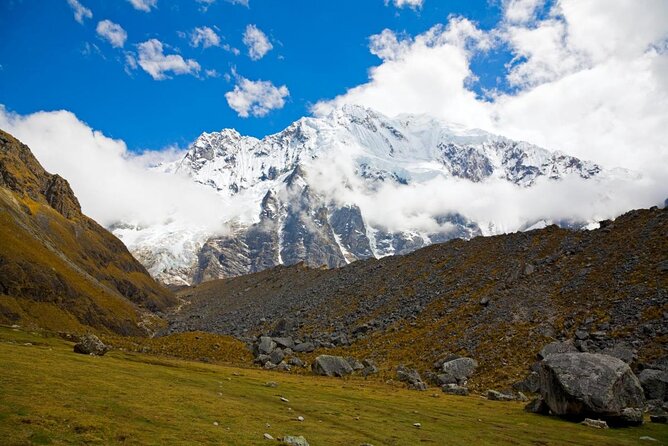
The Salkantay route is popular for a reason: it’s not one “pretty day.” It’s a mix of severe and soft. You climb toward snow peaks, drop into cloud forest, and then shift gears into upper-jungle walking with rivers, waterfalls, and tropical plants.
If your main goal is Machu Picchu, this trek gets you there the right way. You arrive with legs, lungs, and curiosity already tuned in. And instead of only looking at ruins, you spend days watching how the Andes changes as elevation shifts.
This is also a logistics-friendly version of the trek. You’re picked up in Cusco, transported to the trailhead area by tourist bus, fed by a dedicated cook, and moved between camps and then to Aguas Calientes. That matters because Salkantay punishes wasted energy.
You can also read our reviews of more hiking tours in Cusco

Day 1: A 4:30 a.m. Start, Cruzpata Views, and Soraypampa at 3800 m
You’ll get picked up from your hotel at about 4:30 a.m. and drive around 3 hours toward Mollepata, then you’ll start trekking early. While you’re having breakfast, the cook and horseman coordinate the camping equipment and cooking setup—so once you start moving, it’s not chaos.
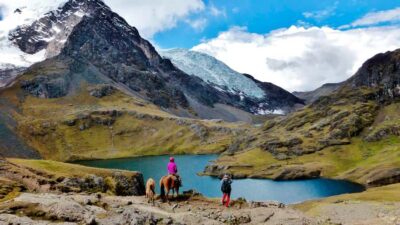
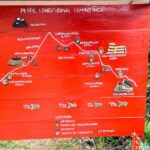
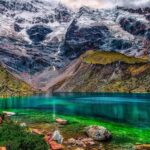
The first hiking segment includes a bit of uphill work to reach Cruzpata. This is where the route starts rewarding you immediately. Lunch happens with panoramic views of the big hitters: Humantay (4120 m) and Salkantay (6271 m). This is more than a meal break. It’s your first real “what am I doing with my life” moment when the scale clicks.
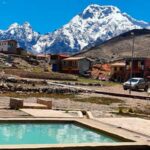
After lunch, you continue toward Soraypampa, your first campsite. It sits at about 3800 m, and it’s described as the highest and coldest campsite of the trek. Practically, that means Day 1 can feel like a sprint followed by a cold-night reality check.
Day 2: The 4650 m Pass, Cloud Forest Downhill, and the Shift Toward Jungle
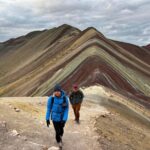
Day 2 is the one you plan around. You start walking around 5:30 a.m., and the early miles are uphill. Roughly the first 4 hours bring you to the highest point of the trek at about 4650 m, located halfway between Salkantay and Tucarhuay.
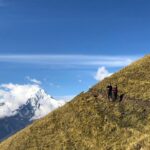
From the pass, the views are the headline. There’s also a real possibility of snow here, which is a useful mindset even if conditions end up mild. At altitude, weather changes fast, and your best defense is layering and calm pacing.
After that, you rest, then move downhill. This is where the trail changes character: you pass through dramatic cloud forest on the way to Huayracpunku for lunch. Then you continue deeper toward the start of the jungle and reach Chaullay.
Here’s one of those smart practical touches: you take local transportation for about 1 hour to reach the Loreta La Playa Coffee Campsite. That ride is there for a reason—it saves you from forcing one more long chunk of hiking after the day’s climb.
Day 3: Upper Jungle Walking, Lluskamayo River Crossings, and La Playa
You’ll wake, eat breakfast, and start trekking around 6:30 a.m. Day 3 focuses on walking through the upper jungle. The route includes crossing the Lluskamayo River and dealing with small brooks along the trail.
The best part of this day is the variety of sights you’re chasing without needing constant altitude drama. You’ll move through valleys and see waterfalls, plus tropical fruits and plants. Even when you’re tired, this kind of scenery keeps your brain from turning into a single-track loop of oxygen math.
You should expect about 6 hours of walking to reach La Playa. That timing matters because it affects how much time you have to enjoy camp and prep for Machu Picchu Day 4. On this route, the goal is to finish the day with enough energy to sleep well and not wake up cranky.
Day 4: The Machu Picchu Morning—Walk Up or Take the First Bus
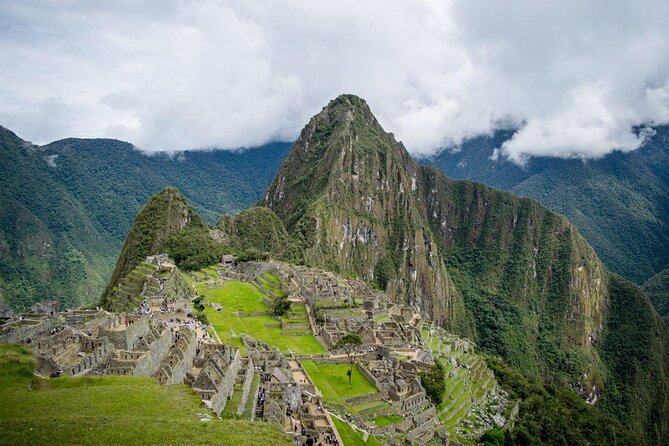
Machu Picchu day starts early, around 4:00 a.m. You get breakfast around 4:30 a.m. and then head for Machu Picchu. The standard walking option takes about 1.5 hours up.
There’s a second option if you want to prioritize sunrise timing without the extra climb: catch the first bus leaving at 5:30, a ride of about 25 minutes. Either way, the aim is to appreciate Machu Picchu as the sun rises.
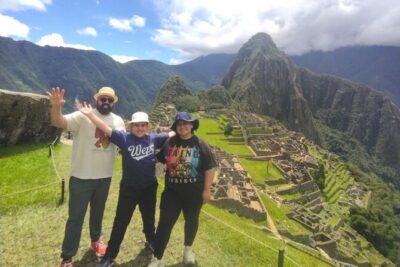
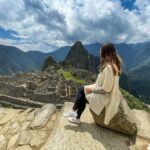
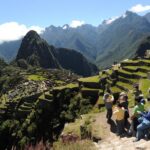
Once you arrive, you get a guided walking tour of about 2 hours. After that, you explore on your own. This is a good setup because the guide helps you connect what you’re seeing, then you get freedom to slow down where your eyes want to linger.
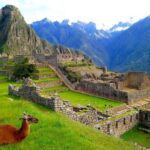
Also, note the tour includes the Machu Picchu entrance fee, so you’re not juggling last-minute payments before one of the biggest mornings of your life.
You can also read our reviews of more tours and experiences in Cusco

Sky Lodge Dome Glamping: Comfort, Hot Water, and Camp Rhythm
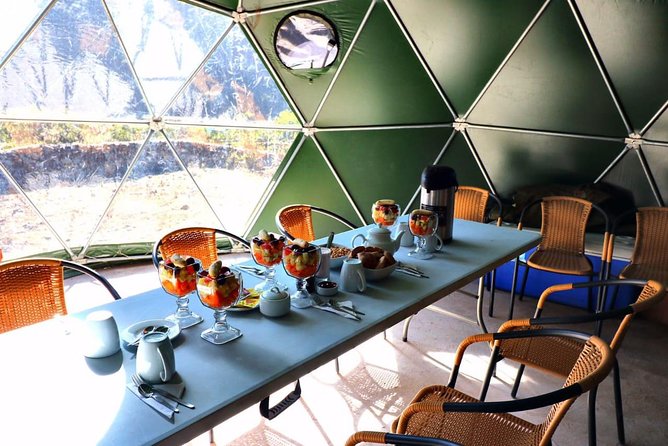
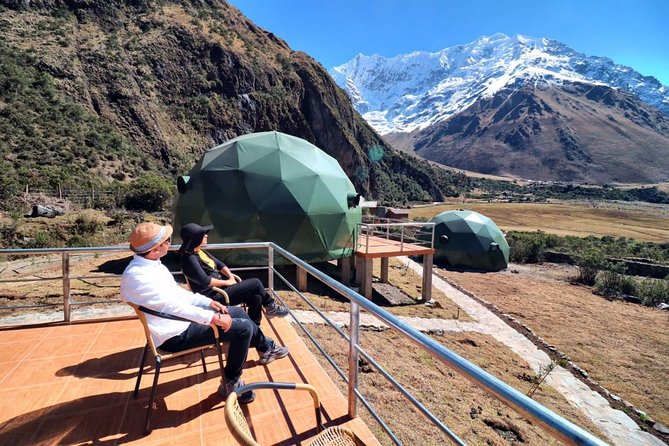
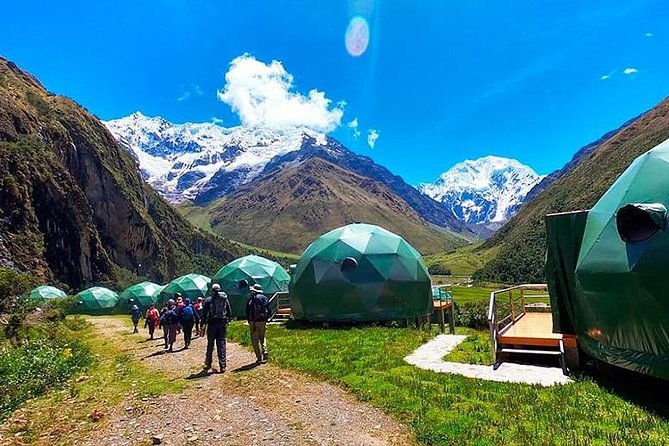
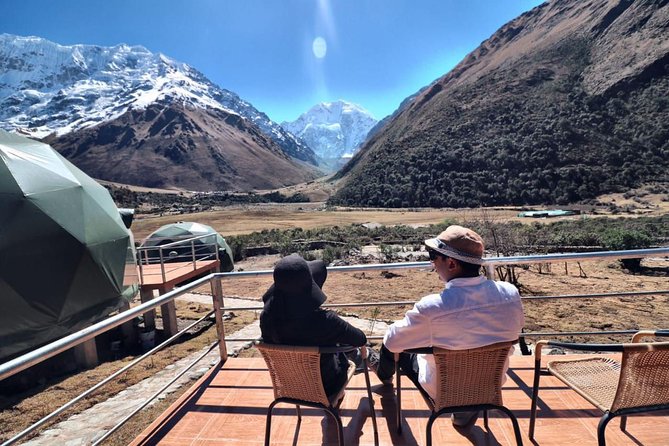
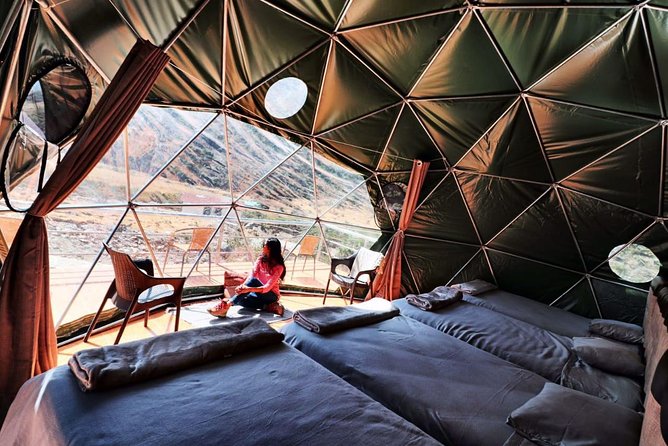
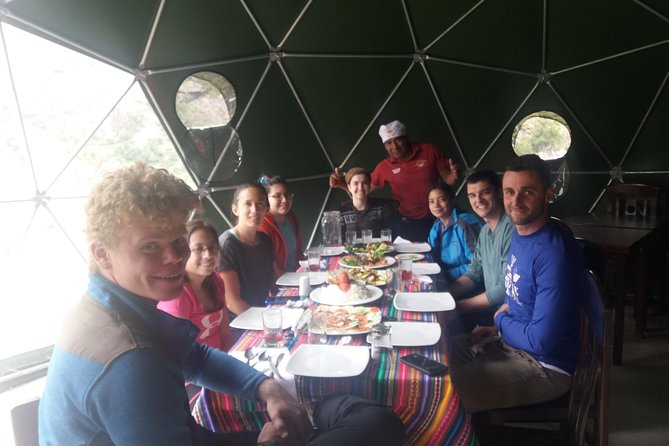
The headline comfort feature here is the Sky Lodge Dome accommodation. Instead of standard tenting, you get dome-style lodging, which helps with wind and warmth when the temperature drops.
Cold at night is part of Salkantay reality—especially given that Soraypampa is positioned as the coldest campsite. The dome experience is a practical upgrade. It doesn’t erase altitude, but it makes sleeping far more realistic.
Food is also built into the rhythm. You’ll get 3 breakfasts, 3 lunches, 3 dinners, plus 3 afternoon hot teas. In real terms, this means you’re not trying to budget energy with snacks while everyone else moves on. It’s also consistent enough that you can eat the same “maintenance plan” every day.
Vegetarian travelers get a real option with no extra cost. That matters on treks because menu surprises can derail energy. From the way the camp food is described, the cook’s meals are a highlight, not an afterthought.
You also get 1 night in a hotel in Aguas Calientes with private shower and bathroom. That’s a major quality-of-life shift after several nights at camp. After walking days, that shower is not a luxury. It’s recovery.
Guides, Cook, and the Support Team That Keeps This Trek on Track
This tour includes a professional guide (English and Spanish) and an assistant guide for groups over 8 people. In practice, that staffing level helps with pacing and safety, especially when altitude and trail conditions start testing different fitness levels.
The reviews around guide performance point to a strong focus on comfort and attention. Names that show up include Fernando, Nildo, and Jose, with assistant support such as Steven and Adela in some group setups. The point isn’t the name. The point is the behavior: guides who check in, adjust pacing, and keep the group informed about what’s ahead.
One very practical detail from the trek vibe: guides may share coca leaves and talk about acclimation. That’s not a miracle fix, but it reflects how the team pays attention to altitude coping, not just the view at the top.
Behind the scenes are the horsemen and the cook. Horsemen carry gear and also your personal items up to about 7 kg. You’ll get a duffel bag for personal belongings and rain ponchos. And the tour includes a first-aid kit with emergency oxygen, which is exactly the kind of backup you hope you never need.
Price and Logistics: What Your $761.91 Buys (and What Costs Extra)
At about $761.91 per person, this trek price is doing a lot of heavy lifting. You’re paying for:
- hotel pickup in Cusco and transit to the trailhead
- a guide team plus cook, plus horsemen/porters support
- dome glamping accommodation during the trek
- meals across the days (with hot teas in the mix)
- transportation to Aguas Calientes and back via train and bus
- Machu Picchu entrance already included
You’re not just buying hiking. You’re buying planning, meals, and movement between key waypoints—plus the hotel night and the rail/bus return.
What’s not included is important for your budget:
- Breakfast day 1 and lunch day 4 are not included
- entrance fees: Salkantay & Humantay 20 soles
- an additional admission fee: Salkantay Trek and Humantay Fee 20 PEN per person
Also, you should know the tour is listed as non-refundable and non-changeable for any reason. That’s not a “gotcha,” but it is a real decision factor if your schedule is fragile.
Finally, this is a popular route. It’s often booked about 29 days in advance on average, so if you have a firm travel window, reserve early rather than gambling.
Packing and Altitude Reality Check: What Actually Matters
The trip says there’s no special equipment needed beyond regular trekking gear. Still, Salkantay is not a weekend hike. Follow the kit guidance and you’ll feel smarter on Day 2.
Plan around cold and rain. You’ll want:
- a sleeping bag rated to -11 C / 12 F (recommended in the packing list)
- a rain poncho or rain jacket (ponchos are included, but bringing your own comfort item can help)
- a wind/rain pant option and warm layers like fleece or a wind stopper jacket
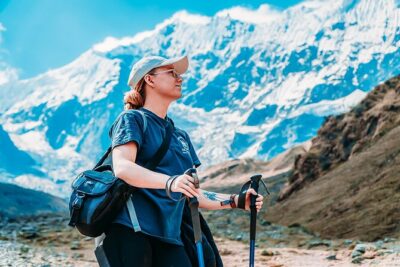
- trekking poles and a headlamp
- UV protection: sunglasses with good UV and sunblock
Footwear matters because you’ll walk on changing terrain. Bring solid trekking boots and good socks (they recommend wool or synthetic socks). Pack enough socks for multiple days.
Water is handled, too. You’ll bring a water bottle and water sterilizing tablets (Micropur are mentioned). Bottled water is sold in parts of the trek, but your guide will advise how to handle it at briefing.
And one more practical tip: pack like someone who expects cold mornings. You’ll be leaving early, so you’ll want your gloves, hat, and layers easy to grab.
Who Should Book This Salkantay Dome Trek—and Who Should Consider Another Option
This trek fits best if you:
- want a 4-day route to Machu Picchu with real scenery variety
- like the idea of dome glamping instead of sleeping on the ground
- appreciate a structured plan: early starts, meals handled, camps moved for you
- can handle a tough day on the pass, with possible snow at 4650 m
You might think twice if you’re sensitive to cold nights and don’t have the gear to match. Even with the dome comfort upgrade, the route includes a cold campsite and a big altitude push.
If you’re traveling solo, the small group size (max 19) and consistent guide support can feel steady. If you’re traveling with family or a mixed fitness group, guide attention and pacing adjustments are a key advantage.
Should You Book This Salkantay Trek to Machu Picchu With Glamping Sky Lodge Dome?
If your priority is value-for-effort—plus comfort that actually helps at altitude—this is a strong choice. The dome lodging, the meal support, and the guided pacing make it easier to focus on the experience instead of logistics.
I’d book it if you want:
- a guided, small-group Salkantay experience
- dome sleeping during cold high points
- Machu Picchu at sunrise with a guide-led orientation
- train and bus included for the return
I’d hesitate only if your schedule is changeable or you’re not prepared for very early mornings and cold temperatures at altitude. If you can plan for that, this trek can be one of those trips where the days before the ruins are just as important as the ruins themselves.
FAQ
What time do they pick you up in Cusco?
You’ll be picked up from your hotel at about 4:30 a.m. The start time is listed as 5:00 a.m.
Does the tour include meals?
Yes. It includes 3 breakfasts, 3 lunches, and 3 dinners, plus 3 afternoon hot teas. Breakfast day 1 and lunch day 4 are not included.
Is there a vegetarian option?
Yes. Vegetarian meals are available with no extra cost.
What kind of lodging do I get on the trek?
Accommodation is Sky Lodge Dome style. You also get 1 night in a hotel in Aguas Calientes with a private shower and bathroom.
Are Machu Picchu entrance fees included?
Yes. The Machu Picchu entrance fee is included.
How do I get to the trailhead?
A tourist bus is included from Cusco to Challacancha (trailhead).
How much can I carry personally?
Horsemen/porters carry food, camping, cooking equipment, and personal belongings up to 7 kg. You’ll also receive a duffel bag for your personal items.
Is the return trip to Cusco included after Machu Picchu?
Yes. You get a train back from Aguas Calientes to Ollantaytambo, then a bus back to Cusco.
Can I change or get a refund if my plans change?
No. The experience is non-refundable and cannot be changed for any reason.