REVIEW · CUSCO
Classic Inca Trail 4 days to Machu Picchu
Book on Viator →Operated by Quechuas Expeditions · Bookable on Viator
That first step onto the Inca Trail feels unreal. This classic 4-day trek pairs the famous route, dense jungle walking, and a finale at Machu Picchu via Sun Gate. If you want the full “this is the real deal” arc without playing logistics roulette, this itinerary is built for you.
I love that your core logistics are handled: pickup in Cusco, transfer to the trailhead at km 82, camping gear and porters, then the ride back from Aguas Calientes to Ollantaytambo and on to Cusco. I also love the people side of the trip—our experience centers on a guide like Freddy, with strong knowledge of Quechuan history and culture, plus cooking by Armando, who turns camp meals into something you actually look forward to.
One drawback to weigh: the overall company setup (not the trail team) can feel uneven. In one case, there were issues with clean portable toilet availability and with water treatment, and the guide’s coverage after Machu Picchu wasn’t fully explained in advance.
In This Review
- Key Highlights You’ll Care About
- From Cusco Hotel to km 82: Starting the Inca Trail Right
- Day-By-Day Walking: Jungle Steps, Inca Sites, and Camps
- Camping Setup: Why Porters and Gear Inclusion Matter
- Guide Freddy, Cook Armando: The Human Side of the Trek
- Machu Picchu via Sun Gate: The Big Finish Moment
- Return Travel: Train Back from Aguas Calientes to Cusco
- Price and Value: Is $1,050 a Good Deal?
- What to Bring: Packing That Matches the Conditions
- Potential Red Flags with Quechuas Expeditions (Based on Reported Experience)
- Who This Trek Fits Best
- Should You Book the Classic 4-Day Inca Trail?
- FAQ
- How long is the Classic Inca Trail tour to Machu Picchu?
- Where does the trek start?
- What’s included in the price?
- Are meals included, and is there a vegetarian option?
- How do you return to Cusco after Machu Picchu?
- How big is the group?
- What should I bring?
- Is there a refund if I cancel?
- Additional Questions You Might Have
Key Highlights You’ll Care About
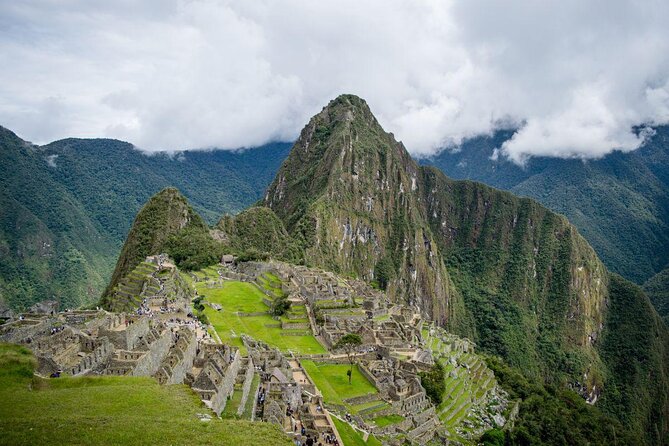
Classic Inca Trail finish through Sun Gate brings you to Machu Picchu the way most people dream of.
Meals and gear logistics are included with camping equipment and porter support.
Guide Freddy and cook Armando style the trip around culture and solid camp food.
Small group cap (16 travelers) keeps the trail experience more manageable.
Permits and tickets are covered for both the Inca Trail and Machu Picchu entry.
The return route is mapped out with train to Ollantaytambo and bus back to Cusco.
From Cusco Hotel to km 82: Starting the Inca Trail Right
This trek doesn’t start with you wandering around Cusco hoping you found the right bus. You get pickup from your hotel and a transfer out to km 82, the main trailhead area for the Inca Trail route used by this classic itinerary.
That matters more than it sounds. On a multi-day high-effort hike, your first win is showing up ready to walk—not already annoyed, cold, or late. The transfer takes care of the “get there” part so you can focus on the rhythm your body needs.
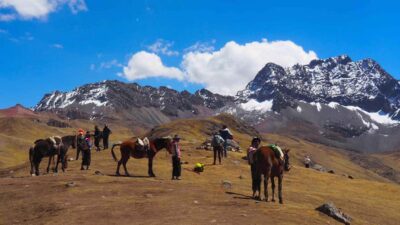
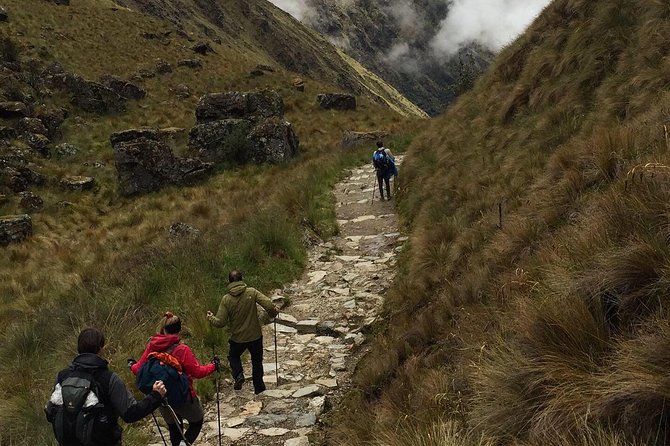
Once you’re at the trailhead, you’ll shift quickly from city energy into trail energy. Expect jungle trail hiking. The route is known for thick, humid sections where the air can feel like it’s pressing in, and that’s a big reason this itinerary is best for people with strong fitness and patience.
You can also read our reviews of more tours and experiences in Cusco

Day-By-Day Walking: Jungle Steps, Inca Sites, and Camps
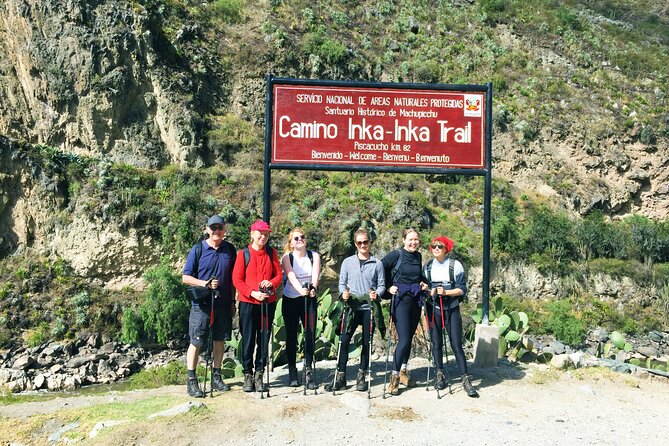
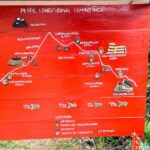
The classic 4-day Inca Trail is famous for a reason: it stacks together Incan sites, scenery, and big physical work without turning the trek into a chore-factory. Your tour is structured around the classic rhythm of hiking, camp life, and landmark stops that build toward Machu Picchu.
Here’s the honest way to picture it. You’re not just doing a long hike. You’re doing a long hike with stages. Some parts will feel like steady effort—hours of walking where you settle into breathing and cadence. Other parts can feel steeper or more demanding, especially in humid jungle conditions.
What makes this itinerary feel like a true Inca Trail experience is the pacing and the support. Your professional tour guide leads the way through the dense jungle, and your porters handle the heavy camp load. That means you carry what you need personally, not everything required for camp cooking and sleeping.
The food schedule reinforces that pacing. Over the four days you receive 4 breakfasts, 4 lunches, and 3 dinners, with specific exclusions noted for breakfast day 1 and lunch day 4. In practice, that usually means your first morning is simpler (you’re moving early), and your last day eases off as you transition into the Machu Picchu and return travel flow.
Camping Setup: Why Porters and Gear Inclusion Matter
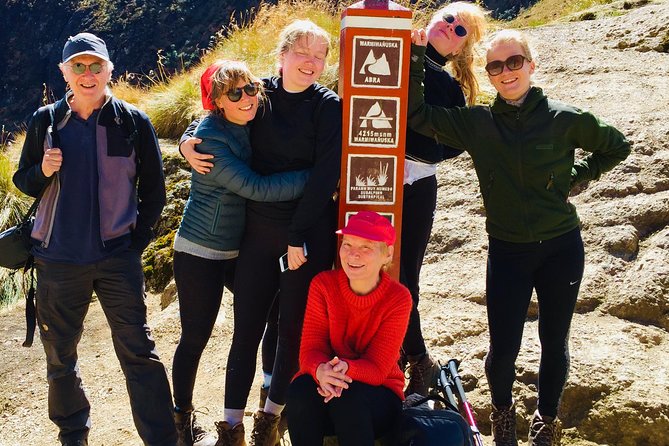
Many tours advertise the same words—camping, trekking, permits. This one also includes the practical stuff that keeps your trip realistic.
Your package includes camping equipment such as tents, air mats, cooking tents, and portable chairs/tables. It also includes porters who carry all camping equipment and food. That’s a huge value piece. On an Inca Trail itinerary, your comfort and morale often hinge on whether you have a real camp setup at night.
And yes, “morale” counts. You’re doing big uphill efforts and long walking days. After that, sleeping on the ground with insufficient gear can turn a beautiful trek into a grind. With air mats and proper camping staging included, you’re less likely to wake up feeling like you got hit by a truck.
A small detail that matters: the tour notes a vegetarian option with no extra cost. If you eat vegetarian, that’s not just a menu preference. It’s a confidence boost that you won’t end up hungry or frustrated while the rest of the group eats.
Guide Freddy, Cook Armando: The Human Side of the Trek
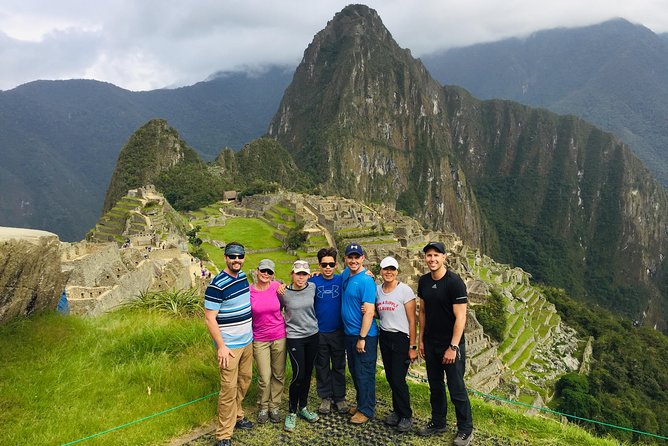
The best part of a multi-day trek is not the brochure. It’s the team that runs it.
In this case, the guide Freddy is singled out for strong knowledge of Quechuan history and culture, with an approach that goes beyond “here’s the view, next stop.” That kind of context changes how you see the ruins. You start noticing patterns, purposes, and how the landscape connects to the Inca worldview.
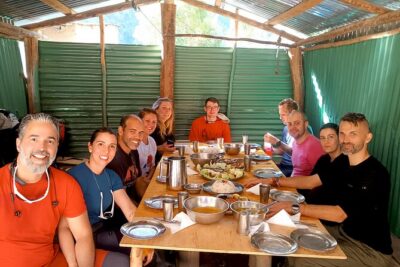
Then there’s Armando, the cook. Camp cooking can range from fine to genuinely good. In one detailed account, Armando’s meals were described as worthy of a fine restaurant, despite being prepared with camp equipment. That’s exactly the kind of difference you feel on day two and day three, when your body is relying on steady fuel and hydration.
Porters also deserve your respect here. The porters are described as extremely capable, helpful, and kind. That’s important because they’re not just carrying bags. They’re setting up camp, supporting the cooking process, and keeping the daily system moving.
Machu Picchu via Sun Gate: The Big Finish Moment
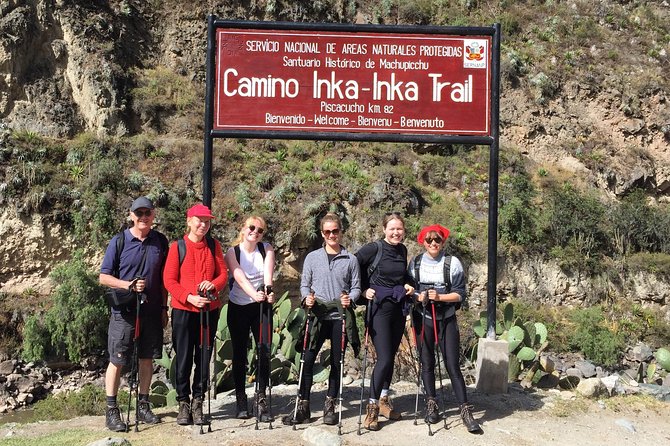
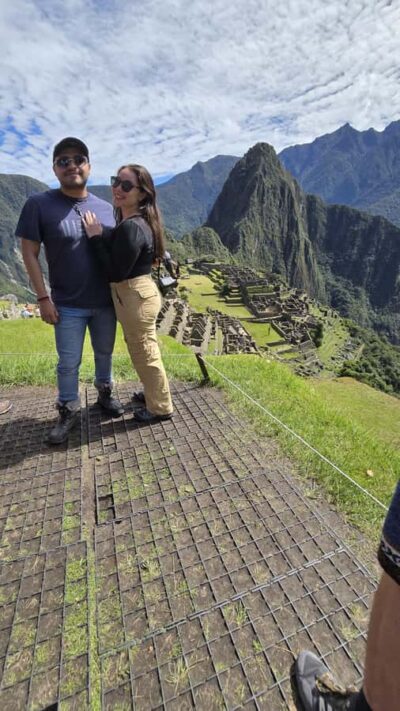
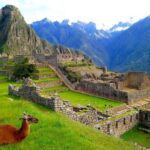
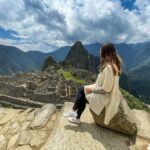
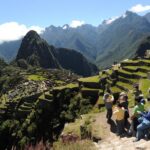
The finale is why people book the classic trek. This itinerary brings you to UNESCO-listed Machu Picchu, arriving through the Sun Gate route. The Sun Gate approach is famous for a reason: it gives you that first full-on view moment that makes all those steps feel worth it.
You should plan for an early, effort-heavy final day. Even if the last section isn’t the longest, it tends to feel intense because it’s timed around getting you to the right viewpoints and entry flow. This is where fitness matters most. If you’ve trained enough to handle steep or sustained walking, you’ll enjoy it more. If not, you’ll still reach Machu Picchu, but you might feel like you’re sprinting your way there instead of savoring it.
Once you’re at Machu Picchu, the experience becomes about your pacing. Give yourself time to look closely. The best moments aren’t always the wide postcard angles. They’re the small alignments, the terraces, and the way paths connect the space.
Return Travel: Train Back from Aguas Calientes to Cusco
After Machu Picchu, the itinerary transitions you into real-world logistics: leaving the site, managing the next transport segment, and getting back to Cusco.
Your route includes:
- Train expedition back from Aguas Calientes to Ollantaytambo
- Then a bus back to Cusco
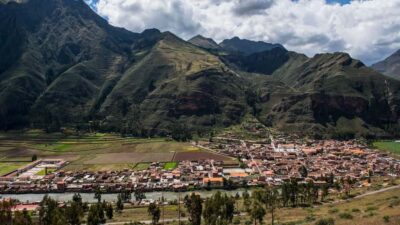
That’s a solid value element. It removes the need to coordinate multiple transfers after your hike. When you’ve already spent days walking, the worst thing you can do is add extra uncertainty to your final travel day.
One caveat from a real account: the guide’s accompaniment after Machu Picchu to the hotel wasn’t complete as expected. You still had to handle parts of the transport process on your own in that case, even though the guide helped ensure getting onto the train went smoothly. So if you hate dealing with tickets and transit while tired, know that this is the one area where you may need extra focus or flexibility.
Price and Value: Is $1,050 a Good Deal?
At $1,050 per person for a 4-day classic trek, this is not a budget hike. It’s a “pay for support” hike. That price makes sense if you value the included pieces that usually cost time, money, or stress when they’re not handled for you.
What you’re paying for:
- Permits and tickets for both the Inca Trail and Machu Picchu
- Pickup and transfer from Cusco to km 82
- Camping gear and porters (the big-ticket labor value)
- A guide and camp food coverage across most meals
- The return travel route by train to Ollantaytambo and bus to Cusco
- A small group cap: maximum 16 travelers
That said, value isn’t only about what’s listed. Value is also about how smoothly the system runs on the ground. One critical downside reported: disorganization can show up in practical comfort items like toilet setup and water treatment. If clean toilet access and treated water are must-haves for you, consider this a factor before booking.
What to Bring: Packing That Matches the Conditions
You don’t want to show up underprepared for jungle humidity and cold nights. This tour includes specific guidance on gear and clothing, and you should take it seriously.
Plan on bringing items such as:
- A sleeping bag rated to -11 C / 12 F
- A rain poncho or rain jacket
- Wind/rain pants (Gore-tex or similar)
- Trekking poles (2 are recommended)
- A headlamp
- A good day backpack
- UV-protective sunglasses, sunblock, and lip balm
- Insect repellent
- Gloves and a hat (fleece or wool)
- A water bottle and water sterilizing tablets (Micropur)
- Trekking boots (a used pair is listed, plus socks)
Also consider footwear reality. You’ll be walking for days, and jungle weather can mean wet trail sections. Bring socks you trust in damp conditions—two pairs of wool or synthetic socks are part of the recommended kit.
Finally, bring a camera plan. The day you reach Machu Picchu will tempt you to shoot constantly. Extra batteries and a system for keeping gear dry are smart moves.
Potential Red Flags with Quechuas Expeditions (Based on Reported Experience)
I think it’s fair to separate two things: the people on the ground and the company’s operational details.
The guide (Freddy), cook (Armando), and porters are described in strong terms: knowledgeable guidance, good camp meals, and very capable, kind porter support. That’s the heart of a successful trek.
But the company experience can lag behind the trail team. In a pointed account, there were problems with:
- Toilet facilities: no clean portable toilet provided, forcing use of poor bathroom conditions along the Inca Trail
- Water treatment: no treated or filtered water provided, requiring the guest to rely on their own water filter
- Guide coverage after Machu Picchu: the guide was not scheduled to accompany all the way back to the hotel, and the guest had to manage parts of the transition to Aguas Calientes and the train process
None of these change the fact that you’ll do the Inca Trail and arrive at Machu Picchu. But they do affect comfort, confidence, and how much mental energy you spend on logistics while you’re tired.
My practical advice: if you book, pack like you’re responsible for your own hydration and comfort backups. Bring your water treatment tools (you’re already advised to), and expect you might need to handle at least some final-day transit steps even with a guide.
Who This Trek Fits Best
This is a classic trek, meaning it fits best when you match the effort level.
You’ll likely love it if:
- You’re physically fit and can handle long walking days
- You want an organized trek with permits, camping gear, and porters handled
- You want a guide to provide cultural context, not just route directions
- You care about arriving at Machu Picchu via Sun Gate
You might want a second look if:
- You’re very sensitive to sanitation details and depend on strong infrastructure support
- You assume the company will always provide treated water (this one may not, based on reported experience)
- You want guaranteed guide accompaniment for every single step after Machu Picchu
Should You Book the Classic 4-Day Inca Trail?
If your dream is the Inca Trail to Machu Picchu with the big Sun Gate reveal, this itinerary delivers the core package: trail + permits + camping + meals + return transport. The emphasis on strong on-trail leadership, including Freddy and Armando, is also a real trust builder.
I’d book it if you’re prepared for “trail reality.” Bring your own water treatment plan, keep your expectations realistic about camp comfort logistics, and stay flexible on final-day transit flow. You’re paying for an organized route, not a perfect customer service machine.
If those weak points would ruin your trip—poor toilets, no treated water, and any uncertainty after Machu Picchu—then you may prefer comparing other operators so you can choose one with more consistent operational details.
FAQ
How long is the Classic Inca Trail tour to Machu Picchu?
It’s a 4-day trek, with the duration listed as approximately 4 days.
Where does the trek start?
You’re picked up in Cusco and transferred to the trailhead at km 82.
What’s included in the price?
The tour includes pickup and transfer from Cusco to km 82, a professional tour guide, camping equipment, meals (4 breakfasts, 4 lunches, 3 dinners, with breakfast day 1 and lunch day 4 not included), Inca Trail and Machu Picchu permits and tickets, porters to carry camping equipment and food, plus the train and bus return route.
Are meals included, and is there a vegetarian option?
Yes. You get 4 breakfasts, 4 lunches, and 3 dinners, with the exceptions of breakfast day 1 and lunch day 4. A vegetarian option is available with no extra cost.
How do you return to Cusco after Machu Picchu?
You take the train from Aguas Calientes to Ollantaytambo, then a bus back to Cusco.
How big is the group?
This tour/activity has a maximum of 16 travelers.
What should I bring?
You’ll need trekking boots, rain gear, a sleeping bag rated to -11 C / 12 F, a headlamp, trekking poles, a day backpack, a water bottle, water sterilizing tablets, and recommended clothing for wind and cold.
Is there a refund if I cancel?
No. This experience is non-refundable and cannot be changed for any reason.
Additional Questions You Might Have
If you want, tell me your fitness level and month you’re going. I can help you sanity-check the gear list and plan what to prioritize for comfort on the trail.