REVIEW · CUSCO
Lima: 7-Day Inca Tour with Flights and Machu Picchu
Book on GetYourGuide →Operated by Inkayni Peru Tours · Bookable on GetYourGuide
If you like your Peru in one tight loop, this is it. I liked how the trip links big-ticket sites with hands-on moments like sandboarding and the salt mines. One watch-out: airport pickup timing can be confusing if you don’t double-check meeting points.
The small group setup keeps the day-by-day plan from feeling like a cattle stampede, and I especially appreciate that you get a guide on every major stop. Still, the itinerary is altitude-heavy and includes an early start hike at 5,020 m, so you’ll want to be realistic about your stamina.
In This Review
- Quick highlights that matter (not just a checklist)
- Lima’s Plaza Mayor day and Huaca Pucllana’s hidden surprise
- Paracas, Ica, and Huacachina: sea lions, pisco, and fast sand
- Cusco arrival and acclimatization: the “don’t rush” day
- Chinchero weaving, Moray terraces, and Maras Salt Mines
- Train to Aguas Calientes, then Machu Picchu by bus and guide
- Rainbow Mountain early start: 4–5 AM for Ausangate views
- Hotels, meals, and the pace you should plan for
- Price and logistics: does $1,379 feel like value?
- Who this 7-day Lima to Machu Picchu route is best for
- Should you book this tour?
- FAQ
- What’s included in the $1,379 price?
- Are Huayna Picchu or Machu Picchu Mountain included?
- What time do you leave for Rainbow Mountain, and how long is the hike?
- How high will we reach during the trip?
- How large is the group, and what languages will the guide speak?
- What should I bring for this tour?
- Is this tour suitable for wheelchair users or pregnancy?
Quick highlights that matter (not just a checklist)
- Machu Picchu with guided temple focus, plus optional summit add-ons if you want the extra views
- Huacachina sandboarding and buggy rides for a break from museums and ancient stones
- Maras Salt Mines + Moray terraces in the same day, which makes the Inca food-and-water story click
- Rainbow Mountain sunrise timing (4 to 5 AM) so you’re on the trail before the crowds and heat
- Professional guide in English/Spanish for interpretation, not just photo stops
- Small-group feel (limited capacity, typically 2–12 people)
Lima’s Plaza Mayor day and Huaca Pucllana’s hidden surprise
Lima can feel like a stopover in some itineraries. Here, it starts as a real warm-up day, which I like, because you get oriented before the altitude and the long travel days.
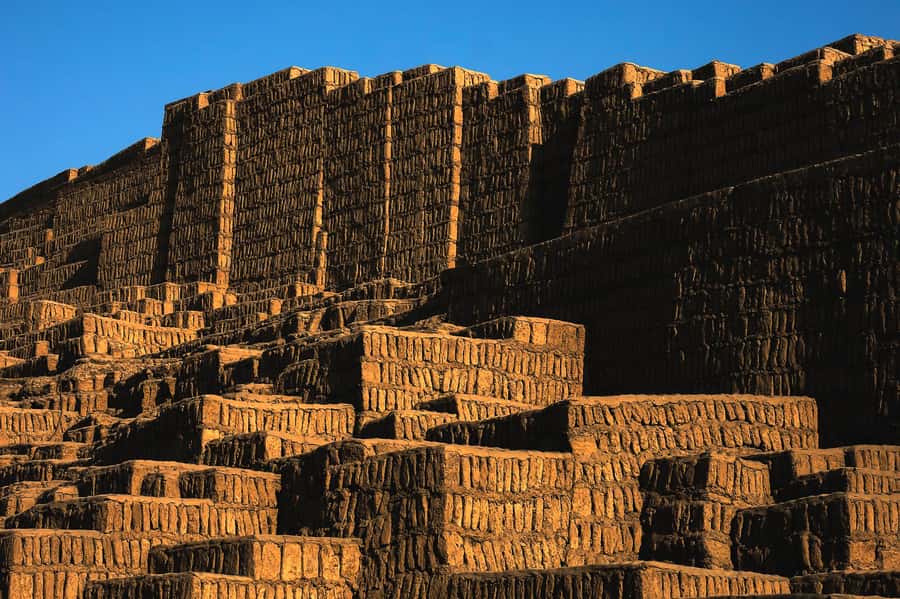
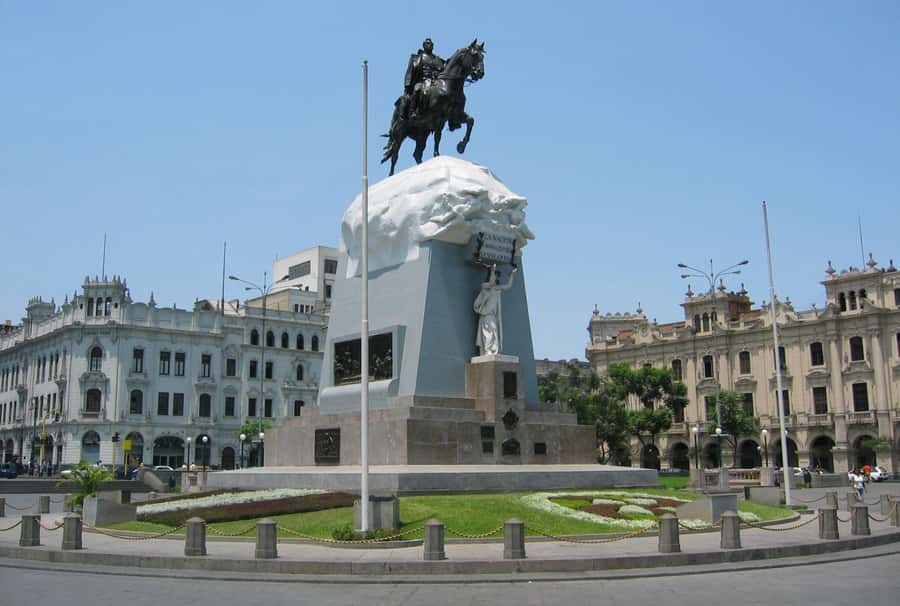
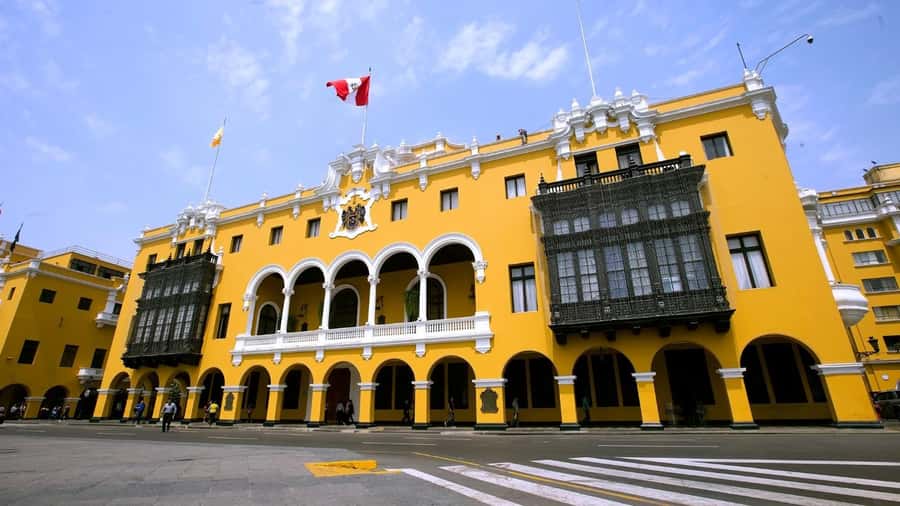
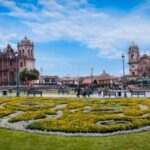
You’ll begin in Lima’s historic center around Plaza Mayor—the kind of place where you can see colonial government and cathedral architecture side by side. After that, you head to Huaca Pucllana, a pre-Inca pyramid right in the middle of modern Lima. It’s a nice reset: one moment you’re looking at official buildings, the next you’re standing near something far older that’s still part of daily Lima life.
Two practical tips help this day land well. First, wear shoes that can handle uneven pavement; that center is walkable but not flat. Second, expect a city day pace—short stops, move-on energy—so don’t plan on lingering for hours like you might in a beach town.
You can also read our reviews of more tours and experiences in Cusco

Paracas, Ica, and Huacachina: sea lions, pisco, and fast sand
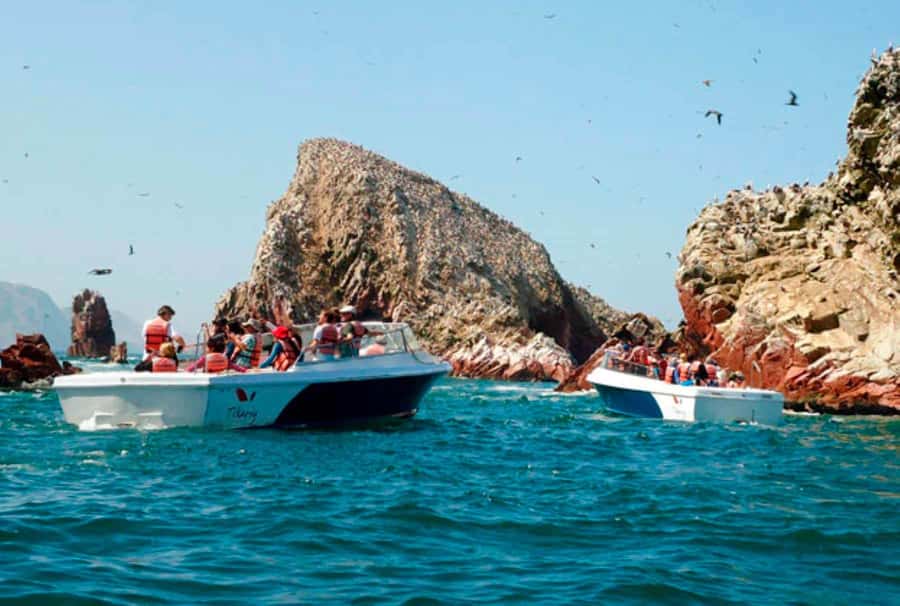
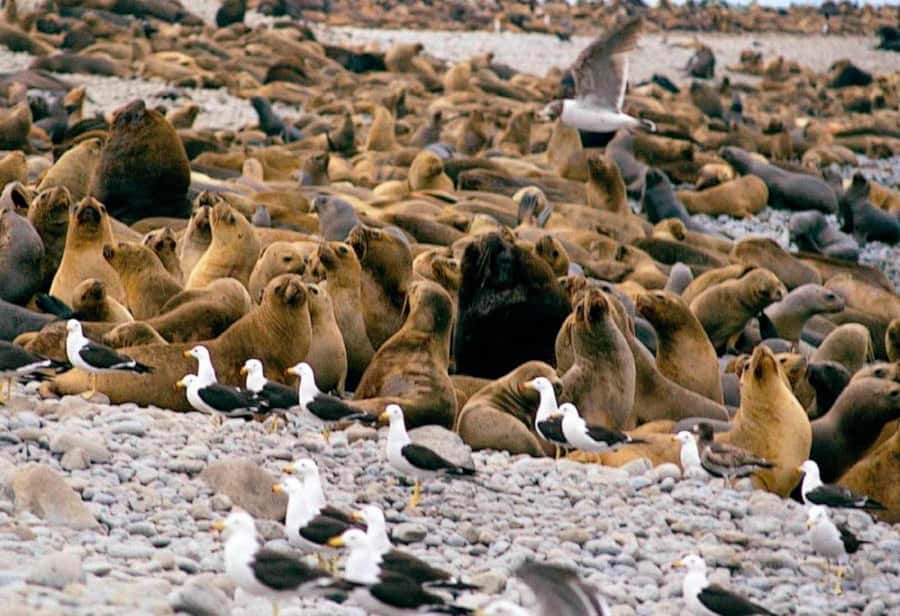
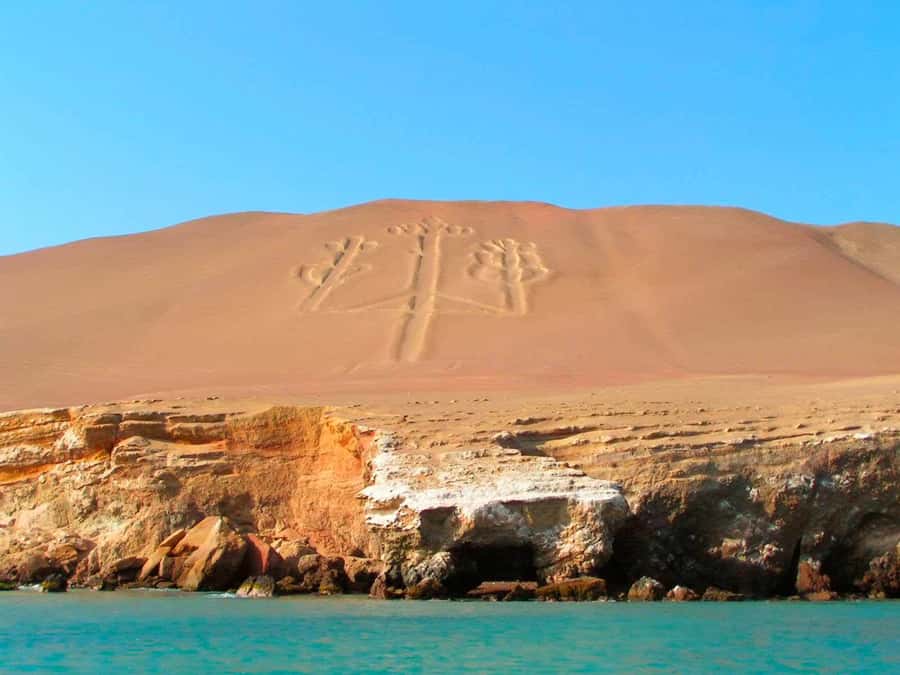
Day two is where the itinerary turns fun. You leave early for Paracas and go out on a boat ride to the Ballestas Islands, where you’ll spot sea lions and a mix of seabirds. The views here are the kind that make your camera work harder than you do.
Then it’s on to Ica for a pisco and wine tasting and a traditional lunch. Even if you’re not a wine superfan, this is a good cultural stop. It’s a chance to understand the region beyond “just a snack break” and taste what local production is known for.
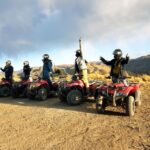
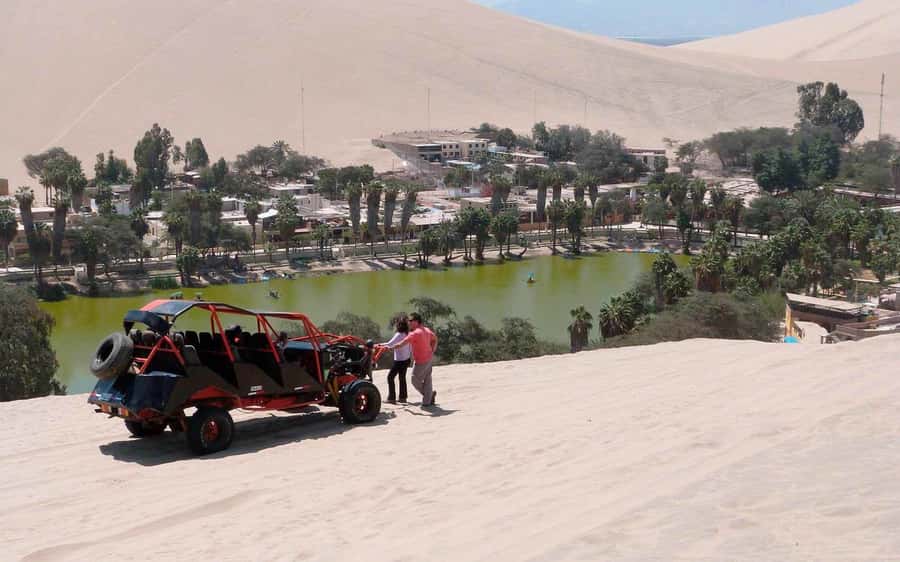
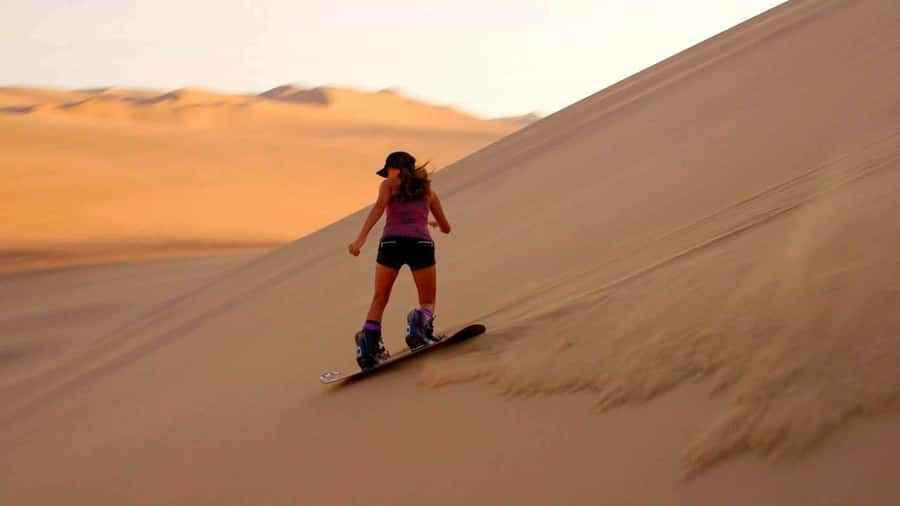
The afternoon is pure adrenaline at Huacachina, the desert oasis. You’ll ride in a buggy and go sandboarding, which is a silly sentence until you do it and realize how steep those dunes really are. If you’ve never sandboarded, you’ll probably learn fast: sit low, keep your weight controlled, and don’t assume it’ll behave like a snowboard. It won’t.
This day also sets up the week’s rhythm: you alternate between sightseeing and active breaks. That’s smart for a trip that later includes long altitude mornings.
Cusco arrival and acclimatization: the “don’t rush” day
You fly to Cusco at 3,399 m / 11,152 ft, and the itinerary wisely gives you time to adapt. You’ll have a transfer to your hotel, then the rest of the day is for acclimatization—enough time to walk the cobbled streets and get your bearings.
This is the day I’d treat like a low-effort buffer. Eat lightly, don’t plan a “see everything” sprint, and keep your pace slow. You’re not trying to conquer Cusco; you’re trying to show your body that this week won’t be one long sprint.
Your hotel is in the Cusco area and priced in the three-star range, with options like Ayni Cusco being used (or a similar property). I like that the hotels are centrally located because it reduces extra commuting stress on days that already feel like they start too early.
One more thing: keep warm layers handy. Cusco evenings can feel sharp even if the afternoons look mild.
Chinchero weaving, Moray terraces, and Maras Salt Mines
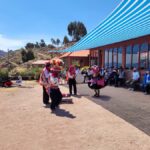
Day four is a high-value combo. You’ll start at Chinchero (around 3,800 m / 12,500 ft), where local artisans demonstrate traditional Andean weaving techniques. This stop matters because it gives you something practical to look for later when you see Inca-era patterns and textiles around the region. You start to notice the “why” behind the craft.
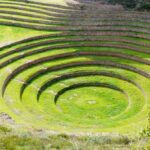
Next comes Moray, at about 3,500 m / 11,500 ft. It’s described as an Inca agricultural laboratory—and that’s a helpful framing. The circular terraces can look like scenery at first, but the real point is that the Incas were experimenting with growing conditions. You’re watching an idea in stone: controlled microclimates turned into food strategy.
Then you descend to the Maras Salt Mines (around 3,300 m / 10,827 ft). Thousands of salt pools reflect the light like scattered mirrors. This is one of those places where you feel the scale once you’re there—tiny pools, endless repetition, and a surprisingly geometric pattern to the whole operation.
How to make this day better for yourself: expect uneven footing and keep an eye on breathing at the higher points. The stops are close enough to be efficient, but it still adds up to a lot of altitude time in one day.
Train to Aguas Calientes, then Machu Picchu by bus and guide
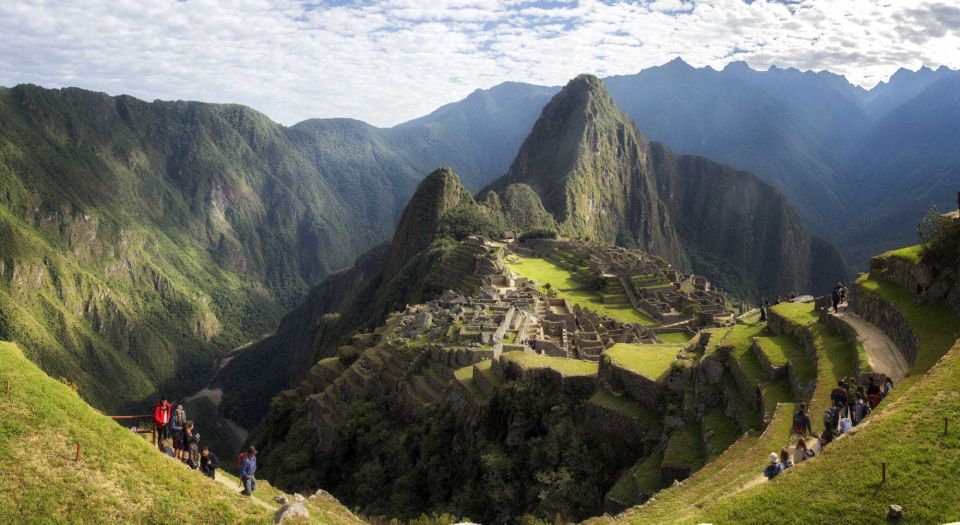
Machu Picchu is the reason most people sign up, and this tour does it in the modern, realistic way: train to Aguas Calientes, then buses up to the site.
On the train day, you board in Ollantaytambo and head to Aguas Calientes (around 2,040 m / 6,692 ft). The rail portion matters because it lowers the “hard travel” stress. You’re saving your energy for the real climbing later—plus it helps you arrive with a calmer start than you’d have if you were driving everywhere.
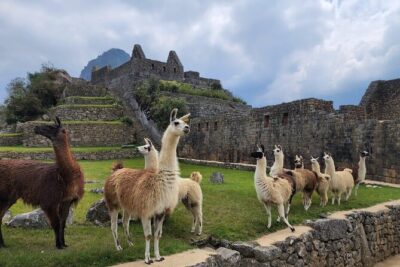
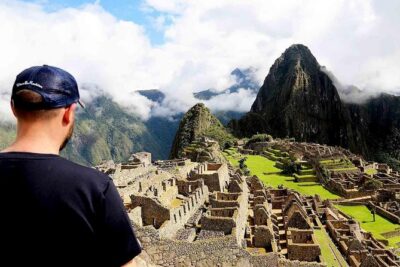
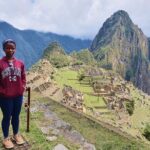
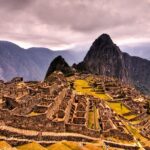
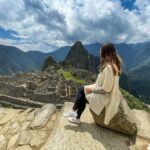
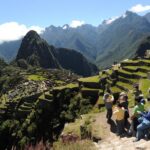
Then it’s buses to Machu Picchu (about 2,430 m / 7,972 ft) and a guided visit. You’ll tour temples, terraces, and sacred spaces. The guide focus is important. Machu Picchu can be jaw-dropping and confusing at the same time; having someone explain what you’re looking at makes the citadel feel less like a viewpoint and more like a living system.
You’ll also have optional add-ons if you booked in advance—Huayna Picchu or Machu Picchu Mountain—but those are not included in the base price. Huayna Picchu has an extra $85 USD per traveler listed, and Machu Picchu Mountain isn’t priced in the same detail here, so treat it as an additional decision you’ll need to plan for early.
Practical note: the tour includes entrance fees to Machu Picchu and the buses in the area, plus the train. That’s one less pile of tickets to juggle once you’re there.


Rainbow Mountain early start: 4–5 AM for Ausangate views
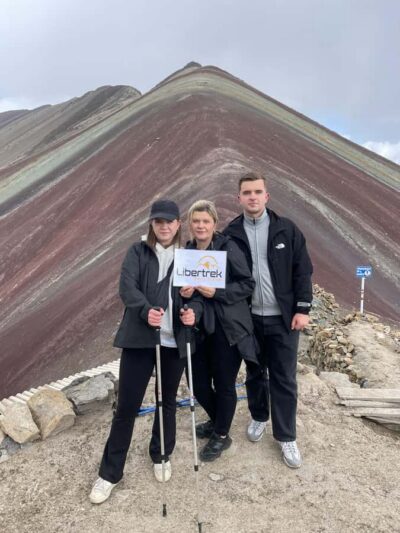
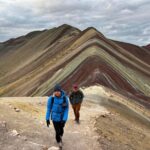
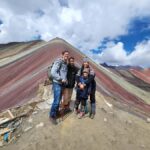
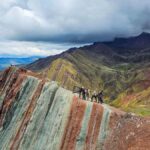
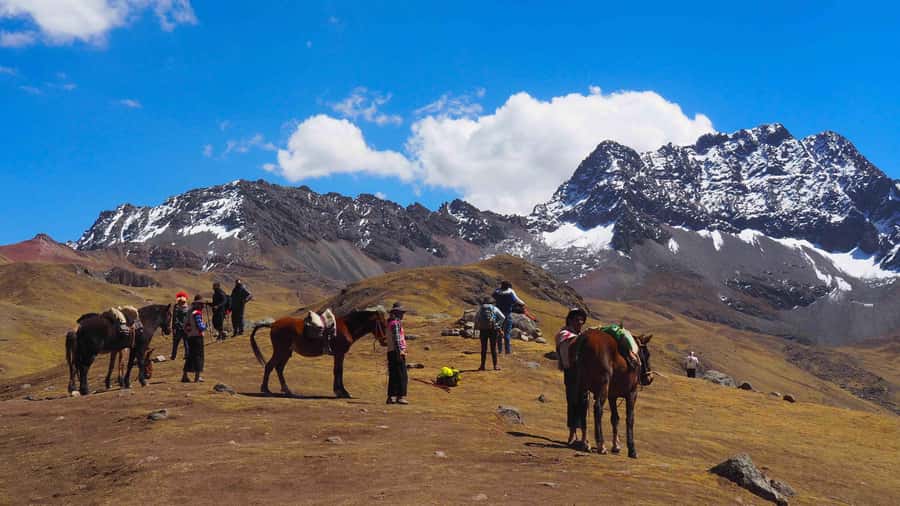
Day six is the tough one, and it’s also the day people remember. You leave very early, 4 to 5 AM, heading toward Rainbow Mountain at about 5,020 m / 16,466 ft.
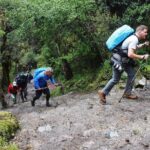
Along the way, you stop for breakfast near Cusipata (about 3,600 m / 11,811 ft). That’s a smart buffer because the morning air is thinner and your body needs fuel before you hit the steep stretches. Then you continue by van to the trailhead and start a hike of about two hours through high-altitude terrain.
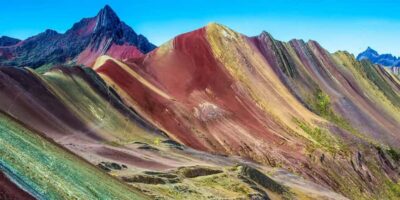
At the summit, you see the multicolored slopes and the imposing Ausangate mountain, listed at 6,384 m / 20,945 ft. The experience isn’t just about color. It’s about being in a place that feels intensely “Andes-native”—big forms, high air, and a sense that this region runs on sacred geography.
On the way back, you descend along the same route. When you get back to the trailhead, you board the van for lunch before returning to Cusco.
If you want this day to go smoothly, don’t treat it like a fitness contest. A steady pace matters more than speed. Also, keep warm layers for the summit period—cold mornings at altitude can feel different from what you expect.
Hotels, meals, and the pace you should plan for
This tour is designed as a full circuit, not a “chill and browse” vacation. You’ll have 6 nights of accommodation and 6 breakfasts included, plus two lunches (on the second and sixth days). That means you’ll eat with the itinerary more often than you’ll roam for random meals.
A typical hotel level is three-star and usually in central areas—properties named like Miramar Hotel in Lima and Ayni Cusco for Cusco, and Golden Sunrise*** in Aguas Calientes are listed as examples. The important part is that you’re not stuck out on the edges of town, which helps when you have early morning departure times.
In terms of pacing, there’s a pattern:
- Morning starts that come early (especially Cusco-area days)
- Short blocks of time per attraction
- One big “anchor” day each segment (Ballestas Islands, Moray+Maras, Machu Picchu, Rainbow Mountain)
That rhythm works for most people because you avoid long transfers with nothing to do. But if you’re the type who wants free time every day, you might feel the schedule tightening around you. One note from mixed feedback: having an extra free day in Lima would have helped some people explore more on their own.
Price and logistics: does $1,379 feel like value?
At $1,379 per person for 7 days, this is not a budget puzzle box. It’s more like a structured deal that buys convenience: internal flights, hotel nights, entrance fees, guided tours, train transport, and site buses.
Here’s what the price covers that usually costs real money separately:
- Round-trip internal flights Lima–Cusco
- Round-trip tourist train to Machu Picchu and buses at Machu Picchu
- Entrance fees (including Machu Picchu)
- Professional guide for all tours
- Transfers in Lima and Cusco (airport/bus station pickup included)
The main value trade-off is that you’re locking into the group schedule. You’re paying to reduce planning work and ticket juggling. If you want maximum freedom to choose your own pace for meals, stops, and timing, you might not love that.
Also, there are optional upgrades that can change your final total:
- Vistadome train upgrade: listed as $105 USD round-trip or $45–$70 one way
- Huayna Picchu entrance: $85 USD per traveler
- Huayna Picchu and Machu Picchu Mountain are not included in the base price
My practical advice: price it as a package first, then decide if you want the upgrade level. If you’re already okay with the standard train, you might save money and put it into comfortable altitude-friendly clothing, taxis when needed, and extra snacks.
One more logistics point: the tour uses pickup with a representative at arrivals (name sign outside the arrivals lobby). That’s great in theory. If you do this trip, I’d still double-check times the day before each transfer. One recurring complaint in overall feedback is that airport pickup coordination wasn’t as smooth as expected, and people ended up running to catch the right times. You can prevent that stress with a simple confirmation habit.
Who this 7-day Lima to Machu Picchu route is best for
I’d recommend this tour if you want:
- A small group and guided interpretation (so you’re not just collecting photos)
- A mix of big landmarks and active breaks (Huacachina is the standout)
- A clear plan that gets you from Lima to Cusco to Machu Picchu without heavy self-planning
It’s also a good fit for people who like active days but still want structure. The itinerary includes one main hiking push to Rainbow Mountain and a walking-heavy set of Inca-era sites in the Cusco region.
But it’s not for everyone. It’s listed as not suitable for pregnant women, people with back problems, and wheelchair users. If any of those apply, you’ll likely find the travel and walking demands too tight.
Should you book this tour?
Book it if you want a guided, efficient route that hits Lima, Paracas, Huacachina, the salt-and-terrace Inca story (Moray + Maras), Machu Picchu, and Rainbow Mountain in one smooth arc—without you building the puzzle yourself.
Skip or rethink it if you hate early mornings, want a lot of spontaneous free time (especially in Lima), or you’re very sensitive to altitude and hiking days. Also, if you’re the type who gets stressed by meeting points, do your due diligence and confirm pickup times.
If you choose to go, do one small thing that pays off: be ready to move fast at the airport and keep your documents and cash handy. This is the kind of trip where organization is the difference between a calm Peru week and a frustrating one.
FAQ
What’s included in the $1,379 price?
The tour price includes round-trip internal flights Lima–Cusco (extra charges may apply depending on dates), 6 nights’ accommodation, 6 breakfasts, and 2 lunches (day 2 and day 6). It also includes transfers, a Lima city tour, Paracas/Ica/Huacachina activities (with buggies and sandboarding), Chinchero/Moray/Maras, Rainbow Mountain, all entrance fees, a round-trip tourist train to Machu Picchu, Machu Picchu entrance, buses at Machu Picchu, and a professional guide.
Are Huayna Picchu or Machu Picchu Mountain included?
No. Huayna Picchu and Machu Picchu Mountain are optional add-ons and are not included in the tour price. Huayna Picchu has an additional cost listed at $85 USD per traveler.
What time do you leave for Rainbow Mountain, and how long is the hike?
You leave very early, typically 4 to 5 AM. You’ll hike for about two hours to reach the summit, then descend on foot along the same route.
How high will we reach during the trip?
Cusco is listed at 11,152 ft / 3,399 m. Rainbow Mountain is listed at 16,466 ft / 5,020 m. The Ausangate viewpoint is listed at 20,945 ft / 6,384 m. The itinerary also references other high points on the way (like Chinchero around 12,500 ft).
How large is the group, and what languages will the guide speak?
This is a small-group tour. The info lists group sizes between 2 and 12 people, with a limit mentioned as up to 14 participants. Guides are listed as speaking English and Spanish.
What should I bring for this tour?
Bring a passport or ID card, comfortable shoes, hiking shoes, warm clothing, and comfortable clothes. Cash is also recommended because some places do not accept credit cards.
Is this tour suitable for wheelchair users or pregnancy?
The tour is listed as not suitable for pregnant women, people with back problems, and wheelchair users.