REVIEW · CUSCO
2 Day – Inca Trail to Machu Picchu
Book on Viator →Operated by Inca Path Tour Operator · Bookable on Viator
Machu Picchu starts early, and the trail leads there. This two-day package strings together the Short Inca Trail from Km 104 with an afternoon circuit visit and a next-morning sunrise plan. You get that classic mix of sweat, jungle-walk views, and then the kind of stone city glow you can’t fake.
I really like how the first day isn’t just hiking—it’s hiking with structure. You pass Chachabamba and Wiñay Wayna (yes, that name is tied to the idea of forever young), then you end at Inti Punku for a first Machu Picchu view in changing light.
One consideration: it’s logistically early and physically demanding. Day 2 has you moving before dawn for the bus line, and the program also relies on tight timing around entrance rules and train schedules—so you’ll want to be ready for strict checkpoints and early mornings.
In This Review
- Key Highlights You’ll Feel From Day One
- Two Days on the Inca Trail: The Short Version, the Real Feeling
- Day 1 Logistics: Cusco to Ollantaytambo, Then Km 104
- Chachabamba to Wiñay Wayna: Archaeology Meets Cloud Forest
- Urubamba River Views and Inti Punku’s Machu Picchu Reveal
- Machu Picchu on Day 1: Circuit 1-B Near Closing Time
- Day 2 Sunrise Plan: Buses at 5:30 a.m. and a Passport Check
- Machu Picchu on Day 2: Citadel Walking Tour on Circuit 3
- Getting Back: Train From Machu Picchu Area to Ollantaytambo
- Guides Matter More Than You Think (And You’ll Meet Real People)
- Price and Value: What $699 Covers (and What It Doesn’t)
- Physical Fitness and Pacing: Moderate Means You’ll Sweat
- Where This Trip Can Go Sideways (So You Can Plan Without Panic)
- What to Pack for a Two-Day Inca Trail + Machu Picchu Schedule
- Should You Book This Short Inca Trail to Machu Picchu Tour?
- FAQ
- Where does the Inca Trail portion start?
- What is the Machu Picchu visit schedule like?
- How early do I need to be on Day 2?
- Do I need my passport?
- How many people are in the group?
- What’s included in the price?
- Is lunch included on the return day?
- Is a walking stick provided?
Key Highlights You’ll Feel From Day One
- Km 104 start, guided from the official Short Inca Trail beginning—no wandering or guessing what comes next
- Chachabamba + Wiñay Wayna with guided context, including cloud-forest nature along the way
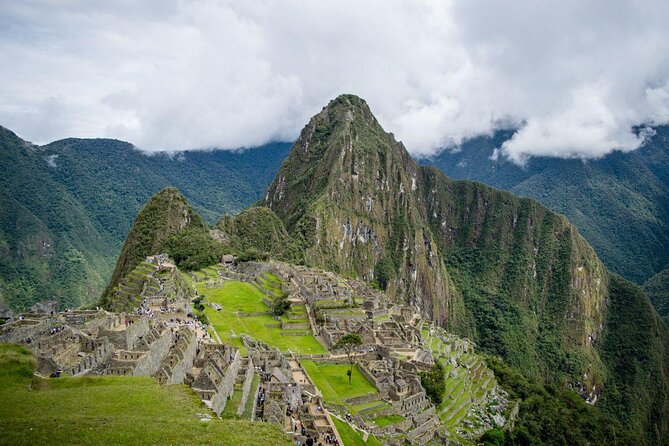
- Inti Punku (Sun Gate) first major Machu Picchu sight bathed in afternoon light
- A quieter Circuit 1-B near closing time, built for calmer photos and breathing room
- Sunrise strategy on Day 2 with early buses and a guide steering you to a good viewpoint
- Small group max of 10, which usually means questions don’t get lost in the shuffle
Two Days on the Inca Trail: The Short Version, the Real Feeling
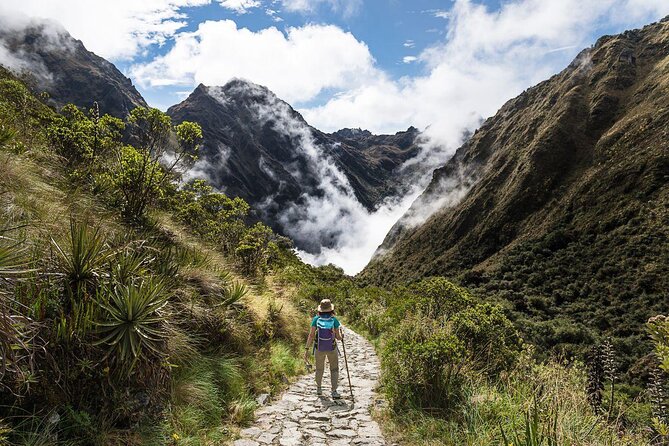
If you want the magic of the Inca Trail but don’t have five days, this route gives you the core experience fast. You’re hiking in varied terrain, moving through forested stretches, and hitting archaeological highlights that most Machu Picchu-only plans skip.
The thing I appreciate most is that the itinerary is paced like a real expedition, not a day-trip. Day 1 sets your expectations: walk, learn, eat, keep moving, and then land at Machu Picchu with enough time for Circuit 1-B near closing time. Day 2 is about the main event—sunrise and the citadel tour—followed by the return train.
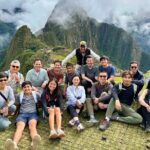
Also, small-group size matters here. With a maximum of 10 travelers, the guide can actually manage timing on a route that involves checkpoints, buses, and narrow windows for Machu Picchu entrances.
You can also read our reviews of more tours and experiences in Cusco

Day 1 Logistics: Cusco to Ollantaytambo, Then Km 104
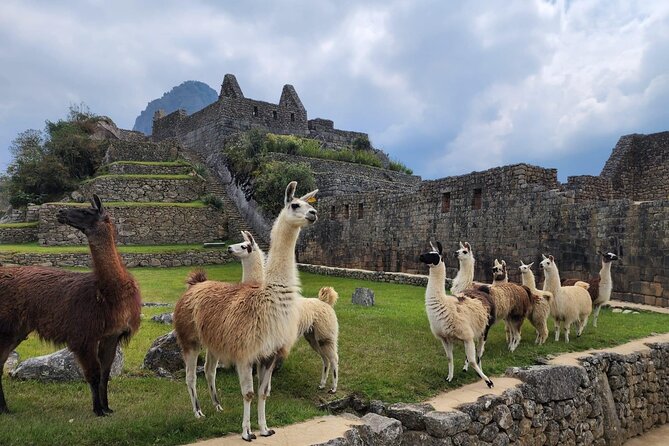
The day starts early with a private transfer from Cusco to Ollantaytambo, then you board the train to Km 104, the official starting point for the Short Inca Trail. That train segment isn’t just transport—it’s your transition from Cusco’s altitude world into the river-valley rhythm of the Sacred Valley area.
After you pass the control point, your guided hike begins at Chachabamba. You’ll be learning while moving, with a route that mixes archaeological stops and highland forest walking. Your group also has downtime built in where it counts: you reach lunch on Day 1 in the middle of the trail day, surrounded by scenery that makes the altitude and effort feel worth it.
If you’re the type who worries about being late to buses, don’t. This plan is built around set departure and connection times, including a 30-minute bus to Aguas Calientes after Day 1 Machu Picchu time, plus hotel check-in and dinner.
Chachabamba to Wiñay Wayna: Archaeology Meets Cloud Forest
Chachabamba is where the trail’s Inca credibility becomes real. You’re not just walking through scenery—you’re walking with archaeological context, led by a professional guide (the program lists English and Spanish).
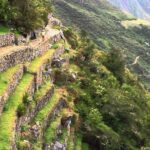
Then you shift into the lush part of the route: the hike passes through the cloud forest, where you’ll encounter native plants and even orchids mentioned as part of the flora you might see. This is the stretch where your breathing pace matters. If you walk too fast, the next climb will feel harder than it needs to. If you pace evenly, it’s one of those days where you can actually take in details—the shape of the vegetation, the way the trail follows the land, and how the views gradually open.
Next comes Wiñay Wayna. Your guide will connect what you’re seeing to the meaning of the name—Forever Young—and the site itself gives you that layered feeling of Inca engineering plus spiritual geography. It’s a strong stop because it’s both scenic and meaningful, and it’s one of the places where the guide’s explanation makes a big difference.
Urubamba River Views and Inti Punku’s Machu Picchu Reveal
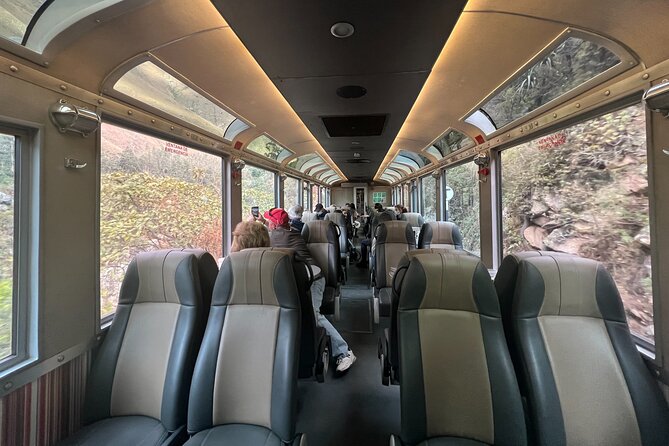
After Wiñay Wayna, the trail continues with panoramic views of the Urubamba River area. This is the visual reward phase. You’ve worked for it, and now the trail gives you long lines of sight that make the effort feel more physical than painful.
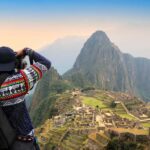
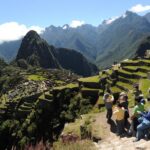
Then you reach Inti Punku (Sun Gate), which is where the trip changes mood. You’re close enough to see Machu Picchu in a way that makes you stop thinking about steps and start thinking about scale. The program’s note about Machu Picchu being seen bathed in afternoon light is spot-on as a concept: light changes fast here, so even a small angle shift can change what photos look like.
From Inti Punku, you’ll transition into Machu Picchu time, not just more hiking. That matters. You get your first huge Machu Picchu moment during Day 1, then you get to actually be inside the complex afterward.
Machu Picchu on Day 1: Circuit 1-B Near Closing Time
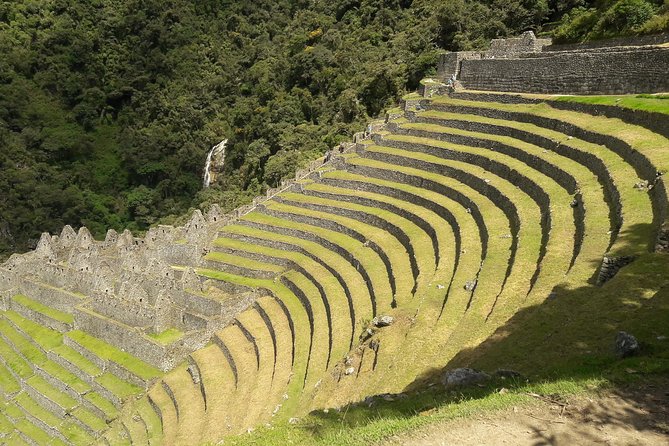
Day 1 includes Machu Picchu access with Circuit 1-B, scheduled near closing time. That timing is a big part of the value. Late-day entries can feel less rushed and more human—you can look longer, pause more often, and take photos without the same pressure as the busiest arrival windows.
This circuit setup also gives you a different viewing experience than many rushed itineraries. Instead of racing every viewpoint in one go, you’re doing it with the day ending. The stones cool, the colors soften, and you get a calmer feel as you walk.
And yes, the first view still hits—especially after the hike. When you’ve spent the day moving through the highland forest and archaeological stops, Machu Picchu doesn’t feel like a random landmark. It feels like the final chapter of the route you just walked.

Day 2 Sunrise Plan: Buses at 5:30 a.m. and a Passport Check
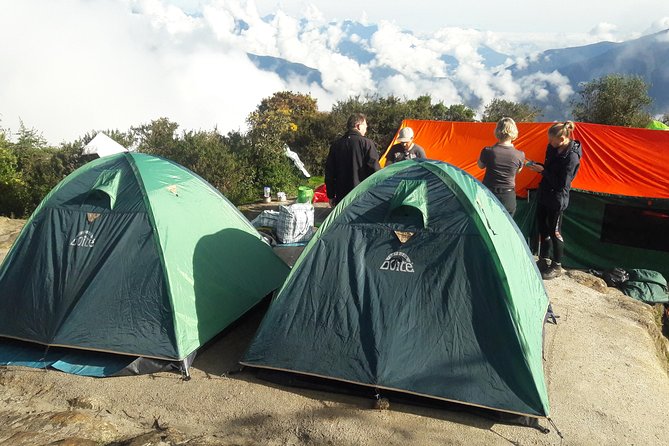
Day 2 is built around being early. Your team wakes you up with hot drinks, then you pack your duffel bags and day packs and eat breakfast before heading to the bus station. The walk to the station is short—about 5 minutes—but the timing is everything.
Buses start at 5:30 a.m. and you can expect arrival around 6:00 a.m. Since you’ll need to go through the checkpoint, bring your original passport. This is one of those details that sounds obvious until it isn’t. A passport mix-up can turn a perfect sunrise morning into a stressful one.
Once you arrive, your guide helps you reach a spot designed for the early viewing moment. After sunrise, you’re set for the main guided experience.
Machu Picchu on Day 2: Citadel Walking Tour on Circuit 3
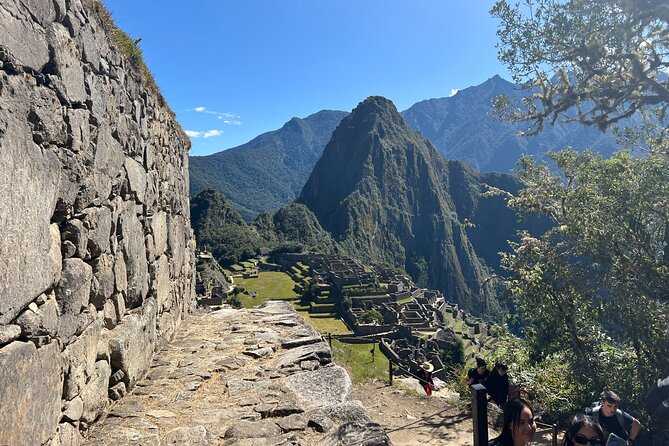
After sunrise, you enjoy a private walking tour focused on the citadel, with guided learning. The schedule notes a guided tour around 2.5 hours, and it specifically lists Circuit 3 for the Day 2 experience.
Circuit 3 is the type of route where the guide’s voice matters. You’re not only looking at impressive structures; you’re connecting the layout to how the Inca designed movement, visibility, and living spaces. The tour’s guided portion is what turns the place from scenic to understandable.
You’ll also appreciate how the Day 1 and Day 2 circuits complement each other. Day 1 gives you the late-light entry and a calmer circuit. Day 2 gives you sunrise and the deeper citadel focus. Together, it’s one of the more complete ways to see Machu Picchu within a short time.
Getting Back: Train From Machu Picchu Area to Ollantaytambo
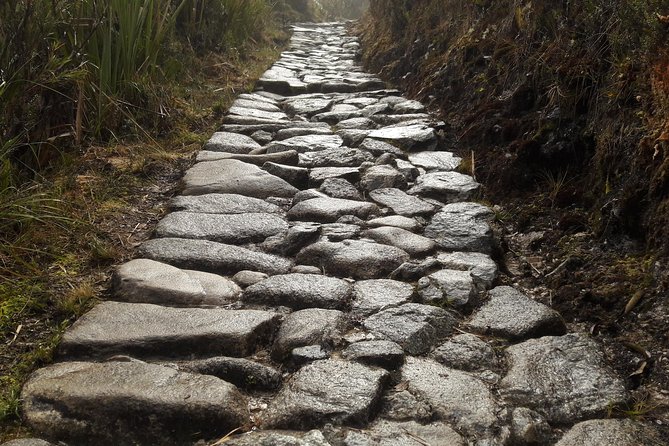
When Day 2 ends, you return to Aguas Calientes and then catch your train back to Ollantaytambo. The itinerary highlights a key timing rule: get the bus back to Aguas Calientes at least 2 hours before your train departure. That buffer is for lunch time and getting seated in time.
One note to plan around: the program’s inclusions list says lunch is included, but the Day 2 timing note says lunch time is not included. I’d treat this as a “plan for lunch either way” situation and budget some extra cash just in case your lunch needs aren’t fully covered.
In the end, the train ride is a satisfying bookend. You’ve earned the descent out of the Machu Picchu area, and the train segment helps you process the day while the scenery keeps moving.
Guides Matter More Than You Think (And You’ll Meet Real People)
This trip’s quality really comes down to the guide. The feedback you have to pay attention to isn’t generic praise—it’s names and specifics.
I love that you can get guides like Alfredo Cruz, who’s described as expert and highly engaging on Inca trails and Machu Picchu. One review even called out a birthday touch—Alfredo arranging a birthday dessert and a song through the group/restaurant side of the experience.
Other guide names show up too, including Rodrigo, Stiven, and Jhimmy, and the consistent theme is that you’re not just being herded around. You’re getting explanation tied to what you’re seeing—Inca trails, nature, and how the landscape fits the story.
The program also lists small group size (max 10), which means the guide can keep an eye on pacing and questions, especially on steep or uneven sections.
Price and Value: What $699 Covers (and What It Doesn’t)
At $699 per person, the value question is fair. This isn’t a cheap add-on, but it’s also not only a “ticket plus a bus” setup.
The inclusions include:
- Breakfast, lunch, and dinner across the two days
- Professional guide (English and Spanish)
- Entrance to the Inca Trail and Machu Picchu
- Transfers: Cusco to Ollantaytambo, and the Machu Picchu/Aguas Calientes bus
- Train to Km 104 and return to Ollantaytambo
- First aid kit
Not included is mainly a walking stick (optional), and you may need to cover any meals if Day 2 lunch ends up not matching the inclusion listing.
So what are you truly paying for? You’re paying for the choreography: early starts, the right circuit timing (including Circuit 1-B near closing), meals, and all major transport between Cusco, the trail start, Aguas Calientes, and back to Ollantaytambo. That’s the stuff that turns Machu Picchu into a smooth experience instead of a scavenger hunt.
Physical Fitness and Pacing: Moderate Means You’ll Sweat
The tour lists moderate physical fitness. For this itinerary, moderate doesn’t mean casual. Day 1 includes a hike with archaeological stops and long enough walking time that it’s described as strenuous in the feedback you’ve been given.
Here’s the practical takeaway: bring steady legs and a pace you can maintain. If you start too fast, you’ll pay for it on the later sections—especially when you’re also thinking about views at Inti Punku and then getting to Machu Picchu on time.
Walking stick is optional and listed as extra cost (PEN30), but if you already use one, consider bringing your own. It can make uneven trail sections feel less punishing.
Also remember altitude. You’ll be moving between Cusco area and the trail environment. Slow and consistent beats heroic effort.
Where This Trip Can Go Sideways (So You Can Plan Without Panic)
Most of the experience sounds smoothly run, with guides doing their jobs well. Still, there are two issues worth respecting.
First: strict ticket rules and government access policies. One negative experience described a rule change where finishing the Inca Trail mattered for accessing Machu Picchu when both were included. You can’t control illness or injury, but you can control your preparation—stay hydrated, pace the hike, and don’t ignore early symptoms.
Second: ticket availability and demand pressure. Another review mentioned a situation where plans shifted due to unusual demand surge, and the team handled it by helping with an alternative day plan and securing Machu Picchu entry. That doesn’t mean the trip is guaranteed to change, but it does mean you should be flexible in a real-world way. In Peru, Machu Picchu is run on schedules that don’t always flex.
If you’re the kind of traveler who needs everything to be exact to the minute with no surprises, you might feel frustrated. If you’re the kind who can roll with a reasonable change while still focusing on the core sights, you’ll likely be fine.
What to Pack for a Two-Day Inca Trail + Machu Picchu Schedule
The itinerary calls for duffel bags and day packs, plus early morning bus lines. Since the specifics aren’t listed beyond walking stick, you’ll want to cover the essentials yourself.
I’d plan for:
- comfortable hiking shoes (trail unevenness is the norm)
- layers for early Machu Picchu cold before sunrise
- a small day pack for the trail day
- your original passport for checkpoint requirements
- water and snacks only if you know what you’ll be eating when (the program provides meals, but you still may want a little extra)
You’ll also be in and out of transport multiple times. That means keep your “grab items” easy: meds, sunscreen, and any small protection against wind or sun.
Should You Book This Short Inca Trail to Machu Picchu Tour?
I’d book this if you want a true Inca Trail experience in two days, with guided stops, meals, and built-in Machu Picchu timing that includes sunrise on Day 2 plus a Circuit 1-B late visit. The price is steep, but the inclusions cover the heavy logistics that usually cost you time and energy.
I’d hesitate if you:
- need a fully flexible plan with no strict rules attached (checkpoint and access rules are real)
- get frustrated by schedule pressure and early mornings
- have health limits that make a moderate hike risky
If you’re healthy, calm under schedule stress, and excited by both the trail and the sunrise view, this is the kind of trip that pays you back fast—because the stones of Machu Picchu start feeling like a destination you earned, not a place you just arrived at.
FAQ
Where does the Inca Trail portion start?
The trail hike starts at Km 104, which the itinerary calls the official starting point of the Short Inca Trail.
What is the Machu Picchu visit schedule like?
You’ll have Machu Picchu access on Day 1 (Circuit 1-B near closing time) and a second visit on Day 2 (Circuit 3) after sunrise.
How early do I need to be on Day 2?
The buses begin at 5:30 a.m. and arrive around 6:00 a.m. Your day starts early with hot drinks and breakfast before heading to the bus station.
Do I need my passport?
Yes. You’ll need your original passport for the checkpoint when entering/approaching Machu Picchu on Day 2.
How many people are in the group?
The tour has a maximum group size of 10 travelers.
What’s included in the price?
Inclusions listed are breakfast, lunch, dinner, a professional guide, Inca Trail and Machu Picchu entrance fees, major transfers and train, and a first aid kit.
Is lunch included on the return day?
The itinerary notes that you’ll have time for lunch on return, and it also states lunch (not included) in that specific timing note. Since meal inclusion is also listed, you should plan to budget in case lunch isn’t covered as you expect.
Is a walking stick provided?
No. A walking stick is optional and listed as extra (PEN30 per person).