REVIEW · CUSCO
Sacred Valley Experience and Machu Picchu Sunrise 2-day Journey
Book on Viator →Operated by Inca Soul Tours · Bookable on Viator
Machu Picchu, timed to your pace. This Sacred Valley Experience and Machu Picchu Sunrise journey is built for smart timing, so you get early access to the citadel and clear guidance across the sites. I like the private setup because your guide can slow down for questions and keep you moving when the clock matters. I also like that you get a mix of animal encounters, Inca archaeology, and a real Machu Picchu morning instead of a rushed bus ride. One drawback: some key costs sit outside the package, especially train tickets, so your total spend depends on what you book for the rail segments.
You start early, with a 5:00 am meet-up, and that matters. The schedule is designed to make Machu Picchu doable even with limited time in Peru, while still giving you real moments in places like Pisac and Ollantaytambo. I also appreciate the practical safety layer: the tour includes 24-hour assistance, an oxygen tank, and first aid.
The Machu Picchu day includes the guided citadel visit and the round-trip bus from Aguas Calientes. If you want Huayna Picchu, admission is handled up to request, but you should plan ahead because the Huayna Picchu visitor cap (400/day) is real and advance tickets are needed.
In This Review
- Key highlights worth planning around
- A 2-day plan that actually protects your time
- Day 1 Sacred Valley: llamas, Pisac, and Ollantaytambo in a smart sequence
- Llama Experience: hands-on camelid time
- Pisac: Inca stonework plus a lively town feel
- Urubamba Valley driving: the scenery you’re actually here for
- Ollantaytambo: Inca structures and a real town atmosphere
- Train to Aguas Calientes (Machu Picchu Pueblo)
- Manos de la Comunidad: weaving craft, animals, and learning in one hour
- The evening setup: how Aguas Calientes helps your Machu Picchu morning
- Day 2 Machu Picchu: guided citadel tour with sunrise timing and Huayna Picchu options
- The citadel tour: why having a guide matters
- Sunrise possibility: catching the light the planned way
- Optional Huayna Picchu: climb if you want the extra view
- After Machu Picchu: back down to Aguas Calientes and onwards
- Food, altitude support, and comfort: what’s actually included
- Price and value: $509 per person and what changes your final cost
- Who this tour fits best (and who should adjust expectations)
- Should you book this Sacred Valley and Machu Picchu Sunrise journey?
- FAQ
- What is the meeting time for this tour?
- Are train tickets included?
- Is the Machu Picchu entrance fee included?
- Does the tour include the bus ride to Machu Picchu?
- What meals are included?
- Is altitude support included?
- Can I cancel and get a full refund?
Key highlights worth planning around
- Private guide, private rhythm: you get a fully personalized flow instead of being chopped into a big group pace.
- Sunrise timing option: early arrival is built in if you want the citadel as the light changes.
- Sacred Valley stops that add up: Pisac and Ollantaytambo aren’t treated like quick photo stops.
- Llama and weaving breaks: you get hands-on time with camelids and Andean craft learning.
- Huayna Picchu is request-based: great if you’re organized, frustrating if you wait until the last minute.
- Altitude-ready extras: oxygen tank and first aid included, plus ongoing assistance.
A 2-day plan that actually protects your time

If you have only a couple days around Cusco, you face a choice: either cram everything and feel like you’re sprinting, or pick a plan that groups the right experiences tightly. This one works because it connects the Sacred Valley highlights with a Machu Picchu morning that can start very early.
The value sits in the structure. On Day 1, you’re not just driving through. You’re doing a sequence of Inca sites plus a couple of experiences that make the region feel human, not museum-only. On Day 2, you’re set up for Machu Picchu with the ride up organized and the citadel tour guided, so you’re not spending your energy trying to figure out where to go first.
A small note you’ll want to keep in mind: the tour calls out a portion of the Inca Trail as part of the experience, but the exact hiking segment isn’t spelled out in the details you get. If hiking is important to you, ask your provider how long the “Inca Trail portion” is and what footwear the hike typically requires.
You can also read our reviews of more tours and experiences in Cusco

Day 1 Sacred Valley: llamas, Pisac, and Ollantaytambo in a smart sequence
Day 1 starts with hotel pickup in Cusco and driving out into the northern part of the city toward the Sacred Valley. This is a long day, but it’s a “purposeful long,” with stops that make sense geographically and thematically.
Llama Experience: hands-on camelid time
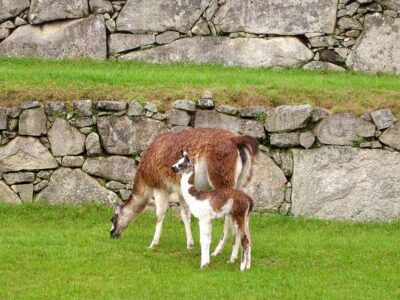
Your first real stop is the Llama Experience. This is where you get to interact with llamas, feed them, and learn about camelids in the Andes. It’s not just cute animal photos. Understanding how these animals fit into Andean life gives context you won’t get from a purely archaeological tour.
If you’re the kind of traveler who likes your Machu Picchu day to feel grounded in everyday Andean culture, this stop does that job well.
Pisac: Inca stonework plus a lively town feel
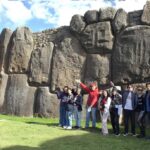
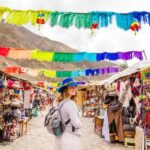
Pisac is next. You get time at the Inca site and then also time to walk around the town area. The point here is that Pisac isn’t only ruins. It’s a living place with its own pace, and the guide helps connect what you see to how the region developed.
The practical drawback: Pisac time is limited. You’ll have to accept that you won’t see everything in depth, and you’ll want to ask your guide what they think is most important before you wander off.
Urubamba Valley driving: the scenery you’re actually here for
Between stops you follow the Urubamba River area through steep highlands and classic valley views. You’ll spend some hours in a vehicle, but this route is one of the main reasons many people plan the Sacred Valley at all. If you don’t enjoy driving days, bring snacks and plan for motion. It’s worth it.
You can also read our reviews of more tours and experiences in Cusco
Ollantaytambo: Inca structures and a real town atmosphere
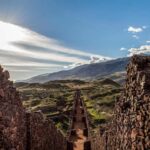
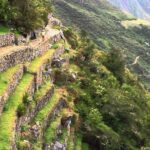
You continue to Ollantaytambo, where the schedule includes both an archaeological visit and time exploring the town and museum-like spaces. The Ollantaytambo Inca structures are a big reason this town matters today. It’s one of those places where you can look at the stonework and immediately understand the engineering.
Two details matter for your budget:
- The Ollantaytambo archaeological park admission is not included, so you’ll likely pay separately.
- Some parts of the day list admissions as free, some as not included, so it’s best to confirm what you’ll need to buy on the spot.
Train to Aguas Calientes (Machu Picchu Pueblo)
After Ollantaytambo, you board the train to Machu Picchu Pueblo, also called Aguas Calientes. This is a key transition day: you go from valley altitude and archaeology to the base town that makes Machu Picchu possible.
Your tour includes the transfer to your hotel after arriving in Aguas Calientes. You’ll also have lunch included on Day 1 and dinner included overall, which helps you avoid hunting for meals late in the day.
Manos de la Comunidad: weaving craft, animals, and learning in one hour
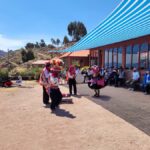
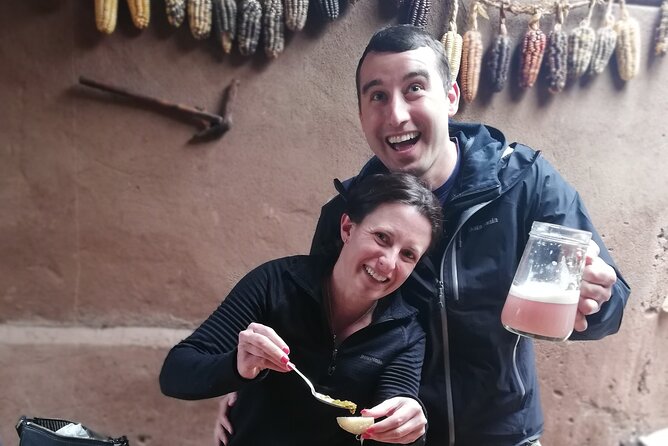
One of the most distinctive stops on this plan is Manos De La Comunidad. It’s designed as a focused hour, not a long workshop you have to commit your whole evening to.
Here’s what you can expect:
- learning about Andean weaving techniques
- petting a llama or alpaca
- and seeing animals like the Andean condor
This stop is valuable because it connects material culture (weaving) with the land and animals that shaped how people live. Even if you’re not buying anything, you’ll come away with a clearer sense of what those textiles represent and why they matter.
The drawback is simple: one hour is short. If you want deeper craft details or time for shopping, you’ll likely want to do that on your own beyond the tour.
The evening setup: how Aguas Calientes helps your Machu Picchu morning

Aguas Calientes is the launchpad town for Machu Picchu. The tour places you there for the night, which is a big deal because Machu Picchu timing is unforgiving. If you’re trying to see the sunrise or just beat the first big waves of visitors, sleeping close to the mountain is the difference between “worth it” and “why did I come so early.”
Your Day 1 ends with dinner and a comfortable overnight in the base area (described as a well-kept, 3-star style hotel in the experience feedback). That’s not luxury travel, but it’s the kind of comfort that helps when you’re getting up before dawn.
Practical tip: keep your packing simple. The Day 2 morning is early, and you’ll want your bus and entry items ready the night before.
Day 2 Machu Picchu: guided citadel tour with sunrise timing and Huayna Picchu options
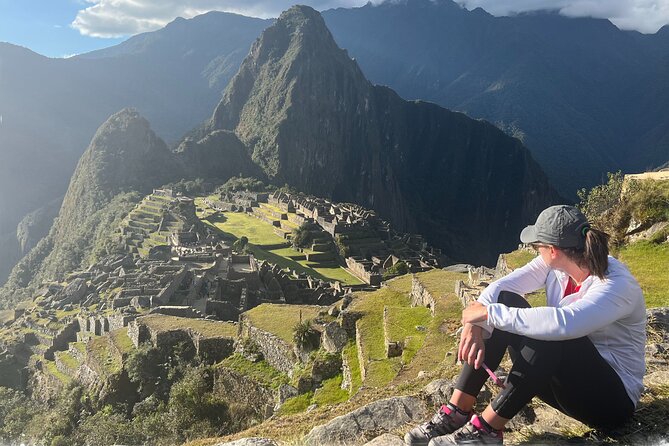
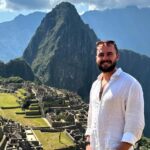
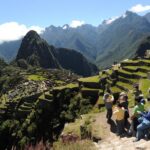
Day 2 starts before the sun does. You head to the bus station for the ride up to Machu Picchu, a short 25-minute drive. From there, you go into the citadel with a guided tour that helps you read the place instead of just standing in awe.
The citadel tour: why having a guide matters
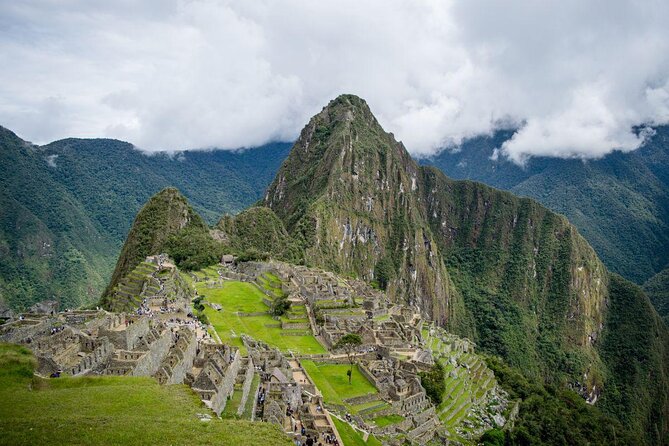
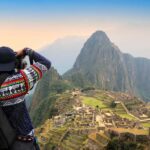
Machu Picchu is breathtaking, yes. But it’s also confusing if you arrive with no plan. A guide helps you connect the architectural precision, the carved stone, and the mountain setting so you’re not just looking at random walls.
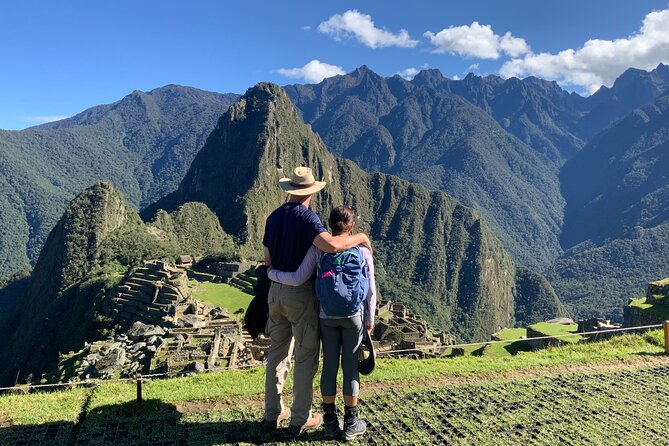
The tour also points out the contrast between engineered stonework and the surrounding steep green highlands. That’s one of the easiest ways to understand why this site looks so dramatic.
Sunrise possibility: catching the light the planned way
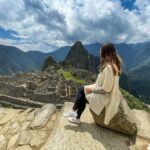
The tour is set up for early arrival. If you go super early, you can reach the citadel in time to see sunrise over the Inca site. Sunrise at Machu Picchu isn’t only about beauty. Cooler temperatures and softer light also mean the experience feels less crowded and less stressful.
If you care about photos, you’ll want to stay close to your guide’s suggested spots and avoid wandering off right at arrival.
Optional Huayna Picchu: climb if you want the extra view
Huayna Picchu is optional and for the more adventurous. The climb is described as about 55 minutes to reach the peak area. The tour notes a daily limit of 400 visitors, and tickets need to be purchased in advance.
Admission to Machu Picchu is included, and Huayna Picchu is available up to request. That “up to request” wording matters. If Huayna Picchu is on your must-do list, tell your operator early and treat it like a ticket you plan for, not a last-minute wish.
After Machu Picchu: back down to Aguas Calientes and onwards
After the citadel visit, you take the bus back down to Aguas Calientes. The plan then returns you to Ollantaytambo. The point is to keep your travel day organized so you’re not stuck figuring out connections while you’re tired.
Food, altitude support, and comfort: what’s actually included
This package covers a lot of the day-to-day friction that can ruin a perfect schedule.
Included meals:
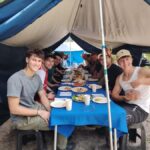
- Breakfast, lunch, and dinner are included across the two days.
- Lunch on the second day is not included, so plan for that meal after your Machu Picchu time.
Included travel comfort and support:
- Air-conditioned vehicle
- Round trip bus to MachuPicchu
- 24 hours assistance, plus oxygen tank and first aid
That altitude support detail is more than a brochure line. Cusco and the Sacred Valley involve higher elevations, and even strong walkers can get headaches or feel off. Knowing oxygen and first aid are part of the package gives you peace of mind.
On overnight comfort: the experience feedback describes the overnight hotel as comfortable and well kept, with a typical “3-star” level rather than a boutique luxury stay. You’re not booking this for a spa weekend. You’re booking it for the morning that matters.
Price and value: $509 per person and what changes your final cost
At $509 per person for about two days, this tour sits in the midrange for private Sacred Valley + Machu Picchu planning. Whether it feels like a deal depends on what you would otherwise book separately.
Here’s what the price helps cover:
- private transportation
- guided visits and key admissions (Machu Picchu, with Huayna Picchu up to request)
- round-trip bus from Aguas Calientes to Machu Picchu
- meals (breakfast and lunch and dinner covered, with second-day lunch not covered)
- altitude and assistance support
Here’s what you typically pay separately:
- Train tickets are not included, and the tour specifically notes that train tickets can be booked for an extra cost.
- drinks and personal expenses
- gratitudes
So the “value math” is like this: if you would have paid for a private guide, bus logistics, and some admissions anyway, this package can save you time and decision stress. If you’re already planning to handle train and guide arrangements separately, you might compare prices line-by-line to see if you’re truly saving money.
One more planning angle: the tour is often booked around 48 days in advance on average. Machu Picchu-related tickets and timing can be competitive, so if sunrise and Huayna Picchu matter to you, don’t wait until the last minute.
Who this tour fits best (and who should adjust expectations)
This is a strong fit if:
- you have limited time and want Sacred Valley + Machu Picchu in two days
- you want a private experience with a guide who can answer questions and keep you on track
- you like learning through mix-and-match stops, not only stone ruins
- you want sunrise timing available
You may want a different plan if:
- you hate early mornings (Day 2 starts before dawn, and 5:00 am is the meeting time)
- you’re trying to travel as cheaply as possible, since train tickets are not included
- you want lots of free time for independent exploring at every site (the schedule is structured, not open-ended)
Should you book this Sacred Valley and Machu Picchu Sunrise journey?
If your goal is to maximize your two days and minimize the chaos, I’d lean yes. The biggest win is the combination: Sacred Valley sites plus animal and weaving learning on Day 1, then a guided Machu Picchu morning with the possibility of sunrise on Day 2.
The plan also gets high marks for guide quality and day-to-day organization. In the feedback, guides like Guido and Fredy come through as clear explainers who keep the tone friendly, and the extra touch of taking you for local food makes the whole experience feel more connected to Peru than just a checklist.
My main caution is financial realism: because train tickets aren’t included and Huayna Picchu can require advance planning, you should confirm your final budget before you say yes. If you go in informed, this trip is the kind that makes Machu Picchu feel earned instead of rushed.
FAQ
What is the meeting time for this tour?
The tour meeting time is 5:00 am.
Are train tickets included?
No. Train tickets are not included, and the tour notes that they can be booked for an extra cost.
Is the Machu Picchu entrance fee included?
Yes. Entrance to Machu Picchu is included, and Huayna Picchu is included up to request.
Does the tour include the bus ride to Machu Picchu?
Yes. The package includes round trip bus service to Machu Picchu.
What meals are included?
Breakfast, lunch, and dinner are included. Lunch on the second day, drinks, and personal expenses are not included.
Is altitude support included?
Yes. The tour includes 24 hours assistance, an oxygen tank, and first aid.
Can I cancel and get a full refund?
Free cancellation is offered up to 24 hours before the experience’s start time for a full refund. If you cancel less than 24 hours before, the amount paid is not refunded.