REVIEW · CUSCO
Cusco: Archaeological Park Morning Tour
Book on GetYourGuide →Operated by MPTC GETS · Bookable on GetYourGuide
Inca water, carved rock, and a tight morning schedule. This Cusco archaeology morning tour strings together several big Inca-era stops, and Sacsayhuaman is the kind of site where the scale hits you before your brain even catches up.
I also like that the day follows one clear theme: worship, power, and water, all tied together across different ruins.
My second favorite part is Qenqo, especially the underground galleries that are explained as a Sun God sacrifice labyrinth (not just a cool cave). The main drawback to plan for is cost: the tour price is low, but you still need to budget for entry tickets for the archaeological sites once you arrive.
In This Review
- Key things to know before you go
- A 6-hour loop that starts at 8:45 AM
- Coricancha: where the Sun God story gets its start
- Sacsayhuaman: immense stones and the sun-and-water connection
- Qenqo’s underground labyrinth: the sacrifice-temple atmosphere
- Puca Pucara terraces: watchtowers with big-picture views
- Bosque de Eucaliptos de K’enko: a needed photo break
- Tambomachay: aqueducts, waterfalls, and water gutters
- Price and tickets: what $13 really turns into
- How pickup and drop-off can make or break the day
- Who this tour suits (and who should skip it)
- Should you book this Cusco Archaeological Park morning tour?
- FAQ
- What time does the morning tour start?
- How long is the tour?
- Which sites are included in the tour?
- Is hotel pickup included?
- Are entrance tickets included in the price?
- What languages are available for the guide?
- What should I bring?
- Is the tour refundable if I cancel?
Key things to know before you go
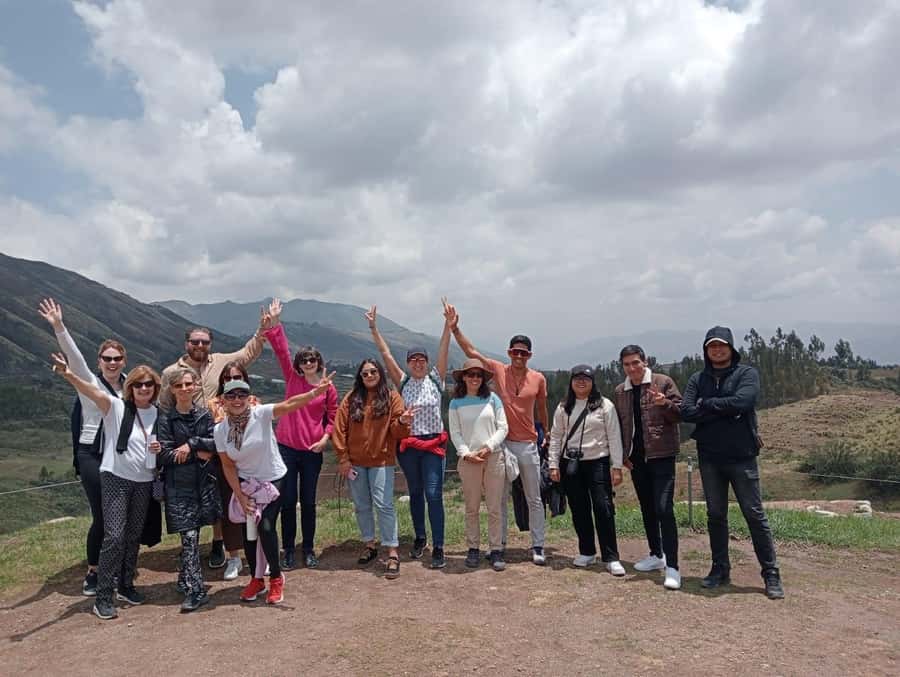
- 8:45 AM pickup means you’re moving early and back around 2:00–2:30 PM
- Sun-god theme across stops links Sacsayhuaman, Qenqo, and the water-focused sites
- Guided time at each complex is built in (45 minutes at major stops) so you’re not wandering blind
- Qenqo’s underground labyrinth gives you a different feel than the open-air ruins
- Puca Pucara is about surveillance with terraces, staircases, and large walls
- Tambomachay highlights water engineering with aqueducts, waterfalls, and water gutters
A 6-hour loop that starts at 8:45 AM
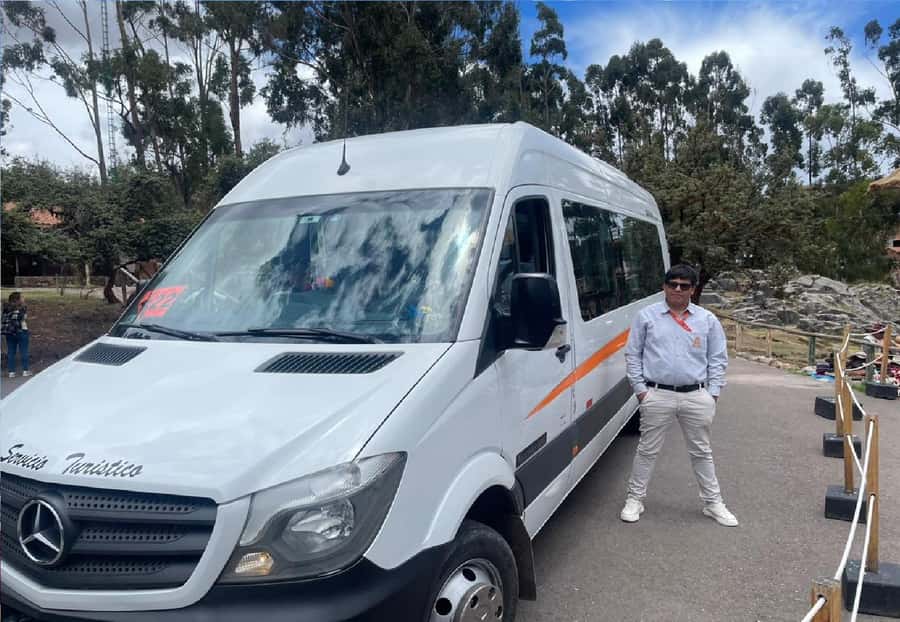
This is a classic Cusco morning format: hotel pickup at 8:45 AM, then a paced circuit of nearby archaeological sites, finishing in the early afternoon. You’re aiming to be done by about 2:00 PM to 2:30 PM, which is great if you want the rest of your day for Cusco exploring (or just a long lunch).
Because it’s a 6-hour outing, you’ll want practical footwear. The ruins involve uneven stone and walking between viewpoints, and the tour asks you to bring comfortable shoes and water—do that, even if you think you’ll be fine.
Most of the time you’re in a coach between stops, with at least one short transfer of about 20 minutes in the schedule. If you’re prone to getting cold on morning rides, wear layers, but don’t overcomplicate it—just plan for walking time and sun exposure.
You can also read our reviews of more tours and experiences in Cusco

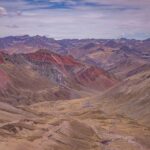
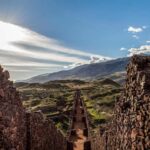
Coricancha: where the Sun God story gets its start
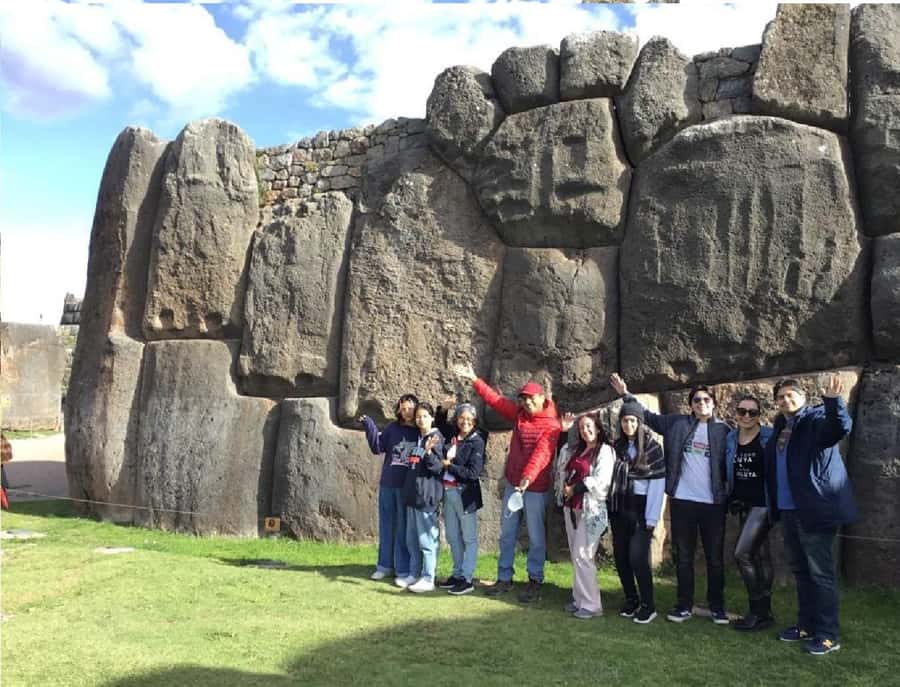
Coricancha is the first guided stop on this kind of route, with a 45-minute guided tour included. This matters because it frames the rest of the day. Instead of treating each ruin like a disconnected photo spot, you get the Sun God context early, and the later sites make more sense.
Coricancha has a ticket requirement that’s not included: plan on paying 15 soles for that part. If you like smooth logistics, you can save time by having your money/ID ready and staying focused when the guide explains what you’re looking at.
If you’re new to Inca sites, this opening stop is a good mental warm-up. Even if you already know the basics, it sets the theme for why Sacsayhuaman and Qenqo feel linked rather than random.
Sacsayhuaman: immense stones and the sun-and-water connection
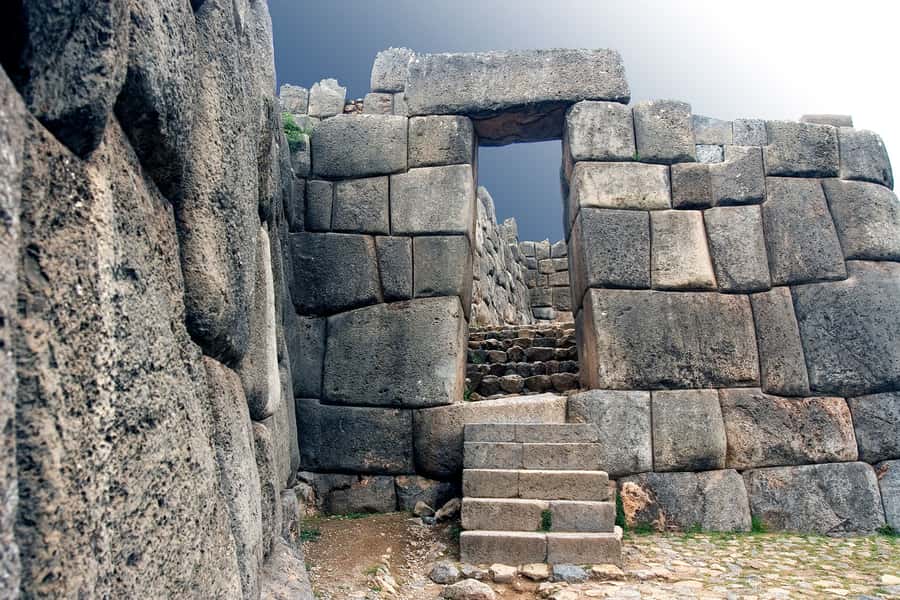
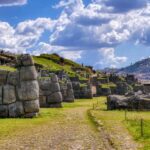
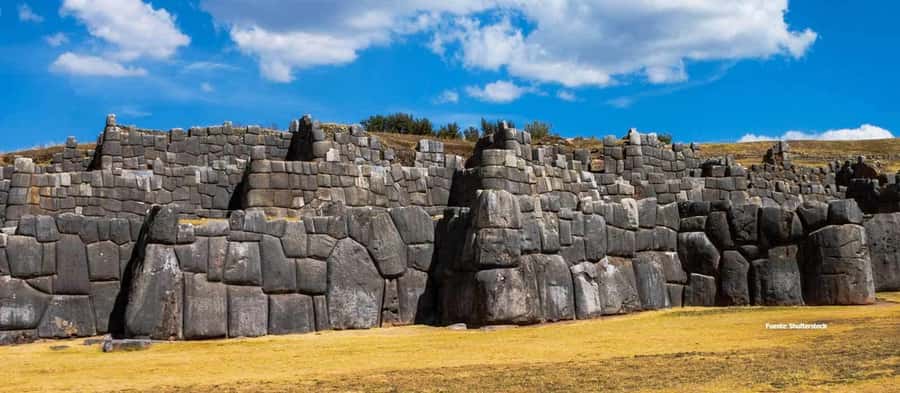
Sacsayhuaman is where the day really flexes its “wow” muscle. You get 45 minutes here with a guide, and the focus is on the towers and temples where the Incas revered the Sun God and also honored the role of water.
What I love about this stop is how it reframes scale. The rocks aren’t just impressive; they’re tied to how people organized power, ritual, and engineering. When the guide points out the temple/tower layout and the way water is part of the story, you feel less like you’re just taking snapshots and more like you’re learning how the site functioned.
Practical note: this is a morning tour, so you’ll be fresh enough to climb to viewpoints and look around carefully. Still, don’t rush your photos. A few extra minutes here pay off later because the same shapes and lines start showing up in how you interpret other complexes.
Qenqo’s underground labyrinth: the sacrifice-temple atmosphere
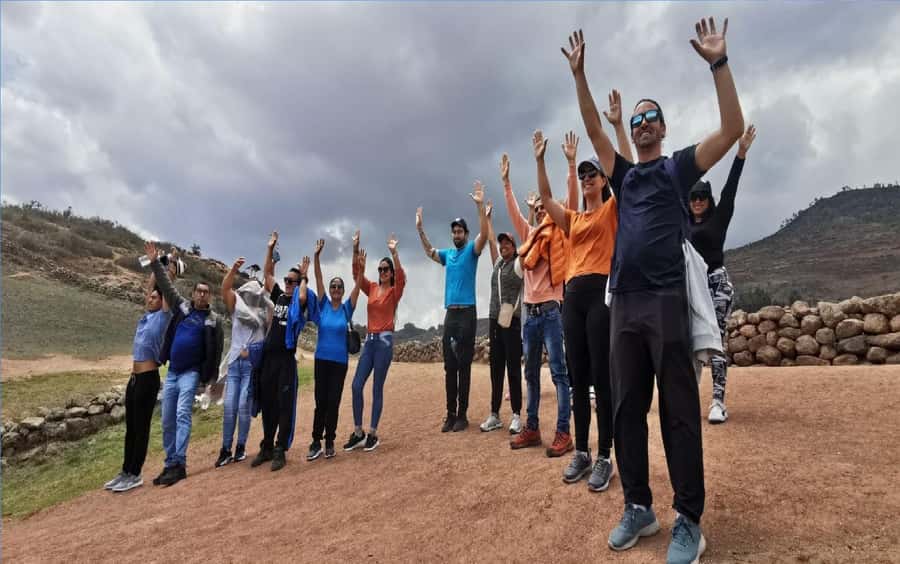
Next comes Qenqo (spelled Q’enco in the schedule), another 45-minute guided tour. This is the place built around a different kind of experience: underground galleries that form a labyrinth used for sacrifices to the Sun God.
If you like ruins that feel functional instead of purely symbolic, you’ll appreciate Qenqo. The underground design makes the site feel engineered for a specific purpose. You’re not just looking at walls—you’re being guided to understand how a visitor might move through the space and why the layout mattered.
Wear shoes with good grip and take your time on transitions between open and shaded areas. Even if you’re not going far underground yourself, you’ll still spend time focused on passageways, openings, and the guide’s explanations of the Sun God sacrifice use.
Also, Qenqo is where your “theme brain” should kick in. By now, the day isn’t about random stops—it’s about worship and water, with different architectural approaches.
Puca Pucara terraces: watchtowers with big-picture views
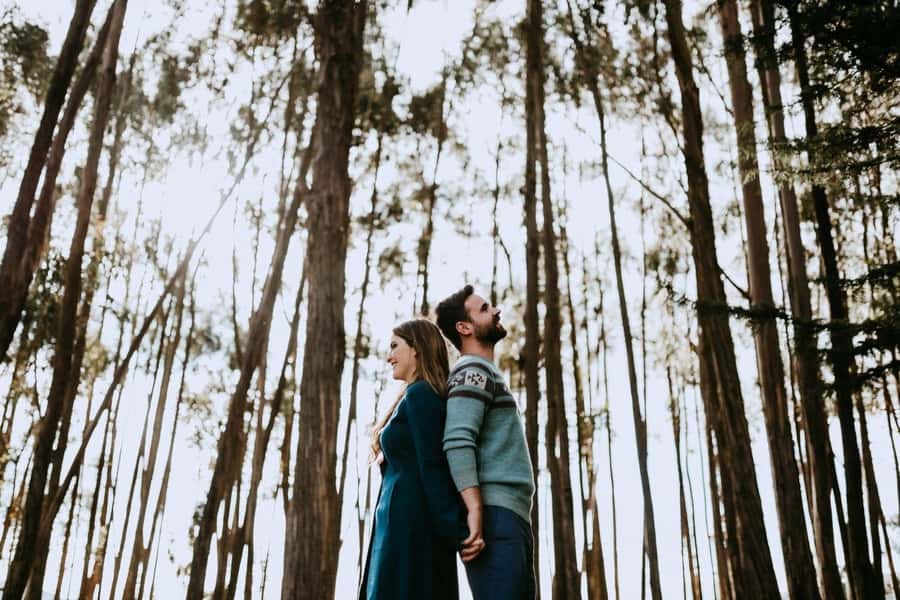
Then you move to Puca Pucara, an Inca surveillance center. The tour describes it as a site made of terraces, staircases, and large walls, and the best part is the way it’s positioned for spotting activity from above.
The itinerary language calls out beautiful views from the watchtowers. That’s the practical reward for the walking: you get a sense of why this location made sense as a monitoring point. It’s easier to understand the logic when you can look out and imagine how a broader region would appear from those angles.
If you’re the kind of traveler who likes getting a “why” answer, this stop is for you. A good guide will help you see the surveillance center idea beyond the romance of old stones.
Bosque de Eucaliptos de K’enko: a needed photo break
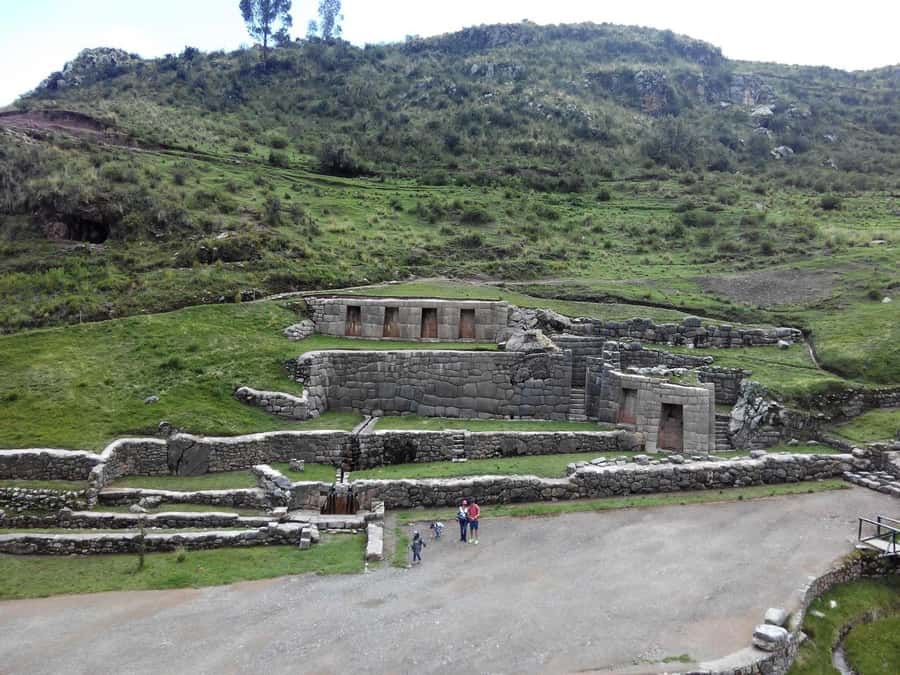
The schedule includes a 35-minute photo stop at Bosque de Eucaliptos de K’enko. This is one of those small breaks that keeps the morning from becoming one nonstop sprint.
It’s also strategically useful: after several guided stretches in ruins, you get time to breathe, take photos, and regroup. If your legs are already feeling the uneven ground, this is the moment to slow down a bit and sip water.
Don’t over-plan your photos here. The point is recovery and quick snapshots, not a long detour.
Tambomachay: aqueducts, waterfalls, and water gutters
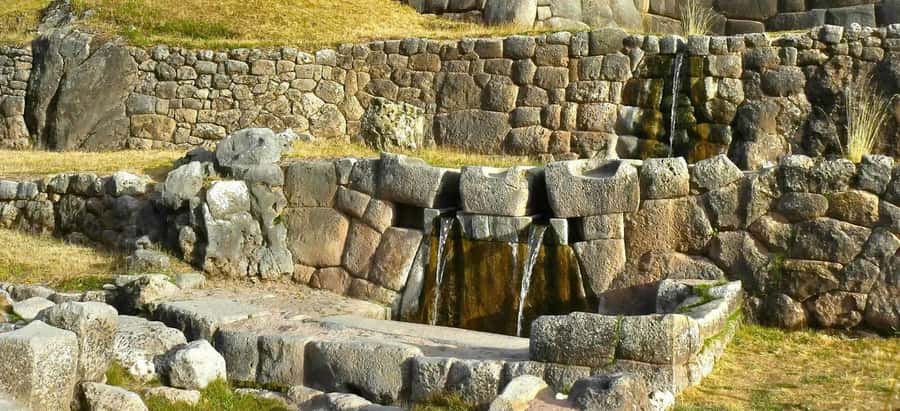
The final stop is Tambomachay, described as an Inca resting place with serious water features. You’ll see aqueducts, waterfalls, and water gutters, and the guide ties it back to the Inca focus on water management.
For me, Tambomachay is the payoff after Qenqo’s underground ritual space. It shifts you from worship setting to engineering in action. You can stand there and grasp how water was guided, collected, and used—no guesswork required.
If you like practical history, this stop lands well. It’s one thing to hear that the Incas were good builders. It’s another to see the water system layout in a way your eyes can follow, from channels to gutters and the movement of water itself.
Because this is the last major site, it’s smart to save your best attention for the water details. The morning goes fast, and Tambomachay deserves your full focus.
Price and tickets: what $13 really turns into
The listed tour price is $13 per person, lasting about 6 hours. That base price includes hotel pickup, round-trip transportation, and a professional guide. For a guided Cusco circuit, that can be excellent value, especially if you don’t want to figure out routing and timing on your own.
But the true cost isn’t just the $13. Entry tickets are not included:
- Tourist ticket: 70 soles
- Coricancha ticket: 15 soles
So plan your budget as: $13 + (70 + 15 soles). The exchange rate will vary, but the key point is the same: treat the $13 as the “guided logistics” part, not the total cost of admissions.
I think that’s still fair value if you’re happy with a structured morning and you want someone to connect the Sun God and water engineering dots across multiple sites. If you love independent wandering and you already know what you’re doing ticket-wise, a DIY day could cost less. Just don’t underestimate how confusing a multi-stop route can feel when you’re in a new place and walking time is tight.
How pickup and drop-off can make or break the day
This tour is pickup-based, starting at 8:45 AM, and the pickup list includes many hotels and main-square areas. Pickup is included, and if your hotel is farther away, you should receive an exact address for where to meet.
Here’s the part worth paying attention to: the tour finishes at Calle Plateros, and the day ends around 2:00–2:30 PM. In one experience, a group reported getting dropped quite far from their hotel and having a hard time navigating to the provided directions. That kind of mismatch is exactly what turns a good day sour—especially if you’re tired and hungry.
My advice is simple:
- At pickup time, confirm your drop-off point (Calle Plateros is what the schedule lists).
- If your hotel is not near the main square, ask for the clearest directions and save them offline.
- If you have a tight plan for afterward, don’t treat the drop-off time as a guarantee to the minute.
Also, languages are Spanish and English with a live guide, so you can follow along even if your Spanish is rusty.
Finally, a quick heads-up: one note from a prior day referenced a llama-farm sales pitch. That may not be your thing. If you want a pure archaeology focus, set that expectation at the start and keep your boundaries polite but firm.
Who this tour suits (and who should skip it)
This works best for you if:
- You want a guided Cusco archaeology circuit with a clear theme
- You like learning rather than just photographing
- You’re comfortable with moderate walking across multiple sites
- You appreciate when the guide explains what the Inca architecture was used for
It’s listed as not suitable for pregnant women. If that applies to you, it’s worth looking for a gentler, less physically demanding option that matches your needs.
You should also plan around the morning timing. This isn’t a slow start with museum pacing. It’s a “see a lot, learn a lot, be done by early afternoon” kind of day.
Should you book this Cusco Archaeological Park morning tour?
If you want an efficient, guided way to connect Sacsayhuaman, Qenqo, Puca Pucara, and Tambomachay into one meaningful story, I think this tour is a solid choice. The pricing can be attractive once you factor in pickup, transportation, and professional guiding—especially if you’re paying extra attention to what the sites were for, not just how they look.
Before you book, just do two things:
- Budget for tickets (70 soles plus the Coricancha 15 soles).
- Confirm the drop-off details at Calle Plateros so you’re not walking around tired with unclear directions.
If those points check out for you, this is the kind of Cusco morning that gives you more than photos. You’ll leave with a better sense of how the Incas used sacred spaces and engineered water in the same world.
FAQ
What time does the morning tour start?
The tour starts with hotel pickup at 8:45 AM.
How long is the tour?
The duration is 6 hours.
Which sites are included in the tour?
The tour includes guided visits to Coricancha, Sacsayhuaman, and Q’enco, plus stops including Bosque de Eucaliptos de K’enko and visits to Puca Pucara and Tambomachay.
Is hotel pickup included?
Yes. Hotel pickup and round-trip transportation are included.
Are entrance tickets included in the price?
No. A tourist ticket (70 soles) is not included, and Coricancha also requires a separate ticket (15 soles).
What languages are available for the guide?
The tour includes a live guide in Spanish and English.
What should I bring?
Bring a passport or ID card, comfortable shoes, and water.
Is the tour refundable if I cancel?
Free cancellation is available up to 24 hours in advance for a full refund.