REVIEW · CUSCO
Sacred Valley & Machu Picchu by Train: 2-Day, 1-Night Tour
Book on GetYourGuide →Operated by TreXperience · Bookable on GetYourGuide
Machu Picchu is the whole point. This 2-day, 1-night tour strings together the Sacred Valley stops that make the Inca story feel real, then gets you into Machu Picchu early for sunrise viewing. I like how it’s built around guided visits to major ruins and practical connections between them, so you spend less time figuring things out.
Two things I like a lot: first, you get strong structure for the Sacred Valley sites, including Pisac and the Maras salt flats area (Saliineras de Maras), plus Moray’s farming terraces. Second, the Machu Picchu morning is handled with real logistics—show your original passport at the checkpoint and join a guided tour for about 3 hours.
One consideration: the schedule is tight and starts early on Day 2, and the tour requires a small bag setup (no large luggage). If you want a super slow pace or you’re hoping Huayna Picchu or Mountain will be included, note those hikes cost extra.
In This Review
- Key highlights that matter on the ground
- Sacred Valley first: why this order works
- Day 1 in detail: Cusco to Aguas Calientes without the headache
- Alpaca Center and textile learning (plus shopping with context)
- Morador Taray viewpoint: a quick hit of scale
- Pisac archaeological site: stone walls, terraces, and irrigation
- Pisac Market: bargain intelligently
- Urubamba lunch and then the engineering stops
- Ollantaytambo and the evening setup
- Overnight in Aguas Calientes: where sunrise logistics start
- Day 2: Machu Picchu sunrise entry and a guided 3-hour tour
- Early wake-up and bus to the citadel
- Guided visit: terraces, storehouses, temples, and palaces
- Optional hikes: Huayna Picchu or Machu Picchu Mountain
- Return to Aguas Calientes and the train ride back
- Price and value: what you’re really paying for
- Who this tour is best for (and who should skip it)
- Practical tips to make the most of it
- Should you book this Sacred Valley & Machu Picchu train tour?
- FAQ
- How long is the Sacred Valley & Machu Picchu tour?
- What’s included in the price?
- Do I need to pay extra for Huayna Picchu or Machu Picchu Mountain?
- What hotel do you stay in?
- How does Machu Picchu entry work?
- Are there any luggage restrictions?
- What should I bring for the tour?
- What languages are the guides?
- Is this tour suitable for everyone?
Key highlights that matter on the ground
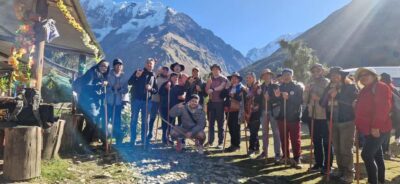
- Small group (max 16): easier questions, less waiting around at stops
- Sacred Valley power combo: Pisac ruins + Pisac Market, then Moray and Saliineras de Maras
- Textile time at an Alpaca Center: you’ll see how natural colors and weaving work, not just buy a souvenir
- Machu Picchu sunrise entry: early bus from Aguas Calientes to beat the day’s crowds
- Expedition train round-trip: built-in connections from Ollantaytambo to Aguas Calientes and back
- Guide quality signals: feedback highlights detailed explanations, including guides Herbert Vidal, Alex, and Oliver
Sacred Valley first: why this order works
If you’ve got just two days, the biggest danger is treating the Sacred Valley like a series of scenic pull-offs. This itinerary avoids that. It builds a day of ruins and living craft culture first, then saves the big emotional payoff—Machu Picchu—for the early morning.
Day 1 begins with a pickup in Cusco and a drive into the Sacred Valley. The alpaca and textiles stop is a smart opener. You learn what all those alpaca products are actually about before you shop. That matters because later, at Pisac Market, you’ll know what questions to ask: what’s dyed with natural colors, what weaving process you’re looking at, and why some pieces cost more than others.
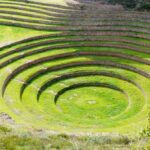
Then you get the “Inca brain” part of the Valley: agricultural engineering, stone terraces, irrigation systems, and ceremonial sites. Moray and Saliineras de Maras are great examples of the Incas using the land as a tool. Moray’s terraces show farming experimentation, while the salt harvesting at Maras shows how a resource shaped local life over centuries.
The final Sacred Valley stop of Day 1 is Ollantaytambo—the one place that still feels like an active Inca settlement layout. From there, you head to Aguas Calientes for the night and gear up for Machu Picchu early the next day.
You can also read our reviews of more evening experiences in Cusco

Day 1 in detail: Cusco to Aguas Calientes without the headache
Alpaca Center and textile learning (plus shopping with context)
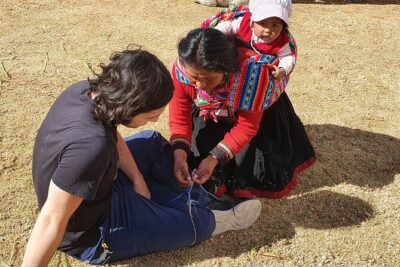
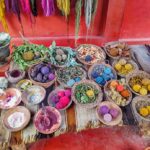
After you meet your guide in Cusco, you go about 30 minutes to an alpaca farm and textile center. You’ll see llamas, alpacas, viñuna, and guanacos, and you’ll learn how the center connects animal raising with weaving.
What I like here is the balance. It’s not just a photo stop. You get a look at the weaving process and how locals use natural colors. There’s also time to shop, but now you’re shopping with understanding, which is how you avoid impulse-buy pricing and guesswork.
Practical tip: you’ll likely be tempted to carry items after buying. Just remember the tour rules: no large bags or luggage. Plan to buy small-to-medium items, and keep your main storage simple so you don’t fight with transport.
Morador Taray viewpoint: a quick hit of scale
Next you visit a lookout point in the Sacred Valley area. This is where you get a real sense of scale—Andes ridges, the Urubamba River area, and the patchwork of farmland. It’s the kind of moment where you can breathe for a minute because later you’ll be in ruins and lines and buses again.
This stop is short, but it’s useful. It helps you connect what you’re seeing to the geography you’ll keep hearing about.
Pisac archaeological site: stone walls, terraces, and irrigation
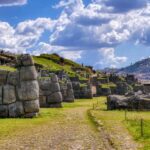
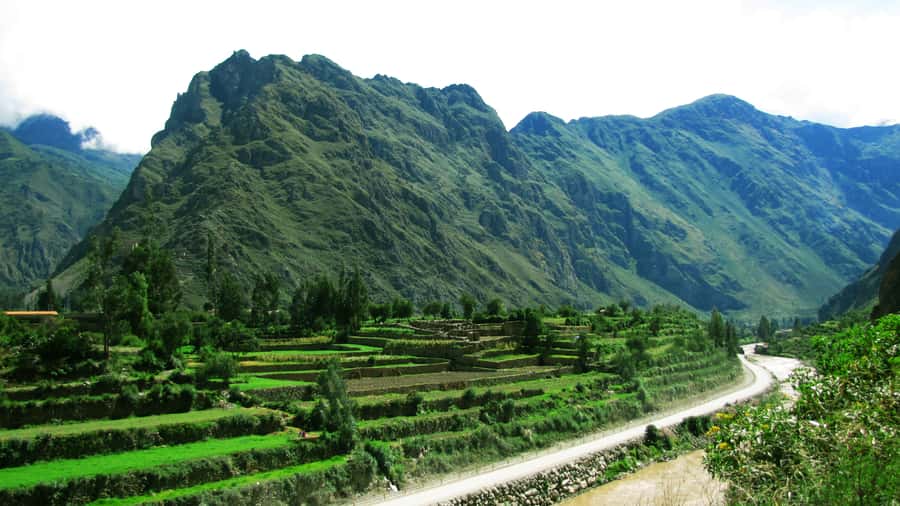
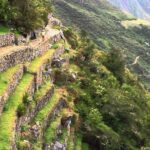
Then comes Pisac archaeological site, perched above the valley with stone walls, agricultural terraces, and visible irrigation systems. You’ll also hear about Pisac as a large cemetery area connected to the Inca empire.
This is one of those sites where a guide makes the difference between seeing rocks and understanding a working system. The terraces aren’t just pretty; they’re the logic behind how people lived, grew food, and organized land.
You can also read our reviews of more tours and experiences in Cusco

Pisac Market: bargain intelligently
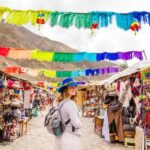
After Pisac ruins, the day shifts to the Pisac Market. This is the place for ceramics, textiles, jewelry, Andean instruments, alpaca products, and souvenirs.
Here’s how to shop smart: look first, then ask questions. Compare materials and weaving details you learned at the alpaca center earlier. If you don’t feel comfortable bargaining, that’s okay—just keep your budget in mind and avoid buying immediately when someone tells you it’s a once-in-a-lifetime deal.
One practical point: market time can tempt you to snack, buy, and wander. Keep your daypack light so you can still move easily during transfers.
Urubamba lunch and then the engineering stops
Lunch is included as a buffet in Urubamba (fresh local products, multiple Peruvian dishes). After that, you go to the terraces and salt area: Moray, then Saliineras de Maras.
This duo is worth it because it shows two different uses of the land:
- Moray: experimentation and farming terraces
- Saliineras de Maras: salt harvesting over many areas of the hillside
Both feel like “Inca meets daily life,” not just monuments.
Ollantaytambo and the evening setup
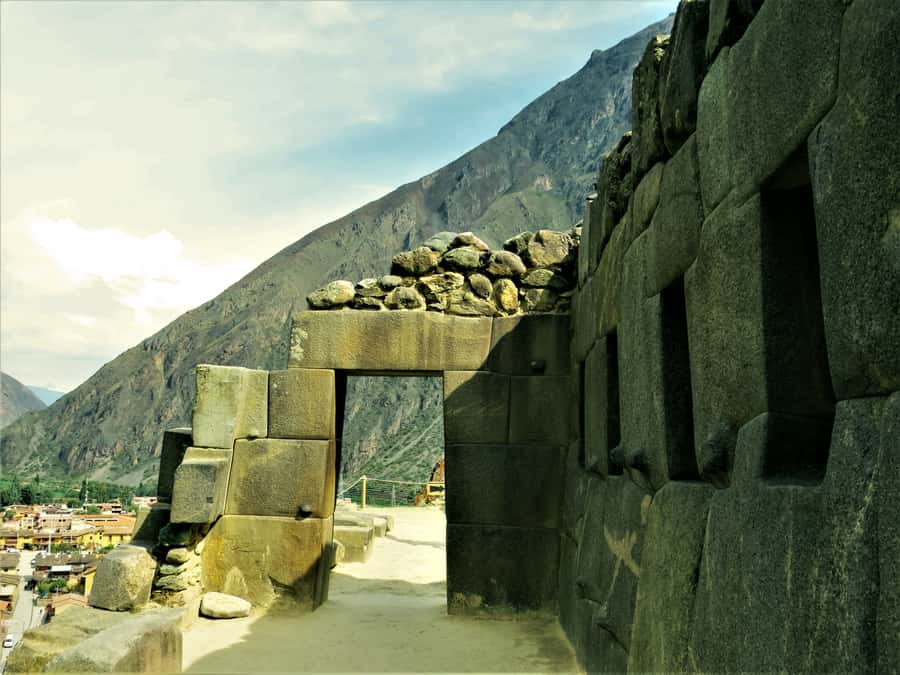
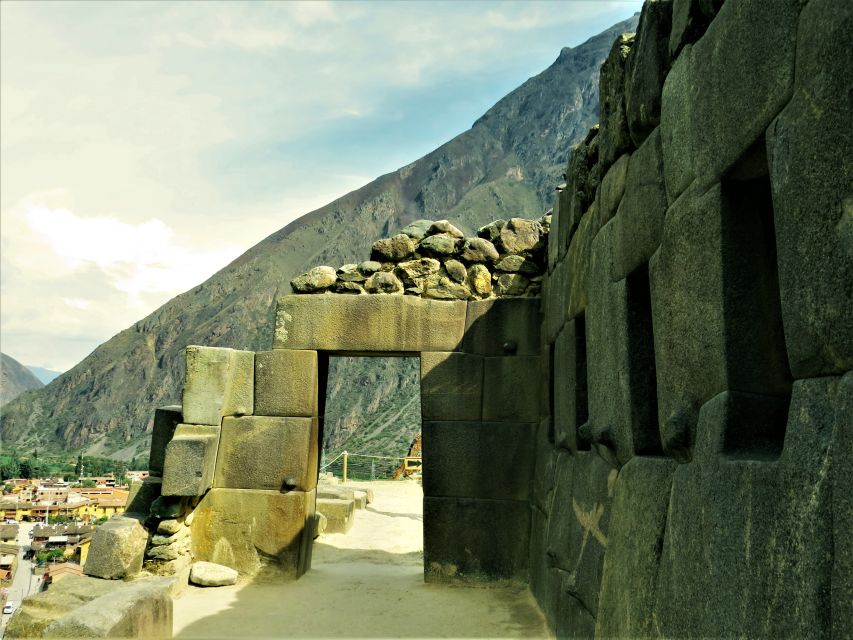
Ollantaytambo is the last major stop of Day 1, and it’s a strong one. The town sits above ancient Inca buildings, and the archaeological site includes temples, terraces, storehouses, and a large monolithic structure.
Dinner is included in Ollantaytambo, which is helpful because it keeps Day 1 from turning into a food scramble. After dinner, you’ll take the Expedition train to Aguas Calientes and stay overnight in a 3-star hotel.
Overnight in Aguas Calientes: where sunrise logistics start
Staying in Aguas Calientes overnight is the whole trick that makes sunrise feasible without a chaos morning. You’ll sleep in a 3-star hotel and then wake up early the next day.
I like that this tour handles the biggest timing pressure for you. Machu Picchu’s morning entry depends on bus schedules and timing at the site. Having a guided plan plus pre-arranged transport means you can focus on your tickets and your pacing, not on coordinating three separate systems.
Pack for comfort: you’ll want layers. Mornings can feel chilly, and you’ll be standing and walking at altitude.
Day 2: Machu Picchu sunrise entry and a guided 3-hour tour
Early wake-up and bus to the citadel
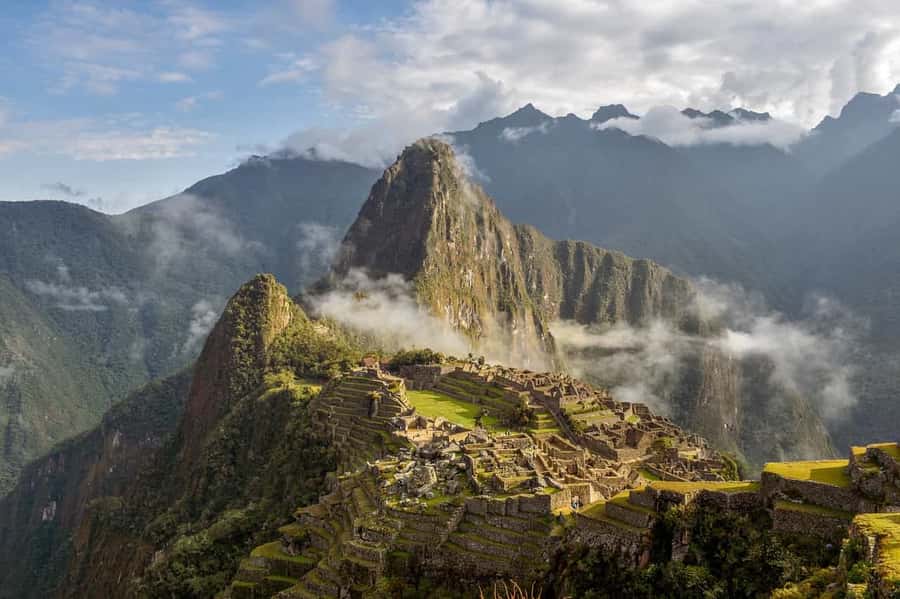
Day 2 starts with breakfast at the hotel, then early bus transport to Machu Picchu. The tour makes the entry straightforward: at the checkpoint, you show your original passport to enter.
That’s a key detail. Peru is very specific about documents for attractions like this, and having it ready keeps you from getting stuck at the gate while everyone else moves on.
Guided visit: terraces, storehouses, temples, and palaces
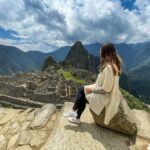
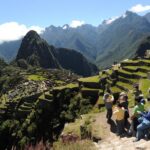
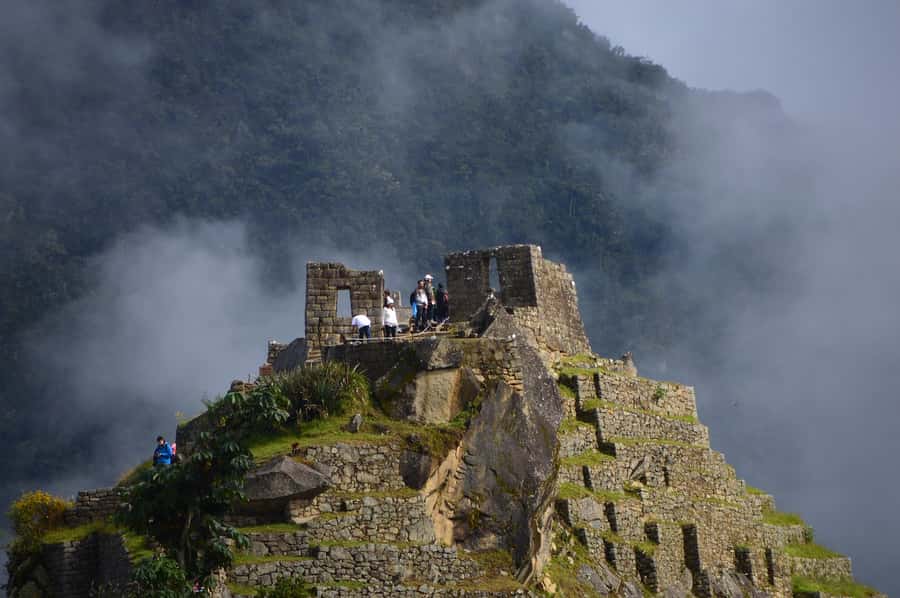
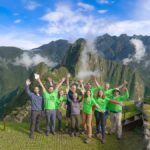
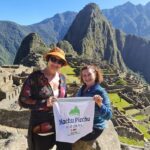
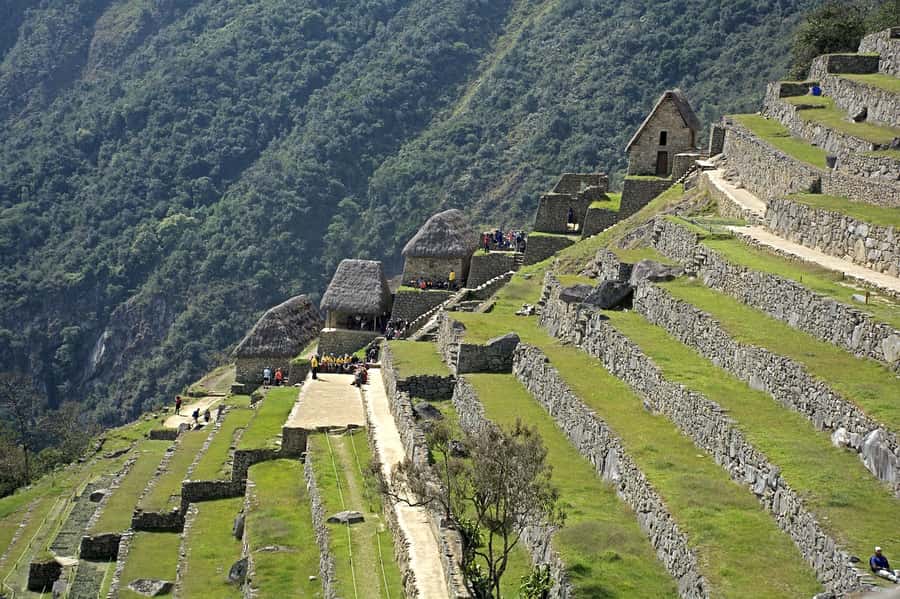
Once inside, you get a guided tour for about 3 hours. The route typically focuses on the most remarkable terraces, storehouses, temples, and palaces—places that give you the “why this was built” feeling.
This is also where the quality of guide explanations really shows. In feedback for this operator, names like Herbert Vidal, Alex, and Oliver come up, with notes about patient answers and careful explanations about Inca life. If you like asking questions—how trade worked, why structures were placed where they were—this format usually pays off.
Optional hikes: Huayna Picchu or Machu Picchu Mountain
After the main guided portion, you can choose an optional extra hike: Huayna Picchu or Machu Picchu Mountain. These hikes are not included and come at extra cost.
Think of it like this: the standard guided tour is already a workout, and the optional hikes add both time and altitude strain. If you’re unsure, you can stay with the main route and spend more time at viewpoints rather than pushing your limits.
Return to Aguas Calientes and the train ride back
After Machu Picchu, you go back to Aguas Calientes by bus. Lunch is on your own if you want it (optional), and then you take the Expedition train back to Ollantaytambo. From there, you transfer by van back to your hotel in Cusco.
One timing reality: train schedules can occasionally shift. Some firsthand feedback includes a note about lateness on the train leg to Machu Picchu, so it’s smart to keep a calm mindset. The good part is that the tour includes round-trip train planning, so you’re not left stranded.
Price and value: what you’re really paying for
At $698 per person for 2 days, it’s not a budget option. But it isn’t random pricing either. You’re paying for a bundle of hard-to-piece-together logistics in a region where timing matters:
- Door-to-door pickup and drop-off in Cusco
- All key entrance tickets: Pisac, Moray, Saliineras de Maras, Ollantaytambo, and Machu Picchu
- Round-trip Expedition train connections
- One night in Aguas Calientes at a 3-star hotel
- Round-trip bus to Machu Picchu
- Buffet lunch in Urubamba and dinner included on Day 1
- Expert guide support across both days
If you tried to self-plan, you’d spend time coordinating trains, buses, timed entry, and guided explanations. That’s where tours earn their keep. The value here is not just convenience—it’s a guided flow that keeps you moving while still understanding what you see.
The other value lever: small group size. With a max of 16, you typically get faster answers and less crowd friction at the stops.
Who this tour is best for (and who should skip it)
This is a strong choice if:
- You have limited time and want the “must-see” Sacred Valley + Machu Picchu combo
- You prefer a guided route through ruins instead of wandering with a map
- You want sunrise access without turning your trip into a logistics project
- You like learning, even when you’re focused on photos
You might skip it if:
- You want total freedom to change pacing on the fly
- You plan to bring large luggage (the tour rules don’t allow it)
- You’re set on including Huayna Picchu or Mountain in your price
Also, there’s a note in the tour terms that it’s not suitable for people over 95 years, which you should factor in immediately if age is a consideration.
Practical tips to make the most of it
- Bring your passport. Machu Picchu entry is passport-based at the checkpoint.
- Bring a daypack and keep everything you need accessible. Large luggage is not allowed.
- Wear shoes you trust on stone paths. You’ll be walking in ruins and uphill areas.
- If you’re prone to altitude discomfort, take it easy on Day 1 and hydrate.
- Keep your optional hike decision for Huayna Picchu/Mountain realistic. It’s easy to overestimate your energy on Day 2.
Should you book this Sacred Valley & Machu Picchu train tour?
Book it if you want a guided, time-efficient path through the Sacred Valley’s most important sites and a sunrise Machu Picchu day that doesn’t collapse under logistics. The included mix—train, hotel, tickets, guide time, and key meals—adds up to solid value for a first or second visit when you’d rather spend energy on the ruins than spreadsheets.
Skip or consider alternatives if you’re traveling with large bags, want a slower independent pace, or expect optional hikes to be included. Also remember it’s non-refundable, so only lock it in if your dates are firm.
If you do book it, you’ll likely feel the difference in the way the tour connects the sites: the farming terraces and salt harvesting make Machu Picchu more than a postcard. It becomes part of a bigger system of people, work, and land—exactly what makes this region worth the effort.
FAQ
How long is the Sacred Valley & Machu Picchu tour?
It runs for 2 days, 1 night.
What’s included in the price?
Pickup and door-to-door service in Cusco, transportation, entrance tickets (Pisac, Moray, Salineras de Maras, Ollantaytambo, Machu Picchu), expert guides, round-trip Expedition train, round-trip bus to Machu Picchu, a 3-star hotel stay in Aguas Calientes for one night, and meals listed as buffet lunch in Urubamba plus dinner in Ollantaytambo.
Do I need to pay extra for Huayna Picchu or Machu Picchu Mountain?
Yes. These optional hikes are not included and cost extra.
What hotel do you stay in?
You stay for one night in Aguas Calientes at a 3-star hotel.
How does Machu Picchu entry work?
On the morning visit, you show your original passport at the checkpoint to enter the citadel.
Are there any luggage restrictions?
Yes. Large bags or luggage are not allowed.
What should I bring for the tour?
You should bring your passport and a daypack.
What languages are the guides?
The live tour guide is available in English and Spanish.
Is this tour suitable for everyone?
It is not suitable for people over 95 years.