REVIEW · CUSCO
Machu Picchu & Sacred Valley 2-Day Tour
Book on Viator →Operated by Viagens Machu Picchu · Bookable on Viator
Machu Picchu is easier when logistics are handled. This 2-day trip strings together the Sacred Valley highlights and a guided walk at Machu Picchu, with tickets and transport folded in. I especially like the tight group size (max 16) and the included 1-night stay in Aguas Calientes, which helps you avoid the stress of day-tripping. The main drawback is the early, full schedule—plus Machu Picchu runs on weather, so you need some flexibility.
On Day 1, you get a smart mix of Inca ruins, local craft life, and real Peru food. You’ll also learn that the guide language is set for your group (the tour is not bilingual), so it matters whether you booked English, Spanish, or Portuguese. I’ve seen how a guide like Franco may translate on the spot when needed, but don’t count on everyone getting the same language support.
On Day 2, the bus up to Machu Picchu starts early from Aguas Calientes, and you’ll spend about 2 hours on-site with a professional guide. You’ll also need your passport details to lock in train and Machu Picchu entry, so have that ready before you expect anything to be confirmed. And if you cancel, it’s non-refundable—so I’d treat this like a plan worth committing to once you book.
In This Review
- Key highlights worth your attention
- Entering The Sacred Valley With Real Stops, Not a Long Stretch of Roads
- Cusco Pickup and Day 1 Timing: 8:00am Start, Long But Organized
- Awana Kancha and Pisac: Textiles, Views, and a Market Where People Actually Shop
- Urubamba Lunch With a River Soundtrack
- Ollantaytambo: Inca Urbanism, Drainage You Can Still See, and a Strong Story
- The Train to Aguas Calientes: Where You Actually Get to Sit Down
- Machu Picchu Morning: Bus Up, Guided Time On Site, Then Back Down
- Price and Inclusions: Where Your Money Actually Goes
- Getting the Most Out of a Small Group (and the Guide Language Setup)
- Altitude, Walking Pace, and What to Pack for This Two-Day Route
- Is This the Right Fit for You?
- Should You Book This 2-Day Machu Picchu and Sacred Valley Tour?
- FAQ
- What time does the tour pickup start in Cusco?
- How many people are in the group?
- Is Machu Picchu entrance included?
- Is Huayna Picchu included?
- What language are the guides?
- Do I need to provide passport details?
- What train class is used?
- What meals and hotel are included?
- What happens if weather ruins the plan?
Key highlights worth your attention
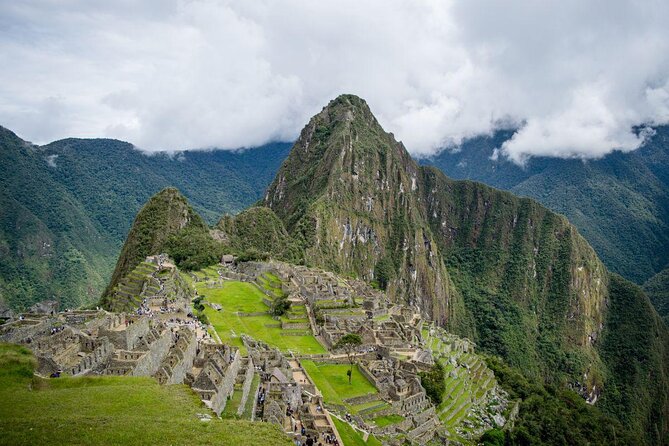
- New7Wonders check-off: Machu Picchu is built into the itinerary with a guided visit and admission ticket included.
- Sacred Valley sites, not just a drive-through: Pisac and Ollantaytambo entrance tickets are included, plus a real guided tour.
- Comfortable base in Aguas Calientes: 1 night at a 3-star hotel helps you start Machu Picchu day without rushing.
- Small group feel (max 16): you’ll usually get quicker attention from your guide during stops.
- Guide language is fixed: your guide works in Spanish, English, or Portuguese, not a mixed bilingual setup.
Entering The Sacred Valley With Real Stops, Not a Long Stretch of Roads
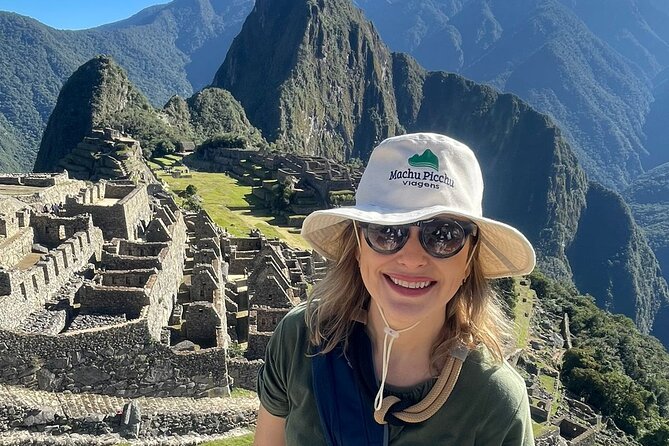
This tour is built for people who want the highlights of the Sacred Valley without spending your whole day coordinating buses, trains, and tickets. You start in Cusco, move through Pisac and Ollantaytambo, and then transition to Aguas Calientes for Machu Picchu the next morning.
The pacing is the key value. You’re not just seeing ruins from a window—you’ll stop, walk, and get a guided explanation at each major site. That matters at places like Pisac and Ollantaytambo, where the details are easy to miss if you arrive on your own.
Price-wise, $679 per person isn’t cheap, but a lot is packed in: a 3-star hotel night, meals (breakfast and lunch), Machu Picchu entrance, and the round-trip train/bus logistics. If you’ve ever tried to piece together a Cusco-to-Machu Picchu plan yourself, you’ll quickly see why bundling helps.
You can also read our reviews of more tours and experiences in Cusco


Cusco Pickup and Day 1 Timing: 8:00am Start, Long But Organized
You’ll meet the group at 8:00am for the Cusco pickup. Tours depart between 7:30am and 8:00am depending on your exact hotel pickup time, so set your alarm like it’s a flight.
This is one of those trips where organization is part of the product. The experience includes 24 hours assistance and a personalized concierge, so if a schedule question pops up, you’re not left guessing. The small group size also helps—less waiting, more direct guidance when it’s time to move to the next stop.
What I’d watch for: you’ll be on the go for much of Day 1. The itinerary moves from museum to ruins to market to lunch to Ollantaytambo, and then you end with the train to Aguas Calientes. If you’re the type who hates being scheduled, you may feel the pace.
Awana Kancha and Pisac: Textiles, Views, and a Market Where People Actually Shop
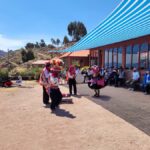
Day 1 begins at Awana Kancha, also called Awanakancha Museum. It’s an animal shelter and textile exhibition—so you’re not starting with a ruin or a bus ride. You’ll get a quick introduction to traditional Peruvian textiles and the broader cultural setting of the region.
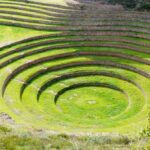
Next comes Parque Arqueologico Pisac at about 3,300 meters. This stop earns its time. The archaeological site gives you those wide Sacred Valley views, and the place feels like it’s sitting in the middle of the story rather than off to the side for a quick photo.
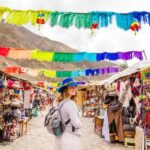
Then you’ll hit the Pisac Market, which is known as one of the largest local markets in the region. This is more than souvenirs. You’ll see handmade artisan work alongside everyday life—food, vegetables, fruits, and more—so it feels grounded and real rather than staged.
A practical note: markets can be loud and crowded, depending on the day. Bring small-change cash if you plan to buy something, and keep your phone handy for photos, but don’t get so stuck shopping that you miss the walk back to the group.
Urubamba Lunch With a River Soundtrack
After the morning’s ruins and market time, you get a break in Urubamba at Tunupa Restaurant. The lunch is described as a buffet, and you’ll eat in a setting with the Urubamba River nearby.
This meal stop is useful for two reasons. First, it gives you energy for the final push to Ollantaytambo. Second, it keeps the day from turning into a chaotic grab-and-go situation where everyone eats at different times.
If you’re picky about food timing, I’d still plan to eat when it’s offered. The itinerary is built around scheduled transport to the next station and stops.
Ollantaytambo: Inca Urbanism, Drainage You Can Still See, and a Strong Story
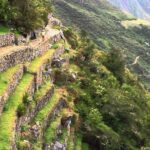
Your next major stop is Archaeological Park Ollantaytambo and the town’s Inca layout. The itinerary highlights Ollantaytambo as a rare example of Inca urban planning, with cobbled streets you can walk and observe.
One detail that matters: the Inca drainage system. It’s one of those features that makes you go, oh wow—they weren’t just building for looks. They engineered water control in a place where rain and terrain can be unforgiving.
You’ll also hear the story behind the site’s reputation during the Spanish colonization period, including how Ollantaytambo’s resistance lasted for about 50 years. Even if you’re not a full-on history buff, this adds meaning to what you’re seeing. It’s not just stones; it’s a place with a stubborn legacy.

The Train to Aguas Calientes: Where You Actually Get to Sit Down
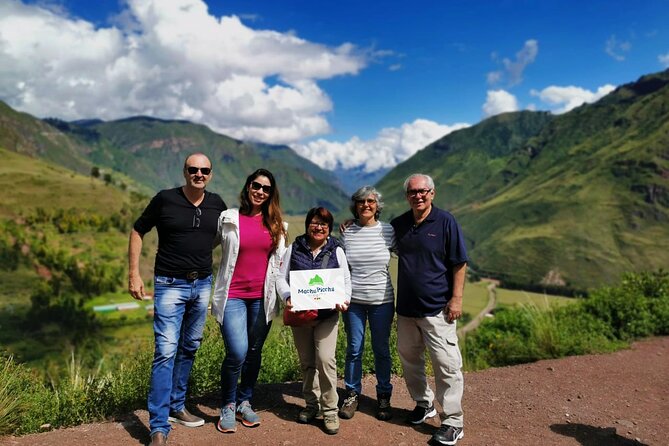
Once you finish in Ollantaytambo, you move to Estación Ferroviaria de Ollantaytambo and ride the train to Aguas Calientes. The transfer is part of the included transport, and the train is in Tourist class.
This segment is your decompress moment. The bus ride days can feel tight, so use the train for rest, snack time, and planning what you want to focus on at Machu Picchu. If you get motion-sensitive, bring a basic remedy—Peru trains and mountain routes can feel bumpy.
There’s also a comfort tradeoff. One review note flagged small leg room on the bus, and while that’s not the train, it tells you the overall transport is practical rather than spacious. Pack layers so you can manage temperature swings without overheating.
When you arrive in Aguas Calientes, you’ll be guided to your hotel. That’s a big deal because it removes the last-minute navigation stress right before Machu Picchu day.
Machu Picchu Morning: Bus Up, Guided Time On Site, Then Back Down
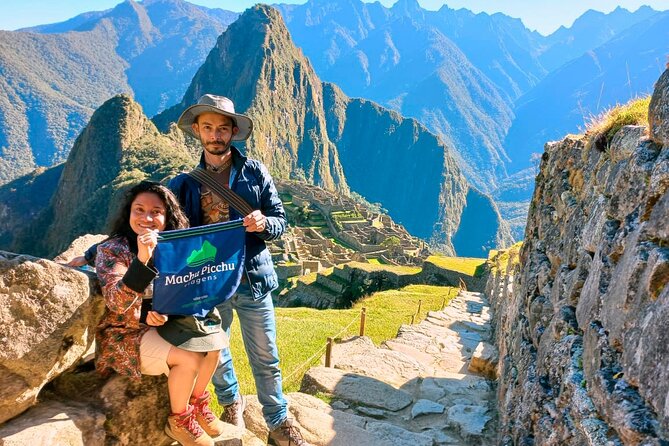
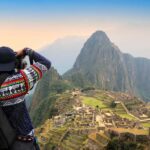
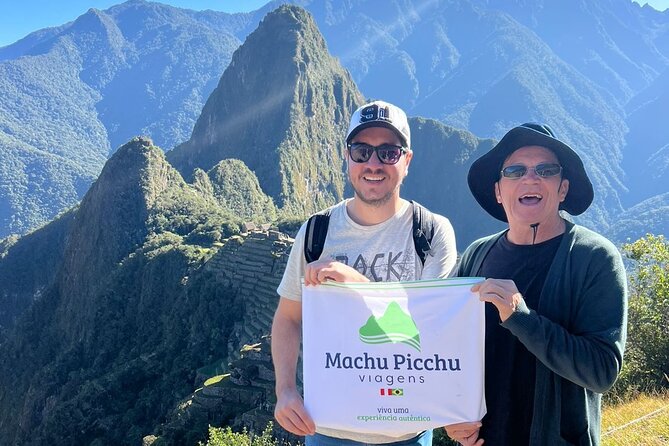
Day 2 starts with pickup from your hotel in Aguas Calientes to board the bus up to Machu Picchu’s main entrance. The ride is about 30 minutes, and the guide handles the run-up info so you understand where you are and what you’re looking for.
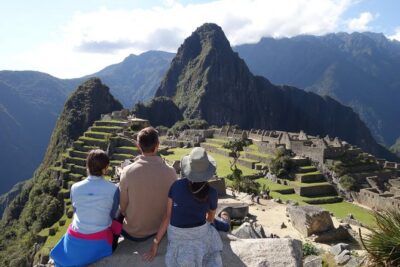
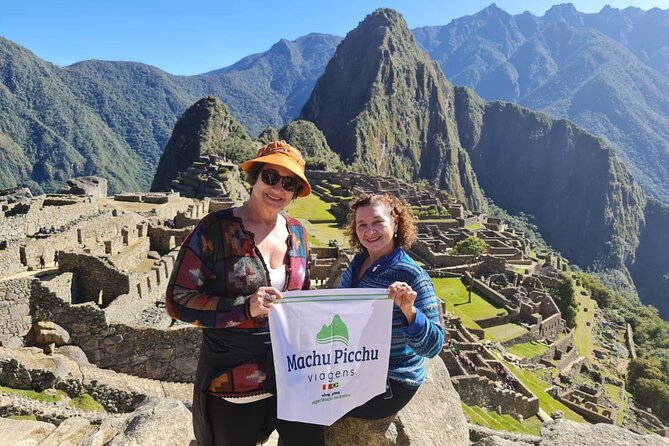
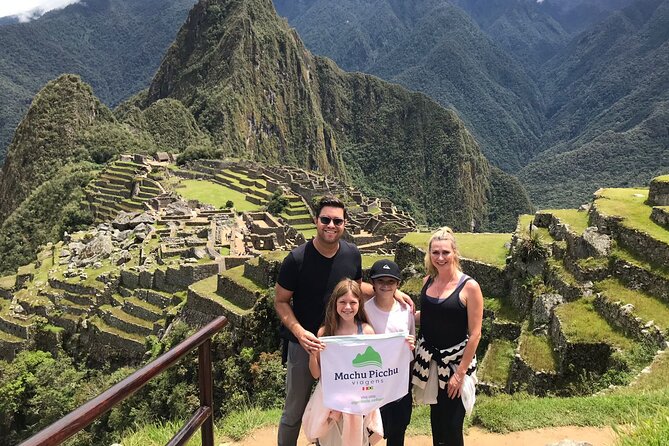
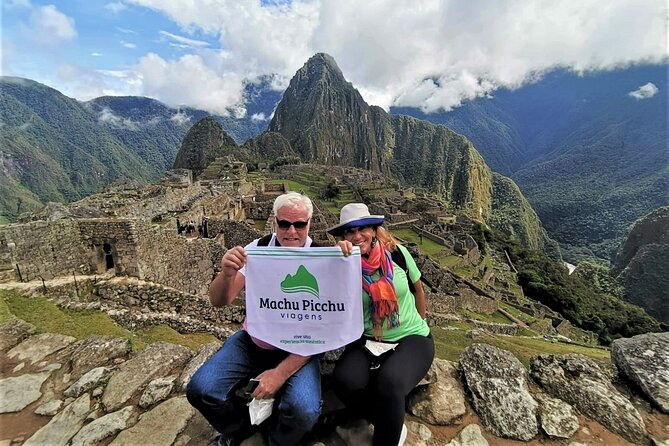
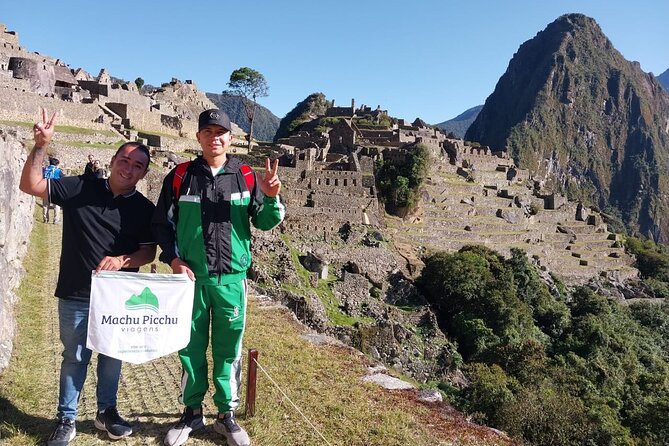
Your Machu Picchu visit includes a guided tour of about 2 hours, plus the entrance ticket. This is the moment where a guide makes a difference. The guide is there to explain the mysteries and fascinating facts of Inca culture tied to the site—so you’re not just wandering around trying to connect dots.
After the visit, you return to Aguas Calientes. From there you go back toward Cusco, with Poroy as the train transfer point. You’ll arrive in Cusco and get transferred to your hotel.
If you’re trying to photograph, remember this: Machu Picchu light changes fast, and crowds can shift by minute. Wear good shoes and stay calm. You’re going to see a lot, and your brain will want to sprint ahead. Slow down enough to look back and take in the full scale.
Price and Inclusions: Where Your Money Actually Goes
At $679 per person, you’re paying for more than a walking tour. The included items list is the real story.
You get:
- 1 night at a 3-star hotel in Aguas Calientes
- Breakfast and lunch
- Machu Picchu guided tour + Machu Picchu entrance ticket
- Round-trip bus to Machu Picchu from Aguas Calientes
- Round-trip train Ollantaytambo ↔ Aguas Calientes (Tourist class)
- Sacred Valley of the Incas guided tour (16 passengers max)
- Pisac and Ollantaytambo entrance ticket
- Cusco hotel pickup/drop-off
- Transport between Ollantaytambo/Poroy train stations
- 24-hour assistance and a personalized concierge
What isn’t included:
- Huayna Picchu (optional hike, must be booked in advance)
- Tips and personal expenses
- Travel insurance
- Flights
- Extra meals/drinks beyond what’s stated
So is it good value? For most people, yes—because the expensive, time-sensitive parts are bundled: the Machu Picchu entrance, the train route, and the hotel night. If you tried to build that yourself, you’d likely spend money plus time plus nerves.
Getting the Most Out of a Small Group (and the Guide Language Setup)
This tour caps the group at 16 travelers, and that usually means you get more attention during transitions and explanations. Instead of everyone sprinting off, your guide can help you stay on track.
One detail I think you should respect up front: the tour guide is assigned in one language (Spanish, English, or Portuguese). It is not described as bilingual. Still, the human part matters. One experience note mentioned Franco stepping in to translate for an English speaker when the group was primarily Spanish.
What you should do:
- Choose the language that you’ll actually feel comfortable with during the guided parts.
- If your Spanish/English level is mixed, don’t assume you’ll understand everything equally. Your guide can help, but the setup is still language-specific.
Altitude, Walking Pace, and What to Pack for This Two-Day Route
You should have moderate physical fitness for this itinerary. That doesn’t mean it’s a hardcore trek, but you will walk at multiple sites and deal with altitude in the Sacred Valley area.
For what you’ll likely need:
- Comfortable, grippy shoes for uneven stone at archaeological sites
- Layers. Temperature can change quickly, especially in the mountains
- Water and basic snacks in case you feel hungry between scheduled meal moments
- A small day bag so you don’t lug too much in the market and ruins
Timing also matters for comfort. The plan starts early (Cusco pickup at 8:00am) and ends after train transfers on Day 2. Plan to keep the rest of your day flexible after the tour.
And if you’re sensitive to morning movement, give yourself a buffer. This trip doesn’t slow down just because you want a late start.
Is This the Right Fit for You?
This tour fits best if you want:
- Machu Picchu plus Sacred Valley in just two days
- A guided approach at Pisac, Ollantaytambo, and Machu Picchu
- A clear, organized transport plan (train, bus, transfers) without booking everything separately
- A smaller group so you can ask questions and stay on schedule
It might not be ideal if you:
- Hate early mornings and tight pacing
- Want total freedom to roam outside the scheduled guided times
- Are planning to do Huayna Picchu and need it included automatically (it’s optional here and must be booked in advance)
One more thing: the experience requires good weather. If conditions are poor, you’ll be offered a different date or a full refund. If weather uncertainty would stress you out, consider whether a flexible travel window is possible.
Should You Book This 2-Day Machu Picchu and Sacred Valley Tour?
If you want a smart, guided “greatest hits” route—Machu Picchu plus Sacred Valley—this is a strong choice. The biggest reasons are practical: the hotel night in Aguas Calientes and the inclusion of Machu Picchu tickets and key transport. That’s the hard part of the equation.
I’d book it if you’re the type who values clear instructions, guided context, and not having to figure out train and entry logistics under time pressure. The small group size helps too, especially on days where you’re moving between sites quickly.
I’d think twice if you’re allergic to early starts or you need maximum flexibility for free-roaming time. For that style of trip, you might prefer a more DIY plan.
In short: this tour is for people who want the highlight without the headache.
FAQ
What time does the tour pickup start in Cusco?
Pickup starts at 8:00am. Tours depart between 7:30am and 8:00am, and your exact pickup time is confirmed based on your hotel or pickup address.
How many people are in the group?
The Sacred Valley portion is described as a small group with a maximum of 16 passengers.
Is Machu Picchu entrance included?
Yes. Your Machu Picchu entrance ticket is included, along with the Machu Picchu guided tour.
Is Huayna Picchu included?
No. Huayna Picchu is optional, not included, and must be booked in advance.
What language are the guides?
The professional guide works in Spanish, English, or Portuguese. It is not described as a bilingual tour, so you should choose the language you want.
Do I need to provide passport details?
Yes. You’ll need passport details to book the train and the Machu Picchu entrance ticket, and you should enter this information upon booking.
What train class is used?
The itinerary includes round-trip train tickets Ollantaytambo–Aguas Calientes in Tourist class.
What meals and hotel are included?
Breakfast and lunch are included, and you get 1 night in a 3-star hotel in Aguas Calientes.
What happens if weather ruins the plan?
The experience requires good weather. If it’s canceled due to poor weather, you’ll be offered a different date or a full refund. If you cancel yourself, it’s non-refundable.