REVIEW · CUSCO
Sacred Valley Textile Workshop – Dyeing & Weaving in Cusco
Book on Viator →Operated by Peru Private Tours · Bookable on Viator
Want color you can actually hold? This day is built around dyeing and weaving alpaca yarn the old Andean way, with Ruth Pimentel (a UNESCO Indigenous master weaver) welcoming you personally in the hills outside Cusco. You’re not just watching craft skills in action—you make a piece yourself and learn what each step is for.
I especially like how the workshop blends natural dyes (from seasonal plants you help gather) with real weaving instruction on a backstrap loom. And it’s a private experience, so you’re guided closely by master weavers like Ruth, plus helpers such as Nayda, Delia, and others named by past participants.
One thing to plan for: it’s a long day because the drive from Cusco is about 1.5 hours each way (depending on the route and stops). That travel time is part of the experience, but it can catch you off guard if you’re hoping for a short morning activity.
In This Review
- Key highlights you’ll care about
- Ruth Pimentel and the living craft you’re stepping into
- From Cusco hotel pickup to the Sacred Valley countryside drive
- Plant dyes: picking botanicals and preparing dye like the pros
- The backstrap loom lesson: what you’ll learn and why it’s hard
- Lunch, coffee or tea, and the community atmosphere that makes it feel real
- What you take home: your woven piece, dyed yarn, and provenance card
- Price and value: is $420 worth it?
- Who should book this workshop (and who should think twice)
- Small tips so your day runs smoothly
- Quick verdict: should you book the Sacred Valley textile day?
- FAQ
- What time does the workshop start?
- How long is the experience?
- How much does the Sacred Valley textile workshop cost?
- Do I get hotel pickup?
- What’s included in the meal?
- Is this a private tour or shared group?
- What do I make during the workshop?
- Do I need good weather?
- What do I take home at the end?
- What’s the cancellation policy?
Key highlights you’ll care about
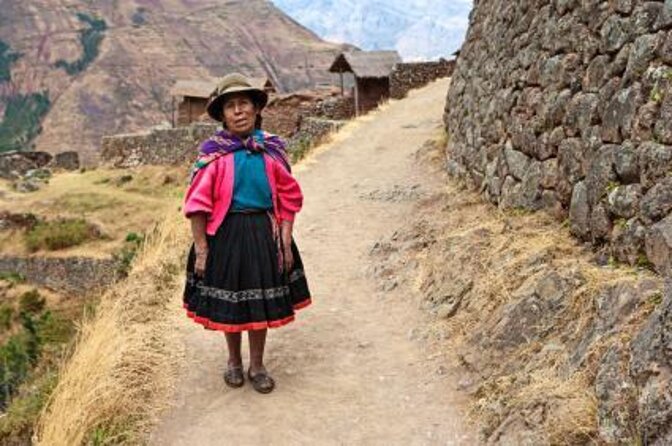
- Ruth Pimentel leads the experience and shares her UNESCO-recognized role in living Indigenous textile traditions
- You help with botanical dye prep and dye premium baby-alpaca yarn using ancestral methods
- Real backstrap weaving instruction, with hands-on help when your hands need it
- A full lunch plus coffee or tea is included, with food often cooked from local ingredients
- You take home your work in elegant packaging with a signed provenance card (plus yarn and small woven items you make)
Ruth Pimentel and the living craft you’re stepping into
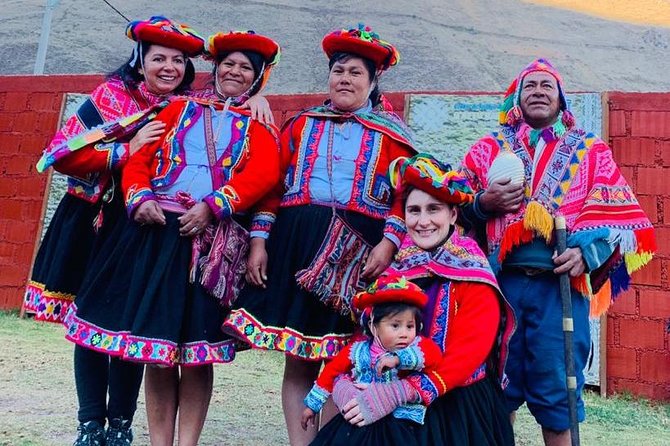
This workshop is anchored by Ruth Pimentel, described as Peru’s only UNESCO-awarded Indigenous master weaver. What matters for you is that the day doesn’t feel like a performance. Ruth isn’t there to impress you; she’s there to pass along skills—how to handle yarn, how to prepare dyes, and how weaving connects to community knowledge.
You’ll also spend time hearing how this textile tradition has been preserved and strengthened across generations, including through a social-impact initiative. That context changes the tone of the class. Instead of thinking you’re buying a souvenir, you start seeing your finished piece as part of a much bigger chain of people, plants, and techniques.
Expect to learn from Ruth and additional master weavers tied to the communities around the Sacred Valley. Past participants also mention guides such as Nayda and other instructors by name (Julia, Maria, Dahlia, Marilus, Selena, Natividad, Lucia, Martina, Delia). Even when the faces change across days, the teaching style is consistent: patient, hands-on, and focused on technique.
You can also read our reviews of more tours and experiences in Cusco



From Cusco hotel pickup to the Sacred Valley countryside drive
You start at 8:30am with hotel pickup by private transport. Then you head out of Cusco for the hills and Sacred Valley side where the atelier is located. In practice, many people describe the drive as about an hour and a half—and that travel time stacks with the workshop hours, so the whole day can feel like a full-day event.
I like that there are often planned stops along the way for photos. The countryside views aren’t the main point of the day, but they help you get into a slower rhythm before you sit down to work with yarn and plants. And if you’re worried about altitude at the start of your trip, at least one participant found this a helpful day for acclimating—mainly because you’re not rushing between ruins and crowds.
Practical note: because you’re going out and back, plan for a day with limited flexibility. If your schedule is tight, this isn’t a quick in-and-out activity.
Plant dyes: picking botanicals and preparing dye like the pros
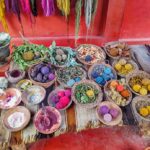
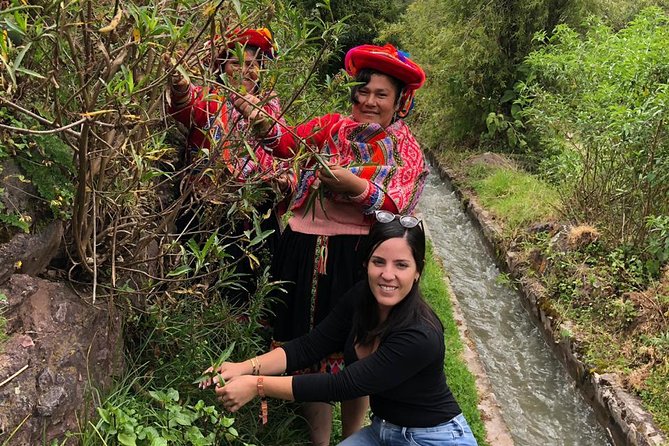
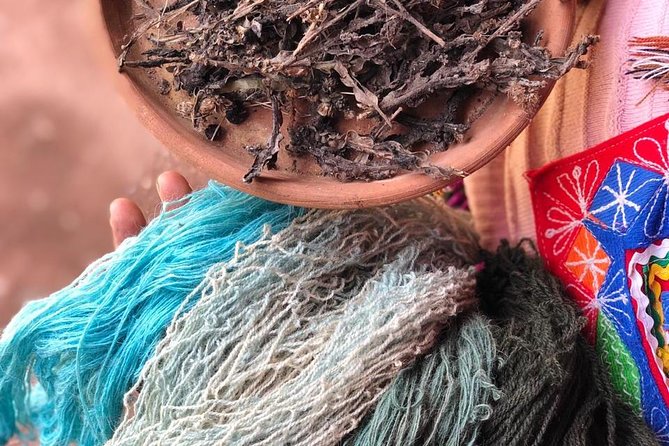
The workshop starts with a warm introduction at the private atelier. Then you move into the steps that make Andean dyeing different from basic craft demos. You’ll select seasonal botanicals and work with dye materials that come from plants, not chemical shortcuts.
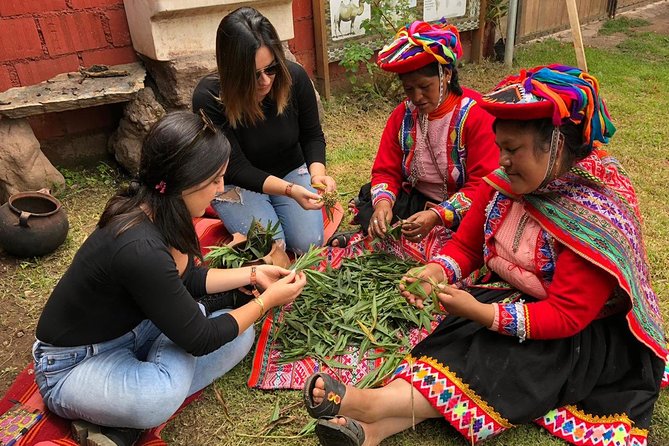
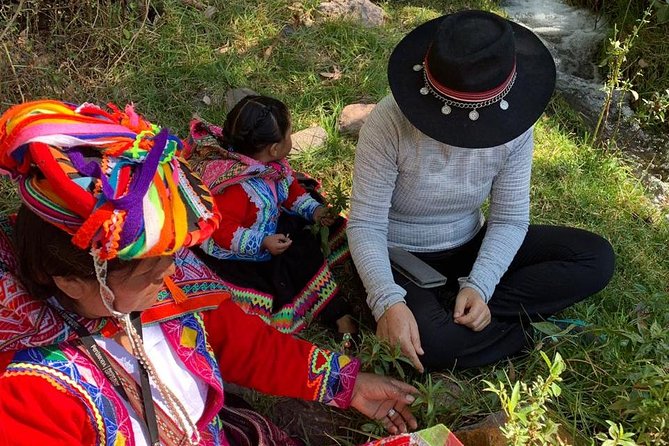
Many past participants highlight a key moment: going out to gather leaves and ingredients for the dye bath. You’re not just told what to do—you’re part of it. That matters because dyeing isn’t one step. You learn how the plant choice affects the color, and how preparation affects the result.
You’ll also hear about the wider role of plants in daily Andean life. Several participants mention learning that dye plants can overlap with local medicinal uses. Even if you’re not tracking it scientifically, it gives you the right context: people don’t treat plants as random “color sources.” They treat them as knowledge.
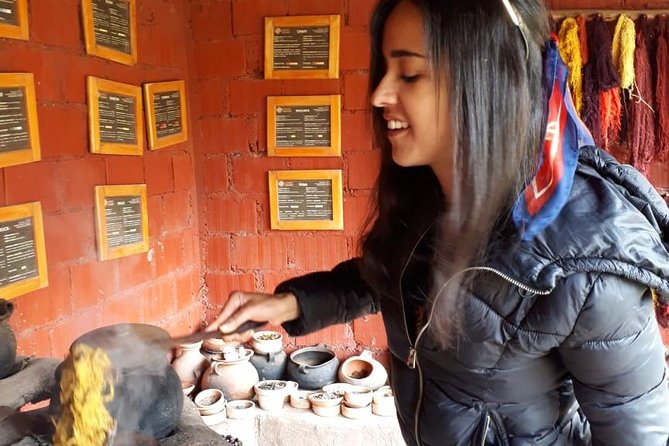
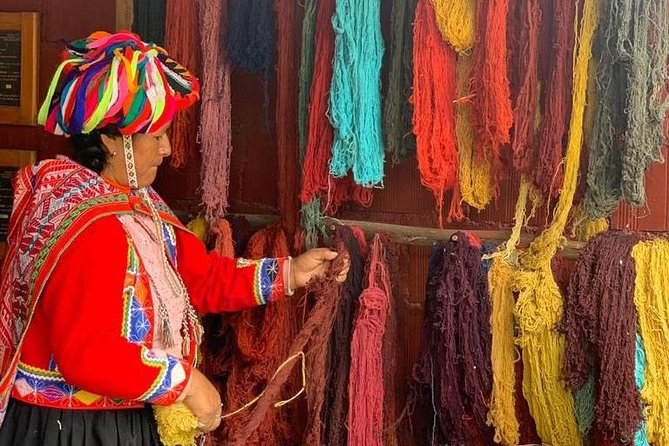
Then comes the dyeing. You hand-dye premium baby-alpaca yarn using traditional techniques. Expect guided support and close attention to timing and process details. The people teaching you have years of practice, and you’ll feel that in the way they handle the yarn.
One caution: natural dye work is smell-and-surface-level real. You’ll be near dye baths, leaves, and preparation areas. Wear clothes you won’t mind getting a little messy.
The backstrap loom lesson: what you’ll learn and why it’s hard
After dyeing and lunch, you shift into weaving on a backstrap loom. This part is the big-ticket learning moment for most people. One repeat theme in the feedback is that weaving is really challenging—not in a discouraging way, but in a teachable, skill-requiring way.
So here’s what to expect in a practical sense:
- The loom setup and weaving patterns can feel fiddly at first.
- Your guide(s) help you get the rhythm right, but the technique takes time.
- You’ll likely start with a smaller project style such as a bracelet, bookmark, or headband.
Past participants mention making bracelets (including choosing several pre-dyed color strands like four colors for bracelet weaving), as well as bookmarks and headbands (sometimes described as bincha). Some people leave with a piece they made mostly themselves; others get more help toward the end. Either way, you’ll understand the labor behind the final product.
Why this matters: backstrap weaving isn’t a machine process. It’s body-and-habit knowledge. When you struggle for a bit, you start respecting the craft correctly. And once it clicks, it feels surprisingly calming—because you’re doing repetitive, precise actions with guidance beside you.
Lunch, coffee or tea, and the community atmosphere that makes it feel real
The day includes lunch plus coffee or tea, and the meal is part of how you bond with the people teaching you. Past participants describe lunch as delicious, wholesome, and sometimes homecooked with ingredients that show up in the garden or yard (examples mentioned include pineapple, passion fruit, papaya, avocado, yucca). Some also mention a more adventurous Andean dish like guinea pig.
This is where the day stops being just craft instruction and becomes human exchange. You’ll eat together, talk with the group, and learn a little Quechua vocabulary along the way. Even small language moments help you connect because you’re not just collecting facts—you’re seeing how people communicate.
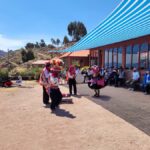
There’s also a social tone in the room. Several reviews mention laughter, friendly conversation, and dancing at the end of the day. The dance isn’t just entertainment; it’s a reminder that textiles and culture are tied to community life, not only market stalls.
What you take home: your woven piece, dyed yarn, and provenance card
This workshop is built around a finished product. The description emphasizes that your bespoke textile creation is completed on-site and then presented in elegant packaging with a signed provenance card. That’s more than pretty—it’s a practical way to keep the story attached to what you bought.
You also typically take home more than one item:
- Your woven project (often bracelets, bookmarks, or headbands)
- Yarn you dyed yourself (several participants specifically mention taking dyed yarn home)
- Sometimes additional small items purchased from the workshop shop after weaving
If you’re choosing this day for souvenirs, you’ll likely leave happier with the outcome than with a typical store stop. You’re not just buying a textile—you’re carrying the steps you learned: dye process, yarn handling, and weaving technique.
Tip for packing: plan for yarn and woven items to be handled carefully in your luggage so the edges and fibers stay nice.
Price and value: is $420 worth it?
At $420 per person for about 8 hours, this isn’t the cheapest activity in Cusco. But it can be good value if you care about doing the real work.
Here’s the value case, in plain terms:
- You get private transport pickup and a full-day structure rather than a quick half-hour demo.
- You work through dyeing and weaving with master weavers and receive hands-on guidance.
- Lunch and coffee or tea are included, which saves you meal-planning time.
- Your day produces something tangible: a woven piece, plus dyed yarn you helped create.
- The provenance card helps you keep the craft story attached to your purchase.
Where it may feel less like a bargain is if you only want light participation. Weaving requires patience, and the drive makes this a full-day commitment. If you’re not interested in hands-on crafting, you’ll probably wish you’d chosen something shorter.
For people who love textiles, color, and “making” with your hands, this price starts to look reasonable fast—because you’re paying for instruction, time, and materials, not just a guided walk.
Who should book this workshop (and who should think twice)
This workshop fits best if you:
- Want hands-on craft time rather than watching from the sidelines
- Like learning the practical steps behind traditional techniques
- Enjoy slower, skill-focused days (yarn work is not a sprint)
- Travel with an open mind about culture, process, and community-based craft
It may be less ideal if you:
- Have limited time in Cusco and can’t absorb a long day
- Want a super-easy activity with no concentration required
- Don’t like sitting and working closely for hours (weaving takes physical focus)
- Are sensitive to a bit of mess from dye prep and plant handling
Even then, most people say the day feels welcoming and well organized. The “hard part” isn’t the people—it’s the technique. And the guides know you’ll need support.
Small tips so your day runs smoothly
A few practical moves can make a big difference:
- Wear clothes you’re okay getting stained or lightly dyed. Plant-based dye can leave traces.
- Bring a light layer. Workshop spaces can feel cool even in daytime, especially when you’re sitting for long stretches.
- Plan your photos in advance. There may be stops for photos on the drive, but the main work time is hands-on.
- If you want to buy additional items from the shop, bring some cash. (One participant mentioned needing help with an ATM and bank exchange, so being prepared is smart.)
- If you’re choosing between projects like bracelet vs bookmark, pick what feels fun to you. Bracelets are often described as a hands-on weaving focus, while bookmarks can be a simpler take-home item.
Also: since this is private and only your group participates, you’ll get more direct attention. That helps with questions and learning pace.
Quick verdict: should you book the Sacred Valley textile day?
If you like textiles, color, and learning how things are made, this is an excellent Cusco-area day. The big win is the combination of botanical dyeing and real backstrap weaving instruction, led by Ruth Pimentel and supported by skilled helpers like Nayda and Delia. You’ll leave with a piece you understand, not just a piece you bought.
Book it if you can spare the whole day and you’re okay with learning something that takes concentration. If your schedule is tight, you only want a short experience, or you hate craft work that requires patience, you might want a different Cusco activity.
FAQ
What time does the workshop start?
It starts at 8:30am.
How long is the experience?
It’s listed as about 8 hours.
How much does the Sacred Valley textile workshop cost?
The price is $420.00 per person.
Do I get hotel pickup?
Yes. Hotel pickup by private transport is offered.
What’s included in the meal?
Lunch is included, along with coffee or tea.
Is this a private tour or shared group?
It’s private. Only your group will participate.
What do I make during the workshop?
You’ll dye alpaca yarn and do backstrap weaving. People mention making items such as bracelets, bookmarks, and headbands, depending on the day’s project.
Do I need good weather?
Yes. The experience requires good weather.
What do I take home at the end?
You finish your textile creation on-site and it’s presented with elegant packaging and a signed provenance card. Many participants also mention taking dyed yarn home.
What’s the cancellation policy?
Free cancellation is available up to 24 hours in advance for a full refund. If it’s canceled due to poor weather, you’ll be offered another date or a full refund.