REVIEW · CUSCO
Cusco: 4-Day Salkantay Trek to Machu Picchu, Panoramic Train
Book on GetYourGuide →Operated by TreXperience · Bookable on GetYourGuide
Salkantay to Machu Picchu is a big, emotional arc. This 4-day trek in the Cusco region mixes high-altitude drama with comfort upgrades—glamping on the trail, Andean huts for one night, and then a proper 3-star base in Aguas Calientes. You’ll be up early (very early) and walking hard, but it’s built around getting you safely to the pass and into Machu Picchu with as little hassle as possible.
What I like most is the blend of real trekking with real comfort: you’re not sleeping in a random street tent. The SalkaGlamp Basecamp night and the following hut stay are paired with full meal service, snacks, and even provided bedding basics like a pillow and sleeping pad. I also love the cultural stops that feel practical, not performative—Pachamanca, plus a coffee experience where you learn the bean-to-cup process and make your own espresso.
One thing to consider: the second-night huts can vary in quality. A couple of experiences flagged issues like hut conditions and warm shower extra fees, so it helps to go in expecting rustic facilities, not a hotel spa.
In This Review
- Key highlights you’ll feel in your legs and your day
- Why This Salkantay Trek Works for Most First-Timers
- Day 1: Cusco Pickup, Humantay Lake, and Sleeping Under the Andes
- Day 2: Salkantay Pass, Cloud Forest Change-Up, and Collpapampa Rest
- Day 3: Pachamanca in Lucmabamba, Coffee, Then to Aguas Calientes
- Machu Picchu Morning: Sunrise Bus, Guided Citadel Time, and Circuit 2
- Train Ride Back to Cusco: Vistadome vs 360° Panoramic
- The Comfort + Safety Package You’re Actually Paying For
- Price and Value: Is $552 a Fair Deal?
- Who This Trek Fits (and Who Should Rethink It)
- Should You Book This Salkantay Trek to Machu Picchu?
- FAQ
- What is the duration of this Cusco Salkantay trek?
- Where do pickups happen?
- Is Machu Picchu entry included?
- What are the lodging options during the trek?
- What does the tour include for meals?
- What train do you take back to Cusco?
- Who should not book this tour?
Key highlights you’ll feel in your legs and your day
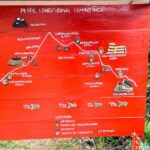
- Salkantay Pass (4,630 m): that big altitude payoff with views and a downhill reset
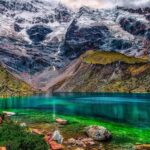
- Humantay Lake day: turquoise water and mountain views right away on Day 1
- Pachamanca barbecue + cooking approach: underground stone-cooked meal in a traditional style
- Coffee farm + espresso prep: learn the process and make your own cup
- Machu Picchu with a guide: sunrise bus timing and guided exploration time (Circuit 2 by default)
- Return by Vistadome or 360° panoramic train: scenic unwind back to Cusco
Why This Salkantay Trek Works for Most First-Timers
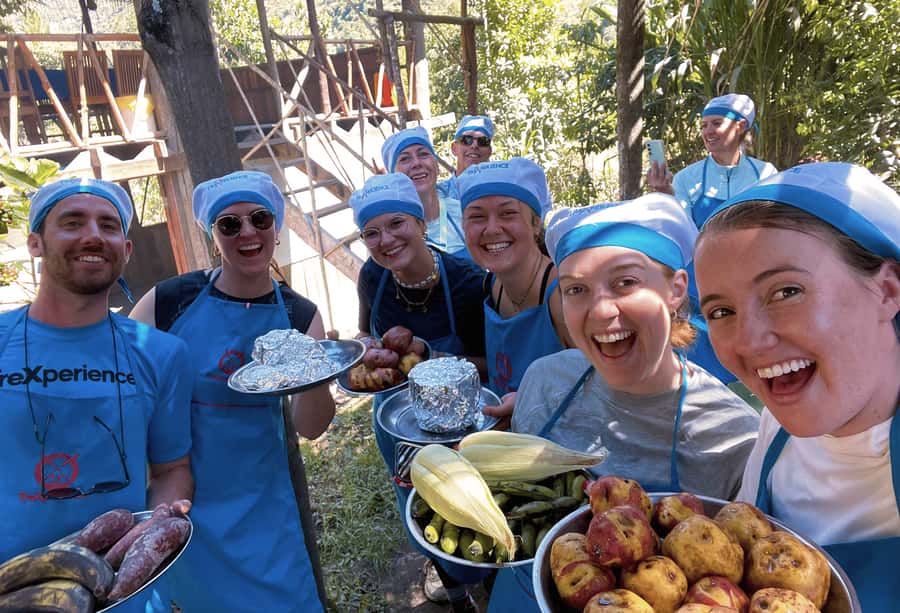
The Salkantay trek is famous because it’s a serious route, but this itinerary adds structure. You get a small group size (up to 16), a professional guide, and included transportation so you’re not playing logistics roulette after long days.
The smartest part, for your peace of mind, is how the plan is paced around the highest point. Day 2 is your major climb to the pass, and the rest of the day is built to move you from open mountain views into forested change of scenery. That shift matters. Your body doesn’t just face altitude—it also gets a natural rhythm to follow.
I also like that the operator equips you for real-world safety. You get a first-aid kit and oxygen tank on the trek, plus a satellite phone for communication. That doesn’t remove altitude risk, but it does lower uncertainty when you’re far from help.
You can also read our reviews of more hiking tours in Cusco

Day 1: Cusco Pickup, Humantay Lake, and Sleeping Under the Andes
You start in Cusco’s historic center with an early 4:30 a.m. pickup. Then it’s a scenic drive through the Andean valleys to Mollepata for breakfast. This first transfer day is not just driving time—it’s your altitude warm-up and your chance to get organized, eat, and settle in.
Next comes Challacancha, where you begin hiking to Humantay Lake. The payoff here is immediate: turquoise water, strong mountain backdrops, and the feeling that the day is already moving fast. The trail to Humantay is shorter than the hardest days later, but it’s enough to get your lungs working. Plan for sun and wind even when you feel cold.
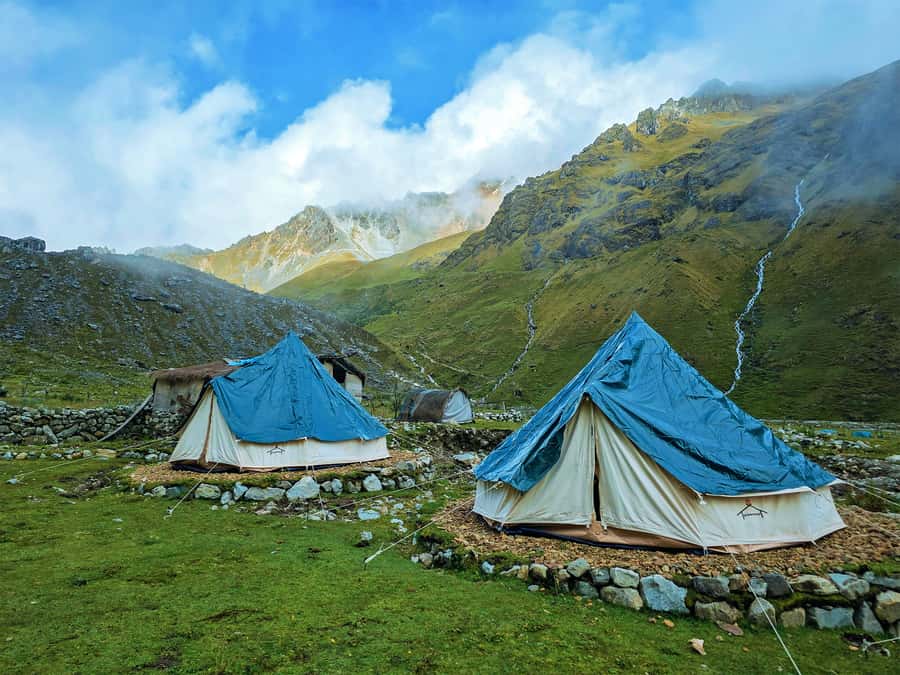
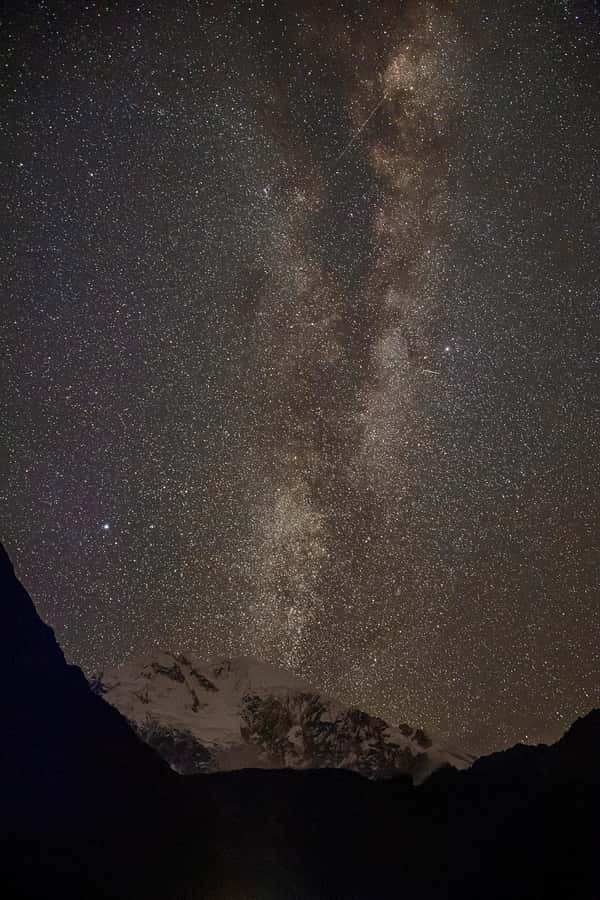
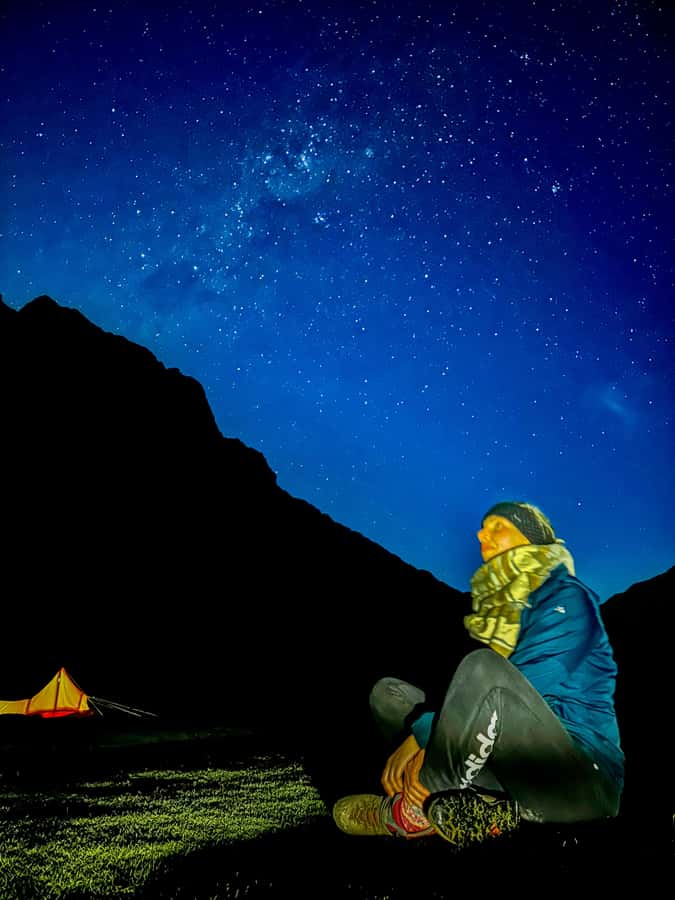
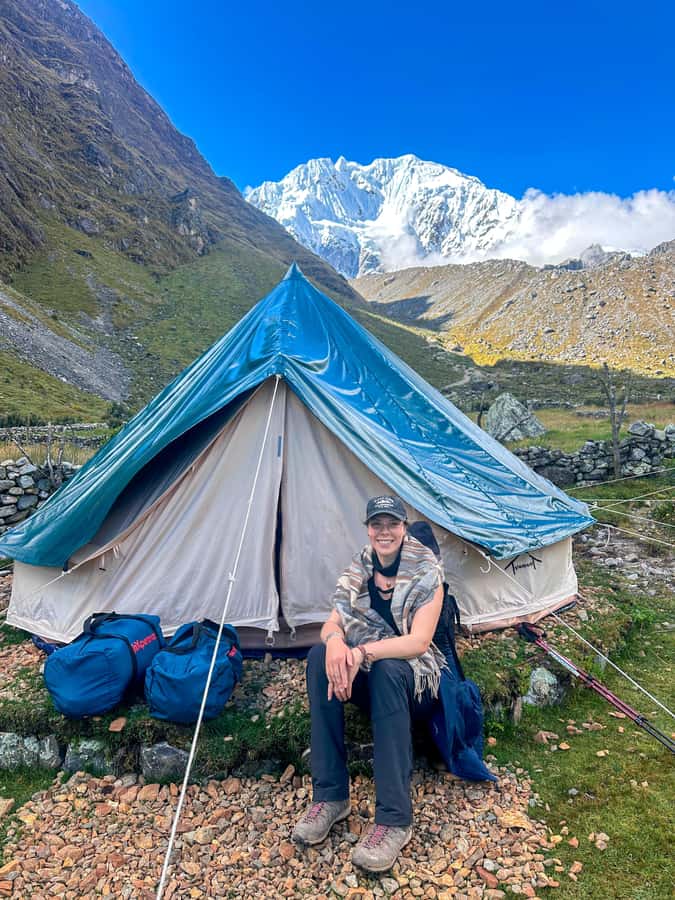
After Humantay, you descend to Soraypampa for lunch. Then you continue onward to Salkantaypampa for your first overnight: SalkaGlamp Basecamp. The big value of this camp is that it’s designed to be comfortable after a long travel-and-hike day. You get a warm dinner, provided sleeping pad and pillow basics, and a night beneath the Andes with that quiet, star-filled atmosphere that only high places can do.
Practical note: bring a warm layer. Even if daytime hiking feels manageable, nights up high can turn chilly fast.
Day 2: Salkantay Pass, Cloud Forest Change-Up, and Collpapampa Rest
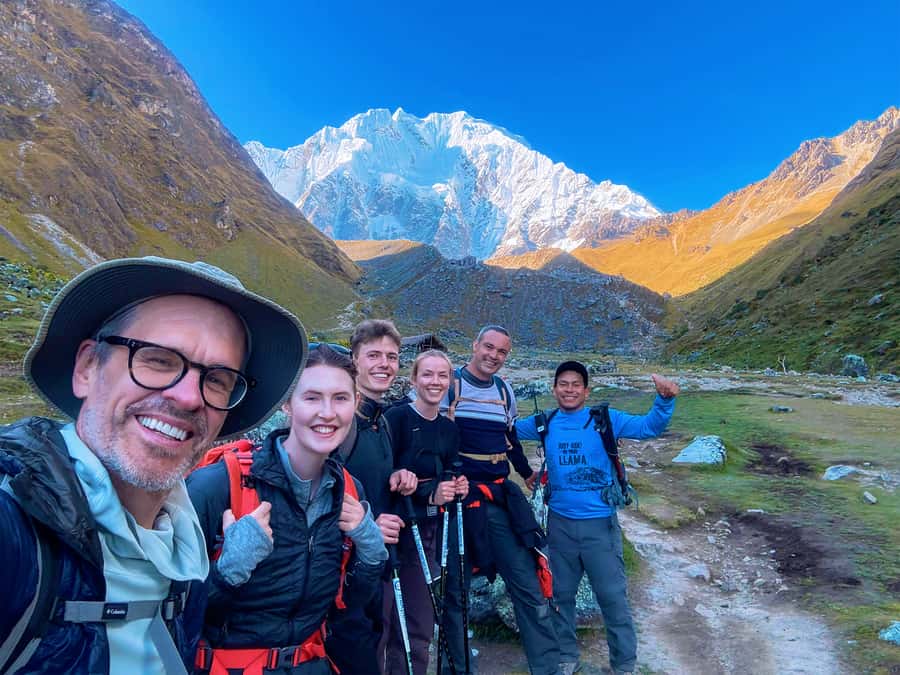
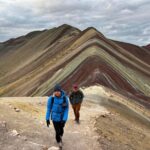
Day 2 is the day most people remember for the rest of their trip—because of the Salkantay Pass at 4,630 m. Your morning starts at the tent with coffee or coca tea, followed by breakfast. You’ll then hike for about two hours to reach the highest point. This is a steady climb, and the reward is wide panoramic views—snow-capped peaks and a serene lake far below Salkantay Mountain.
The descent begins right after lunch time shaping. You hike down for about three hours to Wayracmachay for a well-deserved lunch, and from there you head into a cloud forest stretch. This part is where your brain relaxes a little. You’re not just climbing—you’re moving through a greener, cooler environment with colorful flowers, orchids, and the kind of bird activity that makes you stop without even meaning to.
By evening you arrive in Collpapampa, where you sleep in Andean huts. This is rustic. The comfort here is mainly about being sheltered, fed, and rested. The better-quality hut experiences tend to feel more like a quiet base. A couple of experiences also noted that hut and bathroom conditions can be inconsistent, and warm showers may cost extra.
My advice: treat Collpapampa as a “recovery night,” not an amenities night. Pack for comfort: expect basic facilities and focus on rest, hydration, and staying warm.
Day 3: Pachamanca in Lucmabamba, Coffee, Then to Aguas Calientes
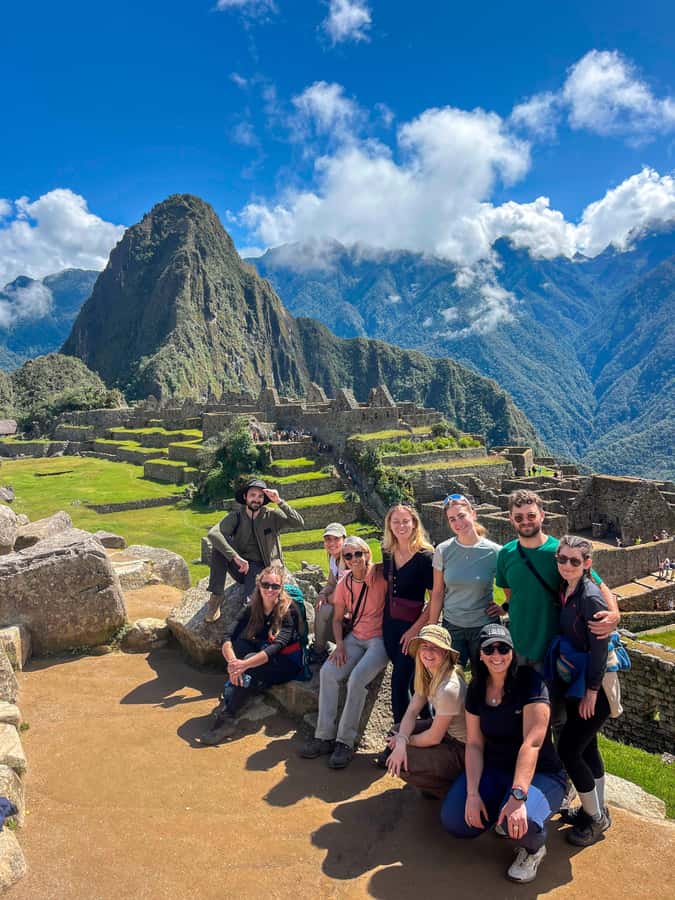
Day 3 starts with breakfast and then moves into a very memorable segment: about three hours of hiking to Lucmabamba.
This is the cultural heart of the day. You take part in Pachamanca, a traditional style meal where vegetables, fruits, and meats are slow-cooked underground with hot stones. The smell alone pulls you in, but the real value is that it’s an experience tied to local tradition—not just a stop on a checklist. You eat hearty food here because you’re about to travel and then tackle Machu Picchu timing the next morning.
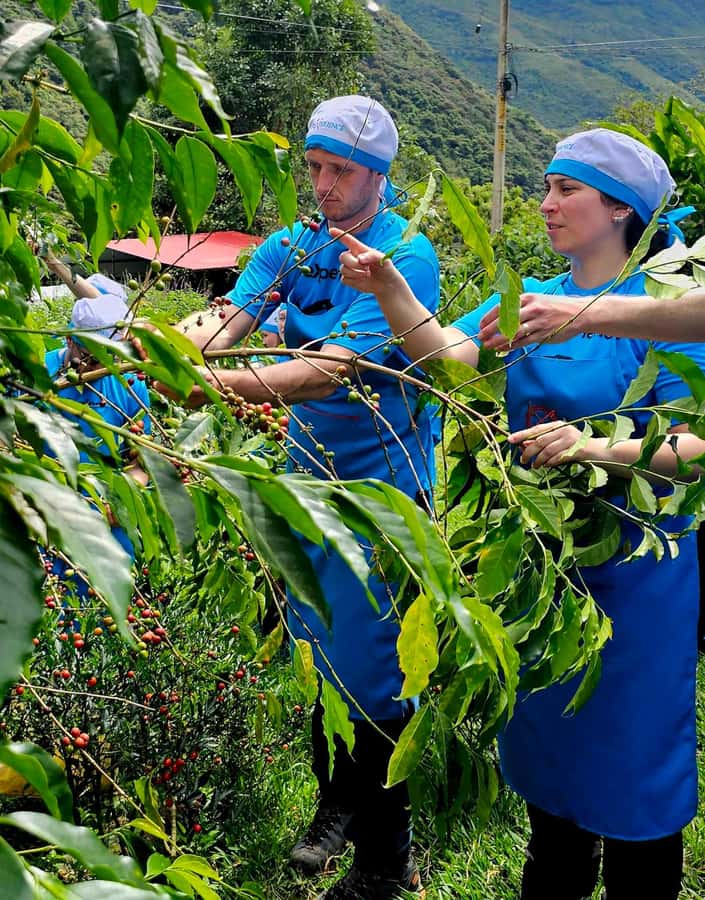
After Pachamanca, you visit a coffee farm. You learn the process from bean to cup, then you prepare your own freshly brewed espresso. This is a nice break from altitude talk. It turns your senses back on and gives you a story you can tell later that isn’t only about weather and elevations.
Then you shift gears: you drive to Hidroeléctrica, and from there you hike for about three hours to Aguas Calientes. When you arrive, you check into a 3-star hotel with breakfast. Dinner is at a local restaurant, and then you rest up—because you’ll want real energy for sunrise at Machu Picchu.
If you’re the type who hates “big day sleep,” this hotel night helps. It’s not luxury, but it’s a good reset after trekking and group timing.
Machu Picchu Morning: Sunrise Bus, Guided Citadel Time, and Circuit 2
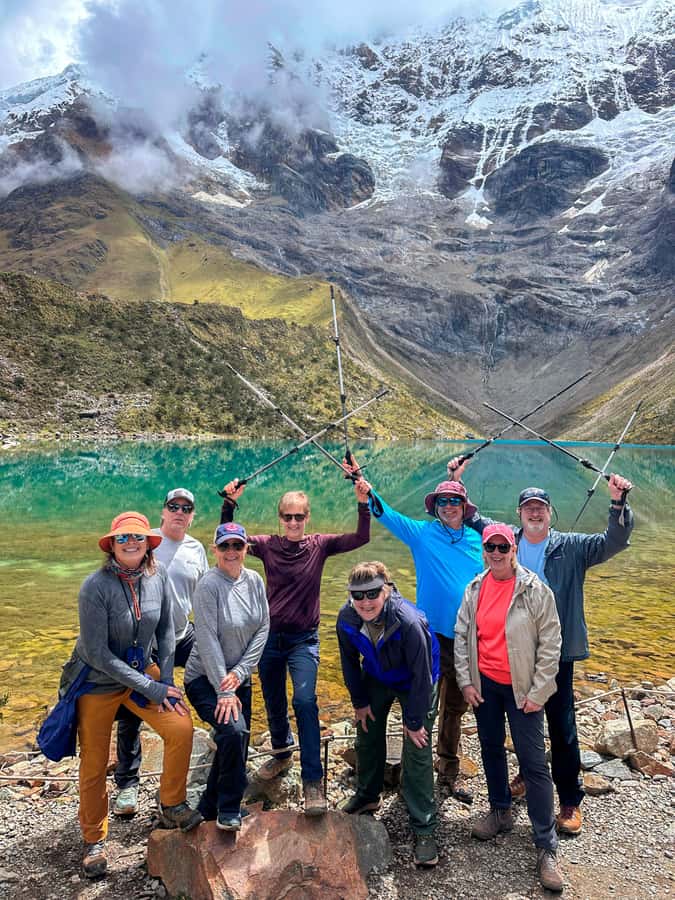
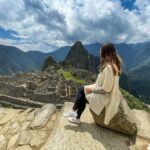
On Day 4, you rise early to catch one of the first buses to Machu Picchu. The early start is non-negotiable here, and it’s worth it. Watching the sunrise over the mountains gives the ruins a mood—more than a photo moment.
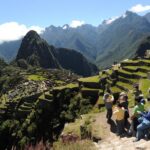
Once you’re inside, you’ll do a guided exploration of Machu Picchu with expert context. Plan on about 2–3 hours on-site. What you’re getting here is not only “seeing the stones.” You’ll learn the story of the site and what makes it so enduring in Inca imagination and engineering.
Your tour includes Circuit 2 by default. If Circuit 2 is sold out, the operator will assign Circuit 1 or 3. Extra add-ons like Huayna Picchu or Machu Picchu Mountain are optional with advance booking, so you’ll want to decide in advance if you want those steeper views.
After the morning in Machu Picchu, you return to Aguas Calientes for lunch (not included), then you head back to Cusco by train. You’ll either take the Vistadome or 360° panoramic train, both chosen for the scenic route home.
One small thing that’s easy to forget: carry your passport with you. You’re already told to bring it, and Machu Picchu ticketing depends on correct identification.
You can also read our reviews of more tours and experiences in Cusco

Train Ride Back to Cusco: Vistadome vs 360° Panoramic
The train back is your decompression period. After the hardest day and the sunrise rush, it’s a chance to sit, look out, and let your body stop constantly bracing for the next step.
Because you’ll go by Vistadome or 360° panoramic train, you’re not stuck in plain seats with no view. The goal is simple: enjoy the scenery while you recover. If you tend to get motion-sick, bring what helps you—this isn’t listed as an issue, but mountain train rides can be bumpy for some people.
This is also where the tour finishes in a clean way: the team transfers you back to your Cusco hotel after the train.
The Comfort + Safety Package You’re Actually Paying For
When people compare Salkantay tours, they often focus on the pass. But the value is in what happens around it: sleep, food, and safety.
Here’s what’s included that makes a real difference:
- All meals on the trail: 3 breakfasts, 3 lunches, 3 dinners, plus water and daily snacks
- Comfort gear: duffle bag up to 7 kg, pillow, sleeping pad, rain poncho, hand towels
- Safety gear: first-aid kit, satellite phone, oxygen tank
- Support logistics: pickup in Cusco’s historic center and drop-off after the train ride
I especially like the meal coverage. Trekking days get your appetite back in a hurry, and having everything planned means you can focus on pacing. Also, the snack routine helps you avoid the classic mistake: arriving at a lunch break too depleted.
You should still pack wisely. The tour lists a lot of what matters: hiking shoes, sunglasses, sun hat, sunscreen, rain gear, insect repellent, flashlight, and weather-appropriate clothing. You’ll also want change of clothes and a plan for layers, since you’ll hike in sun and cool down in the shade.
And one more practical point: trekking poles and sleeping bag/air mattress are available for rent, but they aren’t included. If you think you’ll want them, confirm in advance.
Price and Value: Is $552 a Fair Deal?
At $552 per person for 4 days, this is not the cheapest way to do Salkantay. But it’s also not trying to be.
You’re paying for the combination that’s hard to assemble yourself:
- Professional guide and entrance tickets for Salkantay Trek & Machu Picchu
- Transportation across multiple legs, plus pickup and drop-off
- Overnight stays: 1 night glamping, 1 night Andean huts, 1 night 3-star hotel
- All trail meals and snacks, plus Pachamanca and the coffee farm experience
- Return train tickets with panoramic service
- Safety equipment, including oxygen tank and satellite phone
- A packed “what to bring” system that reduces decision fatigue
For me, the best value here is that you’re not spending your brainpower on small logistics while you’re carrying altitude stress. You can focus on hiking and the cultural meals. If that’s your priority, this price starts to look pretty reasonable.
Who This Trek Fits (and Who Should Rethink It)
This tour is a strong match if you want:
- A guided, structured Salkantay Pass trek
- Comfort upgrades without paying for a fully private expedition
- A day that includes Humantay Lake, Pachamanca, coffee, and Machu Picchu guidance
- A small group experience (max 16)
It’s not a fit if you:
- Are pregnant
- Have back problems, heart problems, or mobility impairments
- Use a wheelchair
- Are traveling with very young kids without the right adult support (unaccompanied minors aren’t allowed)
Altitude is part of this package. Even with oxygen on hand, altitude affects bodies differently, so be honest with your comfort level and talk to a medical professional if you have any risk factors.
Should You Book This Salkantay Trek to Machu Picchu?
I’d book this if you want an organized Salkantay-to-Machu Picchu route that covers the big ticket items—guiding, tickets, meals, overnight stays, and a scenic train ride home—without making you manage the grind alone.
I’d pause if you’re sensitive to rustic conditions on Day 3’s hut night. You also want to be okay with very early mornings, since the Machu Picchu timing depends on it and the trip starts with a 4:30 a.m. pickup on Day 1.
Also, do a quick self-check: you’ll want to walk a lot, from steep passes to forest trails and then into Aguas Calientes. If that’s your style, this tour hits the right balance of effort and payoff.
If you book, pack for weather changes, lean into the cultural meals (Pachamanca and coffee matter here), and let the guide team handle the pace.
FAQ
What is the duration of this Cusco Salkantay trek?
It’s a 4-day tour.
Where do pickups happen?
Pickups are included from your accommodation in Cusco’s Historic Center. If your hotel is outside the Cusco district, you’ll meet at a designated spot near the main square.
Is Machu Picchu entry included?
Machu Picchu entrance is included as part of the activity, but you may need to book specific Machu Picchu ticket details in advance as instructed by the operator. Huayna Picchu and Machu Picchu Mountain are not included.
What are the lodging options during the trek?
You’ll sleep one night in glamping tents at Salkantay Camp, one night in Andean huts at Collpapampa, and one night in a 3-star hotel in Aguas Calientes with breakfast.
What does the tour include for meals?
All meals on the trail are included: 3 breakfasts, 3 lunches, 3 dinners, plus water and daily snacks. The last day lunch in Aguas Calientes is not included.
What train do you take back to Cusco?
You return by Vistadome or 360° panoramic train, depending on availability for your dates.
Who should not book this tour?
The tour is not suitable for pregnant women, people with back problems, people with mobility impairments, people with heart problems, and wheelchair users. Unaccompanied minors are also not allowed.