REVIEW · CUSCO
Cusco: 4-Day Inca Trail to Machu Picchu with Accommodation
Book on GetYourGuide →Operated by Inkas Expeditions E.I..R.L. · Bookable on GetYourGuide
Cusco to Machu Picchu, but faster and wilder. I love the Abra Málaga downhill bike ride and the hands-on coffee roasting lesson, because they turn big scenery into active moments. One thing to plan for: the lodging gets simpler as you get closer to Machu Picchu, so don’t expect boutique-hotel comfort.
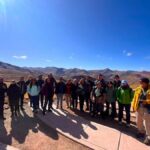
This is a small-group trek (max 9) with a bilingual guide, picked up from Plaza Mayor in Cusco at 6:00 AM. You get most of the big pieces lined up for you: meals, transport, gear for biking, Machu Picchu tickets, and the return train ride.
The trade-off is effort and timing. Day 4 starts at 4:00 AM for the climb to the citadel, and the route isn’t a fit for everyone (no wheelchair access, and it’s not suitable for pregnant travelers or people with back problems).
In This Review
- Key things I’d circle before you book
- Setting Off From Cusco’s Main Square: Sacred Valley Energy in Your First Morning
- From Abra Málaga to Huaman Marq’a: Why the Downhill Bike Ride Feels Like the Real Inca Jungle Starter Kit
- Day 2 on the Qhapaq Ñan: Coffee Roasting, Plantation Walks, and Huancarcasa Views
- Santa Teresa Reset Day: A Comfort Break That Still Keeps the Adventure Moving
- Day 4: The 4:00 AM Climb to Machu Picchu and the Guided 2-Hour Visit
- Where You Get Value: Meals, Gear, Tickets, and the Real Cost Breakdown
- Lodging Reality: Eco-Houses, Hostels, and What Comfort Level to Expect
- Practical Tips That Make This Easier on Your Body (and Your Budget)
- Should You Book This 4-Day Inca Jungle Trail?
- FAQ
- What time does the tour start on Day 1 in Cusco?
- How big is the group?
- Are meals included?
- Is the Machu Picchu entrance ticket included?
- Are the Cocalmayo thermal baths included?
- How does the return to Cusco work?
- Is this trip refundable?
Key things I’d circle before you book
- 50 km downhill bike ride from Abra Málaga, with pads and a helmet included
- Coffee roasting participation and a day spent walking parts of the Inca road network (Qhapaq Ñan)
- Cocalmayo thermal baths are a great unwind, but the soaking tickets aren’t included
- Hike-and-ride variety: biking, jungle trekking, and a flatter day along the train track
- Machu Picchu is guided for 2 hours, then you get free time to wander at your pace
- Small group feel (up to 9 people), so you’ll move and eat together without a crowd
Setting Off From Cusco’s Main Square: Sacred Valley Energy in Your First Morning
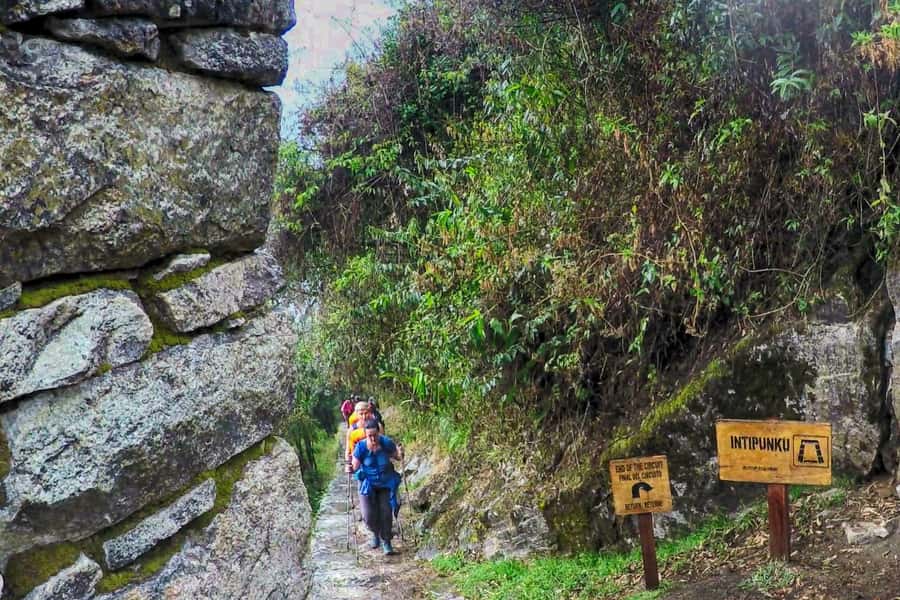
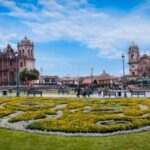
Your trip starts early, and that matters. On Day 1, you’ll meet in the Cusco Main Square (Plaza Mayor de Cusco), where the guide will call your name and carry the agency jacket. The pickup happens at 6:00 AM, and from there you’ll drive through parts of the Sacred Valley: Chinchero, Urubamba, and Ollantaytambo.
This part is more than transport. It’s your buffer time. You’re getting oriented to the region while the day is still cool, and you’re also letting the group click into motion before the adrenaline kicks in later.
If you’re used to “show up and wait,” you might find this a bit busy. But most people like that it feels like momentum instead of logistics. Meals, transport legs, and sleeping spots are planned, so you’re not constantly managing the calendar.
You can also read our reviews of more tours and experiences in Cusco
From Abra Málaga to Huaman Marq’a: Why the Downhill Bike Ride Feels Like the Real Inca Jungle Starter Kit
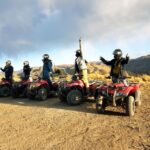
The signature moment is the downhill from Abra Málaga. After driving from the Sacred Valley toward the pass, you’ll get biking gear: Kona bicycle, plus elbow and knee pads, gloves, goggles, and helmet, along with a rain jacket in your kit.
Then comes the ride itself: about 3 hours and roughly 50 km of downhill route through the Puna and Cloud Forest zones, ending at Huaman Marq’a ruins. That mix is a big reason this itinerary works. You’re not just looking at the Andes—you’re moving through different ecosystems like a living map.
A short van ride and a walk follow, leading you toward Santa María and then onward to your first overnight stop in the forest: Pispitayoc village. You’ll sleep in an eco-house, and dinner is included that first night.
Two practical notes here:
- If you’re nervous about bikes, focus on the fact that the gear is included and the route is downhill. Still, it’s long, and you’ll want to listen carefully to how your guide handles speed and safe stops.
- Bring your best attitude for the fact that you’ll likely feel the altitude and exertion right away. This is not a couch-to-Machu Picchu package.
Day 2 on the Qhapaq Ñan: Coffee Roasting, Plantation Walks, and Huancarcasa Views
Day 2 begins with breakfast, and it also starts with a cultural activity: your guide teaches you coffee roasting, then you participate. It’s a simple idea that lands well in real life—because coffee isn’t just a drink here. It’s part of how people live, farm, and manage the mountain economy.
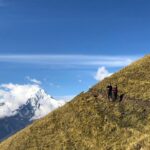
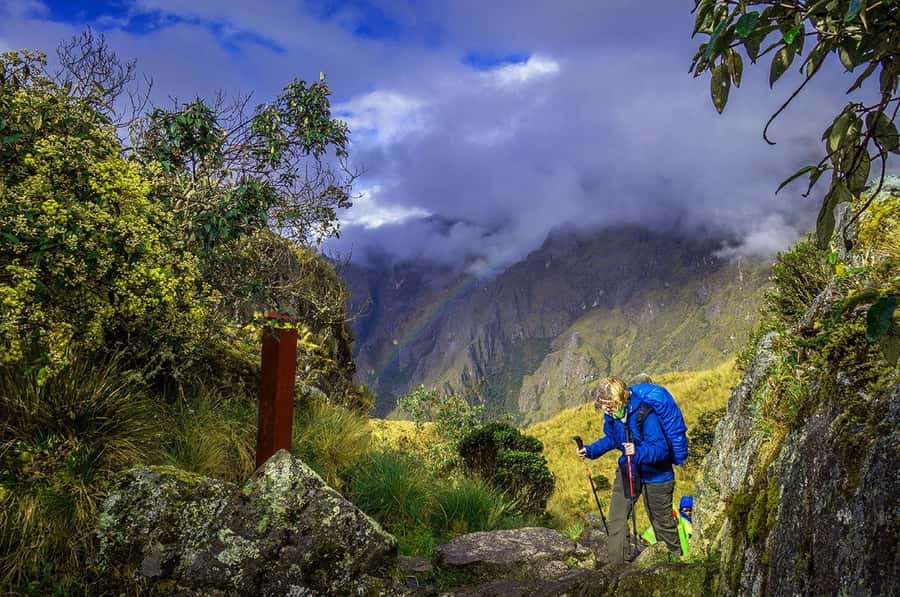
After coffee time, the hike follows part of the Inca road network, the Qhapaq Ñan. You’ll see birds and plantations, including coca, coffee, and fruit trees. That’s a lot of variation for one day, and it helps keep your energy up: when the trail gets repetitive, the scenery keeps changing.
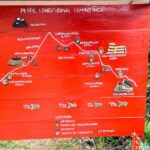
Next comes the Huancarcasa viewpoint at 1750 meters. This is your panoramic break spot, and it’s one of the best “stand still and breathe” moments on the schedule. Then you descend to Qellomayo village at 1200 meters for lunch.
From there, there’s a final leg of about 2 hours to the Cocalmayo thermal baths (located at 1450 meters)—not required, but a strong option if your legs need a reset. After that, you’ll arrive in Santa Teresa at 1515 meters, with dinner and overnight included.
One consideration: because coffee roasting and thermal baths are the kind of activities people remember most, you’ll want to show up for them mentally. If you treat Day 2 like a checklist, you’ll miss the point.
Santa Teresa Reset Day: A Comfort Break That Still Keeps the Adventure Moving
Day 2 ends with the transition into Santa Teresa, and Day 3 continues from there. That matters because Santa Teresa is where the itinerary shifts from “trail intensity” to “work up an appetite, then recover.”
On Day 3, you’ll start with breakfast in Santa Teresa at 1515 meters. The trek continues for about 3 hours through coffee and coca plantations, heading to Hidroeléctrica at 1900 meters. Lunch and a break are scheduled there.
After lunch, you get a very different kind of walking: about 3 hours along the train track, arriving in Aguas Calientes at 1950 meters. This is one of those days that people either love or feel neutral about, depending on your walking style. It’s more straightforward than steep trail segments, and that gives you room to enjoy the scenery without constantly watching each foot placement.
Once you reach Aguas Calientes, your afternoon is free. In the evening, the group gathers for dinner and talks through the upcoming early climb to Machu Picchu.
If you’re the type who gets anxious when the schedule feels vague, you might want to plan small things during the free afternoon—like buying water/snacks and figuring out where you’ll meet later—so you feel calm during the evening briefing.
Day 4: The 4:00 AM Climb to Machu Picchu and the Guided 2-Hour Visit
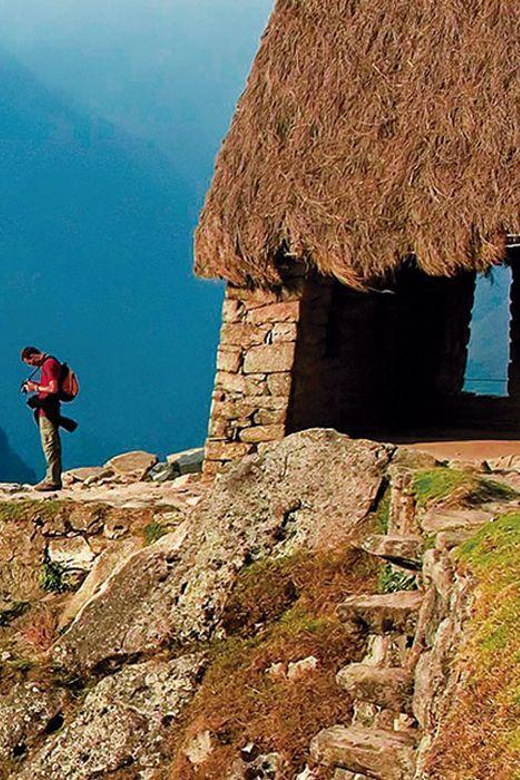
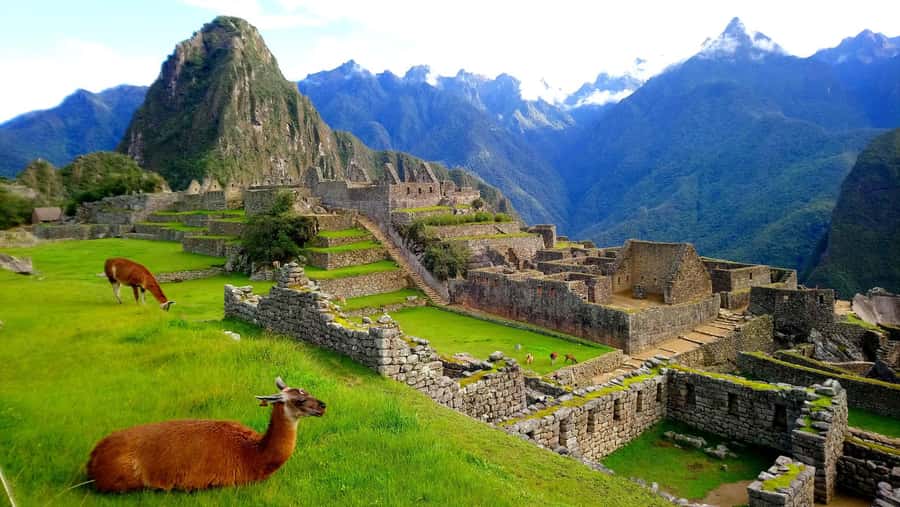
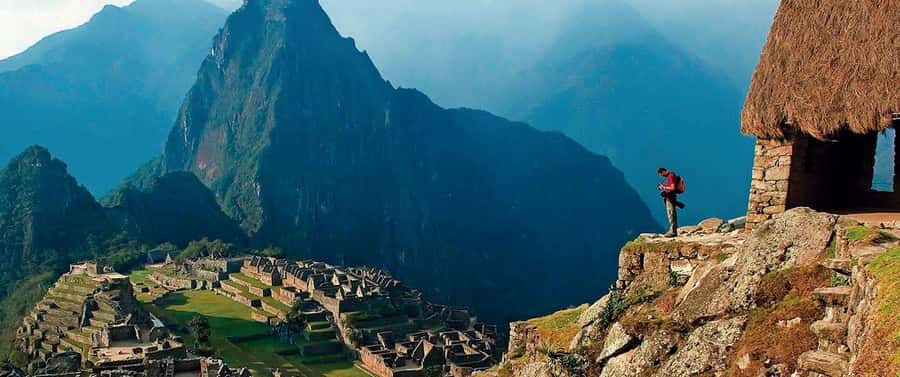
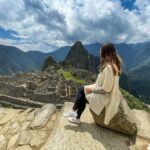
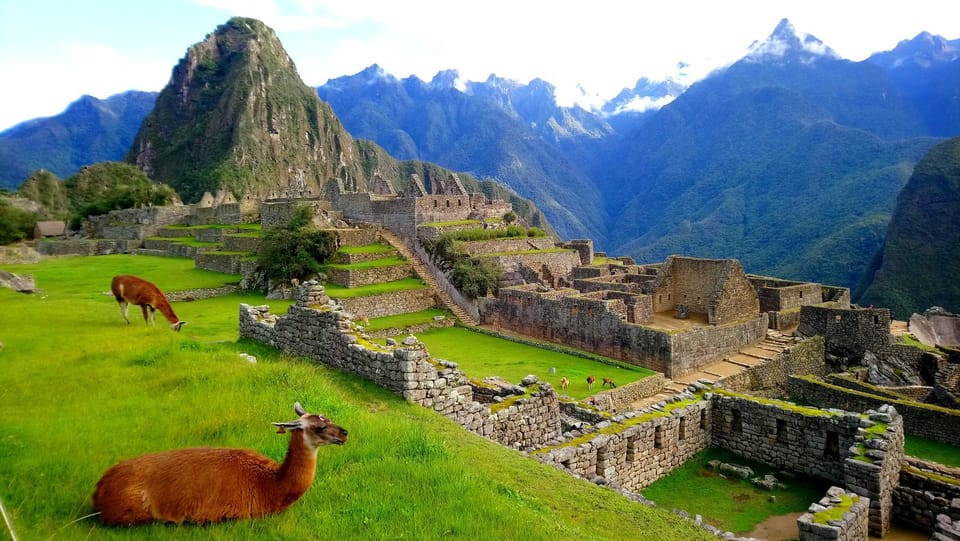
Day 4 is the big moment, and it’s intentionally early. You start around 4:00 AM with a hike up to Machu Picchu at 2400 meters, taking about 1.5 hours.
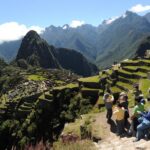
At the citadel, you get a 2-hour guided tour covering the most significant parts of Machu Picchu. After that, you’ll have time on your own to explore.
That mix is a smart way to do Machu Picchu. A guide helps you understand what you’re seeing—without you having to read a handbook in the morning dark. And then your free time lets you slow down for your own photos and viewpoints.
Once the visit wraps, you return to Aguas Calientes to collect your belongings. The route then continues with a train ride to Ollantaytambo, followed by a bus back to Cusco, finishing the service.
Practical timing note: because you’re starting so early, your night sleep the day before matters. If you’re a light sleeper, bring earplugs if you normally use them.
Where You Get Value: Meals, Gear, Tickets, and the Real Cost Breakdown
This trip costs $470 per person, and the value depends on what you compare it to. What you get here goes beyond a basic hiking tour.
Included highlights that protect your budget:
- Machu Picchu entrance tickets included
- Return train ticket from Aguas Calientes to Ollantaytambo included
- Return bus from Ollantaytambo to Cusco included
- All meals during the trek: 3 breakfasts, 3 lunches, 3 dinners (with the first breakfast and last lunch in Aguas Calientes not included)
- Three nights of lodging: Pispitayoc eco-house (1), Santa Teresa hostel (1), Aguas Calientes hostel (1)
- Professional bilingual guide (English–Spanish)
- First aid kit
- Biking gear and rain jacket
What costs extra (and you should budget for it):
- Cocalmayo thermal baths tickets are not included
- Bus up and down to Machu Picchu is optional
- Optional add-ons like ziplining and white-water rafting can be paid separately (some groups report additional fees when they choose them)
Also keep cash for small purchases. One recurring theme in feedback is that stops can be pricey for bottled water. If you want easy comfort, plan for snacks and water rather than assuming it will be cheap.
On guides: multiple groups praise specific guides by name, including Richard, Amaru, Francis, Gerson, and Luis. The common thread in those comments is that the guides didn’t just manage logistics—they also made the culture and the route easier to understand, which is exactly what you want when you’re tired.
Lodging Reality: Eco-Houses, Hostels, and What Comfort Level to Expect
The biggest lodging story here is that it’s adventure lodging, not resort lodging.
- In Pispitayoc, you’ll sleep in an eco-house in the forest. People often describe this as quiet and family-run, and it can feel like a real pause from the modern world. Dinner is included.
- In Santa Teresa, you’ll stay in a hostel. Reviews often call it sufficient rather than luxurious.
- In Aguas Calientes, you’ll stay in a hostel again, and this is the night where comfort can feel most basic, but the beds exist and the schedule matters more.
So I’d set your expectations accordingly. You’re paying for the route and the Machu Picchu experience, not for velvet sheets. If you want a high-end stay, you’ll need to add nights in Cusco or nearby on your own.
Practical Tips That Make This Easier on Your Body (and Your Budget)
Here’s how I’d prepare so Day 1 doesn’t punish you.
Gear and weather
- A rain jacket is included, but weather can still shift. Wear quick-dry layers.
- You’re provided bike safety gear, but you’ll still feel the day in your hands and legs. Take the padding seriously.
Altitude and early starts
- Cusco is already high, and Day 4 climbs to 2400 meters early in the morning. Go slow on the first day, hydrate when you can, and don’t treat the climb like a race.
Cash planning
- If you like buying water at stops, keep some cash on hand. Bottled water prices can be a shock on the trail.
Fitness reality
- The itinerary includes hiking segments, bike time, and long walking blocks. It’s tough, but it’s structured with breaks and transport legs.
- It’s not suitable for wheelchair users, and it’s not recommended for pregnant travelers or people with back problems.
Should You Book This 4-Day Inca Jungle Trail?
Book it if you want Machu Picchu with a story attached. This route gives you action (the Abra Málaga biking), learning (the coffee roasting and Inca road walking), and a real recovery moment (optional Cocalmayo thermal baths) before you earn the sunrise climb.
Skip it if you want a low-effort trip, full comfort lodging, or a plan that avoids early mornings. Day 4 starts very early, and the physical mix is part of the deal.
If you’re the kind of traveler who likes variety—bike, hike, village stays, and then the big finale—this is a strong match. And if you like having a guide who keeps the day organized, you’ll likely appreciate the small-group size and the included Machu Picchu logistics.
FAQ
What time does the tour start on Day 1 in Cusco?
Day 1 starts with a pickup from Cusco Main Square at 6:00 AM.
How big is the group?
The group is limited to 9 participants.
Are meals included?
Yes. You’ll have 3 breakfasts, 3 lunches, and 3 dinners. The first breakfast and the last lunch in Aguas Calientes are not included.
Is the Machu Picchu entrance ticket included?
Yes. Entrance tickets to Machu Picchu are included.
Are the Cocalmayo thermal baths included?
No. Tickets to the Cocalmayo hot springs are not included.
How does the return to Cusco work?
After Machu Picchu, you return to Aguas Calientes, then take the train to Ollantaytambo. From there, there is a bus back to Cusco.
Is this trip refundable?
No. The activity is listed as non-refundable.