REVIEW · CUSCO
Cooking class and market tour with a local chef
Book on GetYourGuide →Operated by Cusco Gastronomic Tours & Coooking Class · Bookable on GetYourGuide
Cusco food starts with a market, not a menu. This hands-on cooking class pairs a visit to the city’s famous stalls with Chef Ronal, a Cusco-born pro who can explain the why behind the flavors. You’ll taste local fruits and cheeses, then move into the kitchen to cook from scratch with clear guidance and a relaxed pace. Market-first and chef-led, it’s one of those meals that turns into a real memory.
I love that you don’t just watch. You choose your own pisco cocktail and main dish (either lomo saltado or ceviche), while the starter is the same for everyone. Even better, the class can adapt to vegetarian diets and other restrictions, and you’ll plan what you’re cooking before the workshop starts.
One consideration: the class isn’t suitable if you have altitude sickness, and the food you’ll see may include meat from animals that are part of the local diet—even when diets are adapted. If you’re very sensitive to altitude or you avoid specific ingredients for medical or religious reasons, tell the team early and ask exactly what gets used.
In This Review
- Key Points You’ll Care About
- Cusco’s Market Stops: Where Flavor Starts
- Meeting in Cusco: The Workshop That’s Easy to Spot
- The Shared Starter You’ll Make: Rocoto Relleno and Causa Rellena
- Rocoto Relleno
- Causa Rellena
- Pisco Cocktails: How Your Drink Gets Chosen (And What You Can Expect)
- Classic Pisco Sour
- Passion Fruit Sour
- Alcohol-Free Fruit and Honey Drink
- Main Course Choice in Cusco: Lomo Saltado or Ceviche
- Option 1: Lomo Saltado
- Option 2: Ceviche
- Dietary Restrictions: How This Class Makes It Work
- Altitude Reality in Cusco: Pace, Water, and Help If You Need It
- Price and Value: Is $57 Fair for This 4-Hour Class?
- Who This Cooking Class Is Best For
- Should You Book This Cusco Cooking Class?
- FAQ
- How long is the market and cooking class?
- What dishes and drinks are included?
- Can the chef adapt to vegetarian diets and other restrictions?
- Do I get to choose what I cook?
- Where is the meeting point?
- Is transportation included?
- Is this class safe if I have altitude sickness?
Key Points You’ll Care About
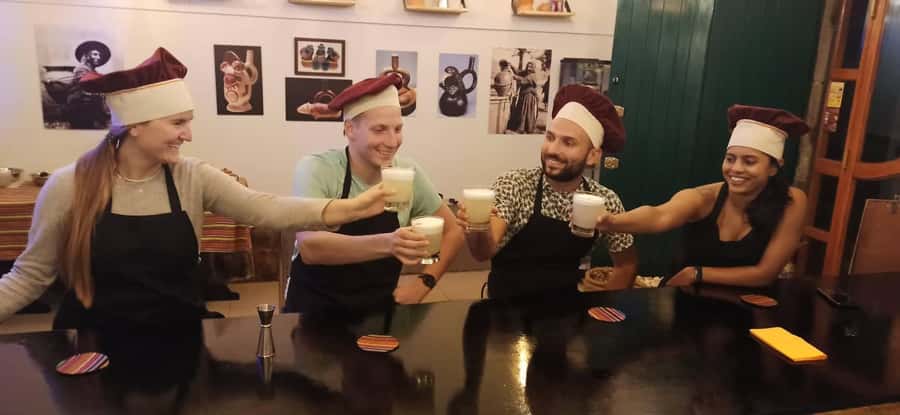
- Chef Ronal, Cusco-born: A local pro who ties ingredients to culture and keeps the cooking practical.
- Two market tastings, then real prep: Fresh fruit and cheese tastings help you understand what’s worth buying.
- Choice at the drink and main course: Pick your pisco drink and choose lomo saltado or ceviche.
- Diet adaptation is built in: Vegetarian options and other restrictions can be handled when you select dishes in advance.
- Cooking with a clean, prepared setup: Aprons, utensils, and a well-organized kitchen make it beginner-friendly.
Cusco’s Market Stops: Where Flavor Starts
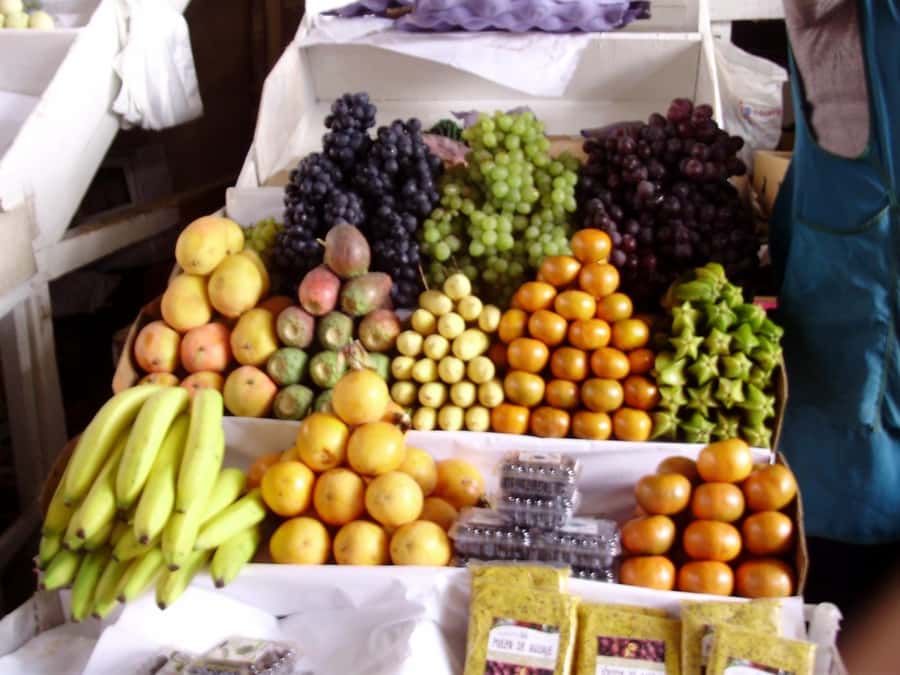
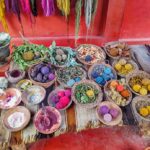
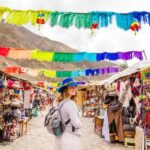
The morning (or afternoon) focus is simple: you meet the ingredients before you touch a knife. The market portion centers on Cusco favorites—fruits and cheeses you’ll actually recognize, plus the everyday foods that make Peruvian cuisine work. This is the part that helps you stop eating Cusco like a tourist and start eating it like a local.
You’ll taste items as you go, and that tasting matters. In many cooking classes, you only get raw materials. Here, you get a quick education in ripeness and balance. That’s why your ceviche or sauce doesn’t feel like a random recipe later—you already know what good tastes like in this setting.
If you’re the type who likes to ask questions, this market time is built for it. Chef Ronal can explain what you’re seeing and why it matters for cooking. And since you’re preparing dishes right after, everything sticks.
You can also read our reviews of more shopping tours in Cusco

Meeting in Cusco: The Workshop That’s Easy to Spot
Your start point is at Calle San Juan de Dios 264, in front of the Aranwa boutique Hotel. Across the track, look for a glass and wooden door with no ads—this is where the workshop is.
Why this detail matters: in Cusco, a confusing meeting point can waste your best energy. This one is straightforward, and the venue is set up so you can focus once you arrive. You’re not scrambling for directions, and you’re not wandering with a shopping bag full of ingredients you can’t use yet.
The workshop includes the gear you need—kitchen tools, bar utensils, and aprons—so you don’t have to arrive with anything beyond yourself. One review noted the venue is clean, and that matches what you want for a class that involves cutting and mixing.
The Shared Starter You’ll Make: Rocoto Relleno and Causa Rellena
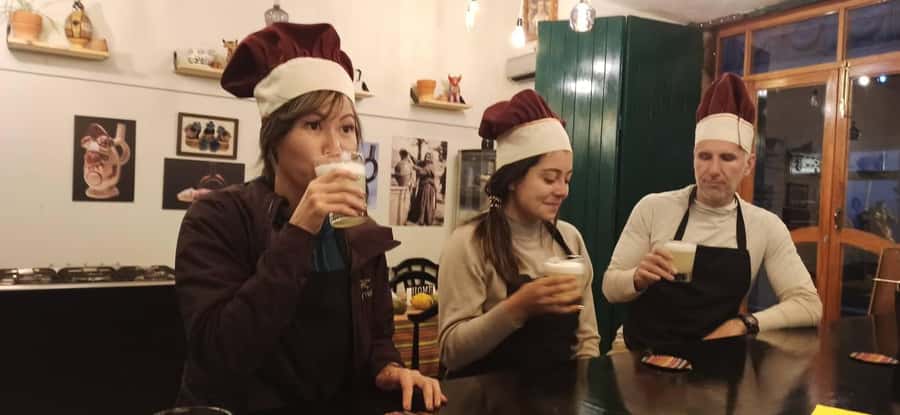
The starter is the same for everyone, and that’s good for group flow. You’ll work through two classics: Rocoto Relleno and Causa Rellena.
Rocoto Relleno
Rocoto is the star here: a traditional stuffed chili filled with a mix of meat, onions, peas, carrots, peanuts, and dry grapes. It gets covered with local cheese and baked in the oven. The combination sounds bold, but that’s exactly why it works—sweet, salty, and spicy in one bite.
This dish is also a great lesson in texture. Stuffing needs structure so it holds together, and the baking step matters for melding flavors and softening the chili. If you’ve only had rocoto in restaurants, this is the first time you’ll really see the components come together.
Causa Rellena
Causa is the comfort layer. It’s made with a potato cake base mixed with yellow chili sauce, then stuffed with avocado. In the version described here, it includes fish tartare, mayonnaise, and spices. It’s assembled as food you can shape, slice, and plate—very different from soups or stir-fries.
Diet note: the class can adapt to restrictions, so don’t assume every component stays identical to the default recipe. If you’re vegetarian or avoiding fish or dairy, you’ll want to confirm how your starter is modified during the dish selection before the class begins.
You can also read our reviews of more tours and experiences in Cusco
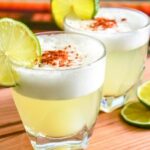
Pisco Cocktails: How Your Drink Gets Chosen (And What You Can Expect)
You’ll make a cocktail based on pisco, Peru’s signature spirit. Each participant chooses their preferred drink, so you can match the flavor to your mood.
Classic Pisco Sour
One option is the classic pisco sour: lime, syrup, and egg whites. It’s a known combination—tangy, sweet, and silky. If egg whites are an issue for you, this is the kind of detail you should flag in advance, because it’s part of the described cocktail.
Passion Fruit Sour
Another option is passion fruit sour, basically a pisco sour made with fresh passion fruit juice. It keeps the same idea of citrus balance, but it leans into a more floral fruit flavor.
Alcohol-Free Fruit and Honey Drink
If you want something non-alcoholic, the class offers a Peruvian fruits and honey drink. It’s a nice compromise when you want the taste of Peru without the pisco.
This drink part is one of the reasons this class feels like a full meal experience. You’re not just cooking dinner—you’re learning how Peruvian flavors land on the palate in drink form too.
Main Course Choice in Cusco: Lomo Saltado or Ceviche
Now for the big decision. After the starter, you’ll choose your main dish: lomo saltado or ceviche. Everyone gets to pick, which makes the workshop feel personal without turning it chaotic.
Option 1: Lomo Saltado
Lomo saltado here uses beef tenderloin plus rice, onions, tomato, soy sauce, oyster sauce, and vinegar. It also includes native potato fries.
What makes this dish worth learning: it’s the kind of stir-fry that needs quick heat and smart timing. The ingredients aren’t complicated individually, but the final result depends on not overcooking and balancing savory sauces with bright acidity from the vinegar.
Option 2: Ceviche
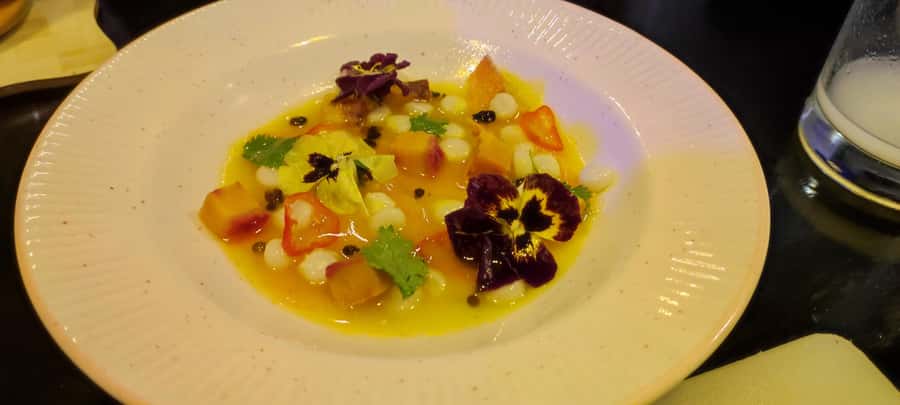
Ceviche is built on trout plus mango, avocado, lime juice, onions, celery, ginger, corn, and sweet potato.
If you like freshness, this is your lane. Lime does the heavy lifting, and the fruit + veg mix adds sweetness, crunch, and herbal bite. You also get to see how ceviche isn’t just fish and citrus—it’s toppings and texture planning.
Diet note again: the class can adapt to restrictions, so you’ll want to discuss what your ceviche looks like if you’re avoiding certain ingredients.
Dietary Restrictions: How This Class Makes It Work
The standout promise here is flexibility. The tour explicitly says it adapts to all dietary restrictions, and vegetarian options are available. You’ll also choose your dishes before classes start, which is a big deal. When the plan is set early, the chef can prep and adjust without last-minute scrambling.
From a practical standpoint, this matters most for three categories:
- Allergens (like eggs in cocktails or dairy in the rocoto cheese topping)
- Protein choices (fish vs. beef vs. vegetarian versions)
- Diet limits (gluten-free, dairy-free, and others based on your needs)
Because the menu includes pisco sour with egg whites and dishes that reference cheeses and fish or beef, the safest approach is to share your needs clearly at booking time and confirm what can change. This isn’t a class where you have to “just deal with it.” The process is built to handle different preferences.
One more heads-up from the activity info: even though adaptations are possible, the tour may show meat from animals that belong to the local diet. That’s part of market reality, so it’s worth knowing ahead of time.
Altitude Reality in Cusco: Pace, Water, and Help If You Need It
Cusco runs high. Even if you feel fine, you’ll want to plan your energy. This class runs 4 hours, and it includes water, plus digestive teas if necessary.
The activity notes also say they can offer natural medicine for altitude sickness and digestive teas if necessary. Still, the class isn’t suitable for people with altitude sickness, so treat that as a real boundary, not a technicality.
My practical advice: if you’re newly arrived and your body feels off, don’t force it. Choose a day where you’ve had a little time to acclimate, and keep meals light before you go. A cooking class works best when you can taste and pay attention—not when you’re fighting dizziness.
Price and Value: Is $57 Fair for This 4-Hour Class?
At $57 per person, this isn’t the cheapest food activity in Cusco. But it also isn’t a “show up and snack” deal. You’re paying for a lot that’s normally separate:
- Market tour with tastings
- A professional chef and guide
- A cooking workshop with fresh ingredients
- Kitchen and bar utensils and aprons
- A starter dish and main course included
- A cocktail included (or alcohol-free option)
That package is what makes the price feel fair. You’re getting both the ingredient context and the hands-on cooking. The market piece alone can cost time and money on its own if you don’t want to wander aimlessly, and the kitchen setup saves you from hunting down tools and ingredients later.
The one cost you’ll need to factor in: transportation isn’t included. So if your hotel isn’t within walking distance of Calle San Juan de Dios, budget a taxi or shared ride.
Also, this is a strong deal for food-first travelers. If you like learning technique, not just tasting, this class gives you the skills to recreate at home.
Who This Cooking Class Is Best For
This works especially well if you:
- Want an authentic Cusco food experience with market context
- Like hands-on instruction, even if you’re a first-time cook
- Have dietary needs you want handled responsibly
- Prefer a small, social group setting (multiple reviews mention easy friendliness and a comfortable vibe)
If you’re traveling solo, you’ll likely find it easy to talk with others during the cooking and tasting. If you’re with friends, the setup is fun because you can compare what you chose—different cocktails and different mains—while sharing the same starter.
Who might skip it:
- If you have altitude sickness
- If you’re traveling with very young kids (it’s not suitable under 2, and more age limits apply)
- If you can’t comfortably stand and work for a few hours with a knife (the class is beginner-friendly, but it’s still cooking)
Should You Book This Cusco Cooking Class?
I’d book it if you want your Cusco meal to be more than restaurant time. The combination of market tastings, chef guidance, and a choice of pisco drink and main dish makes it feel complete. It’s also one of the easier ways to learn Peruvian flavors beyond the basics, because you see and cook key ingredients right away.
Before you go, do two things:
- Lock in your dietary needs early, so your starter, cocktail, and main can be adjusted properly.
- Plan your altitude day smart. If you’re still feeling rough, switch your priorities and choose a different activity.
If those boxes fit your trip, this class is a solid use of 4 hours—and it’s the kind of meal you’ll want to repeat once you’re back home, especially since recipe info is provided after the class.
FAQ
How long is the market and cooking class?
It lasts 4 hours total, including the market part and the hands-on cooking workshop.
What dishes and drinks are included?
You’ll prepare a shared starter (rocoto relleno and causa rellena), plus you’ll make a pisco-based cocktail and choose a main dish (either lomo saltado or ceviche). Water is included as well.
Can the chef adapt to vegetarian diets and other restrictions?
Yes. The tour says it can adapt to all dietary restrictions and offers vegetarian options. You choose your dishes before the class starts.
Do I get to choose what I cook?
You choose your favorite cocktail and main dish. The starter is the same for everyone.
Where is the meeting point?
The meeting point is at Calle San Juan de Dios 264, in front of the Aranwa boutique Hotel. The workshop is across the track at a glass and wooden door.
Is transportation included?
No. Transportation is not included in the price.
Is this class safe if I have altitude sickness?
It’s not suitable for people with altitude sickness. If necessary, the activity includes natural medicine for altitude sickness and digestive teas.