REVIEW · CUSCO
Salkantay Trek to Machu Picchu in 4 days
Book on Viator →Operated by Incredible Peru Tours · Bookable on Viator
Two days of climbs, then Machu Picchu at dawn. This Salkantay Trek to Machu Picchu in 4 days strings together big Andean viewpoints—especially the Salkantay Pass—with a gorgeous side stop at Laguna Humantay, then finishes with a guided walk through Machu Picchu. I like that the pacing gives you moments to breathe: high-altitude scenery in the morning, a lagoon visit in the afternoon, and lodge time in between the harder segments. I also like the structure of the whole trip—meals are handled, luggage is carried (up to 7 kg), and the route includes tickets and transport so you are not piecing it together day by day.
One thing to weigh: this trek is tough, and altitude plus mountain weather can turn plans into a grind. On top of that, there are complaints about health and safety follow-through, including missing first aid or oxygen as advertised, so I’d treat this as a serious expedition and double-check what’s actually provided before you go.
In This Review
- Key things to know before you book Salkantay to Machu Picchu
- Cusco to Challacancha: why the trip starts so early
- Day 1: first trek day, Humantay Lagoon, and a camp with real rhythm
- Day 2: the Salkantay Pass day and how to survive it
- Day 3: coffee farm time, the Hydroeléctrica walk, and arriving in Aguas Calientes
- Day 4: bus up early, guided Machu Picchu, then train back to Cusco
- What’s included (and why that can be a big deal)
- The guide factor: when it helps and when it doesn’t
- Gear and body-smart choices for this specific route
- Who this trek suits best
- Should you book Salkantay to Machu Picchu in 4 days?
- FAQ
- What time does the trek start in Cusco?
- Are meals and drinks included?
- How many nights of accommodation are included?
- Is Machu Picchu entry and a guided tour included?
- Does the tour include Huayna Picchu?
- How hard is the trek physically?
- Do I have to carry all my luggage?
- What happens on the final day after Machu Picchu?
- What if weather is poor?
Key things to know before you book Salkantay to Machu Picchu
- Small group size (max 10) makes the schedule feel more manageable and personal on shared transport.
- A very early start from Cusco (pickup 5:00 am) sets the pace for beating traffic and maximizing daylight.
- Humantay Lagoon at 4,200 m is a photogenic altitude detour that breaks up the trekking grind.
- Day 2 is the hardest: a long ascent to the Salkantay Pass at 4,630 m.
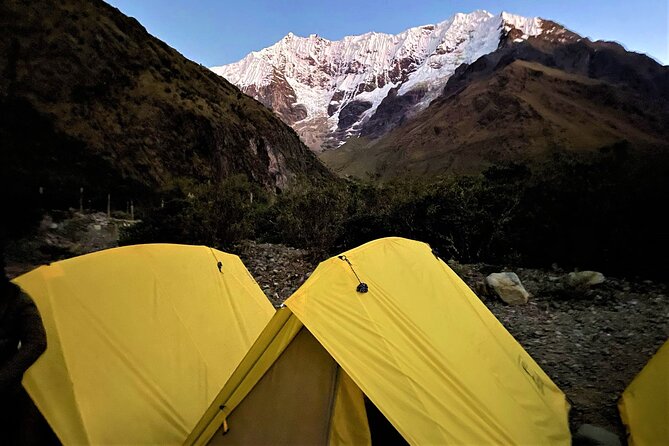
- Eco dome + cabin lodging mix gives you different atmospheres: high camp nights and a comfort night by the jungle edge.
- Tickets and guided Machu Picchu entry included, plus an optional Huayna Picchu climb when available.
Cusco to Challacancha: why the trip starts so early
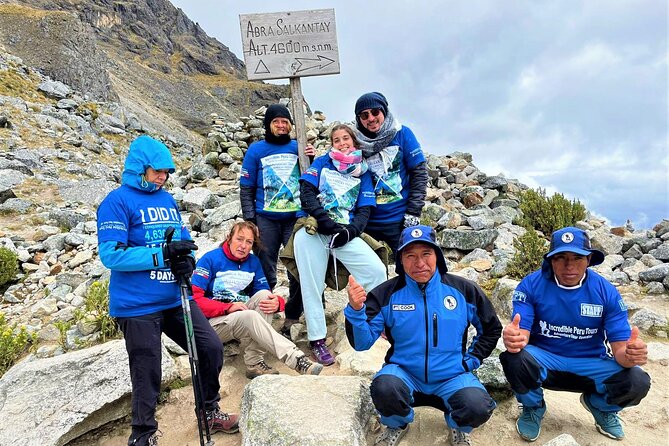
Your day begins in Cusco, with pickup from your hotel at 5:00 am in private transport. The guide and cook are usually part of the early team, and they’ll set expectations right away. One practical detail worth treating seriously: bring your original passport. You’ll need it at control points along the route, and it’s an annoying way to lose time if it’s sitting back in your room.
Then it’s a quick transport hop to Mollepata for breakfast. That stop matters more than it sounds. This is where you top up before your first trek segment, and you also get a feel for how fast the morning moves. If you’ve never started a long mountain day at altitude, Mollepata is your buffer.
From there you ride to Challacancha (about 3,600 m), your walk start point. You meet the muleteer and horses, and this is where the trekking logistics start to feel real: your big stuff goes on animals, while you carry a small day pack with water and essentials. The tour states they carry up to 7 kg (15 lb), which is enough for a compact system—think layers, a rain layer, and a few basics—without turning your daypack into a punishment.
You can also read our reviews of more hiking tours in Cusco

Day 1: first trek day, Humantay Lagoon, and a camp with real rhythm
After breakfast you start walking toward Soraypampa, roughly a 10 km day segment that takes about 3 hours. The trail follows a stone path, with a cold water channel running beside it. That detail may not sound exciting, but it matters: when you have water nearby, you’re more likely to keep moving smoothly and hydrate instead of constantly rationing.
You reach the Soraypampa area for lunch and regroup time. This lunch break is your first “OK, you’re actually here” moment—the meal and rest help you reset before the afternoon hike.
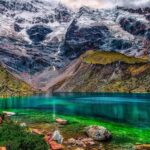
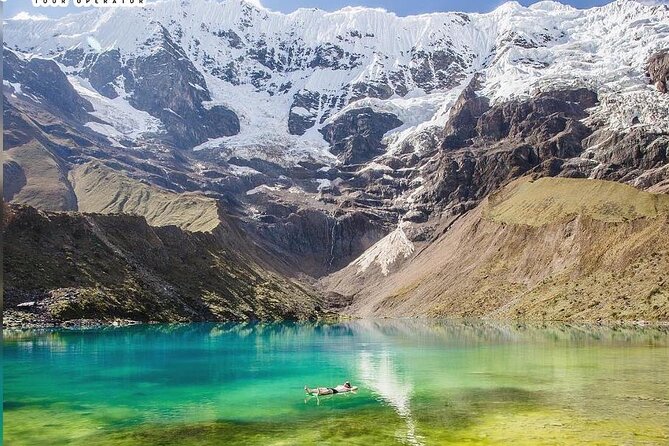
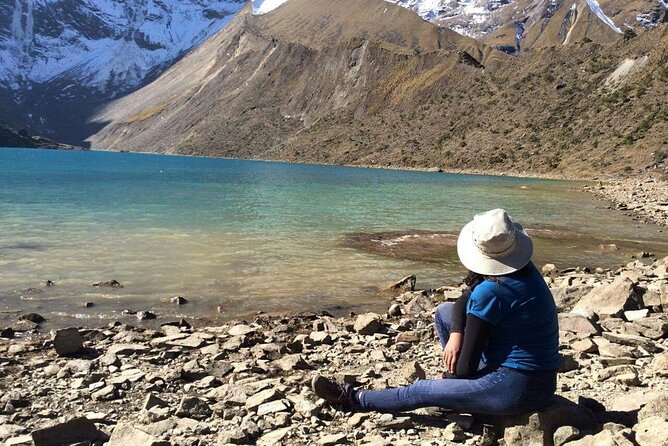
Then comes Laguna Humantay at 4,200 m. The hike is about 1 hour 30 minutes to the lagoon, and you’re given time to enjoy the view and take photos without rushing. This stop is a classic reason people pick Salkantay: you get that Andean contrast, where snow peaks and rugged stone sit next to a bright, high-altitude lake.
By late afternoon you return to base at Soraypampa (around 5:30 pm). The day ends with tea time—hot drinks plus small snacks—and then dinner. There’s also an option to look at the night sky. On a clear evening at altitude, stargazing is genuinely worth your effort because the air can feel crisp and sharp.
Day 2: the Salkantay Pass day and how to survive it
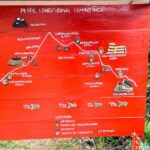
Day 2 starts early: coca tea at about 5:00 am, followed by breakfast, then the trek. This is the day you’ll feel in your legs and lungs. The route climbs for roughly 7 km, taking about 3 hours to reach the Pampa Salkantay (around 4,200 m). The schedule calls it a pure ascent with a gradual slope at first. Gradual still means long, and long means you want steady breathing, not bursts of speed.
After that short break with panoramic views, you keep climbing through a rocky valley for about 2 more hours to reach the high point: Salkantay Pass at 4,630 m (about 15,190 ft). From there you get views of major peaks, including Salkantay Mountain (6,271 m) and Humantay Mountain (5,400 m). Even if clouds roll in, the moment of reaching the pass is the trip’s main milestone.
You should plan for a short rest at the pass. Altitude can make you feel oddly drained even if you’re not doing much standing. Take it slow, drink water, and keep your layers on.
The descent begins afterward. You lunch at Huayracmachay (arriving around 1:30 pm), then you head into cloud forest conditions with warm, temperate weather and lots of vegetation. The route drops to Colpapampa (around 2,900 m) by about 4:30 pm, where a vehicle meets you for about 1 hour.
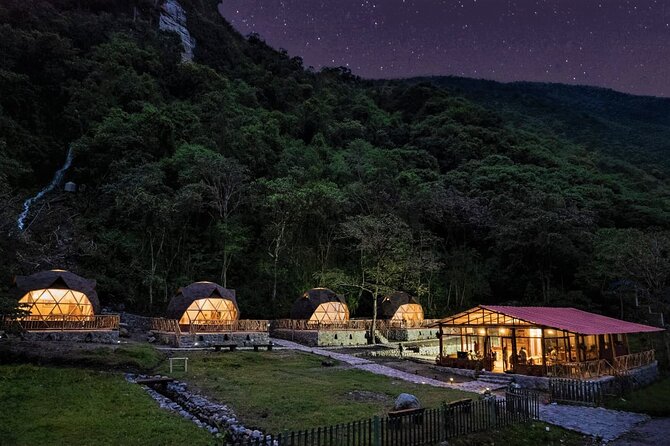
That vehicle ride ends at the Eco Domes Majestic Sky Domes area (Sahuayaco), arriving roughly 5:00–5:30 pm. This is the second big value moment of the itinerary: after a brutal ascent and long descent, you’re not forced to keep walking. You settle into dome lodging, enjoy tea time, and have dinner prepared by the cook and kitchen assistant.
Day 3: coffee farm time, the Hydroeléctrica walk, and arriving in Aguas Calientes
Day 3 is a change of tempo. Wake-up is around 7:00 am, breakfast about 8:00 am, then you start with a walk around the lodge area and visit local plantations—bananas, avocados, oranges—and even medicinal plants. Coffee shows up as a major livelihood here, including the chance to visit a local coffee farm and taste freshly prepared coffee. Even if you think you already know what coffee tastes like, it’s worth doing in this setting because it connects your trek to daily life, not just scenery.
After that, you head back to the lodge around 11:00 am for relaxation. That time matters. By now you’ve got altitude fatigue and trekking wear, so a slow block of the day helps you arrive at the next transport segment with less stress.
Later you transfer to Central Hidroelectrica (the route says you arrive around 2:30 pm). From there you walk to Aguas Calientes with a route that starts with a short climb (about 15 minutes), then mostly flat travel along train tracks and close to the Urubamba River.
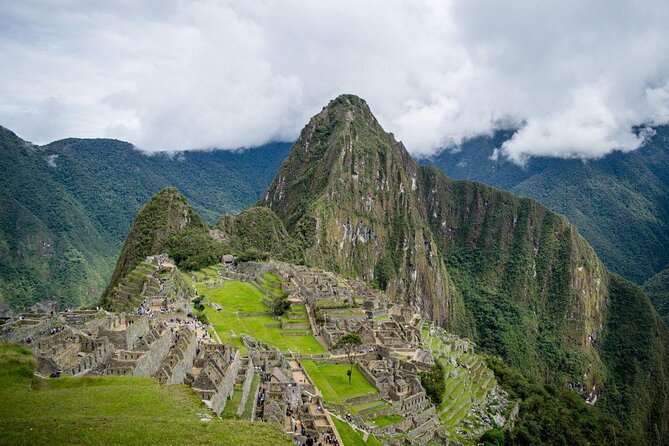
On the way, you visit Intihuatana, described as an ancient Inca sundial carved into natural rock. It’s a useful stop because it gives context for what you’ll see at Machu Picchu—this isn’t just a final-day photo shoot, it’s part of the larger Inca water-and-astronomy story.
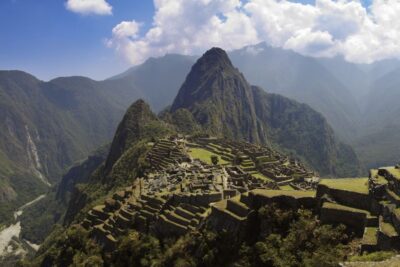
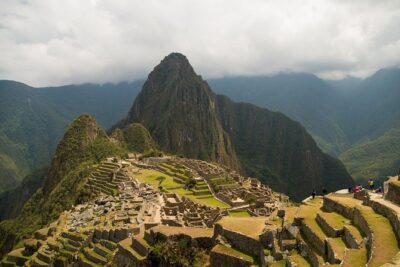
You also get sightlines of Huayna Picchu and Machu Picchu during the walk, and the route passes through cloud forest with lots of plant variety and orchids. After about 3 hours you arrive in Aguas Calientes around 5:30 pm.
That night includes a comfortable hotel stay, dinner in a tourist restaurant, and a briefing for Machu Picchu the next morning. This is the right moment for that briefing too, because Machu Picchu works best when you know what to prioritize before you’re standing at the entrance.
Day 4: bus up early, guided Machu Picchu, then train back to Cusco
You leave Aguas Calientes at 5:30 am after breakfast and walk to the bus station. You take a 30-minute tourist bus up a zigzag road to Machu Picchu. Arrival is about 6:30 am, which is ideal for good light and a calmer start.
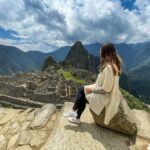
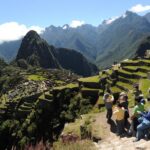
The visit is guided for about 2 hours. You’ll cover history and key areas inside the citadel with a professional guide who explains what you’re looking at and why it matters. After the guided portion, you get free time for photos, exploring, and walking at your own speed. There’s also the possibility to climb Huayna Picchu depending on availability. That climb is optional, so if you’d rather save energy for photos and slow wandering, you can.
In the afternoon you ride the tourist bus back down. Then you transition to the train: you arrive in Ollantaytambo around 7:40 pm, and staff bring you onward by bus to Cusco. You should expect arrival back in Cusco around 10:00 pm, with drop-off at your Cusco hotel or (if you prefer) a hotel in the Sacred Valley.
You can also read our reviews of more tours and experiences in Cusco

What’s included (and why that can be a big deal)
This tour wraps a lot into one price, which is often where trekkers win or lose time. For $590 per person, you’re getting:
- Professional English-speaking guide, plus cook and kitchen assistant
- Meals handled: 4 breakfasts, 4 lunches, 3 dinners
- 3 nights of lodging: Soraypampa cabin, Sahuayaco eco domes, and a private-bath hotel night in Aguas Calientes
- Entrance fees for the trekking route and Humantay Lagoon, plus Machu Picchu
- Guided tour inside Machu Picchu
- Luggage storage in Cusco and luggage carry up to 7 kg
- Transport pieces: Cusco to start point, lodge-to-Hydroeléctrica transfers, bus tickets between Aguas Calientes and Machu Picchu, plus train back to Ollantaytambo, then bus back to Cusco
So the real question isn’t just cost. It’s whether those logistics remove stress when altitude already does the heavy lifting. For many people, the included meals, guided entries, and coordinated transport are what make the trek feel like one coherent plan instead of a pile of separate bookings.
The guide factor: when it helps and when it doesn’t
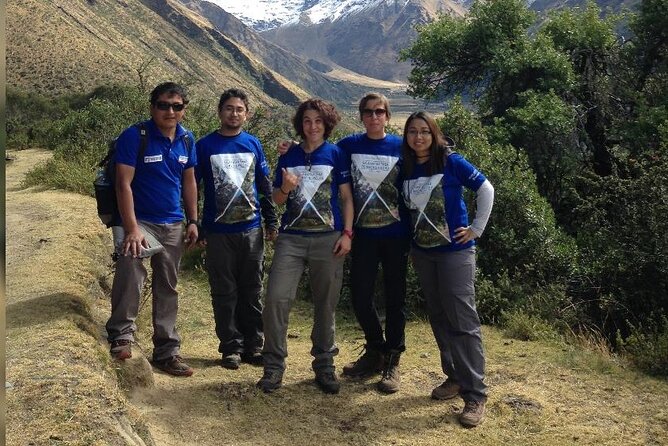
The trek depends on humans doing the small things right: pace, timing, communication, and—especially—preparedness.
On the positive side, I’ve seen strong feedback tied to guide performance, including praise for Gilber for being knowledgeable and engaging, and Rene for making the challenge doable for participants. Those names matter because they point to what you want: clear guidance and a calm presence when the route starts feeling steep.
On the caution side, there are serious complaints about health and safety. One report described getting very sick and said the promised first aid kit and oxygen balloon were not provided as indicated. Another complaint criticized the company’s responsiveness and said they had wrong information before travel. That doesn’t mean every departure goes sideways, but it does mean you should not shrug off safety details.
My practical advice: before you go, ask direct questions about what’s carried on the trek for medical emergencies, and confirm timing and pickup details so you’re not hunting for answers the week of your trip.
Gear and body-smart choices for this specific route
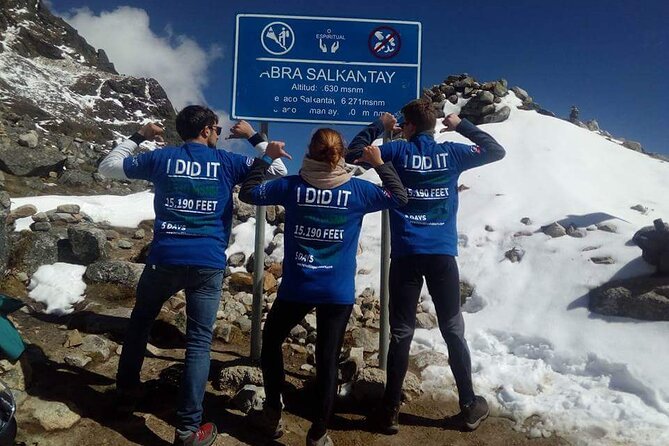
The itinerary is physically demanding, and it’s at altitude often enough that smart preparation pays off.
Here’s what I’d focus on based on how this trek is scheduled:
- Pack for layers, not for one temperature. You’ll go from high cold zones to cloud forest warmth.
- Plan for a long Day 2 ascent: steady pace beats hero speed. If you have a heart-rate monitor, use it to keep effort consistent.
- Treat hydration as a non-negotiable. You’ll be high enough that it can feel like you’re not sweating much, but your body still burns through fluids.
- Bring your own small medical basics. Even if your provider claims first aid support, you’ll feel better if you have a personal stash for stomach issues, headache, blisters, and altitude discomfort.
Also: remember you’re only carrying a small pack, because luggage is carried for you. That’s a win for comfort, but it also means your essentials must fit that smaller system—water, a rain layer, warm layer, and any personal meds.
Who this trek suits best
This is a good match if:
- you want a classic Salkantay-to-Machu Picchu route without extra planning work
- you’re comfortable with trekking at 4,000–4,600 m
- you like structured days with meals, lodging, and ticketed entries handled
It may be a rough fit if:
- you have serious mobility limitations or you dislike long ascents
- you are extremely sensitive to altitude and haven’t done acclimatization before
- you want a fully flexible, fly-by-the-seat-of-your-feet pace
Should you book Salkantay to Machu Picchu in 4 days?
If you want the big Andean storyline—Cusco warm-up, Laguna Humantay’s high-water beauty, a real push to the Salkantay Pass, then a guided Machu Picchu morning—this route delivers. The value is strong because your meals, lodging, park tickets, and major transport links are bundled. The small group size (up to 10) is another plus.
I’d book with confidence if you verify safety basics and get clear answers about what’s actually included for emergencies. If you cannot get dependable confirmation, keep shopping. With altitude and long days, you want a team that shows up ready, not scrambling later.
FAQ
What time does the trek start in Cusco?
Pickup starts at 5:00 am from your hotel in Cusco (and also hotels in the Sacred Valley).
Are meals and drinks included?
Yes. The trip includes 4 breakfasts, 4 lunches, and 3 dinners, with vegetarian, vegan, and special diet meals available if you request them.
How many nights of accommodation are included?
Three nights are included: Soraypampa (cabin), Sahuayaco (eco domes), and a hotel night in Aguas Calientes with a private bathroom.
Is Machu Picchu entry and a guided tour included?
Yes. The Inca Citadel entrance ticket is included, along with a guided tour of approximately 2 hours.
Does the tour include Huayna Picchu?
Huayna Picchu mountain access is included if available, and it’s listed as dependent on availability.
How hard is the trek physically?
It requires moderate physical fitness, but Day 2 is specifically described as the hardest day due to a long ascent to the Salkantay Pass.
Do I have to carry all my luggage?
No. You carry a small backpack, while the team carries up to 7 kg of your luggage.
What happens on the final day after Machu Picchu?
You take the tourist bus down, then train back to Ollantaytambo, followed by transport back to Cusco (arriving around 10:00 pm).
What if weather is poor?
The experience requires good weather. If it’s canceled due to poor weather, you’ll be offered a different date or a full refund.