REVIEW · CUSCO
4-Day: All Included Excursion City Tour, Sacred Valley & MachuPicchu
Book on Viator →Operated by Chullos Travel Peru · Bookable on Viator
Cusco feels busy, but this plan is built for rhythm. You get guided time at Inca sites around Cusco, a full day in the Sacred Valley, and a tightly managed Machu Picchu day. I especially like the small-group limit (15 max) and how everything is arranged so you’re not scrambling for buses or ticket-day confusion.
The best part is the structure: early starts, guided explanations, and built-in transfer points. One thing to watch is that Machu Picchu entry depends on ticket availability, and the tour only sells tickets for specific circuit options (circuits 1 and 2) when possible.
In This Review
- Key reasons this tour is a smart choice
- First impressions in Cusco: city tour timing and the Inca storyline
- Cusco stops that make the guide’s job easier (and yours more fun)
- Sacred Valley day: Pisaq, Urubamba lunch, and Ollantaytambo
- Machu Picchu morning: early bus, guided 2.5 hours, and timed freedom
- Tickets and circuits: the one detail you must understand up front
- Getting back to Cusco: a smoother finish day than you expect
- “All included” details that actually affect your day-to-day comfort
- Hotel comfort: La Casona Real comes up in real bookings
- Who this trip fits best (and who might prefer something else)
- Should you book this 4-day Cusco + Sacred Valley + Machu Picchu tour?
- FAQ
- What cities and main sites are included in this tour?
- Is Machu Picchu ticket cost included?
- What happens if Machu Picchu tickets are not available?
- How many people are in the group?
- Do I get airport pickup and help with transfers?
- What meals are included?
- Do we get free time during the trip?
- How long is the guided portion at Machu Picchu?
Key reasons this tour is a smart choice
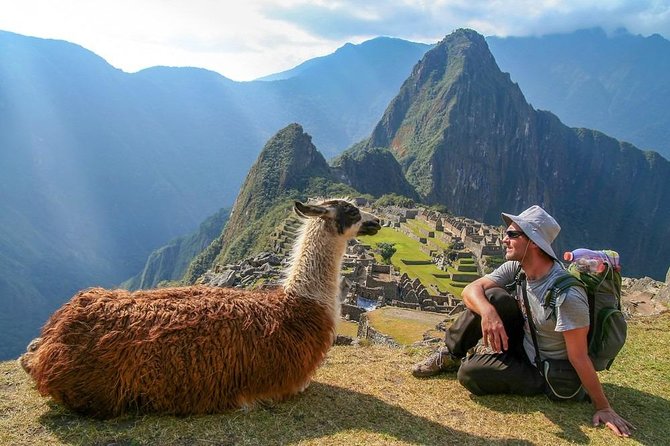
- Small group of up to 15 means you can ask questions and actually hear answers.
- Korikancha to Tambomachay packs the key Cusco “greatest hits” in one guided sweep.
- Pisaq + Urubamba buffet lunch + Ollantaytambo gives you the valley story, not just photos.
- Overnight in Aguas Calientes helps you wake up ready for the early Machu Picchu bus.
- Tickets are availability-based and handled through the authorized Ministry of Culture channels.
- Airport pickup and sign-based meetups reduce the usual first-day stress in Cusco.
First impressions in Cusco: city tour timing and the Inca storyline
This starts gently. After airport pickup, you get the morning free to rest and acclimatize. Cusco altitude can feel like someone turned down your energy settings, so that breathing room matters. Then, in the afternoon, your guide leads you into the historical core.
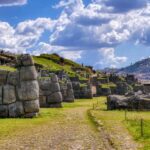
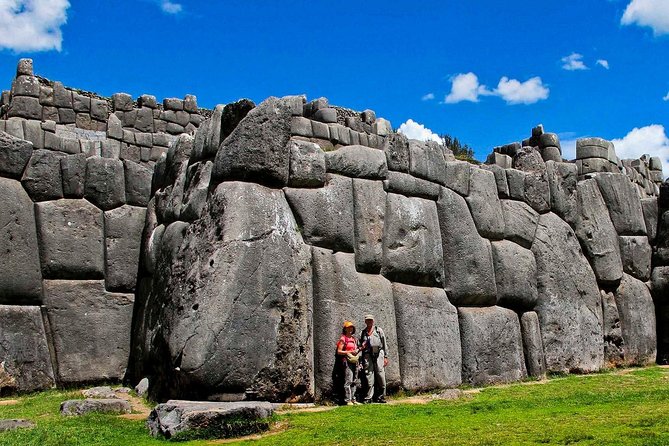
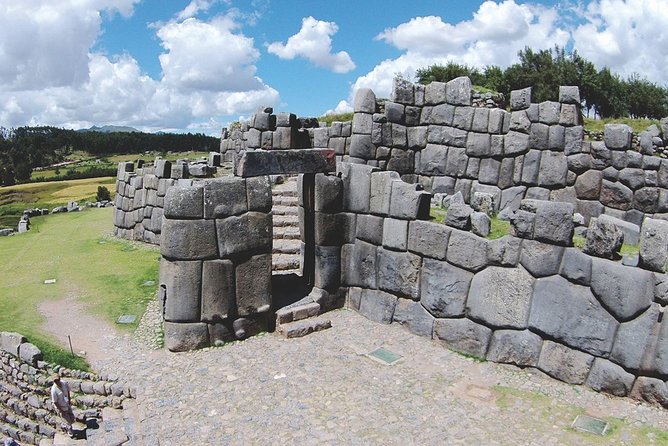
The city tour is designed like a guided loop of Inca power centers and sacred places. The first stop is Korikancha (Temple of the Sun), a site that sets the tone for how the Inca understood time, light, and ritual. After about a half hour of driving, you move on to Sacsayhuamán, where you’ll have roughly an hour with a guide. This is one of those places where the stones aren’t just impressive; they’re part of the engineering lesson.
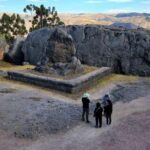
Next comes Qenqo, a rocky ritual center. You don’t just walk through it—you move into the space as it’s meant to be experienced, with its carved features and “this was meant for ceremonies” feeling. Then you visit Puca Pucara (the Red Fort), a military construction, which helps balance the spiritual stops with the practical reality of Inca life. The day ends at Tambomachay, also known for water worship traditions, before you head back to your hotel around 7:00 PM.
Why I like this sequence: it doesn’t treat Cusco like a list of ruins. It connects sites with different roles—religion, ritual practice, defense, and water ceremonies—so the whole place starts to make sense.
You can also read our reviews of more city tours in Cusco
Cusco stops that make the guide’s job easier (and yours more fun)
A good guide turns “I saw it” into “I understood it.” Here’s what that looks like across the Cusco portion:
- Korikancha gives you context early, before you see the bigger viewpoints. If you’re trying to make sense of why Inca sacred sites feel so intentional, start here.
- Sacsayhuamán is big-sky terrain. You’ll get the best experience if you slow down and let your guide explain what you’re looking at rather than trying to memorize angles for later.
- Qenqo can feel mysterious in a good way. A guided walkthrough helps you notice carvings and understand the ritual setting without guessing.
- Puca Pucara adds a military layer. It’s a reminder that sacred doesn’t mean soft.
- Tambomachay ties water to worship. Even if you’re not into spiritual interpretation, you’ll appreciate how it’s all part of Inca planning.
Practical note: you’ll be moving by vehicle between stops, which is a relief when your body is still adjusting to altitude.
Sacred Valley day: Pisaq, Urubamba lunch, and Ollantaytambo
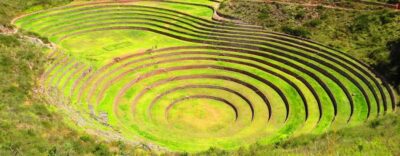
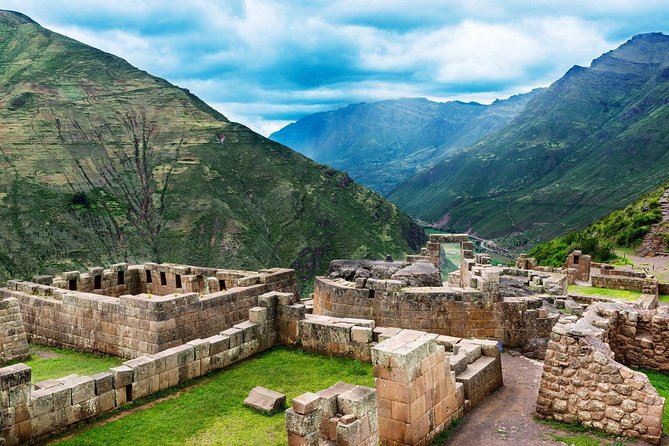
Day two shifts from Cusco city logic to valley geography. You’re picked up at 8:00 AM, and after about 1.5 hours of travel you arrive at Pisaq. You’ll get around one hour of guided time there. Pisaq is the kind of stop where terraces and layout teach you how people shaped a landscape to support life.
Then you continue along the Willka Mayu (Sacred River). The tour reaches Urubamba, where you’ll enjoy a buffet lunch with typical Andean cuisine. I like that the lunch is buffered by a planned stop. In the Sacred Valley, getting hungry at the wrong time can turn a beautiful route into a grumpy sprint.
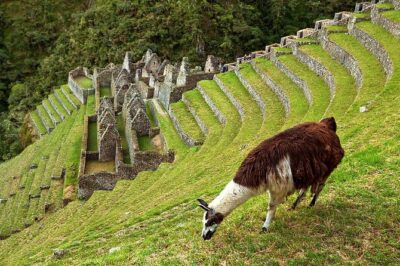
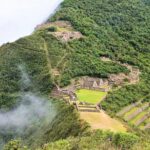
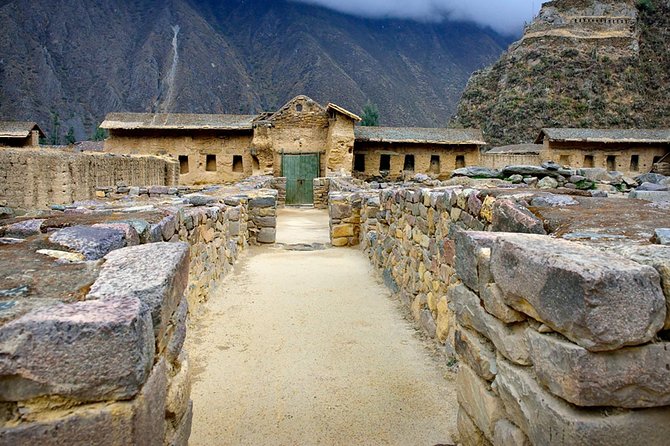
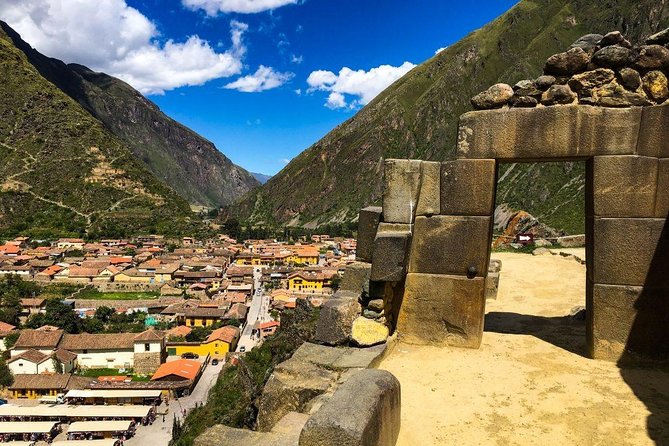
After lunch, it’s about 30 minutes to Ollantaytambo. You’ll tour the archaeological site with roughly another hour of guided time. The highlights include the Temple of the Sun, the Intihuatana, the Princess Baths, and the Andean terraces. Each of these helps you see Ollantaytambo as both a lived-in settlement and a place designed for celestial and ceremonial meaning.
Then comes the logistics that actually matter: you head to the train station to board the train to Aguas Calientes, and you spend the night there so you’re positioned for Machu Picchu the next morning. In the evening, your guide stops by the hotel to go over Machu Picchu visit details.
This is one of the smartest parts of the whole trip. Machu Picchu is schedule-sensitive. Having the right info the night before saves energy the next morning.
Machu Picchu morning: early bus, guided 2.5 hours, and timed freedom
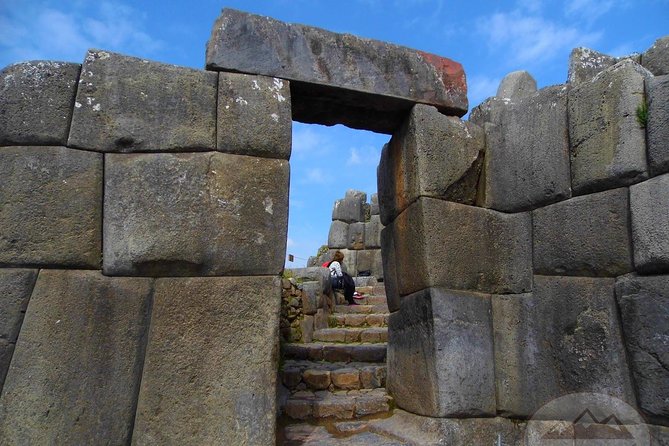
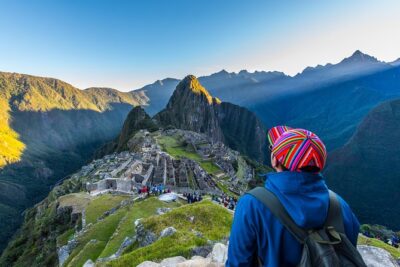
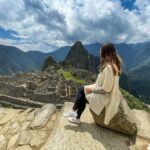
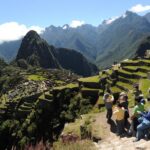
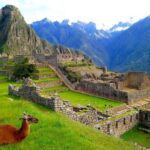
Day three is the classic “wake up and go” day. Very early in the morning, you take the bus up to Machu Picchu. Then you get a guided tour lasting about 2 hours 30 minutes. That length is key. It’s long enough for the guide to walk you through what you’re seeing—structures, layout, and why the site feels so engineered—without turning it into a rushed photo line.
After the guided portion, you get time to enjoy Aguas Calientes for lunch. This matters because Machu Picchu itself is intense. Even if you’re a total ruin-lover, you’ll want a calm window to reset.
Then you return by train to Ollantaytambo, where a Chullos Travel Peru representative meets you with a sign. You’ll be transferred back to Cusco and arrive around evening.
Tickets and circuits: the one detail you must understand up front
Machu Picchu tickets here are handled based on availability. The tour notes that the only authorized entity allowed to sell Machu Picchu tickets is the Ministry of Culture of Peru. Your package purchases entry based on the available circuits, specifically circuits 1 and 2. Other circuits may cost extra depending on what’s available. If tickets for Machu Picchu aren’t available, you receive a full refund for the reserved tour package.
So what should you do with this info? Keep your expectations flexible. If your Machu Picchu day is the absolute make-or-break moment of your trip, plan your overall Peru schedule so you have some breathing room for possible changes.
You can also read our reviews of more tours and experiences in Cusco


Getting back to Cusco: a smoother finish day than you expect
Day four is lighter. You have the morning free to relax, depending on your flight timing. If you want something extra, the tour offers an add-on focused on Peruvian gastronomy and the preparation of Pisco Sour.
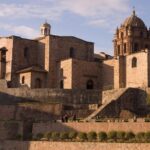
There’s also a scheduled stop at the Cusco Cathedral for about 3 hours, which is a good way to round out the trip with a different layer of Cusco culture. If you’ve spent the last few days in Inca stonework and sacred layouts, a cathedral stop gives you a change of pace without pretending it’s the same story.
“All included” details that actually affect your day-to-day comfort
Let’s translate the inclusions into real-world value. For $750 per person (4 days, approx.), you’re paying for more than transportation. You’re paying for planning and pacing.
What’s included:
- Airport pickup
- City tour in Cusco with guide, entrances, and transport
- Sacred Valley tour with guide and transport
- Train + overnight in Aguas Calientes (the Machu Picchu approach depends on being positioned)
- Breakfasts (3) and lunches (2)
- Machu Picchu guided visit (plus the bus/train structure that supports it)
What’s not included:
- Not all meals are listed beyond what’s specified
- Machu Picchu tickets for circuits 1 or 2 are subject to availability and handled via the authorized Ministry of Culture process
Is $750 a good deal? In Cusco and the Sacred Valley, the cost adds up fast once you factor in guide time, entries, and the train/overnight approach needed for Machu Picchu. The small-group size helps too. Fifteen people max isn’t about luxury; it’s about not wasting your time waiting or losing the guide in a crowd.
One more value point: reviews highlighted that the team stays on top of meeting points and ticket information. That’s not glamorous, but it’s the difference between a smooth day and a stressful one.
Hotel comfort: La Casona Real comes up in real bookings
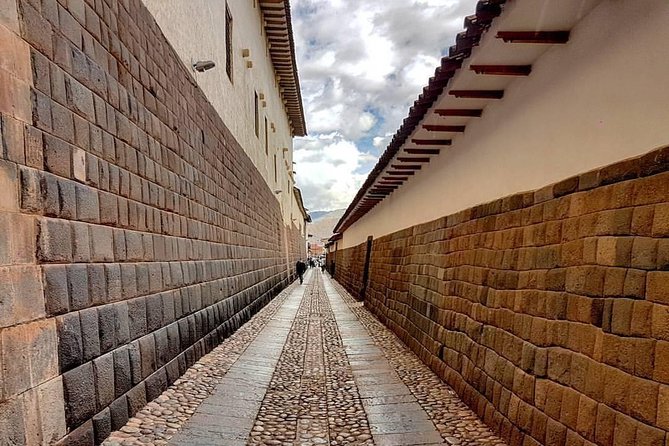
In one recent booking example, the Cusco hotel was La Casona Real, described as an old Spanish-villa style property with comfortable beds and a good location. Even if your exact hotel may differ, it’s a useful signal of the kind of accommodation experience this tour aims for: comfortable, character-rich, and placed so you’re not spending your trip commuting around Cusco more than needed.
Who this trip fits best (and who might prefer something else)
This is ideal if:
- You want a guided Cusco and Sacred Valley package that makes sense of what you’re seeing
- You like groups that stay small (15 max)
- You prefer built-in timing for Machu Picchu rather than trying to piece it together alone
- You want help with transfers, especially airport-to-hotel and station meetups
You might consider a different format if:
- You hate early mornings. Machu Picchu requires them, and the tour follows that reality.
- You want total freedom on itinerary. This plan is structured, with guided time blocks and set transfers.
Should you book this 4-day Cusco + Sacred Valley + Machu Picchu tour?
If your priority is seeing the big Inca hits with less stress, I’d say yes, with one serious condition: go in understanding the Machu Picchu ticket availability rule. The circuit system (1 and 2) and the Ministry-controlled sales process are not minor footnotes. They’re part of how the day runs, and you should plan around that.
If you’re booking because you want a calm, guided path through Cusco, the Sacred Valley, and Machu Picchu—complete with airport pickup, a Sacred Valley day with lunch, and the overnight approach—this tour’s structure is exactly what you’re looking for.
FAQ
What cities and main sites are included in this tour?
Cusco is covered with stops like Korikancha, Sacsayhuamán, Qenqo, Puca Pucara, and Tambomachay. The Sacred Valley day includes Pisaq, Urubamba (buffet lunch), and Ollantaytambo. Machu Picchu is visited on day three.
Is Machu Picchu ticket cost included?
Machu Picchu tickets are not guaranteed as included; the tour states admission is subject to availability. If tickets are available, they are purchased for circuits 1 and 2 based on what’s available through the authorized Ministry of Culture of Peru.
What happens if Machu Picchu tickets are not available?
If no Machu Picchu income availability exists for tickets through the authorized sales process, you receive a full refund for your reserved tour package.
How many people are in the group?
This experience is limited to a maximum of 15 travelers.
Do I get airport pickup and help with transfers?
Yes. The tour includes airport pickup and uses representatives for meetups, including a representative at the station in Ollantaytambo with a sign.
What meals are included?
The package includes 3 breakfasts and 2 lunches. Other meals are not listed as included.
Do we get free time during the trip?
Yes. There is free time in Cusco on day one to rest and acclimatize. Day three includes free time in Aguas Calientes for lunch. Day four includes a free morning depending on your flight time.
How long is the guided portion at Machu Picchu?
The Machu Picchu guided tour lasts about 2 hours 30 minutes.