REVIEW · CUSCO
Super Sacred Valley with Transfer to Ollantaytambo
Book on GetYourGuide →Operated by Exploor Trip E.R.L · Bookable on GetYourGuide
Sacred Valley is short, then it’s gone. In one day, you’ll move from Inca terraces to colonial churches, then end in a still-active fortress city. It’s a strong sampler tour, especially if your Cusco days are limited.
I love the way this itinerary strings together three very different Sacred Valley landscapes: high-altitude Chinchero, the experimental farming terraces of Moray, and the salt-studded Maras hills. You also get a practical end point: you’re dropped near the Ollantaytambo train area, so you don’t have to figure out transport the hard way.
The one thing to consider is pacing. Some tours on this circuit can spend longer in shops than you’d expect, and you’ll also want to plan for how your day handles baggage during the Ollantaytambo transfer. If you’re sensitive to that kind of time management, go in with a clear expectation.
In This Review
- Key highlights worth your attention
- Getting started: Cusco pickup and the road into the Sacred Valley
- Chinchero: church art, high-altitude views, and the textile market
- The archaeological and colonial pieces
- The market: textiles you can actually see, touch, and ask about
- Moray’s circular terraces: why this place feels different
- What makes Moray a good stop in a packed day
- Maras Salt Mines: 4,000+ wells and salt that shows up in food
- Entrance fees: factor this into your budget
- How to enjoy the walk
- Urubamba lunch: simple, local, and timed to keep your day realistic
- Ollantaytambo: a living Inca fortress city and your train transfer
- Transfer to the right place
- Price and value: what $35 really buys in a 1-day run
- Who this tour is for (and who should skip it)
- Practical tips to make the day smoother
- Should you book Super Sacred Valley with Transfer to Ollantaytambo?
- FAQ
- What stops are included on this one-day Sacred Valley tour?
- How long is the tour?
- Is lunch included?
- Are entrance fees included?
- Is the Maras Salt Mines entrance fee included?
- Do you get hotel pickup in Cusco?
- What languages is the guide available in?
- Is there a cancellation option?
- Is it a transfer to Ollantaytambo’s train area?
Key highlights worth your attention
- Chinchero at 3,780 meters plus a 17th-century colonial church with Cusco School canvases
- Market time in Chinchero, where Andean textiles and product exchange are part of the experience
- Moray’s circular terraces, known for ancient agricultural experimentation
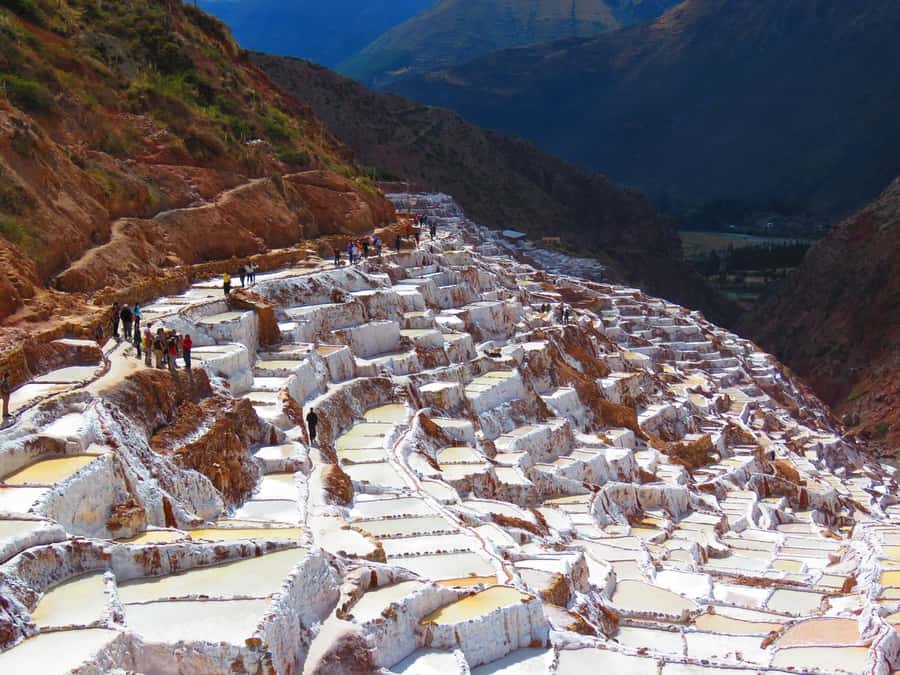
- Maras Salt Mines with 4,000+ wells, producing salt used in gastronomy
- A local Urubamba lunch that fits the region’s everyday food rhythms
- Transfer into Ollantaytambo, ending near the train station area
Getting started: Cusco pickup and the road into the Sacred Valley
This is a true full-day outing. You start with hotel pickup from your location in central Cusco, then head out toward the Sacred Valley. The early start matters here because you’re stacking multiple sites in a single day, and you’ll want enough time to actually enjoy each stop instead of just rushing through.
Once you’re on the road, you’ll notice how the scenery changes quickly: fields and small villages against snow-capped peaks that locals have respected long before the Incas. If you’re the type who likes seeing how people live between the ruins, this drive is part of the value.
You’ll also want to remember altitude. Chinchero is at 3,780 meters, so you may feel it more than in Cusco depending on your acclimation. Pace yourself the first hour, drink water, and don’t treat the day like a sprint.
You can also read our reviews of more tours and experiences in Cusco

Chinchero: church art, high-altitude views, and the textile market
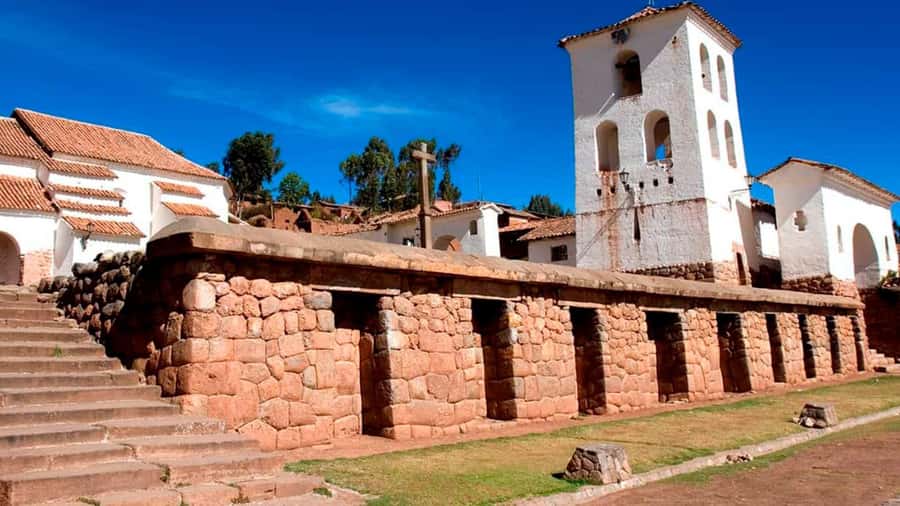
Chinchero is one of the best early stops because it’s both a viewpoint and a living place. The altitude alone gives the area a crisp feel, and the town’s setting helps you understand why people settled here and built culture around it.
The archaeological and colonial pieces
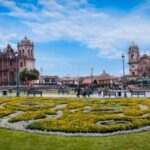
In Chinchero, you’ll explore the town’s archaeological elements and a 17th-century colonial church. Inside, you’ll find canvases associated with the Cusco School, a style that grew from the region’s artistic mix after the Spanish arrived. Even if church art isn’t your usual obsession, it’s a useful contrast to the stonework elsewhere in the Sacred Valley.
This is also where a guide can make a difference. The ruins and the church are easier to “read” when someone explains what you’re looking at and how the layers of time fit together.
The market: textiles you can actually see, touch, and ask about
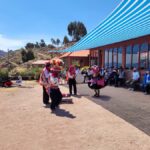
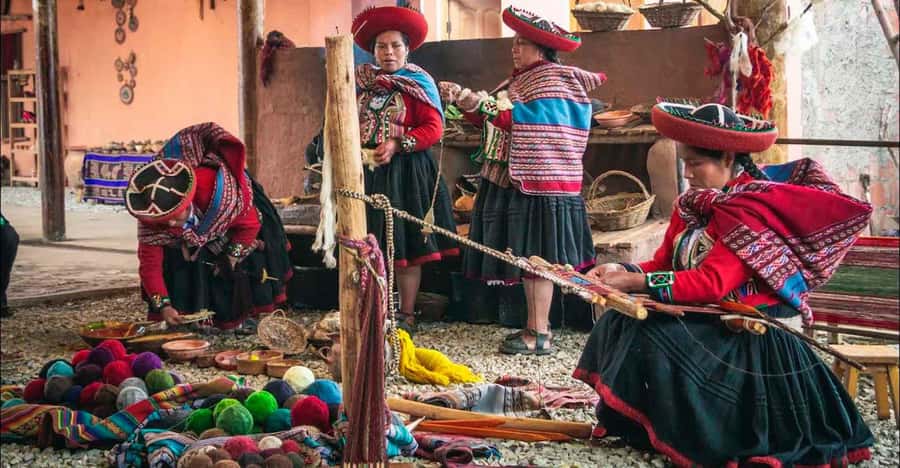
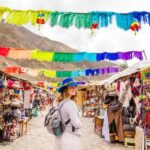
Chinchero also includes a typical market experience. This is where you’ll see the famous ongoing pattern of product exchange—plus a chance to buy Andean fabrics and watch how people trade and negotiate in everyday life.
Just keep expectations grounded. If you love markets, this is a genuine bonus. If you came for ruins and terrace views only, be ready for the market to take real time. In my view, it’s worth it if you treat it as a cultural stop, not a quick souvenir stop.
Moray’s circular terraces: why this place feels different
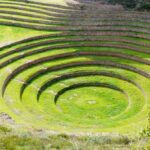
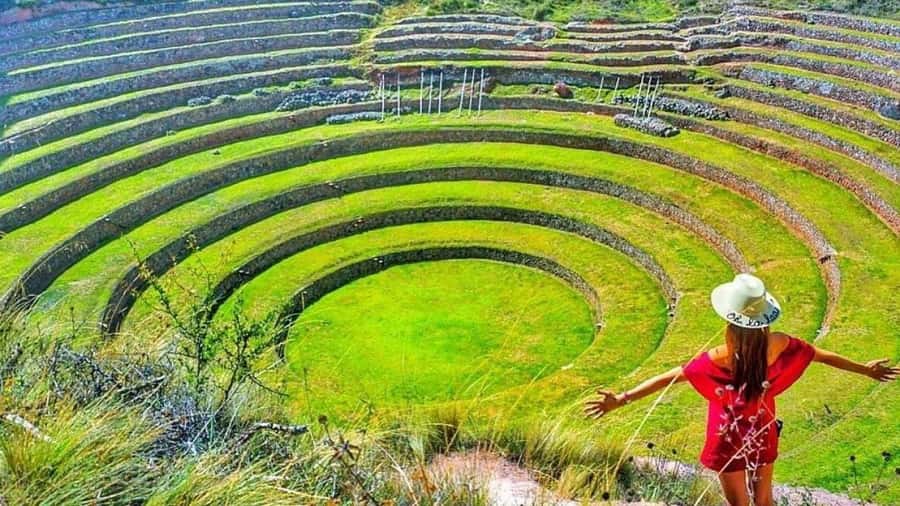
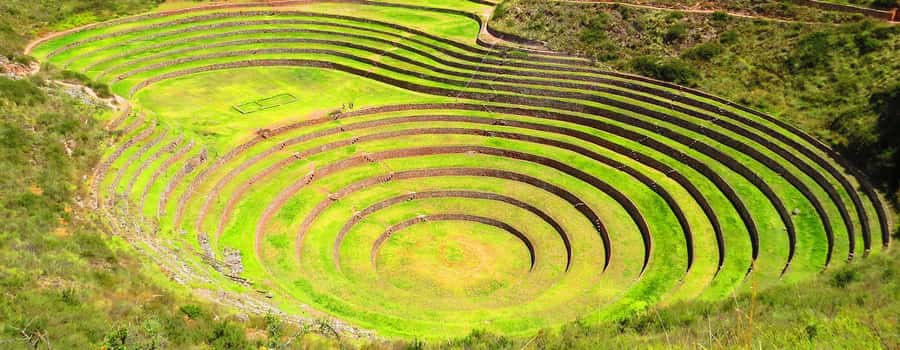
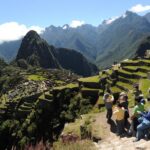
Next comes Moray, famous for its circular agricultural terraces. This is one of those Sacred Valley stops that doesn’t require you to know Inca politics to enjoy it. You can simply look at the design—circles within circles—and feel how intentionally engineered it is.
The key idea here is agricultural research. Moray is described as an ancient center where farming experimentation happened, using the terraces to create different growing conditions. Even if you don’t get technical details from your guide, the layout tells the story: different microclimates in one compact area.
What makes Moray a good stop in a packed day
Moray works as a breather between busier stops. The terraces are visual and photogenic, but they’re also educational. It’s easier to understand how the Incas thought about land when you’re standing on a place designed for experimentation rather than ceremony.
A practical note: conditions can feel cool and windy depending on weather. Bring a layer, even if Cusco has been warm.
Maras Salt Mines: 4,000+ wells and salt that shows up in food
Maras Salt Mines are the Sacred Valley stop that often surprises first-timers. The scale is the shock: you’re told there are 4,000+ wells. You’re looking at a patchwork of salt production that feels almost endless when you take it in from the right angle.
This area is also tied to food culture. The salt produced here is described as one of the most valued and beneficial salts used in gastronomy, so you’re not just seeing an industrial-looking landscape—you’re connecting it to something you can taste later.
Entrance fees: factor this into your budget
One heads-up: entrance fees to the archaeological sites and the Maras salt mines are not included. So while the tour price is reasonable, you should expect extra costs at the sites. If you hate budget surprises, set aside a little cash in advance.
How to enjoy the walk
Maras can involve moving along uneven paths to view the wells. Wear shoes you trust. And take a minute to slow down. The best photos aren’t only about height—they’re about finding repetition in the pattern of wells.
Urubamba lunch: simple, local, and timed to keep your day realistic
After the salt mines, you head to Urubamba for lunch at a typical local restaurant. This matters more than it sounds. In a one-day tour, food is part of pacing. If lunch gets too long or too touristy, the afternoon can turn into a rush.
Because lunch is included, this stop helps you keep control over your day. You won’t be spending time searching for a place, and you can refuel before the final leg into Ollantaytambo.
If you’re feeling picky about food, don’t assume the menu will match what you’d pick at home. The value here is eating in the rhythm of the area you’re traveling through.
Ollantaytambo: a living Inca fortress city and your train transfer
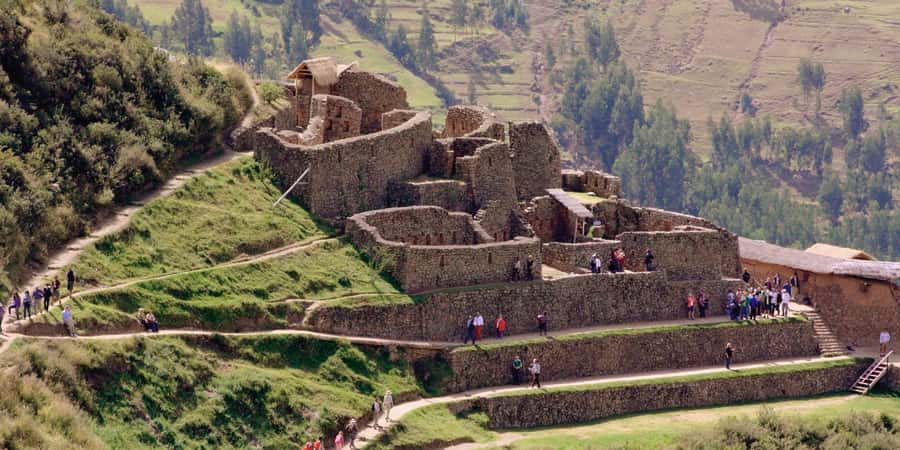
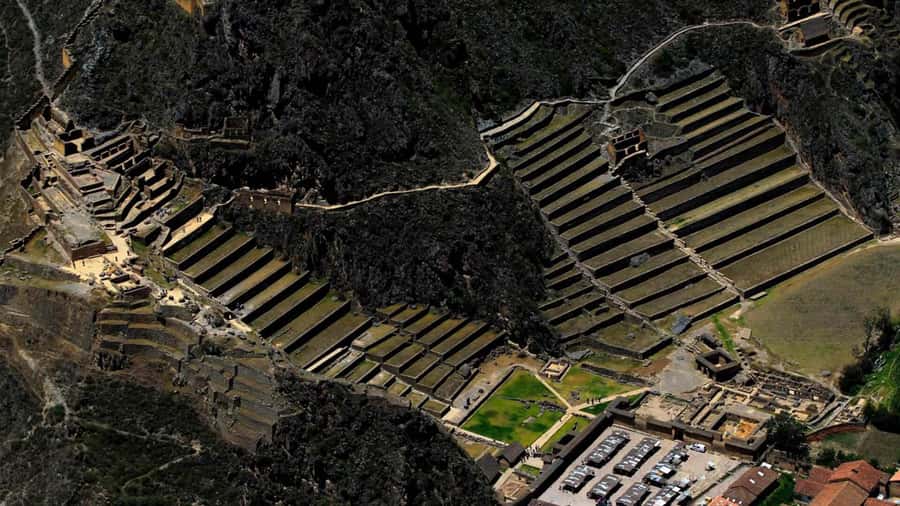
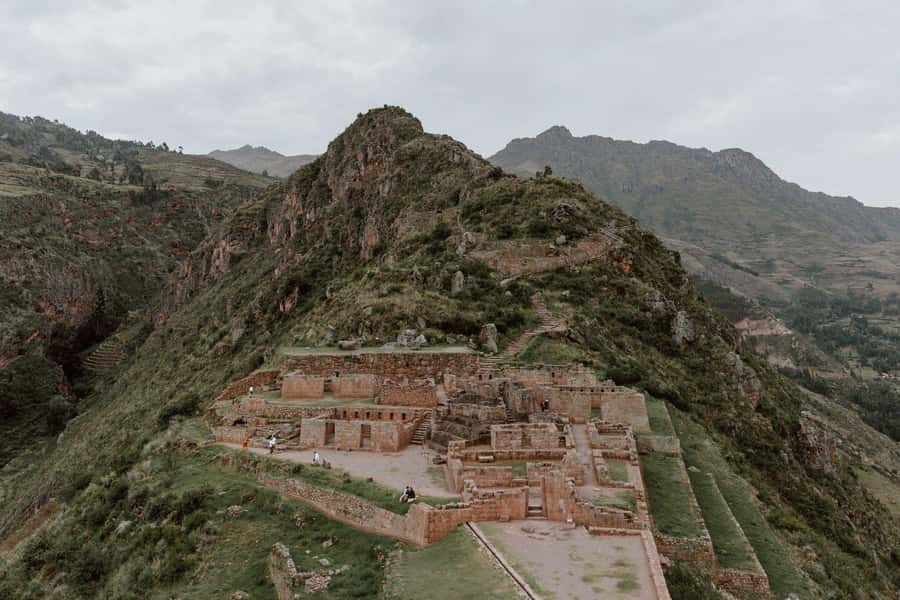
You finish at Ollantaytambo, described as a living Inca city. This is a strong way to close the day because it shifts from “ruins as artifacts” to “ruins as the backdrop of daily life.”
Ollantaytambo is known for its strategic fortress role—military, religious, and administrative. Even without getting deep into the specifics, you’ll feel the purpose in how the structures sit and how the layout supports control and defense.
Transfer to the right place
This tour’s name includes the transfer for a reason: you’re dropped off near the Ollantaytambo train station. That’s exactly what you want if you’re continuing deeper into Peru by rail.
One practical consideration: you may deal with luggage timing and movement around the end of the tour. A smooth transition depends on enough space in the vehicle and clear instructions from the guide. If you’re traveling with a larger bag, keep it manageable and ready to move when the group does.
I’ll be direct here: if your bag logistics aren’t handled well, it can drain your energy right before the main finale. Plan with that in mind.
Price and value: what $35 really buys in a 1-day run
At around $35 per person for a one-day circuit, this tour is priced like a solid budget option—especially because pickup, transportation, a live guide (English/Spanish), and lunch in Urubamba are included. You’re also getting a meaningful set of stops that covers high-altitude town culture, agricultural history, salt production, and a fortress city.
Where the value calculation changes is in the add-ons. Entrance fees and Maras salt mines entrance are not included. If you budget for those upfront, the price feels fair.
My advice: treat this as a structured day that’s built for momentum. If you want a slow, museum-style visit to fewer sites, this may feel fast. If you want a broad, well-organized route that ends where you need to be, it’s a good deal.
Who this tour is for (and who should skip it)
This tour fits best if you:
- Want a one-day Sacred Valley sampler with variety
- Like mixing viewpoints, market culture, and ruins
- Appreciate an included lunch and a clear drop-off near the train area
You might want to skip or switch to a different format if you:
- Get annoyed by market time or prefer ruins-only days
- Travel with heavy luggage and hate rushed handoffs
- Need lots of downtime between stops
Practical tips to make the day smoother
Here’s how to get more out of the route and avoid the common annoyances:
- Bring a light layer for Moray and Maras; temperatures can shift.
- Wear good walking shoes. Maras especially demands traction.
- Keep cash or a card ready for entrance fees at archaeological sites and for Maras.
- If you’re shopping in Chinchero’s market, set a limit beforehand so you don’t lose the rest of the schedule.
- For the Ollantaytambo transfer, keep your bag close and easy to move when the group changes locations.
Should you book Super Sacred Valley with Transfer to Ollantaytambo?
If you’re trying to compress Cusco-area highlights into one day, I’d say yes, with planning. The combination of Chinchero’s church and market, Moray’s agricultural terraces, Maras’s 4,000+ wells, and the finish in living Ollantaytambo is a strong use of time. Plus, the fact that you’re dropped near the train station is the kind of practical win that saves stress.
Book it if you want an organized day that ends perfectly for onward travel. Consider another option (or adjust your expectations) if you’re very sensitive to shop time or you expect a fully effortless luggage experience.
FAQ
What stops are included on this one-day Sacred Valley tour?
You visit Chinchero, Moray, the Maras Salt Mines, and Ollantaytambo. You also stop in Urubamba for lunch.
How long is the tour?
The duration is listed as 1 day.
Is lunch included?
Yes. Lunch is included in Urubamba.
Are entrance fees included?
No. Entrance fees to archaeological sites are not included.
Is the Maras Salt Mines entrance fee included?
No. The Maras salt mines entrance is not included.
Do you get hotel pickup in Cusco?
Yes. Pickup is included from your hotel in the city center.
What languages is the guide available in?
The live tour guide is available in English and Spanish.
Is there a cancellation option?
Yes. Free cancellation is available up to 24 hours in advance for a full refund.
Is it a transfer to Ollantaytambo’s train area?
Yes. The tour ends with a drop-off near the Ollantaytambo train station.