REVIEW · CUSCO
Cusco: Alpaca and Llama Farm Tour w/ Transfer & Weaving Demo
Book on GetYourGuide →Operated by Andina Expeditions · Bookable on GetYourGuide
Staring at alpacas fixes jet lag in 150 minutes. This Cusco-area farm tour pairs up-close alpaca and llama time with a practical weaving demonstration, plus a history thread that connects what you see to Inca-era camelid raising. It is an easy way to get out of town fast and spend your morning or afternoon with Andes animals and real textile know-how.
I like that the animals are the star: you get close enough to spot differences between species like vicuñas and huanacos, not just generic alpacas in a pen. I also like the weaving part, because you watch how native people turn fiber into textiles instead of only hearing about it. If you get a guide like Marlith, Holger, or Olga, the explanations tend to stay clear and question-friendly.
One drawback to plan around: the experience can feel a touch rushed (and the total time may run slightly under what you expect), especially if you want extra time with every animal or photos slow you down. There is also a shop at the end, and the pricing can feel steep compared to outside options.
In This Review
- Key things that make this tour worth your time
- Cusco Alpaca and Llama Farm: a fast countryside reset
- What You’ll See: alpacas, llamas, vicuñas, and huanacos up close
- Manos de la Comunidad: where the Inca connection becomes real
- Weaving demo: the skill behind the scarves
- Timing, transfers, and why this works with Cusco altitude
- Price and value: why $34 can be a fair deal
- The gift shop question: souvenirs without regret
- Who should book this tour (and who might want another option)
- Should you book this Cusco alpaca and llama farm tour?
- FAQ
- How long is the Cusco alpaca and llama farm tour?
- Where does the tour start?
- How far is the farm from central Cusco?
- What’s included in the price?
- What is not included?
- What animals will I see?
- Is the weaving demonstration included?
- Does the tour offer English and Spanish?
- Is this tour wheelchair accessible?
- Can I cancel or change plans?
Key things that make this tour worth your time
- 20-minute transfer from central Cusco, so you waste less time getting out of the city
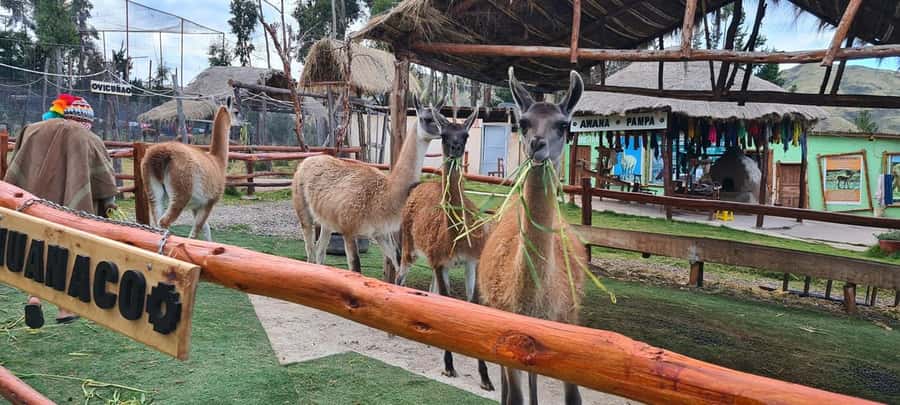
- Close-up viewing of alpacas, llamas, vicuñas, and huanacos
- A guided stop at Manos de la Comunidad (80 minutes) for more structured learning
- Traditional weaving demonstration so you can picture the process, not just hear about it
- You’ll likely encounter extra farm-area surprises like a small museum stop (condors and more show up in some visits)
- Short and friendly pacing, often a good fit for Cusco altitude acclimation
Cusco Alpaca and Llama Farm: a fast countryside reset
Cusco days often start with stairs, altitude, and traffic. This tour is the opposite of that energy. You get hotel pickup and drop-off, and the farm is close—about 20 minutes from the historic center—so you can get the outdoors without losing half a day to transit.
The setting helps too. Instead of rushing from one city sight to the next, you slow down in farm air and watch animal behavior: how they move, how they react to people, and how their coats look in real life. It is a practical change of pace that makes Cusco feel less exhausting, especially if you are still adjusting to the altitude.
You also get a guided format with a live person (English and Spanish) and a separate entrance that can help you skip the line. That matters in Cusco, where time can vanish in queues. The tour length is about 150 minutes, which is long enough to feel like you did something meaningful, but short enough to keep the day comfortable.
You can also read our reviews of more tours and experiences in Cusco

What You’ll See: alpacas, llamas, vicuñas, and huanacos up close
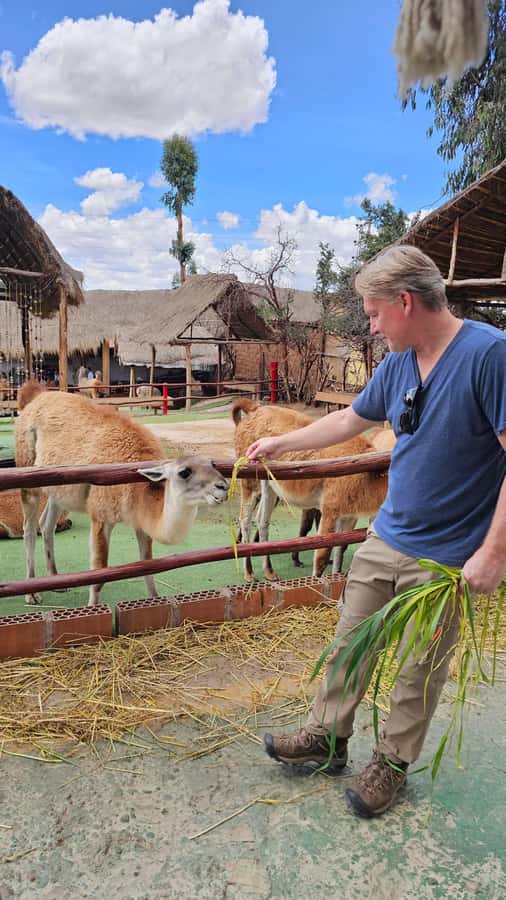
This is not a one-species photo op. The core of the experience is learning the Andean camelids the way people in the region think about them: by looking closely at differences, then linking those differences to wool and culture.
On the farm, you should expect to see:
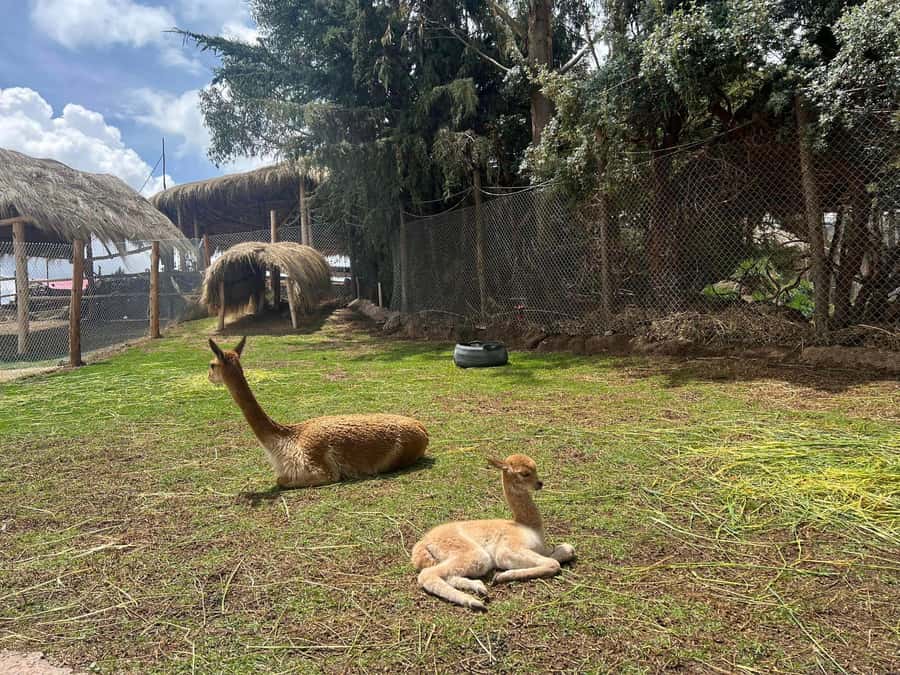
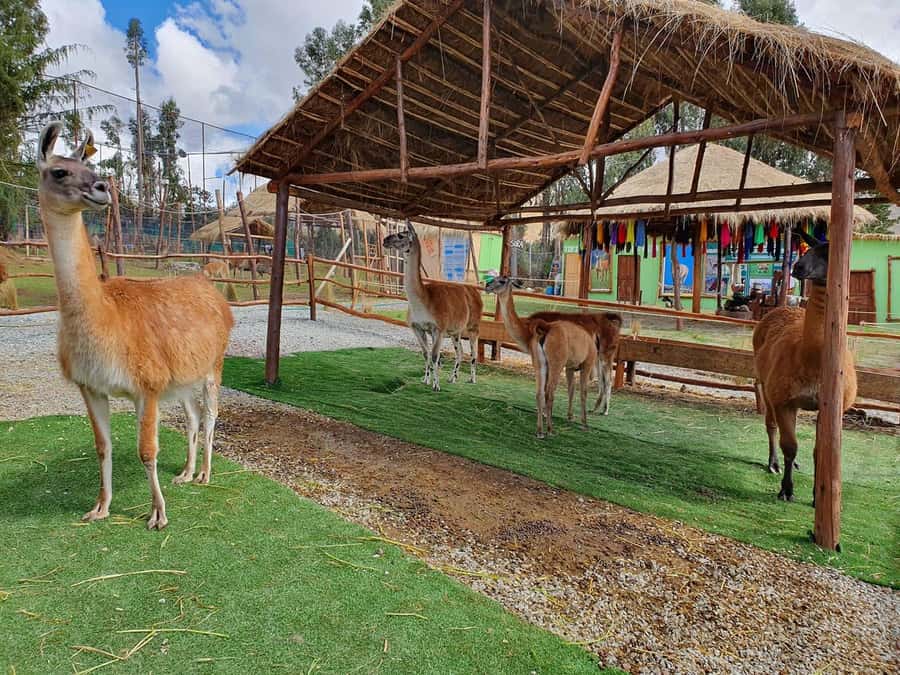
- Alpacas and llamas (with the tour highlighting two varieties of each)
- Wild relatives and cousins such as vicuñas and huanacos
- Plenty of time to get photos as you compare coats and body shapes
One detail I appreciate is that vicuñas are called out directly. They are known as the gold of the Andes, and that framing gives context for why alpaca and vicuña fiber matters beyond cuteness. Even if you are not going to become a textile expert, you leave understanding that wool is an economic and cultural resource, not a souvenir line.
You may also be able to pet and feed the animals by hand, depending on the farm’s routine that day. That is where the experience becomes memorable. Watching animals up close changes the photos you take: you start noticing patterns, posture, and temperament instead of just shooting faces.
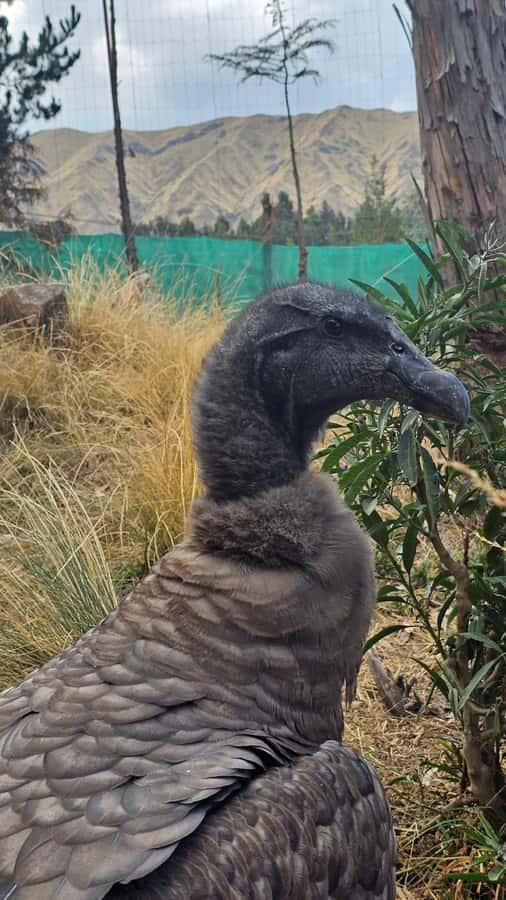
If you really love animals, you may get a bonus stop in a museum-style area. People mention rescued condors and other animals like deer and guinea pigs. The tour does not advertise that as the headline in the basics, but it shows up often enough in real experiences that it is worth mentally adding to your expectations.
Manos de la Comunidad: where the Inca connection becomes real
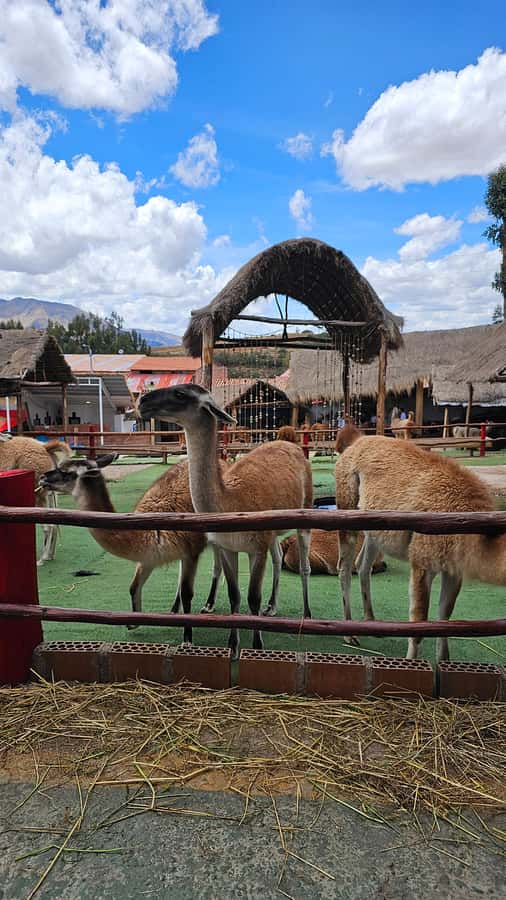
A big part of the value here is how the guide ties the animals to the human story. The tour starts with a farm introduction that covers domestication and how camelids developed under Inca influence. You are not just hearing trivia; you are getting the “why” behind why these animals belong in the Andes economy.
That matters because Cusco history can feel like separate buckets: streets, ruins, museums. This adds a different bucket: how daily life and fiber work connect to the past.
At Manos de la Comunidad, you get an 80-minute guided tour. This is usually where the explanations land best: the flow is structured enough that you can ask questions, and it is long enough to move beyond first impressions. If your guide is someone like Marlith or Olger/Holger (names that show up often), you can expect a calm, organized pace that still leaves room to ask about differences between camelids, wool types, and how textiles are made.
This is also where you learn the difference between the animals you see and the animals people might claim to sell. One recurring theme in real experiences is learning how to tell real baby alpaca fabric from fakes. That alone can save you money later—because in Peru, the souvenir market can get… creative.
Weaving demo: the skill behind the scarves
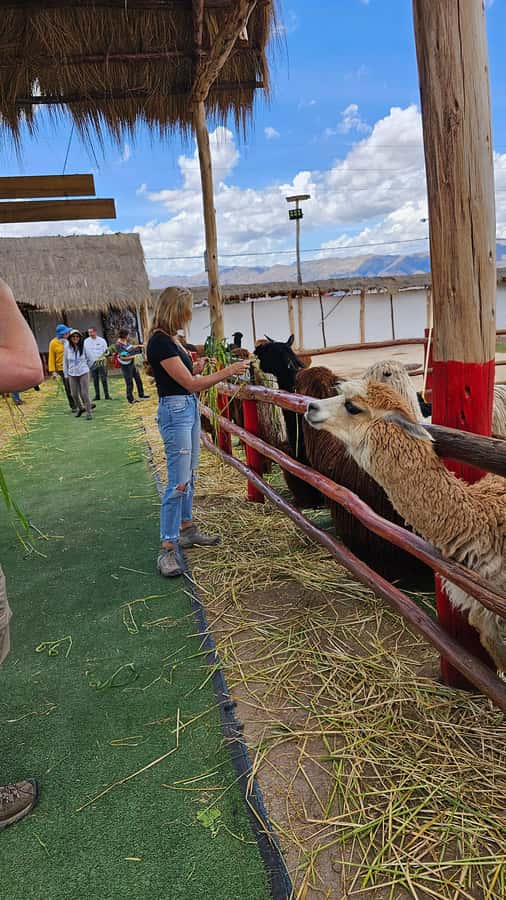
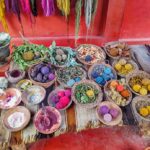
The weaving part is why this tour stands out from the usual farm circuit. You are not only looking at animals. You are watching the craft that turns fiber into textiles—the practical bridge between wool and what you might buy.
The tour includes a weaving demonstration, and in some visits the process is explained with extra detail, including how dyeing may work. Either way, the point is the same: you learn what needs skill at each step, not just the final product.
Here is why I think this portion is so useful:
- You learn the logic of fiber selection. Different camelids produce different kinds of wool.
- You understand the time investment behind good textiles, which affects price.
- You see why handmade work looks different from factory output.
Even if you are not into crafts, you will leave with a mental checklist. When you see a hat or scarf afterward, you will know what questions to ask: what fiber is it, what finishing is used, and how the piece was made.
If you care about shopping (but want to avoid impulse buys), this demo gives you a filter. You start to spot quality signals instead of only chasing logos or colors.
Timing, transfers, and why this works with Cusco altitude
Let’s talk logistics, because Cusco can be a lot. The tour is built around an easy flow: you are picked up from your hotel, taken to the farm, guided through the animal and weaving stops, and then returned to your lodging.
Duration is 150 minutes, which is a sweet spot for people who want something cultural without a long hiking day. It can also be a good choice early in your trip when you are still adjusting. One very practical benefit is that it keeps movement gentle: you are walking around a farm area, but you are not doing a steep circuit or pushing hard elevation.
The transfer is also part of the experience. You should expect the ride out of central Cusco to be quick, and the road can include winding stretches on the way up and down. If you are prone to motion sickness, this is still usually manageable because the time out of town is short.
Finally, the separate entrance and skip-the-line setup helps you stay on schedule. In Cusco, that is not a small benefit; it is the difference between a relaxed afternoon and a day that feels stuck.
You can also read our reviews of more tours and experiences in Cusco
Price and value: why $34 can be a fair deal
At about $34 per person, this tour competes well with other Cusco half-day activities—especially because it includes more than just access.
What you get for the money:
- Hotel pickup and drop-off
- A live guide (English and Spanish)
- A farm visit plus the weaving demonstration
- Water included
So you are paying for time, interpretation, and transportation, not just entry. And since you get multiple camelid types plus hands-on craft learning, the price feels reasonable for what you actually experience.
Now, balance this with the only caveat: if you end up with a schedule that feels fast, you may wish you had more time per stop. That is why pacing matters when you choose a guided format. If you are the kind of person who takes 200 photos per animal, you may feel the squeeze.
If you are coming from the city and want an easy intro to Andean textiles plus real animal viewing, the value holds up.
The gift shop question: souvenirs without regret
Yes, there is a shop at the end. It is part of how many farms fund operations and show off products made with alpaca fiber. That said, it is smart to treat the shop as optional.
One person notes a big price difference for the same yarn compared to outside shopping (a startling markup). Another experience mentions feeling followed around. That does not mean you will have a bad time, but it does mean you should shop with a plan.
My practical advice:
- Decide before you go in whether you want a purchase. If not, enjoy the demo and skip browsing.
- If you do want something, compare prices with other textile shops later in the city before committing.
- Use what you learned in the weaving demo to ask about fiber content and quality.
The tour can still be worth it even if you buy nothing. In fact, the best souvenir here might be your new ability to judge alpaca products with more confidence.
Who should book this tour (and who might want another option)
This tour is a great fit if you:
- Want a light, structured activity that does not require strenuous walking
- Love animals and want real comparisons between alpacas, llamas, and wild relatives like vicuñas and huanacos
- Care about Peru textiles and want more than a quick look at finished scarves
- Are in Cusco early and want an acclimation-friendly outing
It may be less ideal if you:
- Need lots of unhurried time with every animal for photography
- Prefer experiences with no shop component at all
- Are expecting a full-day deep Inca history program (this is more camelids and textiles than ruins)
If you want one easy “first nature day” near Cusco, this checks a lot of boxes.
Should you book this Cusco alpaca and llama farm tour?
I think you should book it if you want a compact, high-value Cusco outing that teaches you something real while keeping logistics simple. The combination of close-up camelids and a weaving demonstration makes it more than a cuteness stop. And the hotel transfer keeps the day smooth.
Skip it only if you know you hate structured tours and want total freedom on your own schedule. Even then, you might still enjoy it for the chance to see vicuñas and huanacos in the same outing and to learn the textile basics before you shop in Cusco.
If you do book, go in with two goals: learn the differences between the animals, and use the weaving demo to guide what you buy later. That turns a $34 tour into something that pays off in your understanding, not just your photos.
FAQ
How long is the Cusco alpaca and llama farm tour?
The tour lasts about 150 minutes.
Where does the tour start?
Pickup is from your hotel in Cusco, and you return to Cusco afterward.
How far is the farm from central Cusco?
The farm is located about 20 minutes from the historic center.
What’s included in the price?
It includes hotel pickup and drop-off, a guide, the farm visit, a weaving demonstration, and water.
What is not included?
Souvenirs are not included.
What animals will I see?
You’ll see alpacas and llamas, plus vicuñas and huanacos, and the tour highlights multiple varieties.
Is the weaving demonstration included?
Yes, watching traditional weaving techniques is part of the tour.
Does the tour offer English and Spanish?
Yes, the guide offers live narration in English and Spanish.
Is this tour wheelchair accessible?
Yes, it is listed as wheelchair accessible.
Can I cancel or change plans?
Cancellation is free up to 24 hours in advance for a full refund.