REVIEW · CUSCO
Excursion + Sillar and Culebrillas Route in Arequipa
Book on GetYourGuide →Operated by Inspires Viagens · Bookable on GetYourGuide
Four hours, two canyons, and real stone work. This excursion ties together sillar origins with hands-on quarry culture and the quiet awe of Wari-era petroglyphs in Culebrillas. I love that you’re not only looking—you get to see how the stone is made and even try cutting a block. I also like how the timing packs big views (volcanoes and the Chilina Valley) and then shifts into geology and symbols before you’re back near Plaza de Armas. One drawback to plan for: like many shared tours, you may wait a bit for group members, and the transport may not be air-conditioned.
What makes this route worth your time is the mix of living work and place-based discovery. The Añashuayco Quarry is still active, so you’re seeing people doing their jobs early in the day, not just frozen scenery. Then you walk into a narrow canyon shaped by water and end at stone-and-faith Apachetas that feel like a reset button after all that rock.
This is also good value if you’re budgeting carefully. The price is $14 per person, and transport plus a professional guide are included; entrance tickets to the sites are typically an extra 10 soles, so have that in your pocket. Language options include Spanish and English, which helps if your group has mixed comfort levels.
In This Review
- Key points that make this tour worth your time
- Why the Sillar Route is more than a pretty drive
- 9:15 am start: volcano viewpoints and a quick Chilina Valley orientation
- Añashuayco Quarry: the active quarry and the Mega carving
- The Mega carving of the Church of the Society of Jesus
- Hands-on moment: watch, then try cutting a block
- Quebrada de Culebrillas: a short canyon walk with petroglyphs at the end
- Petroglyphs linked to the Wari culture
- Apachetas before heading back to Arequipa
- The schedule that keeps it to 4 hours (and where delays can happen)
- A real-world consideration: group waiting and vehicle comfort
- What’s included for $14, and what costs extra
- Is it good value?
- Who this excursion suits best
- Should you book the Sillar and Culebrillas route?
- FAQ
- What’s the duration of the Excursion + Sillar and Culebrillas Route in Arequipa?
- Where does the tour start and where do I get dropped off?
- Is there a second time slot besides 9:15 am?
- What’s included in the price?
- Are entrance tickets included?
- Which languages are available for the guide?
- What do you do at Añashuayco Quarry?
- Where do you see the petroglyphs?
- Is cancellation refundable?
Key points that make this tour worth your time
- Working sillar quarries at Añashuayco, not just viewpoints
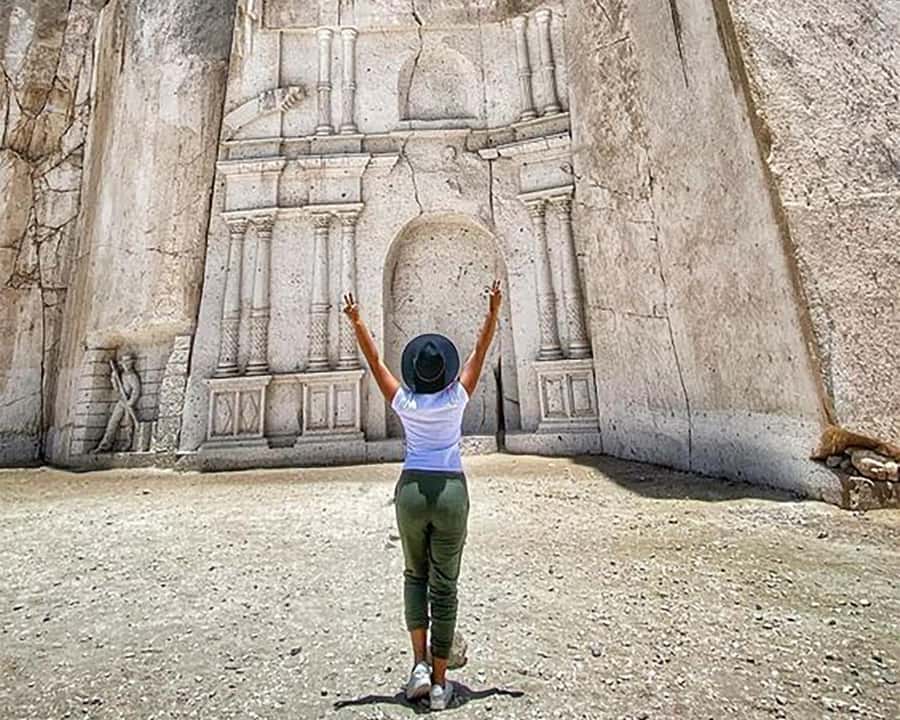
- Mega carving of the Church of the Society of Jesus, made by stonemasons
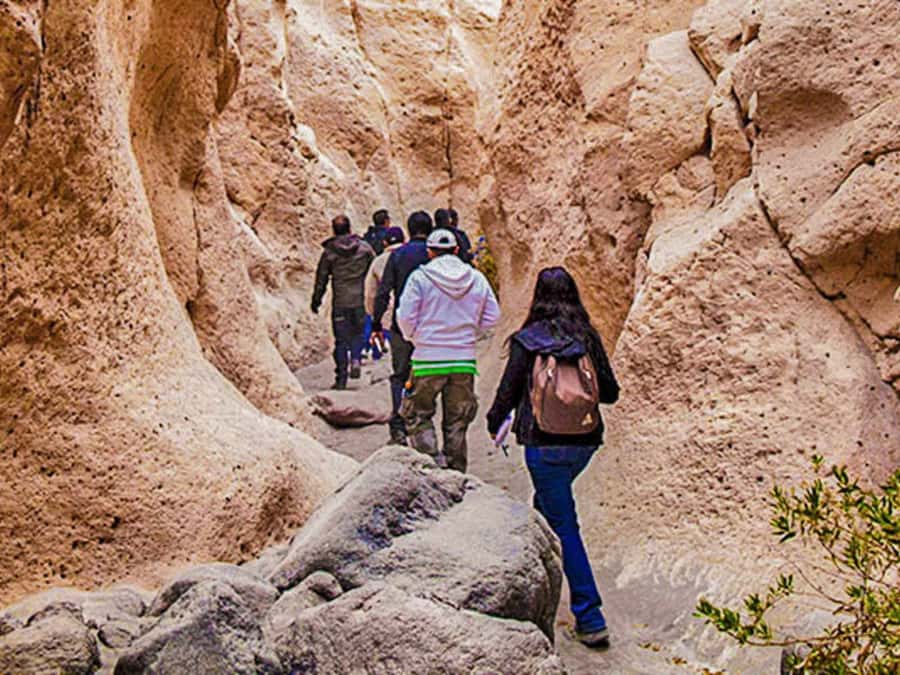
- Culebrillas canyon walk inside a narrow space with 15–20 meter walls
- Wari petroglyphs more than a thousand years old at the end of the walk
- Apachetas stone piles linked to gratitude and good luck
- Short duration (4 hours) with transport and guiding included for $14
Why the Sillar Route is more than a pretty drive
Arequipa’s stone has a personality. The Sillar Route focuses on where that stone comes from and how it’s used through time, starting from the quarry areas where it originated. Instead of treating geology like a classroom topic, this tour keeps it practical and human: you see the extraction zones, the canyon forms created by quarrying, and the craft that turns raw blocks into shaped work.
You’ll also get a sense of how culture still follows the terrain. Along the way, there are viewpoints over volcanoes and the Chilina Valley, and later you’ll reach spaces tied to local symbolism like the Apachetas. That combination matters because it makes the trip feel grounded, not like a checklist of stops.
You can also read our reviews of more tours and experiences in Cusco.

9:15 am start: volcano viewpoints and a quick Chilina Valley orientation
The day begins at 9:15 am with a ride toward the Sillar Route. Early on, you’ll cross a strategic point where you’ll get a brief stop for views of the volcanoes and the Chilina Valley. Depending on the time of year, the tour may start with an additional traditional viewpoint as well, so you’re essentially getting a quick orientation to where you are.
This short stop is useful even if you’re not a big photo person. Those first sightlines help you understand what you’ll be walking around later: the high ground, the valleys, and the volcanic setting that makes Arequipa’s stone story make sense.
Tip: bring sunscreen and something for the sun-wind mix. Even in the morning, open-air viewpoints can be bright and sharp.
Añashuayco Quarry: the active quarry and the Mega carving
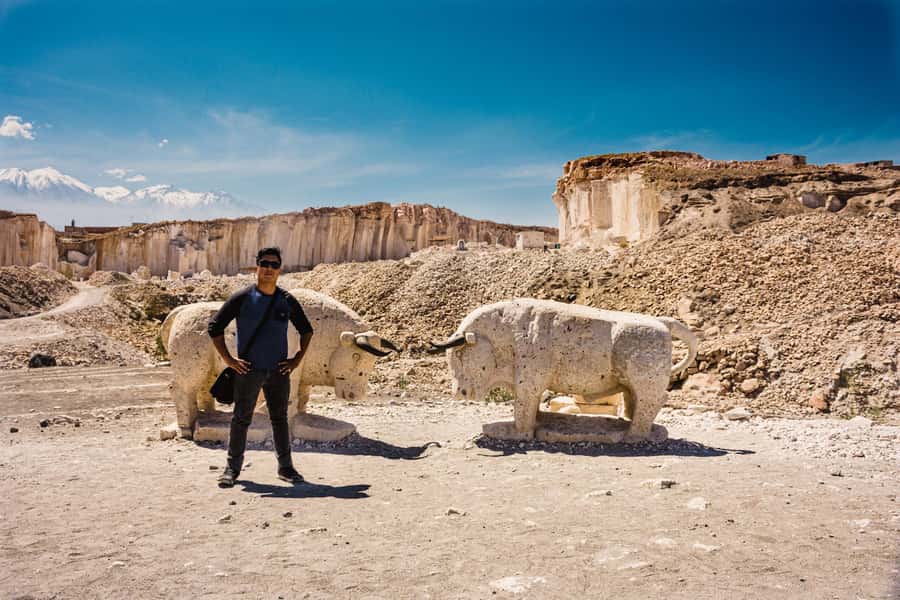
After about 45 minutes, you reach Añashuayco Quarry. This part is special because the quarry is currently in operation. The quarrymen work very early, and that gives you a real-time snapshot of how the place functions day to day, not just as a tourist landmark.
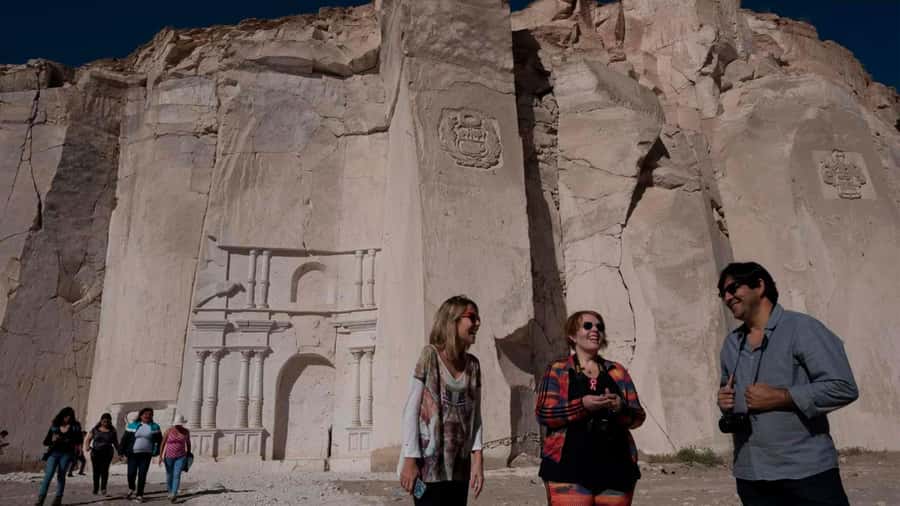
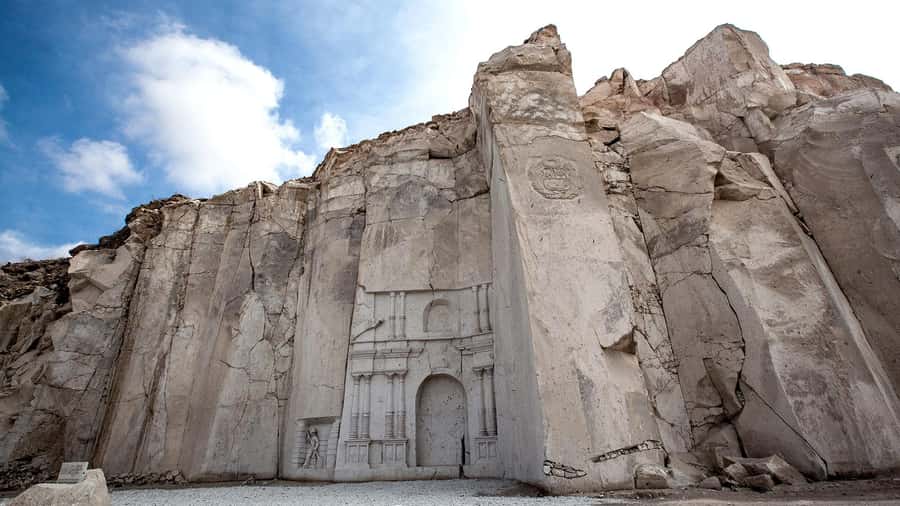
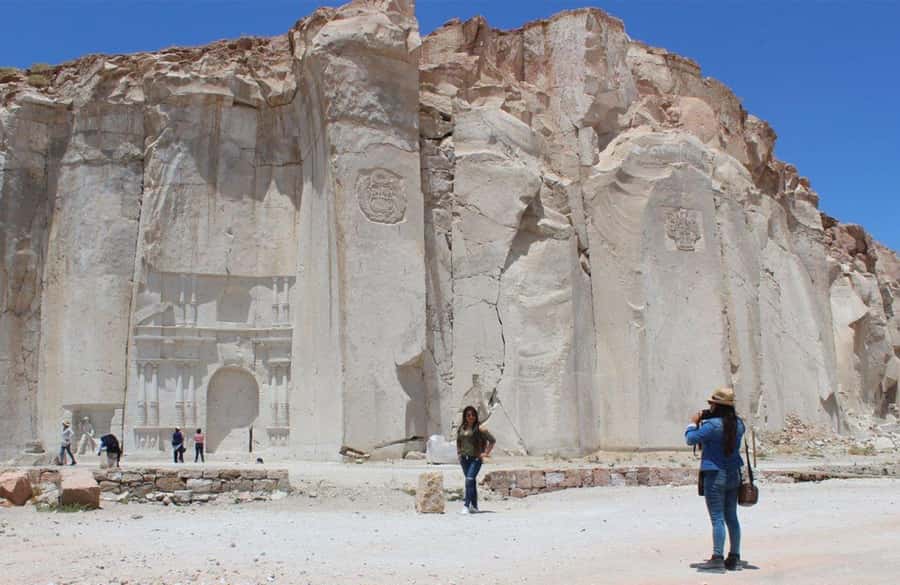
Inside the quarry area, you’ll see an immense canyon with cliffs—ignimbrite walls that rise several meters high. These walls formed through the extraction process that produced the sillar stone. The guide explains the history of sillar, its production, and the uses it has had over time, tying geology to everyday human needs.
The Mega carving of the Church of the Society of Jesus
One of the standout sights is the Mega carving of the Church of the Society of Jesus. What makes it memorable is that it was made by stonemasons themselves. It’s not an abstract monument; it’s a scale-up of the craft you can watch at work.
Hands-on moment: watch, then try cutting a block
You may also get to visit one of the stonemasons so you can hear what daily work looks like, and you’ll have a chance to experience cutting one of the stone blocks yourself.
This is the part I’d prioritize if you’re deciding whether to book. It turns the tour from passive sightseeing into something you can take home with you—at least the feeling of how physical stone work is. Even if your technique is nothing like theirs, you’ll understand why this craft takes patience.
Practical caution: this quarry stop involves stone surfaces and active work zones. Wear sturdy footwear and don’t expect everything to be perfectly clean and polished. Comfortable shoes win here.

Quebrada de Culebrillas: a short canyon walk with petroglyphs at the end
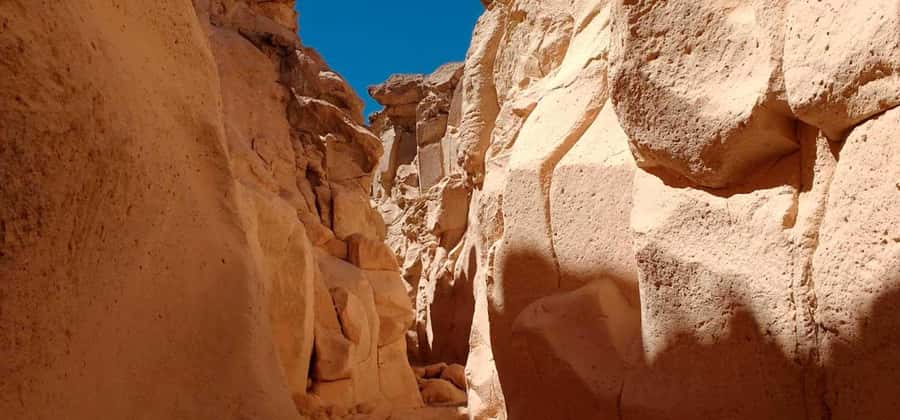
Next comes the move to Quebrada de Culebrillas, about 30 minutes from Añashuayco. When you arrive, you take a walk of about 20 minutes inside the canyon. The canyon was formed by the passage of water over time, and the walls are reported to be roughly 15 to 20 meters high.
As you go deeper, the walls increase in height, which makes the canyon feel tighter and more dramatic. It’s a good length for most people who can walk steadily, and it doesn’t swallow your whole afternoon.
Petroglyphs linked to the Wari culture
At the end of the walk, you’ll be able to see petroglyphs made by the Wari culture more than a thousand years ago. That moment matters because it shifts the tour from geology and labor to deep time and human meaning. You’re still inside a natural corridor, but now the canyon walls become a gallery of markings.
Apachetas before heading back to Arequipa
Before returning to the city, you’ll observe Apachetas—stone formations stacked one on top of the other. They symbolize gratitude toward nature and are also seen as a good luck attraction, creating a slightly mystical feeling in the middle of a practical day of rock viewing.
This sequence—work quarry, then water-shaped canyon, then stacked stones of meaning—gives the outing a satisfying arc. It doesn’t end with a random detour; it closes with a moment that feels intentional.
The schedule that keeps it to 4 hours (and where delays can happen)
The tour timing is straightforward:
- 9:15 am departure toward the Sillar Route
- Arrival at Añashuayco in about 45 minutes
- Then around 30 minutes to Culebrillas
- Culebrillas walk about 20 minutes
- 12:30 pm start return to Arequipa
- 1:30 pm arrival in the center, drop-off near Plaza de Armas
There’s also a 2:00 pm shift option.
For a half-day outing, the structure is efficient. You’re seeing multiple distinct zones without the stress of an all-day trek.
A real-world consideration: group waiting and vehicle comfort
One practical thing to keep in mind: because this is a shared group activity, you may have short delays while the group is assembled. Also, vehicle comfort can vary; in at least one experience, the bus did not have air conditioning. If you get hot easily, it’s smart to ask about ventilation when you book, or at least plan to dress for sun and temperature swings.
What’s included for $14, and what costs extra
The included items are tourist transport and a professional guide. That’s a solid base because you’re not arranging rides between quarry areas and a canyon walk on your own, and the guide’s explanations are a big part of making the stones meaningful.
Entrance tickets are not included. They’re listed as 10 soles for the places. That amount is easy to budget, but it’s also easy to forget—so I’d set aside cash or a way to pay in advance.
Is it good value?
For $14, you’re buying:
- transport to multiple sites
- guided context on sillar and what you’re seeing
- access to the quarry area where the stone work is still happening
- a canyon walk that leads to Wari petroglyphs
- a short symbolic stop at Apachetas
If your goal is to experience Arequipa’s rock culture in a half-day without complex logistics, the value feels fair. If you hate walking at all or want only indoor museum-style time, you might find it too physical for your taste.
Who this excursion suits best
This one fits best if you like:
- hands-on crafts or watching skilled work up close
- geology and how natural and human processes shape a place
- short tours that still give you multiple highlights
- photography with real textures (quarry cliffs, canyon walls, stacked stone)
You might skip or think twice if you:
- need very easy terrain, because the canyon involves walking inside a narrow space
- dislike group pacing, since there can be minor delays waiting for everyone
- rely on air-conditioned transport as a non-negotiable comfort requirement
Should you book the Sillar and Culebrillas route?
I’d book this tour if you want a memorable Arequipa experience that feels practical and authentic: working quarries, a giant carved church figure made by stonemasons, a water-shaped canyon, and petroglyphs from the Wari culture. The half-day format is also a plus, especially if you’re balancing other city stops around Plaza de Armas.
If you do book, come prepared for the basics: sturdy shoes, sun protection, and about 10 soles for entrances. Then lean into the craft side—watch the stonemasons closely, and take the chance to try cutting a stone block if it’s offered. That’s the moment most likely to turn a simple “sightseeing day” into something you actually remember.
FAQ
What’s the duration of the Excursion + Sillar and Culebrillas Route in Arequipa?
It runs for about 4 hours.
Where does the tour start and where do I get dropped off?
The start time is listed as 9:15 am, and the tour returns at about 1:30 pm, dropping you off near Plaza de Armas.
Is there a second time slot besides 9:15 am?
Yes, there is also a 2:00 pm shift.
What’s included in the price?
Tourist transport and a professional guide are included.
Are entrance tickets included?
No. Entrance ticket costs are listed as 10 soles.
Which languages are available for the guide?
The guide works in Spanish and English.
What do you do at Añashuayco Quarry?
You visit Añashuayco Quarry, see the canyon and quarry formations, learn about sillar production, view the Mega carving of the Church of the Society of Jesus, and you may be able to visit a stonemason and try cutting a stone block.
Where do you see the petroglyphs?
You see petroglyphs in the Quebrada de Culebrillas canyon at the end of the roughly 20-minute walk. They’re attributed to the Wari culture.
Is cancellation refundable?
Yes. You can cancel up to 24 hours in advance for a full refund.