REVIEW · CUSCO
Cusco in 2-days: Sacred Valley and Machu Picchu
Book on Viator →Operated by Altitude Peru · Bookable on Viator
Two days, one Inca-sized payoff. I like how this tour bolts together Sacred Valley classics with a guided Machu Picchu morning, so you spend less time guessing and more time looking up at the stones. I also love the pacing that builds from textiles and salt flats into the big finale, plus vegetarian and vegan lunch options. One thing to consider: the schedule is early—day 2 starts with a 4:00 a.m. pickup.
Your group stays small (max 8), and you’re guided by fluent English-speaking licensed locals. Names that show up in recent feedback include Robinson and Teddy (and also Wagner and Yoel for other Peru hikes), so you can expect real explanations, not just a checklist.
Still, plan your expectations around timing. You’ll move fast between sites, and you’ll likely pay extra for some Sacred Valley admissions on your own.
In This Review
- Key things I’d bet you’ll notice first
- Cusco in 48 hours: the real rhythm behind this tour
- Chinchero textiles: why a textile stop is more than shopping
- Moray terraces: Inca science you can walk on
- Salinas de Maras salt mines: the working landscape (and the working history)
- Urubamba lunch with vegan and vegetarian options: a break that matters
- Ollantaytambo choice point: stay in Aguas Calientes or return to Cusco
- Cusco-to-Aguas Calientes to Machu Picchu: where timing pays off
- Guided Machu Picchu: what you gain from a licensed English guide
- Transportation quality and group size: why comfort affects your photos
- Price and value: is $599 a fair deal for two days?
- Who this tour suits best (and who should pick something else)
- Should you book this 2-day Cusco combo?
- FAQ
- What is included in the $599 per person price?
- What is not included?
- Is the Sacred Valley entrance fee included?
- How does the Machu Picchu day run time-wise?
- Can I bring a service animal?
- If I cancel, will I get a refund?
Key things I’d bet you’ll notice first
- Small group (max 8) means you’re not lost in a crowd.
- Machu Picchu morning guidance starts early and keeps you moving at the right pace.
- Sacred Valley stops that make sense: Chinchero textiles, Moray terraces, Maras salt pans.
- Train + bus logistics handled: Ollantaytambo to Aguas Calientes, then up to Machu Picchu.
- Licensed English guides with strong Inca storytelling and practical site advice.
- Food includes a real sit-down lunch (with vegetarian/vegan options).
Cusco in 48 hours: the real rhythm behind this tour
This is a “see the key things” tour, and it doesn’t pretend otherwise. Day 1 runs a full Sacred Valley loop, then you’re done with major driving by late afternoon in Cusco. Day 2 is built around getting to Machu Picchu in time for the best morning rhythm—so your body clock gets a wake-up call.
That fast start can be a drawback if you’re still adjusting to altitude. Cusco altitude hits people differently. If you’ve just arrived, go gently on day 1: slow walks, drink water, and don’t treat the first day like a fitness test.
The trade-off is worth it for many people: you get a guided Machu Picchu visit with permits included, plus the train and bus logistics handled end-to-end. And if you’re the type who hates missing tickets or chasing schedules, that structure is a comfort.
You can also read our reviews of more tours and experiences in Cusco
Chinchero textiles: why a textile stop is more than shopping
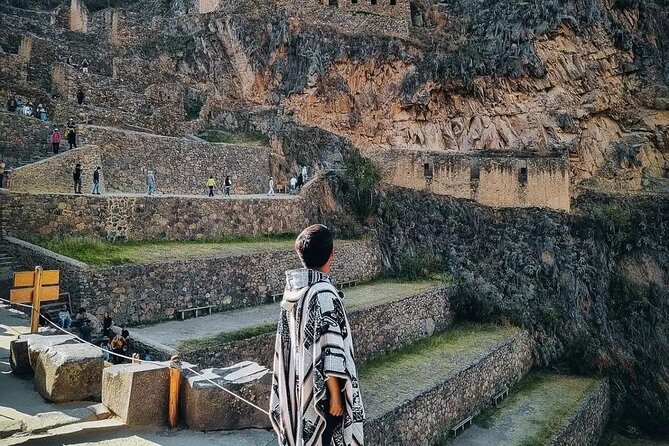
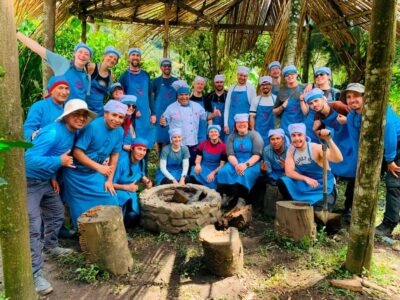
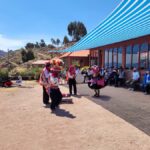
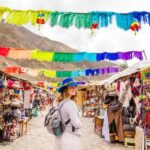
Chinchero is a smart first move because it gives you cultural context before you go full Inca-geek on the ruins. You’ll visit the textile center and spend time around the living story of Andean weaving—alpacas and llamas figure into what people spin and how they dress.
What I like here is the contrast. Before you reach the high-stone engineering of Moray and Ollantaytambo, you see craft as daily life. Even if you don’t buy anything, you’ll understand better what you’re looking at later: patterns, dyes, and the way clothing can signal community identity.
A practical note: give yourself patience with weaving displays. Some are hands-on or very detailed, and the best experience comes from slowing down. If you’re traveling with a strict “photo only” mindset, you may skim this stop faster than it deserves.
Moray terraces: Inca science you can walk on
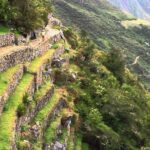
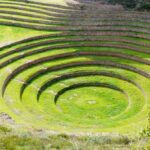
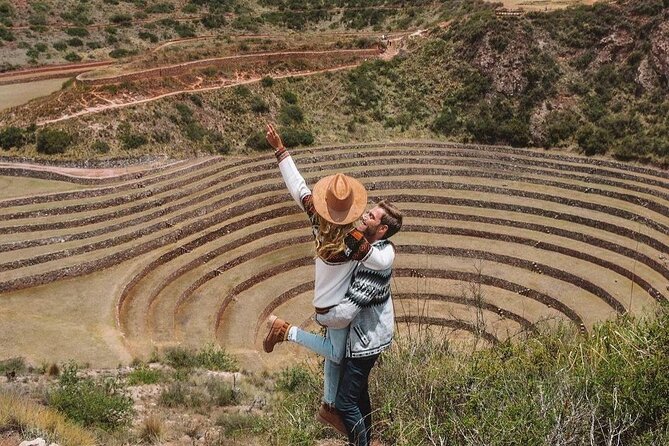
Moray is where the tour leans into the brainy side of Inca engineering. You’ll see those giant circular terrace formations and learn how the Incas used different levels like an agricultural testing setup—basically a field lab across varying altitudes.
This is a good stop to balance the earlier textile focus. Moray isn’t a single big “wow wall” moment. It’s more subtle: the design explains itself as you walk the area, then the guide connects the dots for you.
Two practical bits to know:
- Admission is not included for Moray.
- The site is outdoors, so if the morning air is crisp, bring layers. You’ll likely be standing and walking at your pace.
If you like places where you can picture how people lived and experimented, Moray will land well.
Salinas de Maras salt mines: the working landscape (and the working history)
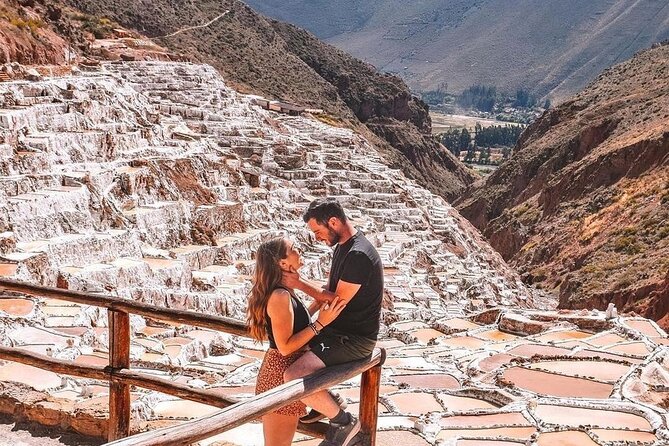
At Salinas de Maras, you’re looking at salt pans that have been in use since Inca times and are still actively worked by local families. This stop can feel less “ruins” and more “real production,” which is exactly why it’s memorable.
Your guide will point out traditional extraction methods and how the families keep their knowledge across generations. That’s the key shift: you’re not only viewing a heritage site—you’re watching something tied to daily livelihoods.
Because admission is also not included here, I’d mentally budget for it. It’s one of those places where paying the small extra cost keeps you from stressing later.
Also, expect uneven ground and bright reflections from the pans. Sunglasses help. Sunscreen helps more.
Urubamba lunch with vegan and vegetarian options: a break that matters
After the morning circuit, Urubamba gives you something practical: lunch and recovery time. The tour includes local lunch with vegetarian and vegan options available, which is a real win when many Cusco-area tours either go meat-heavy or offer bland backup.
This isn’t just about food. It’s about timing. Eating well in the middle of a long day keeps you functioning for the next push toward Ollantaytambo.
If you’re sensitive to altitude or motion sickness, this is where you can choose something gentle—avoid over-spicing and go easy on huge portions. Then drink water, because you’re about to get moving again.

Ollantaytambo choice point: stay in Aguas Calientes or return to Cusco
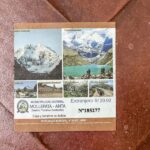
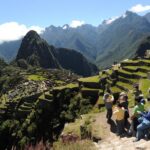
Ollantaytambo is a highlight for both history and logistics. You’ll see how it worked as a strategic, religious, and agricultural center for the Incas, and you’ll appreciate the stone architecture once you’re there in person.
Then comes the decision point. The tour gives you the option to:
- leave the group to take the train and stay overnight in Aguas Calientes (recommended), or
- return to Cusco for the night.
Why the overnight option is often best: it reduces stress on day 2. When Machu Picchu day begins at 4:00 a.m. pickup, being closer to the train and bus flow can help you keep your energy for the actual ruins, not for the scramble.
If you’re trying to pack too much into one night in Cusco, you may feel it. If you’re comfortable with early starts and want to maximize your time in Cusco in the evening, returning might still work—but I’d treat the Aguas Calientes option as the smoother route.
Cusco-to-Aguas Calientes to Machu Picchu: where timing pays off
Day 2 starts at 4:00 a.m. with hotel pickup in Cusco and transfer to the train station in Ollantaytambo. Then you take the round-trip train (Expeditions class) from Ollantaytambo to Aguas Calientes.
Once in Aguas Calientes, the schedule keeps moving: you’ll get a guide welcome at the train station and take the bus up to Machu Picchu. The point of this design is simple—less waiting, less confusion, fewer chances to miss the narrow windows.
The best use of this time is mental. Don’t spend your morning on worry. Instead:
- bring a small water bottle,
- wear layers you can handle in changing mountain air,
- and keep your phone charged for photos once the guide has you oriented.
You’ll hit Machu Picchu around 9:00 a.m. for the guided ruins portion, and that’s a big part of the value: your guide’s pacing helps you see more than just the iconic angles.
Guided Machu Picchu: what you gain from a licensed English guide
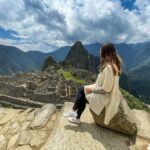
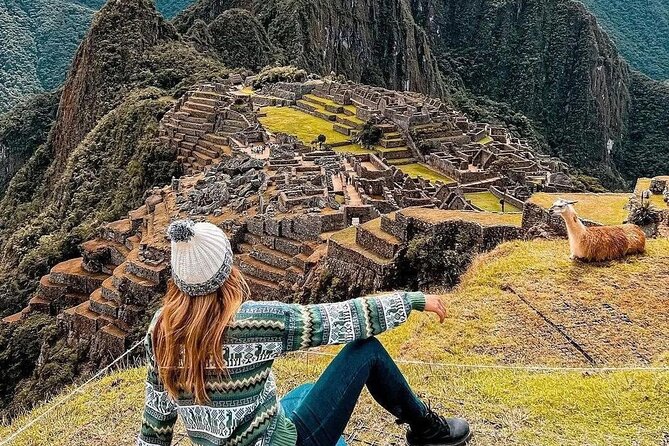
Machu Picchu is the main event, and this tour makes it guided on purpose. You’ll have a guided walkthrough at 9:00 a.m., with time to explore the ruins and take in the views of surrounding mountains.
A guide matters here because Machu Picchu can feel like a maze if you don’t know what to look for. Good storytelling helps you connect buildings, terraces, and pathways into a coherent picture instead of isolated photo spots. In feedback for this provider, guides like Robinson and Teddy are repeatedly praised for strong site explanations and smart timing advice—exactly what you want when the clock is running.
After the visit, you’ll head back by bus to Aguas Calientes for lunch later. That lunch is not included in the day 2 schedule, so plan to pay for your meal there.
Then you return by train to Ollantaytambo, and a private driver meets you to take you back to your Cusco hotel.
Transportation quality and group size: why comfort affects your photos
You’re riding in a private comfortable bus on day 1, plus you use the included train and the round-trip bus from Aguas Calientes to Machu Picchu. The tour caps the group at 8 travelers, which changes the whole vibe.
In a big crowd, Machu Picchu becomes a motion blur. In a small group, you can actually slow down. You’ll also have an easier time hearing the guide when you’re standing closer together and moving in smaller clusters.
This is also where pickup helps. When someone grabs you and moves you between Cusco, the valley, and the rail hub, you stop spending energy on logistics. It’s boring on paper. It’s great when you’re standing on Andean streets at dawn.
Price and value: is $599 a fair deal for two days?
At $599 per person, the value comes from what’s already bundled. This price isn’t just “a guide and a ticket.” It includes:
- licensed English local guides for the listed stops,
- round-trip train Ollantaytambo to Aguas Calientes in Expeditions class,
- Machu Picchu permits,
- round-trip bus from Aguas Calientes to Machu Picchu,
- private transportation (day 1 bus, and day 2 private driver back in Cusco),
- a team trained in first aid,
- plus at least one included lunch.
The biggest separate cost you should expect is the Sacred Valley admission fee: S/ 90 per person. Moray and Maras also show admission as not included in the schedule. That means your total real cost will be slightly higher than $599 once you account for those required fees.
Still, compared to trying to stitch train tickets, permits, and timing together on your own, this package is often worth it. The headaches you avoid are real: sold-out trains, wrong bus timing, or permit mismatches. If you want speed, coordination, and a guide who knows how to keep you on schedule, this price is more “buy convenience” than “buy just transportation.”
Who this tour suits best (and who should pick something else)
I’d point this tour at you if:
- you have limited time in Cusco,
- you want a structured path to Machu Picchu without planning every piece,
- you like learning as you walk (textiles to engineering to ruins),
- and you prefer small-group attention over mass tourism.
You might think twice if you:
- hate early starts (day 2 is 4:00 a.m. pickup),
- want a slow, unhurried style day-by-day travel,
- or you need lots of personal downtime between stops.
If you’re traveling with mobility limits, the itinerary is still described as something most travelers can participate in, but it’s outdoors and includes walking and uneven ground. Pack for that reality.
Should you book this 2-day Cusco combo?
My honest take: book it if you want the cleanest route from Cusco to Machu Picchu in two days, with permits and the train-and-bus chain handled. The schedule is tight, but that’s also the point—you’re getting the valley story and then the Machu Picchu finale without spending your trip chasing details.
I’d choose this tour with confidence if small group size, licensed English guiding, and smooth timing matter to you. It also helps if you’d rather spend your brainpower on what you’re seeing instead of how to get there.
If early mornings will ruin your mood, or you’re hoping for a relaxed pace, look for a slower Machu Picchu plan. Time matters here.
FAQ
What is included in the $599 per person price?
The tour includes a local guide (licensed English-speaking), private comfortable transportation, round-trip train tickets from Ollantaytambo to Aguas Calientes (Expeditions class), Machu Picchu entrance tickets (permits), round-trip bus tickets between Aguas Calientes and Machu Picchu, and a lunch. Airport transfers with staff accompanying you are also listed as included.
What is not included?
You’ll need to pay the Sacred Valley entrance fee (S/ 90 per person). Hotels in Cusco or Aguas Calientes are not included, and tips are not included. Lunch after the Machu Picchu visit is noted as not included in the day 2 schedule.
Is the Sacred Valley entrance fee included?
No. The Sacred Valley entrance fee is not included and is listed as S/ 90 per person.
How does the Machu Picchu day run time-wise?
On day 2, you have hotel pickup in Cusco at 4:00 a.m., transfer to the train station in Ollantaytambo, then a train to Aguas Calientes at 6:10 a.m. From Aguas Calientes, you take the bus to Machu Picchu, with the guided ruins tour at 9:00 a.m.
Can I bring a service animal?
Yes. Service animals are allowed.
If I cancel, will I get a refund?
No. The experience is non-refundable and cannot be changed for any reason, and the amount you paid will not be refunded.