REVIEW · CUSCO
Machu Picchu: Inca Trail 2-Day Overnight Guided Tour
Book on GetYourGuide →Operated by Alpaca Expeditions · Bookable on GetYourGuide
Sunrise at Machu Picchu feels unreal. This 2-day overnight guided Inca Trail takes you from KM 104 to Wiñay Wayna, then times your arrival so you get that first, golden look from the Sun Gate. I especially love the way the day blends big payoff views with real Inca details like water fountains and agricultural terraces, plus the trail lunch is properly cooked by chefs.
The hike is still the hike, though. Day 1 is hard enough that you’ll want to be honest about your fitness and pace early, because the group moves as one.
If you’re up for a serious trek and want Machu Picchu in two different “moods,” this is a very strong way to do it—especially with small groups and guides who keep you informed while you walk.
In This Review
- Key things that make this tour work
- The Cusco-to-Machu Picchu build-up starts on the train
- KM 104 to Wiñay Wayna: Inca terraces with real water engineering
- The chef’s lunch and the push toward Sun Gate
- Bus to Aguas Calientes: dinner, early night, repeat tomorrow
- Machu Picchu sunrise: arriving before the crowds, seeing it in light
- Guided Circuit 3, then free time: how to structure your day
- Aguas Calientes again: how to spend your afternoon wisely
- Train back to Cusco: smooth logistics so the trip doesn’t drag
- Price and value: what $585 is really buying you
- Who should book, and who should skip it
- The best tips I’d give you before you go
- Should you book the Machu Picchu: Inca Trail 2-Day Overnight Guided Tour?
- FAQ
- What is the duration of this Inca Trail tour?
- Where does the trek begin?
- Is Machu Picchu included with a guided visit?
- Do you need to reserve Huayna Picchu in advance?
- What meals are included?
- Will I have a place to sleep overnight?
- What train experience is included?
- What should I bring for the hike?
Key things that make this tour work
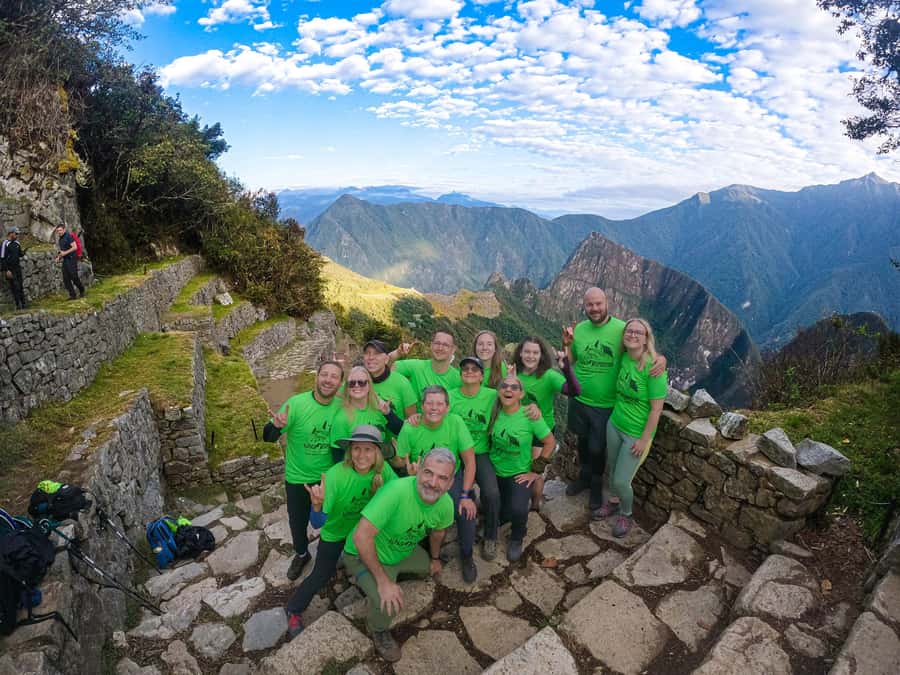
- Sun Gate arrival for sunrise: you’re not just touring the ruins, you’re arriving with the light.
- Wiñay Wayna terraces and Inca waterworks: it’s where the trail feels most ancient and agricultural.
- Hot, chef-cooked lunch on the trail: more than a snack stop; it’s a real meal before the final push.
- Comfort in Aguas Calientes: you get a 3-star hotel bed to reset after a long day.
- Guided Machu Picchu (Circuit 3) plus free time: structured storytelling, then time to wander and snap photos.
- Small group size (up to 16): easier pacing and more attention from your guide.
The Cusco-to-Machu Picchu build-up starts on the train
The day begins with pickup in Cusco and a transfer to the station. You ride the train toward Ollantaytambo, following the Urubamba River corridor as farmland rolls by and snowcapped mountains show up in the background. It’s a good warm-up: you get your bearings, start thinking in “highland” rather than “city,” and your body is already working a bit before the trek starts.
If your booking falls in the window for it (the operator notes Vistadome for bookings from March 2026), you may get that upgraded scenic train experience. Either way, the train portion matters because it spaces your energy out. You’re not doing everything back-to-back like a speedrun.
Practical tip: if you tend to get chilly on trains, bring a layer. Cusco-area mornings and river valleys can feel cool even when the sun is bright.
You can also read our reviews of more guided tours in Cusco
KM 104 to Wiñay Wayna: Inca terraces with real water engineering
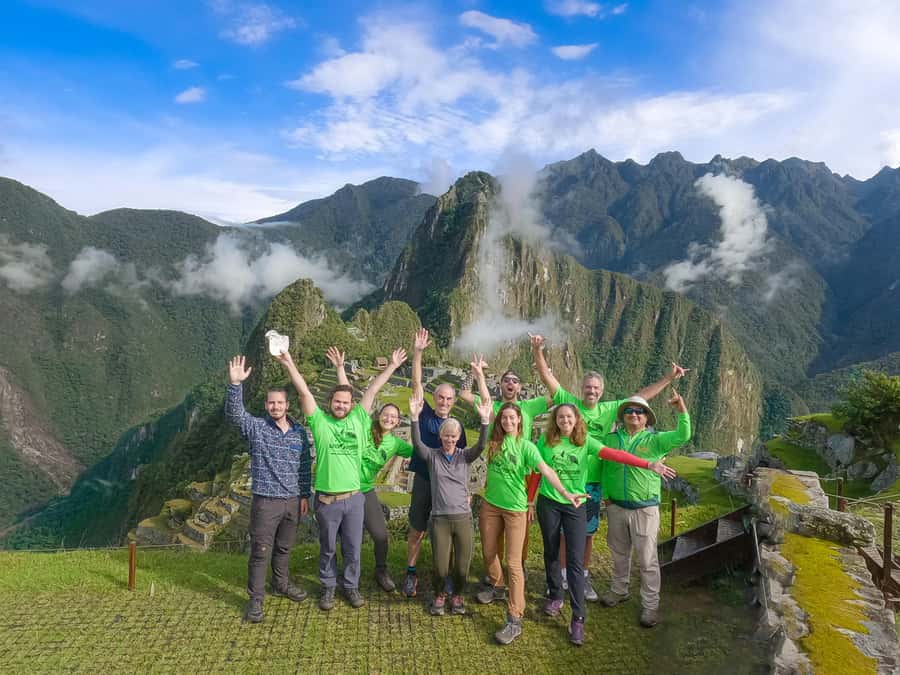
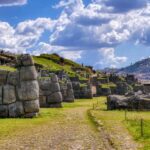
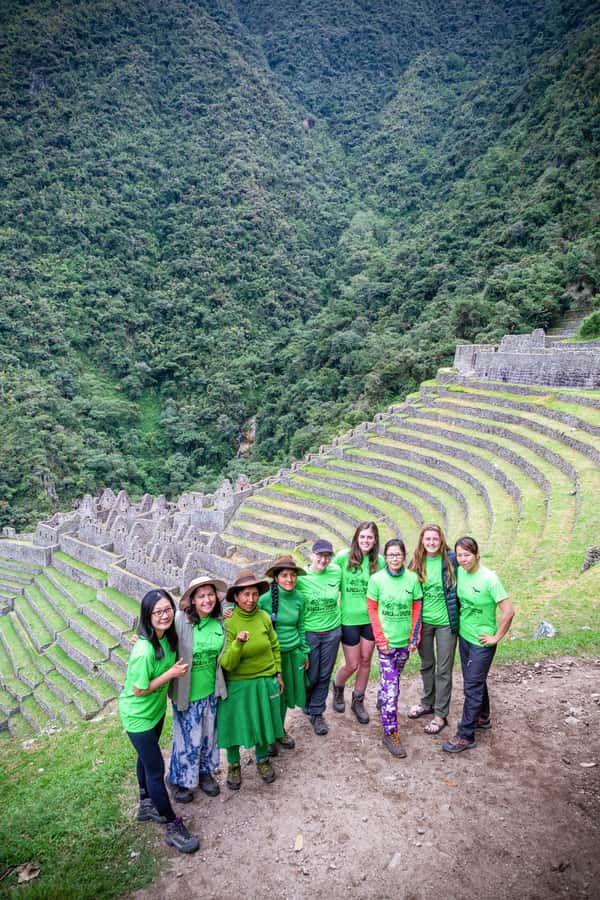
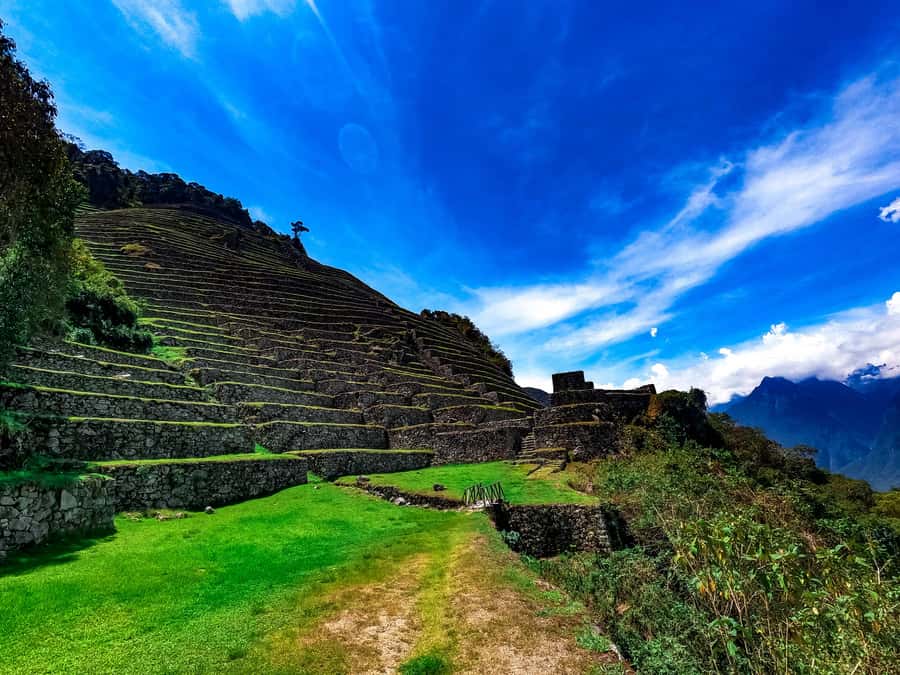
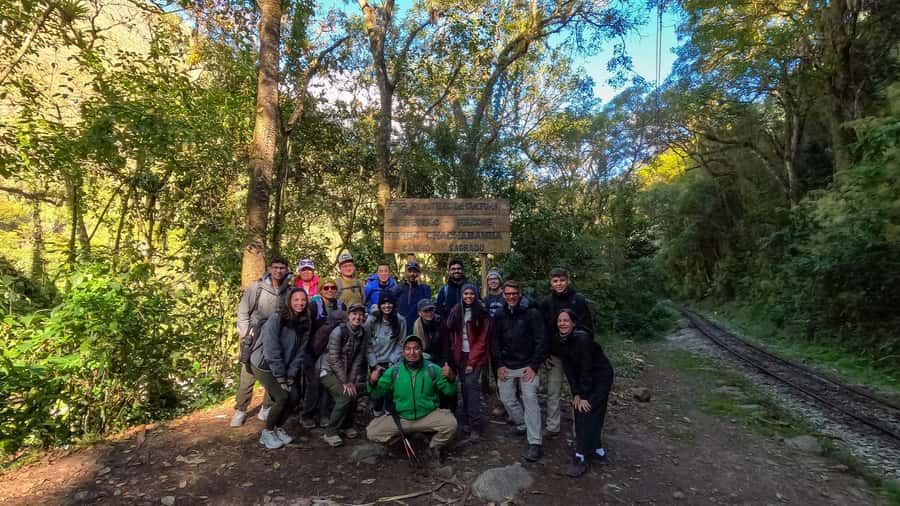
At KM 104 you start the hike. After about 3 hours, the trail brings you to Wiñay Wayna (about 2,600 m / 8,500 ft). This is one of the most rewarding stops because it’s not just “ruins.” You can see the logic of Inca life—terraces built for crops and water systems designed to move and store it.
From the remains of temples and water fountains to the carved agricultural slopes, Wiñay Wayna gives you a sense of how the Inca made mountain environments workable. It also functions like a mental checkpoint: the climb up has a payoff, and your guide can tie it to what you’ll see later around Machu Picchu.
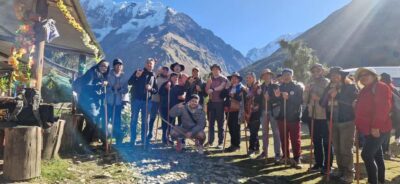
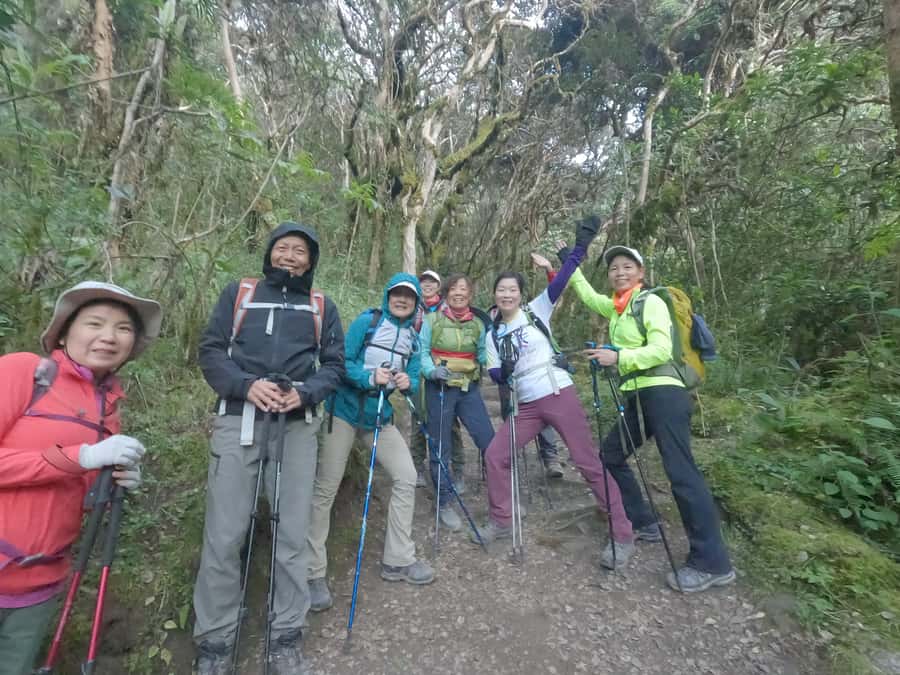
The altitude will be real here, so don’t try to power-walk. Let your breathing set the pace. Guides like Walter and Jose have a reputation for controlling timing and breaks, which is huge if you want the day to feel intense but not chaotic.
The chef’s lunch and the push toward Sun Gate
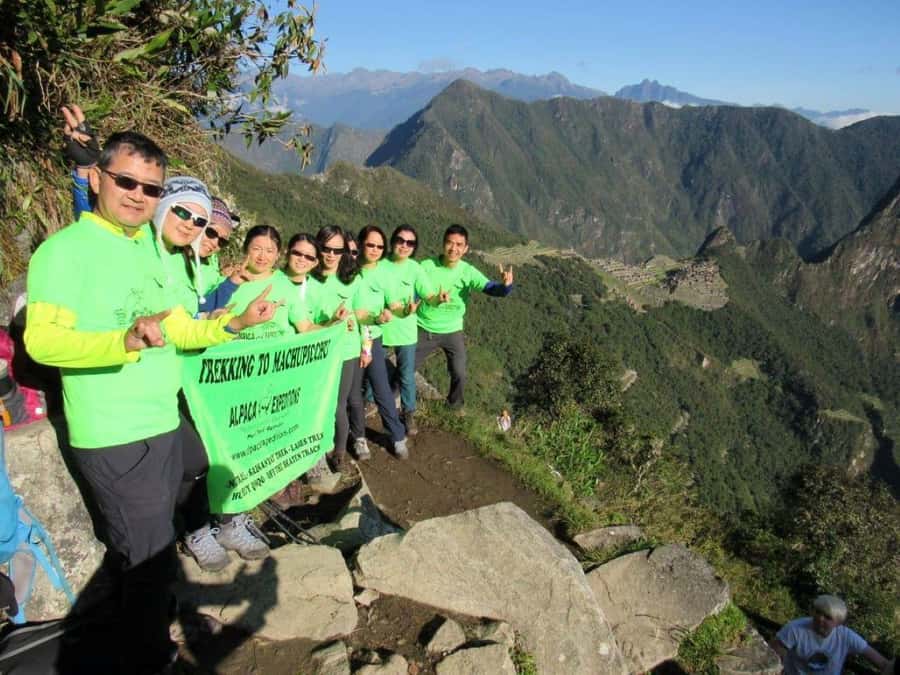
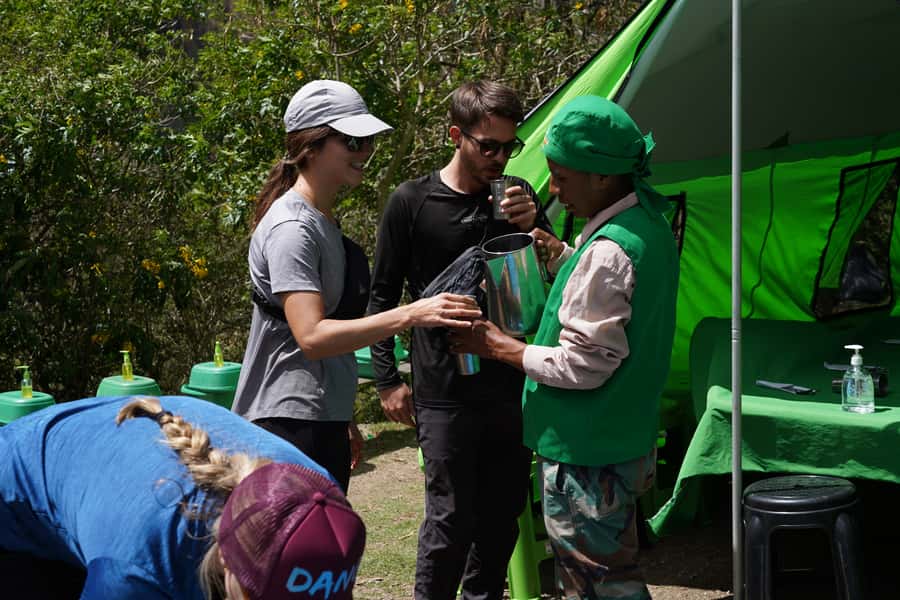
After Wiñay Wayna, you stop for lunch—freshly cooked by the team on the trail. This is one of the most praised parts of the tour, and it makes a difference. A hot meal at the right moment helps you keep going instead of “saving energy” for later that never arrives.
Then you continue from Wiñay Wayna toward the Sun Gate area. This is the stretch where the trail energy builds. You’re working your legs, but your focus starts shifting toward what’s coming next: Machu Picchu from above, with the sky doing its sunrise thing.
A small but smart packing reminder: bring insect repellent. One traveler noted insects in certain parts of the route, and it’s the kind of detail that can turn a few minutes into an annoying distraction if you forget.
Also, consider trekking sticks. The tour notes stick rental is available for an extra fee, but it’s not required. If your knees complain on descents, trekking poles can be a big help.
Bus to Aguas Calientes: dinner, early night, repeat tomorrow
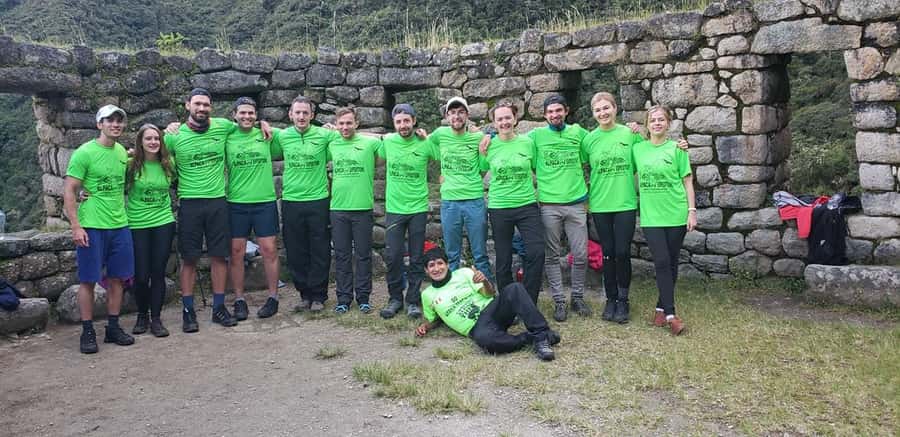
Once the hiking portion finishes for the day, you take a bus down to Aguas Calientes (Machu Picchu town). From there, you head to your 3-star hotel and get dinner at a local restaurant. The plan is simple: eat, recover, sleep, then wake up very early for Machu Picchu.
Most people are happy with the included hotel experience, and many say the dinner and overall setup in Aguas Calientes feel like a genuine reset after the trek. Still, be aware that hotel conditions can vary from stay to stay—one traveler reported an underwhelming room setup (no hot water and less-than-ideal access). So if you’re picky about comfort, it’s worth mentally budgeting for “basic mountain town” life rather than expecting luxury.
Either way, this overnight step is valuable. You get to see Machu Picchu across two different days instead of one long, rushed hit.
Machu Picchu sunrise: arriving before the crowds, seeing it in light
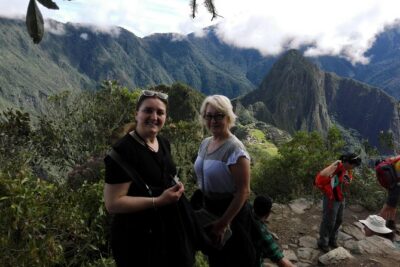
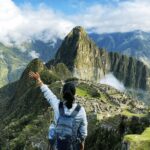
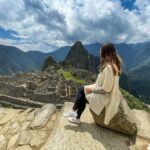
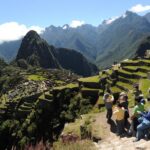
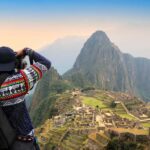
The next morning you rise early and catch one of the first buses up to Machu Picchu. When you arrive, you’re there for sunrise, and you get that classic early light across the site. Sunrise isn’t only a photo moment; it changes how the stone reads. Details pop differently when shadows are long and the air feels calmer.
Your tour includes an entrance ticket for Machu Picchu Citadel, circuit 3, and you then get a guided walking tour of about 2 hours. This is where the guide makes or breaks the experience. A strong guide can explain how Machu Picchu’s design relates to the surrounding mountains, the Incas’ planning, and the site’s symbolism—without turning it into a lecture.
Guides such as Luz have been praised for mixing humor with clear explanations, while Isao and Alex have been mentioned for making the day feel organized and information-rich. When that storytelling clicks, you stop seeing “ruins” and start recognizing a system.
Practical tip: sunrise mornings are cool. Dress in layers and keep your rain plan simple. A light jacket and a cap help even if the weather turns.
You can also read our reviews of more tours and experiences in Cusco
Guided Circuit 3, then free time: how to structure your day
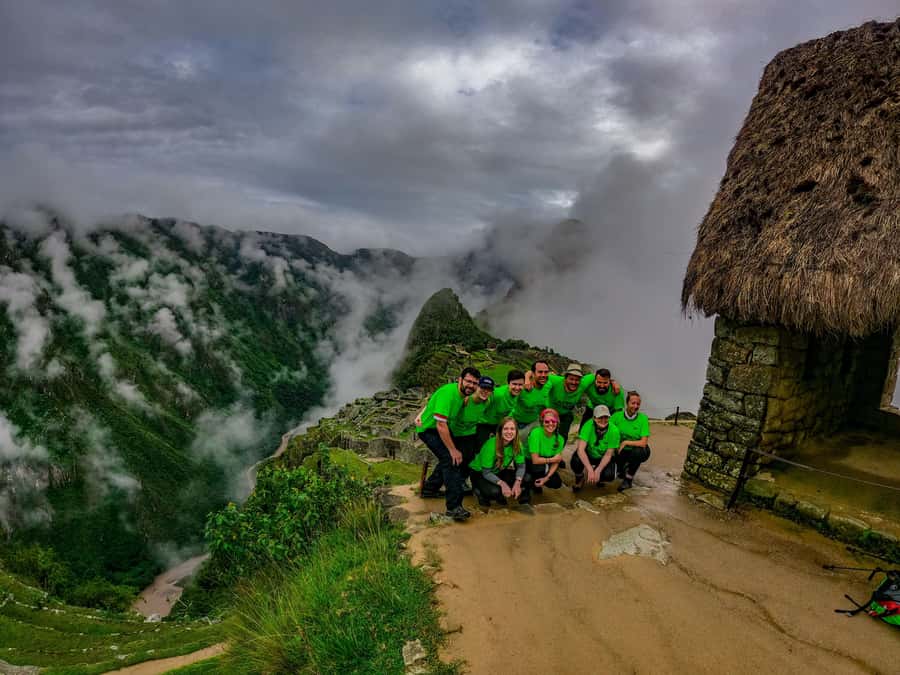
After the guided portion, you have time to explore on your own. This is where you can choose your tempo instead of letting the itinerary drive you. Since the ticket is for circuit 3, you’ll have a defined path to use, but your free roaming time still matters for your own pace, photos, and quiet corners.
Some people also add Huayna Picchu. The tour notes that if you pre-reserve tickets, the climb takes about 1.5 hours total. That add-on can be a great choice if you want the viewpoint payoff and don’t mind a second workout on tired legs.
Here’s the trade-off: sunrise + a guided tour already uses plenty of energy. If you feel wiped, you can skip Huayna Picchu and use the free time to linger around viewpoints and move slowly. The site is dramatic either way, and taking your time can be the difference between “seen it” and “got it.”
A smart strategy: do your must-see photos earlier in the day, then slow down after. That way you’re not rushing because the light changes and the paths get busier.
Aguas Calientes again: how to spend your afternoon wisely
Once you’ve finished Machu Picchu, you return to Aguas Calientes by bus or on foot (based on what you choose that day). The afternoon is yours—relax, wander a bit, eat, and let your body catch up.
Many people like having this breathing room because Day 1 is physical and Day 2 is focused. Having that gap makes it easier to enjoy the views without rushing back to Cusco immediately.
Practical tip: use the afternoon to reset your gear. Check socks and shoes, charge your phone, and refill water. Tomorrow’s return train depends on you being comfortable.
Train back to Cusco: smooth logistics so the trip doesn’t drag
Later in the afternoon, you head back via train through Ollantaytambo. The tour includes meeting you at the station and driving you back to Cusco to drop you off at your hotel. This is one of the underrated parts of guided travel: it reduces the “what bus, what time, what platform” stress that can creep in after a big day.
If you’re sensitive to travel fatigue, this matters. The Inca Trail can be intense, and the easier the transportation feels, the more you’ll enjoy the final hours rather than just surviving them.
Price and value: what $585 is really buying you
At $585 per person, this isn’t a budget activity. But it’s also not just paying for a hike. The value is tied to the package protections you get around the hardest parts.
Here’s what you’re effectively paying for:
- Permits for the Inca Trail (included)
- Machu Picchu entrance ticket for circuit 3 (included)
- Tour guide (English)
- Meals: lunch and dinner on day 1, breakfast on day 2
- Hotel in Aguas Calientes (3-star, included)
- All transportation during the hike plus train segments and pickup/drop-off
- First aid kit and oxygen tank (included)
- Personal duffle bag service up to 5 kg per person
When you tally those pieces, the price starts looking more like “logistics + access + guiding” than a simple trekking fee. That said, one traveler did flag that it can feel pricey compared with other tour options, and that’s fair. If you’re only interested in ruins photos and don’t care about guided pacing or meal support, you might feel the cost more sharply.
But if you want to arrive at Machu Picchu at sunrise, have help with timing, and get a guided interpretation once you’re inside the site, the package makes sense.
Who should book, and who should skip it
This tour is a good match if you:
- Want Machu Picchu in two phases: first from the Sun Gate approach, then again with more exploring later
- Like having a guide explain what you’re seeing rather than walking around guessing
- Can handle a tough day 1 hike and altitude conditions
It may not be the right fit if you have:
- Pregnancy
- Back problems
- Mobility impairments
- Heart problems
- Use a wheelchair
- Any pre-existing medical conditions
One more candid note from real-world advice: training helps. A traveler recommended months of prep because the main difficulty can be a mix of high altitude, high humidity, and heat. Even if you’re fit, plan for the body to work harder than you expect.
The best tips I’d give you before you go
A few small details can make the difference between “memorable” and “miserable”:
- Pack comfortable clothes plus proper trekking gear, and bring layers for early mornings.
- Bring your passport.
- Consider insect repellent.
- If you’re prone to knee strain, consider trekking poles or stick rental.
- Start fitness prep before you arrive in Cusco. A hard hike feels harder at altitude.
And when you’re on the trail, talk early to your guide about your pace. Guides like Walter have been praised for being patient and encouraging, and that kind of communication helps everyone finish on time without turning the hike into a stress test.
Should you book the Machu Picchu: Inca Trail 2-Day Overnight Guided Tour?
Yes, if you want a guided, well-supported Inca Trail experience where sunrise timing is part of the magic—not an afterthought. The combination of Wiñay Wayna, the Sun Gate approach, a proper hot lunch, and a second Machu Picchu day with Circuit 3 structure is a strong value bundle when you compare it to paying for access and logistics piecemeal.
I’d think twice if you’re mainly looking for a light, casual walk, or if you’re very sensitive to hotel variability in Aguas Calientes. Also be honest about health constraints—this tour isn’t designed around those needs.
If you’re ready for the climb and you want to understand what you’re seeing as much as you want to photograph it, this is the kind of trip that tends to stick with you long after the postcards fade.
FAQ
What is the duration of this Inca Trail tour?
The tour runs for 2 days.
Where does the trek begin?
You start hiking after arriving at KM 104.
Is Machu Picchu included with a guided visit?
Yes. You get a guided walking tour of Machu Picchu for about 2 hours, and your included ticket is for Machu Picchu Citadel circuit 3.
Do you need to reserve Huayna Picchu in advance?
Yes. Huayna Picchu entry is not included, and the tour notes that you should book in advance because tickets are limited.
What meals are included?
Day 1 includes lunch and dinner, and day 2 includes breakfast. Water is provided in the morning and at lunchtime.
Will I have a place to sleep overnight?
Yes. You stay overnight in Aguas Calientes at a 3-star hotel.
What train experience is included?
Train transport is included, and the tour notes a Vistadome Train Experience for bookings from March 2026.
What should I bring for the hike?
Bring your passport and comfortable clothes. You should also bring trekking gear.