REVIEW · CUSCO
Cusco: Historical Guided City Tour with 4 Inca Ruins
Book on GetYourGuide →Operated by MACHUPICCHU TC · Bookable on GetYourGuide
Four Inca sites, one half-day, zero stress. This guided circuit is a smart way to see Sacsayhuamán, Qenqo, Puka Pukara, and Tambomachay without cramming your day. I like how the tour runs with a professional bilingual guide (English and Spanish) who keeps the story clear and makes the stonework feel real.
I also like the variety: you go from the Inca religious center at Koricancha to massive fortress architecture at Sacsayhuamán and then on to ceremonial and water features. One thing to plan for is cost and admin beyond the $23 price, since you’ll need the Cusco Tourist Card and separate site/cathedral entry tickets.
In This Review
- Key points to know before you go
- Quick Overview: What This 6-Hour Cusco Loop Delivers
- Price and the Real Cost Breakdown (Including Tickets)
- Hotel Pickup and Timing: Morning vs Afternoon Options
- Morning options (best for first-time Cusco)
- Afternoon option (useful if you have morning plans)
- Bilingual tour note
- Koricancha (Temple of the Sun): Cusco’s Most Important Inca Religious Spot
- Sacsayhuamán: The Puma-Head Fortress and Its 100-Ton Stone Blocks
- What to focus on at Sacsayhuamán
- Consideration
- Qenqo and the Eucalyptus Forest: Ceremonies, Mummies, and Photo Time
- The eucalyptus forest stop
- Puka Pukara: The Red Fortress View Over Cusco
- Tambomachay: Temple of Water and Fountains
- The Cathedral of Cusco Add-On (Afternoon and Option 2)
- What the Best Guides Do With This Tour
- What to Bring (And What Helps in Cusco Altitude)
- Who Should Book This Tour (and Who Might Skip It)
- Should You Book This Cusco Historical Guided City Tour?
Key points to know before you go
- Six hours, five big stops that cover Cusco’s Inca core in one efficient loop
- Bilingual live guide in English and Spanish, with time to ask questions
- Sacsayhuamán’s huge stone blocks and the fortress layout you can really appreciate
- Qenqo + the eucalyptus forest area for lighter photo time between heavier history
- Puka Pukara’s red-stone look and Tambomachay’s water fountains
- Two main meeting styles: morning with hotel pickup, and afternoon starting near the cathedral
Quick Overview: What This 6-Hour Cusco Loop Delivers
This is the kind of Cusco tour I recommend when you want meaning, not just movement. In about half a day, you’ll cover some of the most important Inca sites inside and around Cusco, plus the Temple of the Sun at Koricancha.
The pace is busy, but it’s built for visitors who are short on time. Transportation does the heavy lifting, and your guide ties each stop to what the Inca did there—religion, ceremony, surveillance, and engineering—so it doesn’t feel like a checklist.
You should also know the day is designed around returns near Plaza de Armas (often around 2:30 pm for the morning option). That’s great if you want lunch plans already set, or if you’re trying to recover a bit from the altitude.
You can also read our reviews of more guided tours in Cusco

Price and the Real Cost Breakdown (Including Tickets)
At $23 per person for a 6-hour tour, the base value is solid because it includes things many self-guided plans skip: transportation, a professional accredited guide, and guided visits at each major stop. You also get hotel pickup for many departure options, plus bilingual live interpretation.
But budget for the items that are explicitly not included:
- Cusco Cathedral entrance ticket: 50 soles (only for options that include the cathedral)
- Temple of the Sun (Koricancha) entrance ticket: 15 soles
- Archaeological zones entrance ticket: 70 soles (you can buy it at Sacsayhuamán)
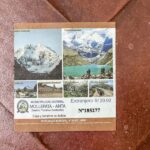
Also, access to the Inca sites requires the Cusco Tourist Card, which you get only in person and requires showing your passport. Children under 9 are free (passport required), but for most adults this is a must-do before the first site.
If you want the math to be simple, treat the $23 as your guided-and-bus price, and then add the entry tickets and the Tourist Card so you don’t get surprised on the day.
Hotel Pickup and Timing: Morning vs Afternoon Options
This tour has multiple start styles, and picking the right one changes how it feels.
Morning options (best for first-time Cusco)
One morning version starts at 8:55 am at Koricancha, with guided entry and then bus transfers to the Inca ruins. You’ll finish around 2:30 pm and get dropped near Plaza de Armas, often on Calle Plateros.
Another morning option includes hotel pickup between 8:35 am and 9:00 am, then starts the city loop from a meeting point. It’s essentially the same major stops, just with a slightly smoother start if you don’t want to think about the exact meeting point.
Afternoon option (useful if you have morning plans)
The afternoon option meets near the cathedral entrance door around 11:50 am to 12:00 pm, and the tour finishes between 6:00 pm and 6:30 pm. If you’re doing a separate Cusco activity earlier in the day, this keeps your ruins plan intact without forcing everything into the morning.
You can also read our reviews of more city tours in Cusco
Bilingual tour note
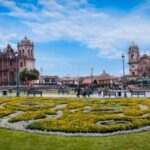
The bilingual version drops you near the main square. If you’re trying to stay close to your hotel for logistics, this can be a practical choice.
Koricancha (Temple of the Sun): Cusco’s Most Important Inca Religious Spot
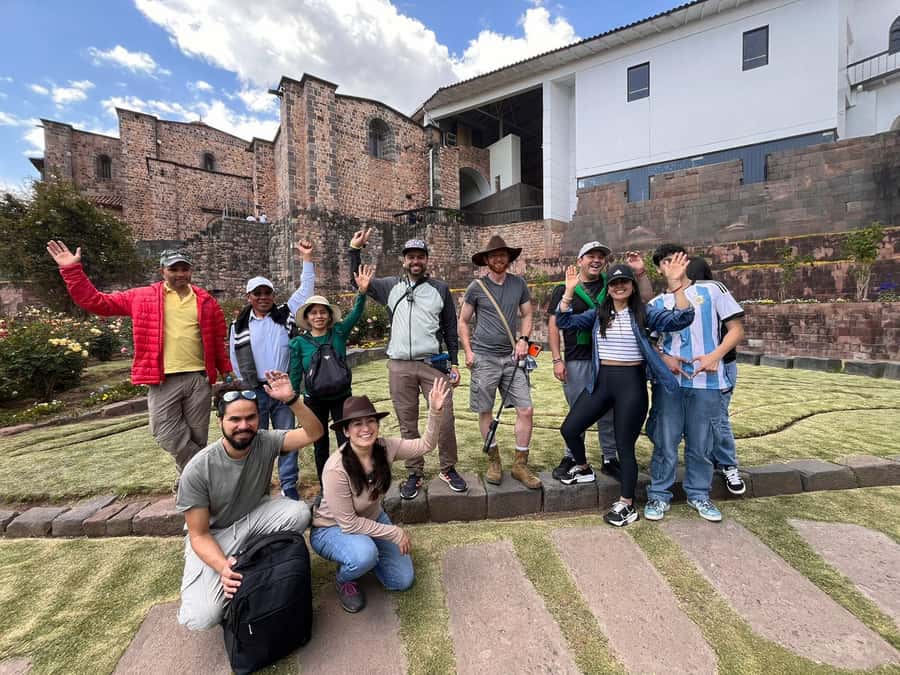
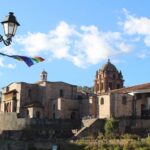
You’ll start with Koricancha, also known as the Temple of the Sun, which the guide frames as the most important Inca religious construction. Even if you’ve read a few lines about Inca religion, seeing this place in person helps the ideas land. The scale and the symbolism are why it’s often the first stop on Cusco tours.
Koricancha also sets the tone for the day. After you see a major religious center, the later sites make more sense: ceremonial spaces at Qenqo, fortifications at Sacsayhuamán, and water rituals at Tambomachay.
One practical note: Koricancha has an entrance ticket cost listed separately, so have your Tourist Card and cash ready.
Sacsayhuamán: The Puma-Head Fortress and Its 100-Ton Stone Blocks
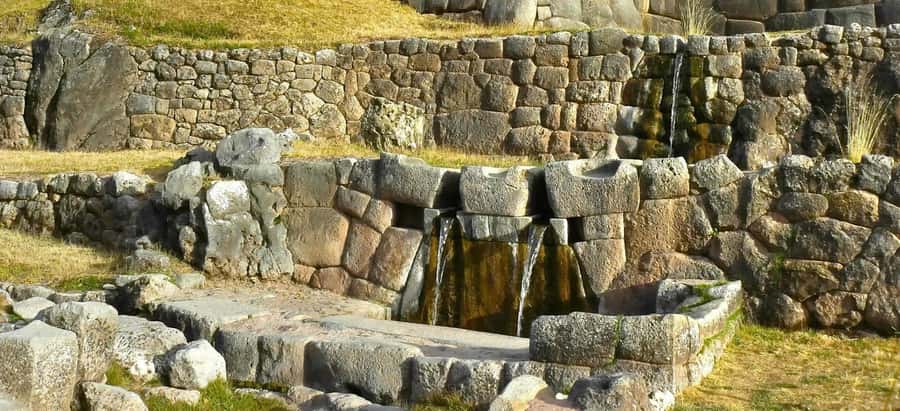
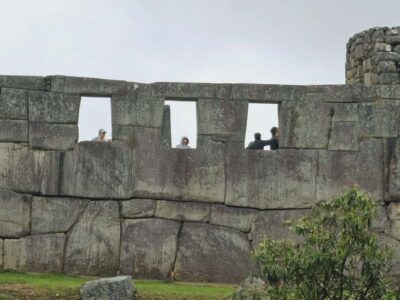
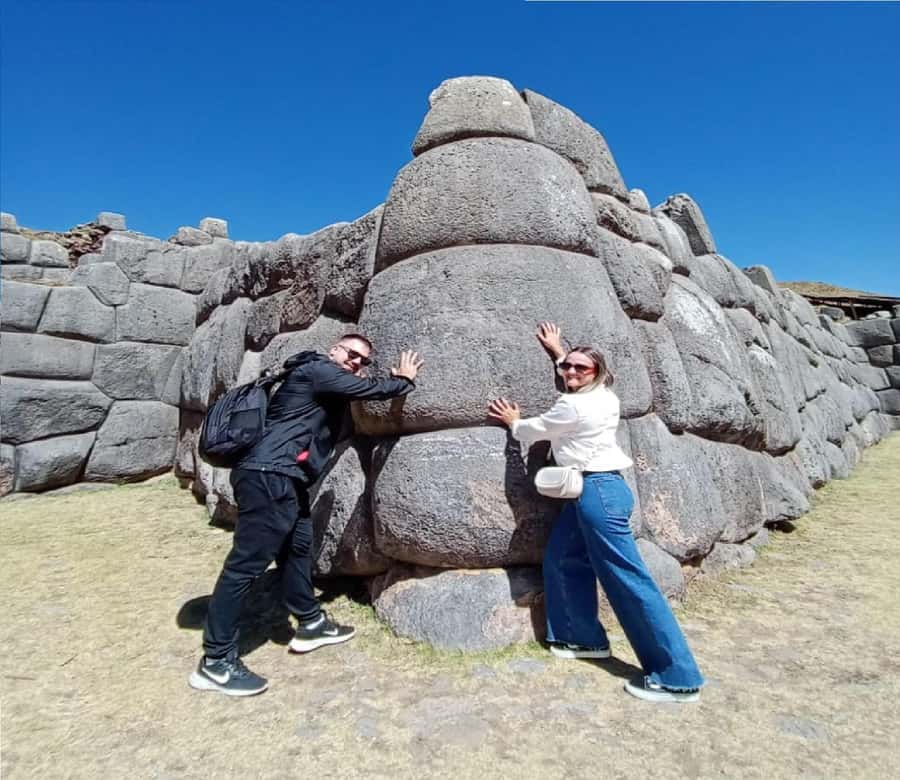
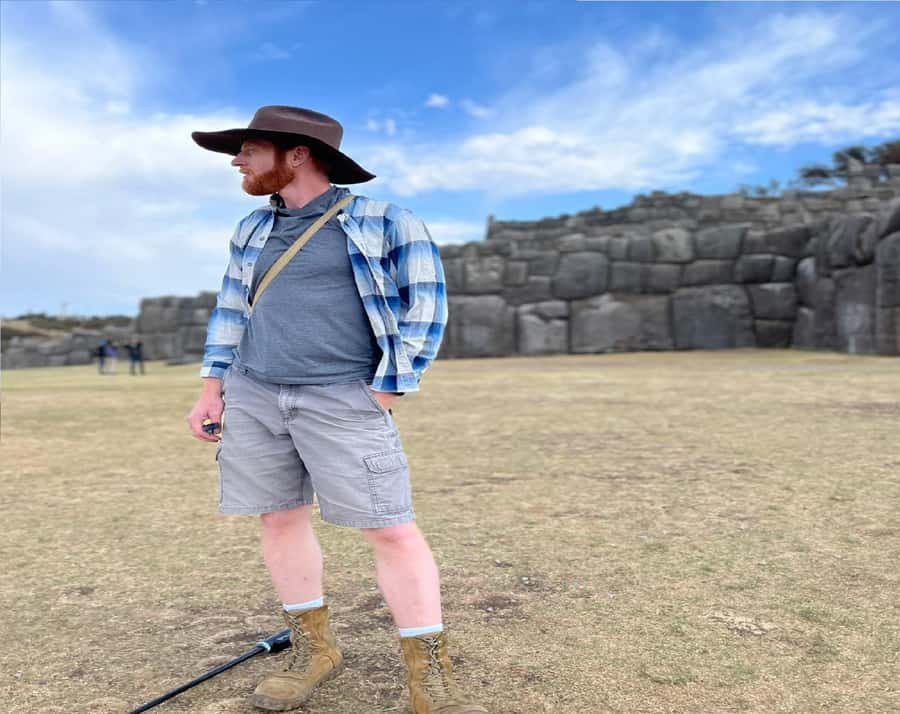
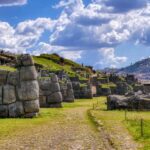
Next comes Sacsayhuamán, translated as puma head. This is the largest archaeological site in Cusco itself, and the feature that grabs you fast is the engineering: gigantic stone blocks, with some pieces weighing more than 100 tons.
In the morning route description, you’ll also hear that constructions include stones roughly 4 to 6 meters high. That’s the kind of detail that changes how you see it. You stop thinking of ruins as fragments and start seeing a system built to last.
What to focus on at Sacsayhuamán
- The way the walls and terraces guide your viewpoint across the area
- The massive scale of the stones, especially in the sections where you can compare height and spacing
- How the guide explains the site’s role as an Inca military fortress
Consideration
This stop is physically easier than many outlying hikes, but you’ll still want comfortable shoes. Cusco mornings can be windy and cool, then warm fast, so bring sunscreen and be ready for changing weather.
Qenqo and the Eucalyptus Forest: Ceremonies, Mummies, and Photo Time
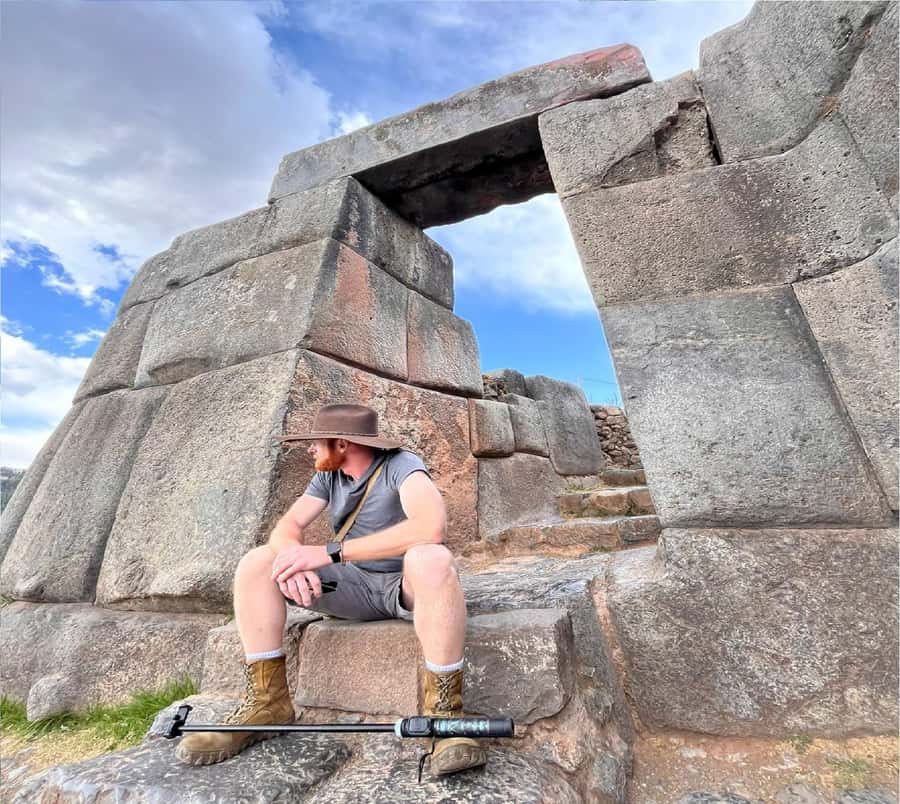
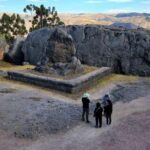
Then you move to Qenqo, described as a ceremonial center where sacrifices were made to the Sun God. You’ll also hear it connected to mummification functions, with Qenqo presented as an ancient mummification site.
That combination matters. It means you’re not only looking at a carved complex; you’re looking at a place tied to life, death, and worship in one circuit. A guide can connect the dots between the physical features and the rituals associated with them, and that’s where the experience improves most.
The eucalyptus forest stop
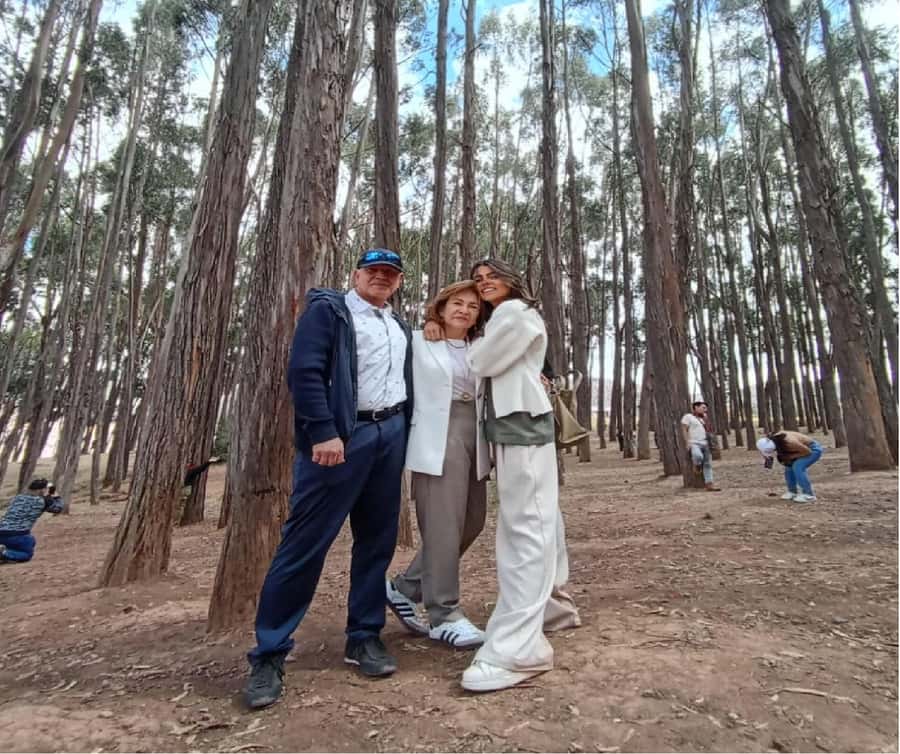
Part of Qenqo’s experience includes a Qenqo eucalyptus forest area where you’ll take photos. This is a good breather between heavier stone-and-story stops, and it’s where you can slow down without feeling guilty about missing something.
Again, plan for tickets: archaeological entry is listed separately, and the Cusco Tourist Card is required for access.
Puka Pukara: The Red Fortress View Over Cusco
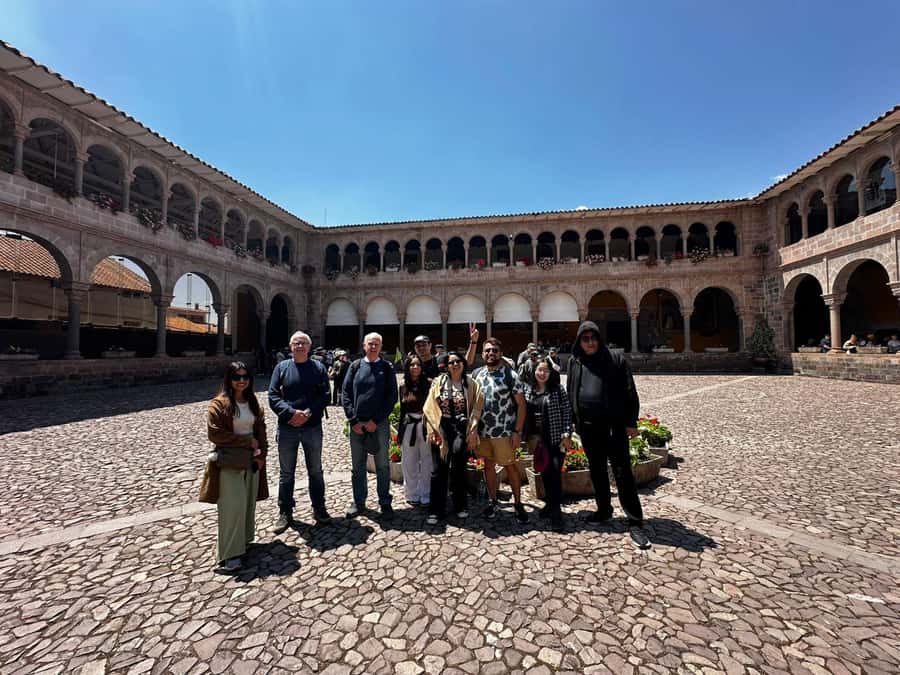
Puka Pukara is popularly called the Red Fortress because of the pigmentation of its rocks. It’s an Inca surveillance center built in the upper part of Cusco to help control access to the Inca city.
This is one of those places where the story becomes clearer when you understand the purpose. A surveillance post isn’t just architecture. It’s a way of managing movement, deciding what can come in, and knowing what’s happening beyond the walls.
You’ll also get a spectacular view of the Andean countryside from here. The guide will frame what you’re looking at in terms of control and observation, not just scenery.
One heads-up: since the red-stone look is part of the appeal, bring your camera and try to time your photos when light is clear. Weather can shift quickly in the Andes.
Tambomachay: Temple of Water and Fountains
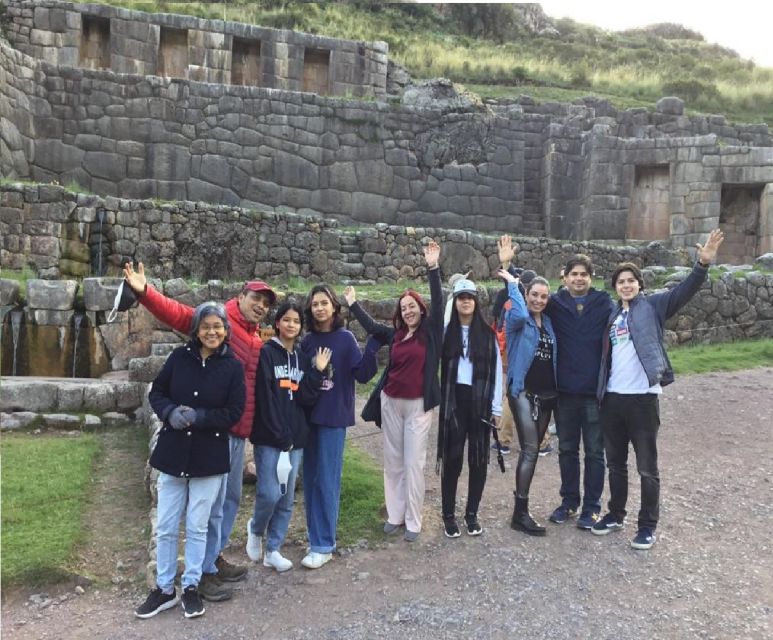
The last major site is Tambomachay, also called the Temple of Water. The highlight is the water features, described as water fountains distributed across the area.
If you’ve only associated the Inca with stonework and terraces, Tambomachay broadens the picture. It’s about systems that interact with nature—water management, ritual use, and the practicality of engineering in a mountain environment.
Your guide’s job here is important. When they explain why water mattered in Inca life and ritual, the fountains stop being a pretty photo and start being a cultural clue.
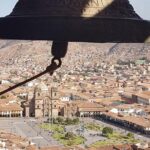
You’ll finish back in Cusco near Plaza de Armas (morning options around 2:30 pm; afternoon options later in the early evening). From there, you can head straight to lunch or dinner plans.
The Cathedral of Cusco Add-On (Afternoon and Option 2)
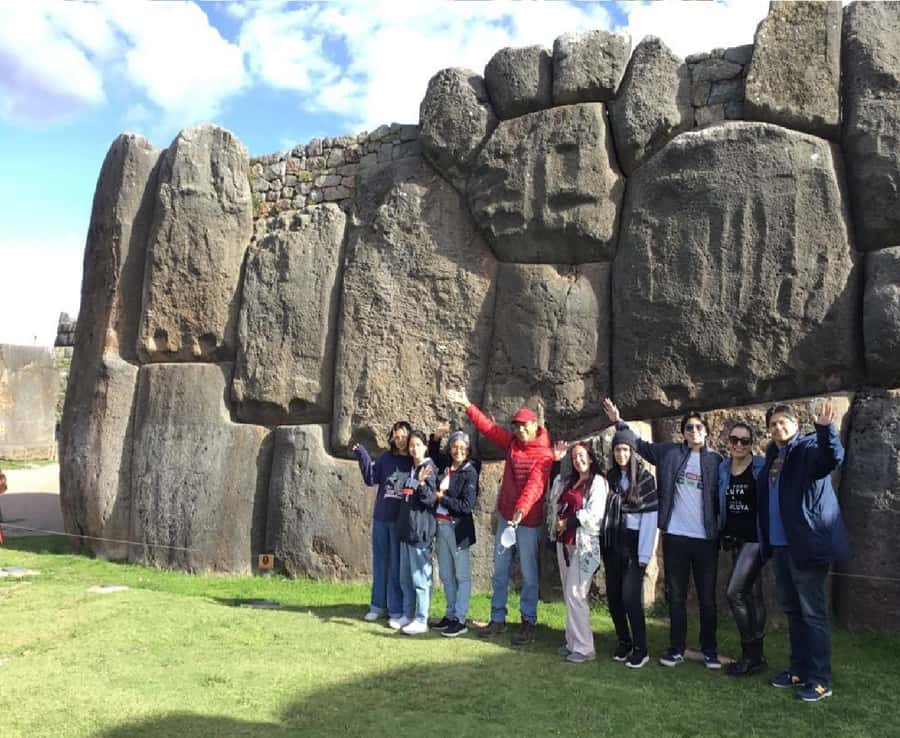
Some versions include a stop at the Cathedral of Cusco, where you can appreciate impressive paintings associated with the Cusco school. The cathedral entrance ticket is listed separately at 50 soles, and availability needs to be checked.
So think of this as a bonus when you want a blend of Inca and later Cusco art and culture in one afternoon. If you’re mainly focused on Inca ruins, the cathedral is still interesting, but it’s not the centerpiece of the tour.
If you do go, it helps to be mentally ready for a different vibe. It’s more about art and faith layers than about carved stone and outdoor views.
What the Best Guides Do With This Tour
This is where you can feel the difference between a basic ruins walk and a truly good half-day plan. The most praised guides in this experience—examples include Luis, Alfredo, Hyame, and Romulo—are repeatedly noted for strong English ability and smooth explanation in English and Spanish. The common thread is clarity and pacing: they help you understand what you’re seeing without turning the tour into a lecture.
They’re also the kind of guides who can answer questions on the spot. For example, they may compare practical facts to myths and get you back to what can actually be inferred from the sites. That keeps your brain engaged and makes the time feel worth it.
There’s also a “take your time for it” element in some routes, including photography experiences on the special option. If you care about photos, that extra framing and timing is helpful.
What to Bring (And What Helps in Cusco Altitude)
For this tour, you’ll want to pack like you’re going out for a half-day in the high Andes:
- Passport or ID card (Tourist Card access depends on passport)
- Comfortable shoes (ruins mean uneven ground)
- Camera
- Sunscreen
- Water
- Rain gear (Cusco weather can change fast)
- Cash
Also, the tour doesn’t allow bikes or alcohol/drugs in the vehicle. That’s mostly about keeping the day orderly, especially when you’re hopping between sites.
If you’re short on time and worried about altitude, the good news is that the tour relies on transport between stops, and the total duration is only 6 hours. You still might feel the altitude, but it’s a manageable version of Cusco sightseeing.
Who Should Book This Tour (and Who Might Skip It)
This tour fits best if you:
- Have limited time in Cusco and want the biggest Inca hits inside and near the city
- Like guided context, not just photos
- Want a morning plan that ends around lunchtime or a later plan that still gets you home for dinner
You might skip it if you don’t want structured timing. The sites are packed into a half-day, so you’ll be moving a lot, even with transportation.
One clear limitation: it’s not suitable for people over 95 years. If you’re in a mobility-sensitive group, check with the operator first and focus on how much walking each stop requires.
Should You Book This Cusco Historical Guided City Tour?
I think this is a smart buy for most first-time Cusco visitors. The value is strong because you’re paying for more than admission—you’re paying for guided interpretation plus transportation across multiple sites that are otherwise easy to under-plan.
Book it if you want:
- A clear, story-driven route through major Inca locations
- A guided start to Cusco’s archaeology before you branch out on your own
- A schedule that returns near Plaza de Armas so you can keep the rest of your day flexible
Don’t book it blindly if you haven’t handled the admin. Make sure you understand the Cusco Tourist Card requirement and the separate entrance tickets listed for Koricancha, the cathedral (if included), and the archaeological zones. Once that’s sorted, you’ll get a lot of Inca Cusco in one clean half-day plan.