REVIEW · OLLANTAYTAMBO
From Ollantaytambo:Moray, Salt Mines, Chinchero end in Cusco
Book on GetYourGuide →Operated by Apu Ausangate Trek EIRL · Bookable on GetYourGuide
Salt mines first, then terraces, then Cusco. This one-day route stitches together the Sacred Valley highlights in a logical flow, with guided stops and a comfortable van ride that ends right in Cusco. You start in Ollantaytambo and finish at the main square or your Cusco accommodation, which is a big deal when you’re trying to avoid extra logistics.
What I like most is the chance to see Moray’s circular terraces and learn how the Incas used farming techniques on tough mountain ground. I also love Chinchero textiles, because the weaving is part of everyday life, not just a museum-style performance.
One thing to plan for: key site entry fees are not included, so you’ll need cash and budget extra for tickets once you’re on the route.
In This Review
- Key Things That Make This Day Trip Worth Your Time
- From Ollantaytambo to Cusco: The Best Way to Link the Sacred Valley
- Maras Salt Mines: Over 4,000 Salt Ponds and a Real Purpose
- Moray’s Circular Terraces: Inca Farming on Slopes That Don’t Cooperate
- Chinchero Textile Culture: A Weaving Center You Can Actually Observe
- How the Timing and Drives Affect Your Day (And Your Comfort)
- Price and Value: What You Pay, What You Still Need to Budget
- What to Bring (So the Day Feels Easy, Not Miserable)
- Who This Sacred Valley Route Is Best For
- Should You Book This Tour From Ollantaytambo to Cusco?
- FAQ
- Where does the tour start and where does it end?
- How long is the tour?
- What sites are included in the route?
- Is lunch included?
- What entrance fees are not included?
- What language is the guide?
- Do I need cash?
- Is this a private group?
- Is it suitable for older travelers?
Key Things That Make This Day Trip Worth Your Time
- Ollantaytambo to Cusco in one day without scrambling for separate taxis or transfers
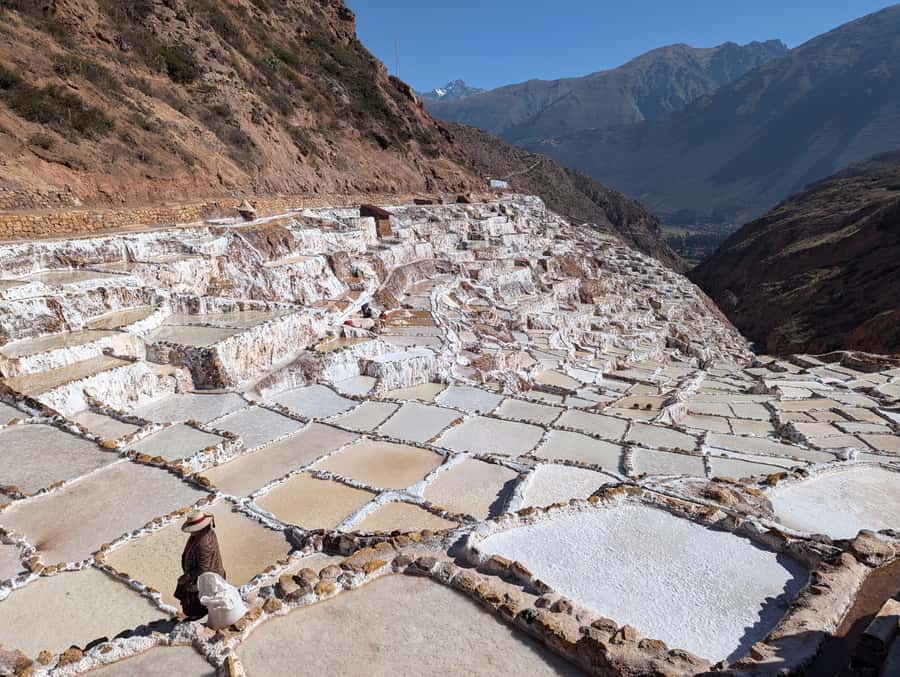
- Maras salt mines with access to the famous salt-pond view of over 4,000 ponds
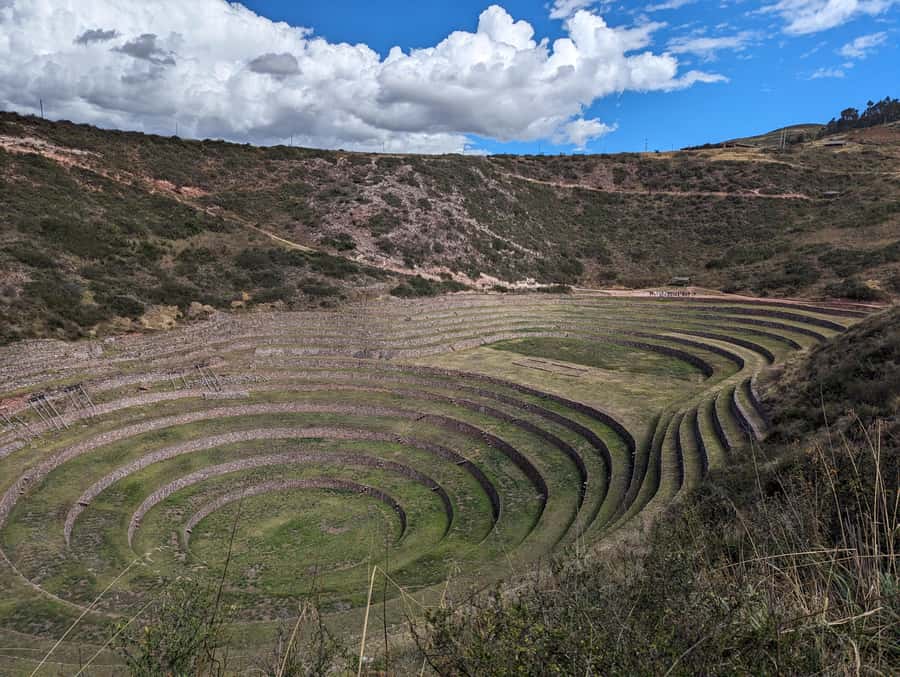
- Moray terraces focused on how the Incas created crops on challenging slopes
- Chinchero weaving center with traditional textile techniques and a real local craft setting
- Private group timing that often feels relaxed, with enough time for photos and questions
From Ollantaytambo to Cusco: The Best Way to Link the Sacred Valley
This tour is built for the traveler staying in the Sacred Valley first, then moving on to Cusco. Instead of doing separate day trips, you move from place to place in a single sweep, and you end in Cusco—right where you’ll want to be for nightlife, dinner, and planning your next high-altitude days.
You’re picked up from your hotel or train station in Ollantaytambo, then you’re in a van for multiple legs between the sites. It’s a private group with a bilingual guide (English and Spanish), so you can ask practical questions as you go instead of just staring at signs.
I also like that the pacing isn’t the ultra-rush style. Many guides on this route are known for explaining clearly and letting you linger for photos, which matters a lot at places like Moray and Maras where the best views come with just staring at the terrain for a minute.
You can also read our reviews of more tours and experiences in Ollantaytambo.
Maras Salt Mines: Over 4,000 Salt Ponds and a Real Purpose
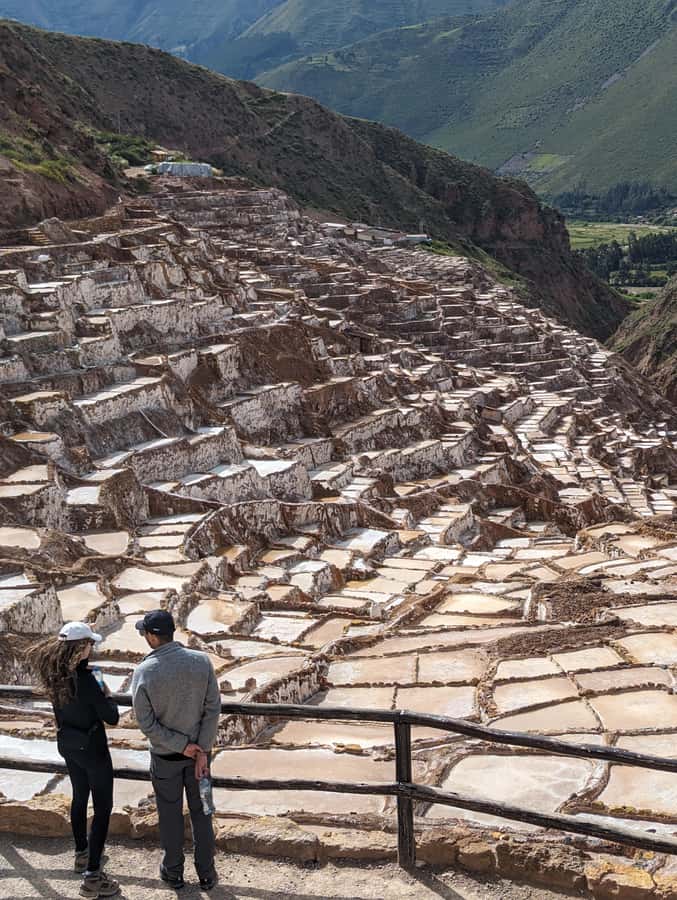
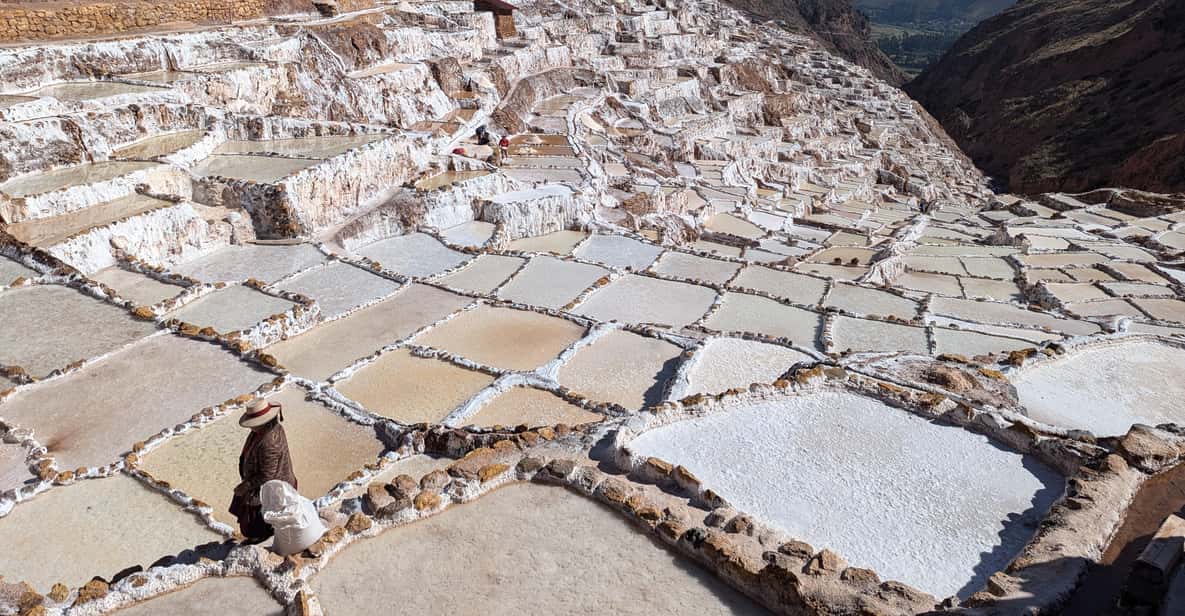
Maras is one of those stops where the scenery is part science project and part human handiwork. You’ll make a photo stop, then get a guided visit with time to take in the salt mine area up close.
The key story here is how these salt ponds were used by ancestors for long-term food storage. That’s the kind of context that makes the visit feel more meaningful than just checking a box. You’re not just looking at patterns; you’re seeing how people survived and planned for scarcity using what the land and water allowed.
A practical note: the salt mine entrance ticket is not included. The on-site fee is listed as 20 Nuevos Soles, so carry some cash (and expect you’ll pay in soles on the ground).
Also, this is a sun-heavy area. Even if you don’t feel hot yet, the glare can sneak up on you. Bring your sunglasses and sunscreen, because Maras tends to be the kind of stop where you’ll keep wanting photos.
Moray’s Circular Terraces: Inca Farming on Slopes That Don’t Cooperate
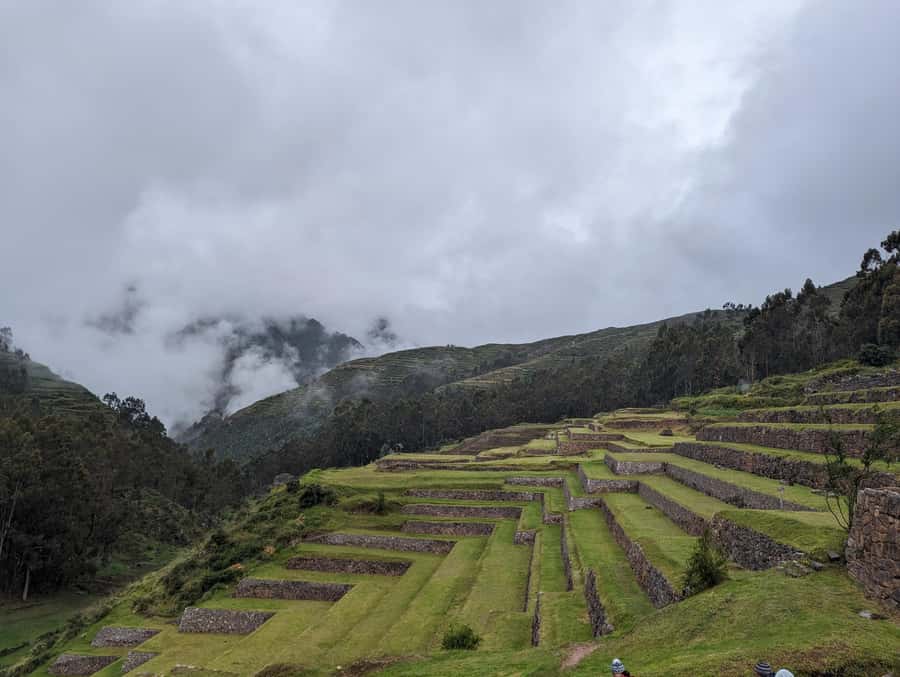
After Maras, you head to Moray. Expect another photo stop plus a guided visit, with about an hour set aside for this area. Moray is often described by its shape, but what I like here is the reason behind it: these agricultural terraces were built along hillside terrain to grow crops on ground that isn’t naturally easy.
In other words, this stop isn’t only about cool architecture. It’s about problem-solving. The Incas worked with altitude and slope instead of pretending the mountain was flat and friendly.
Guides sometimes add extra details that make Moray feel more alive. For example, one tour guide, Felix, is known for pointing out native plants and even talking about medicinal uses at Moray. Another style of storytelling you might hear is about everyday materials—like how grass could be turned into rope—explained in a way that helps you picture life in the Inca era rather than just memorize facts.
This is also one of the best photo moments of the day. The terraces are built to be seen from the right angles, so don’t treat the stop like a quick walk-by. If you can, slow down for a few minutes and scan the circular patterns from different viewpoints.
Chinchero Textile Culture: A Weaving Center You Can Actually Observe
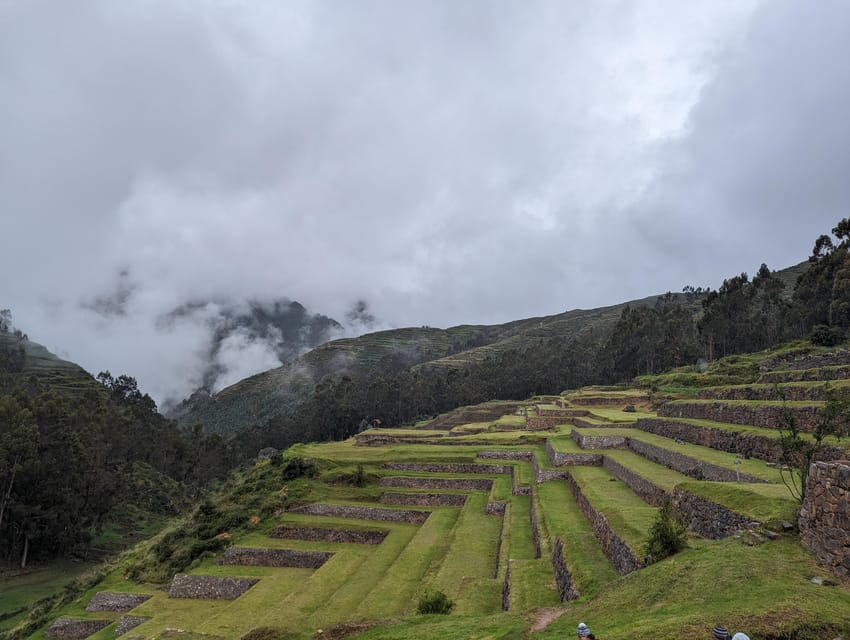
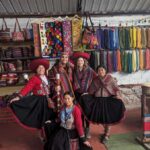
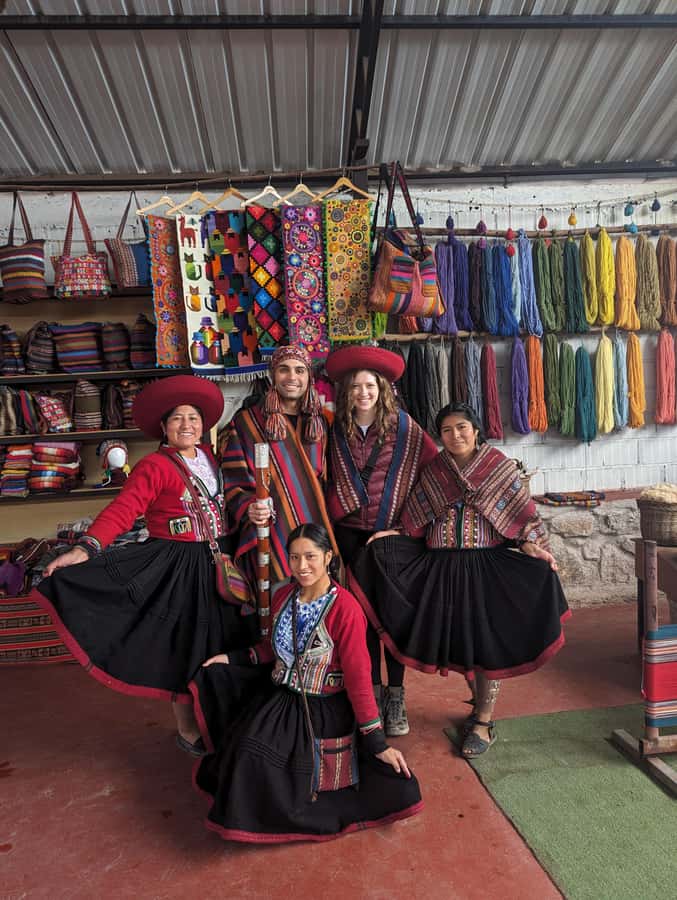
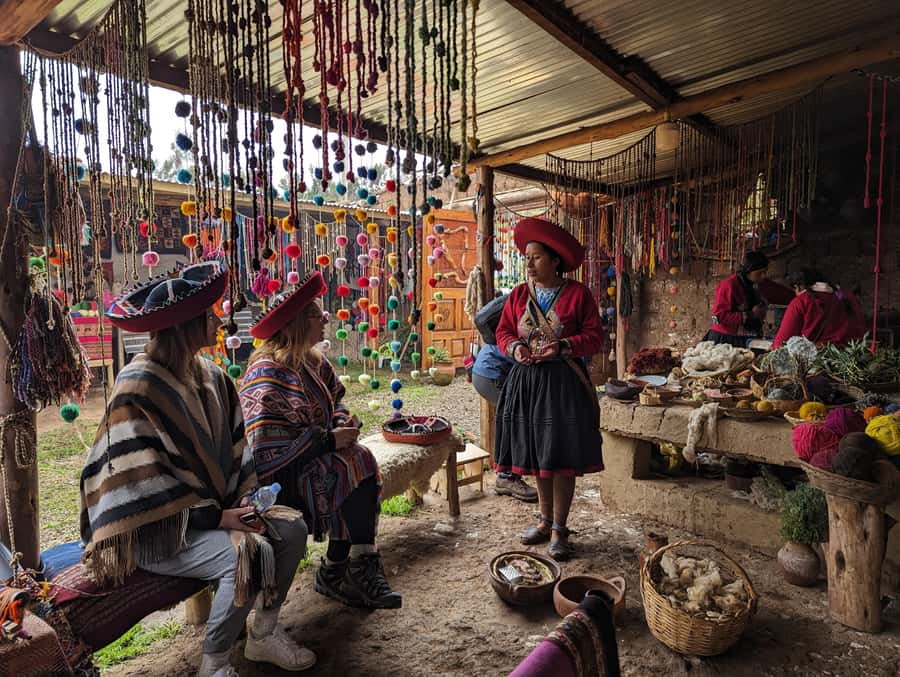
Chinchero is where the day turns from stone and salt into living culture. You’ll spend time in the Chinchero district with photo stops and a guided exploration that includes a short walk. Then there’s a shopping window in the town area.
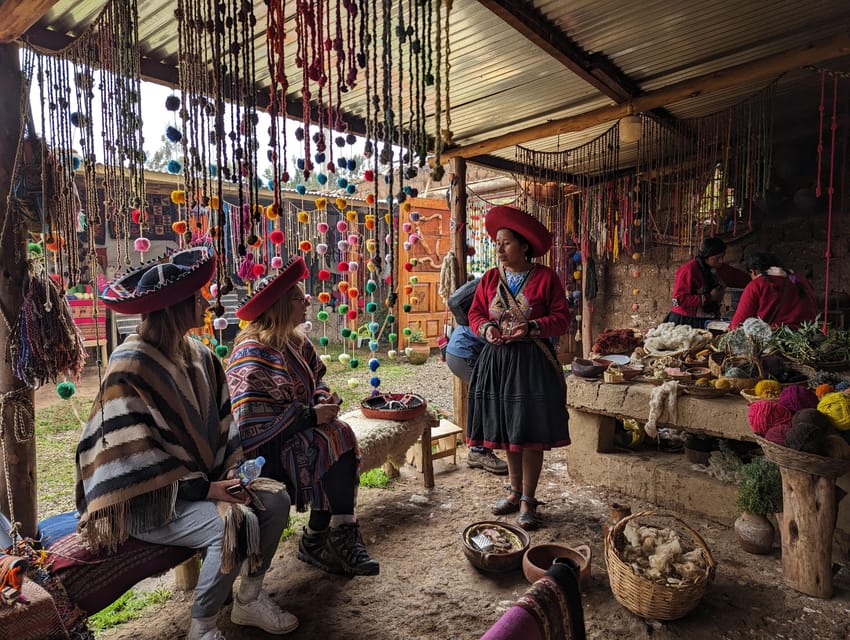
The headline here is textiles. You’ll learn about Andean textiles and visit a weaving center where you can see fabrics made using traditional Incan techniques. This is the kind of stop where you can ask questions like: How is this cloth made? Why do patterns look the way they do? And what roles do these crafts play in daily life?
A big plus: the weaving isn’t presented as a one-size-fits-all souvenir machine. When your guide is strong (and many on this route are, including people like Julio, Marco, and Felipe in different trips), the textile stop becomes a story about materials, skill, and identity, not just buying.
You should also know the tour includes time for shopping. That doesn’t mean you must buy anything, but it helps to go in with a plan. If you like textiles, ask questions before you decide. If you don’t, you can use the shopping window as a chance to stretch your legs and take in the small-town atmosphere.
How the Timing and Drives Affect Your Day (And Your Comfort)
This is a full-day route, but it’s not endless. You’ll have a set sequence: van ride from Ollantaytambo to the first site area, then transfers between Maras and Moray, then a final drive into Chinchero and onward to Cusco.
The total time blocks matter because Sacred Valley sun and altitude can drain energy faster than you expect. Even if you’re feeling good at pickup, you’ll likely appreciate breaks for photos and guided explanations that prevent fatigue from turning into boredom.
One reason this tour gets strong marks is that guides tend to manage the day so you aren’t stuck waiting around. People like Johan are noted for giving enough time at each visit, answering questions, and even helping spot birds. That’s a good sign: it usually means your guide isn’t rushing you through like a factory line.
If you get motion sickness, a private van is usually better than cattle-truck bus travel. Still, the day does include multiple transfers, so plan accordingly with water and snacks if you tend to feel queasy.
Price and Value: What You Pay, What You Still Need to Budget
The tour price is listed at $109 per person for a 1-day private group experience. For what you’re getting, it can be solid value—especially because it includes pickup from Ollantaytambo, transportation between all stops, a bilingual guide, a lunch in Maras, and drop-off in Cusco.
What’s not included is where people get surprised:
- A partial tourist ticket for Ollantaytambo, Moray, and Chinchero is 70 Nuevos Soles, purchased at the first site.
- Entrance ticket for the salt mine is 20 Nuevos Soles.
- Drinks are not included.
So I’d budget an extra chunk of money beyond the headline price. But if you’re doing these stops on your own, the cost often shifts to entrance fees plus the hassle of transport and guide services. Here, the guide and the driving are part of what you’re paying for, and that’s usually the real value.
One more “value” angle: many travelers find it’s smarter to take this route from Ollantaytambo to Cusco instead of trying to stitch together separate half-day plans. It saves time, and it reduces the stress of figuring out how to get from one site to the next.
What to Bring (So the Day Feels Easy, Not Miserable)
This tour is outdoors with sun and walking. Bring what the operator lists, and you’ll start the day ahead of the weather.
Bring:
- Sunglasses
- Sun hat
- Camera
- Sunscreen, plus biodegradable sunscreen
- Cash (for entry tickets and anything else you buy)
Also think about comfort. Even if the walks are short, Moray and Chinchero can involve uneven ground. Wear shoes you trust on rocky paths, and keep water with you if you run out of energy quickly (drinks aren’t included, so don’t assume you’ll be covered).
One more small but useful tip: if you’re planning to add the Ollantaytambo Inca site, the tour notes that you can request it. If that ruins your schedule, you can skip it; if you care about seeing the ruins before Cusco, it’s a good option to ask about when confirming your trip.
Who This Sacred Valley Route Is Best For
This is a great fit if:
- You’re staying in Ollantaytambo and want a simple, guided way to reach Cusco
- You want an Inca-focused day that includes farming history (Moray), food storage context (Maras salt mines), and living culture (Chinchero textiles)
- You like learning from a guide who can explain without rushing and answer questions in English or Spanish
It’s less ideal if:
- You need a very light day. This is still a full route with transfers.
- You have difficulty with walking on uneven ground.
- You’re outside the recommended age range; the tour notes it’s not suitable for people over 95 years.
Should You Book This Tour From Ollantaytambo to Cusco?
I’d book this if you want a straightforward way to connect the Sacred Valley to Cusco while hitting three “core” stops: Maras, Moray, and Chinchero. The structure works well for first-timers because it gives you context—especially with the Andean textile component—and it ends exactly where you need to be for your Cusco plans.
I’d hesitate only if you dislike paying extra on-site. You can’t avoid the ticket fees (70 soles for the partial tourist ticket and 20 soles for the salt mine), and drinks aren’t included. If that doesn’t bother you—and you pack sunscreen plus cash—this is the kind of day trip that saves time and turns into an education, not just sightseeing.
FAQ
Where does the tour start and where does it end?
It starts with pickup from your hotel or train station in Ollantaytambo. It finishes in Cusco at the main square or at your accommodation.
How long is the tour?
The duration is 1 day.
What sites are included in the route?
You’ll visit Maras (salt mines), Moray (circular terraces), and the Chinchero district (including a textile weaving center). There are also photo stops along the way.
Is lunch included?
Yes. Lunch is included in Maras.
What entrance fees are not included?
A partial tourist ticket for Ollantaytambo, Moray, and Chinchero is 70 Nuevos Soles (purchased at the first site). The salt mine entrance ticket is 20 Nuevos Soles (purchased on site).
What language is the guide?
The guide is bilingual: Spanish and English.
Do I need cash?
Yes. The tour notes that you should bring cash, especially for on-site ticket purchases.
Is this a private group?
Yes, the tour is listed as a private group.
Is it suitable for older travelers?
The tour notes it is not suitable for people over 95 years.