REVIEW · CUSCO
Maras Moray Sacred Valley Tour from Cusco
Book on GetYourGuide →Operated by Peru Andes Top · Bookable on GetYourGuide
Moray and Maras feel like Inca engineering. This 5-hour Sacred Valley tour brings you to Moray’s archaeological terraces and then to the Salineras salt pans, where the view is dramatic and the process is surprisingly practical. I like that the guide connects what you’re seeing to how the Incas worked with land and nature, instead of just reciting facts.
I also like the smooth start to the day: pickup from hotels in Cusco’s historic center, with a staff member holding a sign with your name, and a pace that stays comfortable. You get a professional guide speaking Spanish or English, and you’re not stuck feeling rushed during the main stops.
The main drawback to plan for is cost and timing: the tour price is low, but you’ll still need a tourist ticket (about $22 USD) and the Salineras entrance fee (10 PEN), and lunch isn’t included.
In This Review
- Key things to know before you go
- Moray’s terraces: understanding how the Incas worked
- A small reality check
- Salineras salt mines: salt from water, terraces, and patience
- Photo tip that saves frustration
- Considerations for the salt experience
- The Sacred Valley morning drive: how the ride fits your day
- Price and logistics: does $17 really make sense?
- Small planning tip
- Timing: how you’ll spend those 5 hours
- What to pack: sun, cold, and wet terraces
- How to make the camera work for you
- Who this tour is best for (and who should choose something else)
- Should you book the Maras Moray tour from Cusco?
- FAQ
- How long is the Maras Moray tour from Cusco?
- What’s included in the $17 per person price?
- What languages does the guide speak?
- Do I need to buy any tickets separately?
- How much is the Salineras Salt Mine entrance fee?
- Is lunch included?
- Where does pickup happen in Cusco?
- What should I bring for the tour?
- Is free cancellation available?
Key things to know before you go
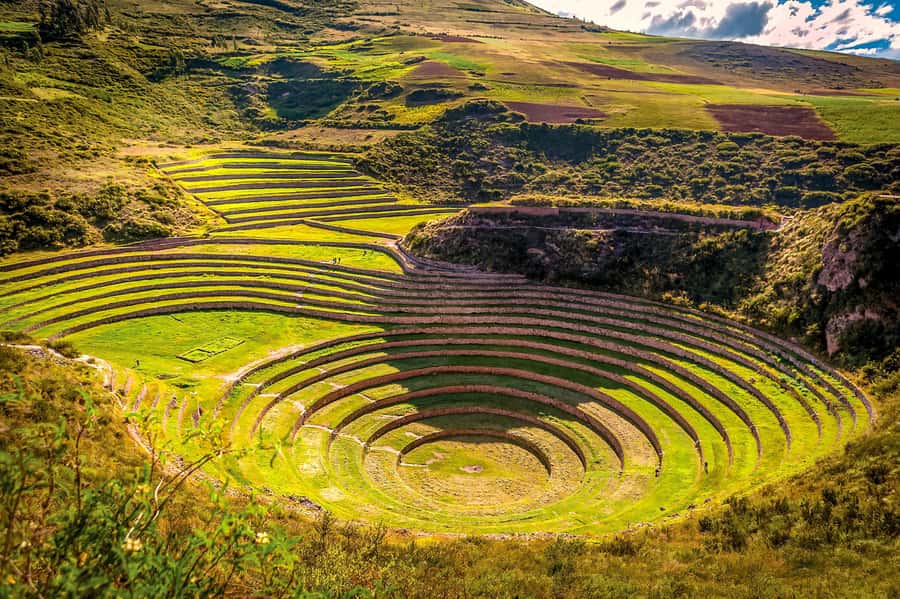
- Moray + Salineras in one morning: you see two top Sacred Valley sights without losing a whole day.
- A guide that explains what you’re looking at: English support is strong, and explanations are clear.
- Salineras is working land, not just scenery: salty underground water, evaporation, and salt terraces.
- Pickup is organized: you’ll get collected within Cusco’s historic center.
- Tickets aren’t fully included: budget for the tourist ticket and Salineras entry on the day.
Moray’s terraces: understanding how the Incas worked
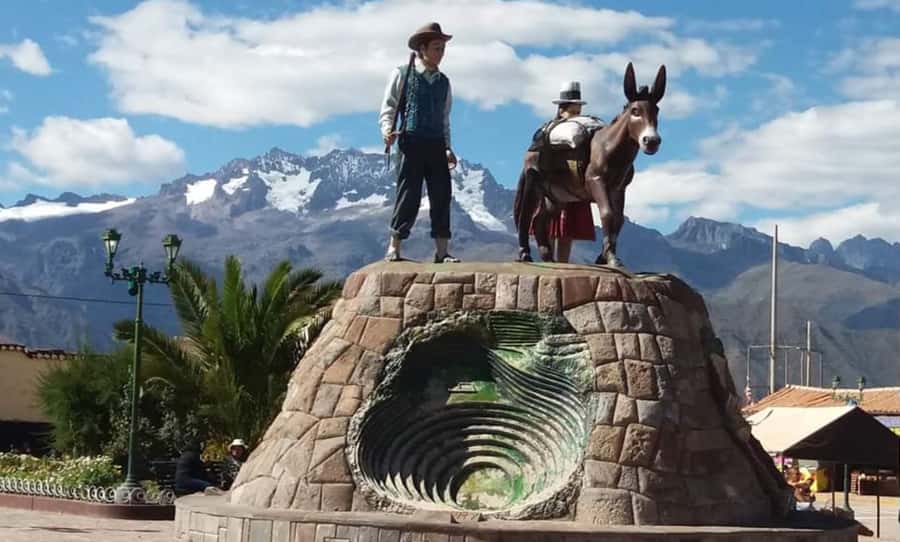
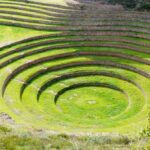
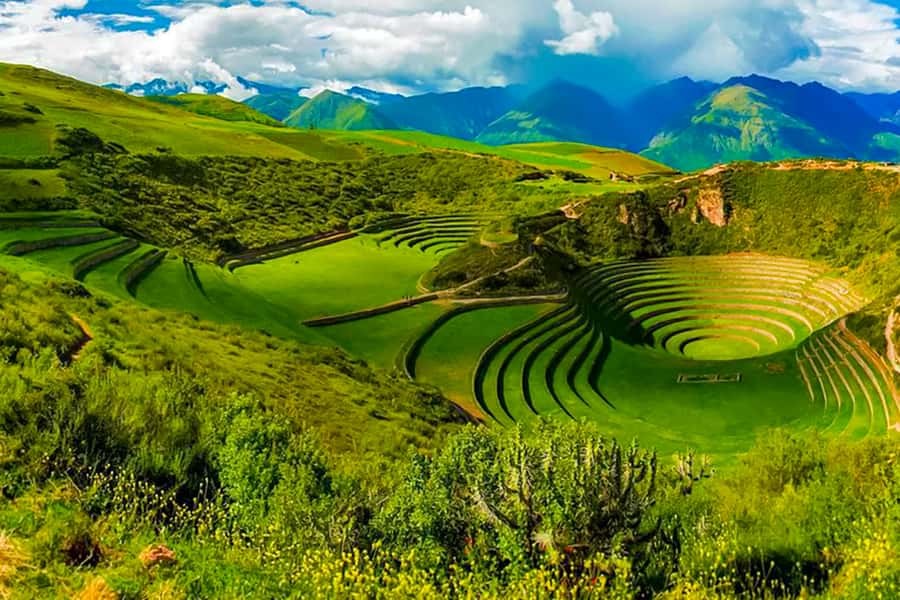
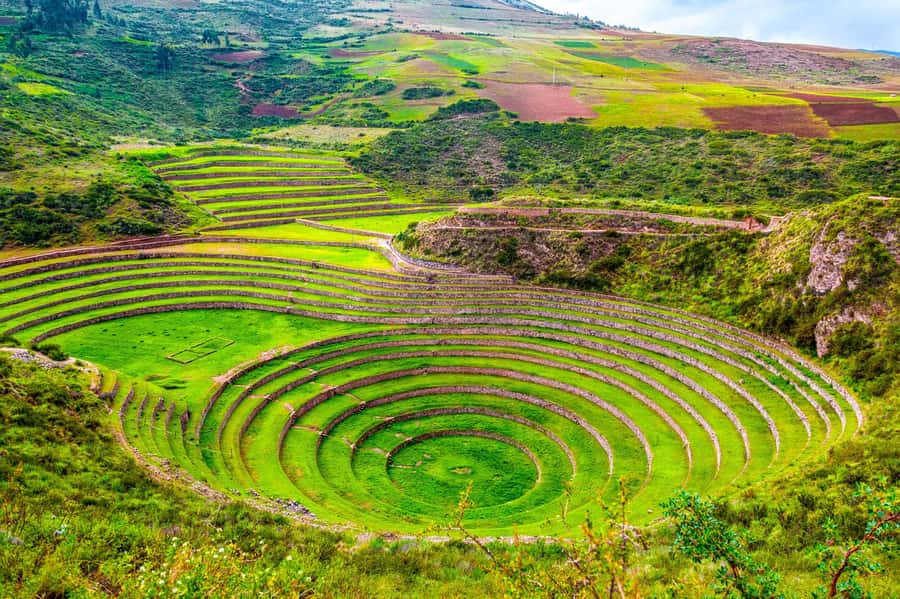
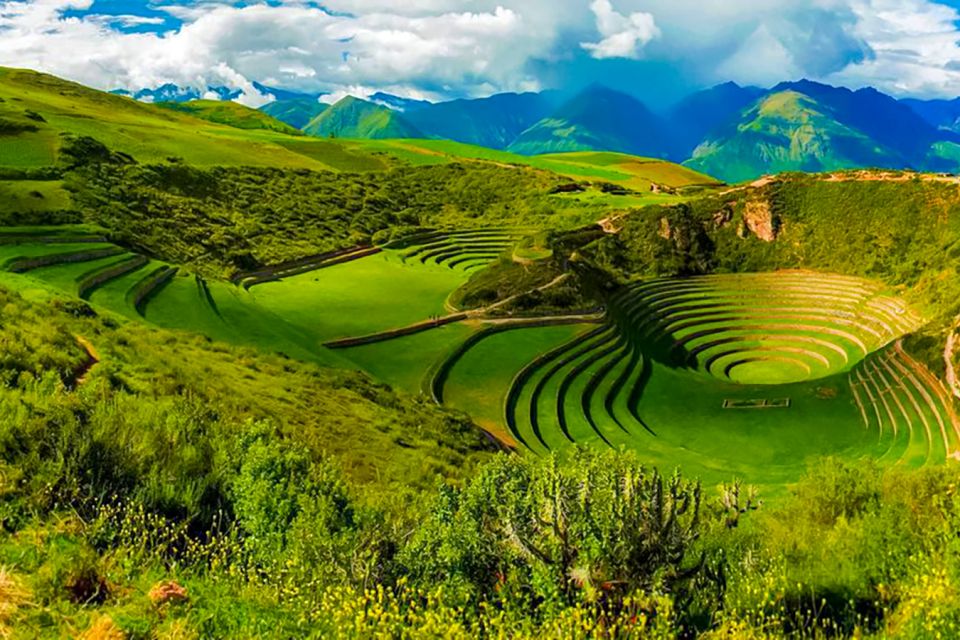
Moray is the kind of place that makes you look twice. From a distance, the site reads like a giant stepped bowl. Up close, you get a better feel for the way the terraces are built—layered, intentional, and meant to shape how the land behaves. This is where the tour’s storytelling matters. You’re not just taking photos; you’re learning how the Incas made the most of their environment and turned it into something useful.
What I like most here is the balance between ruins and function. Archaeological sites can sometimes feel like dead stone, but Moray feels more like a working idea that stopped before it could be fully used the way the Incas intended. Your guide helps you connect the terrace structure to why people built things like this in the first place—using elevation and design to manage conditions over time.
There’s also a practical angle. Moray is a good stop if you’re short on time. Instead of spreading your day across too many locations, you concentrate on one key example of Inca engineering and land management. In 5 hours total, that focus helps you walk away with a clearer mental picture.
You can also read our reviews of more tours and experiences in Cusco.



A small reality check
Because the tour is time-limited, expect to spend most of your energy at the major viewing areas rather than wandering for long stretches on your own. It’s still a satisfying visit, just don’t expect a slow, unstructured drift.
Salineras salt mines: salt from water, terraces, and patience
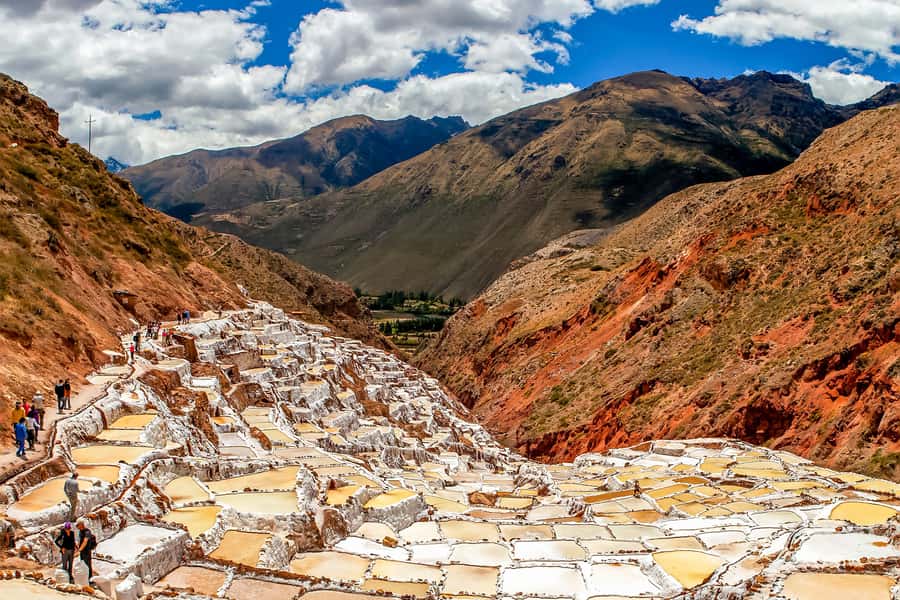
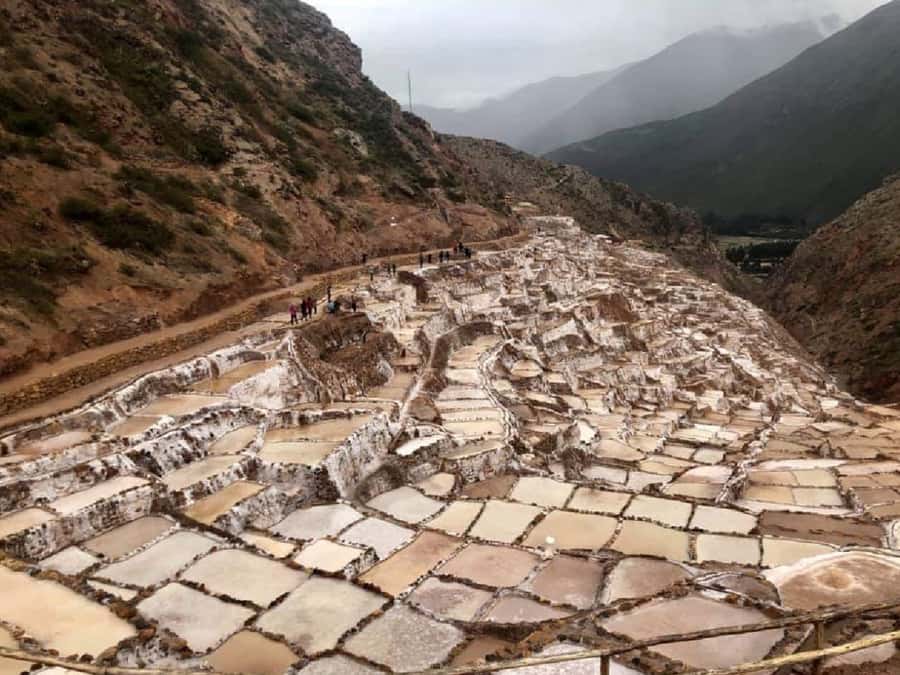
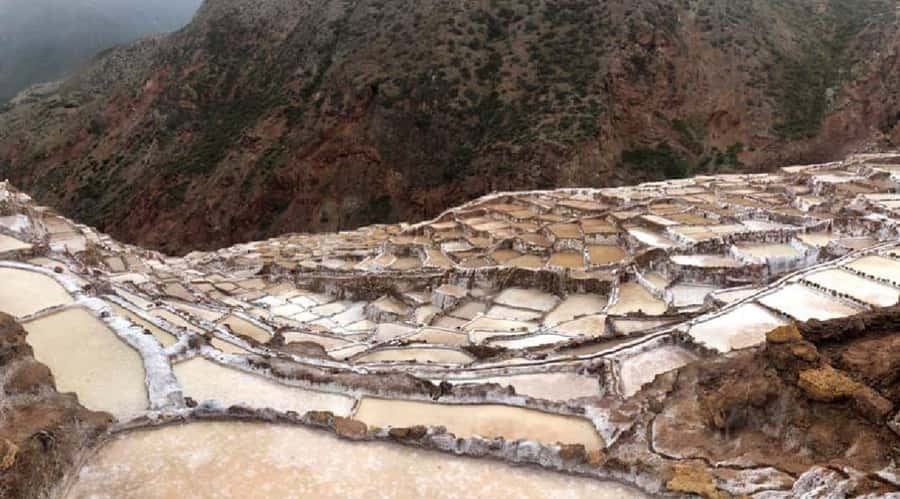
Then the day shifts from terraces-on-terra to terraces made for salt. Salineras (often called the salt mines of Maras) is visually striking: dozens of pools and salt embankments in a mountainous setting. But the best part is what your guide shows you about the mechanism.
Here’s the core idea you’ll want to remember: Salineras is built on watered terraces that produce salt through evaporation. Salty water comes from an underground stream, flows into the system, and then the sun and dry air do the rest. It’s one of those processes that sounds simple—until you see the scale and the layout spread across the hillside.
I especially like how this stop teaches you to “read” the place. Once you understand that each pool is part of a bigger evaporation setup, the whole site makes sense. You’ll likely find yourself looking for the flow paths and the way water disappears over time (and yes, it can be a little hard to wrap your head around until you’re standing there).
Photo tip that saves frustration
Bring your camera, but also be ready to steady yourself. The best angles often mean standing near uneven ground and slopes. Move slowly, watch your footing, and grab shots when you’re in a stable spot rather than trying to pose while drifting.
Considerations for the salt experience
Salineras isn’t a museum. It’s active working terrain, and conditions can vary. Dress for wind and sun, and plan your time so you don’t rush the explanation and then feel too rushed to take photos.


The Sacred Valley morning drive: how the ride fits your day
This tour is designed as a morning outing from Cusco. The pickup covers hotels and accommodations in the historic center, and you’ll see a staff member holding a sign with your name. That kind of door-to-door structure matters in Cusco, where it’s easy to waste time figuring out where to meet.
The transportation is included, so you’re not dealing with rental logistics or sorting out buses. In practice, that means you can focus on the day rather than your transport plan. You also get the benefit of a guide who can translate what you’re seeing from the vehicle and at each stop, instead of you having to piece things together alone.
In 5 hours, you’ll feel the “quick but complete” rhythm. It’s not a full-day Sacred Valley expedition with multiple towns and extra hiking. Instead, it’s a targeted route built around two big-ticket sites: Moray and Salineras.
If you’re using this day as a stepping stone between bigger activities—like Cusco acclimation, other Sacred Valley tours, or time in the city—this pace can be a relief. You’ll still get a strong dose of Inca-focused context and a real sense of how traditional landscapes operate.
Price and logistics: does $17 really make sense?
At $17 per person for a 5-hour guided experience with pickup, transportation, and a professional guide, this tour is priced to feel like a bargain. But you should treat it as a low base price rather than a full package deal.
Here’s what to budget for on top:
- Tourist ticket: approximately $22 USD (not included)
- Salineras Salt Mine entrance: 10 PEN (can be purchased on site)
- Lunch: not included
So the value question becomes: are you already planning to pay for the tourist ticket anyway? If yes, the tour gets more appealing fast, because your marginal cost is mostly the guide and transport. If not, you’ll feel the total price rise quickly.
Still, even with the extra costs, the structure is smart. You’re paying for a guided morning that hits two highly memorable locations in one go. That reduces the cost of your time and effort. Also, the guide’s quality shows up as a real advantage: in English or Spanish, explanations are clear and the overall route is comfortable, not exhausting.
Small planning tip
Carry some cash for the site entrance and be ready to handle ticket purchases. The Salineras entry fee is paid on site, so don’t rely on the tour price to cover every official charge.
Timing: how you’ll spend those 5 hours
This is a 5-hour tour, and that matters for your expectations. You’re not doing a marathon of short stops that leaves you with no time to process. Instead, your schedule is built around the two main objectives.
You’ll head out from Cusco in the morning, then use the time to:
- Visit Moray and learn how the Incas worked
- Tour Salineras and see how salt is extracted via evaporation
- Get context about the Sacred Valley through the guide’s storytelling
That structure is why the day feels “efficient.” You’ll have enough time to understand the highlights without feeling like you’re rushing from place to place every 10 minutes.
One thing to consider: some versions of Sacred Valley tours include a brief cultural stop related to textiles. If that’s included in your departure, think of it as a bonus rather than a guaranteed highlight. If crafts aren’t your thing, ask your guide for the best way to prioritize what matters to you within the time you have.
What to pack: sun, cold, and wet terraces
A morning start can feel colder than you expect in the Andes. Add wind at higher points and the possibility of damp ground near the salt pools, and you’ll want to be ready.
Bring:
- Long pants
- Warm clothing
- A waterproof jacket or raincoat
- Sunscreen (30 SPF or greater)
- Sun hat
- Water
- A camera
I like packing this way because it keeps you comfortable during both the ride and the outdoor stops. You’ll be standing around enough to need sun protection, and you’ll be out in the open enough to want rain or wind coverage.
How to make the camera work for you
With wide terraces and lots of repeat patterns, Salineras can tempt you into over-shooting photos. Stop occasionally, take a few steadier frames, then pay attention again to what your guide explains. You’ll leave with both pictures and understanding.
Who this tour is best for (and who should choose something else)
This Maras Moray tour is a great fit if you:
- Want Sacred Valley highlights without committing to a full-day itinerary
- Prefer guided context (especially in English or Spanish)
- Like places where you can connect engineering or process to a real landscape
You might choose a different option if you:
- Want a lot of free time at each stop rather than a structured 5-hour schedule
- Don’t want any extra stops added to fit the day’s route
- Need lunch included, because meals aren’t part of the package
Overall, it’s well suited to first-timers in the Cusco region who want a strong “Inca meets nature” morning. Moray gives you the built-environment story. Salineras gives you the process story.
Should you book the Maras Moray tour from Cusco?
If you’re weighing this against other Sacred Valley options, I’d book it when your goal is simple: see Moray and Salineras with a guide, in one smooth morning, at a budget-friendly base price. The guide quality and the clear pace make the experience feel worth it even with the extra ticket costs.
Book it if:
- You value a professional guide and want explanations, not just views
- You’re short on time but still want two major sites
- You’re ready to budget for the tourist ticket and Salineras entrance
Skip it or consider alternatives if:
- You want lunch included and hate paying separate site fees
- You’re hoping for a slower, more exploratory day rather than a tight route
FAQ
How long is the Maras Moray tour from Cusco?
The tour duration is 5 hours.
What’s included in the $17 per person price?
It includes pickup and drop-off, transportation, and a professional guide.
What languages does the guide speak?
The guide speaks Spanish and English.
Do I need to buy any tickets separately?
Yes. The tourist ticket (approximately $22 USD) is not included, and the Salineras Salt Mine entrance fee is not included.
How much is the Salineras Salt Mine entrance fee?
You can purchase the Salineras entrance ticket on site for 10 PEN.
Is lunch included?
No, lunch is not included.
Where does pickup happen in Cusco?
Pickup is available from hotels and accommodations within Cusco’s historical center. Staff will be holding a sign with your name.
What should I bring for the tour?
Bring long pants, warm clothing, a waterproof jacket or raincoat, sunscreen (30 SPF or greater), a sun hat, water, and a camera.
Is free cancellation available?
Yes. You can cancel up to 24 hours in advance for a full refund.