REVIEW · OLLANTAYTAMBO
From Cusco: Ollantaytambo Fortress Half-Day Private Tour
Book on GetYourGuide →Operated by LimaTours · Bookable on GetYourGuide
Stone steps and quiet ruins grab you fast. In about 5 hours from Cusco, you’ll tackle the Ollantaytambo Fortress with a bilingual guide (English/Spanish) and see why this Sacred Valley site mattered for Inca religion, defense, and farming. I especially like the way the fortress layout makes you earn each view, starting from the lower stonework and heading up to the key areas your guide points out.
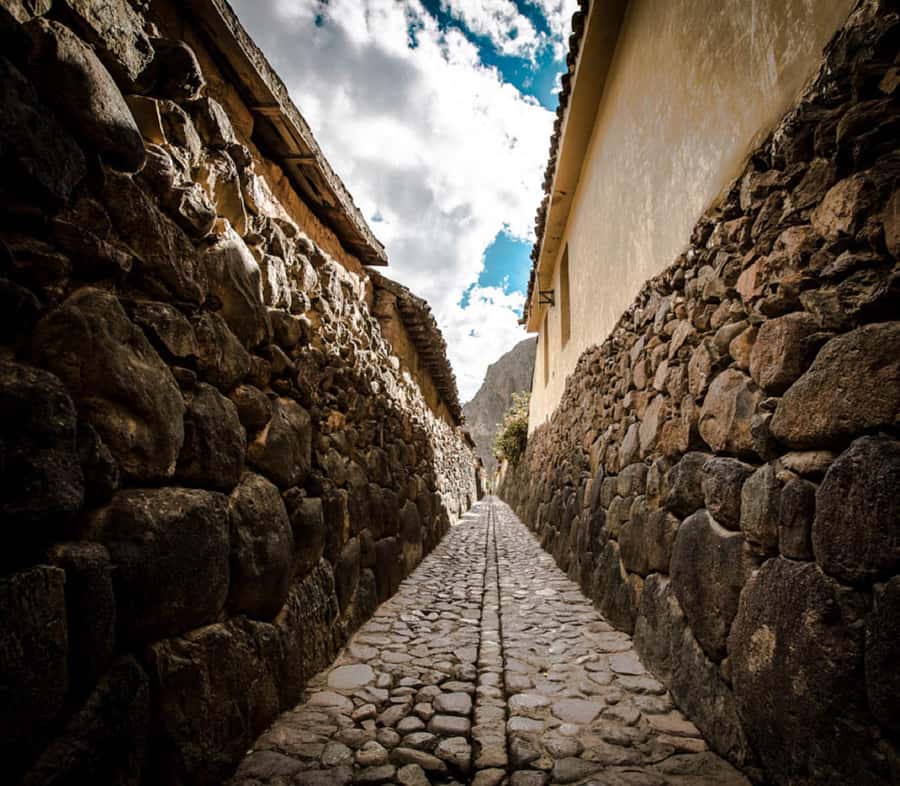
What I also love is the town visit after the ruins. You’ll walk the cobblestone streets and see how Inca-style urban planning still shapes everyday life, with narrow lanes that run toward the Urubamba River. The one real consideration: you’re climbing a set of 150 steps. If your legs or knees are touchy, plan your pace and bring solid shoes.
In This Review
- Key things I’d circle before you go
- Ollantaytambo in a Half-Day: what you really get from Cusco
- Getting from Cusco: the 80 km Sacred Valley ride
- The 150 steps up: Ollantaytambo fortress essentials
- Temple of the Sun and the Terrace of Ten Niches
- Cobblestone streets and agricultural terraces: why you should slow down
- Manco Inca vs. Hernando Pizarro: the military side you can feel
- Ollantaytambo town visit: Inca urban planning still lived in
- Price and value: is $126 per person worth it?
- What to bring for a comfy 5-hour Sacred Valley day
- Who should book this private Ollantaytambo half-day
- Should you book this tour or plan something else?
- FAQ
- How long is the Ollantaytambo Fortress private tour?
- What’s included in the price?
- Do I need the Cusco Tourist Ticket (BTC)?
- Is this a private tour?
- Where are the hotel pickup and drop-off locations?
- What should I bring?
- Is it suitable for wheelchair users or unaccompanied minors?
Key things I’d circle before you go
- A planned 150-step climb to the fortress highlights, including the Temple of the Sun and Terrace of Ten Niches
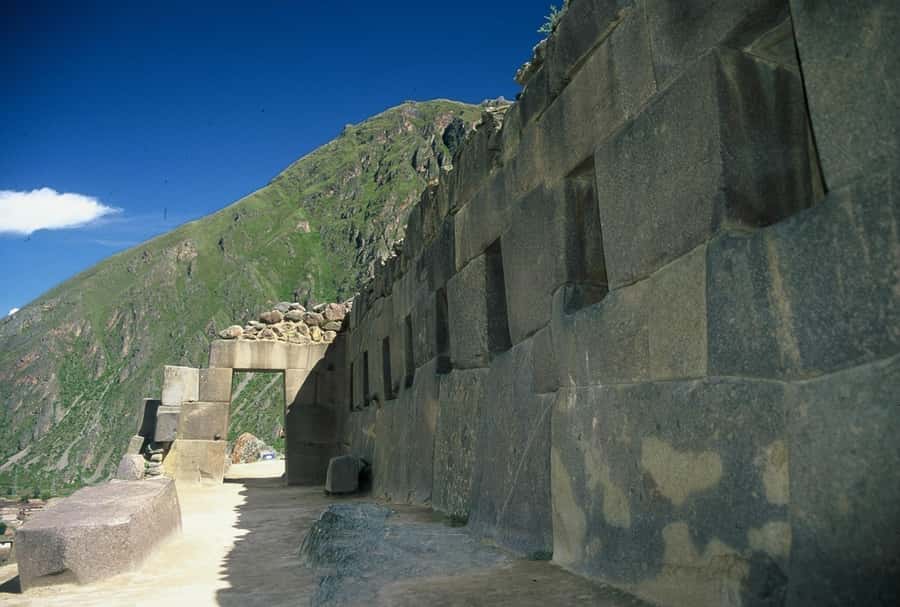
- Six pink granite monoliths at the Temple of the Sun, weighing more than 50 tons
- Inca engineering you can read on foot: terraces, stone platforms, and four-meter-high structures
- Town life, not just ruins: residents still follow traditions inherited from their ancestors
- Urubamba River directionality: streets open toward the river, just like the Inca planning concept
Ollantaytambo in a Half-Day: what you really get from Cusco
This is the kind of tour that works best when you want depth without losing an entire day. You’re leaving Cusco, spending your time in the Sacred Valley at Ollantaytambo, and returning with a clear picture of what this place was built to do.
Expect a guided visit that mixes stonework, views, and the lived-in feel of the town. The fortress gives you the big, dramatic moments. The town gives you the human scale.
You can also read our reviews of more private tours in Ollantaytambo
Getting from Cusco: the 80 km Sacred Valley ride
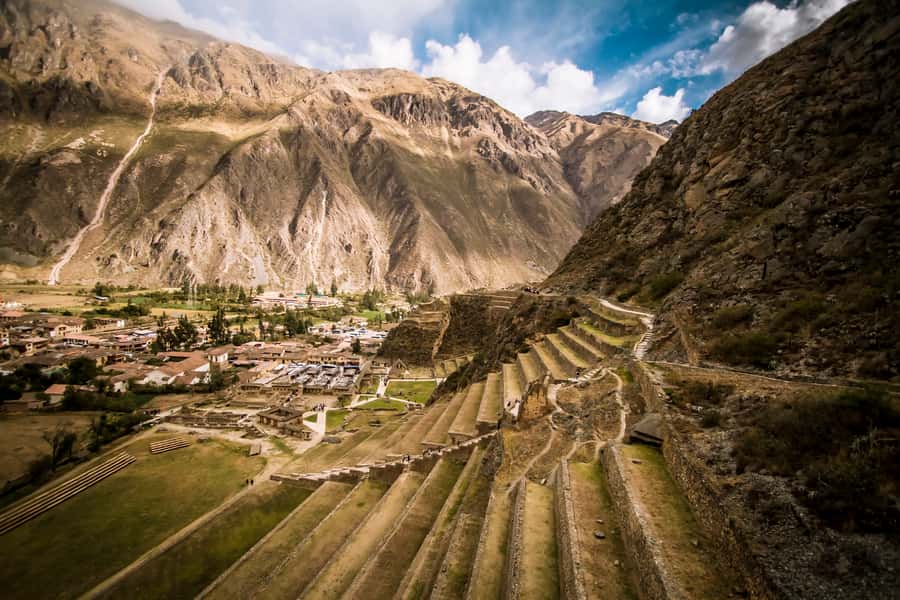
Ollantaytambo sits about 80 km from Cusco, in the province of Urubamba, so you’re not doing a quick hop down the street. You’ll get hotel pickup and drop-off from places in the Cusco Historic Center, and that matters because it keeps the day calm and straightforward.
On the drive, your guide can set context for what you’re about to see: this wasn’t just a pretty ruin. It was a combined religious, military, and agricultural center, which you’ll understand more clearly once you’re walking the terraces and platforms.
The 150 steps up: Ollantaytambo fortress essentials
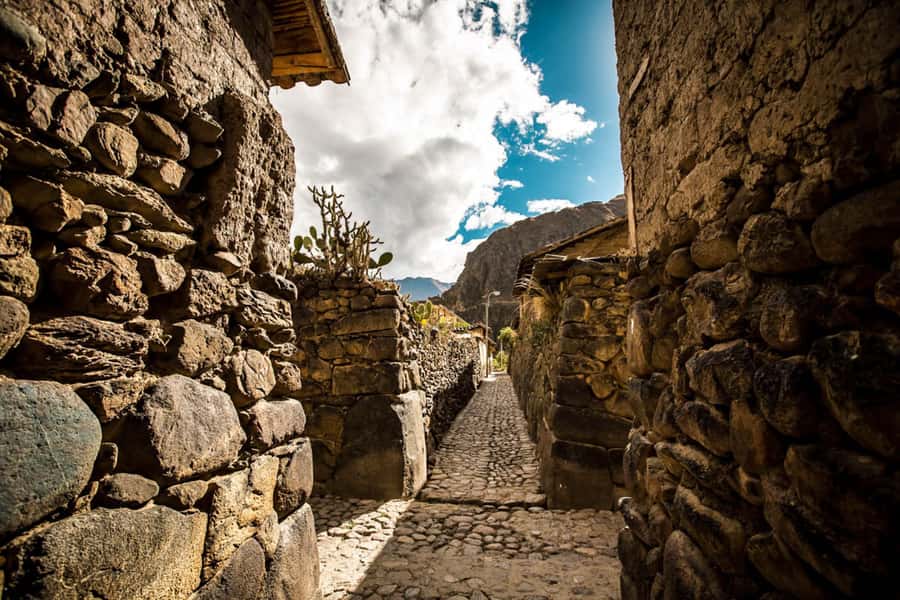
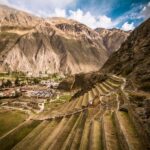
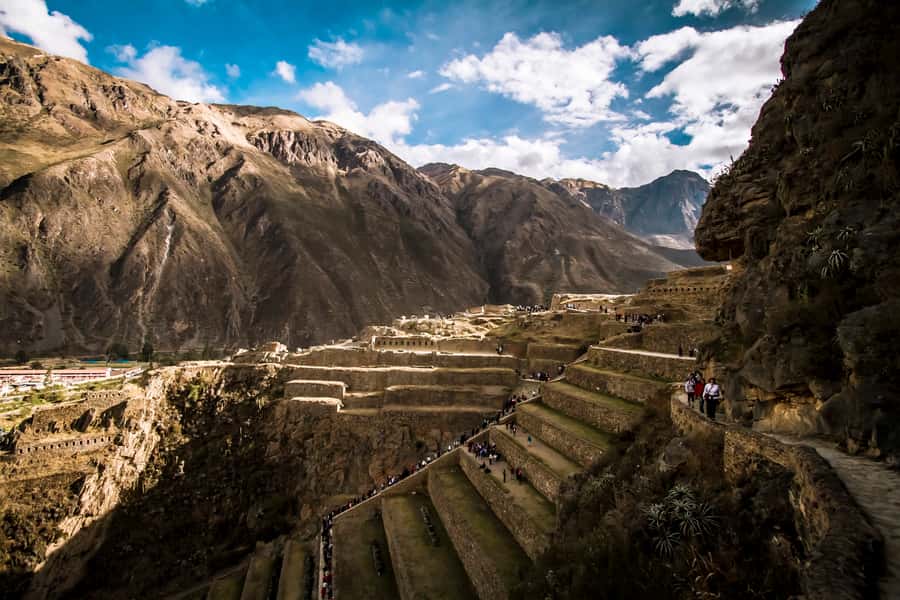
The main activity is the fortress climb. You’ll separate the higher and lower parts with a hike up 150 steps, and that change in elevation is part of the experience. It’s not just exercise—it helps you see how the Incas used slopes and stonework to organize space.
Once you’re there, look for the key zones your guide highlights:
- the stone-lined areas where you can track the fortress’s structure
- sections where streets and ruins weave together rather than sitting in one flat, isolated viewpoint
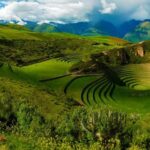
- terrace systems that show how the site served farming needs, not only ceremonial ones
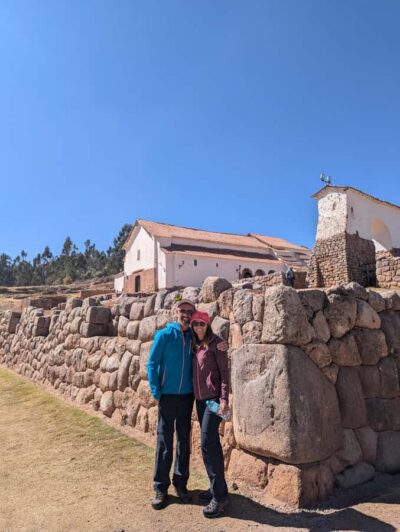
Also, the stone engineering is serious. The imposing buildings here are described as standing more than four meters high in parts, and the platforms and worked stone surfaces are the reason this fortress still feels sturdy and legible.
Temple of the Sun and the Terrace of Ten Niches
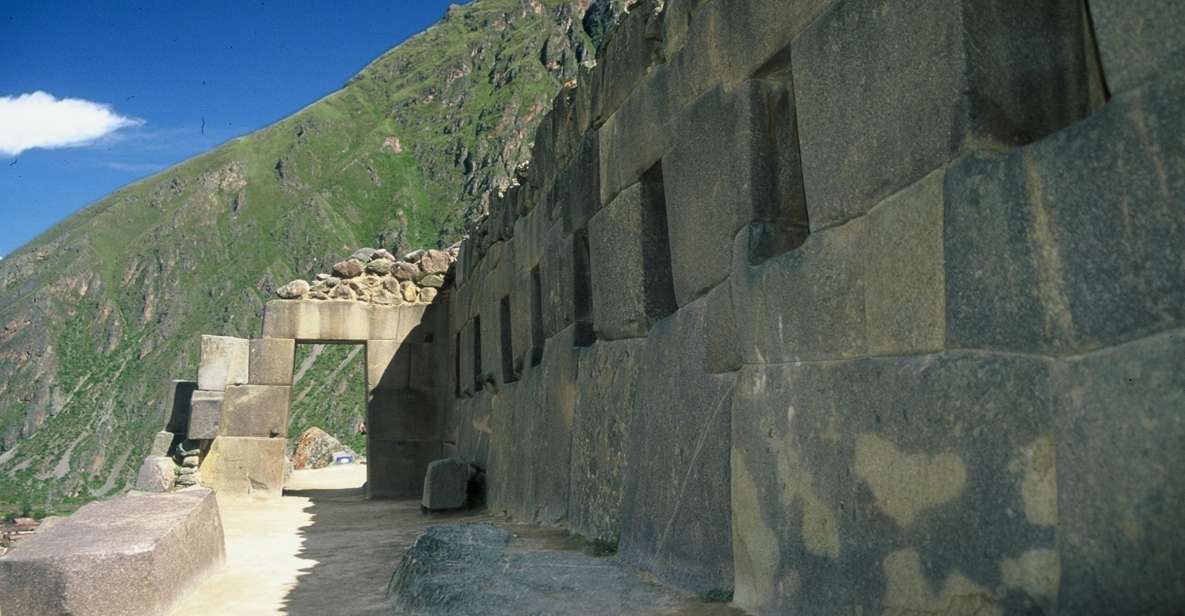
If you want one reason people remember Ollantaytambo, it’s the Temple of the Sun. Your visit focuses on a detail that sounds almost unbelievable until you see it: six huge monoliths of pink granite, each weighing more than 50 tons.
That’s not trivia for trivia’s sake. It tells you the level of planning and manpower behind the site. Even if you’re not an architecture person, you’ll feel it in the scale—this wasn’t a quick construction project.
Next up is the Terrace of the Ten Niches. Niches are small spaces, but on a fortress scale they become visual structure. They also reinforce how this place worked as a coordinated religious and strategic site, where different features weren’t random additions.
Cobblestone streets and agricultural terraces: why you should slow down
It’s tempting to rush through stone streets and take photos every five seconds. Instead, try slowing your pace for two reasons.
First, the fortress includes cobblestone and winding streets with ruins scattered across the area. You’re not looking at one single monument. You’re moving through a complex that once functioned as a designed community space.
Second, the agricultural terraces are not an afterthought. Ollantaytambo’s terraces help you read the site’s purpose. When you see the stonework holding farming space, you understand how the Incas could support people here consistently, even in a dramatic fortress setting.
And yes, your guide will help you connect the dots—fortress-as-farm, fortress-as-temple, fortress-as-defense.


Manco Inca vs. Hernando Pizarro: the military side you can feel
Ollantaytambo wasn’t only ceremonial. It became a strategic stronghold, and you’ll hear the story tied to Manco Inca and the Spanish troops led by Hernando Pizarro. The account here is that Manco Inca faced those troops and was victorious.
Whether you’re very into historical battles or not, this context changes how you interpret the stone layout. A fortress is built to control movement. So when you look at the built-up platforms and the fortress’s strong positions, the military logic makes more sense than if you only treated it like a sightseeing stop.
Ollantaytambo town visit: Inca urban planning still lived in
After the fortress, you get a short visit to the town. This is the part that most people tend to underestimate, and it’s also where the experience turns from ruins to daily life.
Ollantaytambo is described as a typical example of Inca urban planning, and the biggest point is simple: residents still live in accordance with older traditions. The streets open toward the Urubamba River, and that directional layout helps the town feel intentional rather than accidental.
You’ll also notice how the blocks and courts work. Each block is made up of groups of houses that share the same door to a central patio. Streets are described as rectilinear and narrow, and they’ve been used continuously since Inca times.
For me, that’s the quiet magic. You don’t just see how the Incas planned space. You see the plan still affecting how people move, gather, and live.
Price and value: is $126 per person worth it?
At $126 per person for a half-day private tour, the value depends on what you care about.
Here’s what’s included that helps justify the price:
- Hotel pickup and drop-off from Cusco Historic Center
- A professional bilingual guide (English/Spanish)
- Private group format, which usually means a more flexible pace and better Q&A
What’s not included (and you should budget for):
- the Cusco Tourist Ticket (BTC), required to visit the fortress
- personal expenses
So the practical question is this: are you the kind of traveler who values guided interpretation enough to pay for it? If yes, the private setup is a good fit—especially because Ollantaytambo has enough details (terraces, stonework, niche features, living town layout) that you’ll likely get more meaning with a guide than on a self-guided walk.
Also, starting and ending at your hotel without extra coordination is worth something. Cusco logistics can eat time. This keeps your day tight.
What to bring for a comfy 5-hour Sacred Valley day
Keep your comfort simple. You’re dealing with stairs and uneven stone, plus sun.
Bring:
- comfortable shoes (real traction helps)
- sunscreen
- comfortable clothes
And a small mindset tip: don’t treat the climb like a race. Your best photos happen when you stop long enough to look around.
Who should book this private Ollantaytambo half-day
This works especially well if you:
- want to see both the fortress and the town in one hit
- prefer a guide who can explain what you’re looking at, not just drop you at viewpoints
- are short on time in Cusco but still want meaningful Sacred Valley experience
It’s less ideal if you need wheelchair access. The tour is specifically noted as not suitable for wheelchair users, and the 150-step climb is the obvious reason.
Should you book this tour or plan something else?
I’d book it if you want an efficient, guided way to understand why Ollantaytambo mattered—and not just as a postcard stop. The combination of the fortress highlights (including the Temple of the Sun monoliths and Terrace of Ten Niches) plus the lived-in town planning gives you a more complete picture.
I’d think twice if you’re wary of stairs. If knees and hips are a concern, talk to your provider before booking and plan on taking it slowly, because the fortress route is built around that climb.
If you check the ticket box (BTC) and show up with good shoes, this half-day is a strong use of your Cusco time.
FAQ
How long is the Ollantaytambo Fortress private tour?
The tour lasts 5 hours.
What’s included in the price?
Pickup and drop-off from Cusco Historic Center hotels is included, along with a professional bilingual tour guide (English and Spanish).
Do I need the Cusco Tourist Ticket (BTC)?
Yes. The BTC is required to visit the Ollantaytambo fortress.
Is this a private tour?
Yes. It’s listed as a private group tour.
Where are the hotel pickup and drop-off locations?
Pickup and drop-off are included only for hotels located in the Cusco Historic Center. If you stay in private residences like Airbnb, you need to coordinate a meeting point.
What should I bring?
You should bring comfortable shoes, sunscreen, and comfortable clothes.
Is it suitable for wheelchair users or unaccompanied minors?
It’s not suitable for wheelchair users. Also, unaccompanied minors are not allowed.