REVIEW · CUSCO
07 Day Andean Experience Through the Living Culture of the Incas
Book on Viator →Operated by Inkayni Peru Tours · Bookable on Viator
Cusco feels like it’s already talking to you. This 7-day Andean route strings together major Inca sites, Sacred Valley stops like Moray and Maras, and a guided visit to Machu Picchu. Even better, you start with acclimatization in Cusco (3,400 m), so the trip doesn’t immediately throw you into the deep end.
I especially like two things. First, the day-to-day experience is built around a professional English-speaking guide, and the trip has strong examples of guides such as Yeny and Jonathan bringing sites to life. Second, the logistics are largely handled for you: lodging for 6 nights, entrances, transfers, plus your Machu Picchu route by train (Voyager/IncaRail or Expedition) and the round-trip buses.
One watch-out: Machu Picchu is scheduled as a long day (about 12 hours total), and it starts early. If you’re the type who hates early mornings, plan on pushing through.
In This Review
- Key highlights at a glance
- Day 1 in Cusco: Acclimatize, Meet Your Group, Get Oriented
- Day 2: Sacsayhuaman and the Inca Ceremonial Circuit Before Ollantaytambo
- Day 3: The Machu Picchu Day—Train, Morning Bus, and a Guided Walk Through the Citadel
- Day 4: Moray and the Maras Salt Pools—Inca Agriculture Meets Everyday Work
- Day 5: Cusco at Your Pace—Pick Your Style, from Markets to Mountains
- Day 6: Cochawasi Sanctuary, Pisac Ruins, and the Market That Pulls You In
- Day 7: Optional Historical Center Walk and a Transfer That Matches Your Flight
- Price and logistics: Is $1,299 really good value?
- Guides on this route: why it can feel personal (and one caution)
- What to bring: the essentials the Andes actually care about
- Who should book this 7-day Inca journey?
- Should you book? My decision rule
- FAQ
- Is pickup offered for this Cusco experience?
- What’s included for Machu Picchu transport?
- Are Huayna Picchu and Machu Picchu Mountain included?
- How many nights and meals are included?
- What should I bring for the weather and altitude?
- What happens if I cancel?
Key highlights at a glance
- Machu Picchu with a full guided tour focused on temples, terraces, storage areas, and ceremonial zones
- Sacred Valley classics like Moray and the Maras salt pools, with included site entry
- Cusco acclimatization on Day 1 and a relaxed first afternoon plus a group briefing
- Cobbled-street Ollantaytambo visit where Inca traditions still show up in daily life
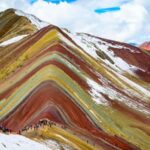
- Cusco at your pace on Day 5 with optional add-ons like Rainbow Mountain, city tour, horseback, and ATV
- English-speaking guide support the whole time, plus pickup offered and mobile tickets
Day 1 in Cusco: Acclimatize, Meet Your Group, Get Oriented
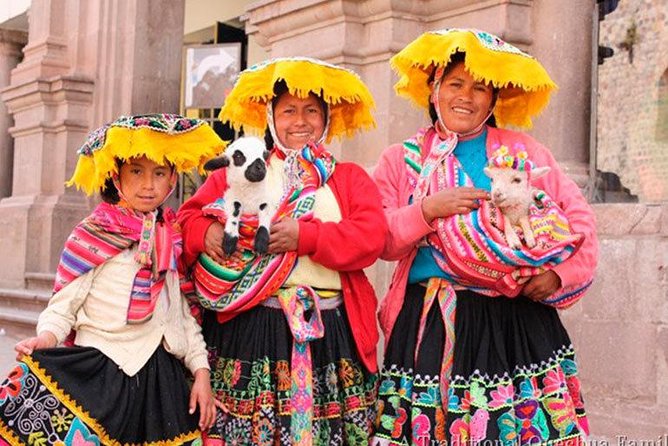
You land in Cusco and are met by the Inkayni Peru Tours team, then escorted to your lodge. This first day is intentionally set aside for rest and acclimatization at 3,400 m (11,000 ft). That matters. Cusco altitude can be sneaky, and a “do everything today” schedule is the quickest way to turn excitement into exhaustion.
In the afternoon, you’ll do a relaxed orientation—then meet your expedition group around 5:00 PM for a briefing. It’s a simple move, but it helps you know what to expect for the days ahead: ruins, travel times, and the rhythm of going high and staying there.
If you arrive with sore legs, headaches, or just a low appetite, this is your day to listen to your body. The tour gives you that breathing room, instead of punishing you with more climbs immediately.
You can also read our reviews of more tours and experiences in Cusco.
Day 2: Sacsayhuaman and the Inca Ceremonial Circuit Before Ollantaytambo
Day 2 starts at Sacsayhuaman (3,700 m / 12,140 ft), the fortress site above Cusco. This is one of the stops where you’ll feel the scale quickly: massive stones, reportedly some over 100 tons, fitted together with such precision that the construction methods still puzzle people. And yes, the Spanish repurposed portions of it—so you’re seeing layered history, not a frozen-in-time monument.
From there, you visit a cluster of nearby ceremonial sites:
- Qenko, tied to sacred altars
- Tambomachay, known for ceremonial baths
- Puca Pucara, associated with guard posts
Each stop has its own job in the story, so the day doesn’t feel like random ruins hopping. It feels like walking through different parts of an Inca sacred landscape and understanding how the pieces fit.
Then you head to Ollantaytambo (2,792 m / 9,160 ft). Here, you’ll walk cobbled streets and explore the archaeological site. One thing I like about including Ollantaytambo is that it’s more than a photo stop. The town is still a place where Inca traditions show up in daily life, so the “history” isn’t only behind fences.
Practical note: Day 2 is paced for movement—expect walking, sun, and altitude changes. Take breaks when you need them, especially around the higher points.
Day 3: The Machu Picchu Day—Train, Morning Bus, and a Guided Walk Through the Citadel
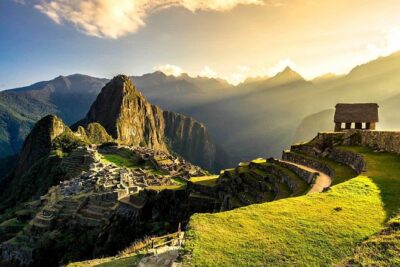
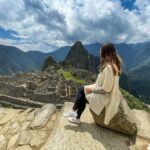
Machu Picchu day begins early with breakfast, then you board a morning bus to the citadel. Once you’re inside, your guide leads an in-depth tour covering the site’s most notable features: temples, ceremonial areas, terraces, and storage structures.
Here’s the value of a guided visit: Machu Picchu can look like one huge “wow” moment at first. The guide helps you notice the logic—how space was organized, what different zones likely served, and why certain structures matter beyond their views.
You also have an option if you reserved extra tickets in advance: explore either Huayna Picchu or Machu Picchu Mountain for a different perspective. (Huayna Picchu is not included in the base package, so you’ll want to plan if that’s on your must-do list.)
After the guided tour, the group returns to Aguas Calientes for rest and lunch (lunch is not included). The day is long—about 12 hours—but the schedule gives you one big payoff: you’re spending your best energy on the citadel itself, not battling logistics.
Weather happens in the Andes. Bring your waterproof gear seriously. A rain poncho can be the difference between enjoying the day and spending it cold and annoyed.
Day 4: Moray and the Maras Salt Pools—Inca Agriculture Meets Everyday Work
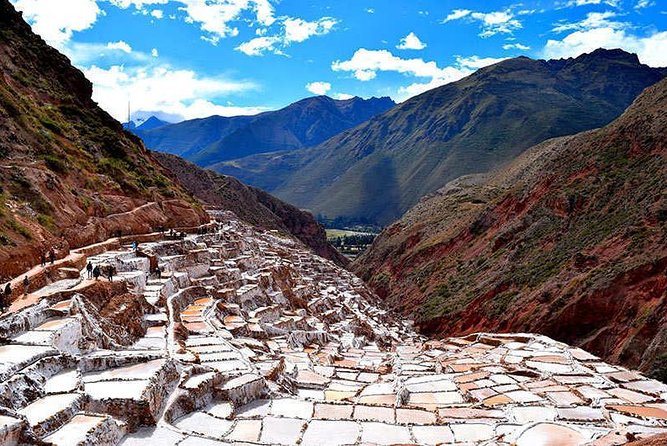
Day 4 goes straight into two of the Sacred Valley’s most distinct stops.
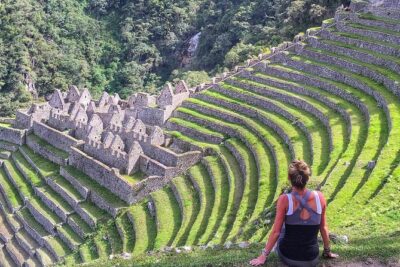
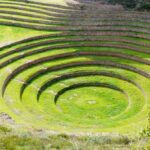
First is Moray (11,482 ft), with its concentric terraces. This site is described as an Inca agricultural laboratory. The terracing created different microclimates, which helped cultivate crops across varying conditions. Even if you’re not an agriculture nerd (no judgment), it’s an eye-opener to see how the Incas used design to manage nature, not fight it.
Next come the Maras Salt Mines (11,090 ft). You’ll see a network of over 3,000 salt pools carved into the mountainside. A key detail: these salt pools are still harvested, and local families continue the work. So you’re not just looking at an archaeological curiosity—you’re watching a traditional production method still in motion.
Maras is also a photography stop that rewards patience. The pools reflect light differently as clouds shift and the sun changes.
One consideration: both Moray and Maras sit high, so bring the same altitude respect you used on Day 1. Hydrate, move slowly, and don’t treat this like a casual stroll.
Day 5: Cusco at Your Pace—Pick Your Style, from Markets to Mountains
Day 5 is your choice day. The tour gives you time to explore Cusco on your own: cobbled streets, Inca foundations blending with colonial facades, and the energy of the city’s plazas.
This is also the day when Inkayni Peru Tours offers a menu of activities, depending on your mood:
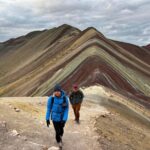
- Rainbow Mountain Trek to Vinicunca
- A Cusco city tour
- A horseback option near Sacsayhuaman
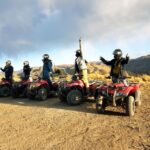
- An ATV experience for Apukunaq Tianan (described as a hidden gem near Cusco)
Two ways to use this day well:
1) If you love ruins, you can focus on sightseeing without feeling dragged through your own downtime.
2) If you need recovery time after Machu Picchu, you can go slower and keep it simple.
Because Cusco altitude doesn’t disappear, I’d treat this day as “choose fewer, enjoy more.” You’re on vacation, not in a speed contest.
Day 6: Cochawasi Sanctuary, Pisac Ruins, and the Market That Pulls You In
Day 6 balances wildlife, archaeology, and local shopping—three different flavors in one day.
First is the Cochawasi Animal Sanctuary, where you encounter Andean wildlife such as pumas, Andean condors, alpacas, and llamas. It’s the kind of stop that can change how you see the Andes—less about ruins-only, more about the living world around them.
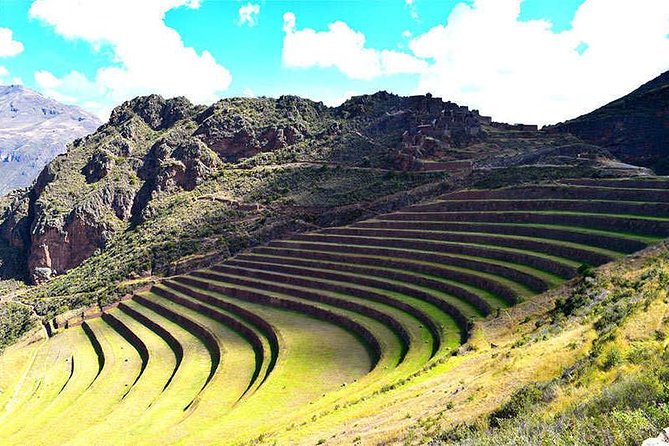
Then you visit Pisac Ruins, including terraces and temples designed to resemble a condor. This is one of those sites where shapes feel intentional, and the site plan makes more sense as you walk it.
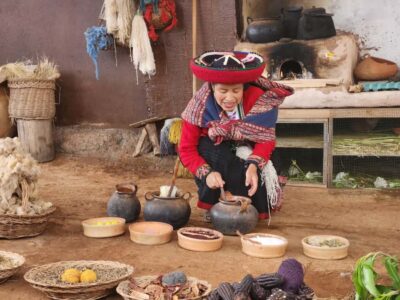
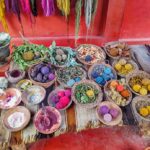
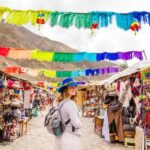
After the ruins, you head down to the Pisac Market, known for colorful stalls selling textiles, jewelry, ceramics, and more. The best use here is time. Pisac is a place where you can linger with artisans and actually look at craft details rather than rushing to the exit with one souvenir.
Wear comfortable shoes. Markets plus uneven ground can turn “shopping time” into “walking workout” fast.
Day 7: Optional Historical Center Walk and a Transfer That Matches Your Flight
On the last day, you get a quick tour of Cusco’s historical center. It’s described as optional, and there’s a free walking tour option available.
Then your airport transfer is scheduled based on your flight time. That last detail matters in Cusco, where travel delays happen and altitude fatigue can make decision-making harder.
As you wrap up, keep your essentials close: you’ll want your original passport, and you should have any needed documentation ready for departure.
Price and logistics: Is $1,299 really good value?
At $1,299 per person, the real question isn’t whether Machu Picchu costs that much. It’s whether the rest of the work is handled for you.
Here’s what’s included:
- 6 nights in 3-star hotels (double occupation)
- All entrance fees
- All transfers
- Train to Machu Picchu (Voyager/IncaRail or Expedition train)
- Round-trip buses to Machu Picchu
- Professional English-speaking tour guide during the whole trip
- Breakfast (6)
What’s not included:
- International and local flights
- Huayna Picchu entrance fee (extra)
- Travel insurance
So where do you get value?
- You’re paying for coordination of transport and tickets across multiple days, not just for “a guide at Machu Picchu.”
- The entrance fees being included helps you avoid budgeting surprises during the trip.
- The guided tour structure means you’re spending time understanding sites instead of figuring them out.
What you still need to budget for:
- Lunch during Machu Picchu day is not included.
- Optional add-ons on your free day may cost extra depending on what you choose.
- Huayna Picchu or Machu Picchu Mountain requires additional ticketing if you want it.
If you’d rather spend your energy on the Andes than on planning schedules, routes, and ticket timing, this price starts to look pretty fair.
Guides on this route: why it can feel personal (and one caution)
The strongest pattern in the guide experience is clear: many named guides are praised for being attentive, friendly, and good at keeping things moving. Names that show up include Yeny, Jonathan, Percy, Ronald Ccana Soralero, Saul, Julio, Grigio, and Herlin. There’s also mention of guides helping with practical things like getting reservations and taking photos.
That said, one review includes a serious concern about inappropriate behavior at times. I don’t want to scare you, but I do want you to have a sensible plan: if you’re traveling solo (especially as a woman) and your comfort matters more than politeness, trust your instincts. If something feels off, say so quickly to your team so they can adjust.
Most likely, you’ll have a great match. But it’s worth stating: your comfort is part of the product you’re paying for.
What to bring: the essentials the Andes actually care about
The tour guidance is straightforward, and I agree with it:
- Waterproof jacket / rain poncho
- Sun cream factor 35 or higher
- Personal medication
- Camera and film (if you still shoot that way)
- Original passport
If you’re eligible for a student discount, bring your current university card.
The Machu Picchu area can be rainy, and Cusco sun can be intense even when the sky looks changeable. Rain gear plus good sunscreen is the simplest “buy once, thank yourself later” combo for this route.
Who should book this 7-day Inca journey?
This is a good fit if:
- you want Cusco + Sacred Valley + Machu Picchu without building the logistics yourself
- you prefer a guided explanation at major sites
- you like structured days, with one “choose your own adventure” day in Cusco
You might not love it if:
- you strongly dislike early starts or long travel days
- you prefer totally free-form travel with no fixed schedule
- you want to skip high-altitude walking and keep things very light (the route includes multiple sites at elevation)
Should you book? My decision rule
Book it if your priority is hitting the big Inca highlights with minimal planning and solid guide support, especially for Machu Picchu. The included train/bus access, entrances, and 6 breakfasts reduce the most annoying parts of trip math.
Consider skipping or customizing if you only want one or two sites. For a first Peru trip, though, this package is strong because it connects major locations with a coherent arc: Cusco → fortress and ceremonial sites → Ollantaytambo → Machu Picchu → Sacred Valley agriculture and salt → Pisac → your own Cusco time.
Just don’t ignore the long Machu Picchu day. If you can handle a full day early start, you’ll be rewarded with one of the world’s most dramatic archaeological experiences—and you’ll come away understanding it, not just photographing it.
FAQ
Is pickup offered for this Cusco experience?
Yes. The tour includes pickup, and you’ll also receive mobile ticket access.
What’s included for Machu Picchu transport?
Your Machu Picchu route includes a train option (Voyager/Incarail or Expedition train) plus round-trip buses to Machu Picchu.
Are Huayna Picchu and Machu Picchu Mountain included?
No. The Huayna Picchu entrance fee is not included. You can add Huayna Picchu or Machu Picchu Mountain if you secure the extra ticket in advance.
How many nights and meals are included?
You get 6 nights in 3-star hotels and breakfast is included for 6 days.
What should I bring for the weather and altitude?
Bring a waterproof jacket/rain poncho and sun cream (factor 35+), plus personal medication. You’ll also need your original passport.
What happens if I cancel?
This experience is non-refundable and cannot be changed for any reason.