REVIEW · CUSCO
4 Day Inca Trail To Machu Picchu – Private Service
Book on Viator →Operated by Valencia Travel Agency S.a.c. · Bookable on Viator
A famous trek deserves more than a crowded hike. This private 4-day Inca Trail service is built for pace you control and real support on the trail, with a bilingual guide, porters, cooked meals, and camping gear handled for you. I like that you’re not split into a big group maze, and you get undivided attention while you follow sacred Inca routes toward Machu Picchu.
The main heads-up: it starts early, hits high passes, and nights can be cold. Day 2 pushes up to Abra de Warrmihuañusca (Dead Woman’s Pass) at 4,200 m, and you should be ready for hours of climbing plus stair-heavy sections.
In This Review
- Key Highlights You’ll Feel on the Trek
- Private Inca Trail: What Makes This One Feel Different
- Price and Value: What $1,395 Really Covers
- Day 1: From Cusco Early Check-in to Wayllabamba Camp
- Day 2: Dead Woman’s Pass, Pacaymayu, and Runkurakay
- Day 3: Phuyupatamarca, 3,000 Steps, and Wiñay Wayna
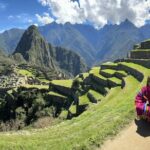
- Day 4: Sun Gate Before Sunrise and Your Machu Picchu Arrival
- Gear, Porters, and Meals: The Support System You Actually Pay For
- Altitude, Timing, and Fitness: Your Real Checklist
- Huayna Picchu Reality Check: Tickets and Schedule Conflicts
- Who This Private Inca Trail Works Best For
- Should You Book This Private Inca Trail Tour?
- FAQ
- How long is the Inca Trail trek?
- Where does the tour start?
- Is this a private service?
- What’s included for the trek itself?
- What meals are not included?
- Is the Machu Picchu entrance ticket included?
- Do I need to book Huayna Picchu tickets in advance?
- What fitness level do I need?
- Are walking sticks included?
- What if I need to cancel?
Key Highlights You’ll Feel on the Trek
- Private guide attention so questions and pacing don’t get lost in a crowd
- All the camping setup handled with tents, foam mattresses, tables/chairs in camp, and porters
- Meals cooked onsite (breakfast, lunch, dinner are included on most days)
- Machu Picchu timing via Sun Gate with an early start for the first big views
- Altitude and safety extras like an oxygen bottle and a first aid kit
- Huayna Picchu planning matters since entry times can affect your Machu Picchu schedule
Private Inca Trail: What Makes This One Feel Different
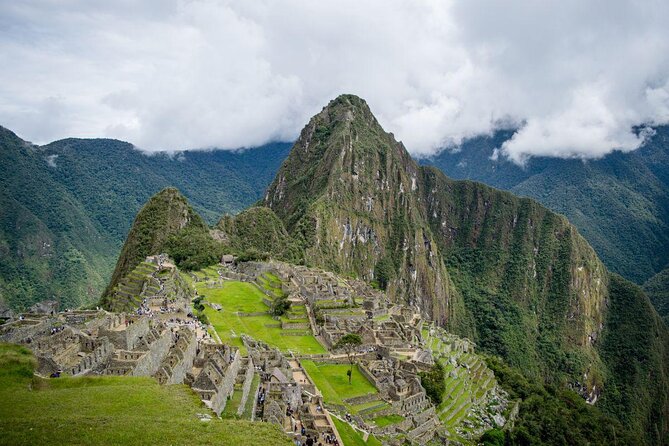
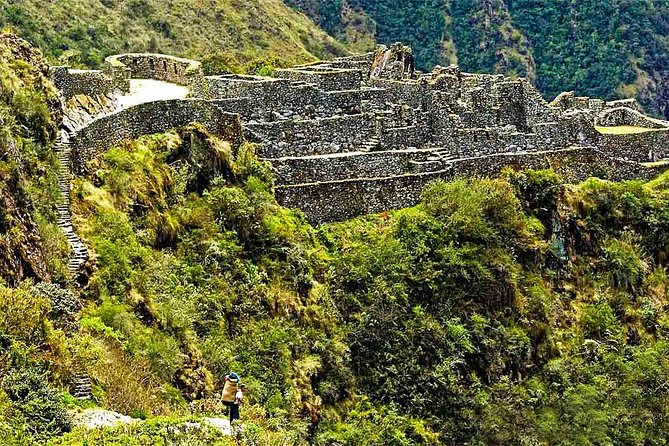
If you’re doing the Inca Trail, the goal isn’t just reaching Machu Picchu. It’s the journey along the Inca route: cloud forest, stone ruins, and mountain passes with a pulse-quickening sense of purpose.
This is a private service, meaning it’s only your group. That matters because the Inca Trail can be fast-moving when everyone is mixed together. Here, your guide can slow down for acclimatization moments, linger at viewpoints, and explain what you’re seeing—without trying to keep 20 people together.
I also like how this trek is designed around comfort where it counts. You’re trekking high and long. But you’re not carrying camp life on your back. Porters manage the cooking and camping equipment, and you get a personal porter for up to 7 kg of your personal items, so you can travel lighter and focus on your legs.
One more practical perk: the operator uses a mobile ticket and includes key transport pieces, so you’re not piecing together logistics during your tight itinerary.
You can also read our reviews of more private tours in Cusco
Price and Value: What $1,395 Really Covers
At $1,395 per person, this isn’t a cheap trek. But it’s also not just a guide and a pair of boots.
The value shows up in three big buckets:
1) You don’t have to source trekking infrastructure.
You’re getting a dining tent setup with tables and chairs, a cook, tents (4-man tents for every two people), and foam sleeping mattresses. That’s a lot of camp logistics you’d otherwise need to manage yourself.
2) You’re paying for transport to and from the trek.
This includes a bus to km 82, a train ride back to Ollantaytambo, collection from the Ollantaytambo station on day 4, and the bus descent from Machu Picchu to Aguas Calientes.
3) Most meals are included, cooked onsite.
The package covers breakfasts, lunches, and dinners for the trail days that are included in the plan. The listing also clearly states which meals you’re responsible for (more on that below).
Yes, there are extras not included—like walking sticks and gratuities—but overall, the trek is packaged so your budget goes toward the parts that are hardest to coordinate.
Day 1: From Cusco Early Check-in to Wayllabamba Camp
Day 1 starts with a very early meeting time (4:00 am) and a pickup at your hotel around 04h30. You travel until you reach Piscacucho for check-in. This is where you’ll show your passport and tickets at the control point.
This first day is also your best moment to get your routine right. Use restrooms before you get going, apply sunscreen, and use insect repellent if that’s part of your usual kit. The trail begins at about 2,720 m (8,923 ft), and you cross the Vilcanota River on the right side.
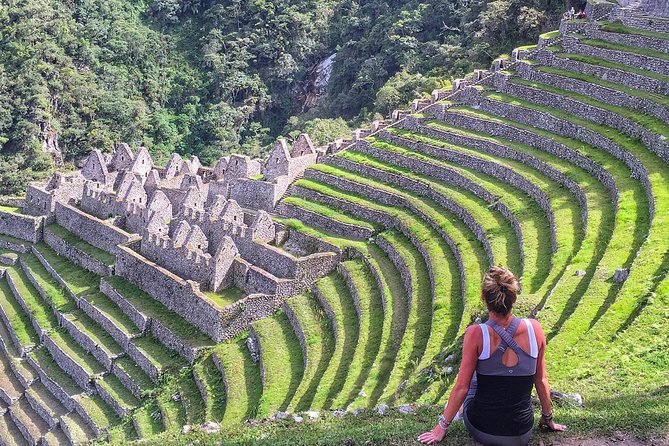
As you move forward, the walk turns into cloud forest with sharper inclines. You’ll likely catch views of Inca stonework like Huillca Raccay and the site of Patallacta. You’ll also see the Urubamba mountain range dividing the jungle and Andes, and in clear conditions, the snow-capped peak W’akay Willca (noted as Veronica).
By late day, you reach camp near Wayllabamba at 3,000 m (9,842 ft). Night temperatures are around 5°C, depending on the month. Day 1 is about starting strong while your body adjusts. You’re not yet in the brutal pass work, but you are in the real Inca Trail rhythm.
Day 2: Dead Woman’s Pass, Pacaymayu, and Runkurakay
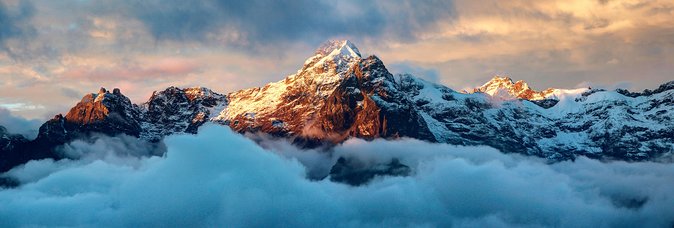
Day 2 is where the Inca Trail stops being a stroll and starts being a trek. You’ll start around 5:30 am after a breakfast cooked by the team.
The climb is steep and long. The route follows what the Incas used as pilgrimage travel tied to the Apus, the mountain spirits protecting the Andes. You’ll reach the highest pass of this itinerary: Abra de Warrmihuañusca, also called Dead Woman’s Pass, at 4,200 m (13,779 ft).
After you rest, you begin the descent to Pacaymayu for lunch at around 3,550 m (11,646 ft). This is one of the days where nature shows up hard: hummingbirds and other bird species, plus plants like Polylepis, which are linked to the cloud forest elevation band where you’re walking.
Then comes another climb. After lunch, you trek about two hours up to Runkurakay pass, near 4,000 m. You set up camp by around 5 pm, and night lows are around 4°C.
If you’re wondering how hard this day is: it’s hard in a predictable way. You’ll know you’re climbing for a reason, and you’ll get rewarded with big views and high-altitude landmarks.
Day 3: Phuyupatamarca, 3,000 Steps, and Wiñay Wayna
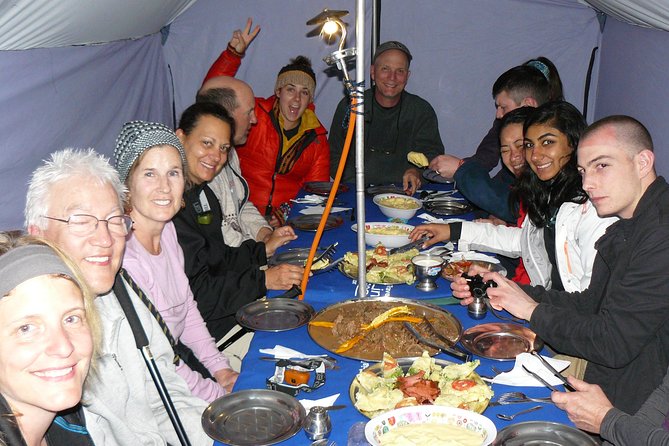
Day 3 keeps the altitude in the game, but it’s structured around ruins and long breathing moments.
After breakfast, you follow a gentle climb to Phuyupatamarca, meaning Town in the Clouds, at about 3,680 m. The views here are the kind that make you pause even when your legs want to keep moving.
You then continue toward Intipata, walking through cloud forest and including a major stair segment noted as about 3,000 steps. This is one of the reasons guides matter. Your guide’s job isn’t just history. It’s timing rests so you don’t burn out early.
Distance on day 3 is about 10 km, roughly 5 hours of hiking time. You arrive at Wiñay Wayna campsite around 2,680 m (8,792 ft), and the plan has you reaching camp by lunchtime.
Near camp is the Inca site of Wiñay Wayna, often described as connected to the idea of forever young. The nice part is that you’re not rushing through it. You’re close to the end of the trek, and you can take time with the details without feeling like you’re racing your own fatigue.
You can also read our reviews of more tours and experiences in Cusco

Day 4: Sun Gate Before Sunrise and Your Machu Picchu Arrival
Day 4 is shorter distance—about 5 km and around two hours on foot—but it’s built around early timing.
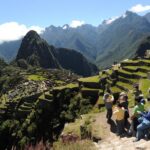
You wake early for breakfast, then head out to Intipunku, the Sun Gate, at about 2,730 m (8,792 ft) before sunrise. The goal is a first major view of Machu Picchu from roughly 2,400 m (7,873 ft).
This is also where your energy management matters most. You’re not covering huge distance, but you are waking your body up quickly after days of hiking. A private service helps because you can keep your rhythm while your guide handles the timing and handoffs.
After Machu Picchu visit time, your logistics continue: you take the bus down to Aguas Calientes, and the overall plan brings you back toward Ollantaytambo with train service included. Pickup from Ollantaytambo station is included on day 4.
Gear, Porters, and Meals: The Support System You Actually Pay For
The Inca Trail is famous for good reason. It’s also famous because it can be tough. The difference between a miserable trek and a memorable one often comes down to camp support.
Here’s what the package includes that you’ll notice quickly:
- Tents and sleeping setup: 4-man tents arranged so you share with two people, plus foam sleeping mattresses.
- Camp setup help: porters carry cooking and camping equipment, and the team provides a dining tent with tables and chairs.
- Chef-cooked meals: breakfast, lunch, and dinner are included on the trail days listed in the plan, and the setup is built for proper meals rather than snack-only hiking days.
- Safety extras: a first aid kit and an oxygen bottle are included.
A personal porter carries up to 7 kg of your items. That’s not a random perk. It changes what you can comfortably wear and pack, and it affects how steady you feel on steep stairs.
In the spirit of real-world planning: you still need to keep your daypack reasonable. But you shouldn’t be walking uphill with a load meant for camping logistics.
Altitude, Timing, and Fitness: Your Real Checklist
This trek is not for couch-to-mountain leaps. The plan calls for moderate physical fitness, and the altitude climbs steadily.
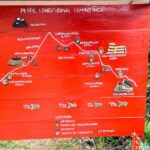
Here are altitude anchors from the itinerary:
- Day 1 trail start: 2,720 m
- Day 2 highest pass: 4,200 m
- Day 3 high point: 3,680 m
- Day 4 Sun Gate: 2,730 m
Temperatures at camp are roughly:
- Wayllabamba camp: around 5°C at night
- Second camp: around 4°C at night
That means you should expect cold mornings and chilly evenings. Dress in layers that handle cold air without slowing you down. If you’re bringing warm clothes, this is when you’ll use them most.
Also, because the Inca Trail has limited access, there’s an emphasis on check-in at Piscacucho and showing documents. Build your calm here. If you feel rushed at the start, your day gets harder before it even begins.
Huayna Picchu Reality Check: Tickets and Schedule Conflicts
Huayna Picchu is optional, but it can be a schedule puzzle.
The package states that entrance to Huayna Picchu is not included, and tickets need to be booked well in advance. There are two entry sessions: 7am–8am and 10am–11am.
One specific warning matters: if you get the 7am Huayna Picchu session, you may have to miss the Machu Picchu guided tour. If guided time inside Machu Picchu is a priority, you’ll want to align Huayna Picchu timing to protect that.
My practical advice: decide what you want more—extra viewpoints at Huayna Picchu or a guided, structured Machu Picchu visit.
Who This Private Inca Trail Works Best For
This is a great fit if you want:
- a private feel with a guide who can adapt pacing for your group
- full camp support with tents, foam mattresses, and porters
- cooked meals rather than hiking through underfed fatigue
It also works well for people who are excited about the history part of the trail. The route includes major Inca sites and high pass landmarks like Dead Woman’s Pass, plus stops at places such as Phuyupatamarca and Intipata.
You should think twice if:
- you’re not comfortable with steep climbs and lots of steps
- cold nights make you miserable (camp temps are in the 4–5°C range)
- you hate early starts (the day runs with very early wake-ups)
Should You Book This Private Inca Trail Tour?
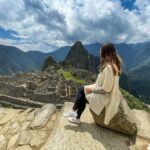
If your dream is Machu Picchu through the classic Inca route, this private service is one of the smarter ways to do it. You pay for the parts that usually eat time and energy: camping logistics, meals, and transport. That lets you focus on the trail itself, not on problem-solving.
Book it if you:
- want guide attention instead of crowd management
- appreciate real meals, camp setup, and lighter personal loads (7 kg with a personal porter)
- can handle high passes and cold nights with a moderate fitness base
Skip it if you:
- want a fully flexible itinerary where schedules can easily change (this plan doesn’t offer that)
- are hoping for optional add-ons like Huayna Picchu without planning the entry window
If you’re ready for an intense, well-supported hike with a clear route and strong logistics, this is a solid choice.
FAQ
How long is the Inca Trail trek?
The itinerary is scheduled for about 4 days.
Where does the tour start?
You meet in Cusco at about 4:30 am at the hotel meeting point, then travel to Piscacucho for check-in.
Is this a private service?
Yes. It is described as private, with only your group participating.
What’s included for the trek itself?
You get a professional bilingual tour guide, tents with foam sleeping mattresses, porters (for cooking and camping equipment), a personal porter for 7 kg of your items, an oxygen bottle, a first aid kit, water (boiled for drinking later), and a dining setup with meals cooked onsite.
What meals are not included?
The listing states that on the trail, the first breakfast and the last day’s lunch and dinner are not included.
Is the Machu Picchu entrance ticket included?
The plan includes admission for Machu Picchu (listed as free in the itinerary section). Huayna Picchu entrance is not included.
Do I need to book Huayna Picchu tickets in advance?
Yes. Huayna Picchu tickets need to be booked well in advance, with entry sessions 7am–8am or 10am–11am.
What fitness level do I need?
The tour says it requires moderate physical fitness.
Are walking sticks included?
No. Walking sticks are not included.
What if I need to cancel?
This experience is non-refundable and cannot be changed for any reason.