REVIEW · CUSCO
Inca Trail 4 Day Adventure to Machu Picchu with Panoramic Train
Book on Viator →Operated by Inca Trail to Machupicchu · Bookable on Viator
Your day starts at 5:00 a.m. That early push matters here, because it gives you time to start from Piskakucho and build momentum toward Machu Picchu. I also like how this is a 100% local operator tied to community projects, and how the whole trekking setup runs on a strong team: bilingual guides (Paolo and Raul show up in recent groups) plus a cook and porters who keep you fed and moving.
The trade-off: this is serious high-altitude hiking. Day two climbs to the Warmiwañusca / Dead Woman Pass at about 4,200 meters, and if you’re sensitive to altitude or you prefer slow, flat walks, you’ll want to plan carefully. Also, the tents are practical, shared spaces (one review flagged tent dimensions around 2.2 x 2.2 meters), so tall folks should sanity-check comfort.
In This Review
- Key highlights I’d plan around
- Entering the Trail: 5:00 a.m. pickup and the Cusco warm-up
- Piskakucho to Patallacta: day one walking with major Inca energy
- Coca tea, Warmiwañusca, and why day two is the real test
- Inca Flat to Phuyupatamarca: the cloud-forest day with big views
- Machu Picchu Day: Inti Punku first, then a guided 2-hour tour
- What you’re paying for: porters, cook, tents, and real meal support
- Guides like Paolo and Raul: why the human layer matters
- Train and timing: Aguas Calientes to Ollantaytambo, plus a Vistadome option
- Price and logistics value: is $950 fair?
- Who this 4-day Classic Inca Trail trek suits best
- Should you book it? A quick decision checklist
- FAQ
- Where does the pickup happen, and what time does the trek start?
- How physically demanding is the Inca Trail on this 4-day route?
- Are the Inca Trail permits and Machu Picchu entrance included?
- What meals and water are included during the trek?
- Do I need to bring a sleeping bag or walking sticks?
- Is Huayna Picchu included?
- What if I need to cancel or make changes after booking?
Key highlights I’d plan around
- Local-rooted operator with community education support, not just a business selling permits
- Hard day-two elevation with the big pass at ~4,200 m, plus a built-in morning rhythm
- Camp logistics that work: porter support, tents, mattresses, and a professional cook
- Machu Picchu with a guided 2-hour intro from Inti Punku (Puerta del Sol)
- Optional Huayna Picchu if you want extra time and an extra ticket cost
- A small group cap (max 16), which usually means less waiting and more attention
Entering the Trail: 5:00 a.m. pickup and the Cusco warm-up
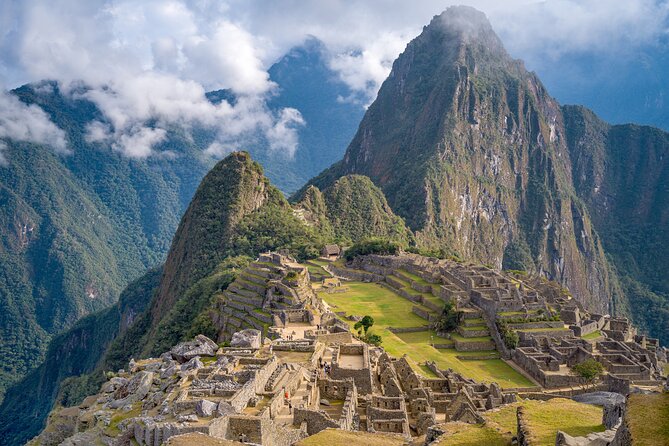
The day begins before daylight. You’ll get picked up at 5:00 a.m. from your accommodation in Cusco, Urubamba, or Ollantaytambo. This sounds brutal until you realize what it buys you: cooler temperatures for hiking, fewer crowds at key moments, and time to ease into the day instead of rushing.
Before you reach the trailhead, there’s a stop in Ollantaytambo. It’s a smart setup for real-world travelers: you can grab last-minute equipment and personal items, and you can even order breakfast at a local restaurant before continuing on. If you’ve forgotten something basic (sunscreen, a snack, blister help), this is your last chance before the trail gets serious.
Then you head to Piskacucho (Km 82) where the hike starts. The first day is also where you learn the rhythm of the Inca Trail: steady walking, frequent terrain changes, and archaeological stops that feel like more than “scenery photos.” You’re not just moving through mountains. You’re moving through places the Incas built to mean something.
You can also read our reviews of more tours and experiences in Cusco

Piskakucho to Patallacta: day one walking with major Inca energy
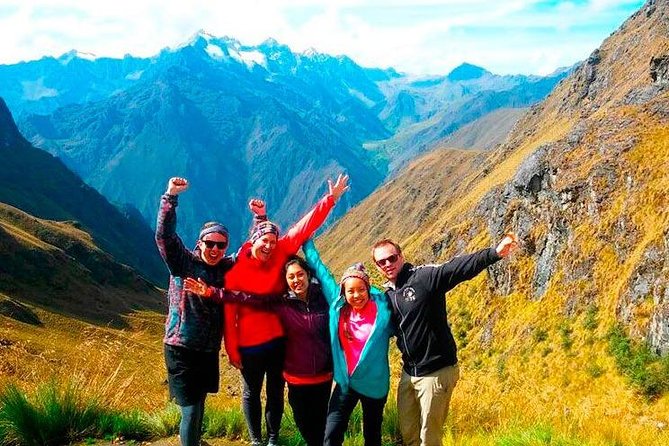
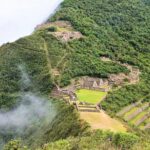
On day one, you walk about 6 to 7 hours. The first stretch takes you toward Patallacta, described as the largest archaeological site on the Inca Trail. That matters because it sets the tone. Even if you’re not a history nerd, these sites help you understand what you’re walking through: Inca engineering, sacred geography, and how the trail connected communities.
You’ll likely notice the pattern of your day:
- a longer initial climb or switchbacks,
- a guided explanation at the ruins,
- then lunch and a continuation to reach the first campsite.
After lunch, you continue for roughly 2.5 to 3 hours until you reach camp. The goal on day one isn’t to crush you; it’s to get you into altitude and rhythm without exhausting you too early. If you’re pacing smartly, day one makes day two feel possible instead of terrifying.
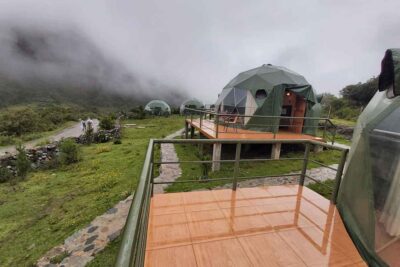
Nighttime on the trail is where the logistics start paying off. This trip includes four-season tents (two trekkers per tent), mattresses, and kitchen setup. Porters carry camping equipment and kitchen stuff, so you’re not hauling gear like a backpacking survival movie. You still carry personal items, but the heavy work stays with the team.
Coca tea, Warmiwañusca, and why day two is the real test
Day two is the longest for most hikers, at about 8 hours. You’ll wake up early and start with coca tea as a greeting to the mountains (apus). It’s a small ritual, but it’s also a cue: the Andes aren’t just scenery here. They’re part of the experience.
You’ll begin with breakfast, then hike while the mountains cast shadow across the route. That detail matters more than it sounds. Walking in cooler shade is easier on your breathing and your legs, especially as the altitude pushes higher.
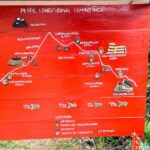
This is the day you reach the highest point of the Classic Inca Trail: Warmiwañusca / Dead Woman Pass, around 4,200 meters. After a short rest at the pass, you continue toward the Pacaymayu Valley. This section is often where people either feel proud… or feel like their lungs are writing angry letters. If you know you get short of breath at altitude, plan to take it slow, keep your steps steady, and don’t race your group.
The good news: the day’s difficulty is paired with structure. You’re not guessing. You’re walking with a guide who understands where you are ecologically and geographically, including the way the trail shifts through zones and microclimates. That’s useful context. The mountain isn’t changing randomly; the trail is moving you through different environments as you gain and lose elevation.
Inca Flat to Phuyupatamarca: the cloud-forest day with big views
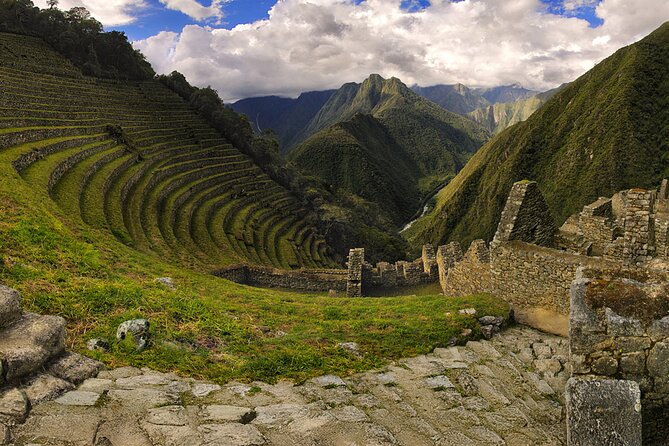
Day three is often called the prettiest day, and the route is built for that. You’ll hike about 6 hours, starting with a nutritious breakfast and moving along a section often referred to as Inca Flat.
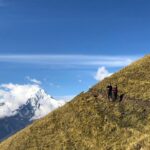
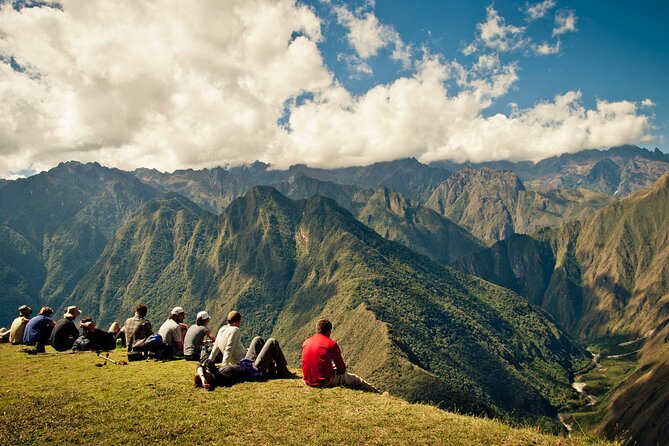
Inca Flat is a great way to recover a little without stopping. From there, you get views toward the Salkantay snowy mountain and the Vilcabamba range. Even if you’re tired, this is the day when the landscape starts feeling like a whole system: glaciers, valleys, and cloud bands that roll in and out.
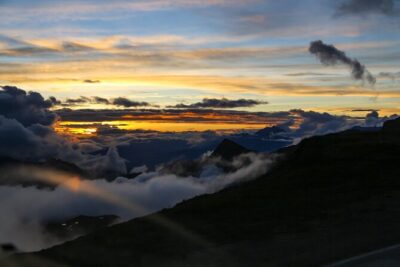
Then comes the next big moment: Phuyupatamarca (Town in the Clouds) at about 3,650 meters. It’s named for cloud cover and for how the ruins sit in relation to mist and weather. You’ll also transition into the cloud forest, and that’s where day three starts to smell and sound different. Expect small streams, small waterfalls, and plants typical of a tropical climate—plus birds like parrots and parakeets.
After lunch, you head toward the ruins of Wiñaywayna. This part is where the trail feels most like a string of connected sacred stops instead of a single trek. You’re moving from one meaningful place to the next, and your guide helps tie it together with explanations about Inca culture and the sites you’re seeing.
Machu Picchu Day: Inti Punku first, then a guided 2-hour tour
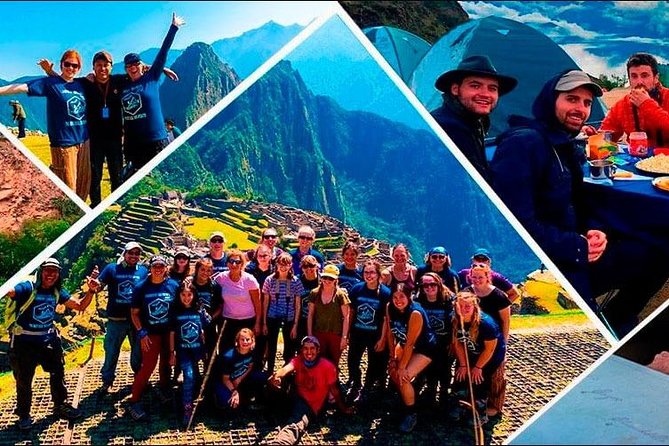
Day four is all about arrival and flow. After an early breakfast, you say goodbye to your porters and cook, then begin the final approach to Machu Picchu.
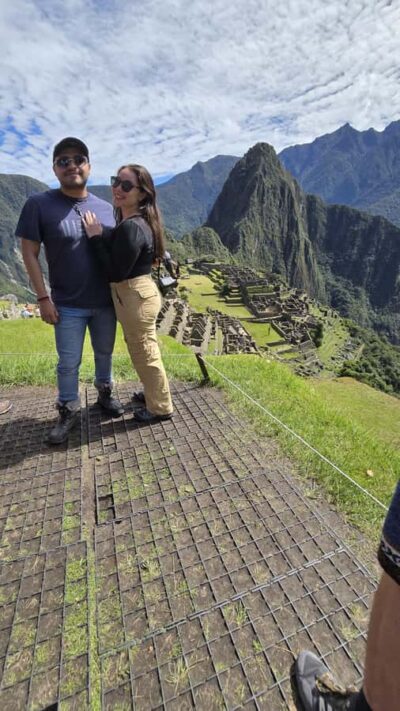
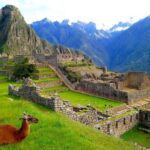
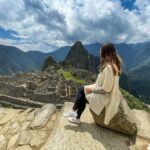
Your first major stop is Inti Punku (Puerta del Sol). This is the moment for the big panoramic view—an early reward after three days of walking. It’s also a good reality check: yes, this is why you’ve been climbing.
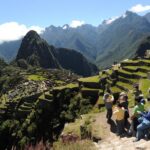
After registering, you get a 2-hour guided tour inside Machu Picchu. The guide covers major landmarks such as the Temple of the Sun, Temple of the Water, and the Temple of the Moon. That guide time is the difference between looking at ruins and understanding what you’re looking at.
Then you have time to explore on your own and take photos at your pace. This free time matters because Machu Picchu has multiple sightlines. If you rush, you’ll miss your best angles. If you linger, you’ll catch shifts in cloud cover and light that make the stonework look different within minutes.
There’s also an optional add-on: Huayna Picchu. It’s not included, costs extra, and is listed as about 2 hours. If you’re short on energy or you don’t like steep climbs, skip it. If you want that dramatic viewpoint, it can be worth it—just know you’ll be trading comfort for elevation.
After Machu Picchu, you’ll use transportation to get to Aguas Calientes (bus down cost is listed as $12, not included), then the package includes the train from Aguas Calientes to Ollantaytambo, plus private transport from Ollantaytambo back to Cusco.
What you’re paying for: porters, cook, tents, and real meal support
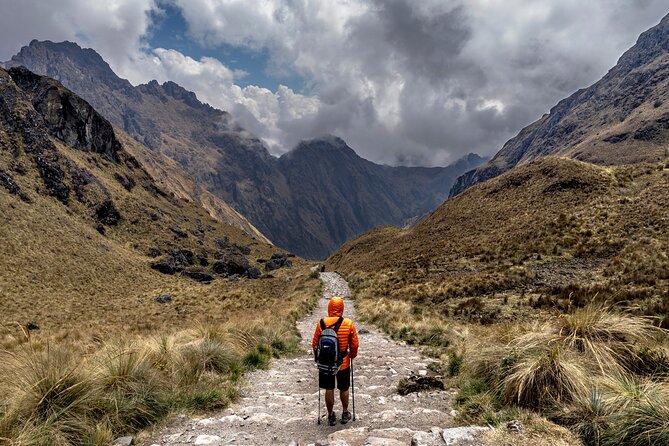
This tour is priced at $950, and the value comes from what’s handled for you. You’re not just buying permits and a guide. You’re paying for an operational team that carries the camp world so you can focus on walking.
Here’s what’s included that really affects your experience:
- Bilingual and certified guide plus a pre-trek briefing the day before
- Porters to carry camping equipment and kitchen stuff
- Professional cook and buffet-style meals
- 3 meals per day during the trek and snacks each day
- Boiled water for drinking during the trail
- First aid kit with an oxygen balloon
- Camp comfort basics: mattresses, chairs/table setup, and tents
Food is a big deal on this trek. The trek includes meals served buffet style, and they note flexibility for preferences like vegetarian, vegan, and pesquetarian. That reduces one of the most common pain points on long treks: eating enough, without ending up stuck on bland, repetitive meals.
Water-wise, you get boiled water during the trail. Mineral water is available for purchase at some campsites, but it isn’t part of the main package. If you’re the kind of person who hates the taste of boiled water, plan for buying a bottle when you can.
One more comfort note: the missing items. Sleeping bags and walking sticks are not included, but you can rent professional versions (listed as $20 for sleeping bags and $20 for walking sticks). You’ll also want to keep in mind that the included tents are shared, four-season setups—cozy enough for hiking days, not meant for living room sprawl.
Guides like Paolo and Raul: why the human layer matters
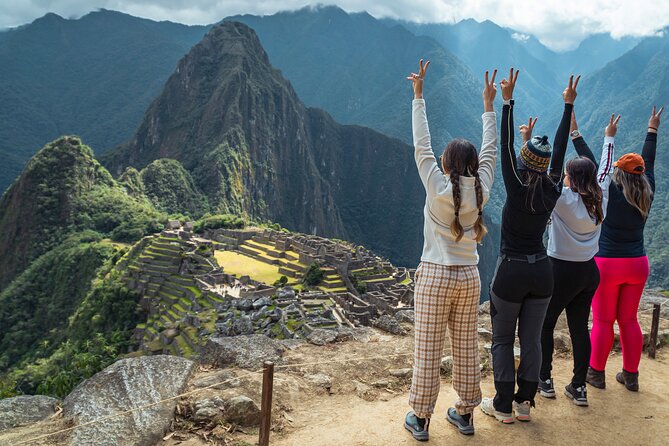
This is one of the most praised parts of the experience: the guides. Names that come up strongly include Paolo and Raul, and you’ll also see support from additional team members. What stands out is how the guiding isn’t just reciting facts at ruins. Guides help you understand what the trail is doing to you—altitude, ecology, and the meaning of the archaeological stops.
One review-style theme that feels real is how guides adjust pace for the group. Families and mixed-ability hikers mention setting a pace that works, rather than pushing a one-size-fits-all rhythm. That’s a huge deal on a trek with an all-out day two. When your guide controls pace, day two becomes survivable.
You’ll also appreciate the cultural angle: the guide talks about Quechua culture and beliefs, and ties that into what you’re seeing. Even if your Spanish is basic, the explanations give structure. You stop thinking of it as a line on a map and start thinking of it as a route with purpose.
Train and timing: Aguas Calientes to Ollantaytambo, plus a Vistadome option
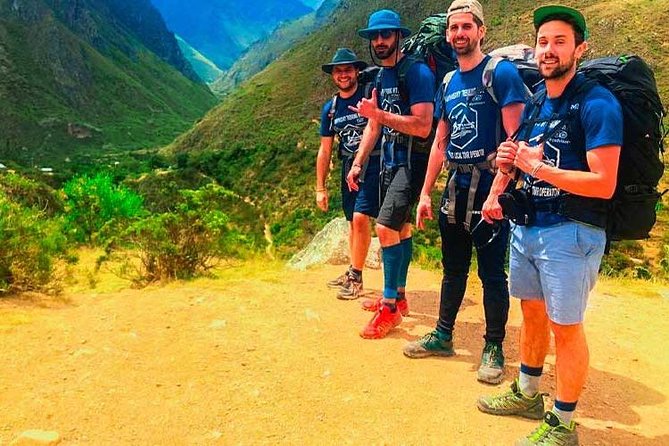
The included rail is touristic train from Aguas Calientes to Ollantaytambo, and then there’s private transport back to Cusco. Train time matters because it’s your decompression window after a long hike. You go from hauling your body up mountains to sitting and letting your legs reset.
There’s also an upgrade option: Luxury Vistadome Train to Ollantaytambo is listed as not included. If you’re the type who likes a scenic ride, it’s an easy splurge compared to trying to create your own extra sightseeing on the tight timeline after the trek.
Price and logistics value: is $950 fair?
At $950 for about four days, you’re not just paying for “the right paperwork.” You’re paying for:
- permits and entrance tickets for the Inca Trail and Machu Picchu,
- certified bilingual guiding,
- a full porter and cook team,
- camp gear (tents, mattresses, kitchen equipment),
- multiple meals plus snacks,
- and transport that links Cusco, the trailhead, and Machu Picchu.
Compare that to the alternative of trying to piece it together yourself: permits, staffing, camp equipment, meal planning, and the train/ground transport chain. Even if you can save money by cobbling options, you usually pay back in stress and uncertainty—especially on a route that has limited access and tight scheduling.
That said, the trade-off is you’re in a set schedule. The trek is built around shared group walking days, plus a very early start at 5:00 a.m.. If your ideal vacation is slow mornings and flexible roaming, this may feel less like a vacation and more like a mission with great rewards.
Who this 4-day Classic Inca Trail trek suits best
I’d point you toward this trip if you:
- want a guided trek with camp support (tents, cook, porters),
- care about learning the sites beyond selfies,
- like having meals handled for you instead of planning every snack stop,
- and prefer a group size capped at 16 for easier pacing.
It also fits families and mixed groups better than many treks because the guide team works with different abilities, not just one hard-charging pace. If you’re very new to hiking or you know altitude hits you hard, you’ll still be able to take breaks, but you should judge your fitness honestly. Day two is high and long.
Should you book it? A quick decision checklist
Book this trek if you want the Inca Trail experience with the least friction: permits covered, camp logistics handled, and a guided Machu Picchu walkthrough that helps you actually see what matters.
Consider another option if:
- you hate very early mornings,
- you’re not comfortable with a big altitude day at around 4,200 m,
- or you need more private space than a shared tent system gives.
If you’re willing to work with the schedule and hike smart, this is the kind of trip that gives you two kinds of satisfaction: the physical one of completing a classic route, and the mental one of understanding why each ruin and viewpoint matters.
FAQ
Where does the pickup happen, and what time does the trek start?
You can get picked up from your accommodation in Cusco, Urubamba, or Ollantaytambo, and the pickup is listed for 5:00 a.m.. The hike begins at Piskacucho (Km 82).
How physically demanding is the Inca Trail on this 4-day route?
The trip is for people with moderate physical fitness. Day two is described as the hardest and longest day, reaching the Warmiwañusca / Dead Woman Pass at about 4,200 meters.
Are the Inca Trail permits and Machu Picchu entrance included?
Yes. The package includes all entrances and permits for the Inca Trail and includes entrance tickets to Machu Picchu.
What meals and water are included during the trek?
You get 3 meals per day during the trek plus snacks each day. The tour also includes boiled water to drink during the trail. The first breakfast and the last lunch and dinner are noted as not included.
Do I need to bring a sleeping bag or walking sticks?
Sleeping bags and walking sticks are not included, but you can rent them for $20 each (sleeping bag) and $20 each (walking sticks).
Is Huayna Picchu included?
Huayna Picchu is optional and has an extra cost. Its admission ticket is listed as not included, and the visit is about 2 hours.
What if I need to cancel or make changes after booking?
The experience is listed as non-refundable and cannot be changed for any reason, meaning your payment would not be refunded if you cancel or request an amendment.