REVIEW · CUSCO
4 Day Inca Trail Trek to Machu Picchu Multi day tour
Book on Viator →Operated by Inca Trail Machu · Bookable on Viator
One thing you never forget is the morning you start walking. This 4-day Inca Trail hike from Km 82 to Machu Picchu strings together mountain passes, Inca ruins, and that first look through the Sun Gate.
I particularly love how the trek blends high-altitude effort with real, walk-through archaeology along the way. And I like the way the camp setup is handled, so you’re not spending your limited energy on logistics. A key drawback to plan for: you need a strong fitness level, and the early 4:30 am start plus altitude (up to 4,215 m) is not gentle.
When it’s working well, this is a smooth-feeling adventure with a real team behind you. The included chef-led meals and camp comfort (like tents, mattresses, water at camp, and even an oxygen-ready first-aid kit) help you focus on the trail. One consideration: you’ll still be camping in the Andes, and you’ll likely want to budget for add-ons like a sleeping bag and hiking poles if you don’t already have them.
In This Review
- Key highlights worth your attention
- Why this 4-day Inca Trail hike is more than a checklist
- Price and Logistics: Is $930 good value?
- Day 1: From Urubamba Valley to Km 82, Huayllabamba, and first Inca ruins
- Day 2: Warmiwañusca (Dead Woman’s Pass) at 4,215 m and Pacaymayo camp
- Day 3: Runkurakay pass, Sayacmarca ruins, Phuyupatamarca, then Wiñay Wayna terraces
- Day 4: Sun Gate (Inti Punku) to Machu Picchu, guided ruins, then train back toward Cusco
- What you’re really buying: camp comfort, food, and porter support
- The staff factor: guides like Nico Raul and César Pérez, plus a strong support crew
- What’s included vs. what you may still need to pay for
- Included
- Not included (you should plan for these)
- Who this trek suits best (and who should be cautious)
- Should you book this 4-day Inca Trail to Machu Picchu?
- FAQ
- What time does the trek start?
- Where does the trek begin?
- How hard is the highest point of the route?
- What are the main archaeology stops during the trek?
- Does the tour include guided entry to Machu Picchu?
- Is camping included, and what’s provided?
- Are meals included?
- What gear might I need to pay for separately?
- What happens after Machu Picchu on the last day?
Key highlights worth your attention
- A 4-day Inca Trail route with major passes like Dead Woman’s Pass (Warmiwañusca) at 4,215 m
- Ruins on the trail, not just at the end, including stops around Llactapata, Sayacmarca, and Wiñay Wayna
- Sun Gate (Inti Punku) first view before the guided Machu Picchu visit
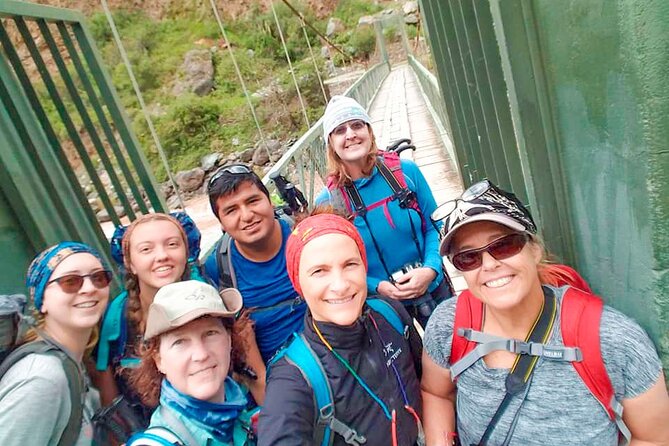
- Small-group feel with a maximum of 16 travelers, which makes pacing and support easier
- Camp comfort that’s more than basic, including Eureka tents (two people per tent designed for four), sleeping roll mattress, and toilet tent
- Staff who keep things moving, with guide names like Nico Raul and César Pérez showing up in past standout feedback
Why this 4-day Inca Trail hike is more than a checklist
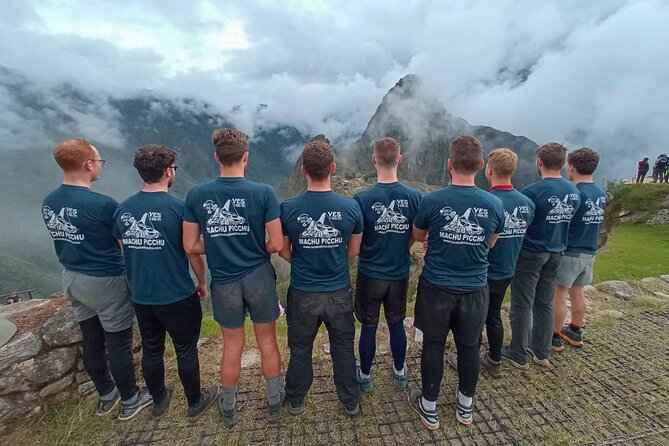
The Inca Trail is famous for a reason. It’s not just about arriving at Machu Picchu. It’s about earning it in steps: valley walking, steep breathing at high passes, then forested sections where the temperature drops and the trail feels more mysterious.
On this version of the classic trek, you’re covering about 42 km (26 miles) across changing ecosystems—high grasslands, cloud forest, and warmer, greener zones as you descend. That variety matters because your body doesn’t just get tired in one way. It gets tired in different ways, which is exactly why the day-by-day pacing and the supported camping setup are such a big deal.
Also, you start with an actual transfer from Cusco to the trailhead at Km 82. That removes a chunk of the anxiety that can come with figuring out how to get there on time. The tour also includes a pre-trek briefing, which helps you know what you’re signing up for before you’re already standing at altitude with dust on your boots.
You can also read our reviews of more hiking tours in Cusco

Price and Logistics: Is $930 good value?
At $930 per person for a 4-day, guided trek with camping, permits, transport, and meals, the value is strongest if you’d rather avoid doing the hard parts yourself.
Here’s what you’re getting for that price, in practical terms:
- Permits/entrance included: the Inca Trail permit and Machu Picchu entrance fee
- Guide + trekking chef: you’re not just buying a leader; you’re buying daily meal execution
- Porter support: a personal porter carries your duffel bag (up to 7 kg / 11 lb), while additional porters handle food and cooking gear
- Camp setup included: tents, cooking equipment, dining/kitchen tents, toilet tent, and sleeping roll mattresses
- Return logistics included: shuttle/bus and train connections back toward Cusco
- Basic safety extras included: first-aid kit with an emergency oxygen bottle and a rain poncho
That package is where the money goes. If you try to replicate it on your own, you’ll quickly spend time and effort coordinating porters, equipment, meals, and permits—plus you still need the early start and tight schedule.
Two things to keep in mind about logistics:
- The meeting time is 4:30 am, so factor in an early night in Cusco.
- Your group is capped at 16 travelers, which generally means you won’t be swallowed by a huge crowd while walking and camping.
Day 1: From Urubamba Valley to Km 82, Huayllabamba, and first Inca ruins
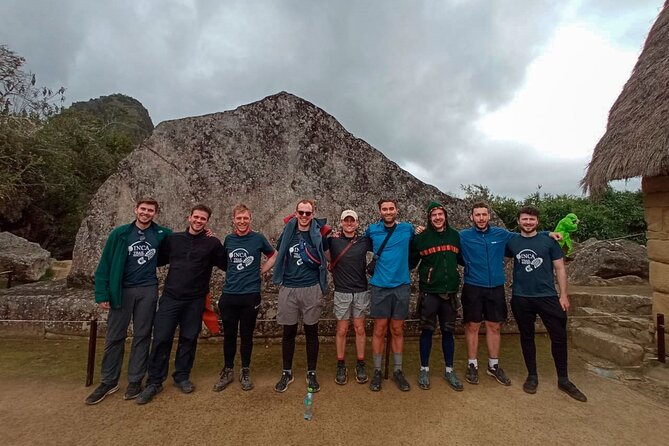
Day 1 starts early with hotel pickup in Cusco, then a scenic drive through the Urubamba Valley to the starting point at Km 82. You cross the Vilcanota River, and that’s a nice symbolic moment: you’re officially leaving the city behind and stepping onto an old Inca route.
The first trek distance is about 7.5 miles (12 km). It’s described as moderate, and in practice this day is often your “get your legs right” day. You’re climbing, but you’re not yet hitting the big pass wall.
What I like about Day 1 is the mix of walking and atmosphere:
- You’ll follow the ancient road through Andean scenery
- You’ll pass Huayllabamba, with the chance to interact with local people
- You’re also in the zone for archaeological highlights along the way, including ruin stops such as Llactapata (mentioned as part of the route experience)
This day matters because it helps with pacing. If you start too fast, the altitude will remind you. If you start steady, the rest of the trek feels more manageable.
Practical tip: treat Day 1 like training for Day 2. Save your big push for the pass later in the itinerary. Slow breathing pays off.
Day 2: Warmiwañusca (Dead Woman’s Pass) at 4,215 m and Pacaymayo camp
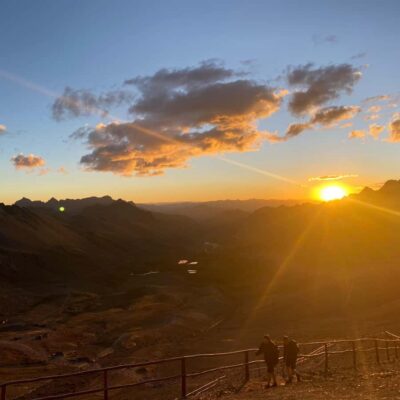
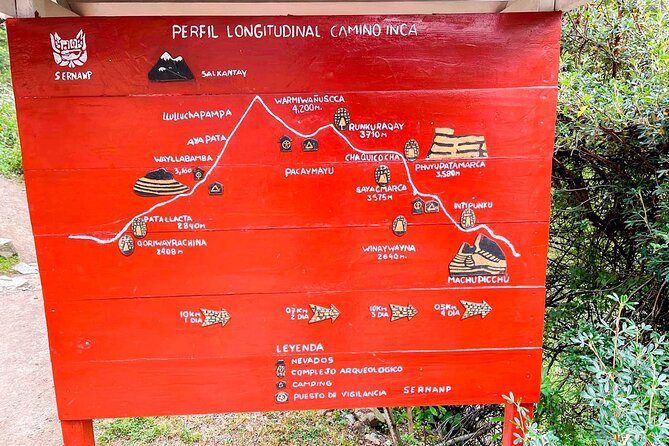
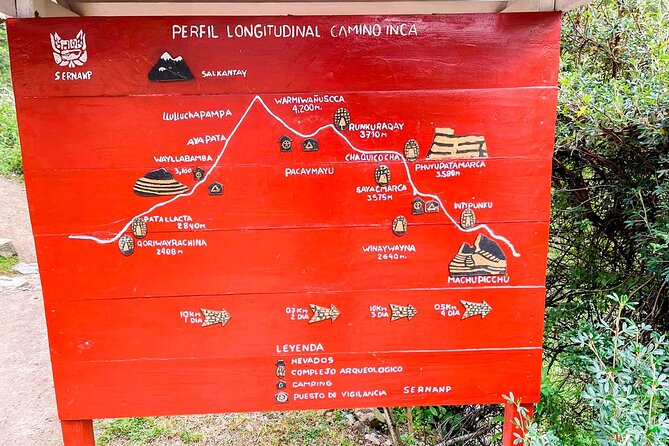
Day 2 is the day with the spooky name. Warmiwañusca, or Dead Woman’s Pass, tops out at about 4,215 meters (13,828 feet). The hike here includes a gradual climb to the pass, and yes—it’s a challenging ascent.
If you’ve never hiked at altitude, this is where the difference shows up. You may feel it in your breathing more than your legs. The good news is you get a rest at the top, and once you descend, the day shifts into something more rewarding: new colors, cooler air, and calmer footing.
After the pass, you descend into the Pacaymayo Valley for the night campsite. The route travels through changing terrain, including cloud forest sections with orchids and bromeliads. That description isn’t just scenery talk—it’s the sign that you’re leaving the hardest altitude zone and moving into a different kind of trekking.
On the camp side, your setup is handled for you. You’re sleeping in tents with camp gear provided, and the chef supplies water at every campsite. That last bit matters more than people think. At altitude, hydration can turn into an afterthought, and the plan is making it easier for you to stay on track.
Possible drawback: if you’re prone to altitude headaches or nausea, Day 2 can be the first day you feel it. Go slow. Drink water. Keep your effort controlled.
Day 3: Runkurakay pass, Sayacmarca ruins, Phuyupatamarca, then Wiñay Wayna terraces
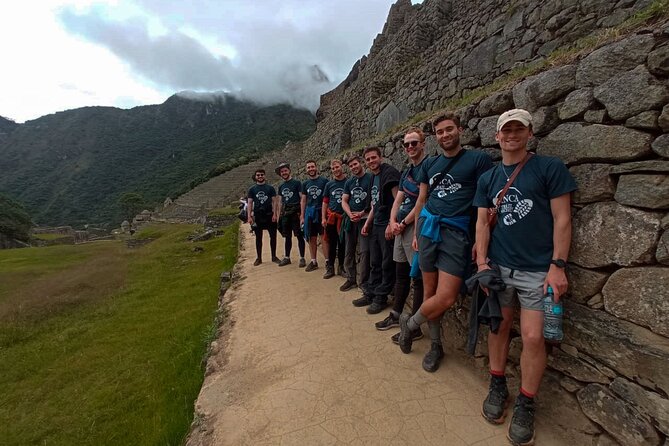
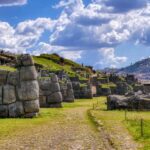
Day 3 keeps the momentum going. You climb to the second pass, Runkurakay at around 3,970 meters. Then you descend through cloud forest toward archaeological sites—this is one of the best days for people who love Inca stonework as much as mountain views.
Key archaeological stops on Day 3 include:
- Sayacmarca (around 3,624 m)
- Phuyupatamarca (around 3,670 m)
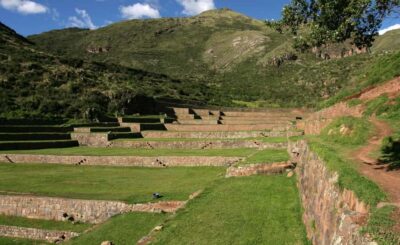
- Wiñay Wayna at about 2,650 m, with agricultural terraces and ritual bath features
The “high ruins” feel is different on this day. You’re not just passing viewpoints; you’re moving through Inca spaces that seem designed for both function and drama. The terrace layout becomes clearer as you descend, and Wiñay Wayna feels like a place that was meant to be lived in—season by season.
The route timing on Day 3 is shorter than the hardest day (about 6 hours listed). Still, it can feel full because you’re juggling altitude, descents, and stops.
Practical tip: on Day 3, you’ll probably want to bring attention to your feet. Cloud forest trails can get slippery. Go steady on the downhills.
You can also read our reviews of more tours and experiences in Cusco
Day 4: Sun Gate (Inti Punku) to Machu Picchu, guided ruins, then train back toward Cusco
Day 4 is the payoff day. You start with breakfast, then walk to the checkpoint for entry into the final stretch of the Inca Trail.
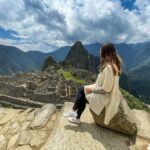
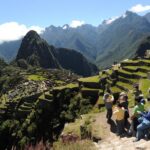
The emotional moment is Inti Punku (Sun Gate). You’ll reach it and get the first panoramic view of Machu Picchu and the surrounding mountains. This is the kind of view people talk about for years, but what’s actually special is the timing. You’re not approaching by bus window or postcard frame. You’ve been working for it for days.
After Sun Gate, you head to Machu Picchu for a guided tour of the ancient ruins. The site was rediscovered by Hiram Bingham in 1911, and having a guide helps you connect what you’re seeing with how it was used and built.
Then you come down the mountain:
- You take the bus down to Aguas Calientes
- There’s a celebratory lunch included
- You take the train back to Ollantaytambo
- Then you bus to Cusco
This ending is designed to reduce stress. Instead of staying stuck in the tourist maze, you’re moving back through planned transportation connections.
What you’re really buying: camp comfort, food, and porter support
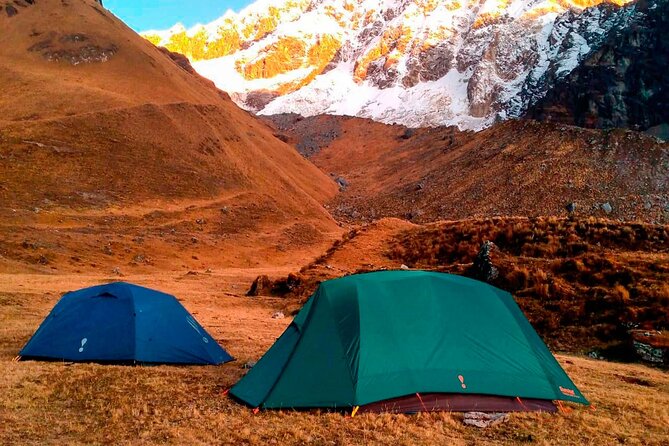
This trek isn’t a survival movie. It’s camping, yes, but it’s organized camping.
Here’s the difference-maker stuff that’s included:
- Accommodation (3x camping nights) with Eureka tents
- A setup where two people occupy each 4-person tent, which usually feels less cramped than you’d expect
- Camping equipment: kitchen/dining tents, utensils, tables, chairs, and gas
- Comfort sleeping roll mattress
- Toilet tent
- Water at every campsite provided by the chef
- A professional trekking chef running meals in the field
- A personal super porter carrying your duffel bag up to 7 kg / 11 lb
In past feedback, the food shows up again and again as a highlight—things like plentiful, delicious meals despite the fact that you’re camping. People also mention the chef pulling off impressive cooking results, even baking a cake on a trek day. Whether your trek includes that exact surprise or not, the point is consistent: this is not the kind of camping where meals feel like punishment.
The staff factor: guides like Nico Raul and César Pérez, plus a strong support crew
A trek lives or dies by the human layer. When the guide is good, the whole thing feels calmer: pacing improves, questions get answered, and you don’t feel left to manage the plan on your own.
Across past departures, names that have been associated with excellent experiences include Nico Raul and César Pérez. Other guide names also show up (like Josias, Juve, Yijo, Plinio/Pliñio, and Pepe/Pinyo). The consistent pattern is support: taking care of the group, managing the walk plan when conditions shift, and staying attentive even when the trail is tough.
You’ll also rely on porters and the cooking team. The tour includes super porters for food, camping, and cooking equipment, so you’re not carrying the heavy bits beyond your own essentials.
If you’re going solo, this matters even more. You’re not just joining a hike; you’re joining a working team.
What’s included vs. what you may still need to pay for
This is where you avoid budget surprises.
Included
- Pre-trek briefing
- Transport to Km 82
- Inca Trail permit and Machu Picchu entrance fee
- Camping (3 nights) + equipment (tents, kitchen/dining setup, toilet tent)
- Meals: 3 breakfasts, 3 lunches, 3 dinners
- Water at every campsite
- T-shirt souvenir
- Rain poncho
- First-aid kit with emergency oxygen bottle
- A special opportunity to sponsor planting native trees
- Bus from Machu Picchu to Aguas Calientes
- Train back to Ollantaytambo and bus to Cusco
Not included (you should plan for these)
- First breakfast and last lunch in Aguas Calientes
- Sleeping bag (listed at $25)
- Hiking poles (listed at $20)
- Inflatable rest mattress add-on (listed at $20)
- Tips and extra souvenir spending
- Travel insurance
Practical tip: if you’re thinking about bringing your own gear, check whether your sleeping bag is truly good for cold, since you’re going up to 4,215 m. If not, budget for the included sleeping bag option.
Who this trek suits best (and who should be cautious)
This tour calls for strong physical fitness. The itinerary includes multiple steep climbs and the highest point at 4,215 m. Even fit hikers can feel hit by altitude.
This trek is a great match if you:
- Want the full Inca Trail experience with a guided, organized camp
- Like archaeology and want ruins during the hike, not only at the end
- Prefer having porters and chef support so your energy stays on the trail
- Can handle early mornings and an all-business start
This trek may feel risky or not worth it if you:
- Know you’re sensitive to altitude
- Don’t have hiking stamina for steep climbs and long walking days
- Expect the trail to feel casual
Should you book this 4-day Inca Trail to Machu Picchu?
If you want a guided, supported trek with camping, permits, meals, and transport handled, I think this is a smart way to do it. The price feels most justified because you’re paying for the “invisible” work: permits, staff, equipment, porter coordination, and that chef-powered food routine. Add in the Sun Gate approach and the guided Machu Picchu visit, and you’re getting a full, high-impact experience without you managing every moving part.
My final advice: book it if your fitness is ready for altitude and you’re comfortable with very early starts. If you’re on the edge physically, do more conditioning first or consider a gentler option. Also, double-check your gear needs (sleeping bag and possibly poles), because those can affect comfort in the camp.
One more practical note: the experience is listed as non-refundable and cannot be changed. That’s normal for highly scheduled treks, but it’s still something to weigh before you commit.
FAQ
What time does the trek start?
The meeting point start time is listed as 4:30 am, with early pickup from your hotel in Cusco.
Where does the trek begin?
It begins at Kilometer 82 (Km 82), after a transfer from Cusco through the Urubamba Valley.
How hard is the highest point of the route?
The highest point is Dead Woman’s Pass (Warmiwañusca) at about 4,215 meters, which is part of the Day 2 climb and can be challenging.
What are the main archaeology stops during the trek?
Along the route, you pass areas including Llactapata, Runkurakay, Sayacmarca, Phuyupatamarca, and Wiñay Wayna, and on Day 4 you visit Machu Picchu via Sun Gate.
Does the tour include guided entry to Machu Picchu?
Yes. Day 4 includes walking to Sun Gate and then a guided tour of Machu Picchu, with Machu Picchu entrance included.
Is camping included, and what’s provided?
Yes. The price includes 3 camping nights with tents, toilet tent, kitchen/dining camp setup, and a comfort sleeping roll mattress.
Are meals included?
Yes. The tour includes 3 breakfasts, 3 lunches, and 3 dinners. The first breakfast and last lunch in Aguas Calientes are not included.
What gear might I need to pay for separately?
Not included gear includes a sleeping bag (listed at $25) and hiking poles (listed at $20). There’s also an inflatable rest mattress add-on (listed at $20).
What happens after Machu Picchu on the last day?
You take a shuttle bus down to Aguas Calientes for lunch, then the tourist train back to Ollantaytambo, followed by a bus to Cusco.