REVIEW · CUSCO
From Cusco: South Valley Villages and Archaeology Tour
Book on GetYourGuide →Operated by Peru & U · Bookable on GetYourGuide
In This Review
- A calm 5-hour loop through Inca and pre-Inca Peru
- What you’ll like most: farming-tech thinking and religious art in one day
- Key highlights at a glance
- Cusco pick-up to the South Valley: quick, shared, and easy
- Tipón: Inca terraces, Pachatusan water, and Viracocha in one stop
- Pikillacta: Huari adobe ruins and the pre-Inca contrast
- Andahuaylillas and the Sistine Chapel of Peru: art that needs time
- Saylla on the way back: local food you can actually decide on
- Price and logistics: is $29 really good value?
- Who should book this South Valley tour?
- Should you book it or skip it?
- FAQ
- How long is the Cusco South Valley villages and archaeology tour?
- Does the tour include hotel pick-up and drop-off in Cusco?
- What sites do we visit during the tour?
- Is lunch included?
- Are entrance fees included?
- What languages is the guide?
- Are there different starting times?
- Is this tour refundable if plans change?
- Are pets allowed on this tour?
A calm 5-hour loop through Inca and pre-Inca Peru
In just 5 hours, this tour strings together Tipón and its Inca irrigation farming story with the Sistine Chapel of Peru artwork at Andahuaylillas—two totally different worlds, close together. I like that the pace feels relaxed, and you get a clear English-and-Spanish guide to connect the dots. One thing to plan for: lunch and any site entrance fees are not included.
Hotel pick-up in Cusco makes it easy to start without stress. You ride in shared transportation, and your guide keeps things understandable in both languages, which helps when you want context but don’t want to study a textbook first.
What you’ll like most: farming-tech thinking and religious art in one day
I also like that this isn’t just “look at stones.” At Tipón, you focus on how the Incas farmed—terraces plus water management from an aqueduct tied to the sacred Pachatusan mountain. Then you shift to Huari adobe at Pikillacta and end with a food moment in Saylla, like pork chicharrones or roasted guinea pig.
You can also read our reviews of more tours and experiences in Cusco.
Key highlights at a glance
- Tipón terraces and irrigation built for farming, tied to Pachatusan and an aqueduct system
- Viracocha connection through the idea that Tipón may have been a royal garden
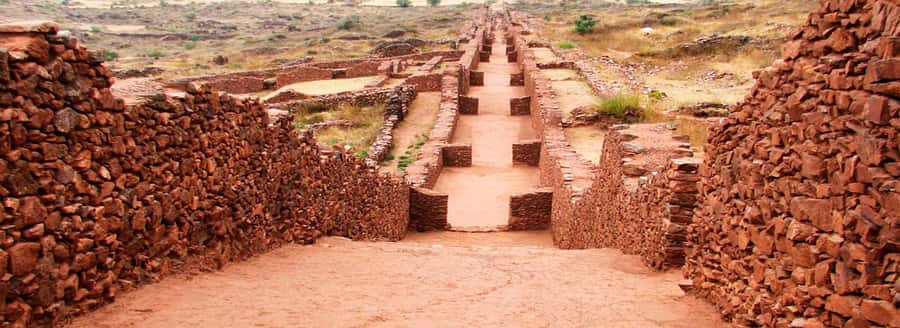
- Pikillacta Huari adobe complex (700–900 AD) for a pre-Inca contrast to the later Inca sites
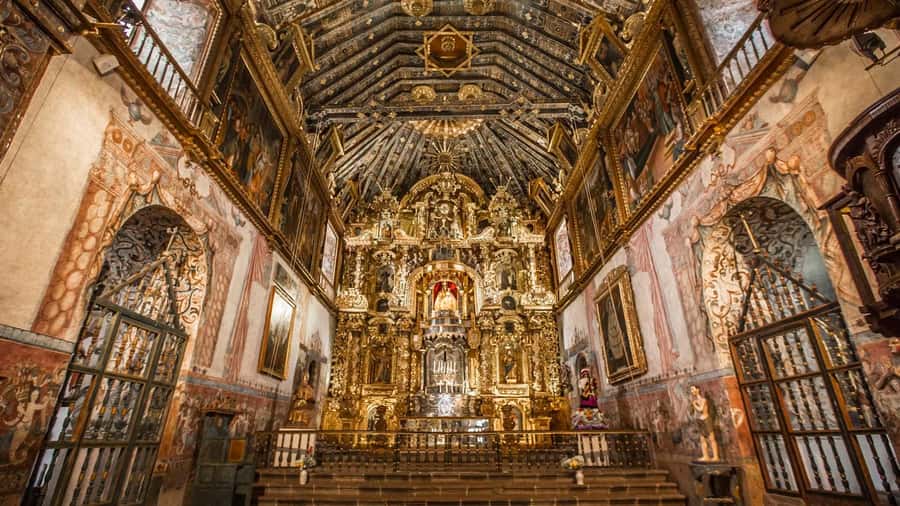
- Andahuaylillas Sistine Chapel of Peru with paintings from the Escuela Cuzqueña
- Saylla stop for local eats like pork chicharrones or roasted guinea pig
- Hotel pick-up and drop-off from Cusco with a bilingual English/Spanish guide
Cusco pick-up to the South Valley: quick, shared, and easy
The day starts with pick-up from your Cusco hotel. That matters more than it sounds: you’re not hunting transport, and you avoid the common “where do we meet?” scramble. The ride is in shared transportation, so you’ll spend a bit of time adjusting to a small group schedule rather than having everything perfectly timed just for you.
Your guide is bilingual in English and Spanish, and that’s a practical advantage when you want details about architecture, water use, and religious art without losing half the meaning. The tour runs for 5 hours, and starting times depend on availability, so double-check when you book.
One more small reality check: this tour also isn’t designed for people who need to bring pets along—pets are not allowed. If that affects your plans, find an alternative tour that explicitly supports it.
Tipón: Inca terraces, Pachatusan water, and Viracocha in one stop
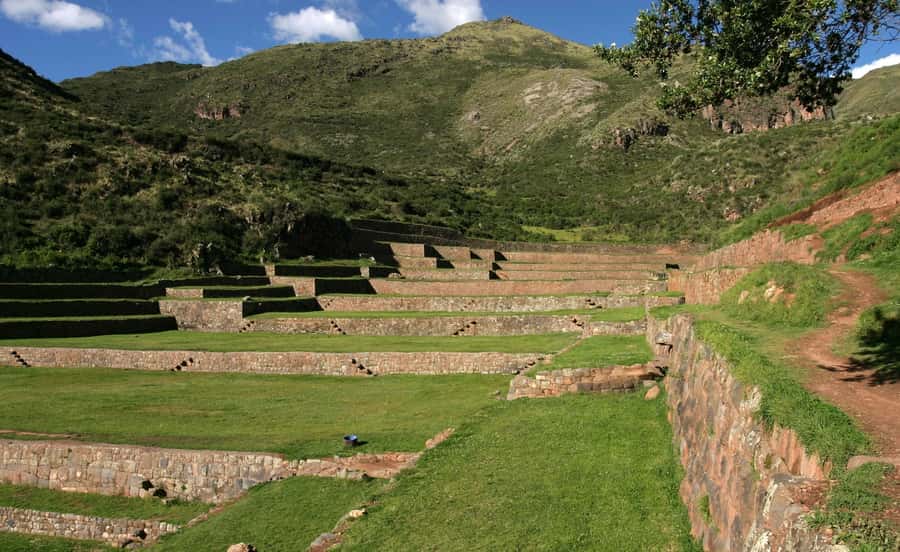
Tipón is the kind of site where you can feel the logic of the place. Instead of just towering walls, the star feature is how farming worked. The guide explains that Tipón is thought to be connected to a royal garden commissioned by the Inca god Viracocha, which adds a layer beyond everyday agriculture.
What you’ll actually see on the ground is the Inca agricultural engineering:
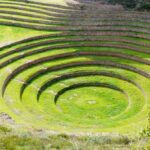
- Stone terraces built to shape sloped land for planting
- Irrigation supported by an aqueduct linked to the sacred Pachatusan mountain
- Other structures, including baths and a temple complex, so you can connect daily water use, ritual space, and the broader Inca design
Here’s the useful part for you: when a site includes water systems like this, it’s easier to understand why the Incas cared about geometry and engineering. Terraces aren’t just pretty—they help manage water, keep soil stable, and make farming possible where it wouldn’t be otherwise.
Spend a moment looking for how water would have traveled through channels rather than treating it like one static ruin. The guide’s job here is to help you connect those cues into a simple story: mountain water comes down, it gets controlled, and the terraces make that control useful.
A possible consideration: because you’re visiting multiple sites in one day, Tipón can feel “information heavy.” If you like to linger, build in a slow rhythm—take short pauses so you don’t end up rushing through what you came to understand.
Pikillacta: Huari adobe ruins and the pre-Inca contrast
After Tipón, the mood shifts. Pikillacta is a pre-Inca site, built by the Huari people around 700 to 900 AD. Instead of terrace farming and Inca-focused storytelling, you’re looking at an adobe complex that represents a different culture and time period.
What makes Pikillacta valuable on this route is the comparison. You’re not stuck inside one era. You get a sense that the Cusco region’s history isn’t a straight line. It’s layers, with different builders and different priorities.
On a practical level, adobe construction usually changes how a place feels—more about flat surfaces, broad shapes, and human-scale walls than the monumental stone vibe you might expect from other famous areas. Since the tour includes a guide, you’ll have someone to point out the key elements of the Huari complex and explain how it fits into the broader story of the region.
If you’re the type who enjoys architecture that’s slightly harder to “read” at first glance, this is a good match. The guide can help you slow down and interpret what you’re seeing instead of hoping it clicks instantly on your own.
Andahuaylillas and the Sistine Chapel of Peru: art that needs time
Then you move to Andahuaylillas, where the highlight is the Sistine Chapel of Peru. This is the moment when the tour stops being mostly about engineering and starts being about visual storytelling.
The guide leads you through elaborate art, including paintings from the Escuela Cuzqueña. That detail matters because it points to a specific artistic tradition, not just generic decoration. Even if you’re not an art expert, you’ll likely appreciate the effort it takes to fill a space with images and meaning—especially after walking through ruins and practical structures.
How to get more out of this stop:
- Take a slower walk through the rooms rather than rushing to the first impressive wall
- Let your guide explain what you’re looking at, then look again on your own to see it with fresh eyes
The biggest drawback risk here is simple: if you’re mentally tired from the morning, you might miss the “why” behind the artwork. If you can, enter the chapel zone with a clean head. It’s the most rewarding stop when you’re ready to pay attention.
Saylla on the way back: local food you can actually decide on
On the return to Cusco, you pass through Saylla. This is where you can enjoy local food options such as pork chicharrones or roasted guinea pig.
Two useful notes for you:
- The tour doesn’t list lunch as included, so treat this food moment as either a snack budget option or a late meal idea, depending on what timing feels right for you.
- “You can enjoy” means it’s not forced. If you want to try one item, it’s a good place to do it. If you’d rather not, you’re still getting the cultural and location context without being pushed.
Also, this stop fits the day’s theme nicely: the tour moves from practical human systems (water and farming) to belief and art—then finishes with food, which is how people experience their culture every day.
Price and logistics: is $29 really good value?
At $29 per person for about 5 hours, this tour is priced like a solid “see a lot without spending a fortune” option. What you get for the money:
- Hotel pick-up and drop-off in Cusco
- Shared transportation
- A bilingual English and Spanish-speaking guide
What you don’t get:
- Lunch (not included)
- Entrance fees (not included)
So the real value question is simple: can you pay a little extra on the day for entrances and food? If yes, this is a strong deal because it bundles three meaningful stops with interpretation from a guide, rather than leaving you to puzzle it out alone.
One more consideration: the activity is listed as non-refundable. That’s not a reason not to book, but it’s smart to book only when your Cusco plans are firm.
If you’re trying to keep costs tight, pack a simple plan—something to tide you over before the chapel/art stop, plus a budget for any entrance fees and a snack or meal on the way back.
Who should book this South Valley tour?
This works especially well if:
- You have limited time in Cusco and want a compact route
- You like learning how people lived—like Inca farming practices and water control at Tipón
- You enjoy a cultural shift in one day: Inca → Huari (pre-Inca) → Andahuaylillas’ religious art → local food in Saylla
- You want a guide who speaks both English and Spanish, so you’re not stuck with vague explanations
It might be less ideal if you crave long, slow stays at a single site. With three main stops plus the travel time, the day is structured. You’ll get depth through the guide’s explanation, but you won’t have hours of free wandering.
Should you book it or skip it?
I’d book this tour if your goal is a smart sampler of the South Valley. It’s a short day with a lot of meaning: Inca terraces and irrigation at Tipón, a Huari adobe time layer at Pikillacta, and then the Sistine Chapel of Peru artwork in Andahuaylillas. The guide support in English and Spanish helps you understand what you’re looking at, not just where to stand.
Skip it if you’re the type who needs lunch included to feel comfortable, or if you don’t want to deal with entrance fees on top of the ticket. Also, if your schedule is fragile, remember it’s non-refundable.
If you can handle those trade-offs, this is one of the better ways to spend a half-day—practical, varied, and genuinely interesting from first stop to last bite in Saylla.
FAQ
How long is the Cusco South Valley villages and archaeology tour?
It lasts 5 hours.
Does the tour include hotel pick-up and drop-off in Cusco?
Yes. Hotel pick-up and drop-off are included.
What sites do we visit during the tour?
You’ll visit Tipón, Pikillacta, and the Sistine Chapel of Peru in Andahuaylillas, plus you return via Saylla.
Is lunch included?
No, lunch is not included.
Are entrance fees included?
No, entrance fees are not included.
What languages is the guide?
The guide speaks both English and Spanish.
Are there different starting times?
Starting times depend on availability, so you’ll need to check what’s offered.
Is this tour refundable if plans change?
No. The activity is non-refundable.
Are pets allowed on this tour?
No, pets are not allowed.