REVIEW · CUSCO
Full-Day Condor Viewpoint & Inca Sites Tour
Book on GetYourGuide →Operated by Inkayni Peru Tours · Bookable on GetYourGuide
Condors in flight make Cusco feel cinematic. I like the way this tour blends Inca astronomy at Quillarumiyoc and Tarawasi with the real show of Andean condors at Huaco Viewpoint. If you want a single day that mixes culture, wildlife, and big canyon air, this is a strong pick.
What also works for me is the mix of “sit and learn” and “walk and look.” You’ll get guided time at archaeological spots, then a 1.5-hour hike that hugs the edge of the Apurímac Canyon, one of the deepest canyons in Peru. That balance keeps the day from feeling like a long bus ride.
One consideration: it’s a long day at high altitude, including time at around 11,975 ft (3,650 m). If you have back problems, this is noted as not suitable, and if you’re sensitive to altitude or long walking, you’ll want to pace yourself.
In This Review
- Key things to know before you go
- Cusco to Limatambo: starting at altitude and easing into the day
- Quillarumiyoc and Tarawasi: Inca astronomy you can actually connect to the sky
- Lunch in Limatambo: a real break before the canyon work
- Chonta at 11,975 ft: the viewpoint-before-the-hike effect
- Apurímac Canyon along the trail: wildlife time and canyon scale
- Huaco Viewpoint at 11,975 ft: the Andean condor moment
- The ride back to Cusco: what the 12-hour day feels like
- Price and value: why $159 can make sense here
- Who should book this tour, and who should skip it
- What to bring for a smooth day in the Andes
- Should you book the Condor Viewpoint & Inca Sites tour?
- FAQ
- How long is the Condor Viewpoint & Inca Sites tour?
- Where are the pickup and drop-off locations in Cusco?
- What languages does the tour guide speak?
- Is lunch included?
- Is the tour suitable for people with back problems?
- What should I bring?
Key things to know before you go
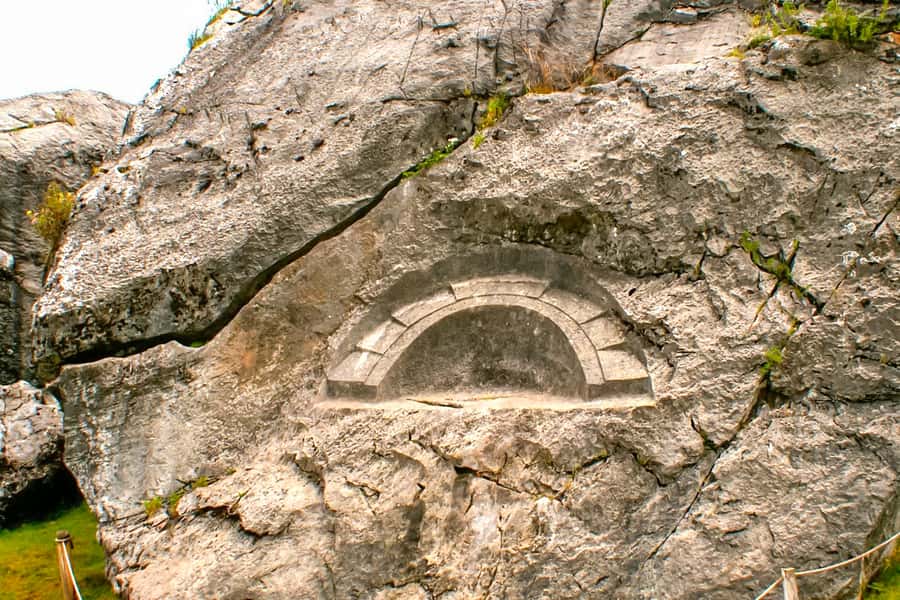
- Quillarumiyoc and Tarawasi: Inca ceremonial centers linked to astronomy, not just stones in a field
- Apurímac Canyon edge hike: A trail experience with native flora and chances to spot birds
- Huaco Viewpoint: Built for condor watching, with the canyon below and open sky ahead
- Altitude changes fast: From Cusco (11,152 ft / 3,399 m) down to Limatambo, then back up again
- Quiet-feeling sites: A private format means you’re not stuck in crowd energy
Cusco to Limatambo: starting at altitude and easing into the day
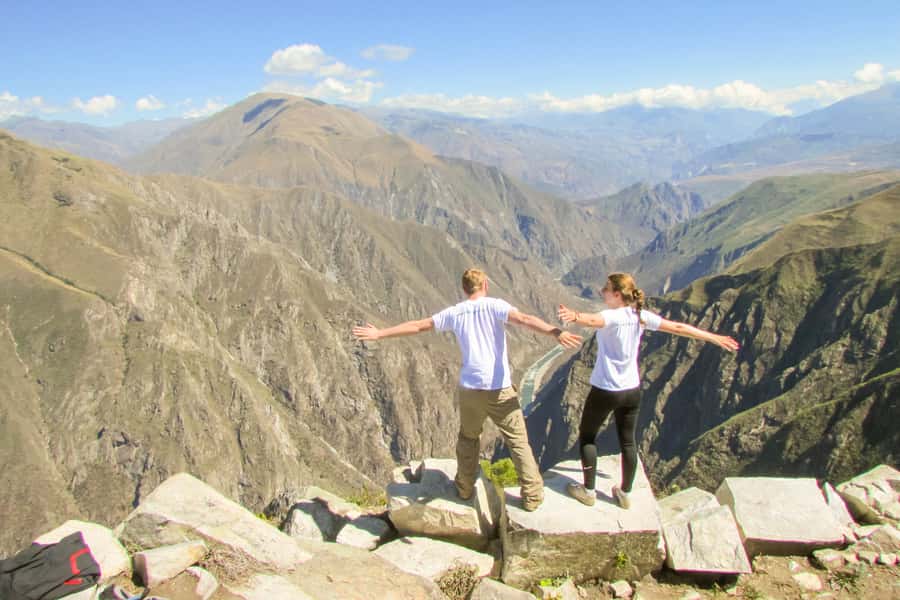
Your day begins in Cusco’s historic core, with pickup options around Iglesia del Triunfo and Centro Histórico. Cusco sits high at 11,152 ft (3,399 m), so even before you hike, your body is already working a bit. That matters for pacing: think calm movements, slow breaths, and taking breaks when the guide suggests.
Your route heads toward Limatambo, a fertile village setting at 8,366 ft (2,550 m). This lower altitude stop is a useful reset. It also sets up a shift in scenery from the dense Cusco city feel to countryside views you can actually breathe into.
The tour guide plays a key role here. You’re not just driving between places; you’re getting context for why these sites sit where they do, and what the Incas may have been tracking through their astronomy-focused design.
You can also read our reviews of more tours and experiences in Cusco


Quillarumiyoc and Tarawasi: Inca astronomy you can actually connect to the sky
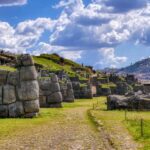
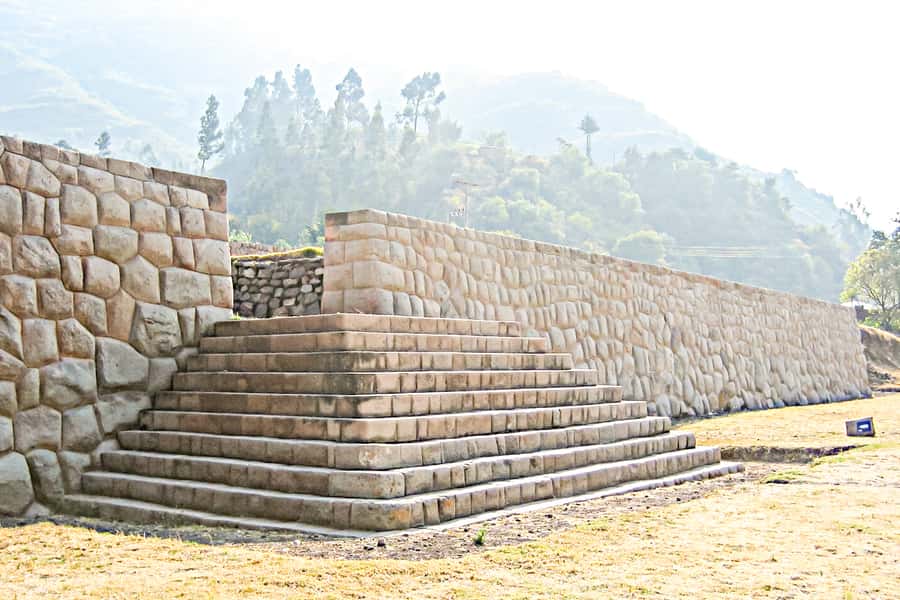
The first major cultural stops are Quillarumiyoc and Tarawasi. These are described as ceremonial centers and astronomical observatories. In plain terms, that means you’re not only looking at Inca stonework for its own sake. You’re learning how the Incas used space, alignment, and elevation as tools for observing the cosmos.
I like that these stops fit your day without turning it into a museum marathon. They also feel purpose-built for conversation: you’ll be guided through what you’re seeing and why it matters, which makes the structures more than background scenery.
One more practical benefit: this kind of site pairing can feel less crowded than the most famous Inca clusters. With a private group, you’re not fighting for every angle or waiting for the next group to move. Quiet time makes it easier to actually look at details.
Drawback to keep in mind: archaeological sites mean uneven ground and standing. Even without a long walk here, you’ll want comfortable footwear and patience for short climbs and pauses.
Lunch in Limatambo: a real break before the canyon work
Once you arrive in Limatambo, you get a well-deserved lunch featuring local flavors. Since breakfast isn’t included, this meal is an important part of your energy plan for the rest of the day. Fuel matters more than people think, especially when you’ll be moving at altitude soon after.
Limatambo’s setting is also part of the value. It’s not just food and then go-go-go. You have a village atmosphere surrounded by countryside, which makes the day feel lived-in rather than rushed through checkpoints.
A simple tip: use the lunch break to regroup. If you feel slightly winded from altitude, this is the moment to slow down your expectations. After this, you’ll start heading higher again.
Chonta at 11,975 ft: the viewpoint-before-the-hike effect
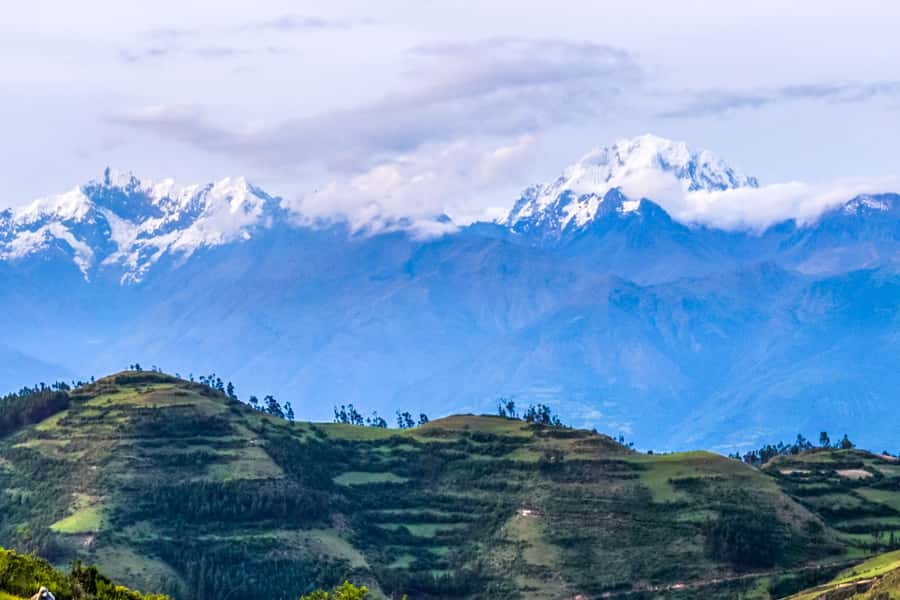
After lunch, the tour climbs into the Andes toward Chonta at 11,975 ft (3,650 m). The payoff here is views of Salkantay and Humantay, plus a change in air and light as you get higher. Even if you’ve seen these peaks in photos, the real thing feels different: bigger, sharper, and more tied to the weather.
Chonta is also the launch point for the walking portion. The itinerary includes 1.5 hours of hiking, starting from here along a trail that tracks the edge of the Apurímac Canyon. That matters because the hike isn’t a random detour. It’s the transition from cultural learning into natural spectacle.
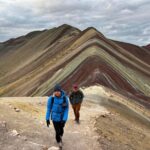
What to expect on the trail: native flora lining the path, and occasional glimpses of soaring birds overhead. You’re not just hiking through scenery. You’re moving along a living edge of the canyon, where the ecosystem changes with elevation and exposure.
Hike reality check: this isn’t described as an easy stroll. You’re at significant altitude, and you’re walking for a sustained block of time. Wear clothes you can layer, and keep your effort controlled. The guide will set the pace, but you control how you respond.
Apurímac Canyon along the trail: wildlife time and canyon scale
As you continue, the tour builds in wildlife viewing time at the Apurímac area for about 1 hour. This is where the canyon stops being just a backdrop and starts feeling like the main character.
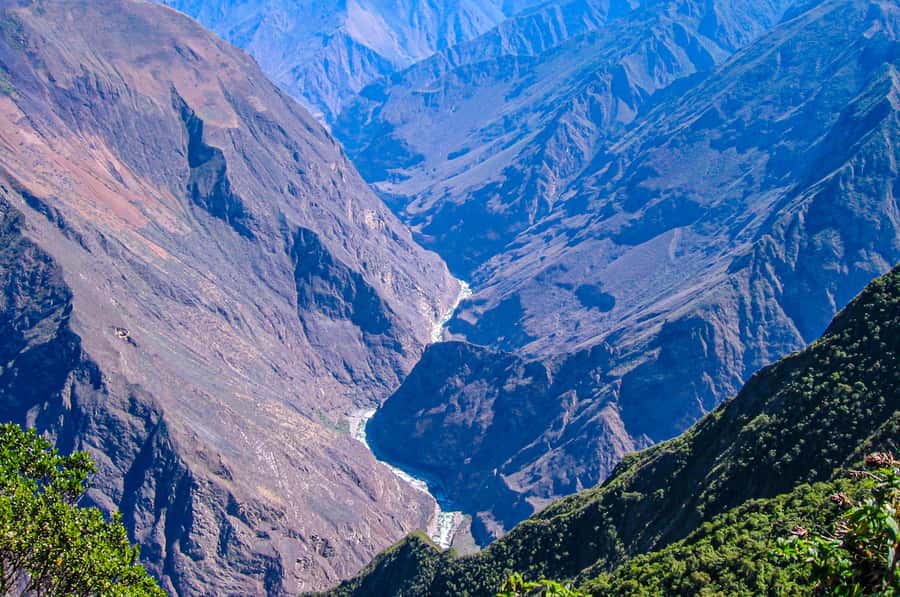
The Apurímac Canyon is noted as one of the deepest in the world, and the trail’s edge positioning helps you feel that depth. You’re higher than many canyon paths, and the drop-offs can make the scale hit faster. If you’re the kind of traveler who loves geology and birdlife, this portion is where the day turns memorable.
From the tour description, you might see more than birds. At the Huaco Viewpoint specifically, there’s a chance of spotting eagles, hawks, and even white-tailed deer roaming in the distance. On the hike and canyon viewing stretch, you’ll at least have regular bird activity in the sky, with native plant life along the path.
A practical note: canyon environments can shift quickly. If you want the best experience, keep your camera ready but don’t rush every shot. Watch the guides, track foot placement, and let your eyes adjust to the canyon’s depth.




Huaco Viewpoint at 11,975 ft: the Andean condor moment
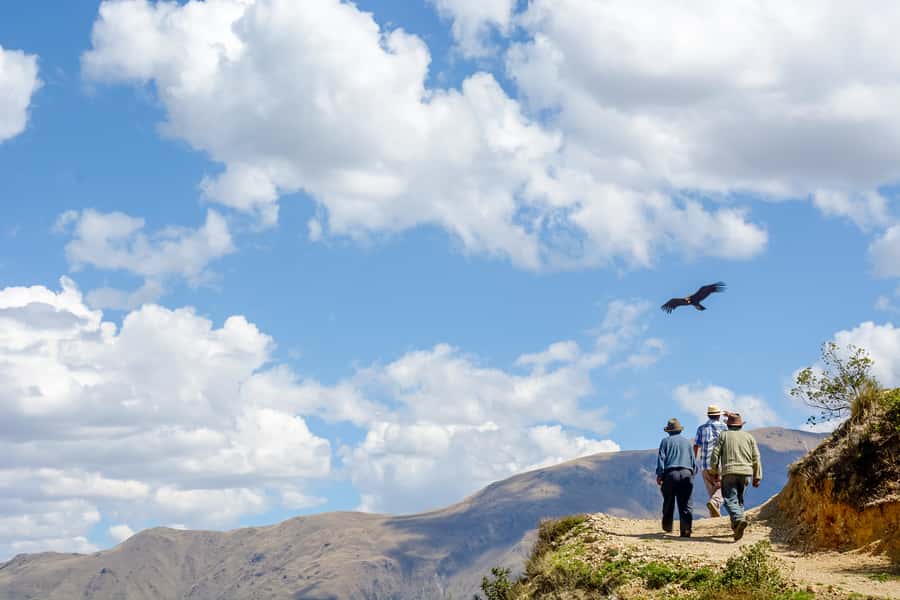
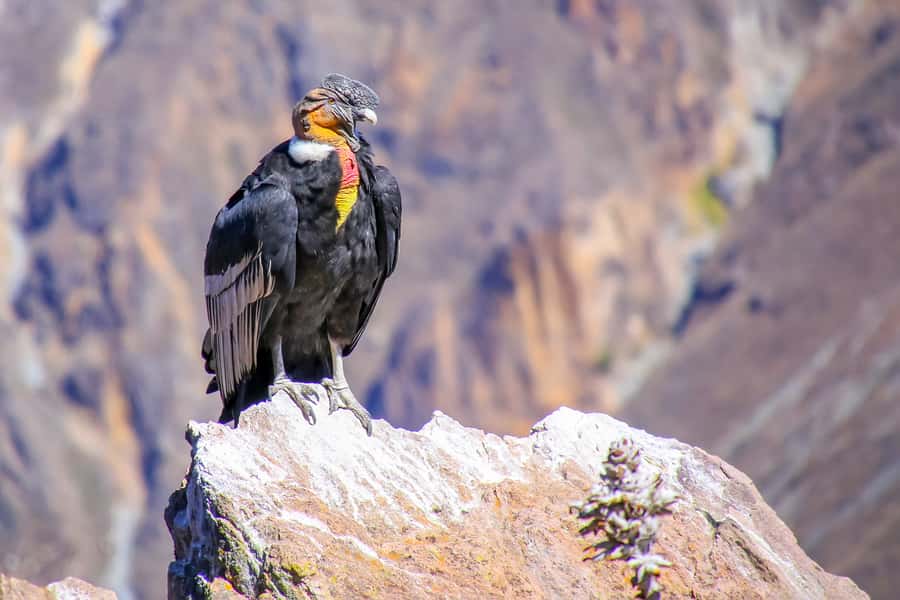
The highlight is the Huaco Viewpoint experience. It’s positioned dramatically above the vast canyon, and it’s timed for the kind of animal watching that makes your day feel like a real adventure, not a checklist.
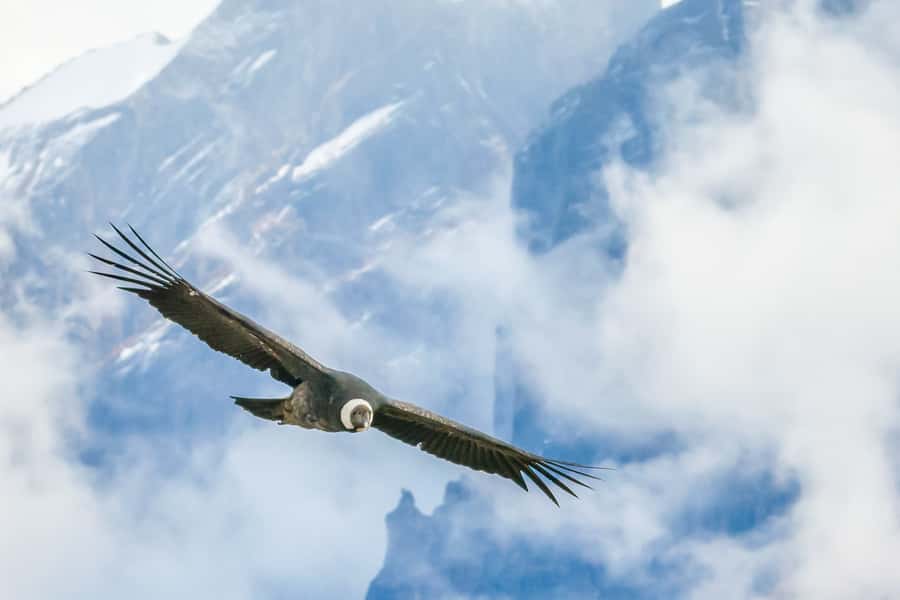
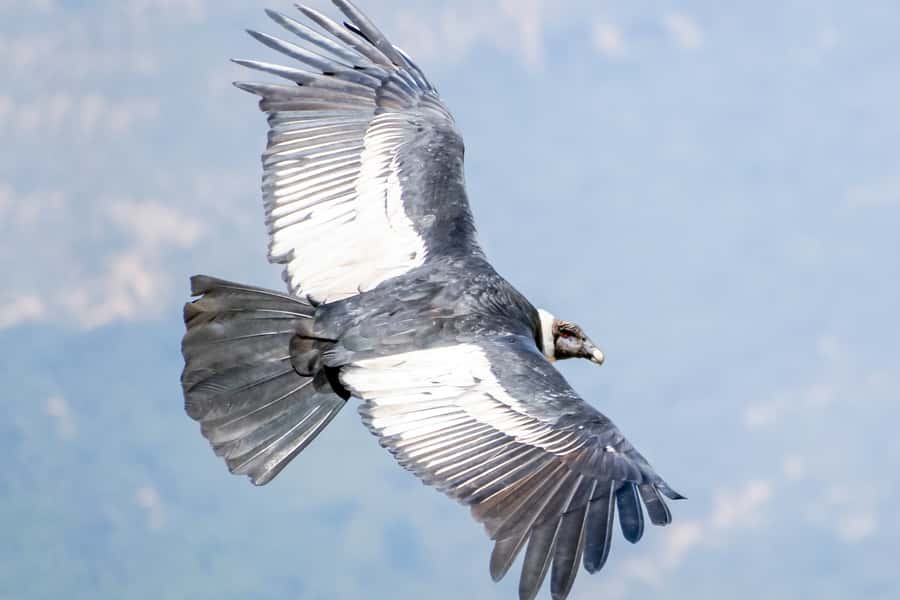
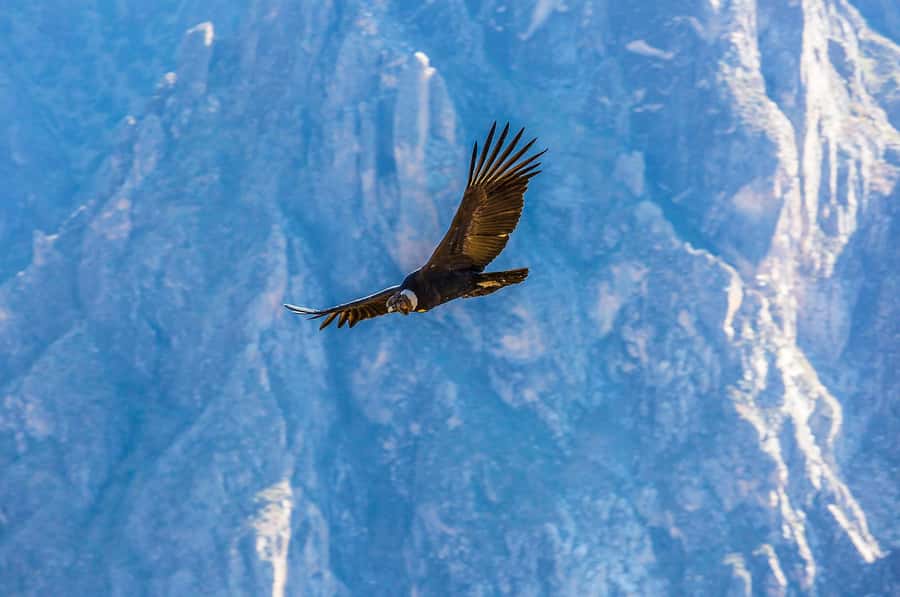
Here’s what makes condor watching work: you’re looking for the Andean condor to ride thermal currents. The description also notes condors were revered by the Incas as messengers of the gods. Whether or not you connect to the mythology, the behavior is what makes the moment special. When a condor catches a thermal, it glides with effortless control, and the wingspan becomes impossible to ignore.
You may spot not only condors, but also other raptors like eagles and hawks. There’s even mention of white-tailed deer at distance, depending on conditions and luck.
Guide detail that matters: the tour uses a live English/Spanish guide, and at least one private run included guide Xavier and chauffeur Guido. That combo is the kind of setup you want for wildlife moments, because timing and calm logistics help you stay in position when the sky does its thing.
If you don’t see a condor immediately, don’t treat it as a fail. This is wildlife watching. The itinerary is designed to give you real time at the viewpoint, so you’re not constantly leaving right before something appears.
The ride back to Cusco: what the 12-hour day feels like
After the viewpoint and canyon time, you start returning to Cusco and arrive in the evening. The day is long by nature: you’re starting in Cusco, dropping to Limatambo, then climbing again to Chonta and the viewpoint areas.
It’s worth knowing that timing can be variable. One experience noted the tour wasn’t exactly 12 hours like the schedule suggests, even though it remained a strong day. So think of 12 hours as a best-fit guide, not a clock you can plan around perfectly.
Transportation is private, and pickup/drop-off is included at two Cusco areas: Iglesia del Triunfo and Centro Histórico. That means less time figuring out meeting points and more time just doing the experience.
If you’re planning your evening after this tour, keep it light. Your body has altitude to process and a hike to recover from, even if you feel fine during the day.
Price and value: why $159 can make sense here
At $159 per person for a full day, you’re paying for three things that add real value: guided interpretation, private transport, and a tour structure that balances Inca sites with nature watching.
Here’s what’s included:
- hotel pickup and drop-off
- private transportation
- professional guide
- box lunch
- entrance fees
What’s not included: breakfast or other meals beyond the box lunch.
For me, the value comes from not having to coordinate multiple transfers on your own. Cusco-based travel can quickly turn into half the day spent guessing bus routes or dealing with mismatched timing between sites. This tour bundles those parts cleanly.
Also, the condor viewpoint piece is the kind of experience that’s hard to replicate independently without local knowledge. The tour’s timing and viewpoint focus are doing a lot of work for you. Even if condor spotting is never guaranteed, the setup is designed for a good chance.
Would I say it’s a cheap day? No. But it’s the kind of price that often becomes fair when you count guide time, entrance fees, and the cost of private transportation in a high-altitude region.
Who should book this tour, and who should skip it
This is a great match if you want:
- Inca sites tied to astronomy and ceremonies, not just general sightseeing
- a serious nature-and-wildlife day with a hike and canyon views
- the possibility of Andean condors at Huaco Viewpoint
It’s especially appealing if you like your days with a mix of indoor-style learning and outdoor looking.
Skip it if:
- you have back problems, since it’s specifically listed as not suitable
- you know you struggle with long days at altitude or sustained walking
- you want an ultra-easy, minimal-walking outing
What to bring for a smooth day in the Andes
The essentials are straightforward:
- passport or ID card
- sun hat
- camera
- sunscreen
- comfortable clothes
This day is high altitude and outdoors for significant chunks, so sun protection isn’t optional. Comfortable clothes help you handle temperature shifts between Cusco and canyon areas.
Also, note what’s not allowed: pets, weapons or sharp objects, and alcohol and drugs. Keep it simple and follow the guide’s instructions.
Should you book the Condor Viewpoint & Inca Sites tour?
If you want one day that ties together Inca ceremonial astronomy, the scale of the Apurímac Canyon, and a focused shot at Andean condors, then yes, this is worth considering. The private format, guided interpretation, and viewpoint-focused structure make it feel built for results rather than random wandering.
Just be honest with yourself about the hike and altitude. If your body can handle a long day and you can move carefully near canyon edges, you’ll likely come away with the kind of memories that don’t fade.
FAQ
How long is the Condor Viewpoint & Inca Sites tour?
The tour is listed as 12 hours.
Where are the pickup and drop-off locations in Cusco?
Pickup and drop-off are offered around Centro Histórico and Iglesia del Triunfo in Cusco.
What languages does the tour guide speak?
The live guide speaks English and Spanish.
Is lunch included?
Yes. You get a box lunch included in the tour. Breakfast or other meals are not included.
Is the tour suitable for people with back problems?
No. It is noted as not suitable for people with back problems.
What should I bring?
Bring your passport or ID card, sun hat, camera, sunscreen, and comfortable clothes.