REVIEW · CUSCO
Food and Culture Full day Tour in the Sacred Valley
Book on Viator →Operated by Sacred Valley Food and Culture Tour · Bookable on Viator
A day in the Sacred Valley can be life-changing fast. This one mixes market food with real conversations, led by Liat, so you taste Peru and understand the people behind it. I especially like the Urubamba breakfast tastings and the chance to eat with an indigenous family in Huilloc, not just watch from the sidewalk. One possible drawback: it’s a full 10-hour day, so you’ll want decent stamina for moving between towns and eating steadily.
What makes it feel different is the rhythm. You start with food in the town where locals shop, shift to the Inca setting of Ollantaytambo with a Chicha stop, then spend real time in a home community with traditional crafts and a festive lunch. If you’re allergic or have food sensitivities, you’ll need to flag it early, since the menu is built around tasting local specialties.
In This Review
- Key things to know before you go
- Why a Sacred Valley food-and-culture day beats a standard sightseeing loop
- Urubamba morning tastings: breakfast in the market and town square
- Ollantaytambo old town visit plus Chicha in a real chicheria
- Huilloc Valley with an indigenous family: crafts and a festive lunch
- Urubamba dessert finish: ending with something sweet
- The guide matters: what Liat’s approach does for your day
- Timing, transportation, and group size: how to plan your day
- Price and value: what your $200 covers
- Who should book this Sacred Valley food-and-culture tour
- Should you book this Sacred Valley Food and Culture full day tour
- FAQ
- What is the duration of the Sacred Valley Food and Culture full day tour?
- What time does the tour start and where is the meeting point?
- How much does the tour cost?
- Is the tour in a small group?
- What’s included in the price?
- What is not included?
- Can I request help if I have allergies or special dietary sensitivities?
- Is there an extra option for getting from Cusco?
- What happens if the weather is poor?
- FAQ
- Can I cancel for a full refund?
- Is the tour suitable for most people?
- Is the meeting point near public transportation?
- How soon will I get confirmation after booking?
- Is the guide speaking English?
Key things to know before you go
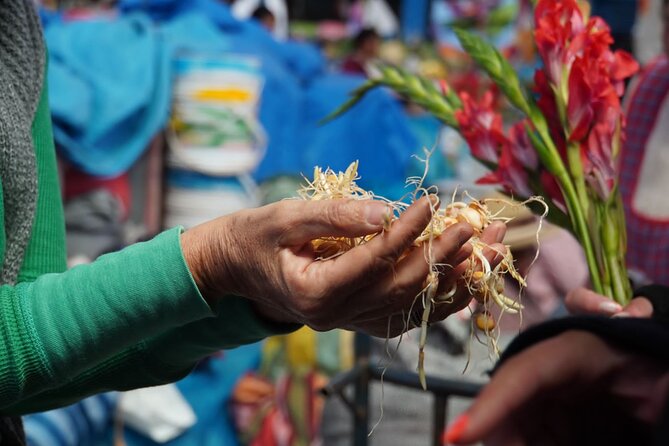
- Two big highlights are built in: Urubamba market tastings in the morning and a family lunch in the Huilloc community.
- You’ll drink Chicha at Ollantaytambo in an authentic chicheria, not a tourist-only setup.
- Group size stays small: shared tour up to 15 people, with an English-speaking guide.
- Ollantaytambo archaeological entrance isn’t included if you want to go beyond the old town visit.
- You’ll travel by A/C vehicle (type depends on group size) across mountain roads.
- Good weather matters for the day, and poor weather can trigger a date change or full refund.
Why a Sacred Valley food-and-culture day beats a standard sightseeing loop
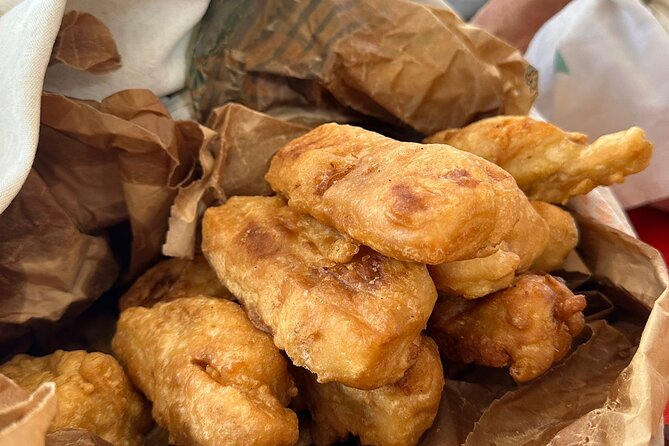
In the Sacred Valley, it’s easy to turn the trip into a checkbox: ruins, views, photos, done. This tour takes a different angle. Instead of treating food as a side quest, it builds the schedule around how people actually eat and socialize.
That matters because Sacred Valley culture isn’t just “what you see.” It’s what happens in markets, in family workshops, and in places where locals gather. By the end of the day, you’re not only carrying flavors with you. You’re also carrying context for why those flavors and routines exist.
For many people, the biggest win is the guide. In this case, Liat’s energy comes through in the details: she’s described as funny, friendly, and tuned in to the group. The tone isn’t stiff or scripted, which is exactly how you get people to try foods they might normally skip.
You can also read our reviews of more food & drink experiences in Cusco
Urubamba morning tastings: breakfast in the market and town square
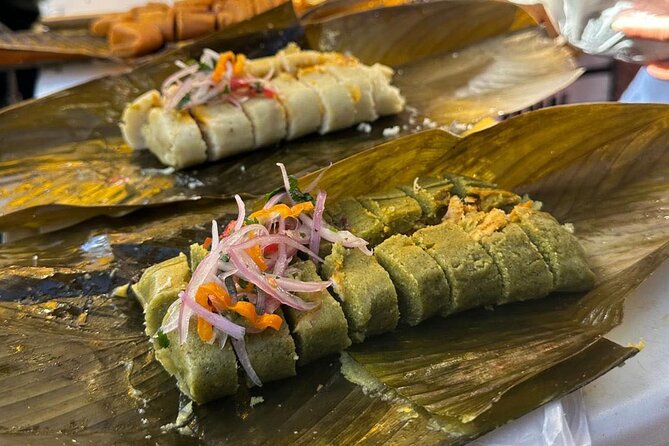
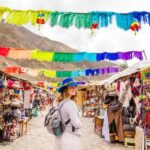
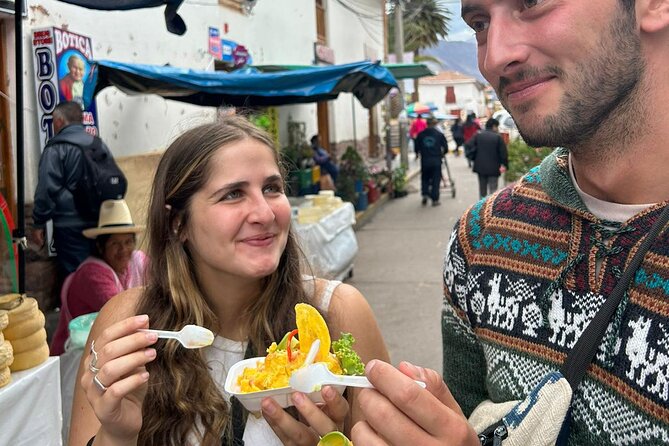
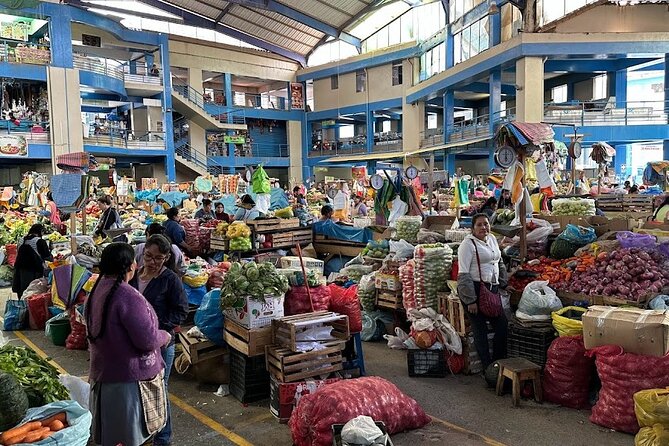
The day starts in Urubamba at 9:00 am, with tastings in the market area and the main square. This is the portion I’d call your foundation. You get breakfast-style sampling early, which sets you up for the long day ahead without that midmorning slump.
You’re not just handed a plate. You’re tasting street food and local favorites, with a guide helping you understand what you’re eating and how to approach it. This is also where you learn the small cues that make market food feel less intimidating: what to try first, how things are usually prepared, and what flavors go together.
Practical tip: come hungry but not reckless. If you know you get overwhelmed by lots of small bites, pace yourself. The tour structure is designed so you keep going, but you’re still in control of how fast you move through tastings.
Ollantaytambo old town visit plus Chicha in a real chicheria
After Urubamba, you head to Ollantaytambo, the Inca town that feels like a living bridge between eras. You’ll walk through the old city and then take time to drink Chicha in an authentic chicheria.
Chicha is one of those drinks that instantly turns a cultural stop from abstract to personal. It’s not just about the beverage. It’s about how people gather, share stories, and carry tradition through everyday rituals. By putting this in the middle of the day, the tour also gives you a morale boost between travel and the higher-altitude drive toward Huilloc.
A key detail to plan around: entrance to the Ollantaytambo archaeological site isn’t included. If you want archaeological entry on top of the old town visit, you may need to pay separately. That’s a normal extra cost, but it’s good to know up front so you don’t get surprised later.
Huilloc Valley with an indigenous family: crafts and a festive lunch
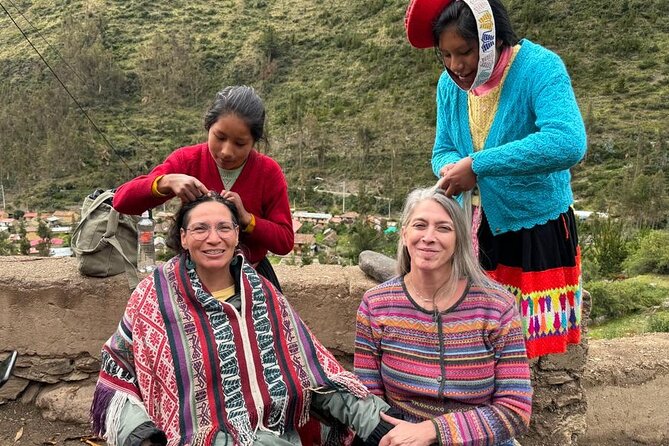
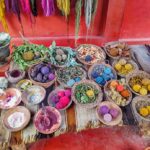
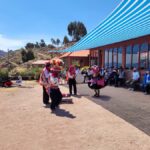
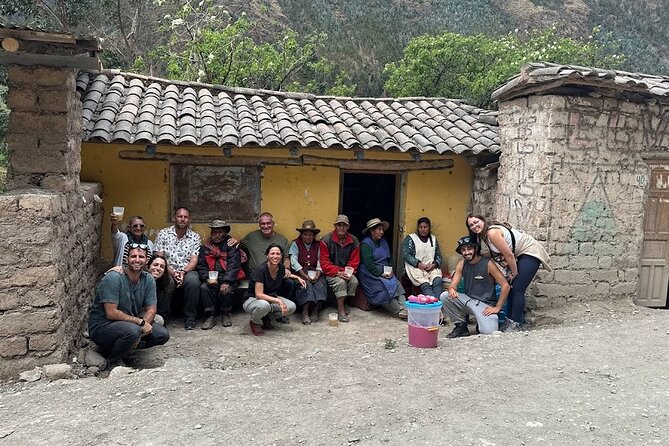
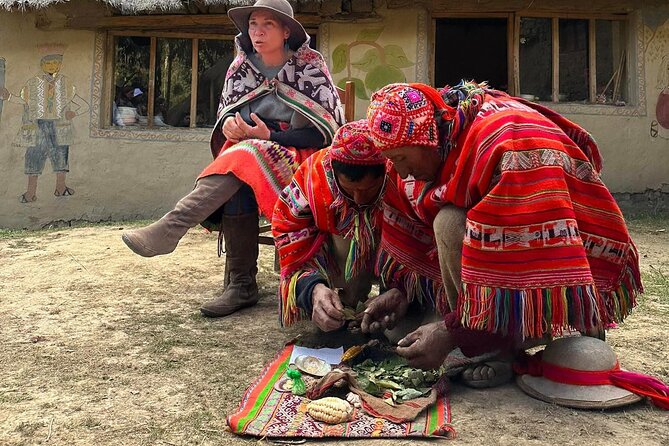
This is the centerpiece of the day. You drive up into the Andes to visit an indigenous Peruvian family in the Huilloc community, where you learn about daily life and traditional crafts, then share a festive traditional lunch.
The value here isn’t just the food. It’s the time. You’re not doing a quick photo stop and leaving. You’re meeting family members, seeing craft traditions firsthand, and being part of a meal that feels like a celebration rather than a restaurant experience.
From the way the experience is described, Liat helps turn the lunch into a conversation, not a scripted performance. That’s what makes people remember this part: the feeling that you’re being treated as a person for a few hours. If you’re hoping for cultural understanding that goes beyond ruins and captions, this is where you’ll get it.
Practical tip: during the lunch segment, you’ll likely be dealing with both being fed and learning. So if you want to ask questions about food ingredients, ingredients and preparation, or daily routines, this is the easiest moment. Your guide will also be the best bridge if anything feels unfamiliar.
Urubamba dessert finish: ending with something sweet
After Huilloc, you return to Urubamba and wrap up with a local dessert. It’s a simple ending, but it works. By the time you reach dessert, you’ve already built a full picture of the day’s flavors: savory market bites, a Chicha stop, and a festive family lunch.
Dessert is also a good way to reflect. You can look back on what you tried that you’d never normally choose on your own, and what you’re curious to taste again later. For some people, that final sweet note is the moment the day really clicks.
You can also read our reviews of more tours and experiences in Cusco
The guide matters: what Liat’s approach does for your day
This tour doesn’t rely on fancy staging. It relies on people. That’s why Liat’s style is such a big part of the experience. The descriptions point to someone who brings heart and energy, not just facts.
I like tours where the guide actively reduces hesitation. Here, that shows up in the way the day is paced around frequent opportunities to taste, ask questions, and move between settings without feeling rushed. When you feel safe trying new foods, you tend to learn faster and enjoy more.
Also, Liat is described as professional and energetic while still being warm and caring. That balance matters on a long day. You want someone who can keep the group on track but also slow down when people have questions or need a moment.
Small suggestion: listen for the guide’s cues on what to try next. In a tasting day, the order matters. You’ll get more out of each stop if you let your guide steer your palate instead of trying to “outsmart” the plan.
Timing, transportation, and group size: how to plan your day
This is about 10 hours total, starting at 9:00 am. It’s structured with time in Urubamba, then Ollantaytambo, then the Huilloc community, and finally back to Urubamba.
You’ll ride in an A/C vehicle, with the type depending on how many people are in the group. The group is shared, with a maximum of 15 travelers, which keeps the day from turning into a giant, slow-moving crowd.
Two practical realities to plan for:
- You should expect a lot of “in-between time” traveling by road in the Sacred Valley.
- You’ll be eating across the day, so it helps to drink water and take the rare sit-down moments when they appear.
If you’re staying in Cusco, transfer from Cusco is available for an additional fee. Since the meeting point is in Urubamba, that matters for your scheduling. If you don’t already have a simple path to the meeting point, confirm what transfer option you’re using before travel day.
Price and value: what your $200 covers
At $200 per person for an approximately 10-hour day, the value comes from how much is included.
You’re getting:
- Breakfast tastings in Urubamba (market area and main square)
- A traditional festive lunch with an indigenous family in Huilloc
- Snacks
- A traditional dessert
- An English-speaking tour guide
- An A/C vehicle for the day
- Visits to Ollantaytambo, Urubamba, and the Huilloc community
- Meeting and ending back at the same meeting point in Urubamba
What’s not included is entrance to the Ollantaytambo archaeological site. So if you want that add-on, budget separately.
Compared with tours that only hand you a quick bite and a drive-by, this one leans into meals as the main event. That’s why people tend to come away feeling fed and informed, not just “shown around.”
Who should book this Sacred Valley food-and-culture tour
This is a strong fit if you:
- Want food as the main lens for culture, not a side dish
- Prefer a smaller group (up to 15) over a big coach experience
- Enjoy guides who encourage you to try things and explain what you’re tasting
- Like a day that includes both market life and community life, not only monuments
It may be less ideal if you want mostly archaeological time at Ollantaytambo. The old city visit is included, but the archaeological entrance isn’t. If your priority is ruins and fewer meals, you might prefer a different kind of tour.
Also note: most travelers can participate, and service animals are allowed. If you have allergies or special sensitivities, consult at the beginning so the team can set expectations.
Should you book this Sacred Valley Food and Culture full day tour
Book it if you want a Sacred Valley day that feels human: food in the market, Chicha in Ollantaytambo, and a family lunch in Huilloc. The price is easier to justify because you’re not buying transportation alone. You’re buying meals, guide time, and access to community life.
Skip it only if you strongly dislike tasting formats or you need very strict dietary control without any ability to adapt. Since the lunch and tastings are central, people with major allergies should plan carefully and communicate early.
If you’re trying to choose between “ruins first” and “food first,” this one makes a clear case for food first.
FAQ
What is the duration of the Sacred Valley Food and Culture full day tour?
It runs for approximately 10 hours.
What time does the tour start and where is the meeting point?
The tour starts at 9:00 am. The meeting point is Tienda Ampay – Palomino Cargo, Av. Ferrocarril, Urubamba 08660, Peru, and it ends back at the same meeting point.
How much does the tour cost?
The price is $200.00 per person.
Is the tour in a small group?
Yes. It’s a shared group tour with a maximum of 15 travelers.
What’s included in the price?
Included are breakfast tastings in Urubamba, a traditional festive lunch with an indigenous Peruvian family, snacks, a traditional dessert, an English-speaking tour guide, and an air-conditioned vehicle. Transfers from Cusco are available for an additional fee.
What is not included?
Entrance to the Ollantaytambo archaeological site is not included.
Can I request help if I have allergies or special dietary sensitivities?
You should consult at the beginning of the tour. The information notes that people with allergies and special sensitivities are advised to check in at the start.
Is there an extra option for getting from Cusco?
Yes. Transfer from Cusco is available for an additional fee.
What happens if the weather is poor?
The tour requires good weather. If it’s canceled due to poor weather, you’ll be offered a different date or a full refund.
FAQ
Can I cancel for a full refund?
Yes. Free cancellation is available up to 24 hours in advance for a full refund.
Is the tour suitable for most people?
Yes, the tour indicates most travelers can participate. Service animals are allowed as well.
Is the meeting point near public transportation?
Yes. The meeting point is noted as near public transportation.
How soon will I get confirmation after booking?
Confirmation is received within 48 hours of booking, subject to availability.
Is the guide speaking English?
Yes. The tour guide is English-speaking.