REVIEW · CUSCO
Vegan Peruvian Cooking Class Cocktails and Local Market in Cusco
Book on Viator →Operated by Peruvian Cusco Flavors · Bookable on Viator
Cusco food should feel hands-on, not distant. This vegan Peruvian cooking class pairs a guided stop at Mercado Central de San Pedro with a chef-led studio session where you cook three classics—100% plant-based—and learn two pisco cocktails. It’s a great way to taste Peru and then take the skills home.
I like that you’re not just watching: you shop for ingredients, cook your own ceviche, causa limeña, and quinoa tamal, and get the recipes afterward. My other favorite part is the drink portion—two pisco cocktails—because it connects flavors you’d miss if you only focused on food. One possible drawback: if you’re sensitive to alcohol, plan for the fact that the pisco drinks are part of the core experience for adults (with non-alcoholic alternatives for under 18).
In This Review
- Key things I’d circle before you book
- Cusco starts at Mercado Central de San Pedro
- What you learn while you shop (and what you’ll cook later)
- From market to kitchen: how the studio class works
- Making vegan ceviche: bright, tangy, and very doable
- Vegan causa limeña: the layers, the texture, the flavor
- Quinoa tamal: hearty comfort with a Peruvian backbone
- Two pisco cocktails: the fun part with a clear alcohol rule
- Included ingredients, equipment, and the recipes you get back home
- Timing and logistics: what to plan for in Cusco
- Is the vegan menu actually vegan (and flexible)?
- Who this class is best for
- Should you book this vegan cooking class with market + cocktails?
- FAQ
- Where does the tour start?
- What dishes and drinks are included?
- How long is the experience?
- Is this class fully vegan, and can it accommodate dietary restrictions?
- Are recipes provided after the class?
- How big is the group?
Key things I’d circle before you book
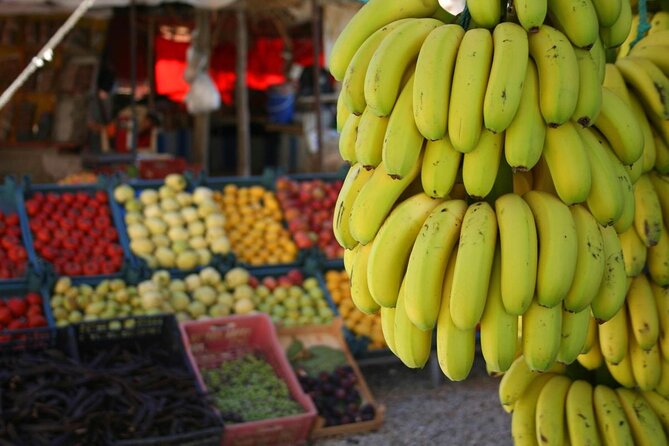
- San Pedro Market start: you begin with ingredients, not a lecture.
- Three vegan Peruvian dishes: ceviche, causa limeña, and quinoa tamal.
- Two pisco cocktails: plus a clear rule for under-18 non-alcoholic service.
- Everything included: ingredients, equipment, and recipes sent at the end.
- Small group size: max 10 travelers, which makes questions easier.
Cusco starts at Mercado Central de San Pedro
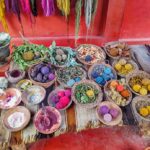
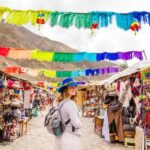
The day begins at Mercado Central de San Pedro (Thupaq Amaru 477, Cusco 08002). Markets in Peru are more than a place to buy food. They’re where you see ingredients in their natural context—produce, grains, roots, spices, and everyday staples all side-by-side. That matters, because it helps you understand why Peruvian cooking tastes the way it does.
I also like the pace here. You don’t get thrown straight into the kitchen without context. Instead, you get introduced to ingredients you’ll actually use later in the class. If you’ve ever tried to cook from memory, you know how often that fails. Shopping first gives your brain something concrete to connect to.
There’s one small practical catch: the meeting point can feel confusing at first. A previous participant noted that you need to find the correct door at the green entrance area. If you’re arriving early, I’d do yourself a favor and check in before the group locks in.
You can also read our reviews of more tours and experiences in Cusco
What you learn while you shop (and what you’ll cook later)
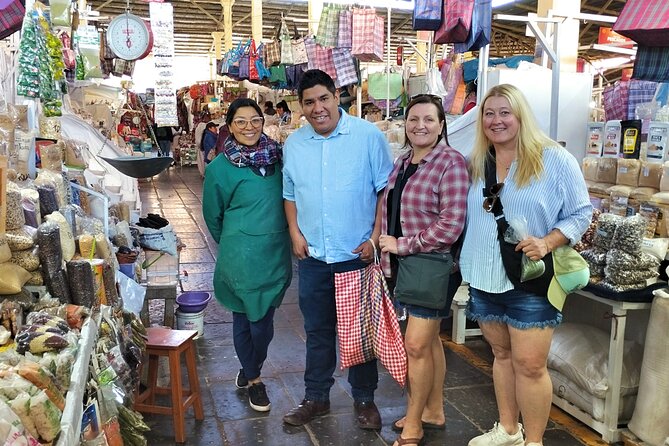
During the market visit, you’ll be guided through the foods used in Peruvian dishes—and yes, you’ll see Peru’s famous superfoods along the way. One review highlighted learning about passion fruit varieties, plus a traditional Peruvian bread that gives a sense of how local food moves through daily life.
The best part of the market component is that it’s not just about naming ingredients. You’re learning what they do. In a cooking class like this, that’s the difference between tasting something and understanding how it becomes a dish.
You can expect to cover categories like:
- fruit and flavors used for drinks
- vegetables and aromatics that drive sauces and fillings
- grains and staples that show up in tamales and sides
And because this is a vegan class, the ingredients you’re choosing are meant to work in plant-based versions of classic Peruvian plates. That’s useful if you’re vegan (or cooking for vegans), because you’re not stuck translating recipes on your own. You see which parts of a classic dish get swapped, and how.
From market to kitchen: how the studio class works
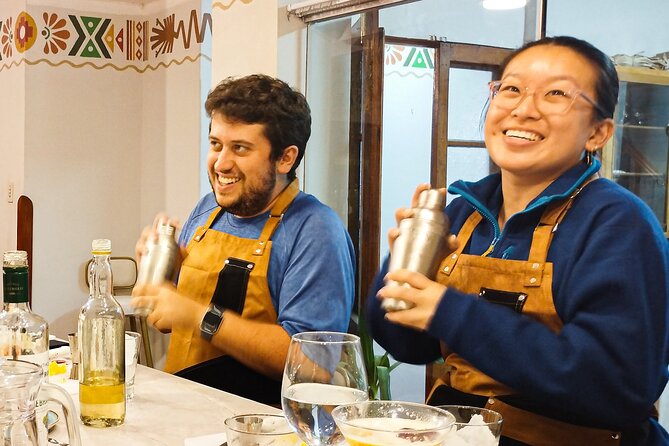
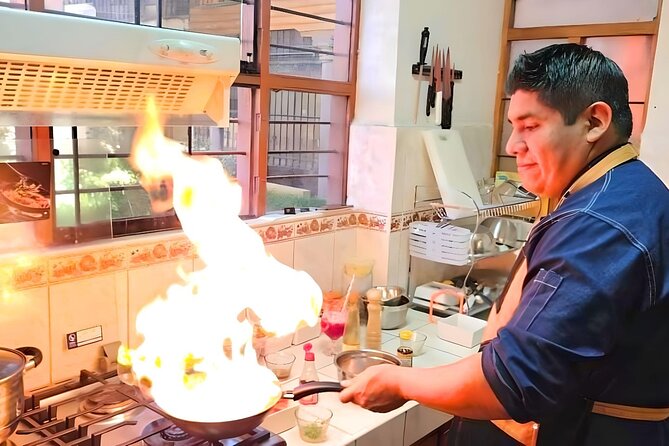
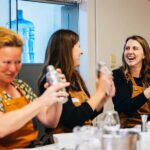
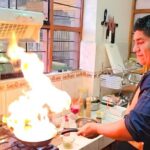
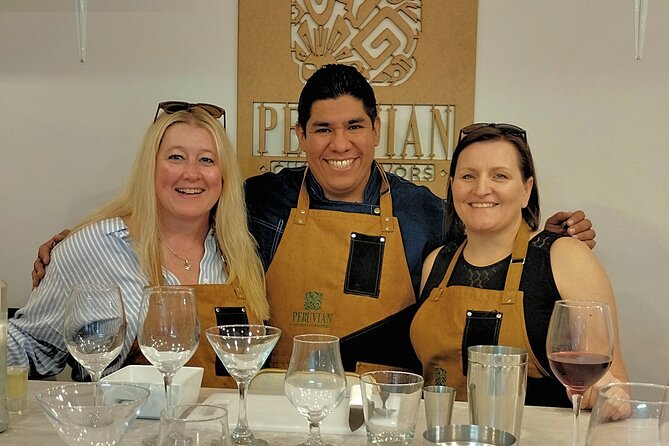
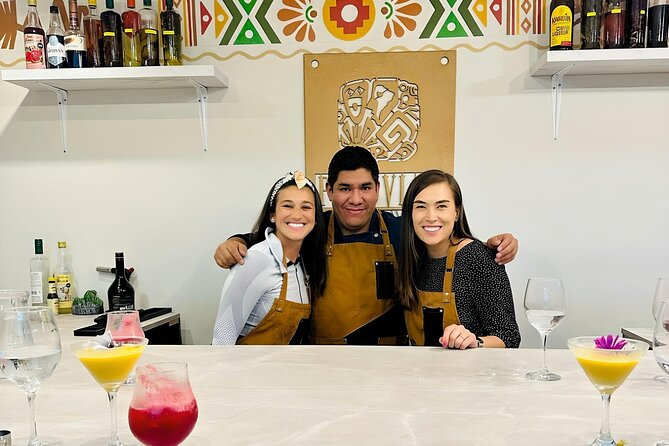
After the market, you head to the cooking studio located in the center of Cusco. The setup is designed for hands-on cooking, not chef theater. You’ll work on a counter with the tools and ingredients ready, guided by a professional chef.
In reviews, chefs like Jorge and Jesus are mentioned by name, and they’re described as patient and clear with instructions. That’s a big deal for a class like this because Peruvian cooking techniques can be specific, even when the ingredients are vegan.
This is also where you’ll appreciate the small group size. With a maximum of 10 travelers, it’s easier to ask, get feedback, and not feel like you’re cooking on fast-forward.
Making vegan ceviche: bright, tangy, and very doable
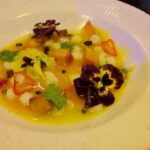
Ceviche can sound intimidating if you think it requires fish. In this class, you learn 100% vegan ceviche, which is a smart way to experience the flavor profile without the typical protein.
You’ll cook in a way that follows the logic of ceviche: you build acidity and aromatics, then let the ingredients react to the mix. You’ll also learn what makes the balance work—sharp, refreshing, and flavorful rather than sour or flat.
Practical tip: when you cook ceviche-style dishes at home, tasting as you go is everything. Since the class is taught step-by-step, you’ll get a sense of how the flavors should change during preparation. That’s exactly what you want if you plan to recreate it for parties.
Vegan causa limeña: the layers, the texture, the flavor
Next up is causa limeña, also made vegan. One review mentioned vegan mayonnaise, which helps explain how the dish keeps that creamy, cohesive feel that people associate with the classic version.
Causa limeña is all about texture and structure. It’s typically layered and served neatly, so your goal in class isn’t just flavor—it’s getting a consistent mash-like base and a filling that holds together.
I like this dish for home cooks because it looks impressive with relatively straightforward steps. If you’re bringing vegan food to a group meal, causa limeña tends to convert people fast. Even if someone thinks they only like traditional versions, the color, seasoning, and creamy mouthfeel do the convincing.
You can also read our reviews of more shopping tours in Cusco

Quinoa tamal: hearty comfort with a Peruvian backbone
Then you learn quinoa tamal. Tamales have a reputation for being time-consuming, but the value of a class like this is that you see how to streamline the process using the ingredients and equipment provided.
Quinoa brings a nutty, hearty quality. In the context of a tamal, it helps create that filling, satisfying bite without needing animal products. And since quinoa is common and recognizable to many people, it can be one of the easiest dishes in the class to replicate later.
If you’re choosing what to prioritize during your trip, this tamal component is a great “grab-and-go” takeaway skill. Once you’ve learned the approach, you can adapt fillings and flavorings without starting from scratch.
Two pisco cocktails: the fun part with a clear alcohol rule
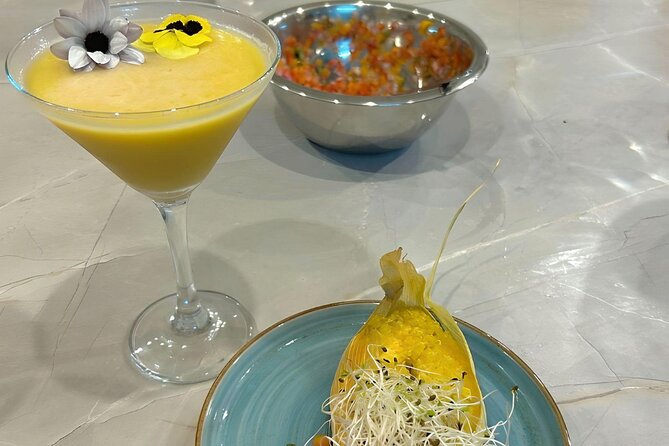
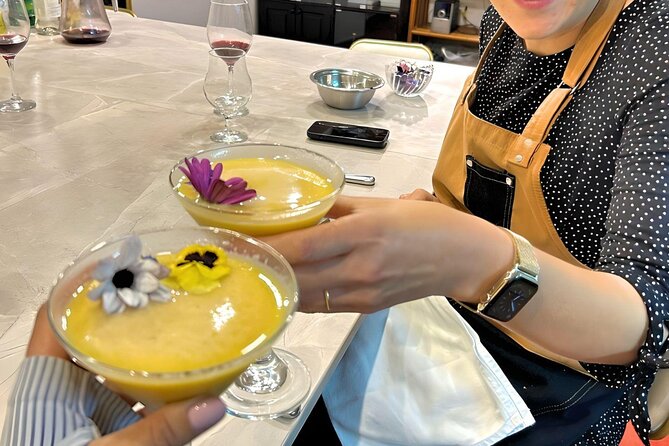
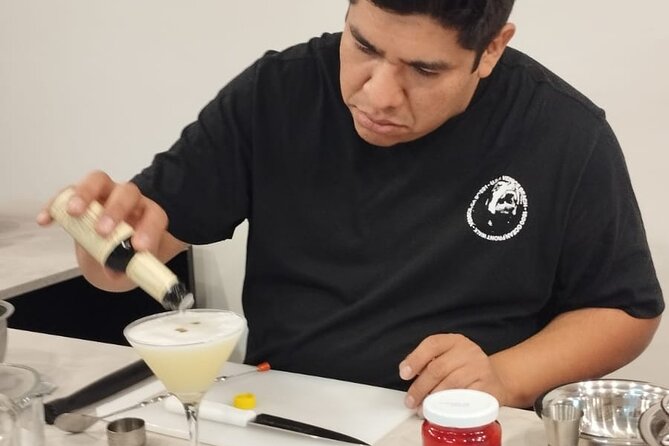
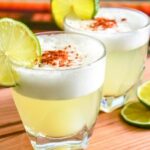
A big selling point here is the two pisco cocktails during the class. One participant specifically called out learning pisco sour and a chicha morada-style drink. Either way, you get training that goes beyond pouring something and calling it a cocktail.
This matters because pisco drinks can be picky about balance—sweetness, acidity, and dilution all play a role. If you’ve ever tried making a pisco sour at home and wondered why it doesn’t taste like the bar version, this class is the kind of learning that fixes that gap.
Also, there’s a straightforward rule to know in advance:
- Alcoholic pisco drinks are served to adults 18+
- People under 18 get non-alcoholic drinks, with pisco replaced by bottled water
That’s reassuring if you’re traveling with teens or you prefer to keep the day alcohol-light.
Included ingredients, equipment, and the recipes you get back home
The class includes all ingredients and equipment, plus bottled water. That might sound basic, but it’s actually part of the value equation. Cooking classes can waste time if you need to hunt for specialty items or bring your own gear. Here, the whole session is set up so you can focus on learning technique and flavor.
At the end, you’ll receive the recipes. This is the difference between a cool meal you forget in a week and a skill you can use for years. I like classes that send the recipe details because you’ll likely want to recreate at least one dish for future dinners, potlucks, or vegan-friendly gatherings.
Timing and logistics: what to plan for in Cusco
The experience runs about 4 hours and is typically booked roughly 21 days in advance on average. That’s a good sign. Small-group cooking classes tend to fill when people realize they include both market shopping and hands-on cooking plus cocktails.
You’ll also be dealing with a real travel environment: you start at the market, then move to a central studio. Being on time helps, especially since the market portion is part of the learning flow and not just a quick photo stop.
If you’re easily flustered, give yourself a small buffer at the start. One review mentioned confusion about door numbering—so plan to locate the green entrance area and meet your host promptly.
Is the vegan menu actually vegan (and flexible)?
Yes—this class is built around a plant-based version of Peruvian favorites. You’ll cook vegan ceviche, vegan causa limeña, and quinoa tamal.
On top of that, the experience offers options for allergies and food restrictions. That’s important because vegan cooking isn’t the same as allergen-free cooking. If you have gluten, nut, or other restrictions, I’d flag them before you arrive so the chef can guide you to the right approach.
In reviews, participants emphasized how well the class worked for vegan diets. That matches the menu focus: the dishes are designed from the start to fit vegan eaters, not “adjusted later.”
Who this class is best for
This is a strong fit if you:
- want to taste Cusco through food you can reproduce
- are vegan or cooking for vegans and want authentic Peruvian flavors
- like markets and want ingredient context, not just a studio-only cooking lesson
- enjoy cocktails and want a practical lesson on pisco-based drinks
It’s also a good choice if you’re traveling solo or as a couple, since the group stays small (max 10). That size makes it easier to chat with the chef about flavor choices and technique.
If you hate structured activities or prefer to freestyle meals on your own, this one may feel scheduled. But if you want a guided, hands-on evening that produces real take-home results, it’s hard to beat.
Should you book this vegan cooking class with market + cocktails?
I’d book it if your goal is to leave Cusco with more than photos. This experience gives you a clean package: market context, hands-on practice cooking three vegan classics, and two pisco cocktails for adults 18+. Add recipes at the end, and you’ll likely use what you learned long after your flight home.
I’d think twice only if you strongly dislike cooking or you need a fully alcohol-free menu for adults. Adults generally get pisco cocktails as part of the experience, even though non-alcoholic alternatives are available for under-18 participants.
If you want a fun, practical food day that hits both local ingredients and teachable technique, this is a smart bet.
FAQ
Where does the tour start?
The tour starts at Mercado Central de San Pedro, Thupaq Amaru 477, Cusco 08002, Peru.
What dishes and drinks are included?
You’ll cook three vegan Peruvian dishes: ceviche, causa limeña, and quinoa tamal. The class also includes alcoholic pisco cocktails for adults (and non-alcoholic alternatives for under 18).
How long is the experience?
It’s about 4 hours (approx.).
Is this class fully vegan, and can it accommodate dietary restrictions?
Yes, the dishes taught are 100% plant-based, and the experience offers options for allergies and other food restrictions.
Are recipes provided after the class?
Yes. You’ll receive the recipes at the end of the class.
How big is the group?
The group size is limited to a maximum of 10 travelers.