REVIEW · CUSCO
Waqrapukara 1 day trekking + meals
Book on GetYourGuide →Operated by Amaru explorer SAC · Bookable on GetYourGuide
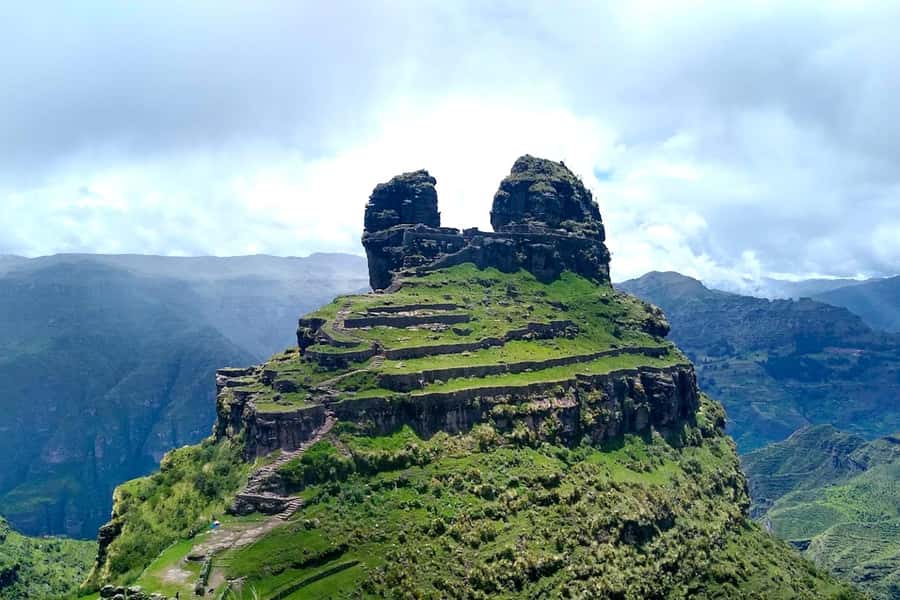
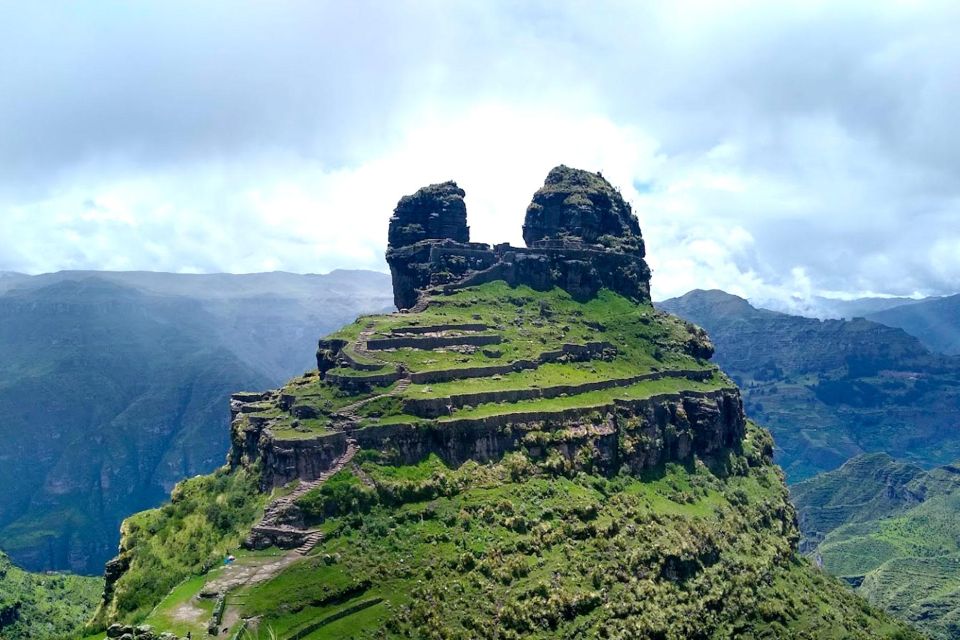
Waqrapukara starts with a headlamp morning. This horn-shaped fortress (Waqrapukara means that) sits around 4,300 meters above sea level, and it’s a rare mix of early-hike effort and real, still-legible Inca work: temples and enclosures tied to Inca nobility. What I love most is the hike-to-view payoff, and the chance to walk among stone structures without needing extra planning. The main drawback to keep in mind: the walking time to the site is about two hours, so the day isn’t nonstop ruins time.
The payoff is the way the place feels up close. You arrive, get a short guided introduction, then you’re given time to visit part of the area—enough to orient yourself, take photos, and get a sense of how the complex sits in the high Andes. I also like that the trip includes breakfast and lunch stops at Sangará, so you’re not hunting for food at altitude while your body is doing the usual Cusco-style recalibration.
Plan around cold mornings and strong sun. Even if conditions are sunny, it can feel sharp at elevation, so your layers matter. And budget for the entrance fee separately—S/ 15 (about $5)—since it’s not included.
In This Review
- Key points before you go
- Waqrapukara: The horned fortress and the Inca pieces you’ll actually see
- The early 4–5 a.m. pickup: why your legs start working before Cusco does
- The two-hour walk from the parking area: what to expect on the trail
- Arrival at Waqrapukara: the guided intro and your time inside the ruins
- Sangará breaks: breakfast, lunch, and how the pace feels through the day
- Entrance fee and total cost: is $50 worth it?
- What to bring (and what really matters at 4,300m)
- Language and guide style: getting the most from a brief orientation
- Who should book Waqrapukara, and who should skip it
- Should you book this one-day Waqrapukara trek?
- FAQ
- What time is pickup from my hotel?
- How long is the walking part to Waqrapukara?
- Are breakfast and lunch included?
- Is the Waqrapukara entrance fee included in the $50 price?
- What should I bring with me?
- What languages does the guide speak?
Key points before you go
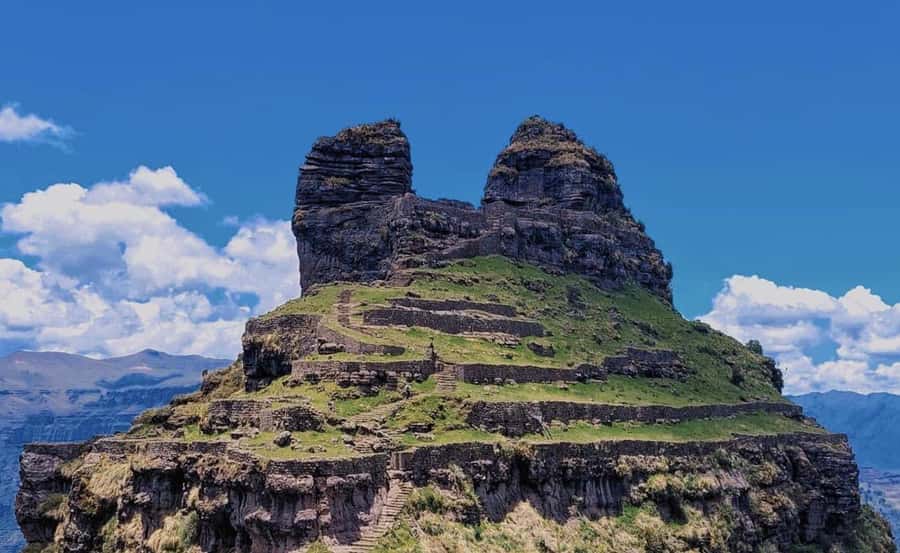
- Horn-shaped Waqrapukara: temples and Inca enclosures you can still see
- 4,300m altitude: a short day, but your lungs will notice
- About a two-hour walk: real hiking time, not a full marathon
- Breakfast + lunch in Sangará: meals built into the schedule
- Walking sticks included: helpful on uneven high-ground sections
- Guide-led visit: you get context, then time to explore on your own
Waqrapukara: The horned fortress and the Inca pieces you’ll actually see
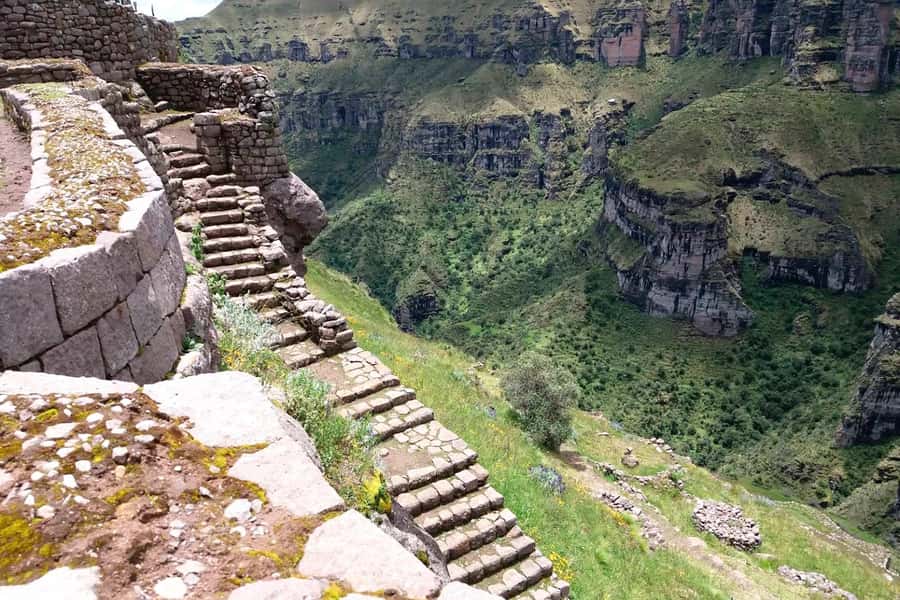
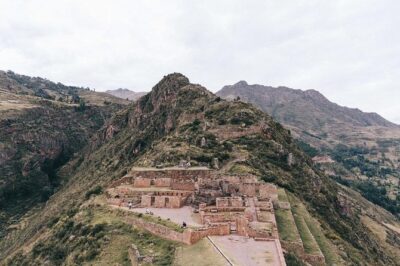
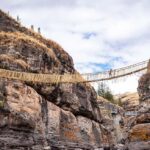
Waqrapukara is one of those Cusco-region sites that feels made for wandering—partly because the structures are still there, and partly because the setting does the storytelling. The name is literally tied to the shape: a fortress in the form of a horn. That’s not just a poetic label. When you’re standing in the right spot, the layout and the rockwork make the identity feel obvious.
Historically, it was a residence linked to Inca nobility. Practically, that means you’re not looking at random ruins scattered across a field. You’re looking at an archaeological center with visible temples and enclosures. Those enclosures are the big “aha” for a lot of people: they show how the space was organized, controlled, and used—not just where stones ended up after centuries.
What makes this experience valuable is that the site isn’t presented as a quick photo stop. You’ll get a brief guide intro on arrival, and then you’ll have time to walk through part of the area yourself. That mix—context first, then freedom—helps you connect the structures to what the guide explained.
You can also read our reviews of more hiking tours in Cusco

The early 4–5 a.m. pickup: why your legs start working before Cusco does
Your day begins with pickup from your hotel area—near or inside the historical center—between 4:00 and 5:00 a.m. The goal is simple: you’re traveling while it’s cooler, and you’re reaching the trail before the day gets fully hot.
In plain terms, this tour asks you to be awake fast. If you’re the type who hates early alarms, this will feel like a tax. But if you like getting the day rolling and avoiding midday crowds and heat, you’ll appreciate it. Early starts also help with comfort on the approach—especially at altitude.
The schedule matters because Waqrapukara itself is not a “walk out the door” destination. After pickup, you drive to Sangará for breakfast, then continue to a parking area where the mobility stays put. From there, you start the trek. That means most of the morning is travel plus body acclimation time, not continuous hiking.
The two-hour walk from the parking area: what to expect on the trail
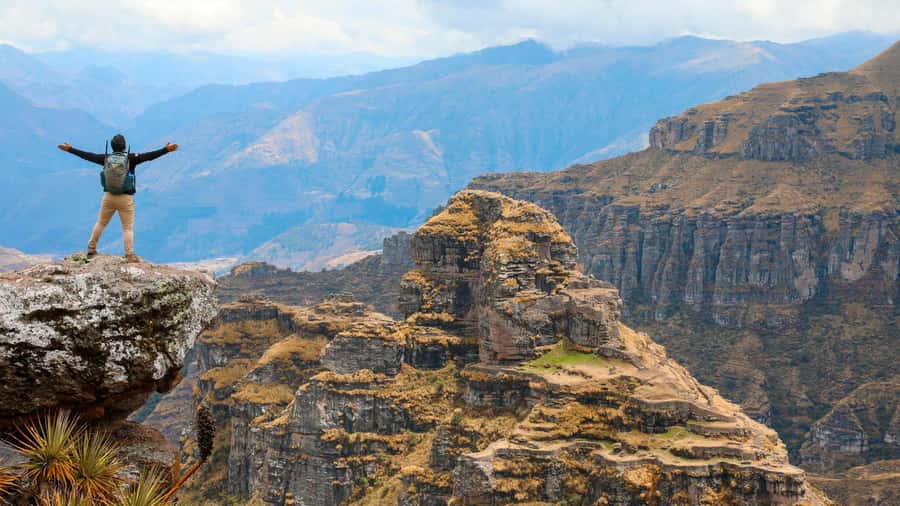
Once you reach the parking area, it’s time to move. You’ll begin a two-hour walk to the archaeological center. This is where your preparation pays off.
Wear hiking shoes with solid grip—wet stone and uneven ground happen in high terrain, even when the weather is friendly. I also recommend using the walking sticks provided. They’re not just for show. They can take pressure off your knees when the path is irregular or when the altitude makes every step feel a little heavier.
Bring water and expect that your breathing will feel different at about 4,300 meters. The walking is planned for a day trip, so you’re not looking at extreme technical climbing. Still, altitude turns a manageable hike into a more deliberate one. Pace yourself. Stop when you need to. You don’t win points by forcing your lungs.
Arrival at Waqrapukara: the guided intro and your time inside the ruins
When you arrive, you get a brief guide and time to visit part of the site. That “part of the area” detail is important. This is not an hours-long, every-corner exploration. It’s a focused visit built into a one-day schedule.
Still, the visit is meaningful because the pieces you’re meant to look at are the core ones: the temples and the Inca enclosures. These elements give you a sense of how the site functioned and who it was likely built for. Even if you’re not an archaeology nerd, you can usually feel the difference between a ceremonial space and a controlled, enclosed area.
My practical tip: use the guided intro to learn what you’re looking at, then slow down during your independent time. High-altitude photos are great, but take a moment to notice construction lines, enclosure boundaries, and how the site sits against the slope. That’s where the place stops being “a ruin” and starts becoming “a layout.”
Sangará breaks: breakfast, lunch, and how the pace feels through the day
The itinerary is structured around two meal stops in Sangará:
- Breakfast at the first stop after pickup
- Lunch on the return route
This design is good for a couple reasons. First, it prevents the classic altitude mistake of skipping food and then trying to power through with snacks. Second, it helps you keep energy steady during the morning hike lead-in and the afternoon drive back.
The tradeoff is timing. You’ll spend chunks of the day in transit—early morning driving, then later the return trip after the site visit. That’s normal for Cusco-area archaeology, but it’s also why some people feel the day is a bit lopsided. If you’re expecting the day to feel like a long, continuous trek through ruins, you might be surprised.
A realistic way to think about it: treat it as a guided half-adventure, half-heritage day. You’ll get the key experience (the hike and the site), then you’ll get back to Cusco by early evening.
You can also read our reviews of more tours and experiences in Cusco



Entrance fee and total cost: is $50 worth it?
The tour price is $50 per person, and it includes:
- Hotel pickup (near or inside the historical center)
- Transportation to and from the hotel
- Breakfast and lunch
- A professional guide
- Walking sticks
What’s not included is the Waqrapukara entrance fee of S/ 15 (about $5).
So, the true cost is closer to $55 once you factor in the entry fee. For a one-day trip with transport, meals, and guidance at altitude, that’s usually solid value. The part to watch is where you place your priorities. If you want a very long time in the ruins, this may not match your expectations. If you want a guided, timed day that gets you to the site without hassle, the value is clear.
Also budget for small essentials. You’ll want cash on hand because the entrance fee is paid on-site, and you might have other small purchases depending on what you decide to do on the day.
What to bring (and what really matters at 4,300m)
Even when the weather is sunny, high altitude can feel cold and intense. Pack like you’re doing a short trek with big temperature swings.
Bring:
- Warm clothing
- Sun hat
- Hiking shoes
- Sunscreen
- Water
- Cash
If you want to feel more comfortable, add a light layer you can pull on right after the hike while you wait or travel. Wind can make “warm” mornings feel cooler fast at elevation.
Language and guide style: getting the most from a brief orientation
This tour offers live guiding in Spanish and English. The site visit itself is short, so the guide’s explanation matters. When the intro is clear, you’ll understand what you’re looking at right away—especially the enclosure and temple areas—so your free time feels smarter, not just scenic.
If you prefer more detail, ask questions during the guided portion. Don’t wait until you’re already wandering. That short window is exactly when the answers will connect best to what you’re seeing.
Who should book Waqrapukara, and who should skip it
This is a good fit if you:
- Want a one-day guided trip from Cusco
- Like a morning hike paired with visible ruins
- Are comfortable walking for about two hours at altitude
- Appreciate meal planning that’s built into the day
It’s not for everyone. It’s not suitable for:
- Children under 6
- Pregnant women
- Wheelchair users
- People over 95
If you’re managing health issues related to altitude, use caution. The tour is short, but the elevation is real.
Should you book this one-day Waqrapukara trek?
I’d book it if you want a focused, guided shot at Waqrapukara’s temples and Inca enclosures, with meals taken care of and a clear schedule that gets you back to Cusco by around 6:00 p.m. It’s also a good choice for first-timers who don’t want to plan transport and timing on their own.
Skip it if you want an all-day, slow, wander-everywhere ruins experience. This trip is designed around a quick hike window and a brief site visit, plus a lot of time spent traveling between Cusco and Sangará.
If you’re ready for an early start, bring warm layers and solid shoes, and treat the entrance fee as part of the real cost. Do that, and Waqrapukara is the kind of day that sticks with you for both the views and the shape of the place.
FAQ
What time is pickup from my hotel?
Pickup is between 4:00 and 5:00 a.m., from hotels near or inside the historical center of Cusco.
How long is the walking part to Waqrapukara?
Once you reach the parking area, you walk for about 2 hours to the archaeological center.
Are breakfast and lunch included?
Yes. Breakfast is included at the first stop in Sangará, and lunch is included on the return trip in Sangará.
Is the Waqrapukara entrance fee included in the $50 price?
No. The entrance fee is S/ 15 (about 5 USD) and is not included.
What should I bring with me?
Bring warm clothing, a sun hat, hiking shoes, sunscreen, water, and cash.
What languages does the guide speak?
The live guide speaks Spanish and English.