REVIEW · CUSCO
From Cusco: 7 Lakes Ausangate Trek with Breakfast and Lunch
Book on GetYourGuide →Operated by Inka Altitude · Bookable on GetYourGuide
Early morning, big altitude, calm lakes. This one-day Ausangate 7 Lakes Trek turns a long Cusco day trip into a punchy mix of Apu Ausangate views, alpine lagoons, and a well-timed soak at Pacchanta hot springs. I like how it keeps things organized with a professional guide and small-group feel, while still giving you chances to pause for the scenery. The main catch is the altitude and the cold early start, because you’ll hike at very high elevations and the day can feel tough if you’re sensitive.
I also like that the day has built-in pacing options. You’ll hike about 13 km (around 8 miles) at a comfortable rhythm, and you may use horses for parts of the route if your body says not today. A drawback to plan for: you’ll want to travel light, since luggage or large bags aren’t allowed, and the dirt-road drive can feel rough before you even start climbing.
In This Review
- Key points before you go
- Why Ausangate’s 7 lakes feel different from the usual Cusco hikes
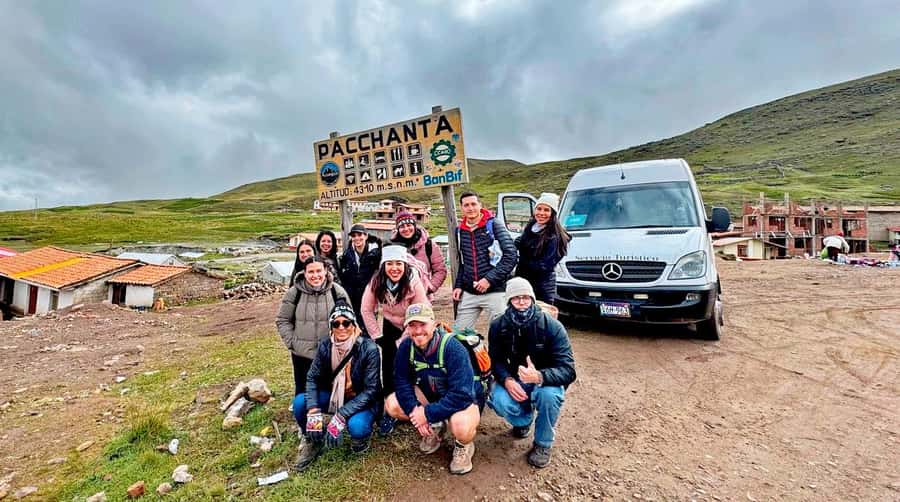
- The early start: pickup, drive, and staying warm before altitude hits
- Breakfast at Pacchanta, then your first real look at Apu Ausangate
- The main trek: 13 km, lake views, and pacing that actually works
- Photo stops and the “7 lagoons” moment that’s worth slowing down for
- Horse riding: helpful backup for altitude, not a free pass
- Lunch at Pacchanta, then hot springs with high-country views
- Price and value: why $29 can feel like a bargain here
- What to bring (and what can trip you up fast)
- Who should book this trek (and who should skip it)
- Should you book the 1-day Ausangate 7 Lakes trek from Cusco?
- FAQ
- How early is pickup from Cusco?
- How long is the drive to Pacchanta?
- Is breakfast included?
- How long is the main hiking portion?
- What is the highest altitude on the trek?
- Are hot springs included in the price?
- Is lunch included?
- Can I ride a horse on this trek?
- Do I need cash for extra purchases?
- What should I bring for the hike?
Key points before you go
- 4–4:30 am pickup in Cusco means you’ll start hiking early and beat the day’s worst conditions
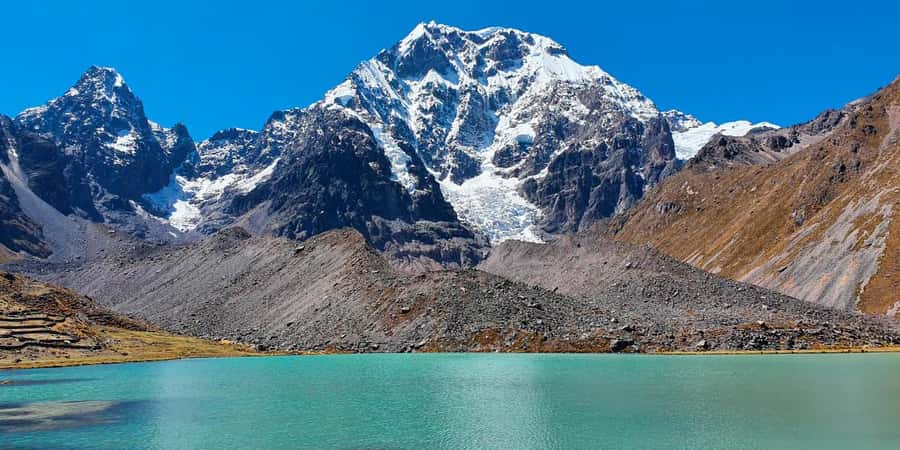
- Apu Ausangate is the star, with early panoramic moments from the Pacchanta area
- About 13 km hiking plus a high point near 4,620 m (and time at very high altitude in general)
- Sunglasses are mandatory for the glare during the hike
- Hot springs cost extra (30 soles for entrance) but the 30-minute soak is built into the schedule
- Guides split and pace the group so slower hikers still get help and safety checks
Why Ausangate’s 7 lakes feel different from the usual Cusco hikes
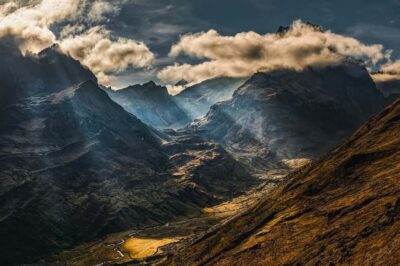
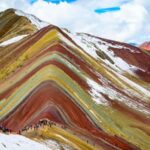
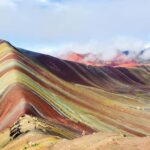
Ausangate is not the most famous mountain around Cusco, and that’s exactly why I’d point you here. You’re heading toward the massive Apu Ausangate (6,384 m), and the route spends real time near alpine lakes with a lot of silence around you. Even when the day is busy, the big sky and the high, open terrain keep it from feeling like a copy-paste tourist trail.
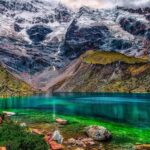
The “7 lakes” part also matters. You’re not just doing one viewpoint and leaving. The trek passes multiple lagoons and keeps giving you visual layers: steep sections, flatter stretches, and then sudden wide views when the trail levels out.
One-day treks often feel rushed, but this one has a smart rhythm: early drive, a full hike window, a photo stop, then a return that gives you time to steady your breathing before lunch and the hot springs.
You can also read our reviews of more tours and experiences in Cusco
The early start: pickup, drive, and staying warm before altitude hits
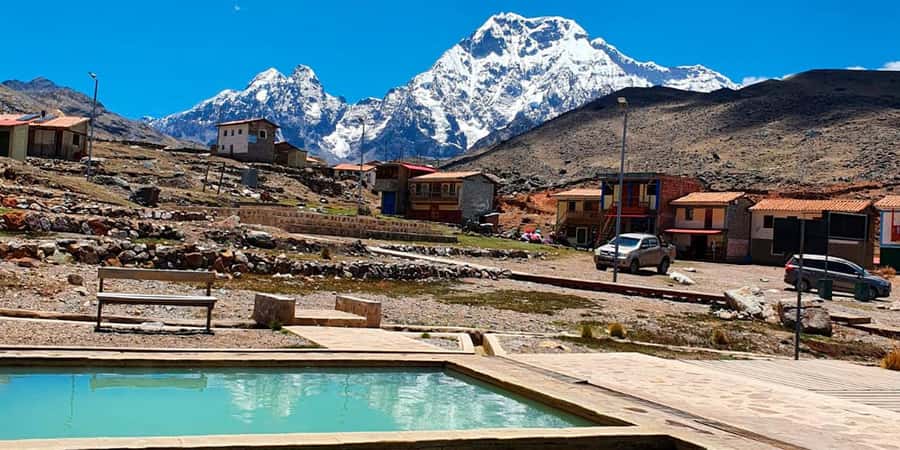
Your day starts with pickup from the Centro Histórico area, usually between 4:00 and 4:30 am. The van ride to Pacchanta takes about 3.5 hours, and you’ll likely feel it right away: cold air, bumpy road sections, and the fact that you’re already moving to higher elevation.
The trip notes early morning temps around 5–9°C, so dress for wind and shock-cold, not just “a chilly morning.” Bring the extra warm layers the tour suggests: sweater, jacket, hat, and gloves. Trust me, you don’t want to bargain with your body while you’re also trying to breathe at altitude.
A practical tip: you’ll be bundled up, but you’ll still need your gear organized. Set up your day pack before the hike so you can grab essentials fast—water, rain layer, sunglasses, and snacks.
Breakfast at Pacchanta, then your first real look at Apu Ausangate
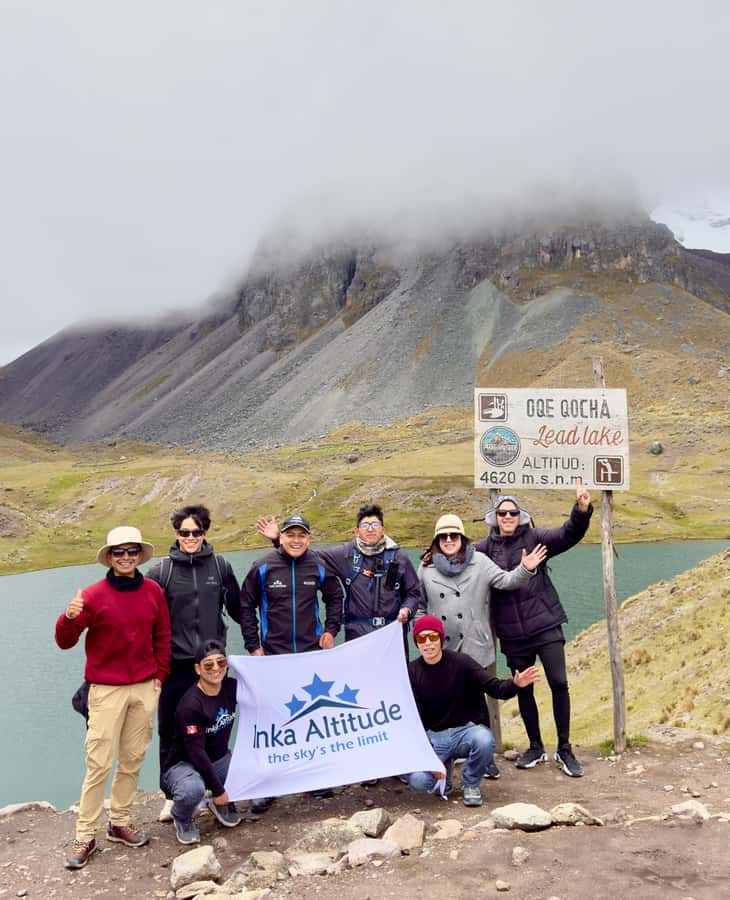
When you reach Pacchanta, you get a breakfast stop (about 30 minutes). This is more than just convenience. Eating early gives you stable energy before the hiking segment starts, and it helps you manage altitude fatigue when your appetite might be off.
Then the day shifts into “wow” mode. You’ll get initial views of the Apu Ausangate mountains rising above you, and that early perspective is a big part of why people rate this trek so highly. It also helps you mentally prepare: you see what you’re working toward before you commit to the steep parts.
The tour also builds in time to get your day pack ready. That small pause sounds simple, but at altitude it can be the difference between feeling controlled and feeling scattered.
The main trek: 13 km, lake views, and pacing that actually works
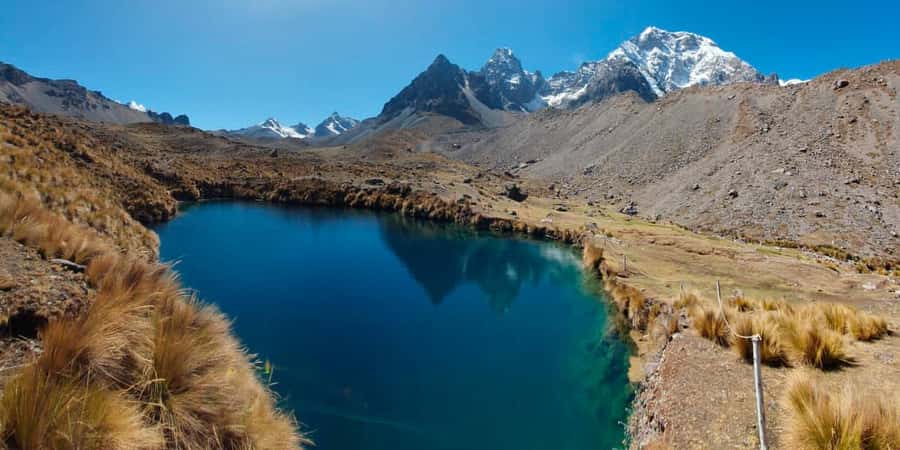
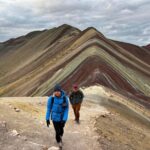
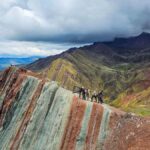
The core hike covers about 13 km (around 8 miles) and takes roughly 4.5 hours. You’ll move over steep and changing terrain, with altitudes shifting as you go. There’s a reported highest point near 4,620 m, and the trip also warns that you’ll spend time above 4,800 m, so plan for altitude effects even if the numbers vary slightly along the route.
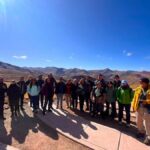
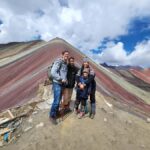
I like that the tour doesn’t push a single speed on everyone. You hike at a comfortable pace in a small group, and your guide looks out for safety. The tour’s own approach is clear: everyone walks differently, and the guide may be in different parts of the group to assist.
What you’ll notice on the trail:
- Sunglasses are mandatory. The glare at high altitude is real, and you’ll be happier if you don’t fight your eyes the whole time.
- The trail gives panoramic views between climbs. Those moments matter because they break up the physical effort.
- You’ll pass several alpine lakes on the way, not just one “hero lake.”
Bring snacks even if breakfast is included. Some people find the hike long enough that extra bites help more than you expect, especially if you’re sensitive to altitude or cold.
Photo stops and the “7 lagoons” moment that’s worth slowing down for
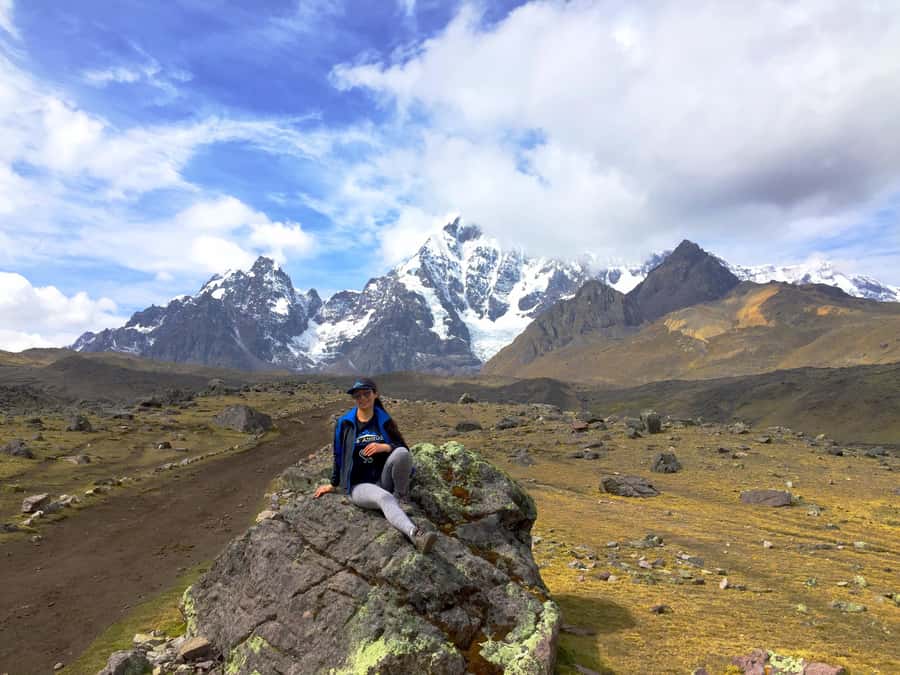
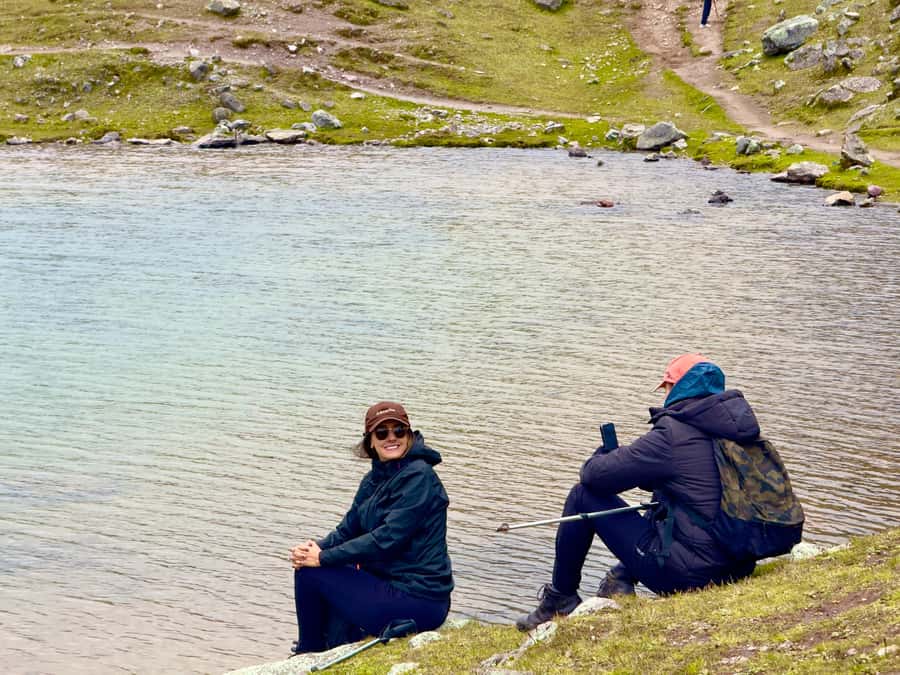
Midday includes time for a photo stop at the Ausangate 7 lagoons area (about 30 minutes). This is where you’ll likely feel the day shift from work mode to memory mode.
Here’s how to use that stop well: stop moving your feet, breathe, and take in the lake shapes and the way the mountains frame them. The trek is physical, so this is your chance to let your brain catch up with your legs.
Also, keep your expectations realistic. Some people love the lake time and want more of it, and others feel the day can feel a bit quick depending on the pace of the group and how often you pause. If you’re the contemplative type, tell your guide you want a slightly slower rhythm for photos.
You can also read our reviews of more hiking tours in Cusco

Horse riding: helpful backup for altitude, not a free pass
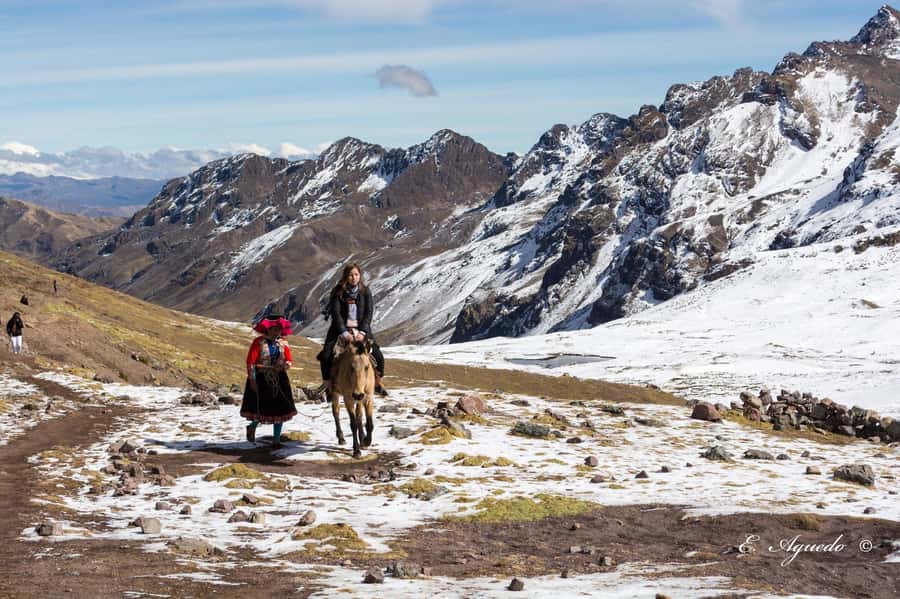
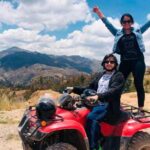
This trek gives you an important option: horse riding time is part of the schedule. That’s not just for fun. Altitude can hit fast, especially if you’re already tired from an early start and a long drive.
In the reviews, I saw the same theme: if altitude gets you, horses are highly recommended. Some people also mention paying extra for additional horse rides (around 120–130 soles) when they needed help on the ups and downs. Your best move is to be honest with your guide early. If you wait until you’re struggling, you lose flexibility.
Important note: if you rent a horse, the local partner isn’t involved in managing the rental process. In other words, your guide can help coordinate, but you shouldn’t expect a complicated customer-service setup if something changes on the trail.
Lunch at Pacchanta, then hot springs with high-country views
After the hike you return to Pacchanta, where you get lunch (about 30 minutes). Lunch is part of the value here: you’re not scrambling for food at the end of a hard day. Based on what people say, it’s filling and does the job, though a few mention it can be basic and cold depending on conditions.
Then comes the reward: Pacchanta hot springs. The soak itself is about 30 minutes, and the views from the springs are exactly the kind of payoff you want after climbing at altitude. The only catch: hot spring entrance fees are not included and cost 30 soles.
Plan for a quick dip, not a spa day. Wear something you can dry, keep an eye on your warm layer situation, and remember that your body may still be adjusting to altitude even after you sit down.
You’ll ride back to Cusco and arrive around 6:00–7:00 pm. It’s a long day, but it’s the kind of long day that ends with real satisfaction.
Price and value: why $29 can feel like a bargain here
At $29 per person for a one-day trek, the big value is what’s included:
- hotel pickup and drop-off near Cusco center
- a professional guide
- breakfast and lunch
- first aid kit and an oxygen bottle
Those added pieces matter more than they sound. When you’re hiking above 4,800 m and dealing with cold, wind, and fatigue, having first aid support and an oxygen bottle available gives you confidence. And meals at the right times stop you from turning the day into a snack hunt.
Not included costs are mostly about the hot springs and small purchases on the way. The tour states that entrance fees, water, souvenirs, and extras can only be paid with cash in Peruvian soles. So if you only carry a card, you’ll be stuck improvising. Bring soles, even if it’s just enough for the hot springs entrance.
What to bring (and what can trip you up fast)
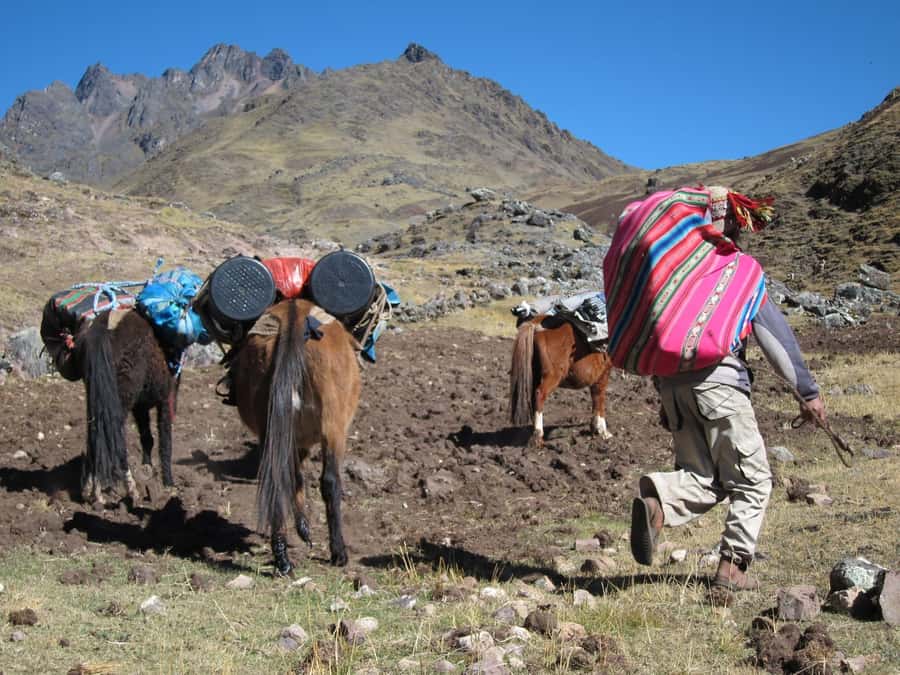
This is one of those treks where gear affects your comfort more than usual. The tour lists essentials, and I agree with all of them:
- water
- hiking shoes
- rain gear
- sunglasses (yes, truly)
- comfortable clothes plus warm layers (hat and gloves matter)
A few “don’t wing it” realities:
- Lighten your load. Luggage or large bags aren’t allowed. In practice, you’ll move better and feel less weighed down during steep sections.
- Bring snacks even with breakfast and lunch. Some people still want something small during the hike.
- If you’re worried about altitude sickness, bring personal medicine or altitude pills if that’s part of your routine.
Also note the group pace rule: your guide may be assisting different parts of the group, and you might be walking at different moments than the people beside you. That’s normal. It’s not a race.
Who should book this trek (and who should skip it)
This one-day Ausangate 7 Lakes Trek is best for you if:
- you want a serious high-altitude hike without committing to a multi-day trek
- you like nature-focused days that feel less crowded than some other popular routes
- you’re open to using horses if your body needs help
It’s not suitable if you have:
- back problems
- mobility impairments
- heart problems
- wheelchair use
- respiratory issues
- or if you weigh over 264 lbs (120 kg)
If you have asthma or heart conditions, treat that seriously. Even if you can complete the views from a horse, the schedule still involves high altitude and physical stress. In that case, it’s smart to talk with a medical professional before you go.
Should you book the 1-day Ausangate 7 Lakes trek from Cusco?
Book it if you want a high-value day with real mountain payoff: Apu Ausangate views, multiple alpine lakes, local lunch, and a hot springs stop that turns the hard parts into a proper finish. The included guide support, first aid kit, and oxygen bottle make it feel safer than DIY hiking, especially for first-timers to altitude-heavy treks.
Skip it if you know altitude and cold usually hit you hard, or if your body can’t handle rough roads and steep terrain—even if horses are available. Also consider pace: you’ll get time to see the lakes, but the day is structured enough that you should be comfortable with moving through sections rather than lingering forever.
If you’re a fit hiker who can handle early starts, bring the warm layers, pack light, and show up with cash for the hot springs, this is the kind of Cusco outing you’ll remember for a long time.
FAQ
How early is pickup from Cusco?
Pickup is from your accommodation in the Cusco area, typically between 4:00 and 4:30 am.
How long is the drive to Pacchanta?
The van ride to Pacchanta takes about 3.5 hours.
Is breakfast included?
Yes. Breakfast is included and is served during a stop in Pacchanta for about 30 minutes.
How long is the main hiking portion?
The hike is about 13 km and takes roughly 4.5 hours total.
What is the highest altitude on the trek?
The highest point of the trek is listed as around 4,620 meters above sea level. The trip also notes that you will trek over 4,800 meters above sea level.
Are hot springs included in the price?
No. Hot springs entrance fees are not included, and the cost is listed as 30 soles.
Is lunch included?
Yes. Lunch is included and takes about 30 minutes after the trek back in Pacchanta.
Can I ride a horse on this trek?
Horse riding is part of the experience. The schedule includes horse riding time, and you may find horses available if you need help with the altitude or steep sections.
Do I need cash for extra purchases?
Yes. Entrance fees, water, souvenirs, and other extra expenses can be paid only with cash in Peruvian soles.
What should I bring for the hike?
Bring snacks, water, rain gear, hiking shoes, sunglasses, and extra warm clothes like a sweater, jacket, hat, and gloves.