REVIEW · MACHU PICCHU
Salkantay trek to Machu Picchu – 5D/4N – Premium
Book on GetYourGuide →Operated by Grupo Conde Travel · Bookable on GetYourGuide
The Andes turn trekking into theater. This 5-day premium Salkantay route from Cusco blends high-mountain effort with real camping at SalkantayPampa, then lands you at Machu Picchu via the standard circuit.
I love the feel of getting out of the crowd-heavy Inka Trail lane, while still ending at one of the world’s top sights. I also like the practical premium touches: a chef team, a spacious dining tent and kitchen, plus a sleeping bag for 3 nights camping. One drawback to weigh: if you get sick on Day 1, you want strong support and clear emergency comms, and one booking account I read described a lack of emergency radio when illness hit.
In This Review
- Key things to know before you go
- Salkantay vs. the Inka Trail: why this route keeps winning
- Premium camping at SalkantayPampa: what that really means
- Day 1: Cusco, Humantay Lake, and the first push to SalkantayPampa
- Day 2: Basecamp Salkantay Pampa to Chaullay (18 km of steady work)
- Day 3: Chaullay to Lucmabamba and the shift in feel (16 km)
- Day 4: Llactapata to Hydroelectric to Aguas Calientes (14 km, big transition)
- Day 5: Machu Picchu citadel with included bus, then train back to Cusco
- Price and value: is $510 actually premium?
- Meals, guide quality, and the small-group advantage
- What to bring (and what not to): your packing list is your comfort plan
- Who this trek fits best (and who should skip it)
- Should you book the Salkantay trek premium 5D/4N?
- FAQ
- How long is the Salkantay trek to Machu Picchu on this premium option?
- What level of difficulty is it?
- Where do I sleep during the trek?
- Is Machu Picchu entrance included?
- Are Huayna Picchu or Montaña Machu Picchu included?
- What meals are included?
- How big is the group and is pickup provided?
Key things to know before you go
- Salkantay as an Inka Trail alternative: you’ll use the Mollepata–Salkantay route entrance included
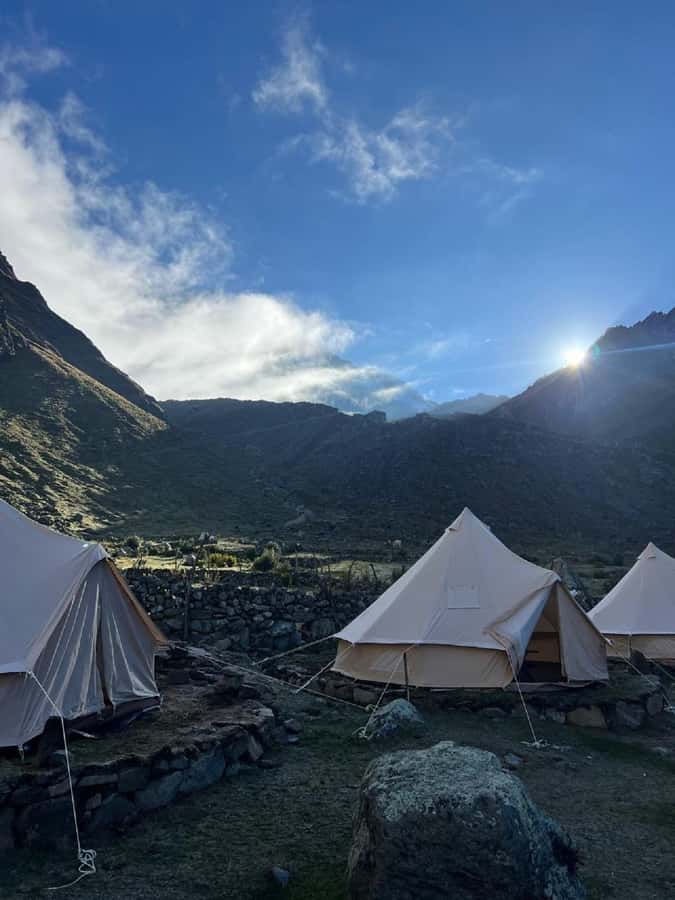
- Camping at SalkantayPampa: 3 nights under canvas with a real kitchen setup
- Small group (max 15): easier pacing and less chaos on a trek this long
- English bilingual guiding: supported by a chef and assistants for food and logistics
- Standard Machu Picchu included: bus round-trip to the citadel and Machu Picchu entrance are covered
- Train back is included: from Aguas Calientes to Ollantaytambo, plus transport back to Cusco
Salkantay vs. the Inka Trail: why this route keeps winning
The Salkantay trek to Machu Picchu is popular for a reason: it delivers big altitude-and-valley variety without the Inka Trail’s ticket bottleneck. If you want the classic end goal but prefer an experience that feels more flexible day to day, Salkantay is a smart pick.
This specific version is the 5D/4N premium style. You’re not just “doing a hike and sleeping somewhere.” You’re trekking roughly 64 km (39 miles) over five days, with a mix of long walking days and rest stops, then you reach Machu Picchu with the included bus transfer to the citadel.
The trade-off is simple: Salkantay is moderate to challenging, so you need stamina. This isn’t a scenic stroll where you can stop whenever you feel like it.
You can also read our reviews of more tours and experiences in Machu Picchu.
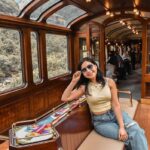
Premium camping at SalkantayPampa: what that really means
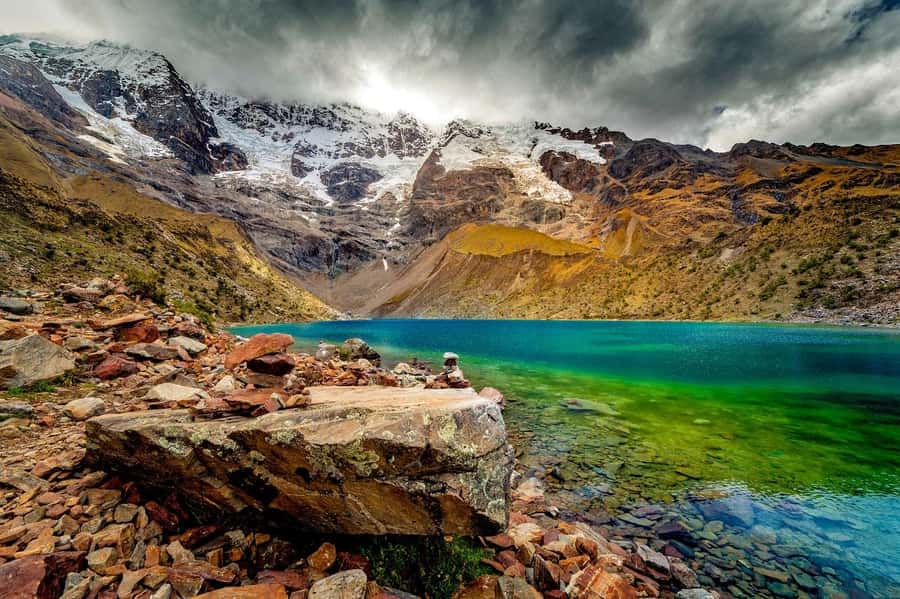
The standout promise here is the basecamp at SalkantayPampa. “Authentic camping” can mean a lot of things on tours, so I like that this one builds in real infrastructure: a spacious dining tent and kitchen, not just a corner where someone hands you food.
You’ll have 3 nights campsite included, plus a sleeping bag. That matters because cold nights are common on treks in this region, and the packing list even calls out snow clothing. Even if you’re tough, you’ll be happier with layers that work for chilly conditions.
You’ll also get food as listed in the itinerary, with vegetarian options available. That’s not a minor point. On multi-day treks, meals are what keep your legs moving. If you’re vegetarian, it’s the difference between enjoying the walk and constantly worrying about what’s on your plate.
Day 1: Cusco, Humantay Lake, and the first push to SalkantayPampa
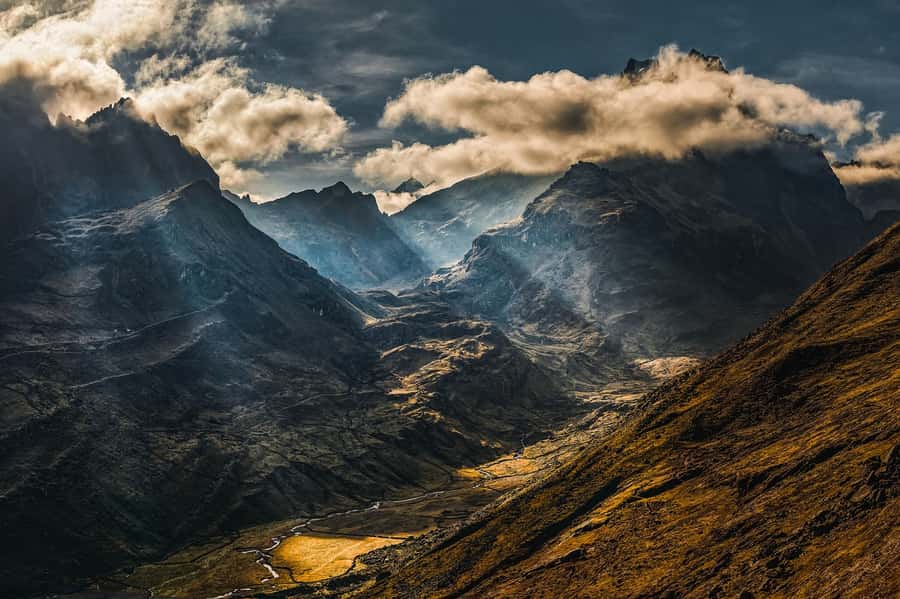
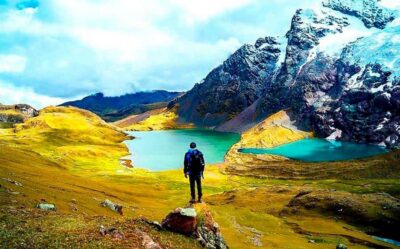
Day 1 covers about 16 km for roughly 7 hours. You start from Cusco, then go to Humantay Lake before heading to Basecamp SalkantayPampa.
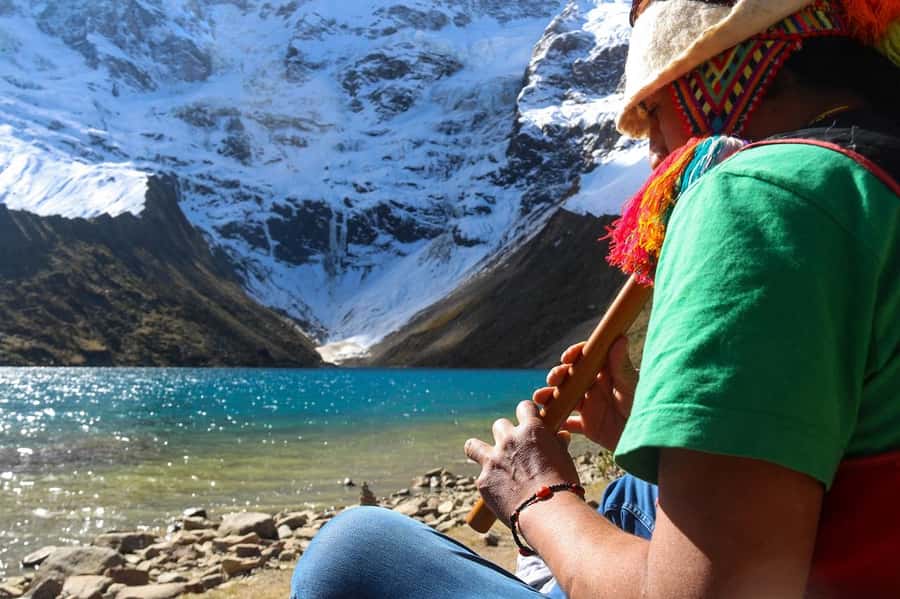
Humantay Lake is the kind of stop that resets your brain. You walk hard, you climb, and then you get a payoff that feels like a reward for the effort. Even if the weather shifts, that glacial-lake vibe is memorable, and it gives you a clean first taste of why this trek is so popular.
Practical note: your first breakfast isn’t included, so plan to eat before pickup. Also, your route day is long, so think about how you’ll manage energy in the first hours. A daypack with water and your warm layer (plus a light rain solution if you have one) is the easiest win.
When you finally reach SalkantayPampa, the goal is not to “do more exploring.” It’s to settle in, eat well, and sleep so you’re ready for the next day’s walking.
Day 2: Basecamp Salkantay Pampa to Chaullay (18 km of steady work)
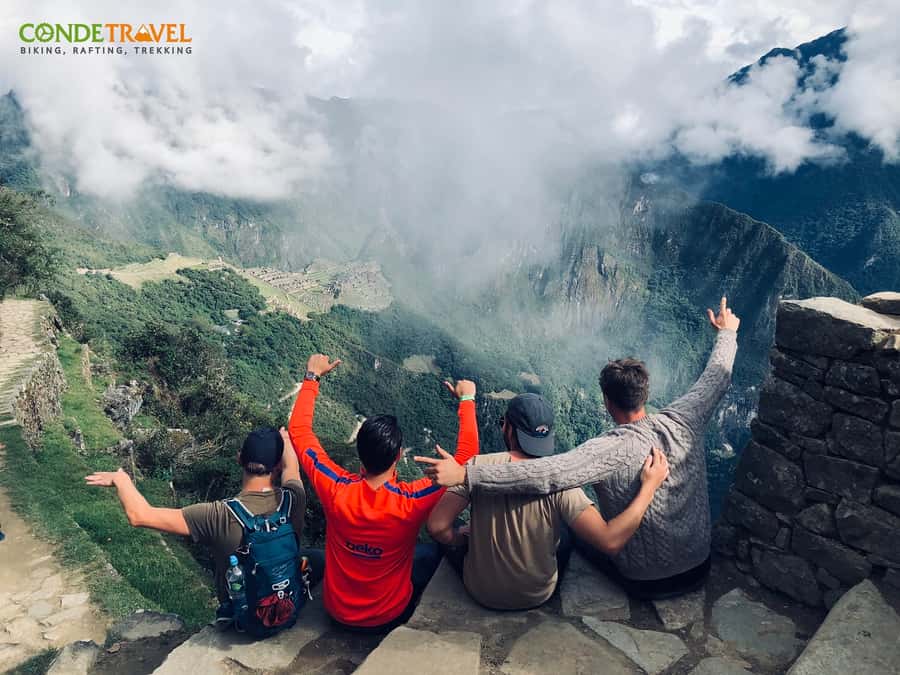
Day 2 is about 18 km and around 7 hours, moving from Basecamp Salkantay Pampa to Chaullay.
This day matters because it sets your trekking rhythm. If you go out too fast on Day 1 adrenaline, Day 2 is where that catches up. The best strategy is usually steady effort: smaller steps when the ground gets rough, and consistent breaks rather than big, exhausting surges.
Chaullay is a key waypoint on this route. You’re transitioning between natural zones and starting to feel the “trail life” rhythm—walk, stop, eat, walk again. It’s also the day where you’ll appreciate having a chef and assistants. The less you have to worry about food and setup, the more you can focus on moving safely.
If you’re prone to getting chilled, keep your layers handy. The trek includes snow clothing in the bring list, and Day 2 is often when you realize cold mornings are real, not theoretical.
Day 3: Chaullay to Lucmabamba and the shift in feel (16 km)
Day 3 is around 16 km for roughly 6 hours, heading from Chaullay to Lucmabamba.
This is one of the “balance” days in a trek like this. The time on the trail is shorter than Day 2, but it still requires focus. If you’ve been carrying your energy well, it’s the day you start to feel more like a trekker and less like a hiker surviving a schedule.
Lucmabamba is also a useful named stop because it breaks the trip into human chunks. Instead of thinking only in miles, you start mentally mapping the journey by where you sleep and where you eat. That’s a big deal when you’re walking for hours in changing conditions.
This is also a day to watch your feet. Closed-toe shoes are required, so you’re already doing the right thing, but 2–3 days in, friction matters. Bring a plan for blister prevention and don’t ignore small hot spots. Future you will thank present you.
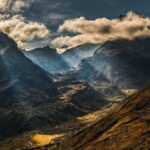
Day 4: Llactapata to Hydroelectric to Aguas Calientes (14 km, big transition)
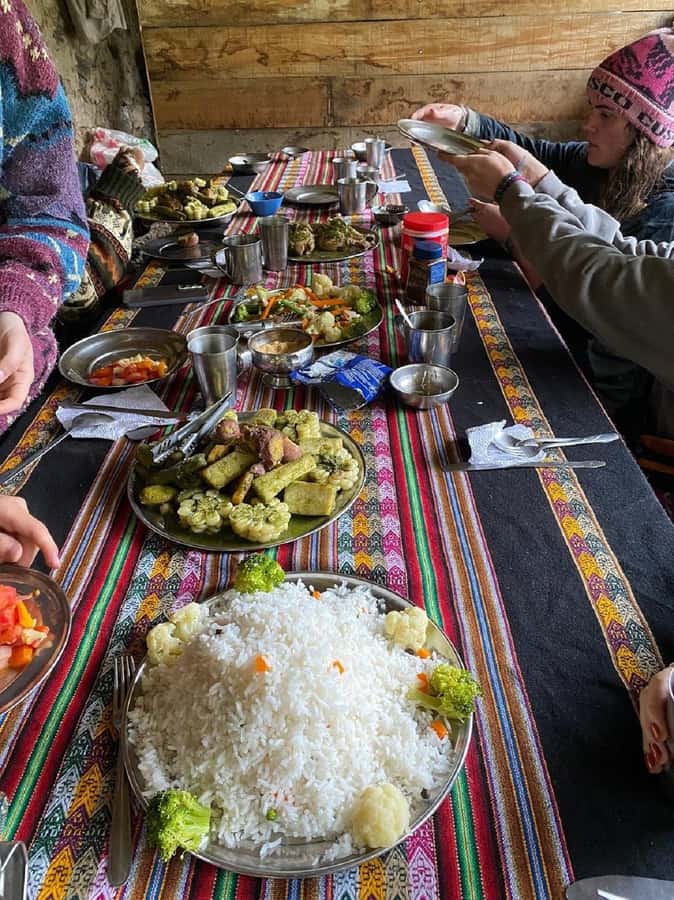
Day 4 covers about 14 km for around 6 hours, moving from Lucmabamba to Llactapata, then through the Hydroelectric area, and onward to Aguas Calientes.
Even though the distance is shorter on paper, this day is often a turning point. You’re transitioning from trekking mode into Machu Picchu logistics mode. That means: arrive, check in, rest, and be ready for an early start the next day.
A few things make this day worth paying attention to:
- You’re working toward the town base (Aguas Calientes), where the pace is different from the trail.
- You’ll be thinking about timing for the next day’s bus round-trip to Machu Picchu citadel.
- You’ll want your pack organized so you aren’t digging through stuff while tired.
If you’re someone who dislikes ticket lines and last-minute confusion, this is the day to keep your head clear. One booking account I read described losing serious time around ticket handling at the Machu Picchu area. You can’t control crowds, but you can control preparation: know exactly what’s included, and keep your documents sorted.
You’ll sleep in a 1-night hotel in Machu Picchu Pueblo (Aguas Calientes) tonight. That alone is a quality-of-life upgrade compared to camping, and it helps you recover for the main event.
Day 5: Machu Picchu citadel with included bus, then train back to Cusco
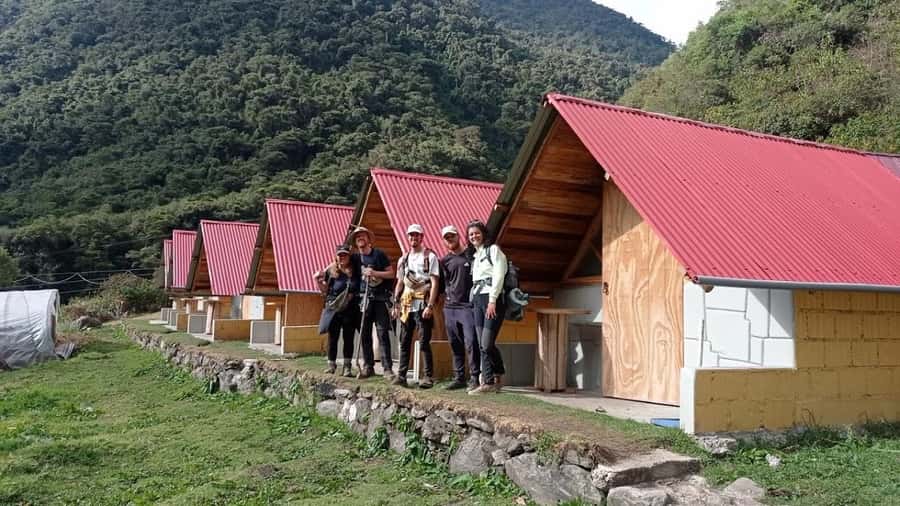
Day 5 is built around Machu Picchu. You’ll do Machu Picchu, then return to Cusco to end the tour.
The key logistics are covered: round trip bus to the Machu Picchu citadel plus the train back from Aguas Calientes to Ollantaytambo, and then transport from Ollantaytambo to Cusco.
You don’t get Huayna Picchu or Montaña Machu Picchu in this package. If you want those viewpoints, you’ll need additional planning. The standard Machu Picchu entrance is included, and that’s already plenty to see.
My practical advice here is to show up with realistic expectations. Machu Picchu is busy, and your best experience comes from pacing your attention. Focus on what you can see clearly and take breaks when you need them. Your job on Day 5 is to absorb, not to sprint for every photo angle.
After the citadel visit, you’re back into travel mode: train, then road transfer to Cusco. It’s a long day, but it’s one that’s managed for you.
Price and value: is $510 actually premium?
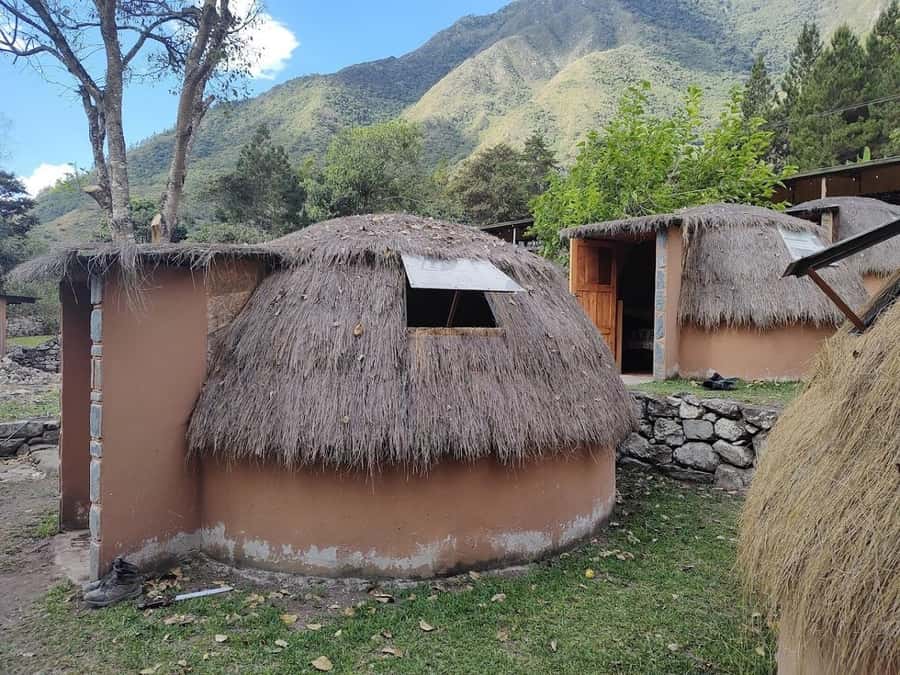
At $510 per person, this is priced like a tour that bundles the big, expensive pieces. You’re paying for far more than a guide and a few meals.
Here’s what stands out as value:
- Machu Picchu entrance plus the round trip bus to the citadel
- Train back from Aguas Calientes to Ollantaytambo
- Entrance ticket to the Mollepata–Salkantay route
- 3 nights campsite and 1 night hotel in Aguas Calientes
- A professional bilingual guide (English) plus a chef and assistants
- Food listed in the itinerary and vegetarian options
- Core gear support like a spacious dining tent, kitchen, and a sleeping bag
- Transfers included (including pickup at your hotel lobby 10 minutes before the scheduled time)
What you should account for:
- First breakfast and last day lunch and dinner aren’t included
- Optional viewpoint tickets like Huayna Picchu or Montaña aren’t included
- Personal care items aren’t included
So is it worth it? If you’d otherwise be piecing together tickets, train, and a guided camping setup, then yes. If you’re the type who likes DIY and already has hiking logistics handled, it might feel steep. But for most people, the cost reflects convenience plus the infrastructure of a real camping operation.
Meals, guide quality, and the small-group advantage
Small-group trekking changes how the day feels. This one is limited to 15 participants, which usually means less waiting and less “everyone panic in the same photo spot” energy.
You also get a team structure: a professional bilingual guide, plus a chef and assistants. In at least one account I reviewed, the guide (Eduardo) was praised for sharing information about nature, traditions, and local people. That’s exactly what you want from a bilingual guide: not just route instructions, but context that makes the trek feel human, not mechanical.
Food is included as mentioned, and vegetarian options are available. When food is reliable, your body keeps working and your mood stays steadier. It’s a boring thing to say until you experience a bad trek meal cycle.
One watch-out: organization matters most when you’re not feeling well. I read one booking story describing illness on Day 1 and limited emergency support, plus guide switching later. That doesn’t mean it happens every time, but it’s enough for me to say you should ask the operator how they handle medical issues and whether the same guide stays with your group throughout.
What to bring (and what not to): your packing list is your comfort plan
The provided list is solid, and I’d follow it closely.
Bring:
- Passport
- Hat
- Change of clothes
- Camera
- Biodegradable sunscreen
- Comfortable clothes
- Snow clothing
- Cash
- Flashlight
- Daypack
- Charged smartphone
- Personal medication
- Closed-toe shoes
- Garbage bag
Not allowed:
- Oversize luggage, baby strollers
- Alcohol and drugs
- Open-toed shoes
- Electric wheelchairs and crutches
- Nudity
A few practical packing thoughts:
- Closed-toe shoes are required, so commit to comfort. If your boots are new and stiff, your feet will complain by Day 2.
- A flashlight sounds basic until you’re in camp with limited light. You’ll use it.
- The snow clothing hint tells you nights may feel cold. Don’t assume daytime heat covers nighttime chill.
Also keep an eye on luggage size. If you’re used to traveling with a big suitcase, this is not that. Pack light and only carry what you can hike with comfortably.
Who this trek fits best (and who should skip it)
This tour is listed as not suitable for:
- Children under 5
- Pregnant women
- People with back problems
- People with mobility impairments or wheelchair users
- People with heart problems
- People over 70
Even if you’re technically “able,” you also need to be comfortable with camping nights and long walks. The itinerary’s daily distances and the moderate-to-challenging difficulty mean you should train or at least prepare your body ahead of time.
This is a great fit if you:
- Want a popular alternative to the Inka Trail
- Like camping with real support (kitchen and dining setup)
- Prefer small-group pacing
- Want the Machu Picchu experience with major logistics handled, including train back
It’s less ideal if you:
- Want maximum comfort and minimal hiking
- Need extra accessibility support beyond what the tour states
- Are set on Huayna Picchu or Montaña without extra ticket planning
Should you book the Salkantay trek premium 5D/4N?
I’d book this if you want the core Salkantay-to-Machu Picchu experience in a small group with a real camping setup, included entrance tickets, and the train/bus logistics handled. The premium touches (chef team, dining tent and kitchen, sleeping bag, and hotel night in Aguas Calientes) make it feel like a guided expedition instead of a DIY hike with a checklist.
Before you commit, do two sanity checks:
- Confirm the operational plan for Day 1 health and emergency communication, since that’s where disruptions hurt most.
- Be clear on viewpoint options. This includes standard Machu Picchu, not Huayna Picchu or Montaña.
If you match the physical requirements and you’re comfortable with camping nights, this is a strong value way to reach Machu Picchu without choosing the Inka Trail route.
FAQ
How long is the Salkantay trek to Machu Picchu on this premium option?
It runs for 5 days and 4 nights. The hiking total is about 64 km (39 miles).
What level of difficulty is it?
The trek is listed as moderate to challenging, so you should expect long hiking days.
Where do I sleep during the trek?
You’ll have 3 nights in a campsite, then 1 night in a hotel in Machu Picchu Pueblo (Aguas Calientes).
Is Machu Picchu entrance included?
Yes. The Machu Picchu entrance ticket is included, and you also get a round trip bus to the Machu Picchu citadel.
Are Huayna Picchu or Montaña Machu Picchu included?
No. Huayna Picchu entrance and Montaña Machu Picchu entrance are not included.
What meals are included?
Food is included as mentioned in the itinerary, with vegetarian options available. The first breakfast and the last day lunch and dinner are not included.
How big is the group and is pickup provided?
The group is limited to 15 participants. Pickup is included, with you meeting the conductor at your hotel lobby about 10 minutes before pickup time.