REVIEW · CUSCO
Best of Cusco: Private Walking Tour with a Local
Book on GetYourGuide →Operated by Humrahe · Bookable on GetYourGuide
Cusco can feel like a maze at first. This private walking tour starts you in the right places, with a local resident who tailors the route to what you care about and shows you where the city’s Incan and Spanish layers overlap in real life. I like that you get local culture focus (not a lecture), plus practical food and drink pointers like where to try cuy and alpaca and how a warm coca tea fits the day.
The one drawback to keep in mind is private-tour reliability: there’s at least one reported case of a guide not showing up, so I’d treat it like any private service and confirm details right before you start. If you’re the type who hates uncertainty, build in a little buffer on your schedule.
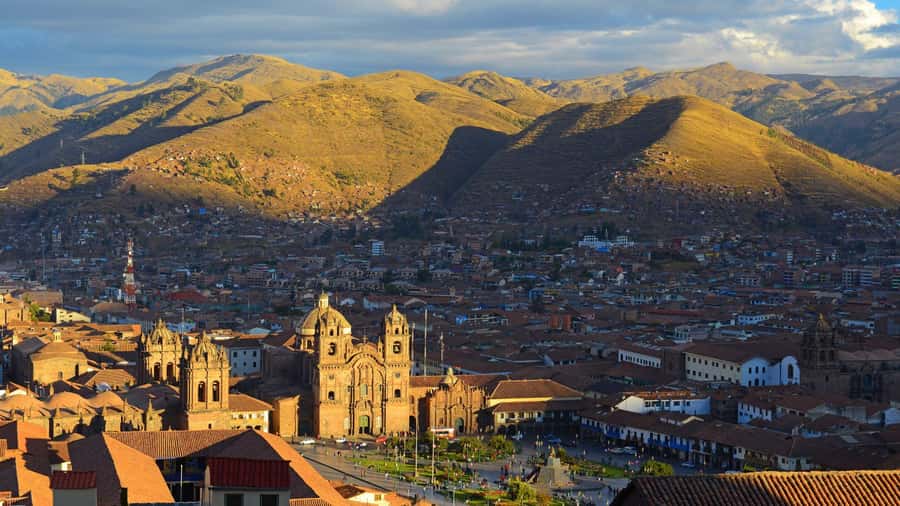
If you want Cusco without feeling herded, this is a good match. You’ll be walking through the historic center’s narrow cobblestone streets, pausing for major landmarks like Plaza de Armas, then swinging toward markets and Sacsayhuamán, all with room to slow down or adjust.
In This Review
- Key things to know before you go
- Starting near Qorikancha: getting your bearings fast
- Plaza de Armas and the cathedral-and-church landmarks
- Narrow cobblestones, old stone, and a culture-first pace
- San Pedro Market: snacks, crafts, and real conversations
- Sacsayhuamán ruins: stone engineering you can feel
- Price and value: why $20 can work here
- Guide style: friendly local resident, flexible conversation
- Practical walking tips for Cusco’s pace
- Who this tour is best for
- Should you book Best of Cusco with a Local?
- FAQ
- Where is the meeting point?
- How long is the tour?
- Is this tour private?
- What languages does the guide speak?
- Is the tour wheelchair accessible?
- Is a professional guide included?
- What isn’t included in the price?
- If we visit a ticketed attraction, do we pay extra for the guide?
- What should I wear or bring?
- What are the cancellation and payment options?
Key things to know before you go
- Private and exclusive: it’s just your group, with no outsiders tagging along.
- Flexible route: your guide adjusts the order and emphasis based on your interests and pacing.
- Local-resident style: you get cultural guidance and confidence, not a certified-lecturer approach.
- Market time built in: San Pedro Market is part of the experience, so you can taste and shop beyond the main sights.
- Ruin stop for context: Sacsayhuamán is included to connect the stonework story to what you’re seeing downtown.
- English or Spanish: choose the language that keeps the conversation flowing.
Starting near Qorikancha: getting your bearings fast
The tour meeting point is at Qorikancha, a solid place to begin because it anchors you to the Incan side of Cusco. Even if you’ve just arrived, starting here helps your brain sort what you’re seeing: big stones, reused structures, and that sense that Cusco’s layers sit on top of each other instead of being neatly separate.
From the start, the value is how the guide sets expectations. Instead of telling you what to memorize, they help you understand how to move through the city—where to look, what to notice in architecture, and how to connect the downtown sights to the wider Inca story. And since this is a walking format, you’ll feel the slope, the streets, and the rhythm of the historic center in a way photos never do.
If you’re short on time, this start also matters. A well-planned local walk can help you get the main visual cues early, so later stops feel easier and less overwhelming.
You can also read our reviews of more walking tours in Cusco

Plaza de Armas and the cathedral-and-church landmarks
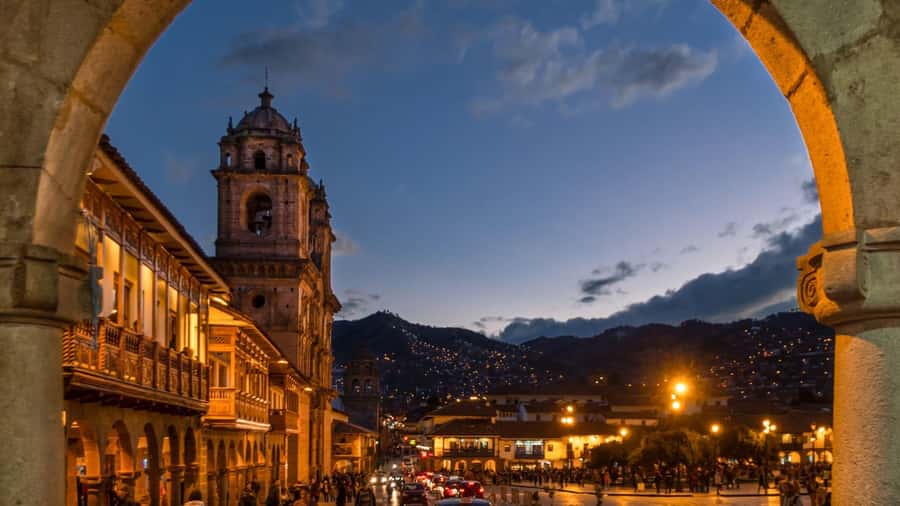
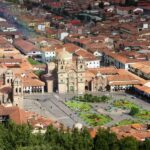
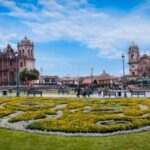
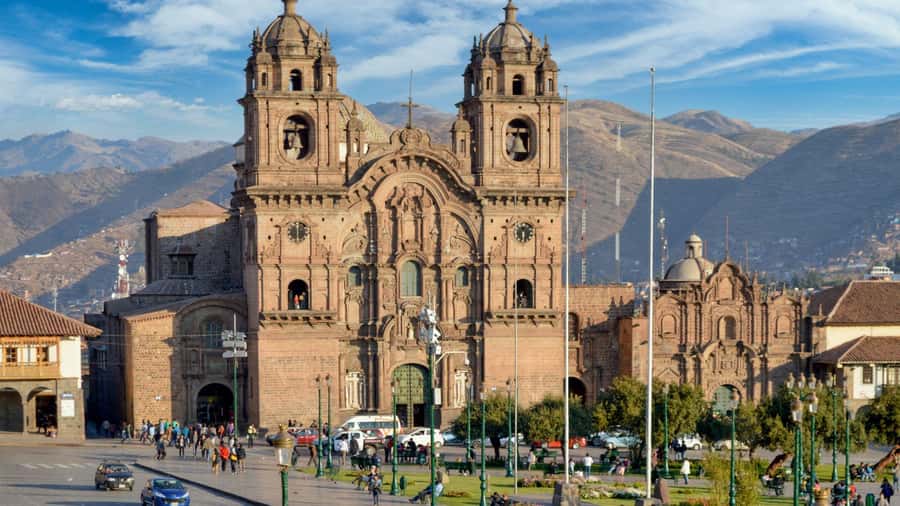
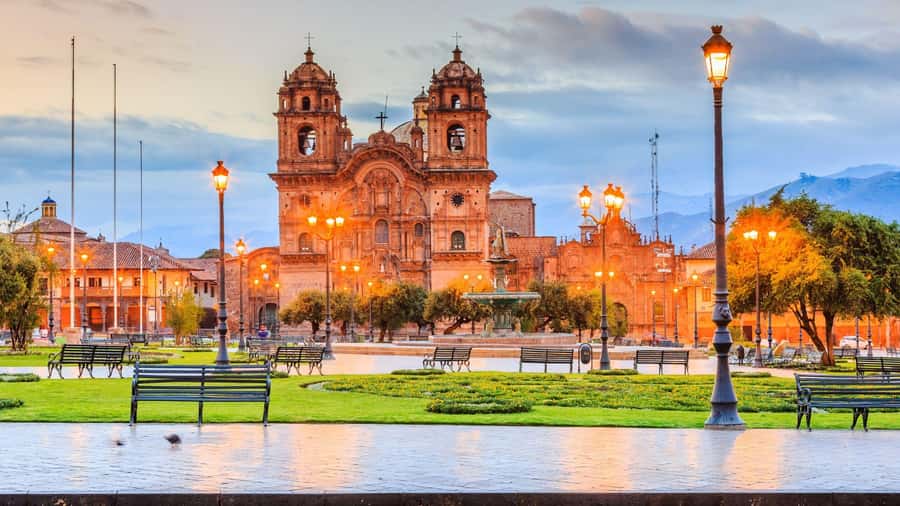
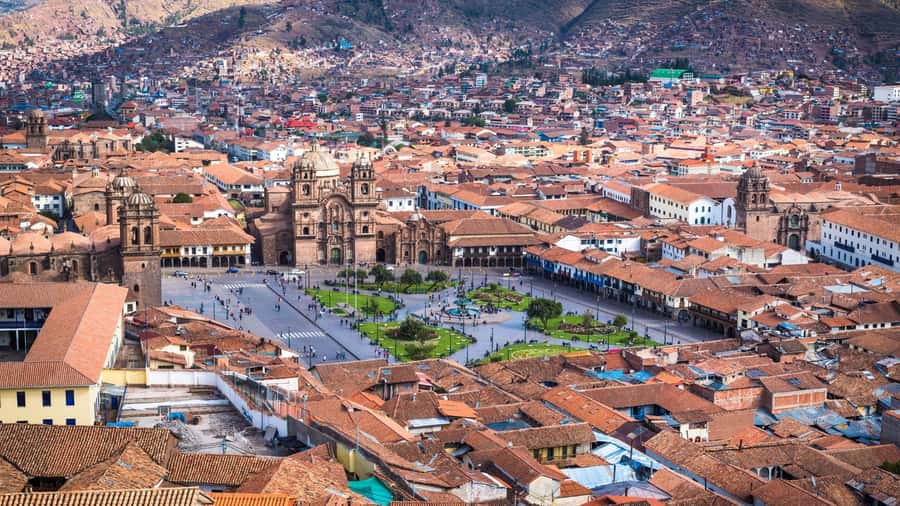
From Qorikancha, the route naturally moves into the historic-center core, where Plaza de Armas is the heart of the action. This square is surrounded by major colonial-era landmarks—big facades, church mass, and that classic Cusco arrangement where public life and monumental buildings share the same stage.
Two stops here tend to define the experience:
- The Cusco Cathedral area, where you can look closely at the blend of Spanish design language with the town’s older base layers.
- The Church of La Companía de Jesús, famous enough that you’ll likely recognize it from brochures, but far more interesting when someone points out what to look for beyond the obvious exterior.
What I like about this portion is the conversation quality. A local resident guide can explain why these structures matter for daily life and identity now, not just why they were built centuries ago. You’re not just checking boxes—you’re learning how Cusco people interpret their own landmarks.
A small consideration: because this is a walking tour and you’ll be near major sights, expect crowds at peak times. If you prefer quiet streets, ask your guide to adjust pacing or timing.
Narrow cobblestones, old stone, and a culture-first pace
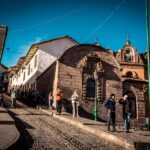
Cusco’s charm lives in the small stuff: the narrow cobblestone streets, the way walls and doorways look worn and lived-in, and the feeling that every corner has a story. That’s exactly why this tour works better than a busier, fixed-time route. You get time to slow down and actually see details.
This tour is designed around local culture, so you’ll spend less time in deep historical fact-dumps and more time on how people experience Cusco: daily habits, food culture, neighborhood vibe, and what’s worth your attention right now. The guide also brings confidence—if you know what you’re looking at, the city feels friendly instead of confusing.
You may also notice how flexible the tour becomes. If you’re curious about architecture, your guide can zoom in on street-level details. If you’re more food-focused, they’ll steer you toward the right stops and conversations. This isn’t a one-size-fits-all script.
San Pedro Market: snacks, crafts, and real conversations
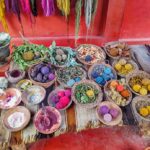
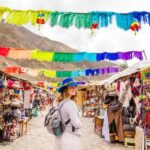
San Pedro Market is where Cusco becomes more about people than monuments. Instead of treating the market as a quick photo stop, the tour uses it as an easy, natural break in the day—somewhere you can taste local snacks, browse handmade crafts, and soak up the lively atmosphere while staying oriented.
This stop is practical. Markets can be a little intimidating if you don’t know what to ask for or what’s worth trying. A local guide helps you navigate without making you feel lost or stuck in a language barrier. And food suggestions are part of the whole concept of the tour: your guide can point you toward traditional items like cuy and alpaca, plus places where you can enjoy a warm coca tea.
A consideration: food and drinks are not included. That’s normal for market time, but it means you should budget a bit for tasting. If you’re on a tight food budget, tell your guide your limits up front so the choices match your comfort level.
Also, be ready for sensory overload. If you hate crowded indoor spaces, go slower, choose a few targets, and treat the rest as atmosphere.
Sacsayhuamán ruins: stone engineering you can feel
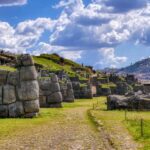
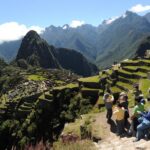
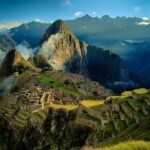
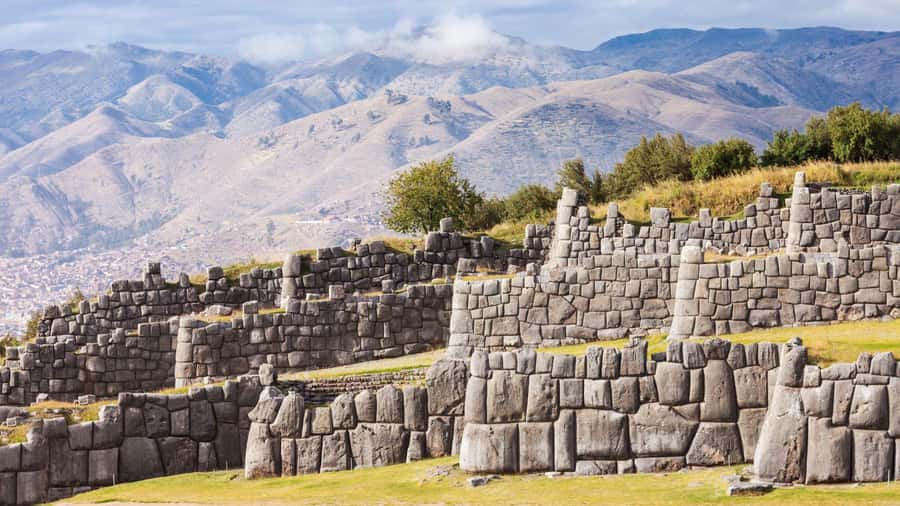
The tour also includes Sacsayhuamán, the major ruin site known for massive stone walls. If you’ve only ever seen photos, seeing it in person changes the scale instantly. The stones look different when you’re standing near them—heavy, precise, and built for a purpose that makes more sense once you understand Cusco’s wider geography.
What makes Sacsayhuamán valuable in this particular tour setup is the connection. You’re not going there blind. You’ve already walked the historic center, looked at how the city’s layers interact, and heard a cultural storyline that ties downtown architecture to the larger Inca presence in the region. Then the ruins land like the missing puzzle piece.
This is also where pacing matters most. With a private guide, you can spend longer where you’re curious—like walking viewpoints or stopping to understand the wall shapes—then move on when you’ve gotten what you came for. If your legs are tired, the flexibility helps.
Since transportation costs aren’t included, you should expect that you might pay for any ride needed between stops, depending on the exact route your guide chooses and how long you spend at each location.
You can also read our reviews of more private tours in Cusco
Price and value: why $20 can work here
At around $20 per person, the price is attractive—especially because you’re buying a private experience for your group, with a local resident style and a flexible itinerary. The real value isn’t a long checklist. It’s the ability to shape the day: more market time if that’s your thing, extra landmarks if you want architecture, or extra stories if you like conversation.
Also, the price makes sense because not everything is included. Food, drinks, transport, and admission fees for ticketed attractions aren’t part of the cost. That lowers the base price, but it shifts the day’s spending to what you actually choose to do.
Here’s how to think about total cost:
- If you’ll buy snacks and drinks anyway, plan on that as a normal add-on.
- If you take taxis or buses between far-apart stops, factor transport into your day.
- If you want paid sites, admission fees can add up, and you may also be asked to cover the guide’s entry cost (it’s optional, but the guide entry cost note matters).
For me, this turns the tour into a choose-your-own-adventure. The best value comes when you tell your guide what you want early, so the time you pay for actually matches your priorities.
Guide style: friendly local resident, flexible conversation
This tour is guided by a friendly local resident, and it’s important to understand what that means. You’re not getting a professional tour lecturer in the traditional sense; the focus is on local culture and practical context rather than deep historical lessons.
That can be a plus. If you’re tired of hearing facts read like a script, you’ll probably enjoy a more human approach. The guide’s job is to help you feel at home in Cusco—how to move, what to notice, where to eat, and what the city’s people actually care about.
The language options are also a big deal. English and Spanish are both available, which makes the conversations more comfortable than many “guide-only English” setups. And since this is a private group, you can ask questions without worrying about slowing down strangers.
One caution: because it’s private service, you should plan for normal human error. The tour has at least one reported no-show problem. Your best defense is to confirm meeting details the day before and be reachable on your phone at the scheduled time.
Practical walking tips for Cusco’s pace
Cusco is at altitude, and your body may need time to settle. This tour helps because you can pace yourself, not because it’s a strenuous hike. Still, comfortable shoes matter—a lot. Cobblestones can be slick and uneven, and you’ll want stable footing for long stretches of walking.
Punctuality also matters. Since it’s scheduled and private, arriving on time helps your guide keep the itinerary smooth. If you’re running late due to altitude or travel delays, message in advance if possible.
Another practical note: the tour is wheelchair accessible. That’s good to see, but you’ll still want to consider cobblestones and the real street terrain; accessibility often depends on the exact route chosen.
Who this tour is best for
This private walking tour is a strong fit if you:
- Like local guidance more than museum-style history
- Want a flexible schedule that can shift with your energy
- Plan to eat and explore, not just stand and look
- Prefer small-group attention, with no outsiders in your space
It may be less ideal if you’re chasing a strict, textbook-style chronology. The tour explicitly focuses on local culture rather than deep historical lessons, so if you want detailed academic storytelling, you might need additional experiences beyond this walk.
It’s also a good choice if you’re traveling with friends or family and want one shared plan without the pressure of matching a large group.
Should you book Best of Cusco with a Local?
I’d book this if your goal is to feel Cusco—through street-level details, market life, and ruins with context—while keeping the day flexible. The private setup and local resident guidance are the big wins, especially for people who like practical tips like where to try cuy and alpaca and when to enjoy a warm coca tea.
I’d pause if you’re the type who can’t handle service risk. Since there’s a reported case of a guide not showing up, do a quick confirmation the day before and stay reachable. If you handle that small risk well, this can be a great way to get oriented fast and make your Cusco days feel more personal.
FAQ
Where is the meeting point?
Meet at Qorikancha (Cusco Region, Peru).
How long is the tour?
The duration is listed as 1 to 6 hours, depending on the starting time you choose.
Is this tour private?
Yes. It’s a private group with your group only, and there are no outsiders.
What languages does the guide speak?
The live guide is available in English and Spanish.
Is the tour wheelchair accessible?
Yes, it is wheelchair accessible.
Is a professional guide included?
You get a friendly local resident guide. The info notes that they are not a certified professional tour guide.
What isn’t included in the price?
Food and drinks you buy, transportation costs, admission fees for ticketed attractions, and personal expenses are not included.
If we visit a ticketed attraction, do we pay extra for the guide?
The guidance says you may need to cover the guide’s entry cost if you choose to visit an attraction with an admission fee, and it notes this is optional.
What should I wear or bring?
Wear comfortable shoes for the walking portion.
What are the cancellation and payment options?
You can cancel up to 24 hours in advance for a full refund. There’s also a reserve now & pay later option to keep plans flexible.